
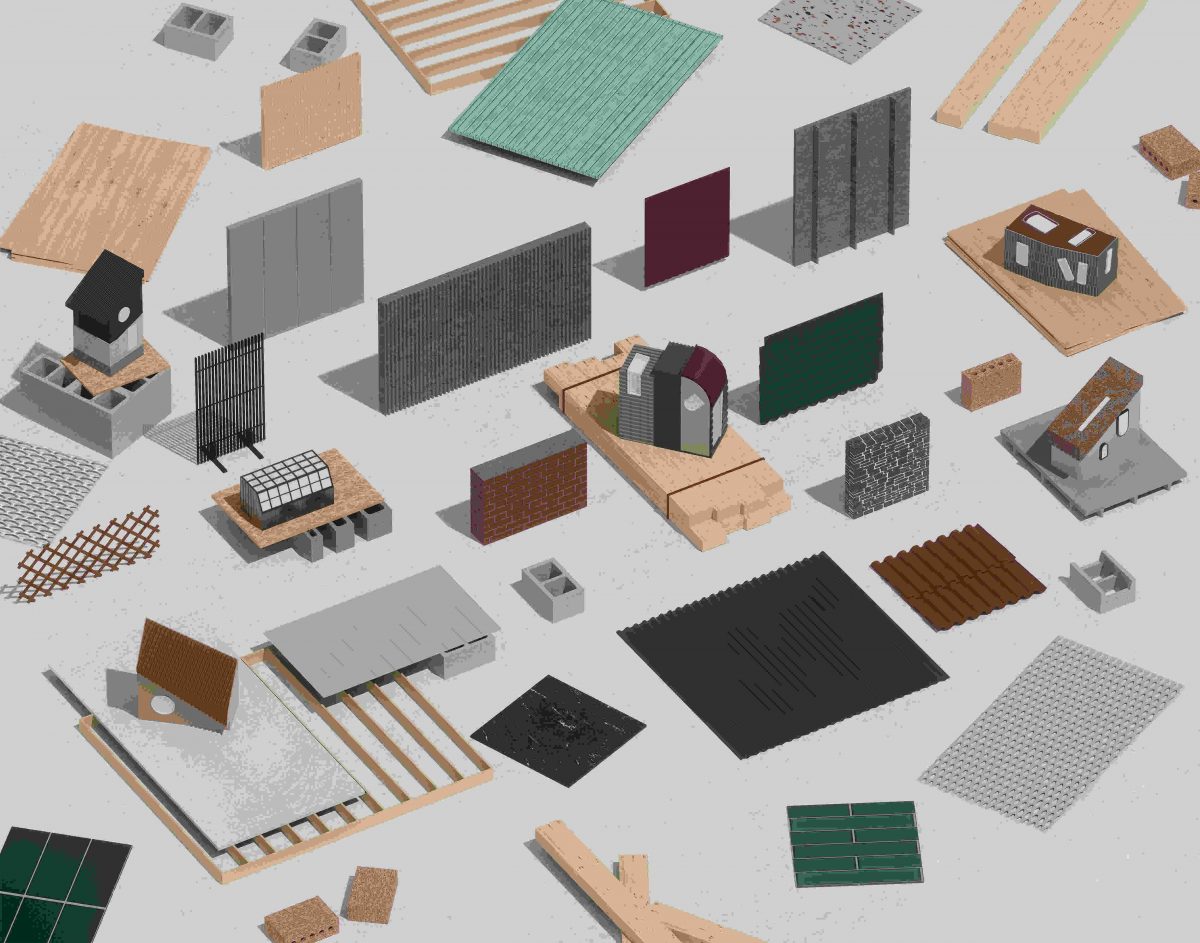
This thesis explores the speculative potential of ready-to-buy materials from hardware stores to problematize the ordinary and regular through unconventional applications in architectural design.
By reorienting these materials in unusual ways—juxtaposing them, using them in non-structural and structural roles, or applying them unexpectedly—this thesis seeks to challenge conventional construction practices. It aims to transform everyday components into elements that provoke new spatial experiences and architectural dialogues.
What is the 21st-century version of recontextualizing everyday materials in architecture?
How can reorienting common materials in surprising ways redefine their architectural role? What new aesthetic and spatial possibilities emerge when these materials are used beyond their conventional functions? How might this approach inspire future architectural practices and expand the boundaries of accessible design?