As the future feels infinite and change inevitable, the value of parks has surged, but their design has seen little change in a century. This studio asks students to imagine how Exposition Park can be the most valuable open space in the Southern California region for the surrounding community, and for people from around the globe. Students are investigating relationships between public space and human physical and mental health, how we can decolonize public space via cultural meaning, adapt to ecological and climate futures, create queer time and space, and how Expo Park can extend the impact of learning.

Future Parks
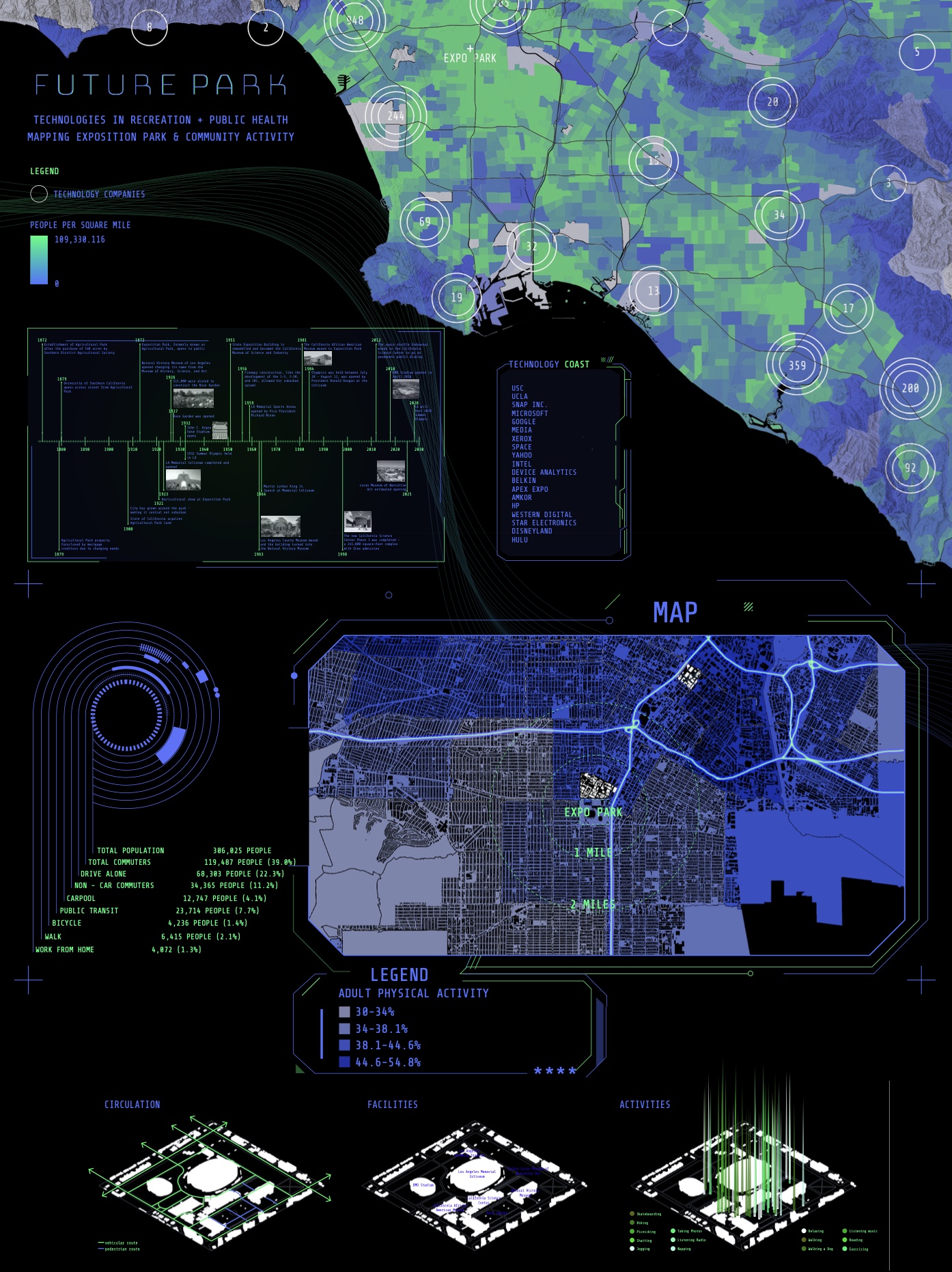
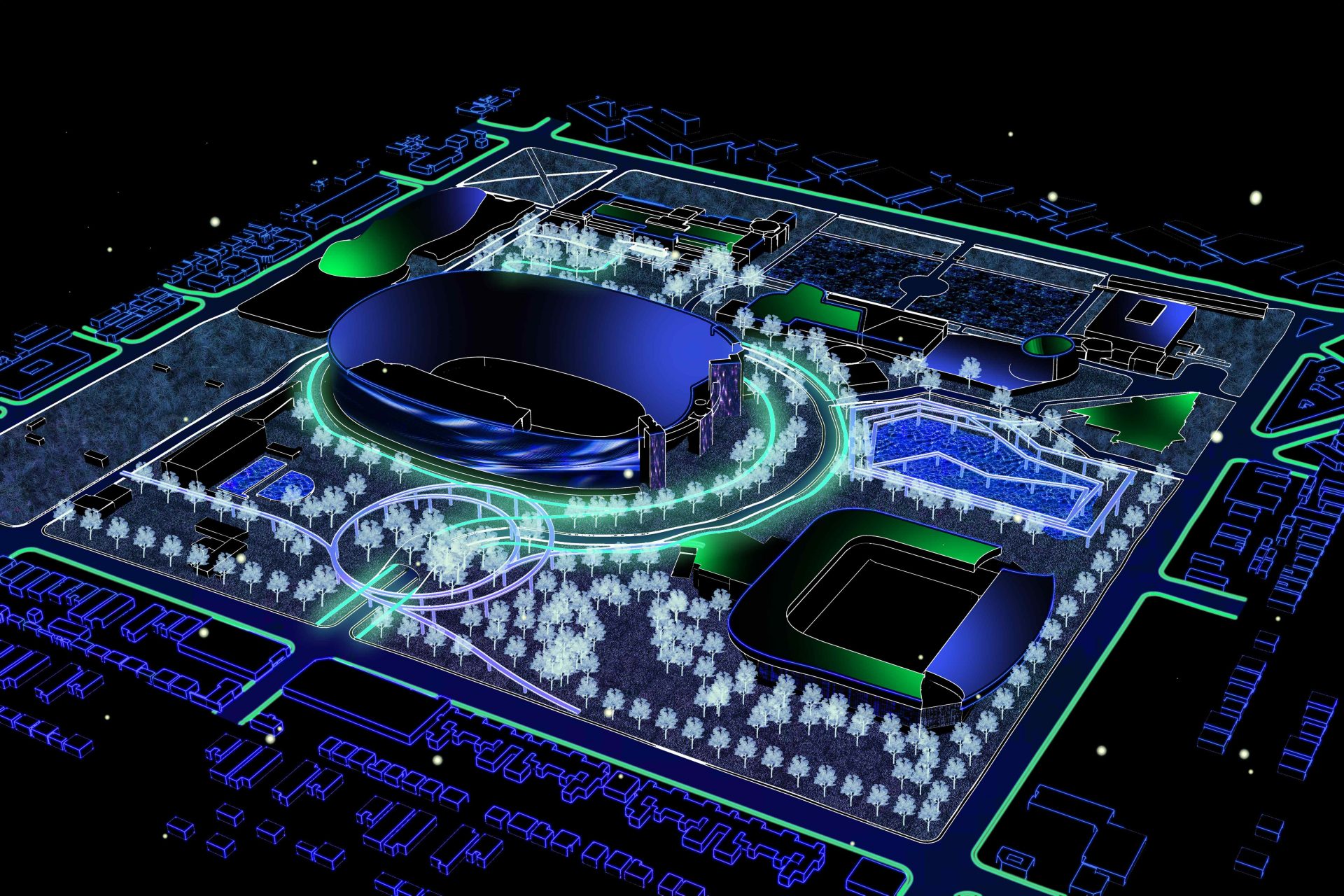
This project aims to explore the role of technology in shaping the future of park recreation and public health. As park recreation and public health evolve, emerging technologies such as Virtual Reality (VR) and augmented Reality (AR) play an increasingly critical role in shaping the future of public spaces. This project explores the potential contributions of technologies such as VR and AR to people’s recreational activity needs and public health, focusing on their ability to enhance user experience, create immersive scenes, promote physical and mental health, and support sustainable urban development.

Exposition Park Alternative Education Project
Drawing upon the rules set forth in Christopher Alexander’s Pattern Language (1977), garden designs inspired by C.T. Sørensen (1966), principles guided by Paulo Freire’s Pedagogy of the Oppressed (1968) and a liberation ecology field curriculum sourced from the Critical Ecology Lab, the Exposition Park Alternative Education Project aims to serve as a knowledge transfer hub and connecting force for community members of all ages. By leveraging resources of the adjacent private institutions of the museum park and the University of Southern California, the site serves as an experimental knowledge and accessibility center that prioritizes participatory education of the outdoors and celebrates the past and future of South Los Angeles.


Beyond EXPO
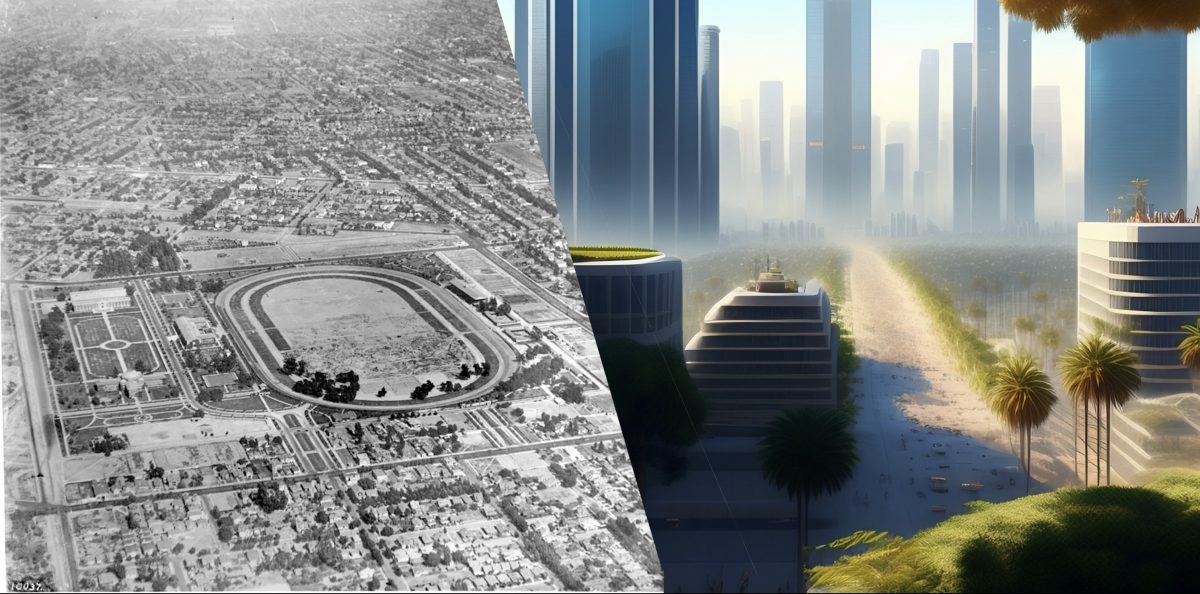
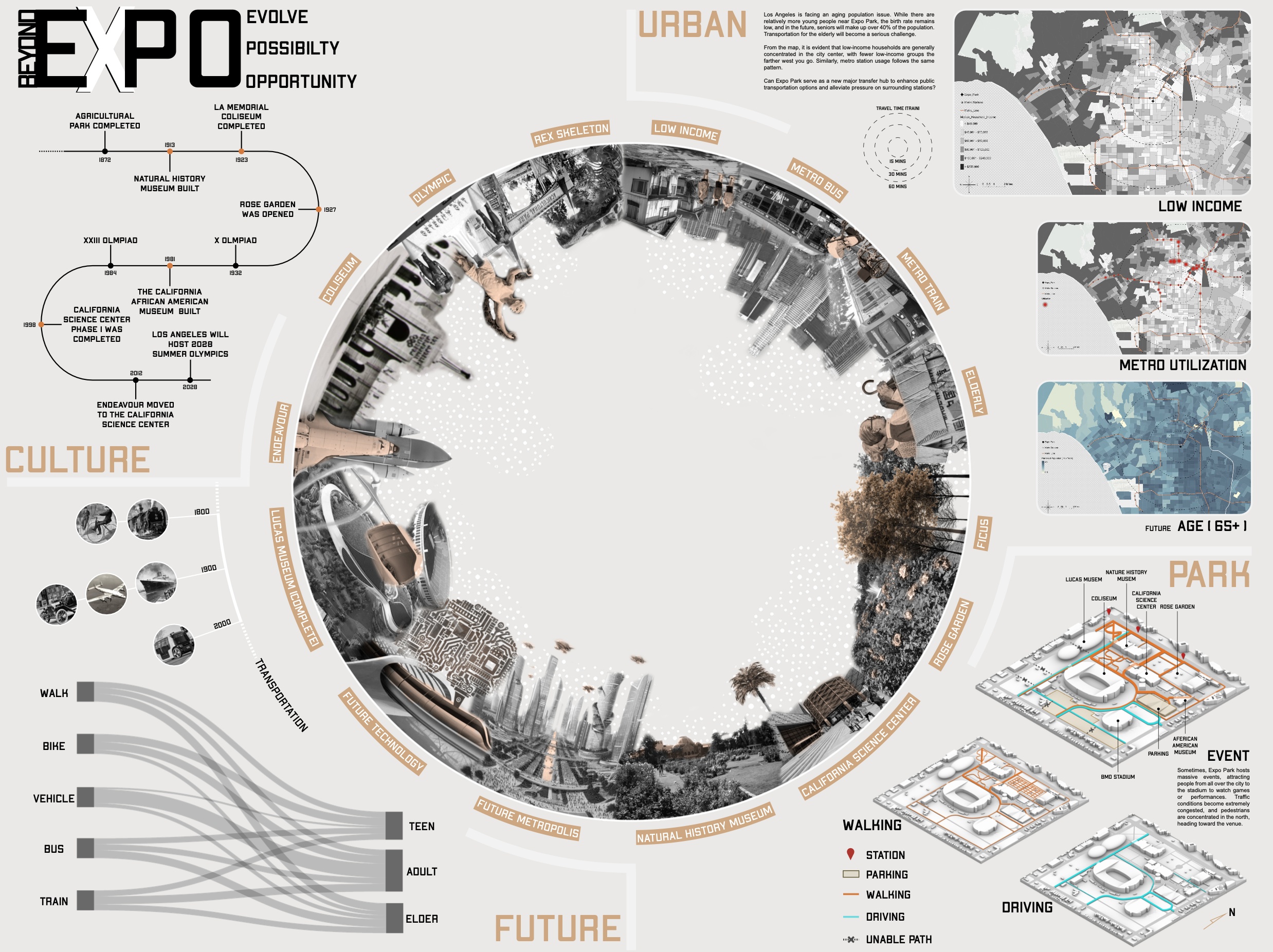
Throughout human history, every century has witnessed a groundbreaking invention that revolutionized the way people travel. In the 19th century, the steam engine led to the creation of steam trains, ships, and the first automobiles, making distant places accessible like never before. In the 20th century, the invention of the internal combustion engine enabled even faster movement between countries, paving the way for airplanes, cars, and even rockets. Now, in the 21st century, what kinds of transportation will shape our future?
In my project, I envision a future 100 years from now where transportation is entirely dominated by autonomous vehicles. Private car ownership has become obsolete, as rideshare services are so convenient that anyone can access a self-driving car the moment they step outside. This shift has led to highly optimized road regulations and significantly improved pedestrian safety, creating a more efficient and seamless urban mobility experience.
So, what will Expo Park be like at that time?
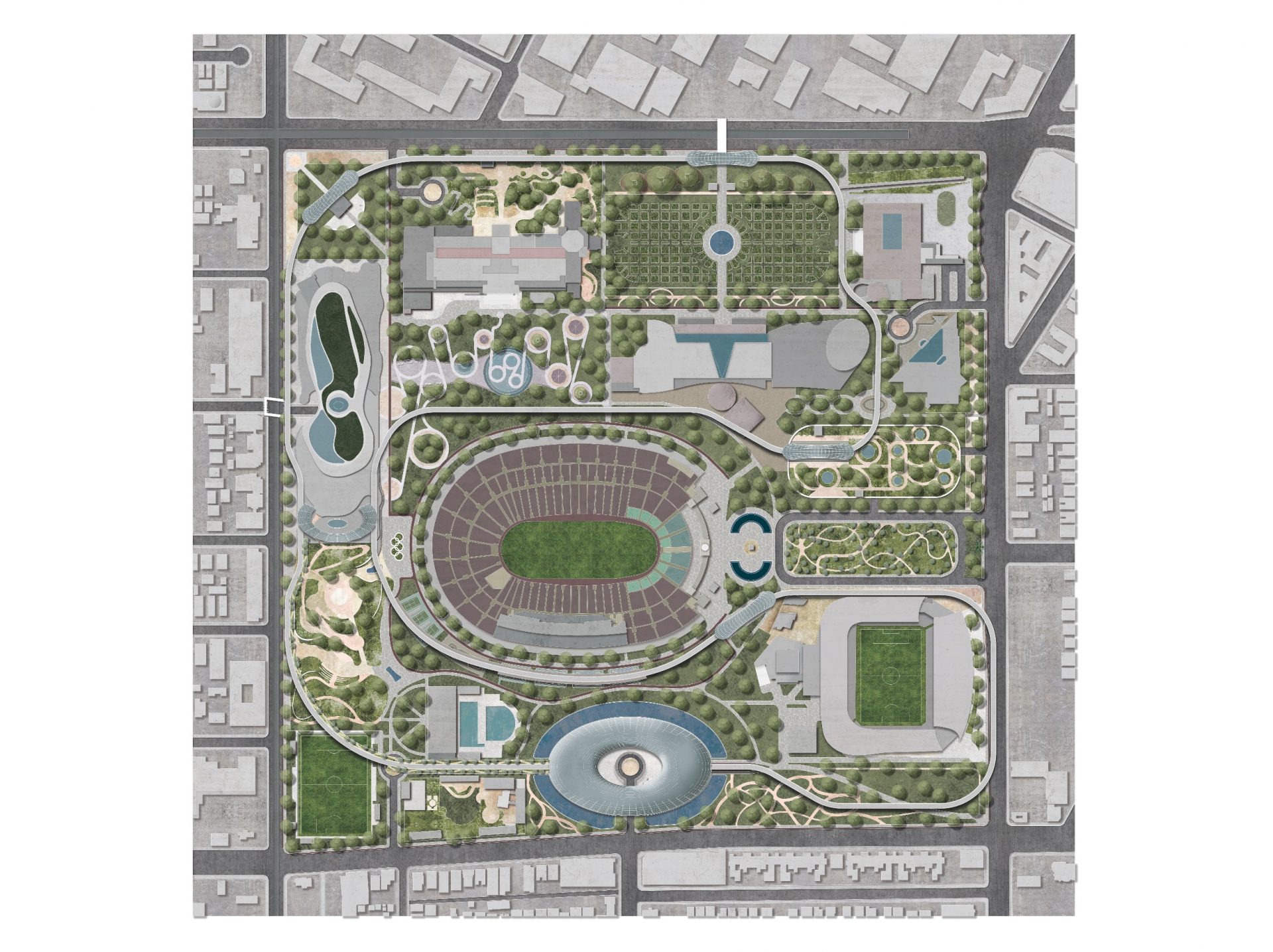
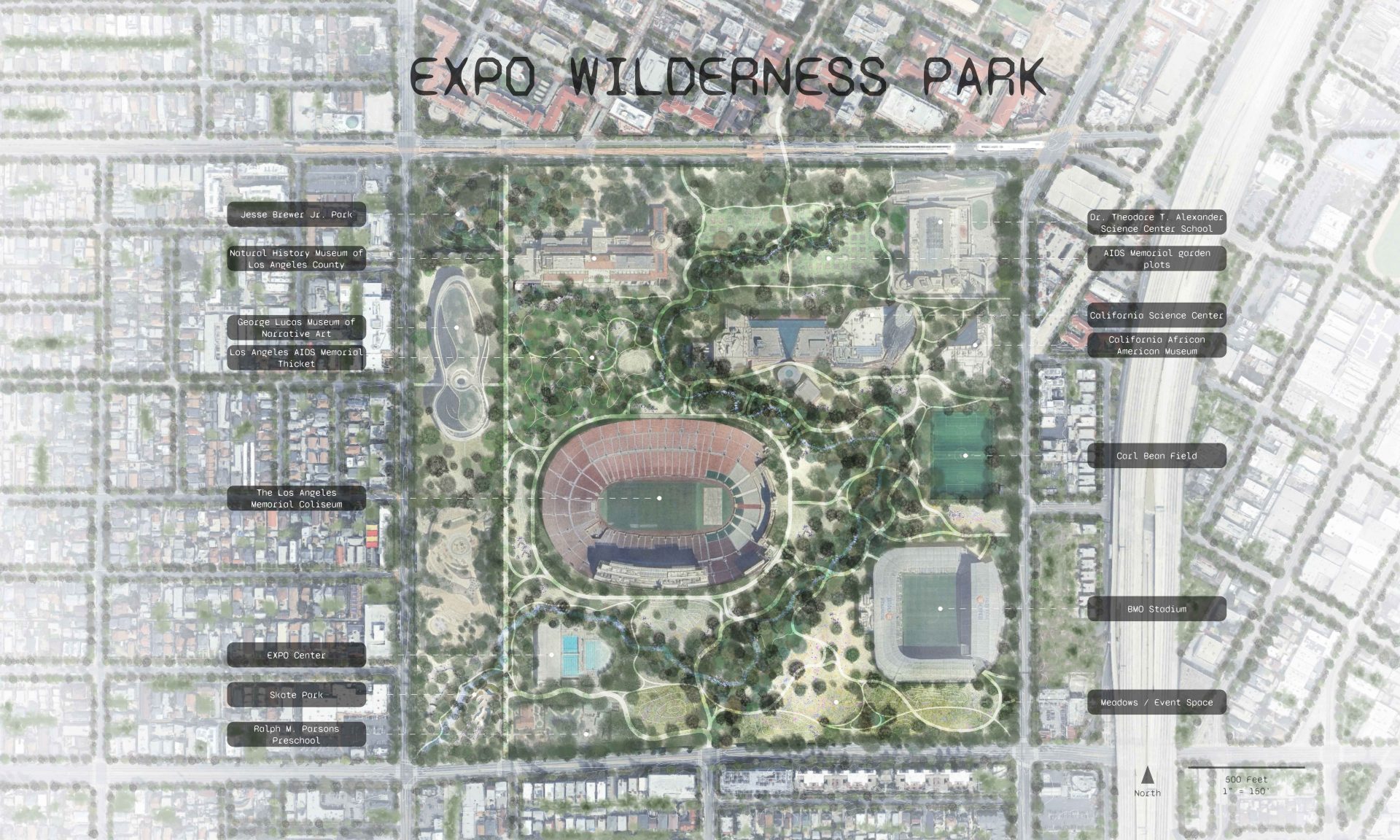
Expo Wilderness Park: Grounding Memory Through Queer Ecology
Expo Wilderness Park encourages the coexistence of nature and people, reintroducing native habitats and embracing ecological wildness. Moving away from rigid, artificial aesthetics, the park uses wild planting strategies as a symbol of ecological and queer resilience throughout time. At the heart of this transformation is an AIDS memorial landscape, a living tribute that commemorates lives lost while addressing the intersection of queer history and environmental exploitation. This inclusive park offers spaces for reflection, healing, affirmation, and memory, fostering a deeper connection to both nature and community in the heart of Los Angeles.
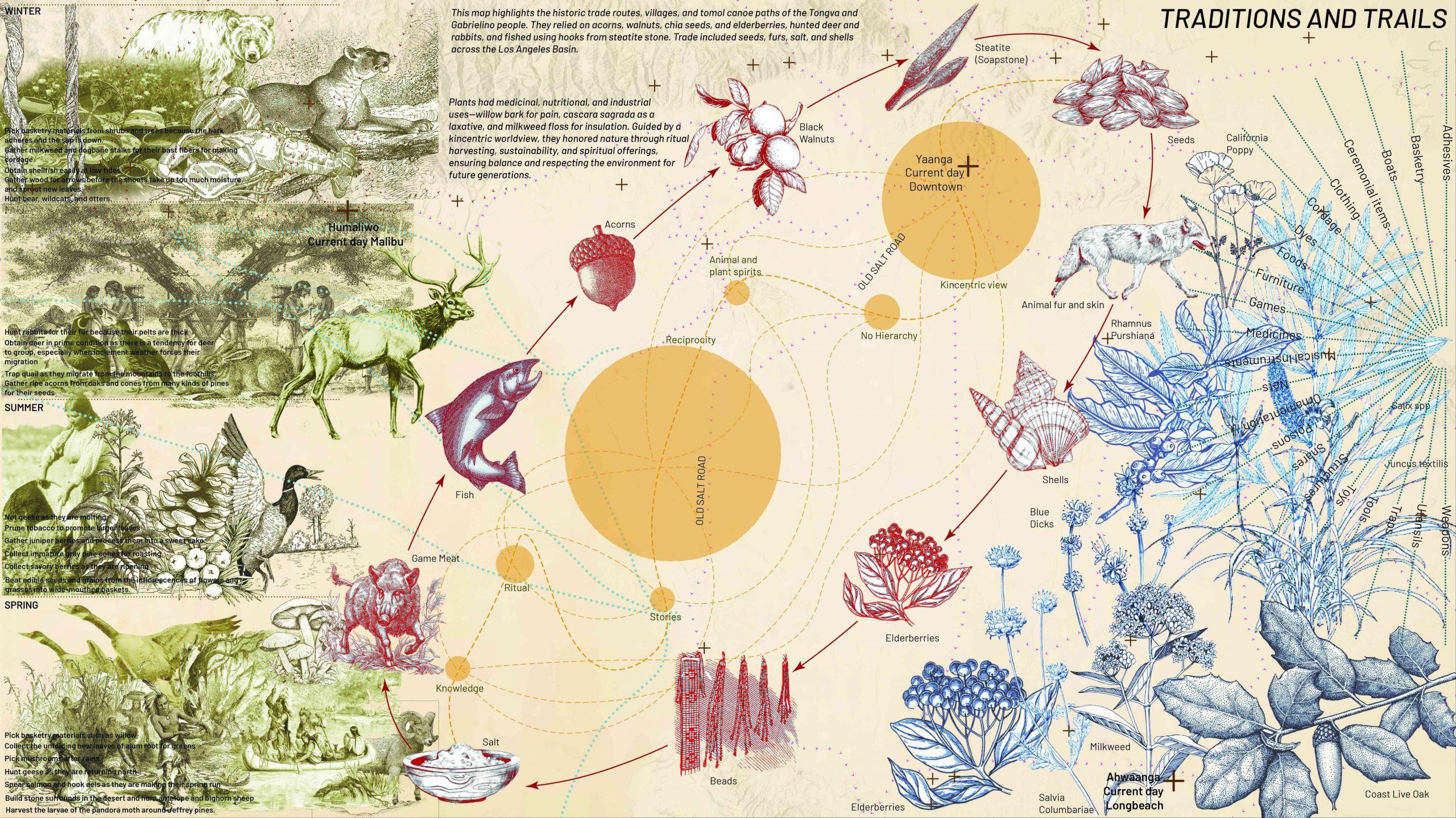
LANDSCAPE OF BELONGINGS
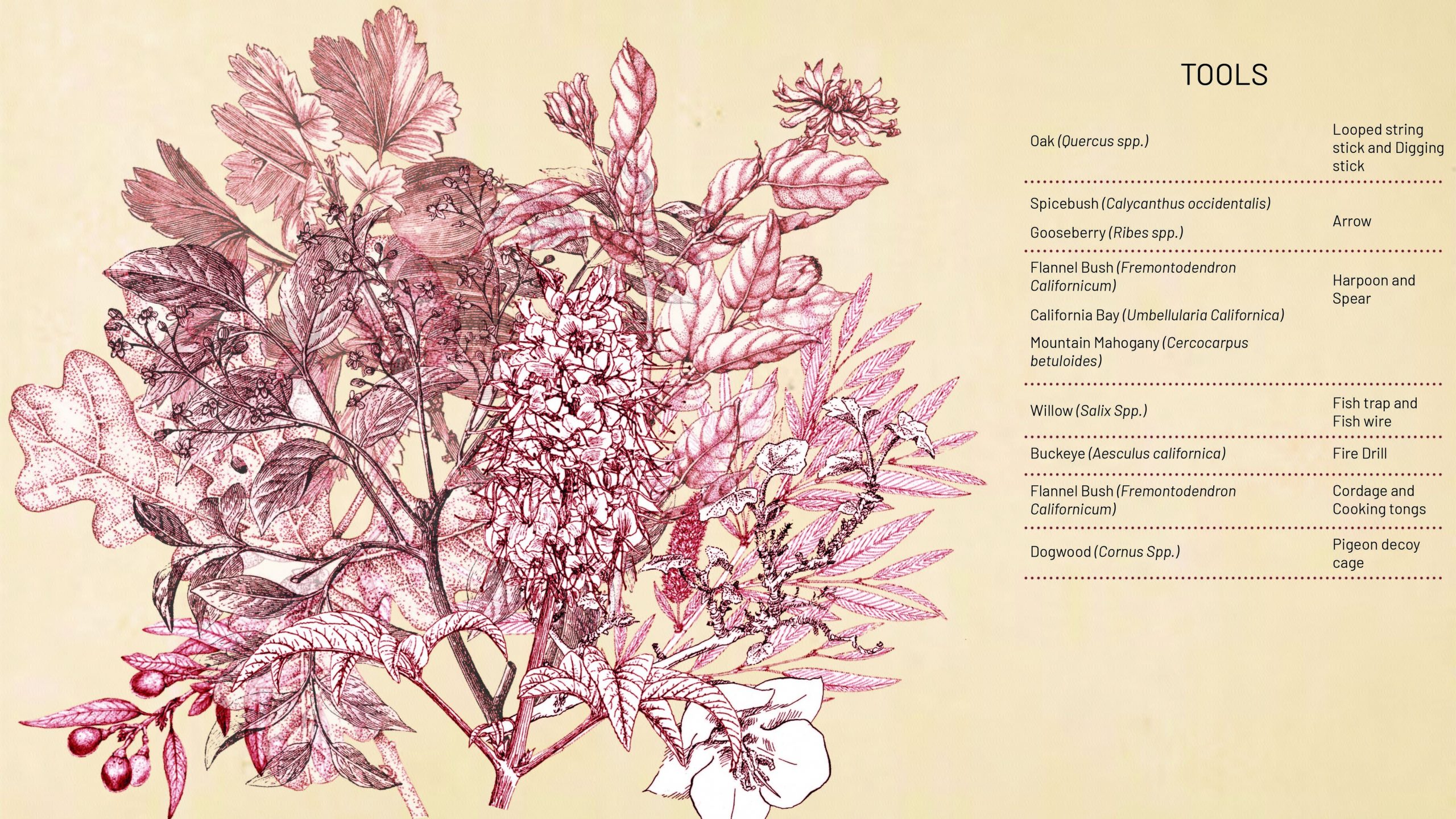
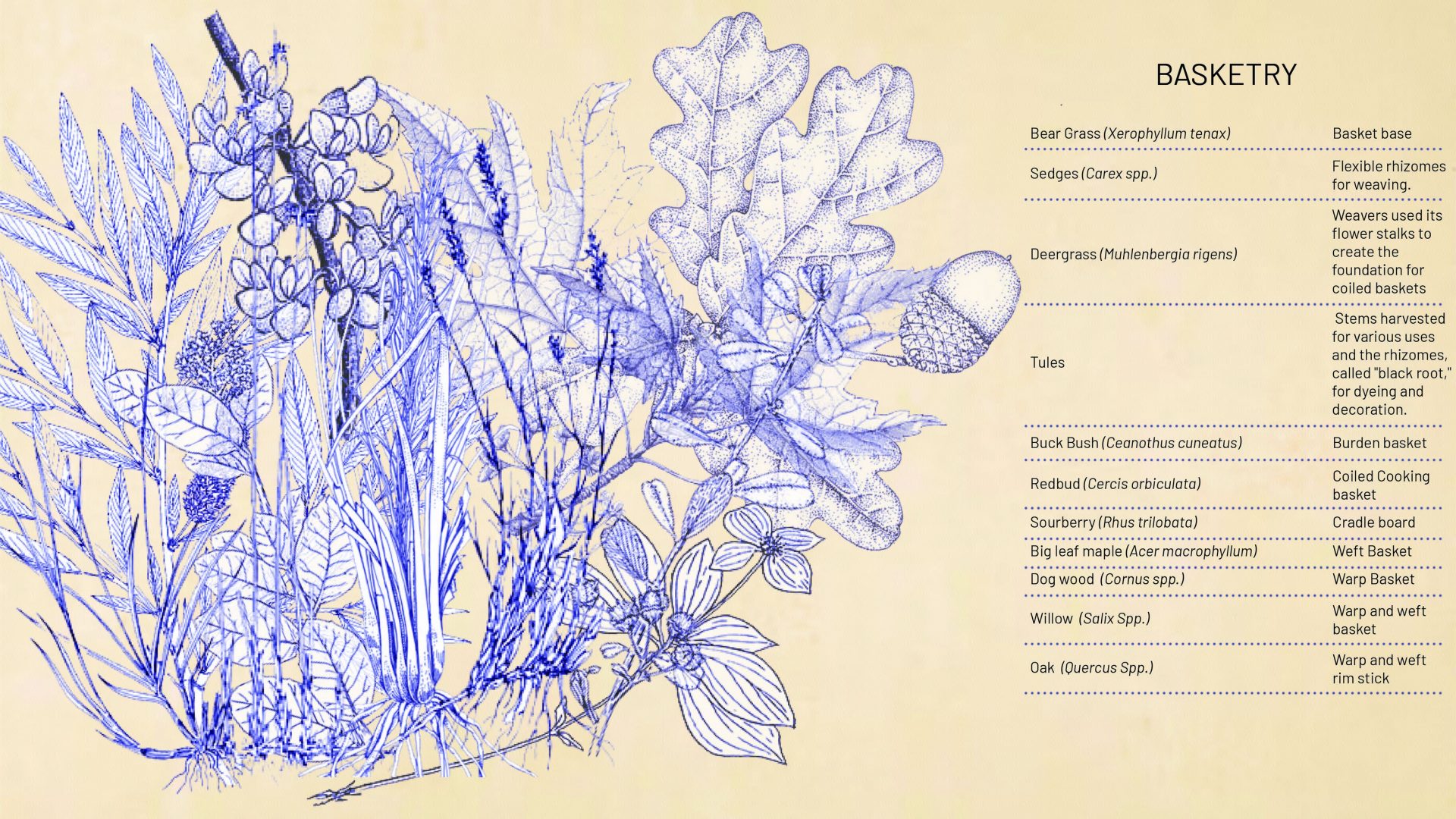
This project reimagines Exposition Park as a space that reconnects people, culture, and ecology through Indigenous stewardship and community-driven design. By restoring native plants and traditional land practices through Rematriation, the park can honor its history while embracing a more sustainable future. The redesign also tackles the Eurocentric “one size fits all” design of Exposition Park by ensuring local voices shape the park’s evolution, incorporating public art, storytelling, and gathering spaces that reflect the area’s diverse identities. By blending cultural heritage with ecological restoration, the project creates a more inclusive, resilient park, one that fosters belonging, celebrates history, and sets a new standard for decolonized urban spaces.
Rooted in Exploration: Uniting Play and Ecology int Exposition Park
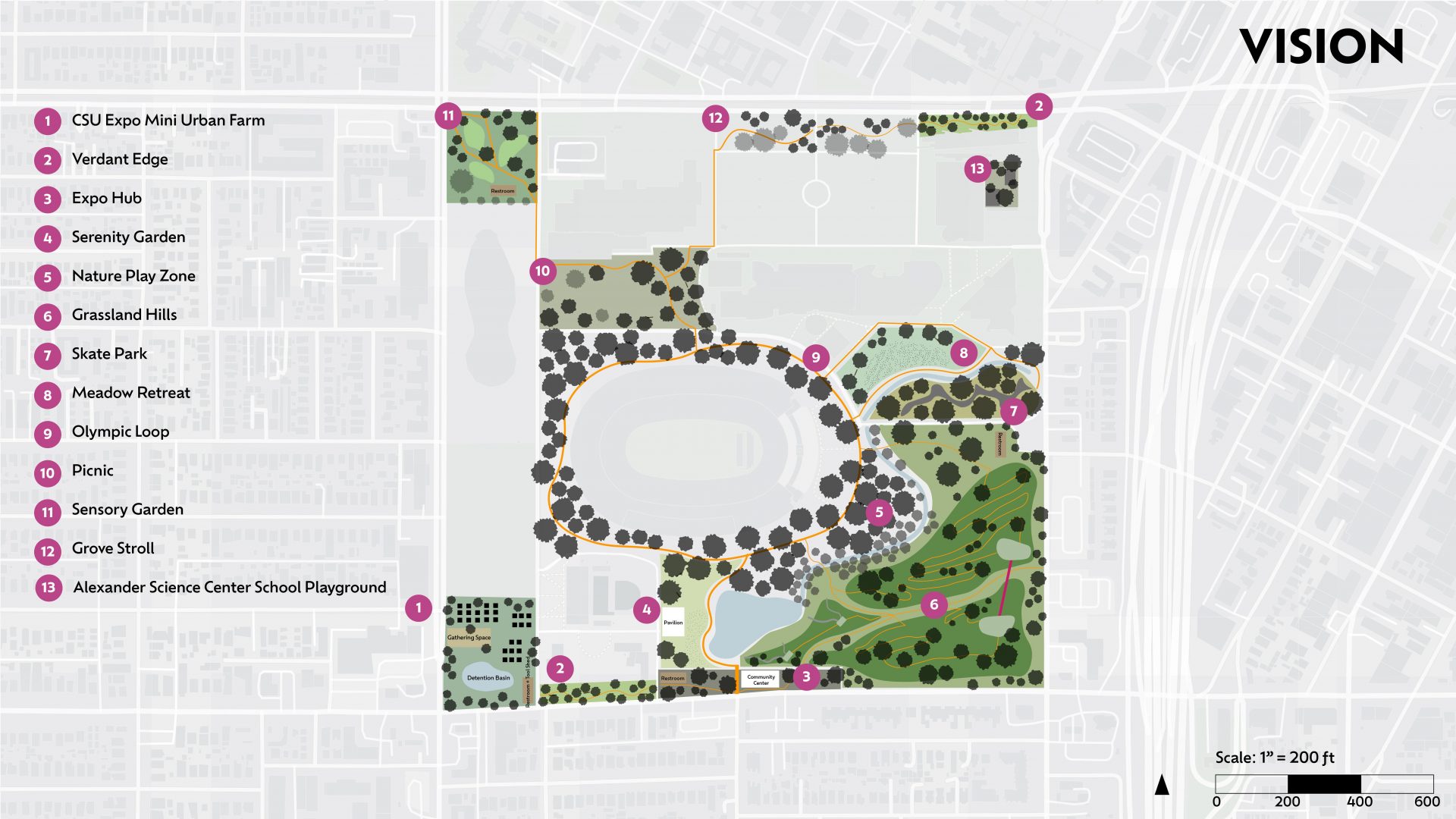
This project explores how incorporating intergenerational nature play can augment Exposition Park’s biodiversity and promote the well-being of the community. In response to inequitable access and dominance of hardscapes, the design integrates native planting, topography, enhanced circulation, and structures dedicated for community-driven activities and enjoyment of nature. Through careful consideration of climate resiliency and park use, this new design creates spaces for play, reflection, learning, and connection for all ages. By engaging with intergenerational nature play, this project responds to public health and ecological issues and cultivates deeper connections to nature for the South Los Angeles community and other park visitors.