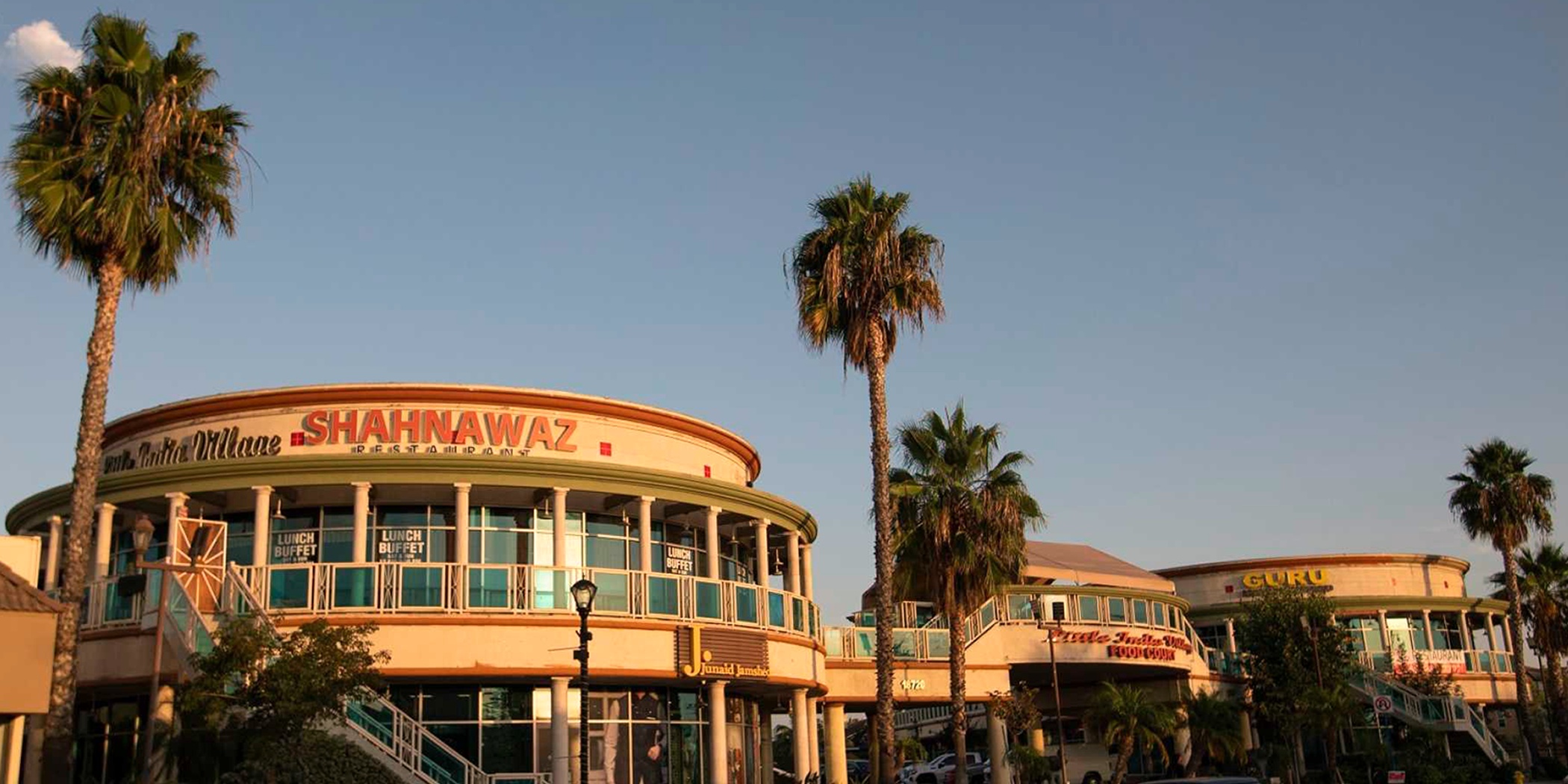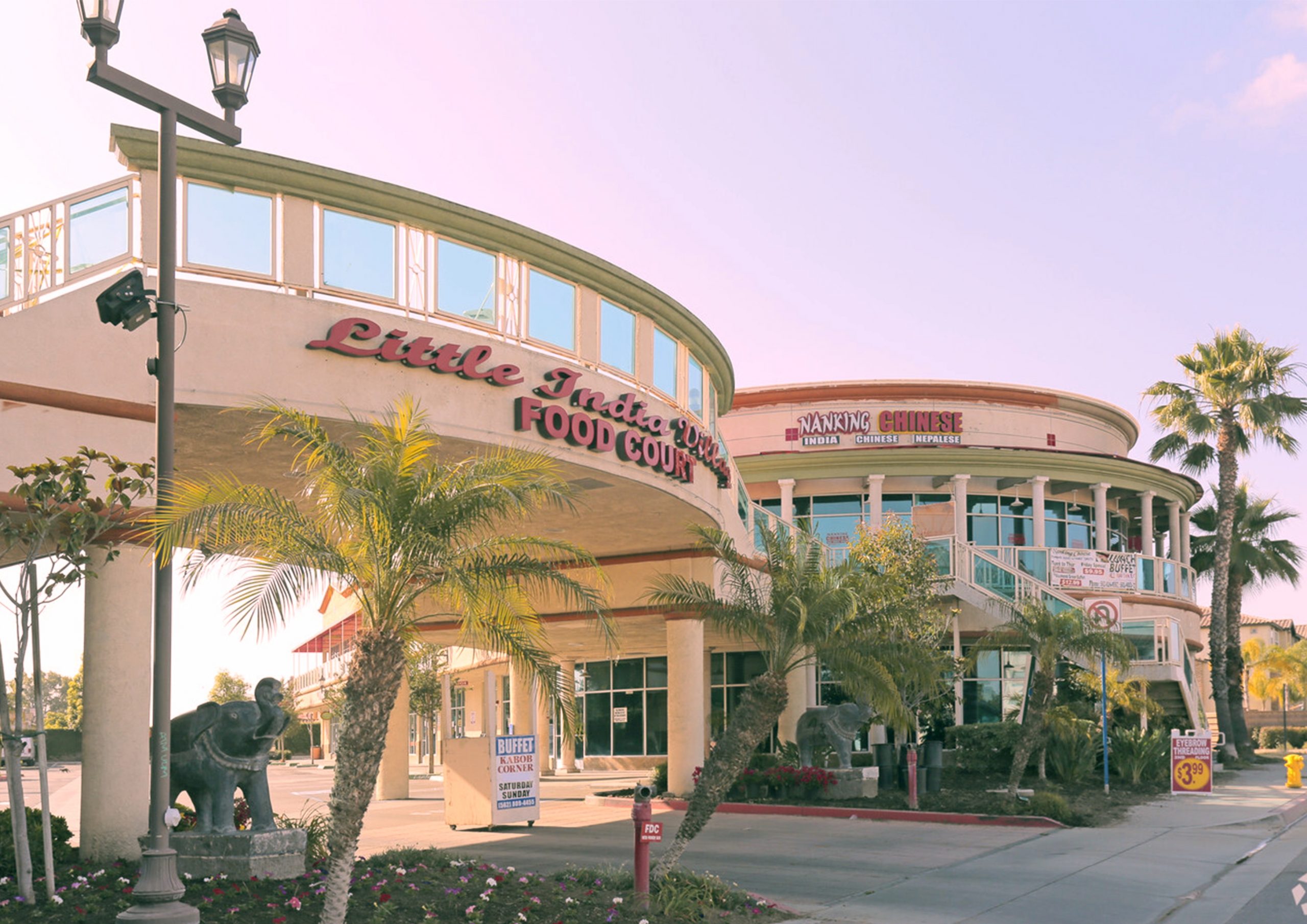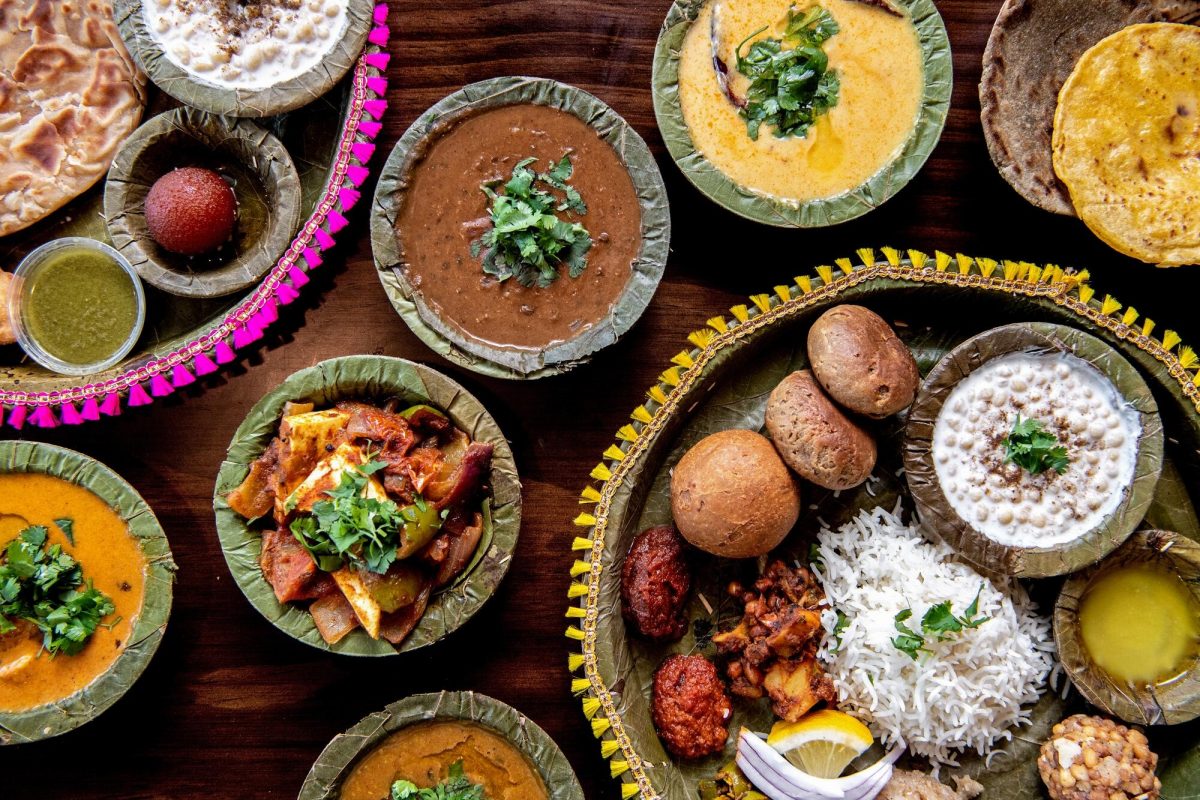
Artesia is situated in the southeast part of Los Angeles County. Over time, it has become one of the most renowned locations for South Asian culture in California. In the 1970s, South Asian immigrants, mostly from India, began immigrating to this area because of the inexpensive housing and employment opportunities. Over time, Pioneer Boulevard over the years evolved into what is today known as Little India, a vibrant commercial and cultural hub marked by Indian restaurants, spice shops, jewelry and apparel stores, and religious centers such as Hindu temples and Sikh gurdwaras. Artesia today is a symbol of preserving culture and embracing change.
This thesis explores how the South Asian immigrant community in Little India in Artesia sustains its cultural identity in the face of increasing global influences. The study also investigates how these immigrant communities utilize social, economic, and institutional structures to maintain and reimagine their cultural traditions in a modern urban context.
Using fieldwork observations, local interviews, and archival records, this research considers how religious establishments, cultural groups, and commercial enterprises all play important parts in sustaining identity. Hindu temple festivals, and public celebrations help create a sense of belongingness, especially among young people. This thesis aims to understand how urban spaces like Artesia shape the cultural life of immigrant groups. Through the case study of Artesia’s Little India, this thesis highlights the critical role of place-making, social infrastructure, and cultural engagement in preserving heritage and fostering a sense of belonging amidst ongoing globalization.