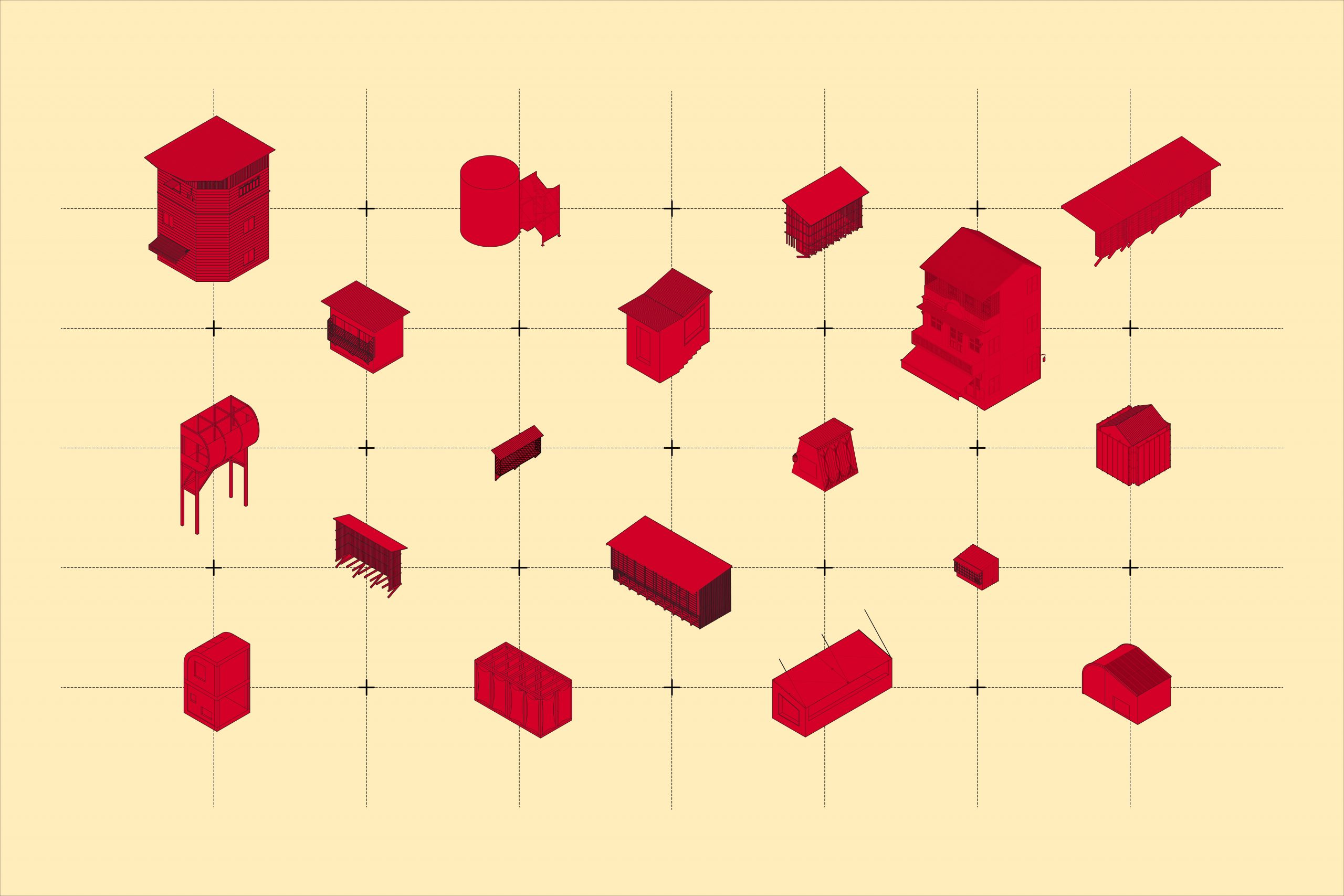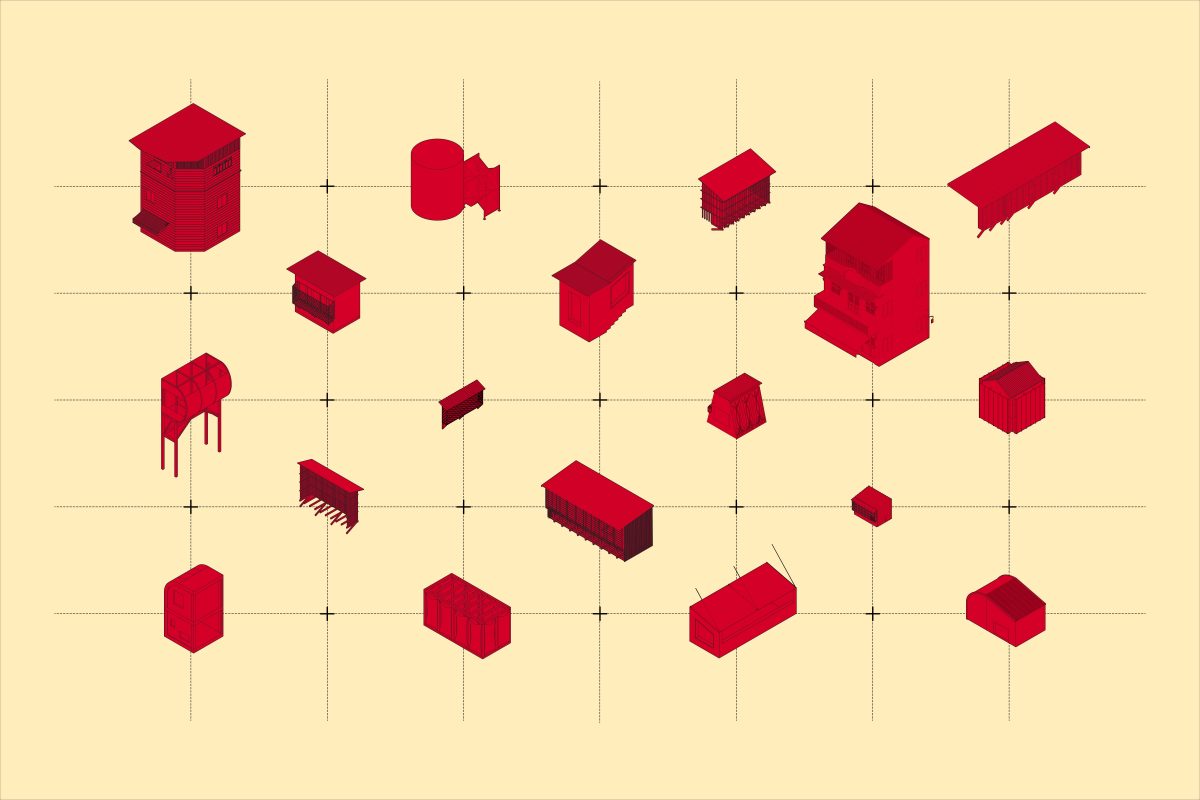
The self-built additions that puncture the facades of Vietnam’s built environment define an urbanism that is incremental, resourceful, and shaped by its inhabitants. As Vietnam rapidly urbanizes, this informal architecture that characterizes the urban fabric is threatened by speculative development and systemic neglect. This thesis proposes a lightweight scaffolding superstructure as a second skin onto existing buildings, stabilizing existing facade modifications (called chuồng cọp, or tiger cages) while suspending a catalogue of modular follies that reinterpret them as a living platform for collective life. The facade becomes an inhabitable commons, responding to residents' daily needs and the city’s desire for shared public spaces. This thesis repositions the architect not as the designer of discrete objects, but as the designer of open systems that communities can inhabit, adapt, and call their own.