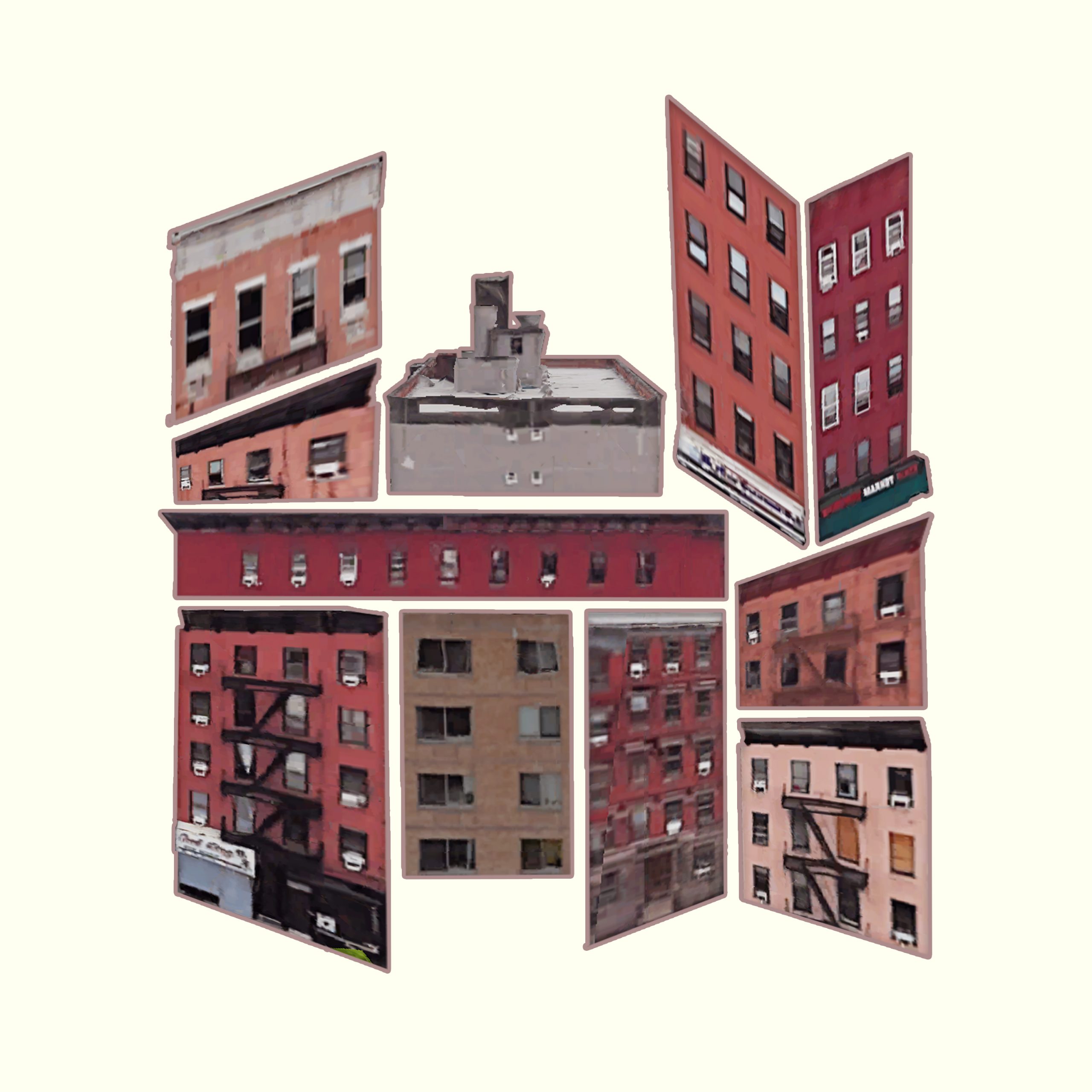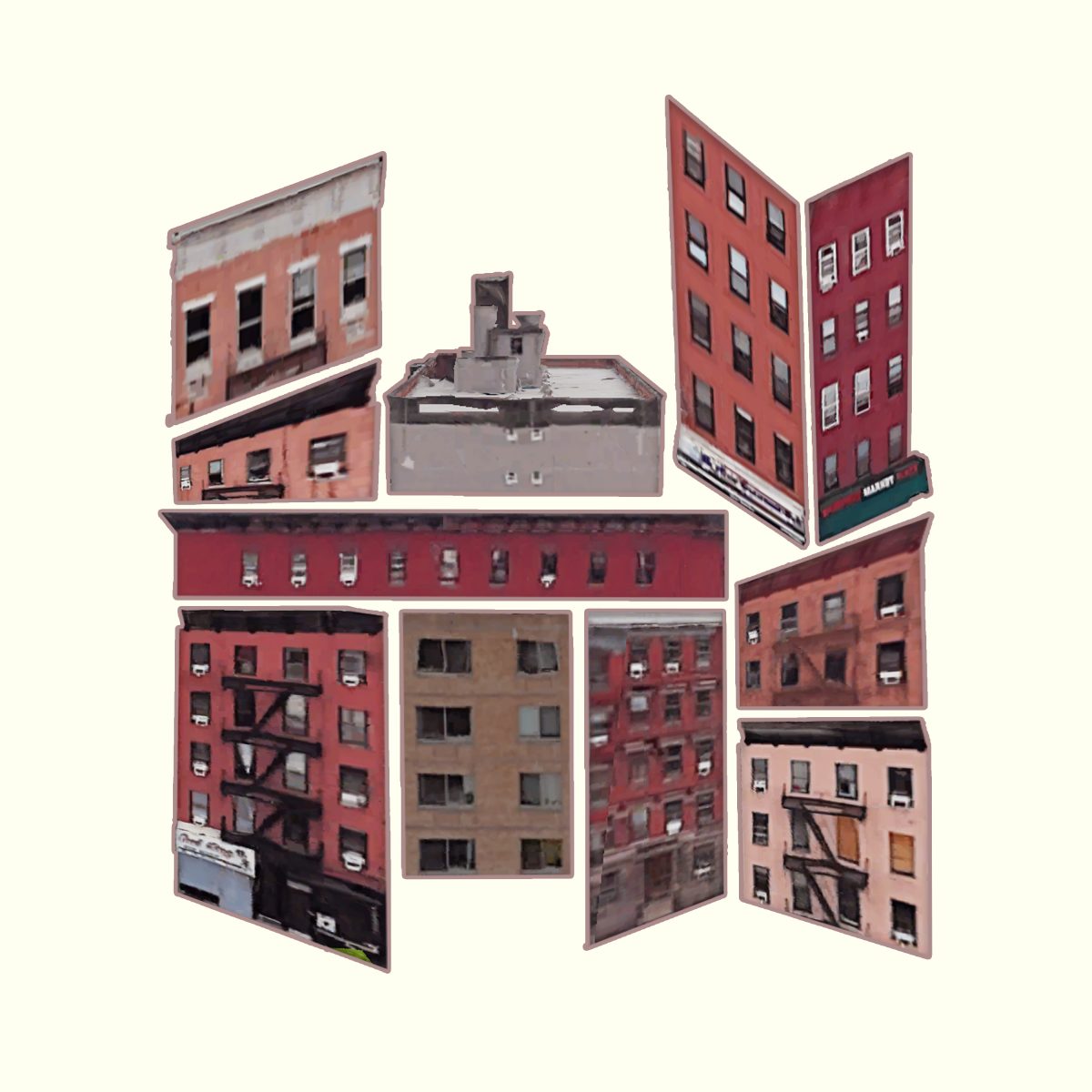
This thesis positions context as a primary driver of architectural design. Located in Hell’s Kitchen, New York City, the project draws extensively from its urban and neighborhood conditions. New York City’s culture, density, and environment inform the program and user experience. The design emerges from a layering of contextual influences, allowing these conditions to guide formal choices. Relationships between adjacent structures and community needs shape the space’s organization and usage. The proposal takes form in a community center, an extension of its context – designed to be responsive and rooted in place – reflecting both the identity of Hell’s Kitchen and the needs of the users.