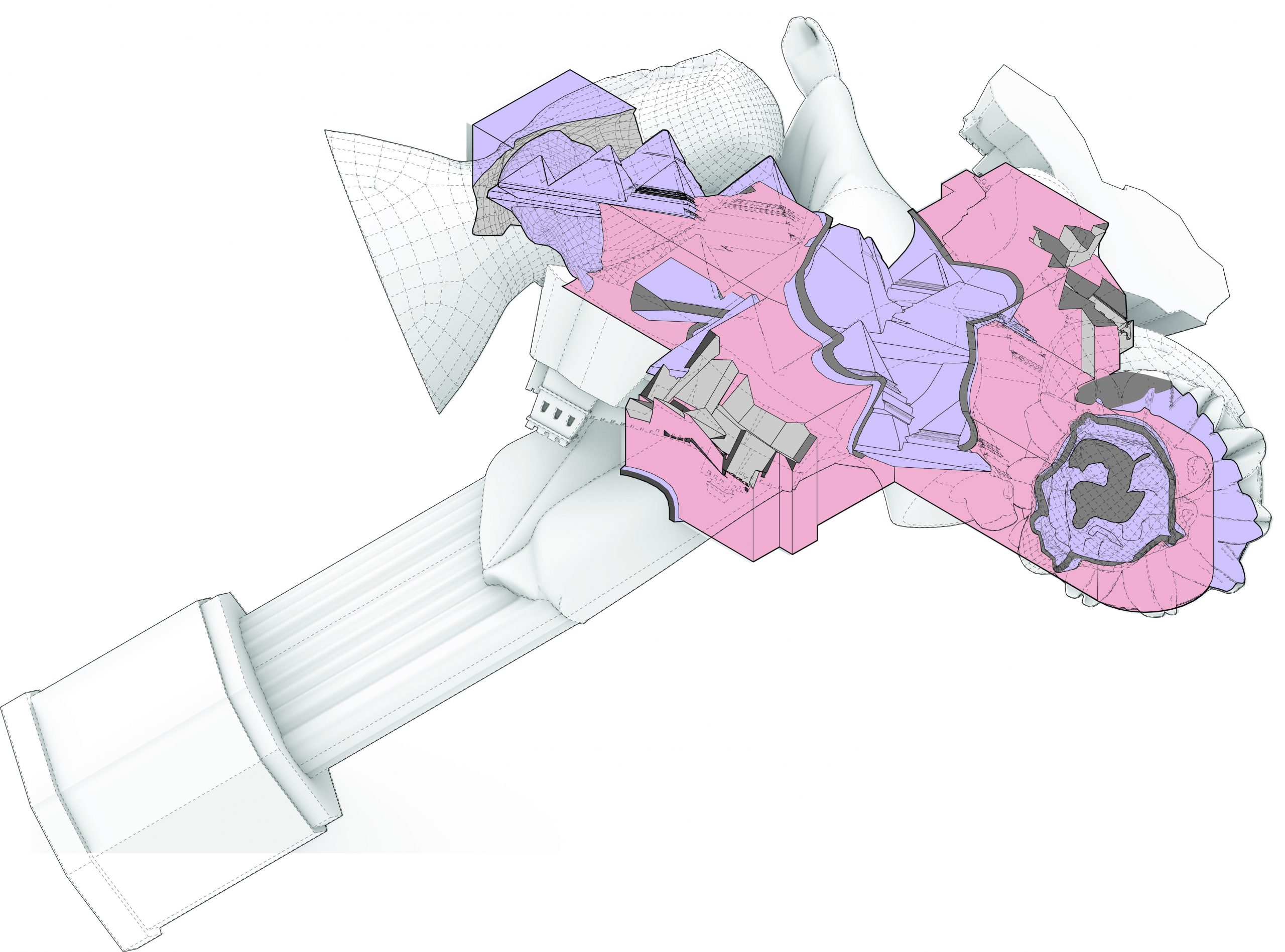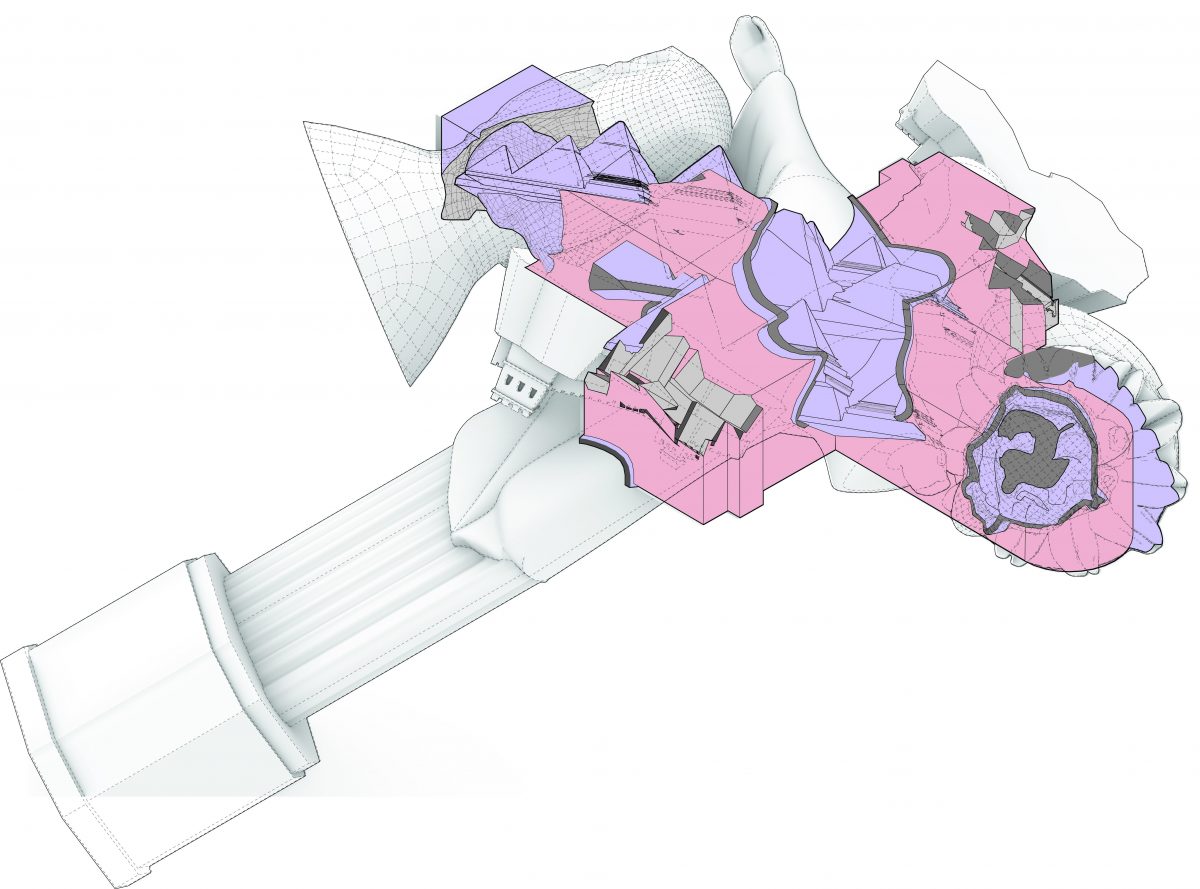
The reconstruction of Notre-Dame following the Notre-Dame Cathedral fire privileged historical fidelity over innovation, preserving identity but foregoing an opportunity to engage contemporary cultural, environmental, and philosophical shifts. A speculative approach could reinterpret the cathedral as a living institution—embedding sustainability, transparency, and technological expression within its sacred legacy. Mass timber, through advanced Cross-Laminated Timber systems, offers a compelling strategy to resolve bespoke structural geometries—enabling lightweight, prefabricated, and reversible assemblies that reconcile craft with computation. This synthesis positions architecture as both a custodian of history and an agent of future transformation.