New Vibes alludes to all things new, emergent, experimental, and deeply immersed in questions about what architecture currently is and how we define and form new ecologies of design and practice. Beyond the 10,000-pound gorilla in the room called AI, there are hints of a range of exciting—and at times deeply skeptical—sensibilities, ways of working, and cultural shifts within architecture that merit closer examination and understanding. There may even be larger systems of relationships or “ecologies” that coalesce these tendencies into coherent groups. Distinct conceptual directions include multi-hyphenates, climate futures, the non-normative, hyper-objects, entanglement, Indigenous epistemologies, hip hop architecture, the incomplete, slop, and many more.

“SUBVERSIVE”
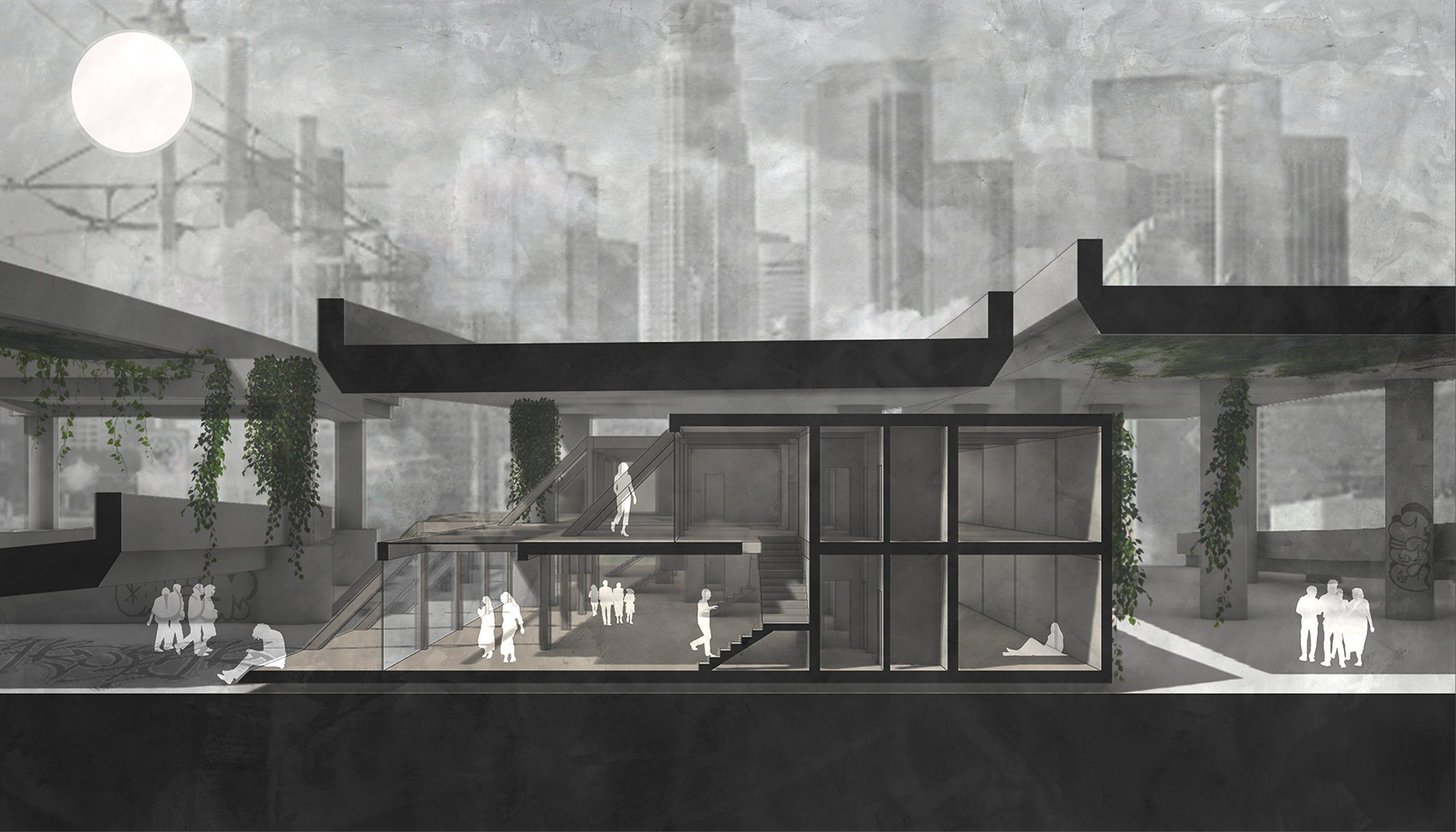
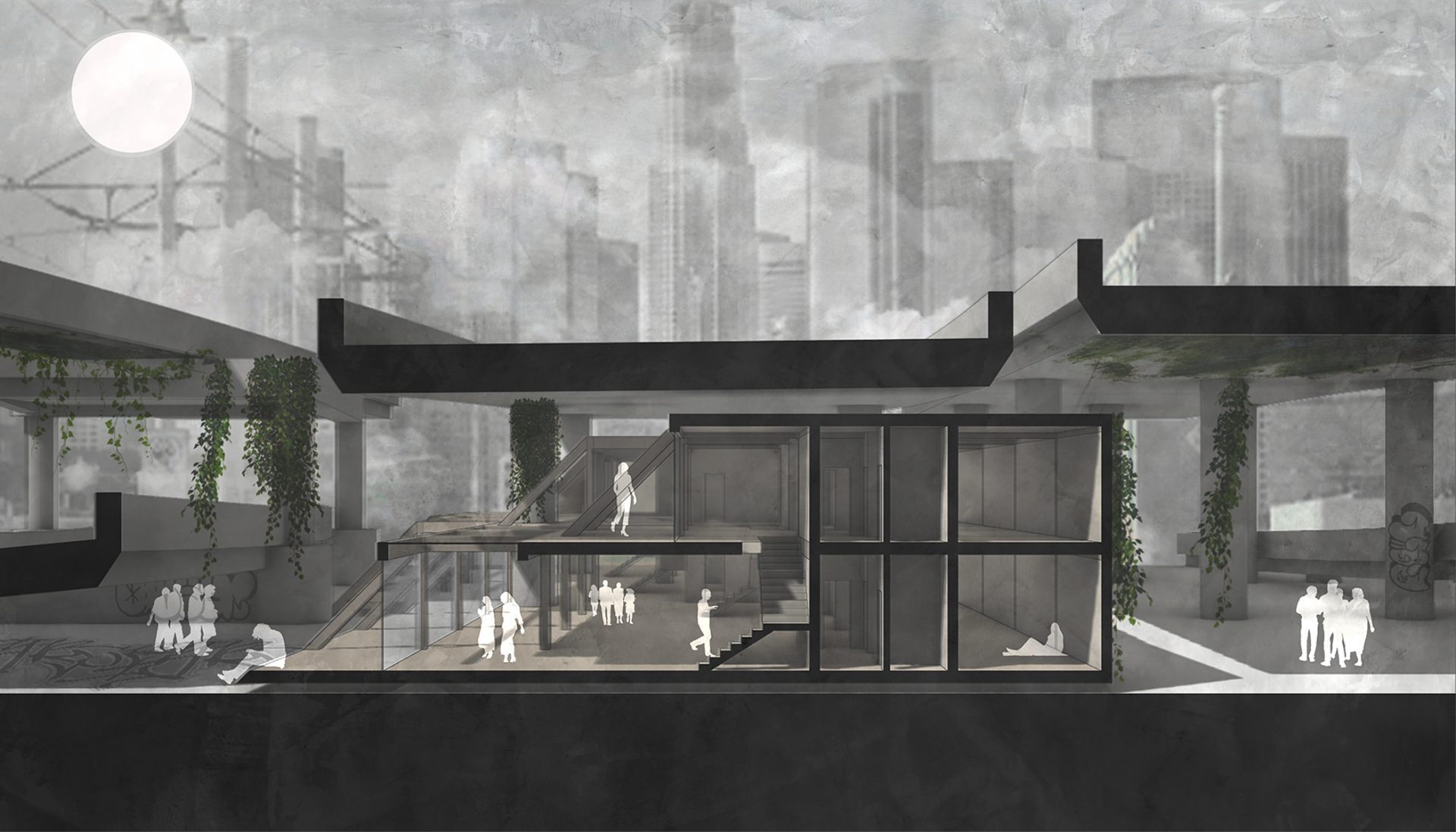
There are voids that exist in our cities—the residual, liminal spaces of the terrain vague. It is within this neglected interstice that arises an opportunity: reclaiming architecture as a catalyst for revolution against a historically oppressive built environment.
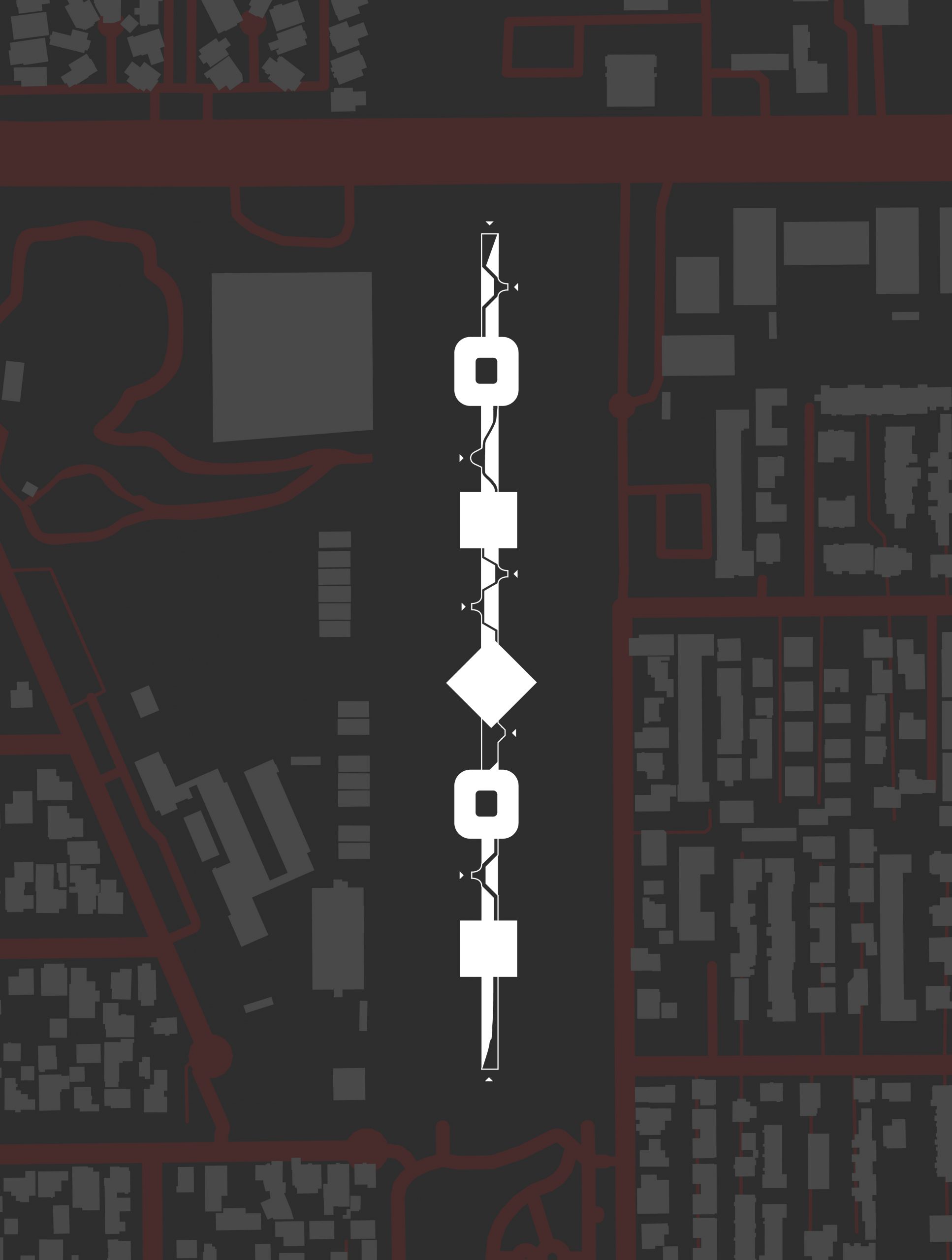
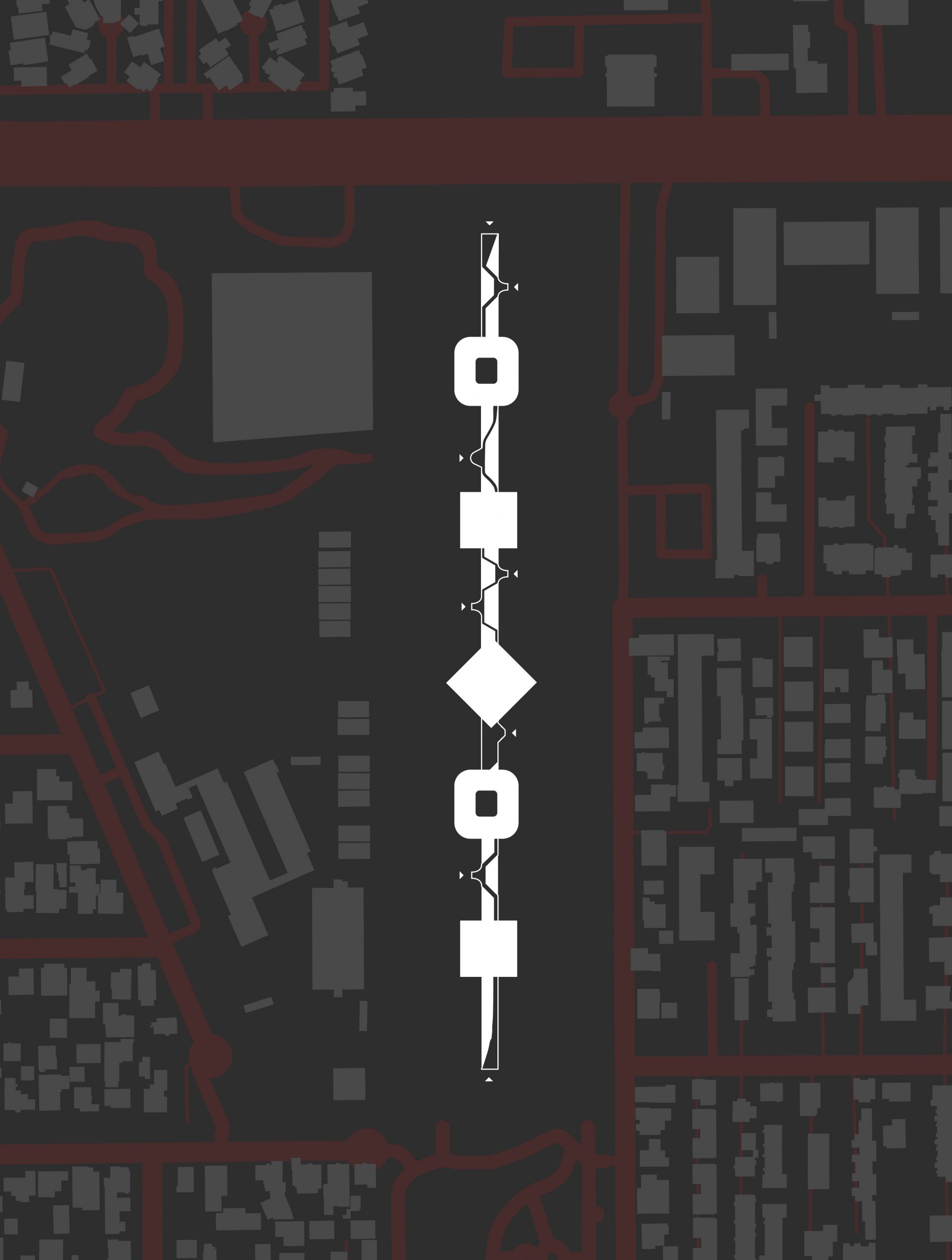
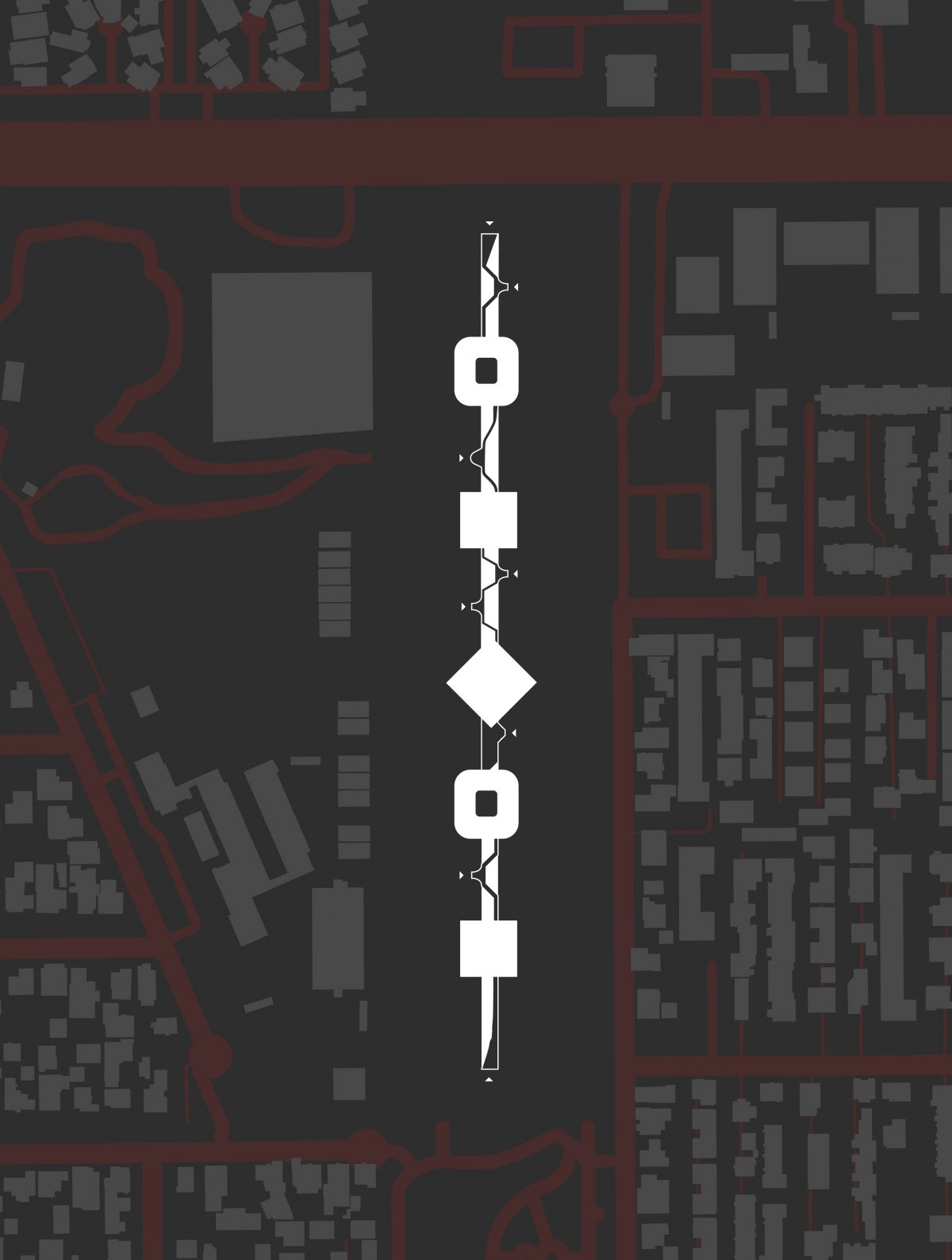
SUBVERSIVE is a framework for the informal and incremental growth of a cooperative artists' community beneath a freeway. Breaking free from exclusionary traditions of domesticity, it empowers users to co-design an unorthodox space for living and creative expression; a utopia that offers an alternative to the individualism of its surrounding city.

A:\\Reclusive\Space
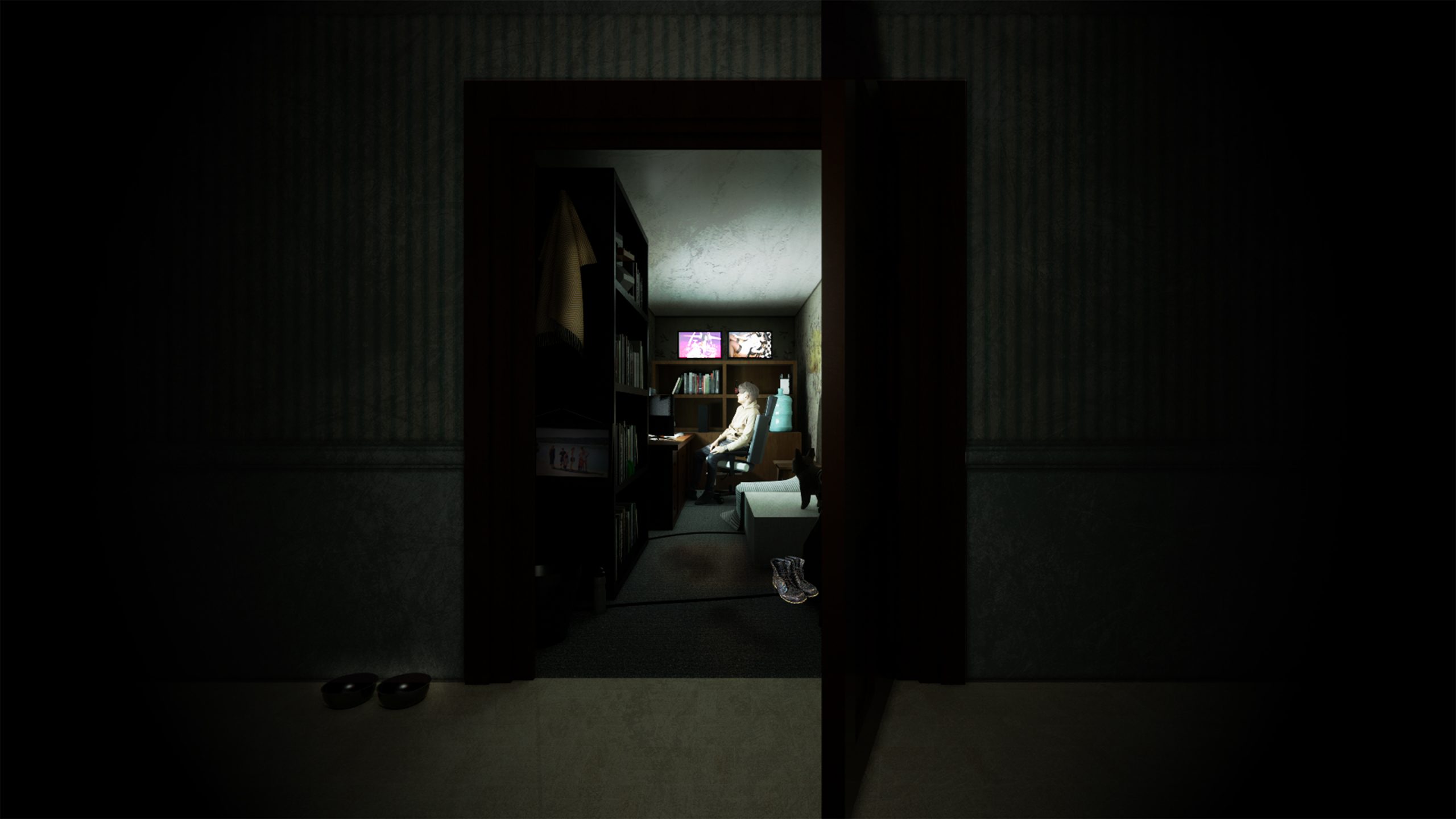
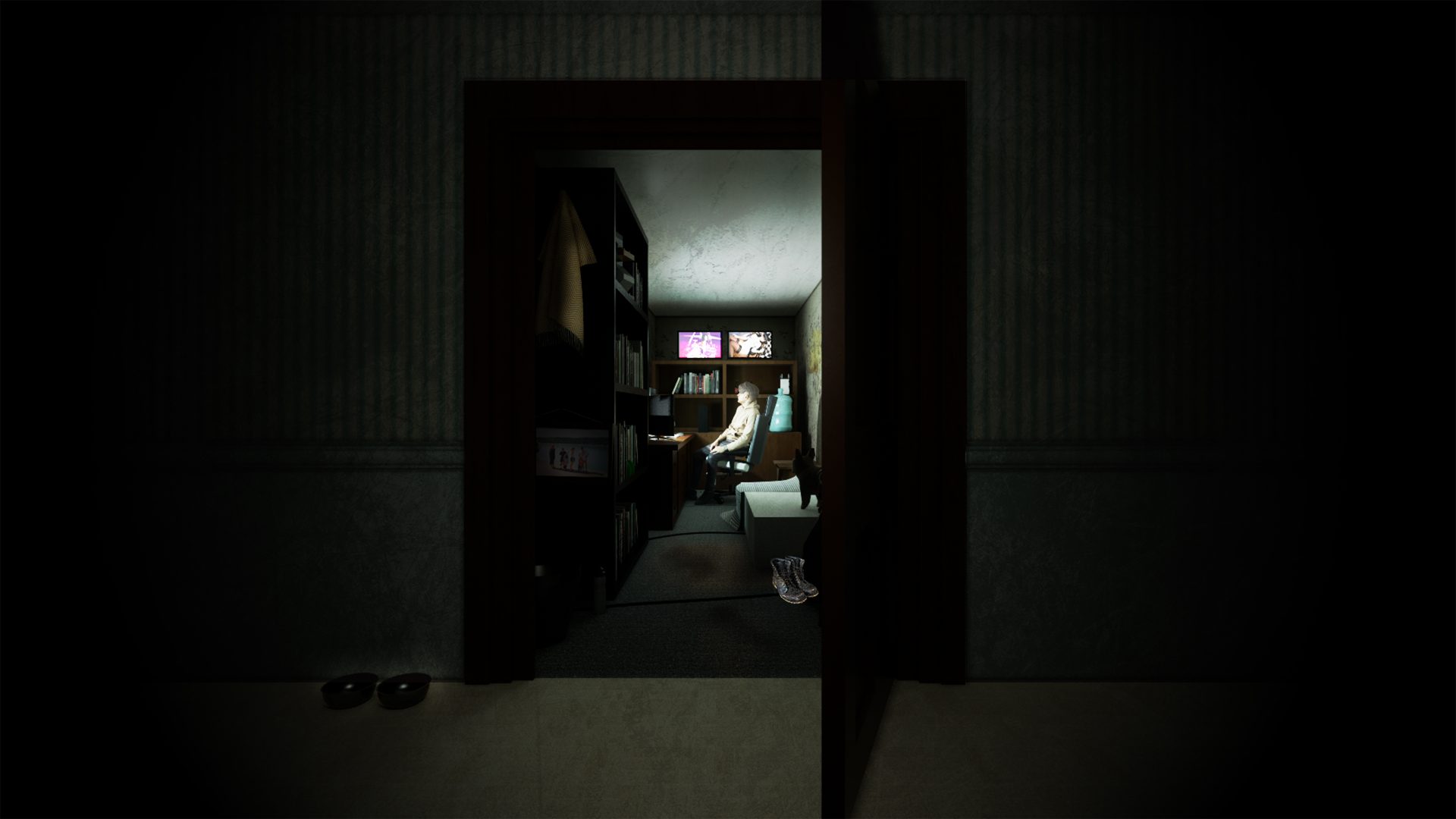
The digital & physical are seamless. Before popularization of this hybrid living, there was a community of digital pioneers who championed the internet's limitless nature. The contemporary recluse exists as their successor: socially withdrawn and enabled by technological advancements. The recluse transforms their domestic space into an escapist apparatus: a self-authored, sovereign enclosure that absorbs the functions, rituals, and emotional economies once distributed across collective life.
This thesis positions reclusivism as a historic spatial practice, newly reconfigured by the internet into a technologically sustained form of withdrawal.
Vernacular Adjacencies
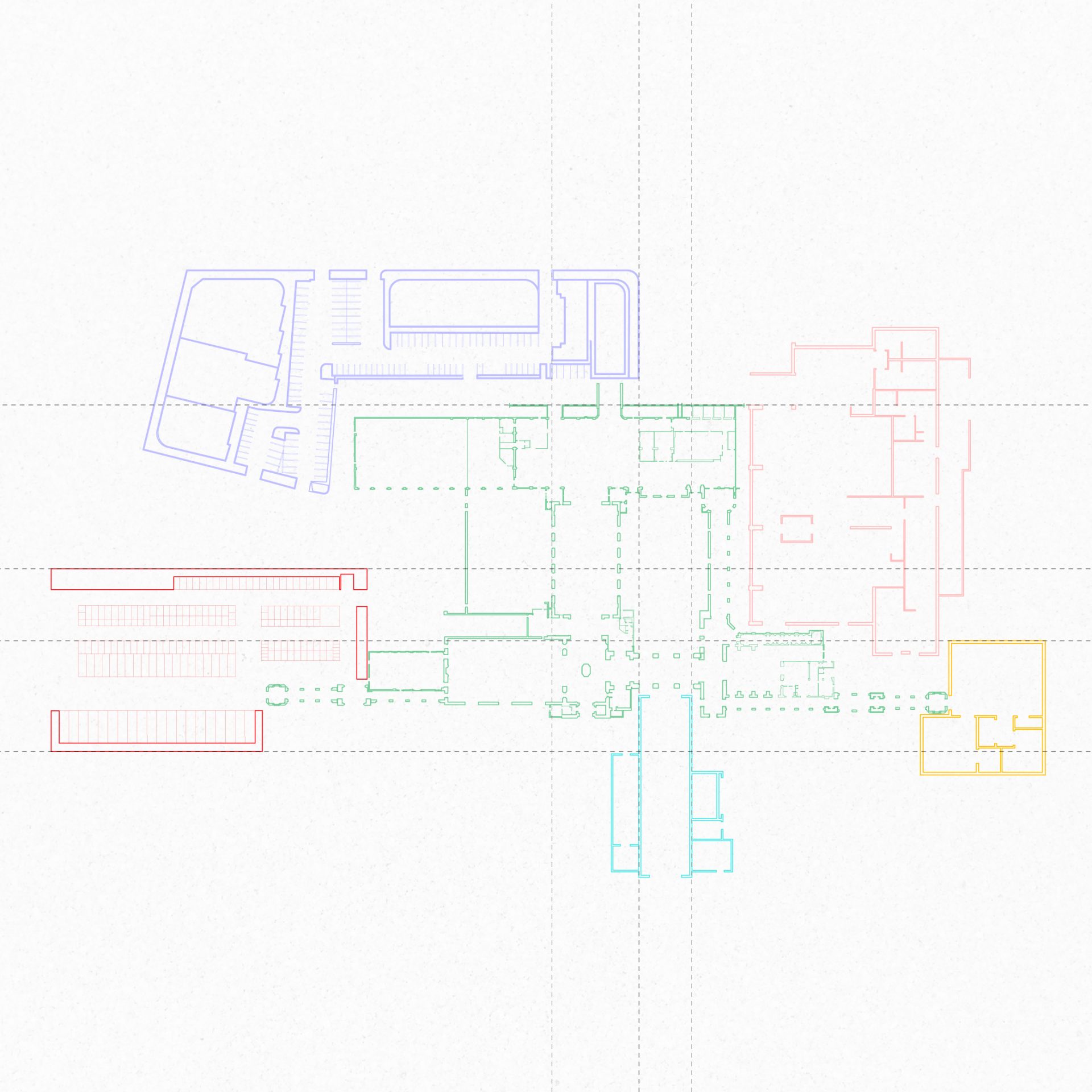
Thesis Text: This project reimagines LA Union Station as a transit marketplace. Through an enmeshment of ordinary Los Angeles building types (car washes, strip malls, diners, ADUs, and storage buildings) with the existing station, ambiguous architecture emerges that is neither monument nor generic building, neither colonial nor vernacular. The result is a reimagined Union Station where market and transit coexist within a new form that can no longer be read as any single style or type.
Unboxing the Big Box
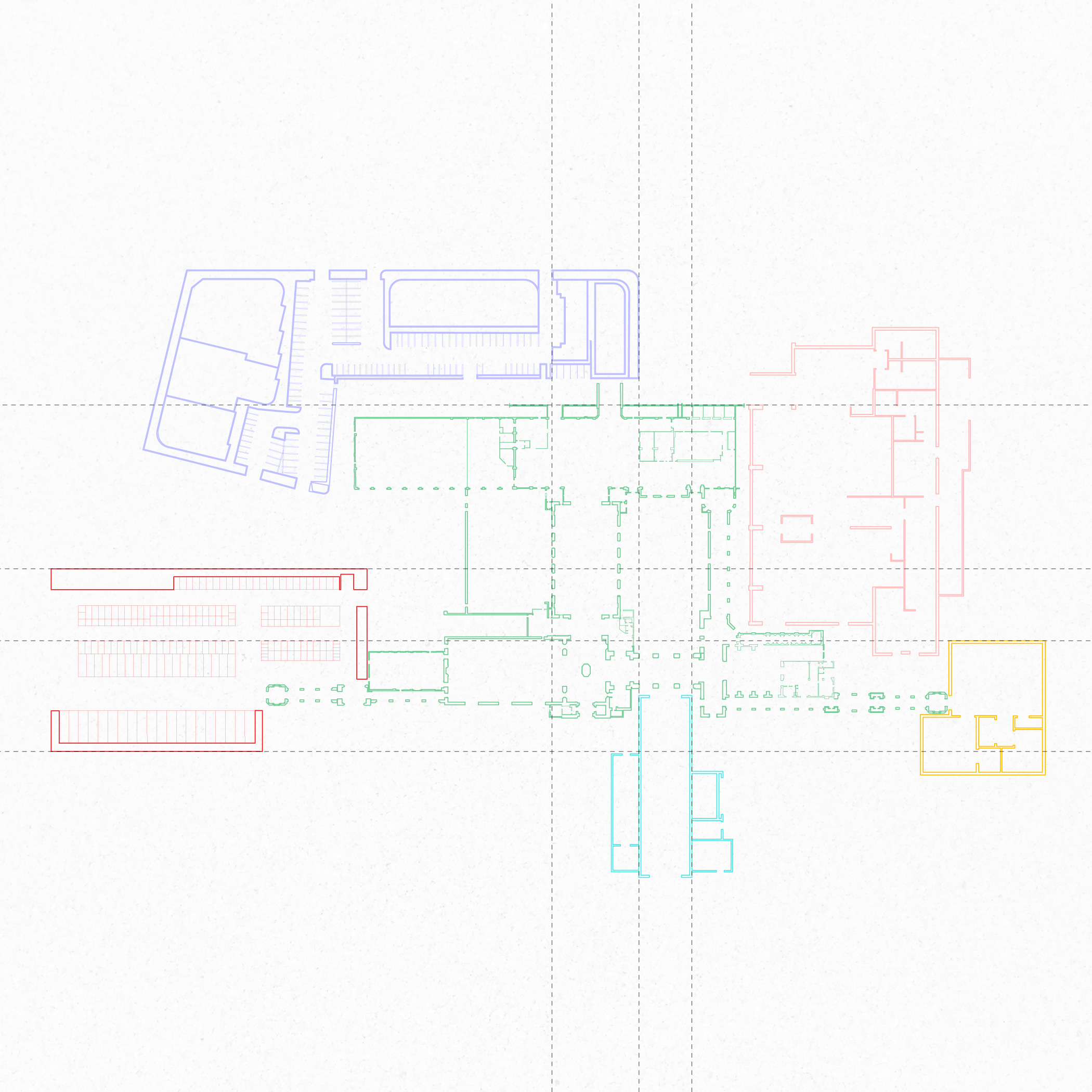
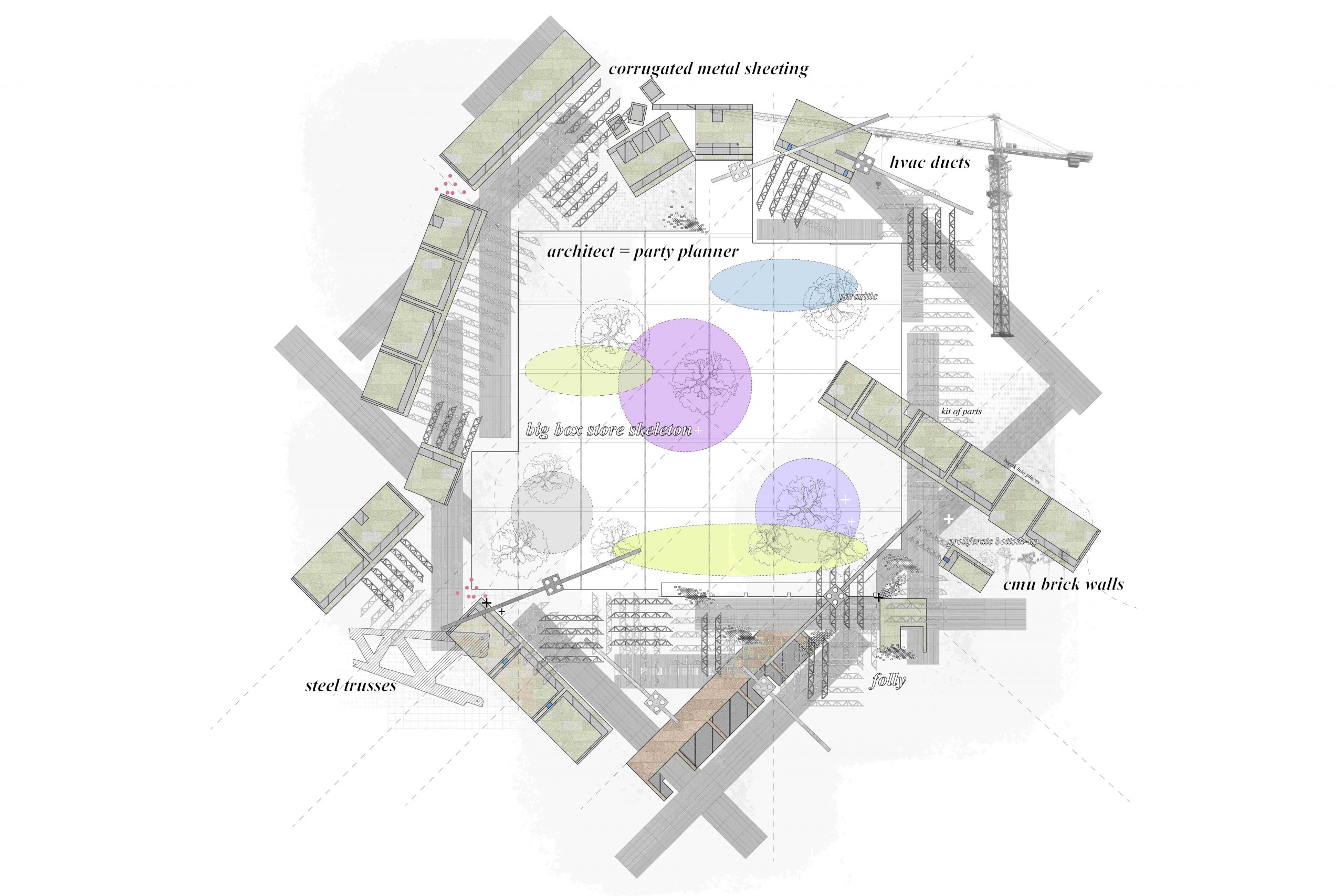
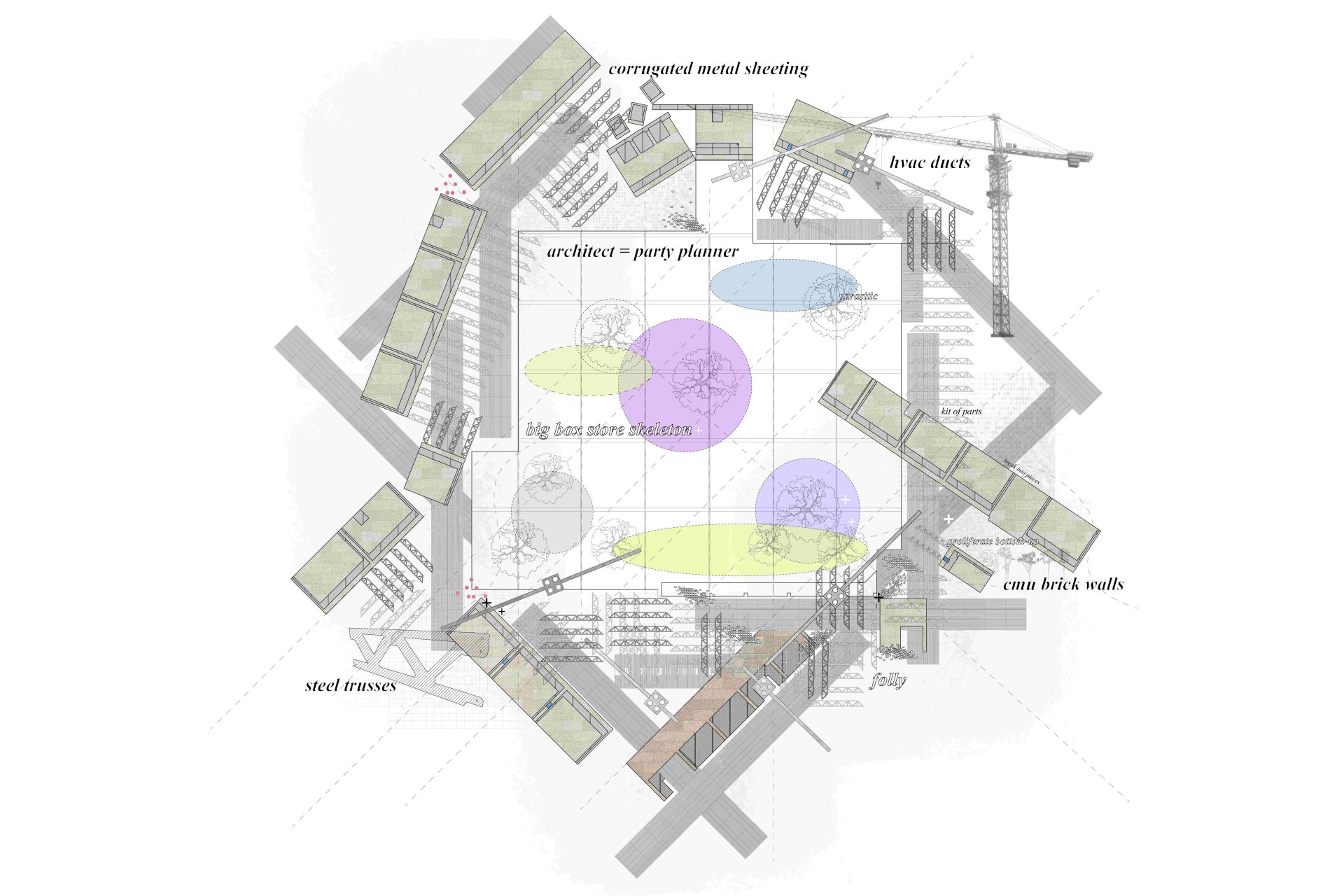
A defunct retail container is reimagined as a site of controlled disassembly, where architecture emerges through the redistribution of its own components. The architect plans parties that choreograph interactions between new programs and existing systems. CMU walls, steel trusses, and HVAC components are extracted, misaligned, and reassembled into new spatial arrangements.
The skeletal frame scaffolds a forest, giving way to a central landscape ringed by perimeter programming. Through this process, the project un-develops a site of consumption, transforming it into a field of communal life—recalling what existed before the store, while projecting new forms of occupation after it.
Mall in Color
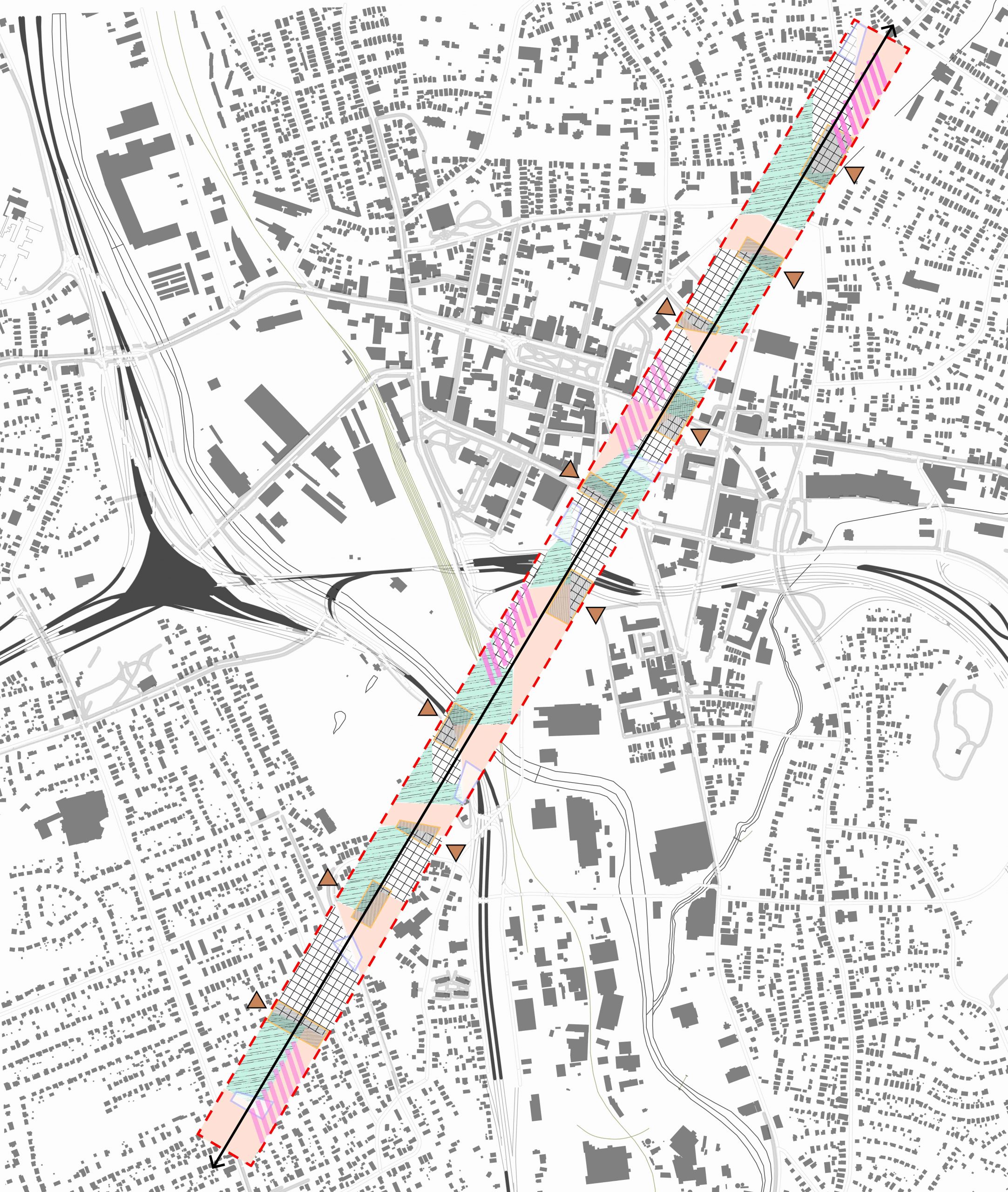
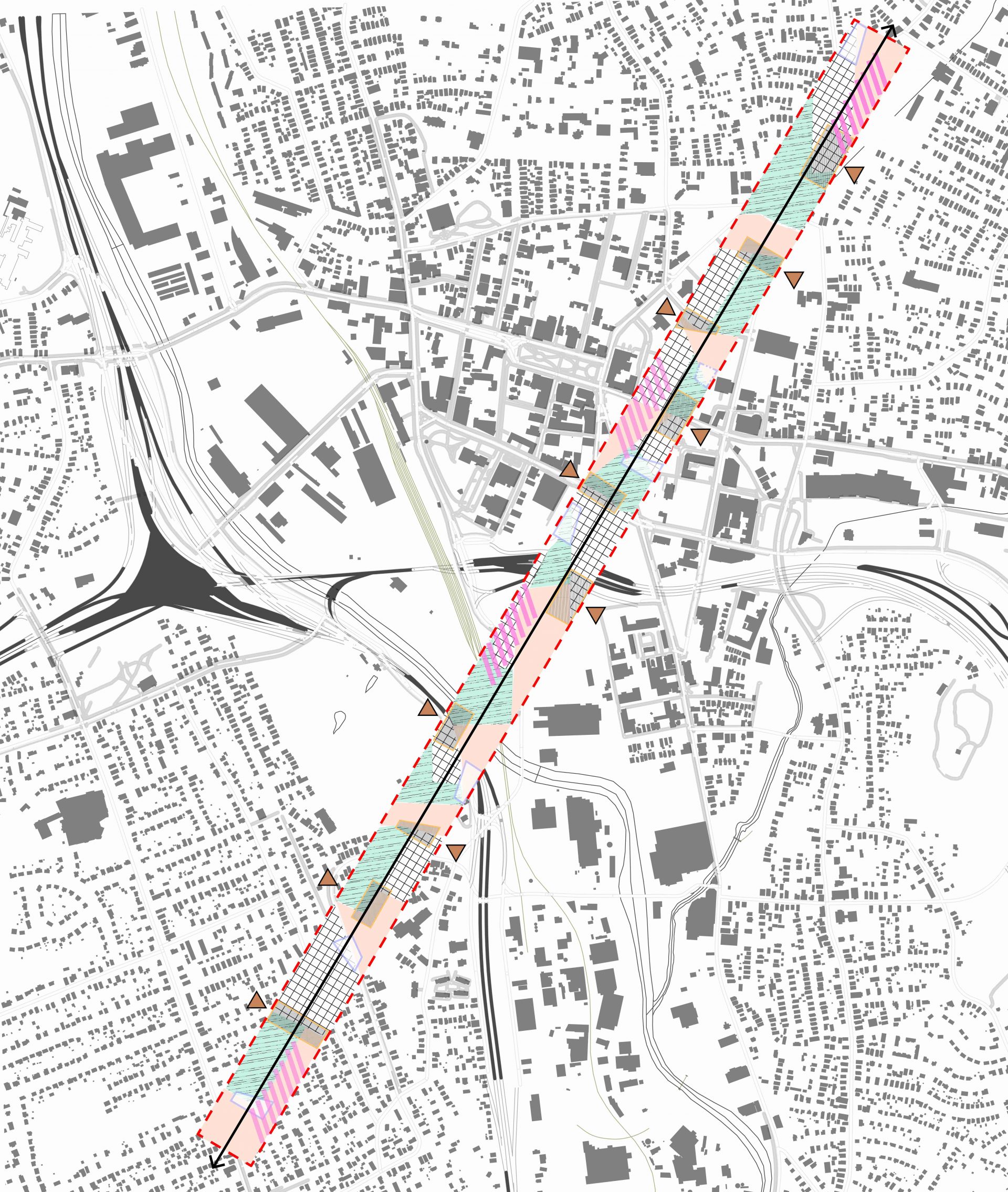
In their current interpretation, malls are known for the movement of users through retail structures, but the mall as a concept has existed as a form of play, a series of landscape typologies, and as forms of urban development and growth throughout history. In this iteration, the mall is reimagined as a legible figure of programmatic continuity, proposing the growth of communities in urban centers and residential neighborhoods alike through shared resources. By establishing the mall as not a singular building but a living infrastructure, accessibility and necessity are not confined but made available along a unifying axis of open mobility.
Candy Paint: Housing from Material Culture
Drawing on the material culture of Los Angeles's Latino communities, Candy Paint proposes a hybrid housing typology inspired by auto construction and lowrider aesthetics. Metal and auto-body shops occupy the ground level, with self-built apartment units above inhabited by the same tenants who work as mechanics below—collapsing the boundary between labor and domestic life. A standardized steel frame acts as a chassis for incremental construction using customizable kandy-painted corrugated metal panels. Tenants design their spaces, asserting authorship and identity. Exterior alleyways host car meets, extending domestic life into public space. The building culminates in a ziggurat form referencing Mesoamerican architecture and collective living.
Vertical Signals
This project proposes the tower as a geostory, where architecture becomes a way of translating environmental forces, climate risk, and disaster into something visible and spatial. Instead of being just a symbolic object, the tower works as both an occupiable space and a piece of infrastructure that is able to detect, communicate, and respond to changing conditions through its form and systems. By combining early warning, resource storage, and refuge into one vertical structure, the project positions architecture as something proactive, where the tower acts as a mediator between everyday life and an increasingly unstable environment.
“P.I.E.P”
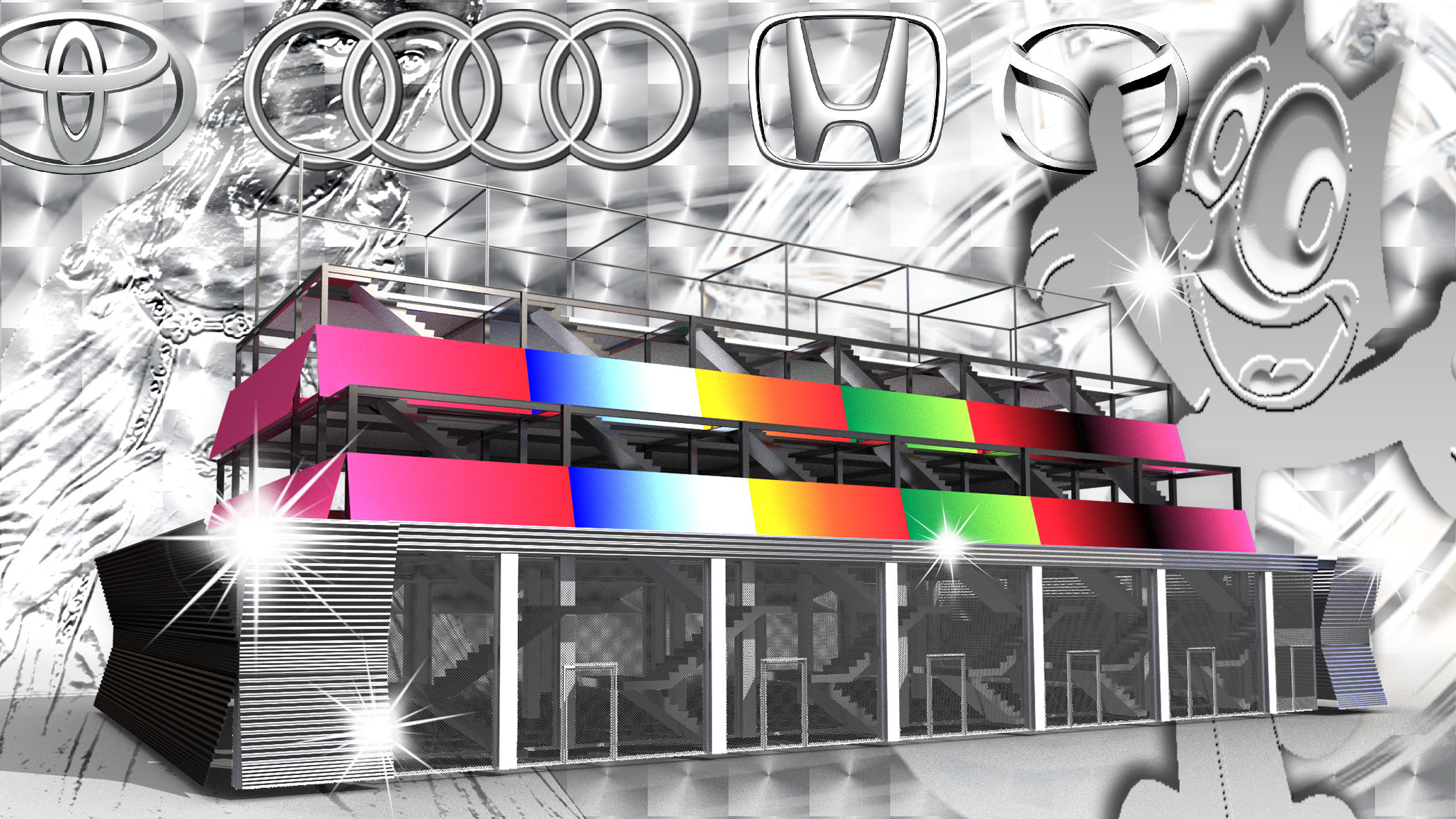
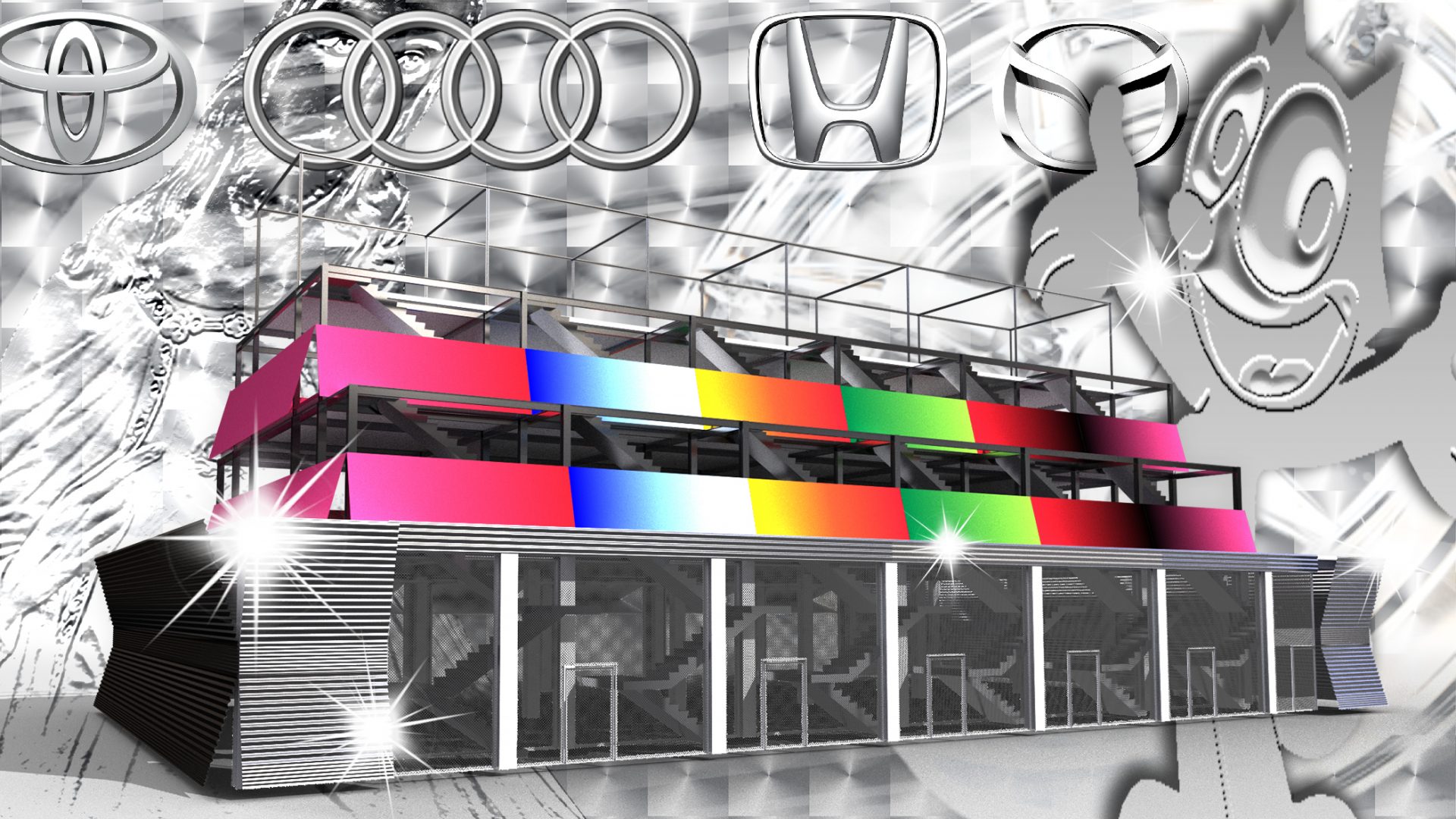
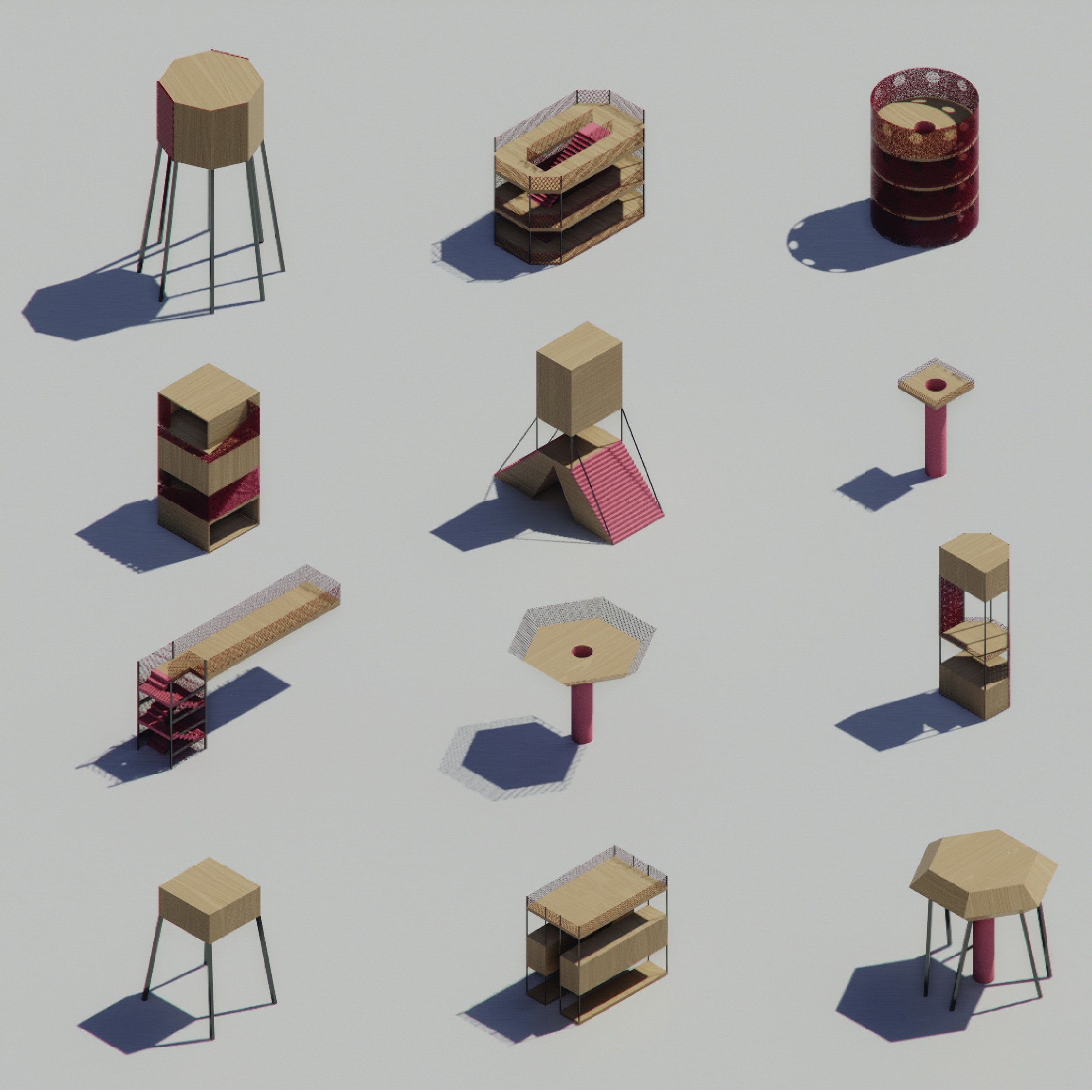
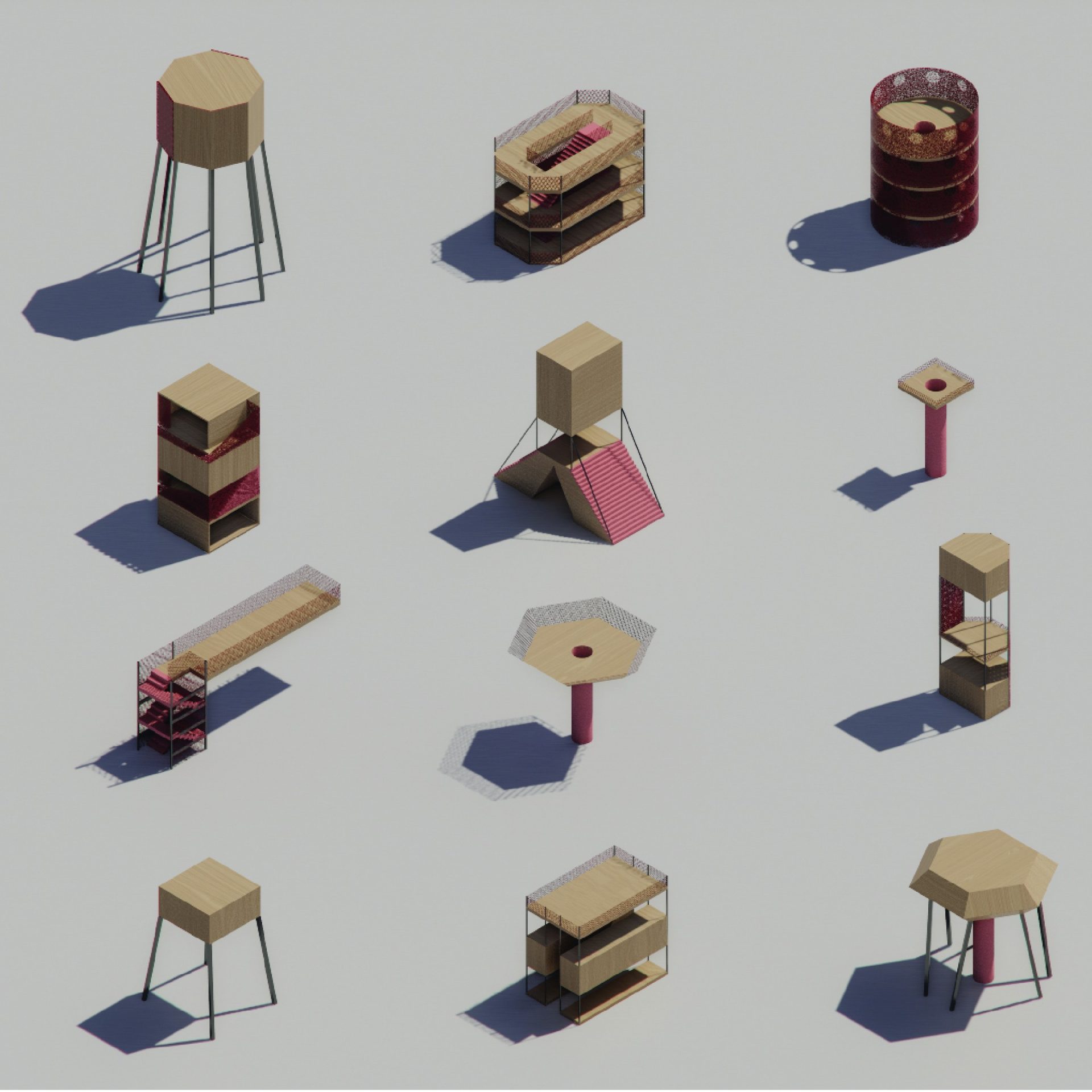
The advent of the World Wide Web shifted the landscape of retail, replacing the vitality of physical space with the convenience of the "click-and-buy" relationship. In this age of high-speed consumerism, we cannot deny that the brick-and-mortar model needs to adapt. This project proposes a new supreme: a retail armature that prioritizes immersive experience over mere transaction. Through a Permanent Infrastructure for Ephemeral Programming (PIEP), the work introduces speculative artifacts that expand the definition of shopping, fostering a deeper, more tactile relationship between consumer and product.


Andrew Ghusn
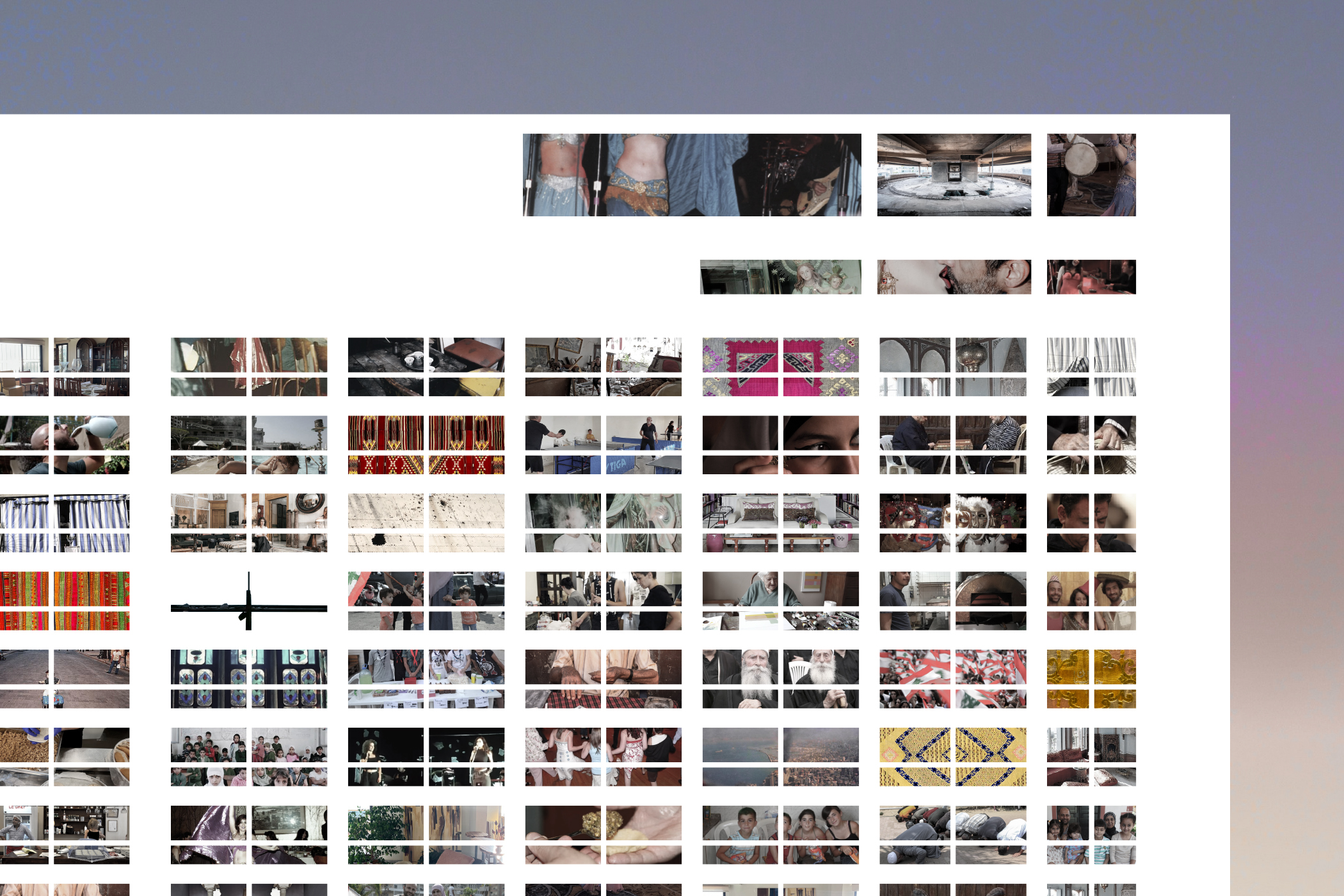
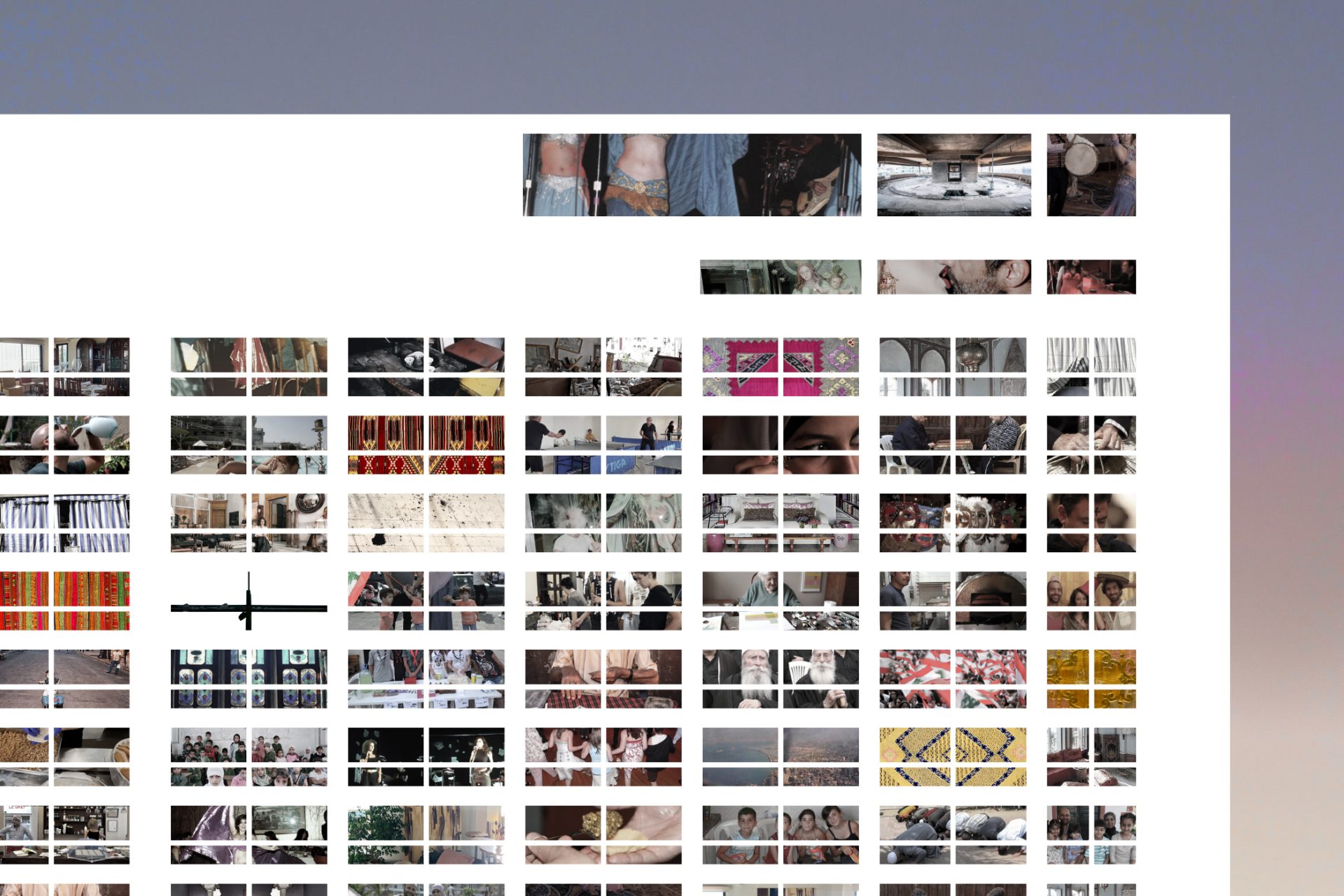
50 years of destruction has left Beirut ravaged with architectural skeletons, forcing the surrounding community to live in and around ruins that act as reminders of a destructive time. As damaged architectural facades become part of everyday life in Beirut, framing streets and lives, the inside is completely lost to the public, closed off and unused.
Revitalizing interior program while maintaining existing damage will post-destructively, post-operatively shift the memorial status of the ruins.
The visual story of the city is maintained, while the lived experience now caters to the residents, rather than to the damage.
Emma Dexter
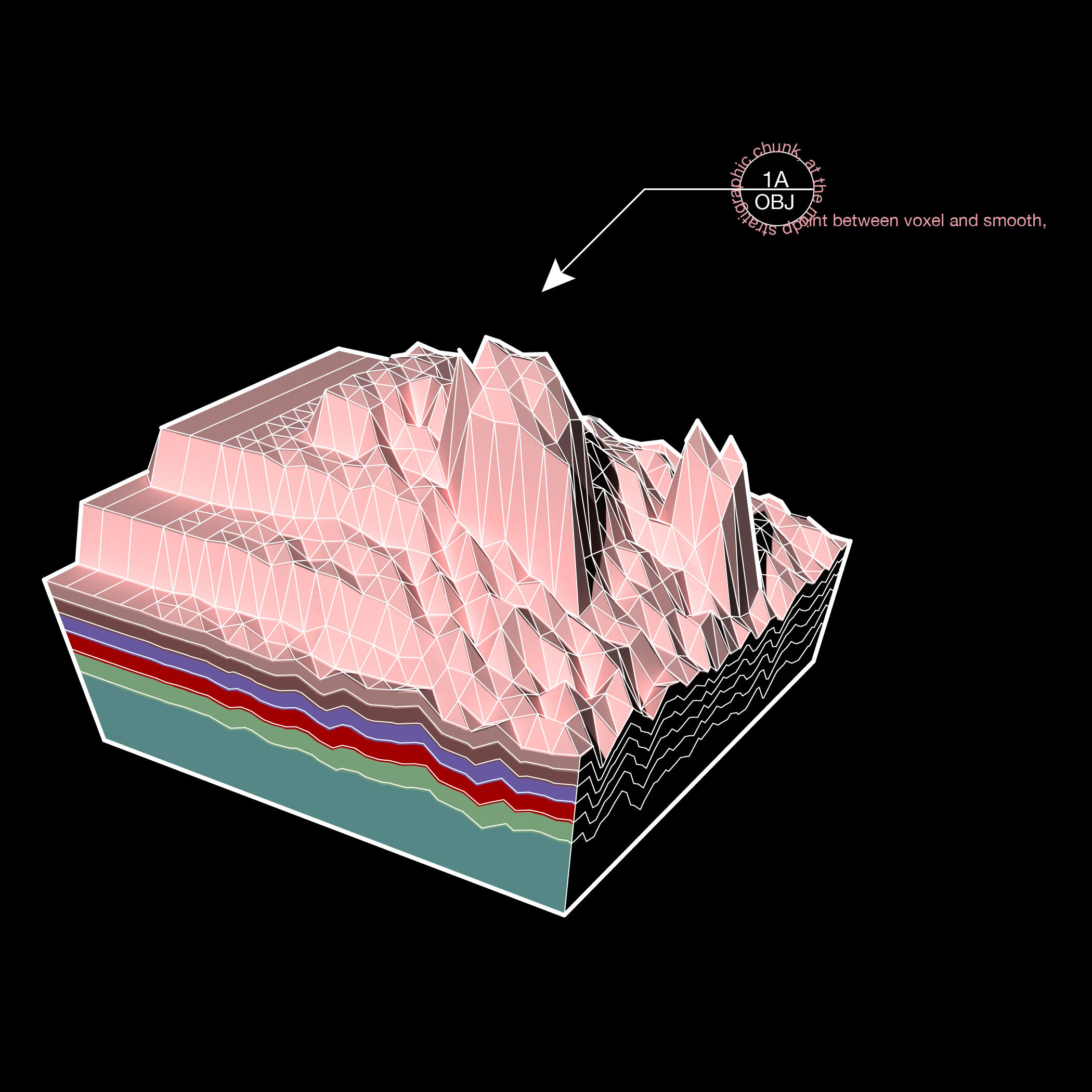
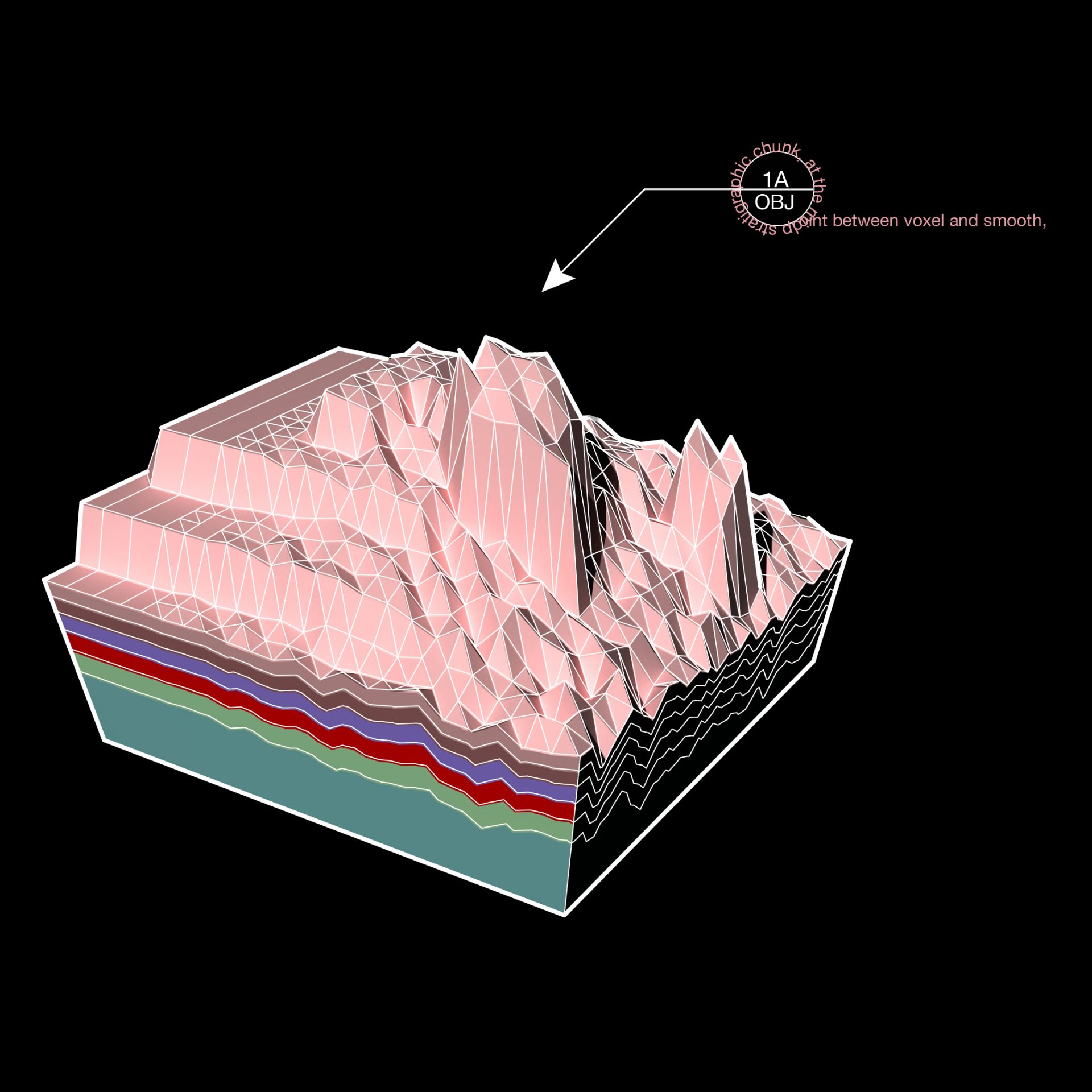
This thesis explores how architecture might engage with Timothy Morton's concept of hyperobjects: vast, nonlocal, distributed systems that exceed human perception. Rather than trying to make these systems totally legible, which is neither possible nor desirable, this project asks how architecture might instead stage encounters with hyperobjects. Using the aluminum window mullion as an origin point, it traces networks of extraction, production, and global supply chains through notational diagrams that reveal ontological relationships. These mappings are paired with a series of architectural discursive objects that take on unique representational challenges and meanings, encouraging new + hybrid modes of legibility in the field.
House as Glyph
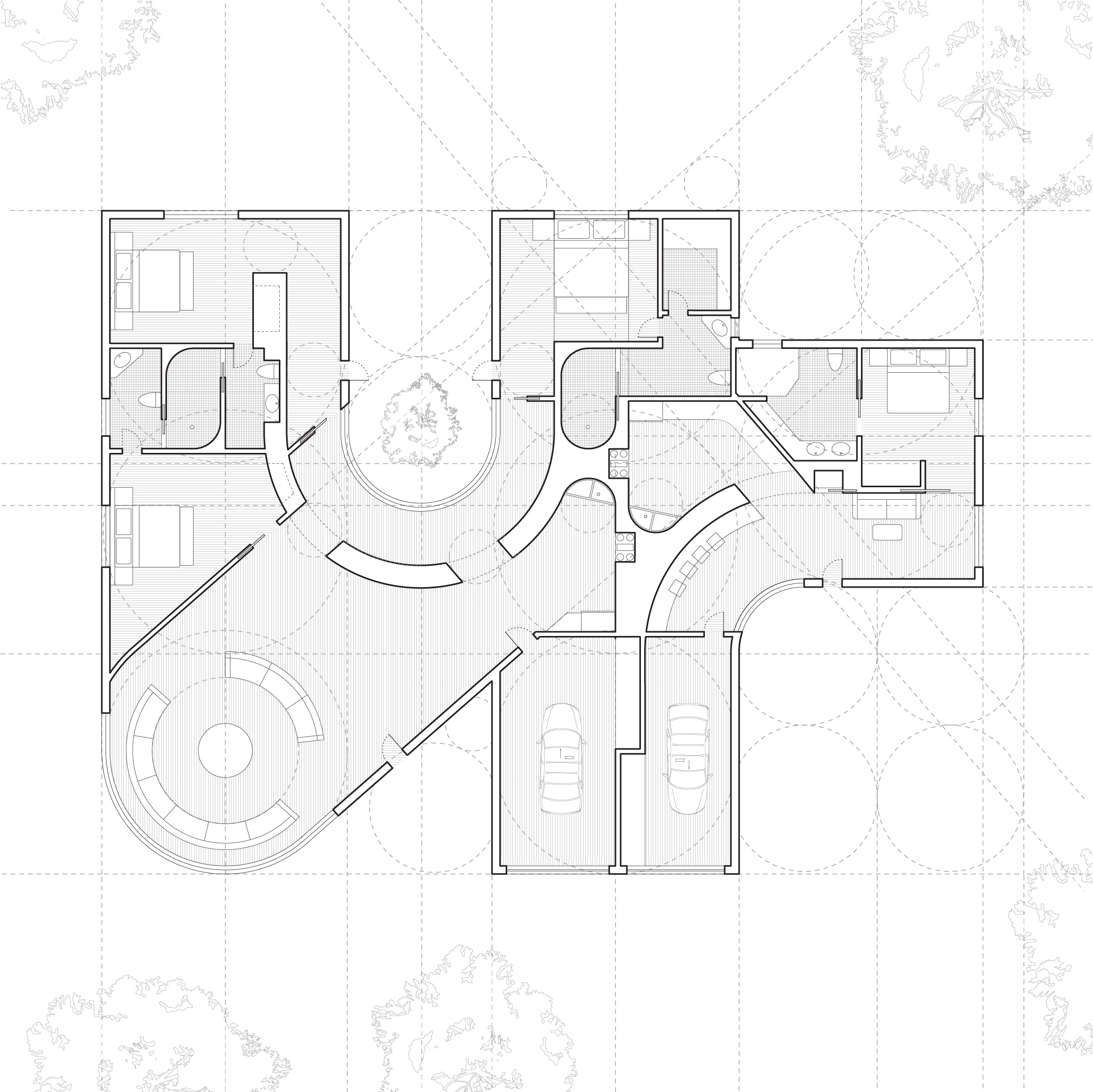
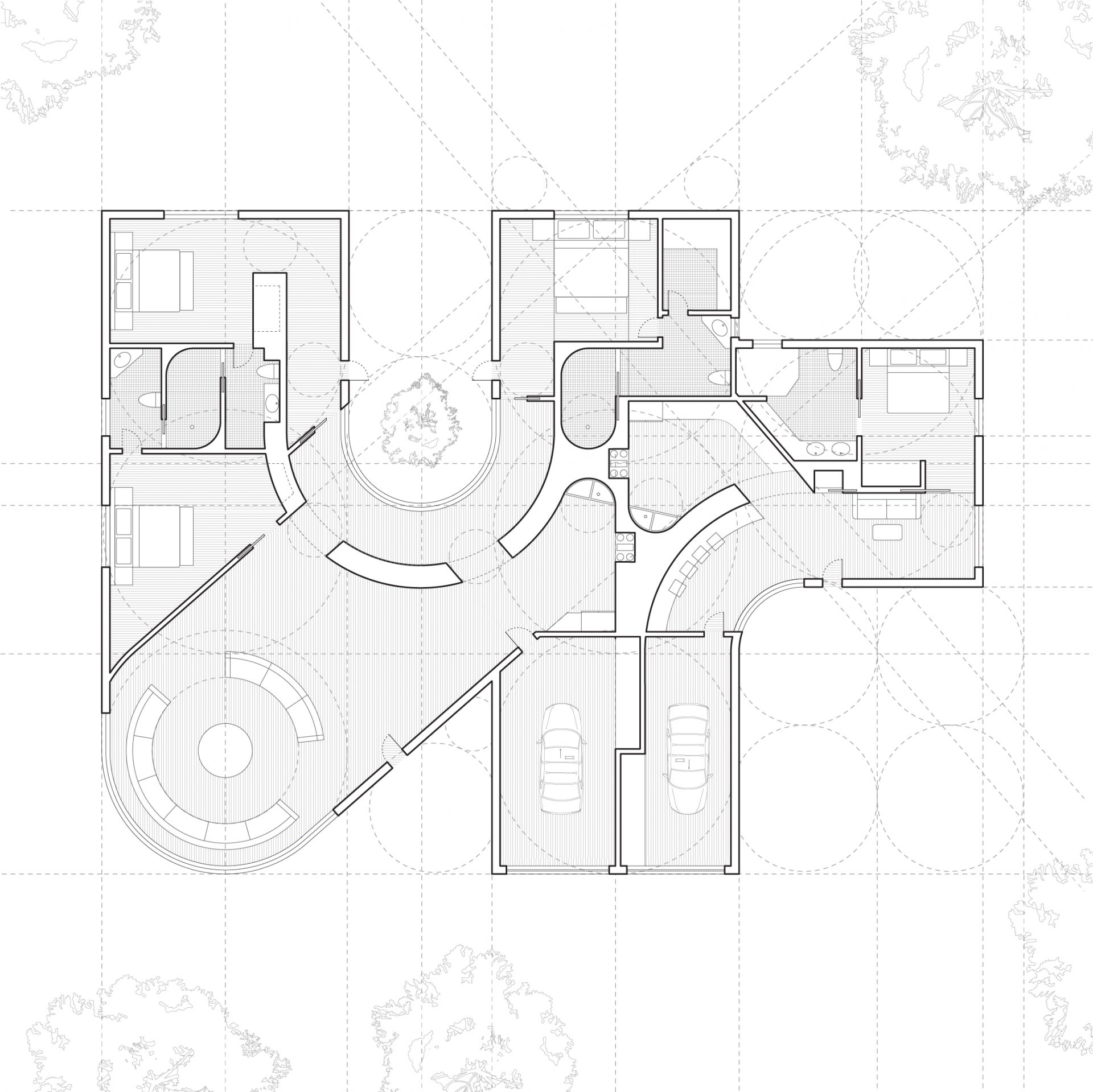
The American suburban house was built for the nuclear family, and its spatial logic has rarely been revised for other ways of living. A house is fundamentally about boundary negotiation yet the suburban house has one answer to all of these boundaries: a wall and a property line. My thesis argues otherwise. Drawing from the formal logic of typography — the micro-decisions of type design that give a letterform its specific character, how a stroke ends, how two forms negotiate adjacency —it proposes a system of spatial operations that transform the suburb's neutral volume into a home with character, calibrated not to a demographic average but to the actual life of the person living inside it.
The Social Spine
The Social Spine reimagines the corridor not just as circulation but as a system that creates different modes of interactions through visibility, encounters, and spatial rhythm. Dissolving the boundaries between program and circulation, the corridor can allow different demographics — elderly, families, and young professionals — to coexist within the same linear space. By reprogramming the corridor for collective living, the social spine can become the connective tissue that produces accidental encounters across different age groups.