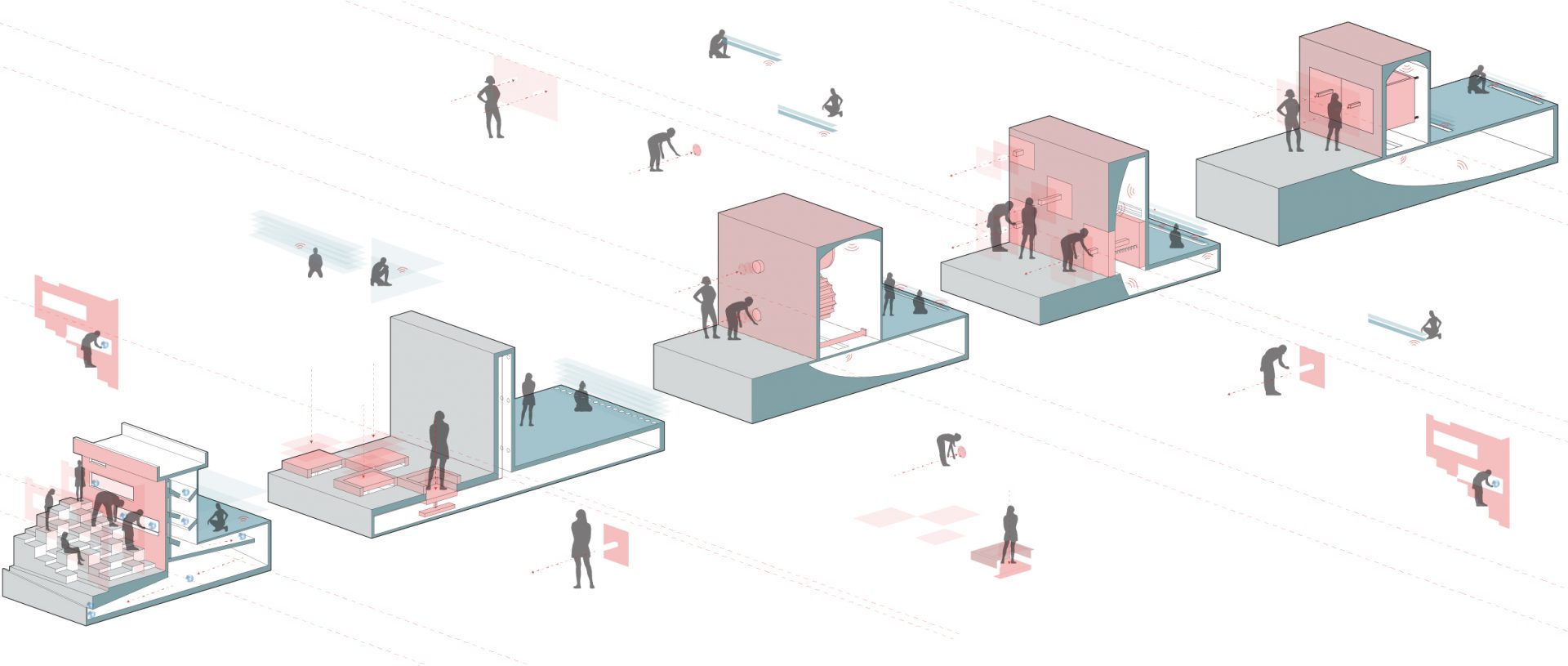
Since the Industrial Revolution, the gold standard for engineered products has been defined by high precision, high quality, and innovation—aspects inherent in exactitude. The pursuit of “German Engineering” has shaped what we value and expect in products such as smartphones, automobiles, and buildings. We expect them to work perfectly, instantly, and indefinitely. If they fail to perform with near-military precision, they are often deemed useless and replaced immediately, with little regard for sustainability efforts. In the pursuit of the impossible, we sacrifice the poetic, the mysterious, our beliefs, and our sense of wonder—or, in other words, what it means to be human. Just as engineers are now exploring how to design emotionally agile robots and embed personality into AI so that people can fundamentally accept artificially animated objects within their homes, architects must also consider how to incorporate quirky, expressive traits into buildings, facades, and spaces of human interaction. In doing so, buildings are no longer perceived as foreign objects belonging to others. With the ability to animate different parts of architecture, we can charm, anger, sadden, or make someone laugh. By embracing these emotional and experiential dimensions, architecture can reshape how people perceive their surroundings and foster deeper connections between humans and their environments.