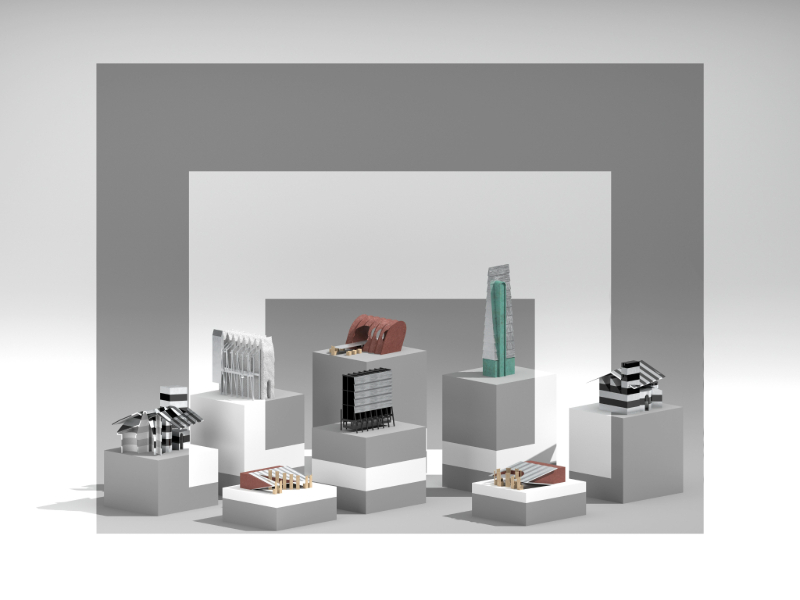
In this section, we discussed “A Model for Later” as a framework for the thesis. We evaluated this through four topics: Problem (What), Context (Where), Technique (How), and Theory (Why). These topics were used to create an architectural thesis proposal. The aim was to create a body of work that operated in parallel with traditional architectural contingencies—such as site, program, precedents, codes, politics, and social engagement—while also focusing on individual authorship, form, representation, and theory. Students worked independently to develop their thesis and research throughout the semester. Central to this section was the idea that we create things for later, explored through physical models as tools for discovering emerging questions about organization, material thickness, and contemporary representation.

Case Study Houses 37-39
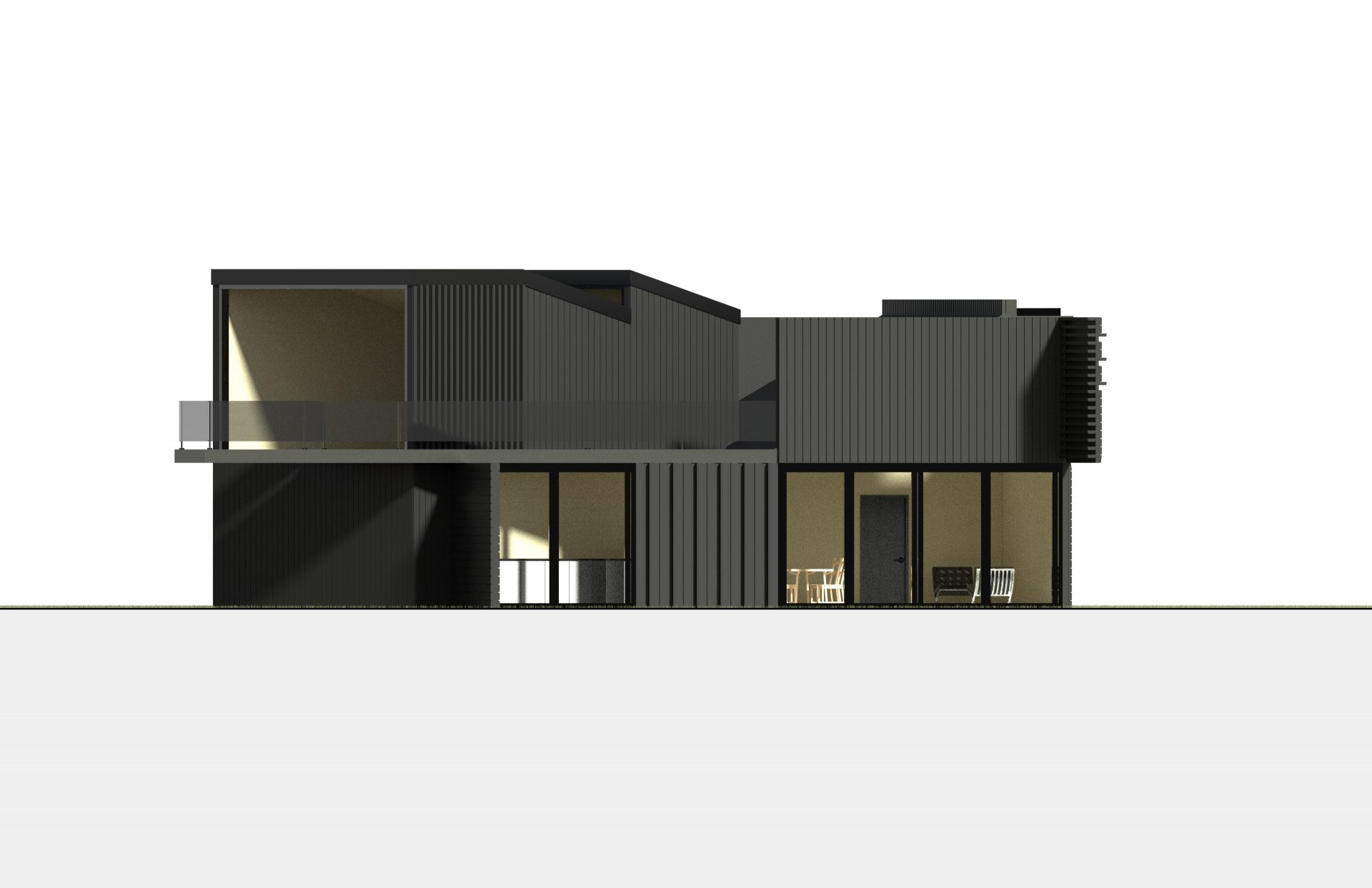
This thesis reimagines the vision of the original Case Study House Program to propose three modern prototype homes. Using Cross-Laminated Timber (CLT) and incorporating resilient design strategies, these new Case Study Houses will serve as a forward-looking blueprint for housing in Los Angeles. By synthesizing mid-century ideals with contemporary technological and material advances, this project serves as both a tribute to the legacy of the Case Study House Program and a practical guide for future residential development, particularly in regions susceptible to climate extremes.

Memento Mori
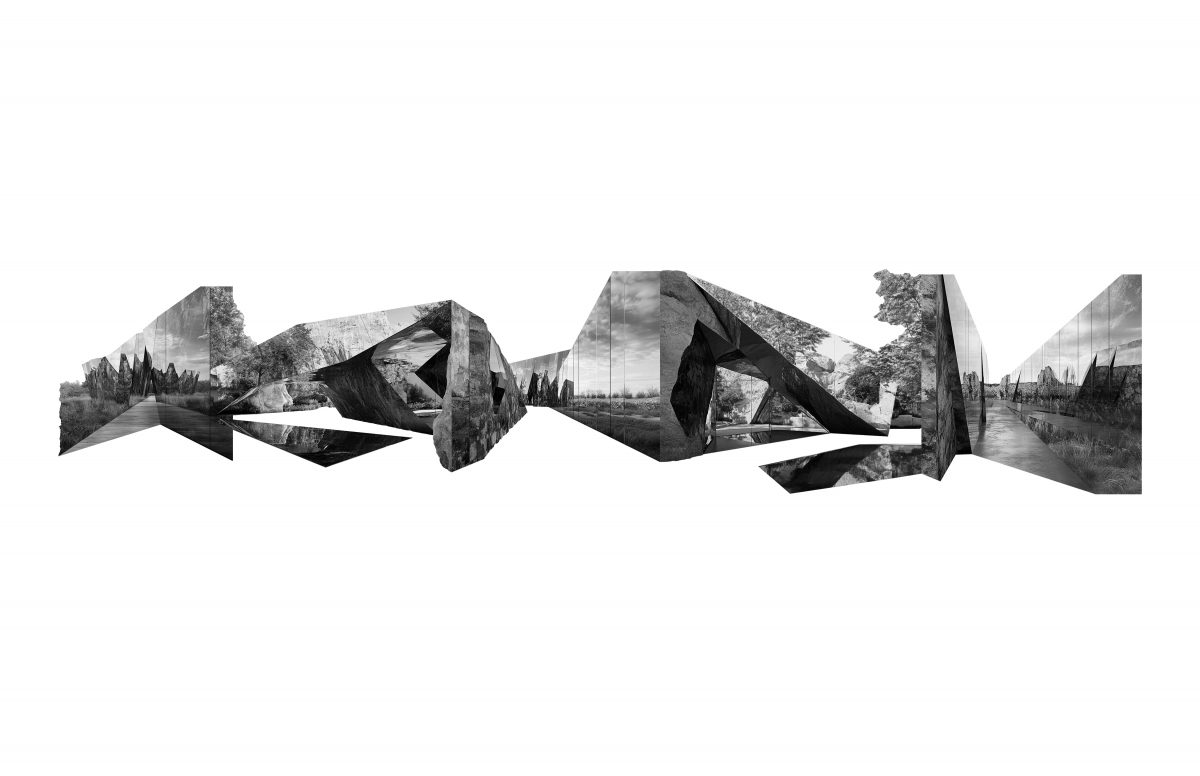
Memento Mori focuses on funerary architecture and aims to conceptualize the representation of life and death through form, materiality, and the lens of still life. Funerary architecture transforms spaces into sacred realms, inviting contemplation and reflection on mortality. Incorporating elements found in still life, such as transparency and reflection, evoke a sense of continuity between life’s vibrancy and the stillness of death. Building on a site that was once a cemetery provides an opportunity to honor the memories of the past while the orchestration of space and form encourages the living to reflect on their own ephemeral journey, ultimately creating a dialogue between the transient nature of life and permanence of memory.
Port City
The port was once the only way for cities to participate in global trade and develop an international presence. But now, despite many ports still being utilized for export and import of goods in the largest cities around the world, they have become reduced down to industrial sites held back by old processes and systems. By designing a series of structures on the Port of Long Beach programmed in with spaces based on the needs of the current logistics as well as opportunities for human-scale activities and future growth, the port can once again become a location in the city that is not just optimized for practical use, but also a place for the public to reclaim and enjoy as a unique site nearby the ocean and with access to goods from all over the world. In addition, my buildings will connect to the proposed CAHSR line and allow for an extra line of transit used solely for cargo containers. This will take trucks off of the highways all throughout California, but also allow for me to design the new infrastructure for the port to be train based and more efficient. So, reimagining the Port of Long Beach through the integration of both current logistics and human-scale activities presents an opportunity to transform an industrial site into a vibrant urban space that serves multiple functions. By introducing public access, enhancing the port’s role as a unique destination, and connecting it to the proposed CAHSR line for cargo transportation, this design vision not only improves efficiency but also revitalizes the port’s relationship with the city and its residents.

Old Habits. New Ideas.
Trends create narratives that engage daily consumers. It reimagines the ordinary in a relevant and new way. It makes a timeline between eras, events, culture, and text. Old habits are revealed in new ideas to create a visual display for those after them. A public showcase that formulated context about the present, past, and future: trends that can hopefully be perceived, restored, and cherished in architecture. How do we use current trends to reveal architectural ideas that forecast future trends?
This thesis asks to think about the architectural gaze as more than a passive action but as an articulation of the past, present, and future. To push the boundaries of architectural illustration, objects, and materials to create a narrative of what can be. To illustrate the potential of the practice of architecture. What if the model resembles familiarity without being normative equivalent? What if the materiality, design, structure, text, and entourage all come together to build a body of work that leaves a mark on the way we view architecture for years to come?

ASTROTECTONICS
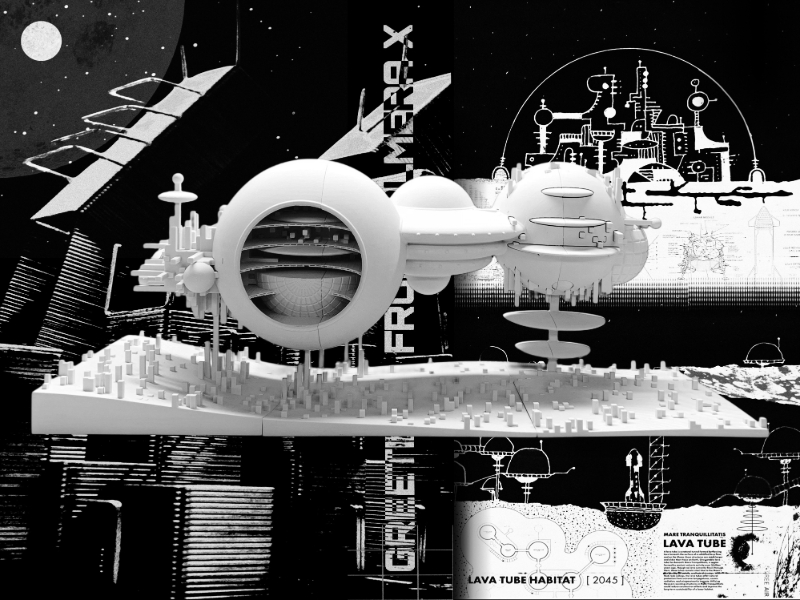
ASTROTECTONICS explores architectural design for extraterrestrial habitats, drawing inspiration from past visions of space exploration during the Space Race. It reflects on how architecture, media, and design once envisioned the future, particularly lunar colonization. The thesis imagines sustainable lunar habitats through three typologies: Lava Tube Habitats, Surface Habitats, and Orbital Habitats, each viewed through different temporal perspectives—present, near future, and far future. This project blends creativity and technological advancements to redefine architecture’s role in space. The aim is to design environments that support human flourishing beyond Earth, transforming visionary ideas into practical, long-term solutions for space colonization.
Concussed Architecture
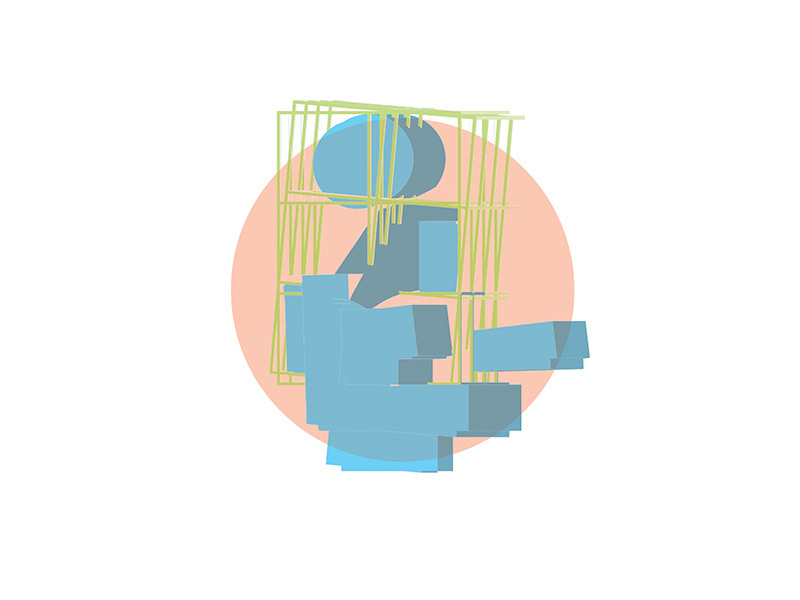
Concussed architecture presents a new theoretical framework by using concussion as inspiration for form, spatial organization + experience. Rooted in principles of neuroscience and architecture, concussed architecture creates cognitively complex environments to engage and stimulate both the mind and body by fostering enriched environments through architectural form. This thesis proposes the design of an early childhood daycare center located on the campus of the Salk Institute in La Jolla as part of the John P. Eberhard Competition to help reinforce this idea of concussed architecture as a theoretical, disciplinary, and building problem.
Shaping the Ordinary
This thesis explores how play can transform overlooked circulation spaces into memorable experiences. It responds to the condition of spatial sameness, where repeated and unremarkable paths—like the selected in-between site used daily by students—fade from awareness. By drawing from the spirit of children’s toys and the intuitive curiosity they provoke, the project introduces subtle architectural interventions that shift scale, invite interaction, and encourage exploration. These design ideas are not just for decoration. They are carefully planned to catch people’s attention in places they usually ignore. By using materials that can bend, move, or change shape, the design becomes active and surprising. These playful changes break up boring routines and encourage people to notice their surroundings again—making everyday paths feel special and memorable.

New Familiar
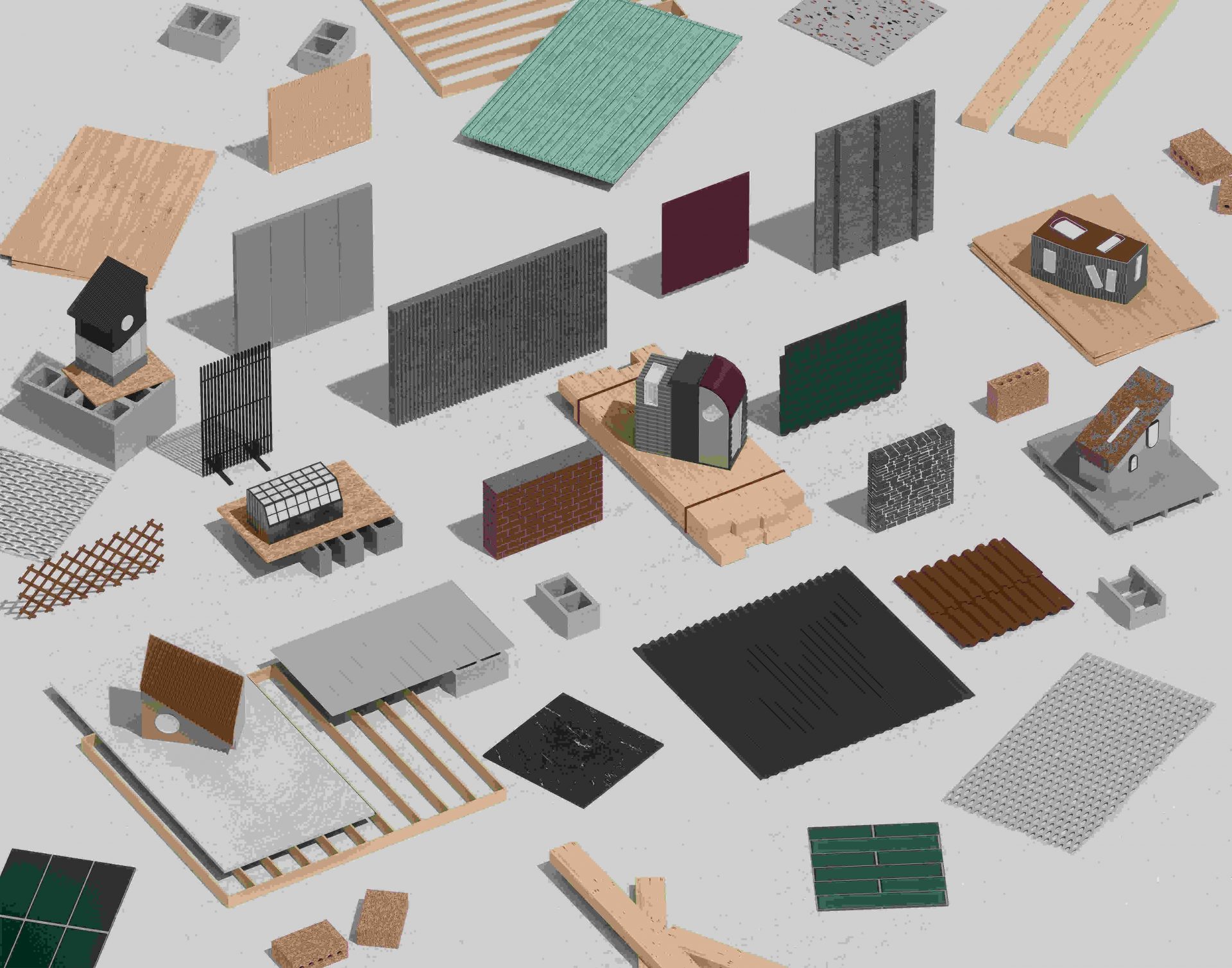
This thesis explores the speculative potential of ready-to-buy materials from hardware stores to problematize the ordinary and regular through unconventional applications in architectural design.
By reorienting these materials in unusual ways—juxtaposing them, using them in non-structural and structural roles, or applying them unexpectedly—this thesis seeks to challenge conventional construction practices. It aims to transform everyday components into elements that provoke new spatial experiences and architectural dialogues.
What is the 21st-century version of recontextualizing everyday materials in architecture?
How can reorienting common materials in surprising ways redefine their architectural role? What new aesthetic and spatial possibilities emerge when these materials are used beyond their conventional functions? How might this approach inspire future architectural practices and expand the boundaries of accessible design?
Disrupted Landscapes
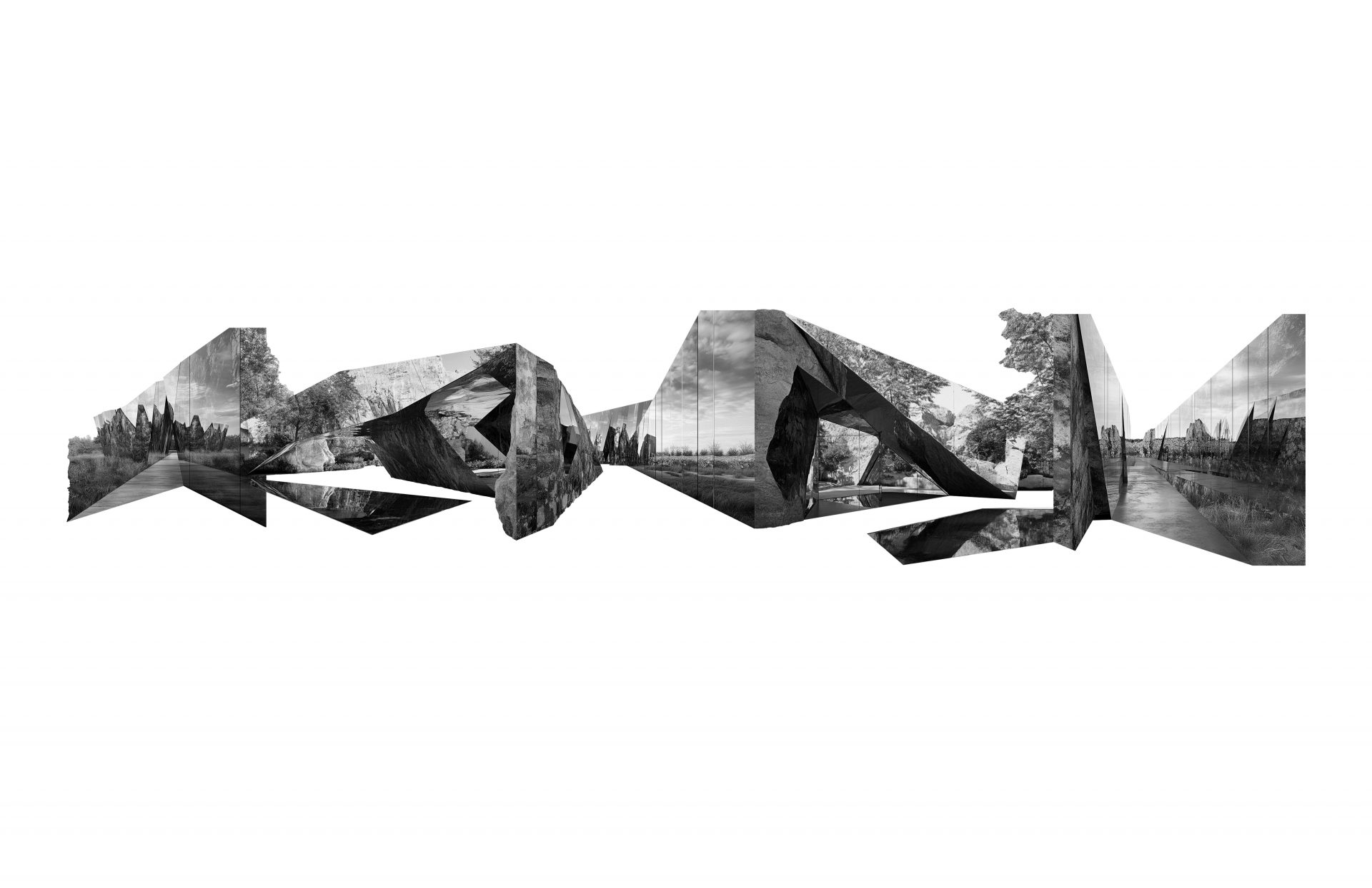
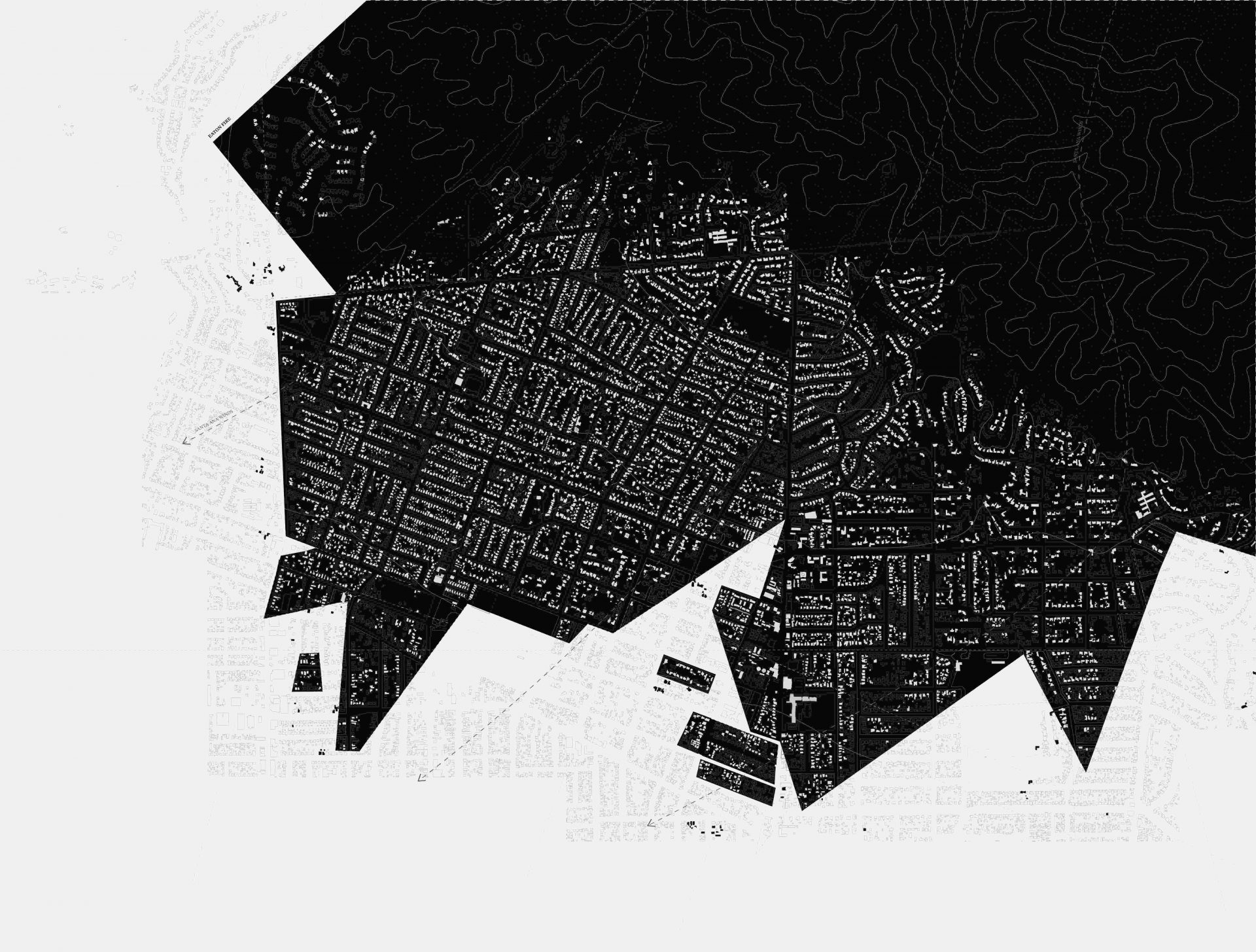
This thesis examines California wildfires as a lens for exploring architecture, memory, and ecological vulnerability. Using collage and redrawing, it investigates how time, space, and materiality shape the deconstruction of structures and landscapes. Rather than memorializing loss, it constructs a tangential index of environmental and architectural conditions, anchoring shifts to sites of communal and cultural significance. Through speculative interventions, it reimagines architectural loss as an opportunity for reflection, adaptation, and new spatial possibilities in fire-prone landscapes, demonstrating transformation.
Rethinking Temporality
The way we design temporary structures reveals what we value as a profession. Too often, these spaces are treated as afterthoughts—functional but forgettable—because their lifespan is limited. Yet, for the people who use them, these structures often hold profound emotional, cultural, or practical importance.
This thesis calls for a shift in perspective: to see temporality not as a limitation but as an opportunity. What if we designed for the fleeting with the same care, beauty, and intent as we do for the enduring? By embracing the ephemeral as responsive to its context, we allow these structures to adapt, evolve, and resonate deeply with the situations that shape them, offering dignity, memory, and meaning, even in the briefest of moments.
In a world where impermanence is inevitable, shouldn’t we, as designers, reflect on how we contribute to what is meaningful in its time and place?