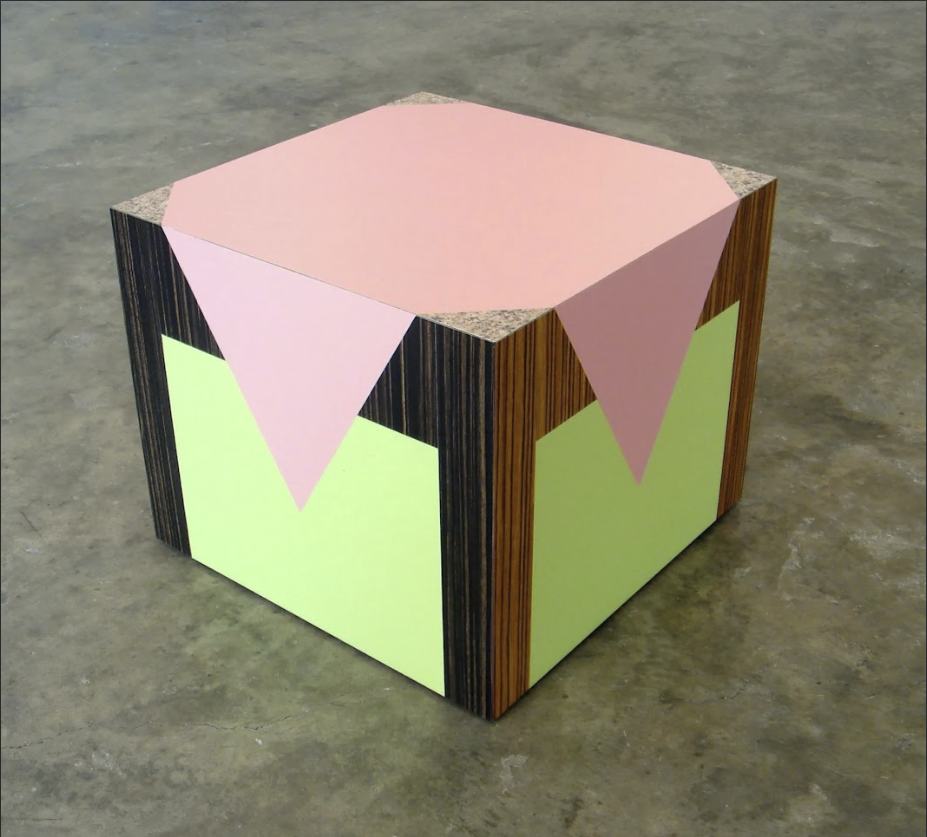
Architecture of the built environment (and reality in general) is overwhelmingly ordinary. This ordinariness is represented through a range of architectural expressions: the generic, the copy, the perfunctory, the banal, the useful, the bare logics of capitalism, etc. Arguably some of the stranger and more compelling recent forms of visual expression exist much more closely to the ordinary and the everyday then the extraordinary. This is the territory of deep fakes, mis-readings/understandings of physics/composition, and even AI “hallucinations”.

FIELDWORK
Fieldwork transforms a decommissioned oil extraction site into a campus where architecture becomes an instrument of exposure and inquiry. Ordinary building types—the house, the gas station, the office complex—are manipulated like deconstructed pumpjacks, revealing the hidden systems that power daily comfort and ambition. By dismantling and exaggerating these familiar structures, this experimentive campus becomes a symbolic setting for education: a site of spatial revelation where students engage with the architectures—material and ideological—that sustain daily life, as one draws dark oil from beneath the surface of our society.


INSIDE THE BOX
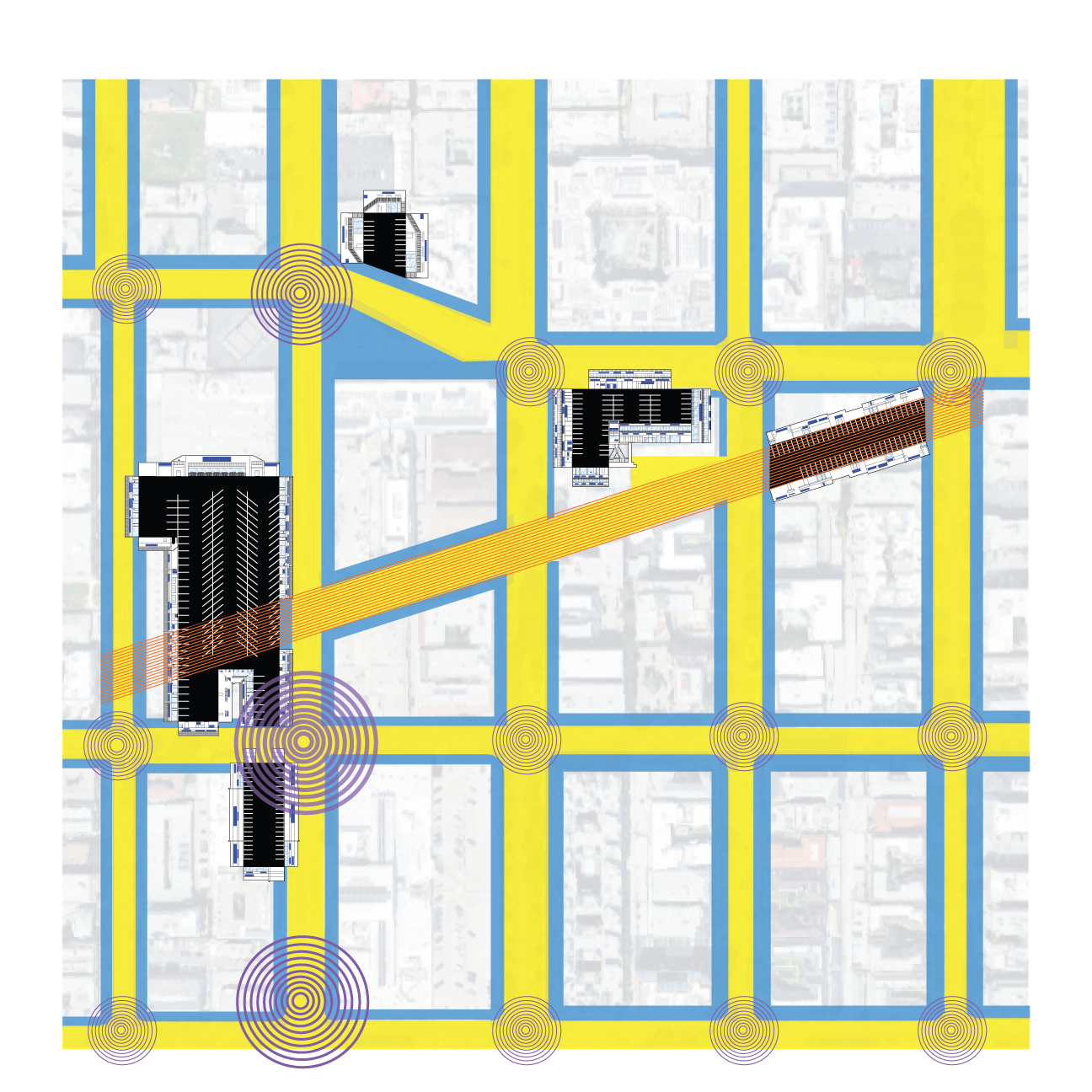
This project leverages the neutralization of strip malls in order to optimize their expressive and social potential. It repositions the parking lot, typically seen as an accessory, as the central spatial and social catalyst of the strip mall. By exploiting the seemingly bland quality of strip malls—disrupting its generic condition through acts of preserving, recoding, and importing existing elements—this project reconfigures the strip mall as an active and adaptable environment. As urban environments evolve towards more pedestrian-focused spaces and automated transportation, this project demonstrates how such spaces can be transformed to reflect the needs of a more social, human-centric city.
Watts In Color
My design philosophy is deeply rooted in my community, cultural heritage, and Neo-futurism. The unification of architecture, hand signs and street art will celebrate valuable insights into architecture that are often neglected, particularly focusing on South Central Los Angeles. These elements often reflect the flavor of Watts. My thesis Watts In Color is not an absence of intention but a deep commitment to letting architecture emerge naturally from its purpose, place, and process. It prioritizes adaptability, material honesty, and user experience over adherence to a visual or historical movement. A physical embodiment of collective aspiration, a hearth where the abstract ideals of togetherness, purpose, and mutual growth take form. It is less a structure of wall and roof, and more a sanctuary for the shared soul of a neighborhood. A place where knowledge is not just transferred but co-created, where wisdom is found not only in books or lectures, but in laughter, disagreement, rhythm, and silence. The community center challenges the illusion of separateness and so, it is not merely a space to gather, but a space to become.

Ordinary Warehouses, Extraordinary Worlds
This project speculates on how the ordinary architecture of the warehouse, through its scalar drifting and automation is evolving into a new form of urbanism- one where logistics, data, and fulfillment infrastructures radically reorganize the city. At the core of the project is the strategy of radical adjacencies in which ex-urban programs like schools, housing and urban farming are embedded within a mega mat building warehouse. The project explores the dystopian inevitability of warehouse-driven urbanism, questioning whether logistics can remain a passive backdrop or if it has already become the dominant spatial condition of contemporary life.

Constructed Ruins
This project reimagines spaces for the dead as urban cultural zones, built from the layered footprints of demolished and existing buildings. Their intersections shape the columbarium, while fragments generate both everyday and memorial spaces. The facade of the living projects generic openings, echoing the structured systems that define daily life. In contrast, the fractured facade of the dead reflects nearby buildings, an uneasy acknowledgment of death shaped by fear and distance. A typical steel stud wall wraps the columbarium, stabilizing its presence through architectural familiarity. The project gives form to memory through the ordinary, allowing the past to surface and evolve.
The Unnerving Ordinary
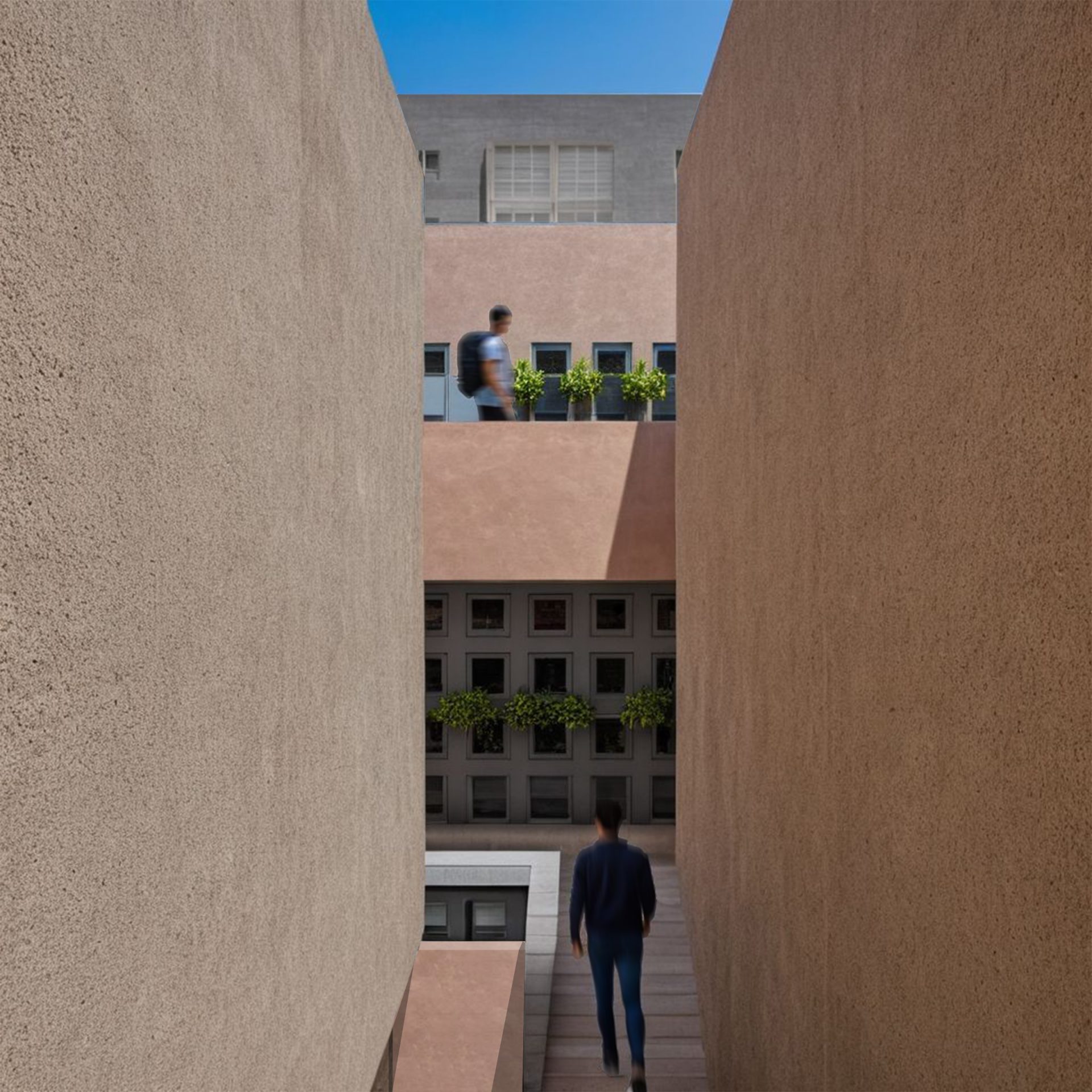
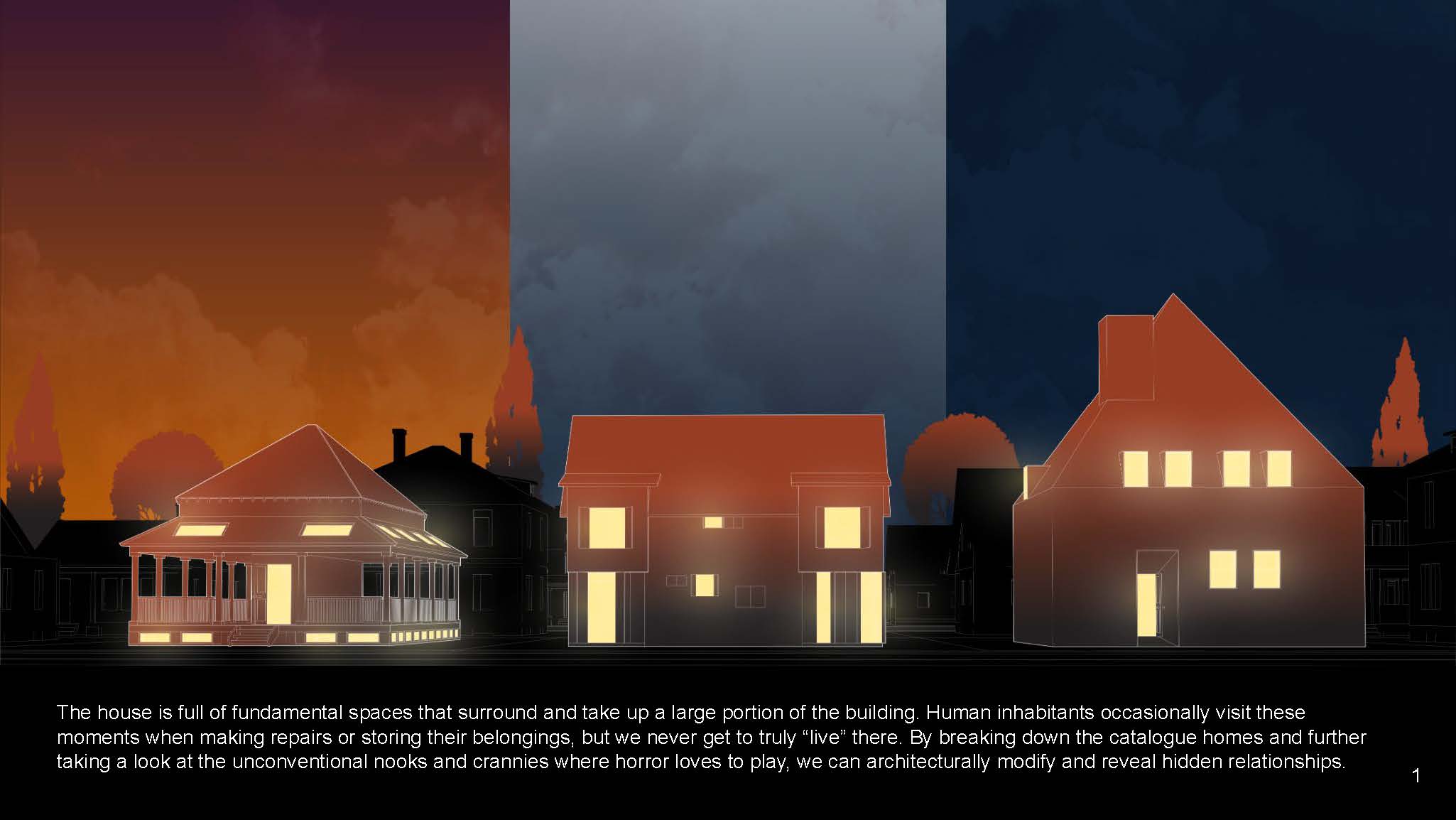
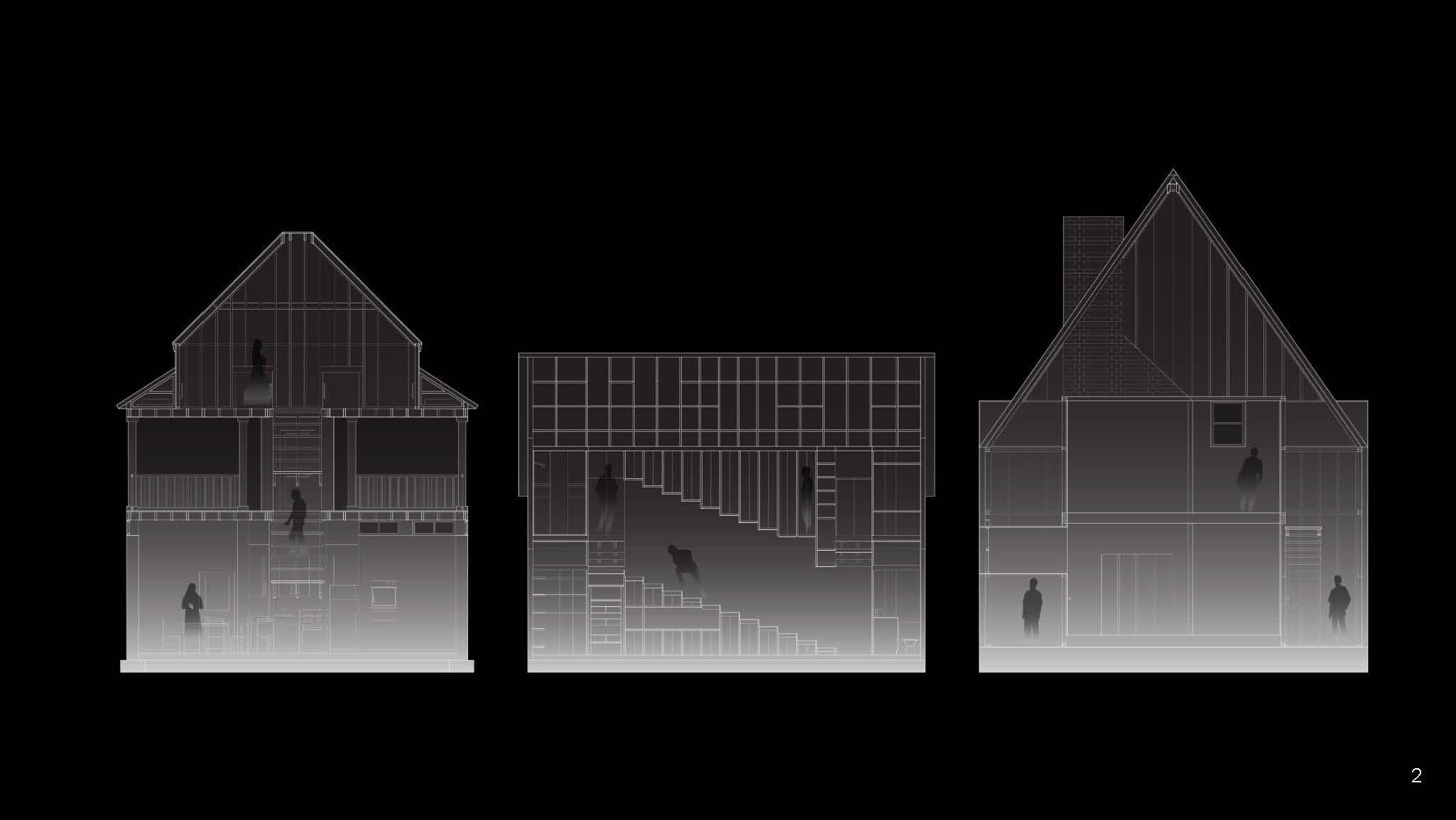
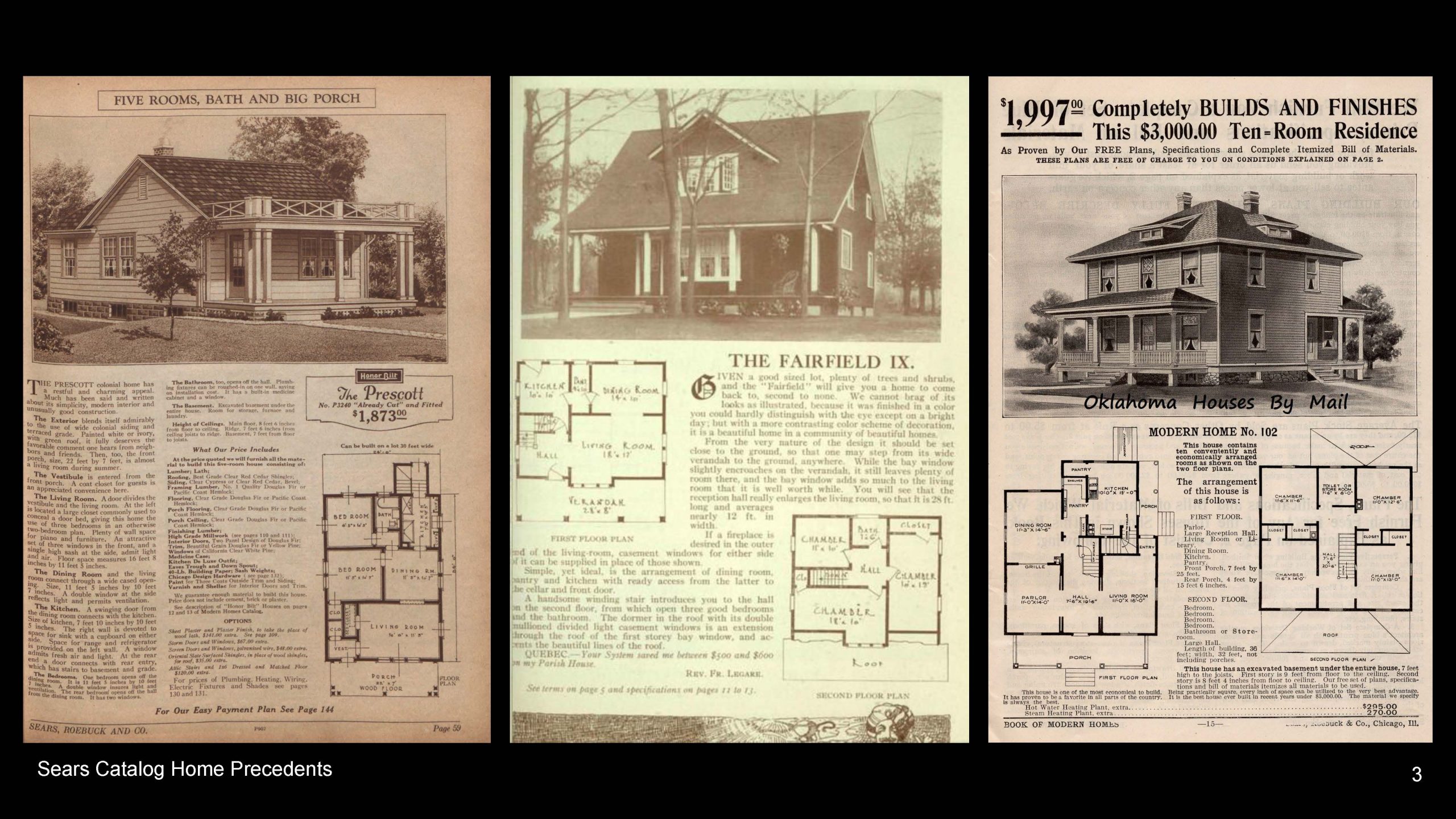
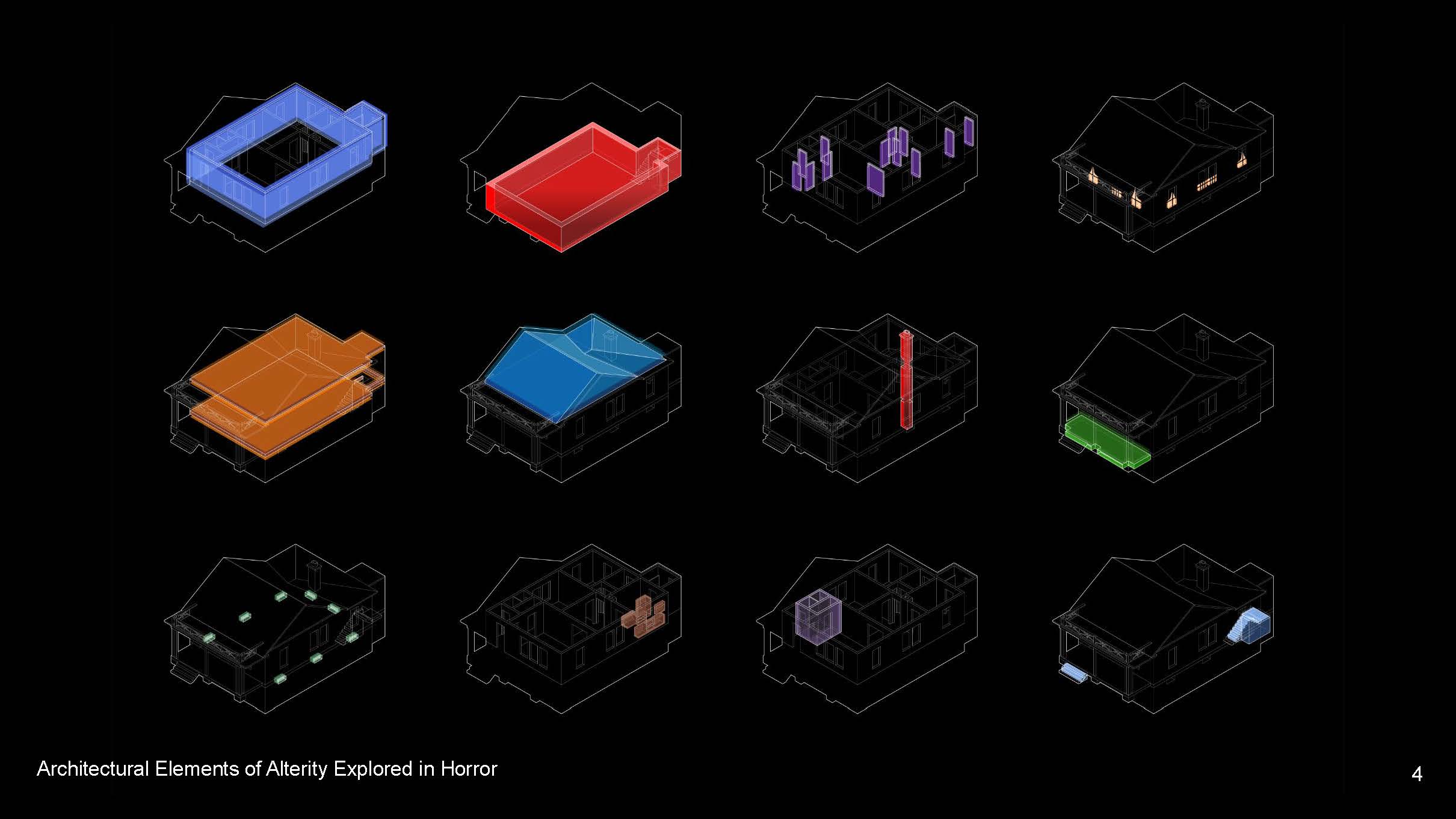
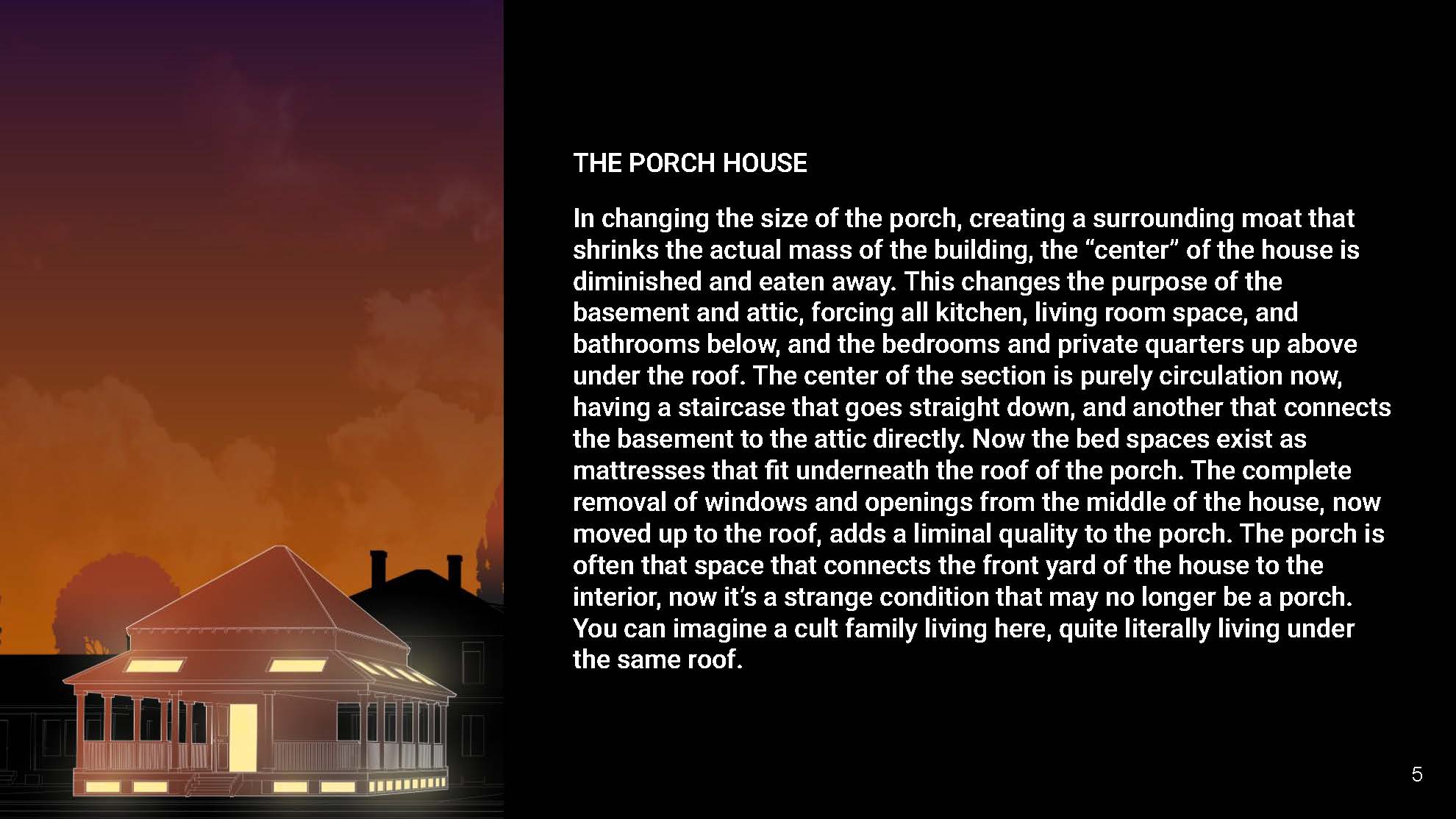
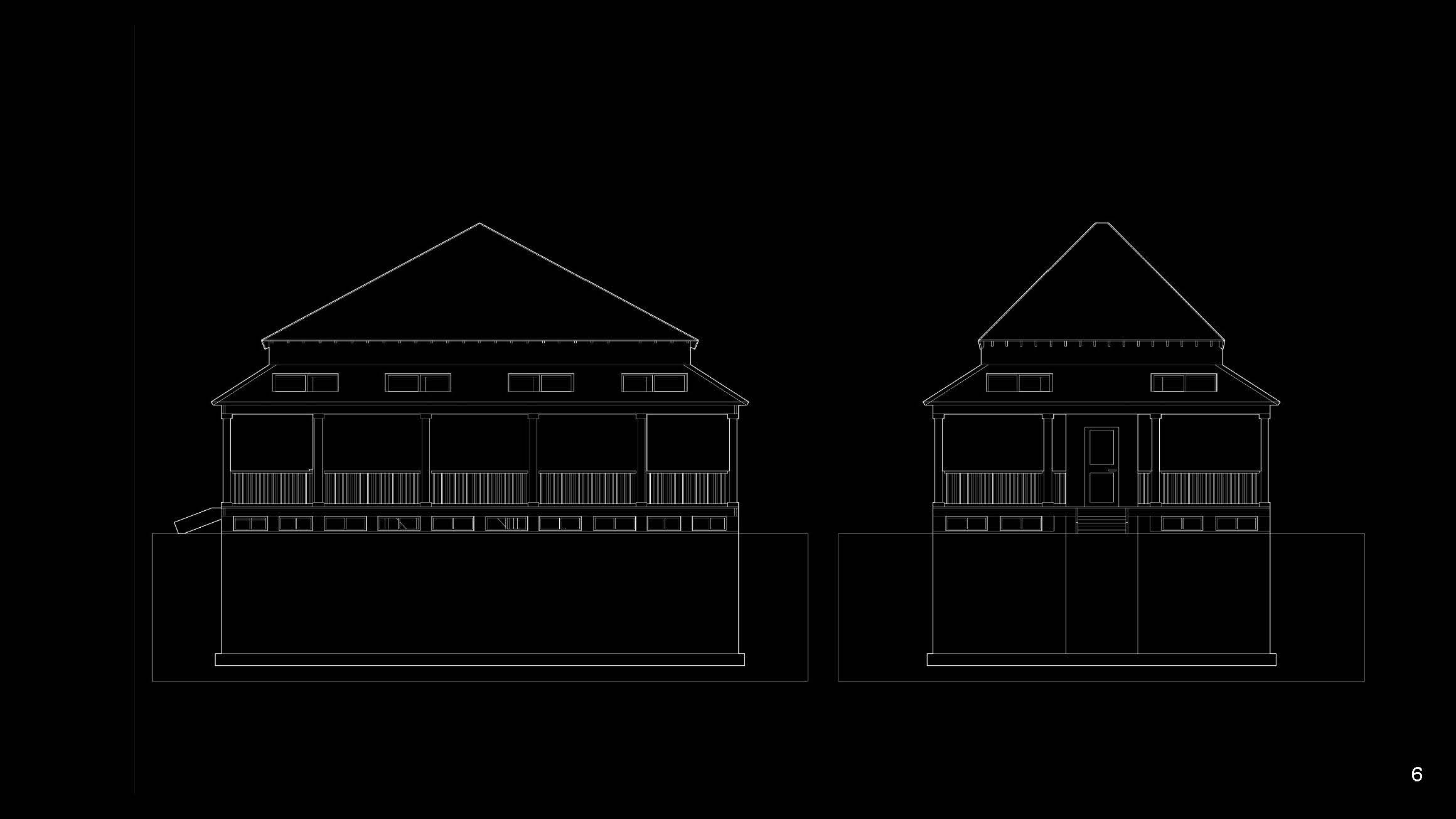
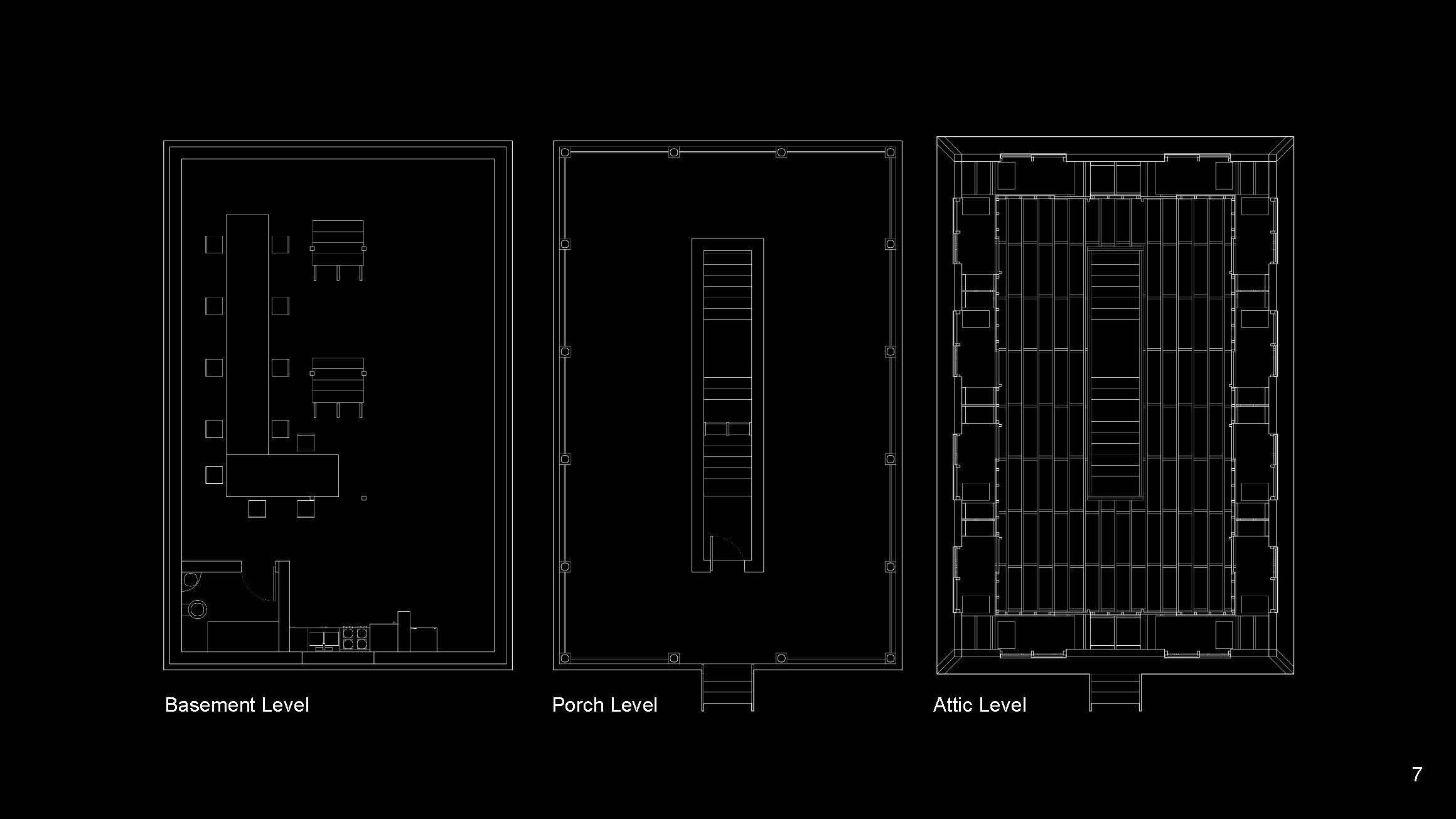
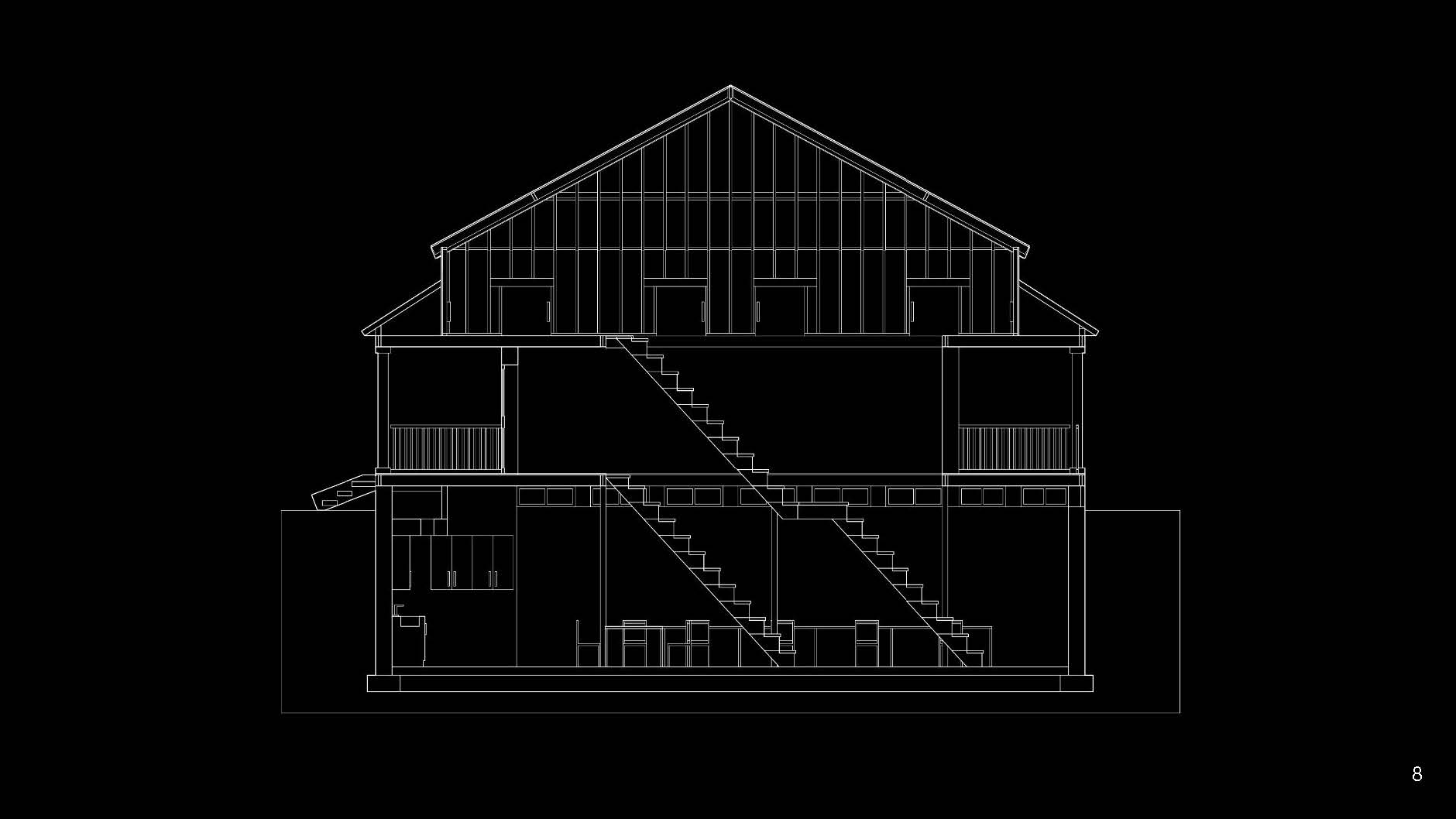
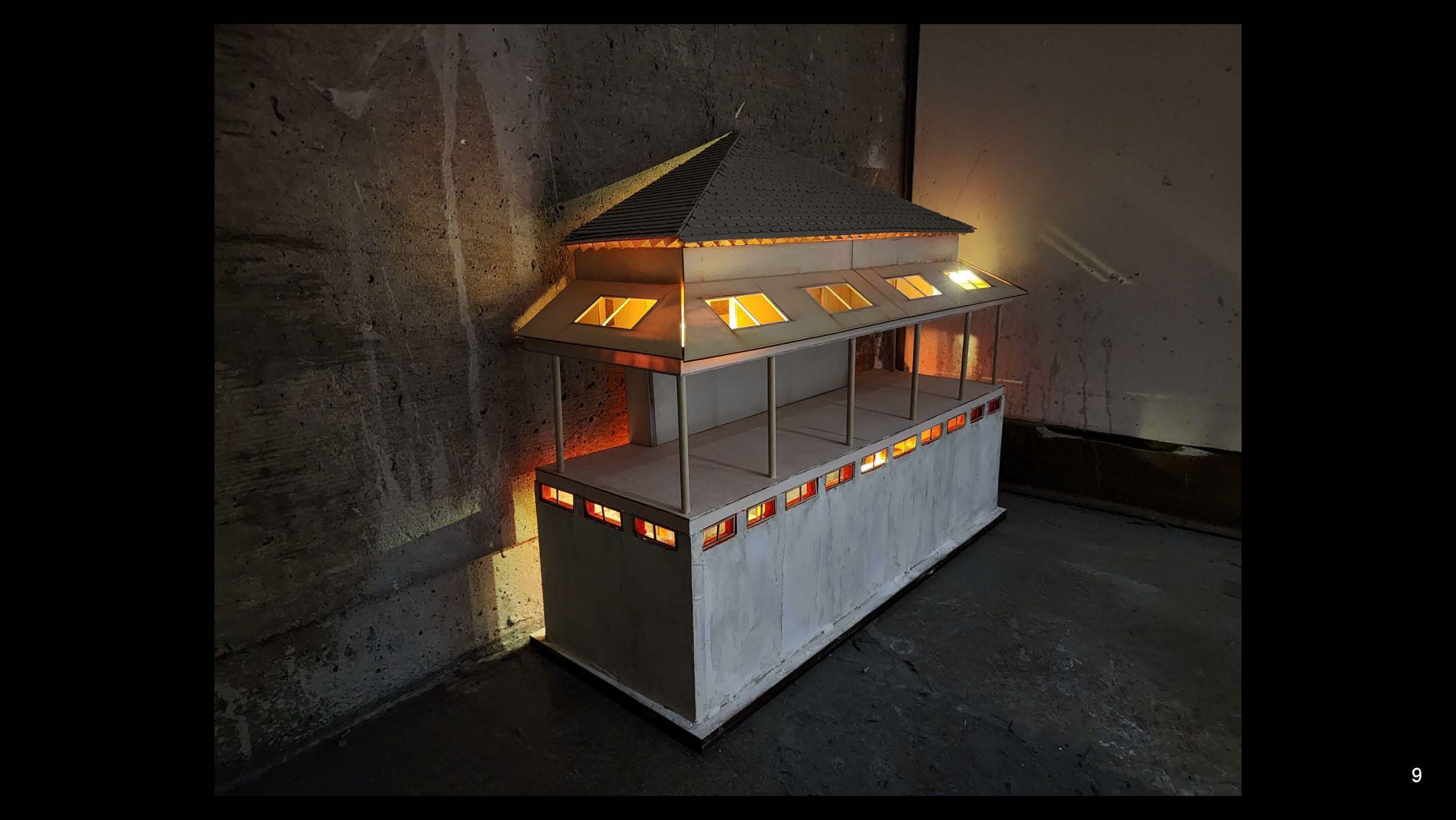
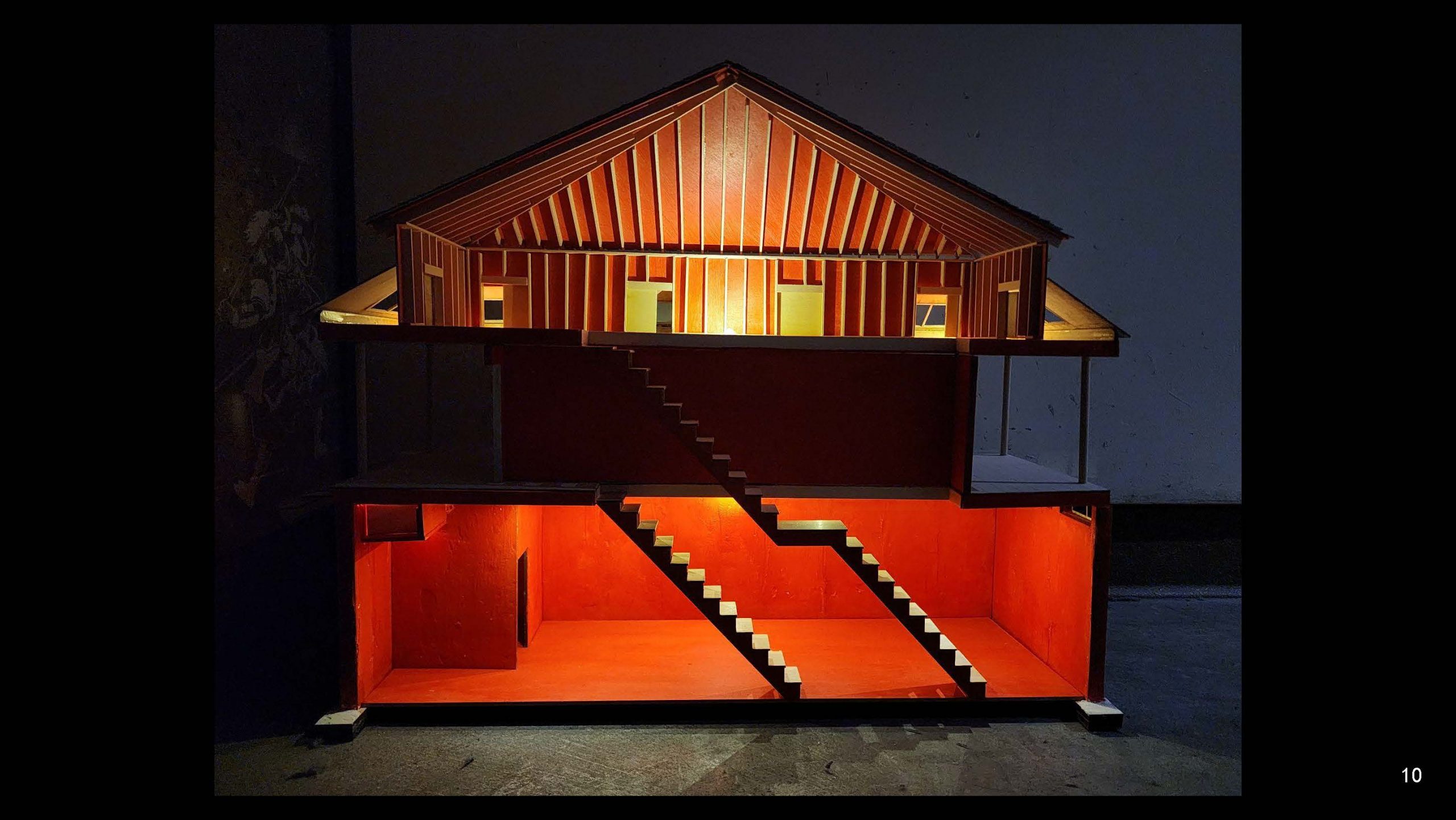
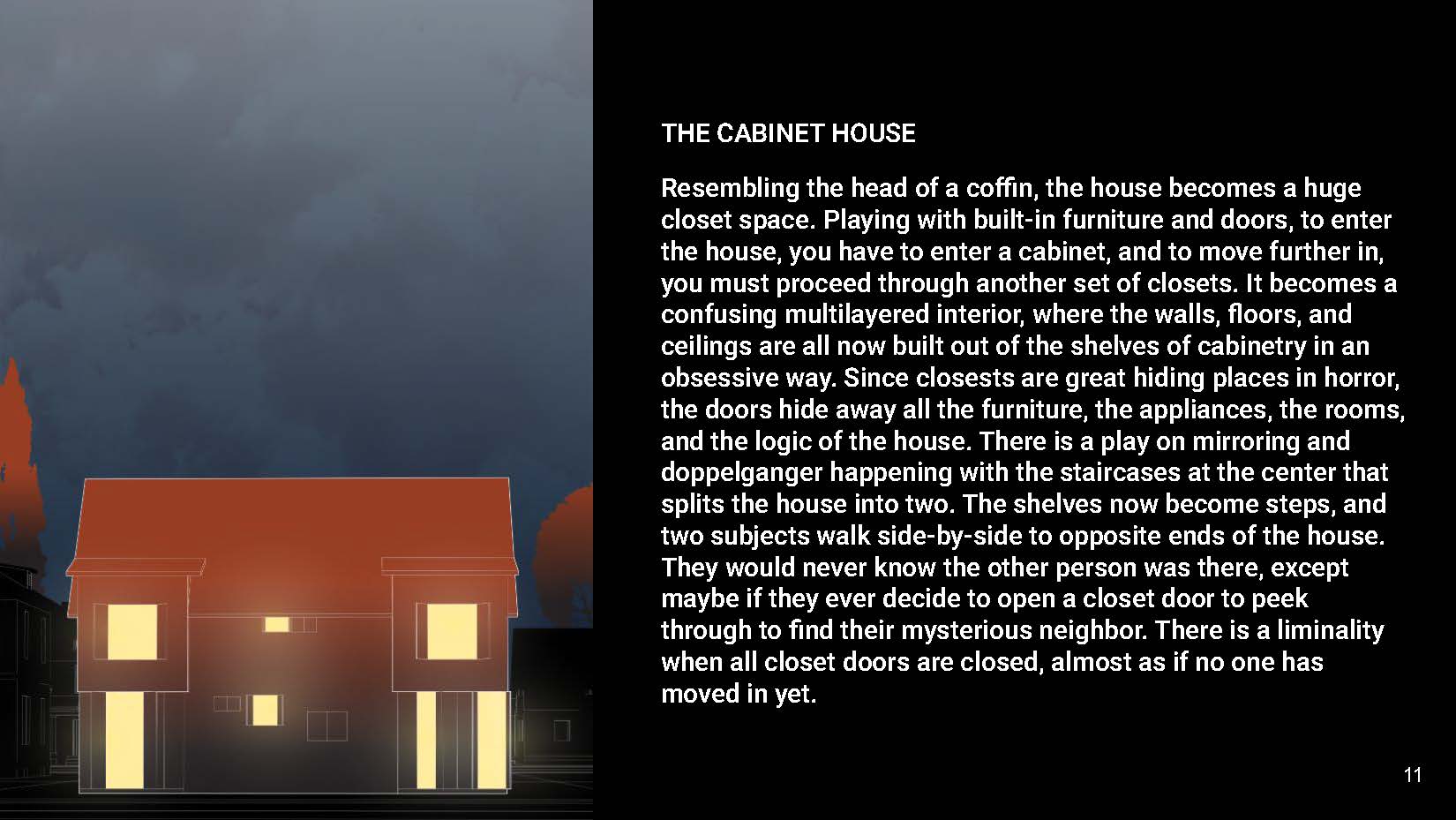
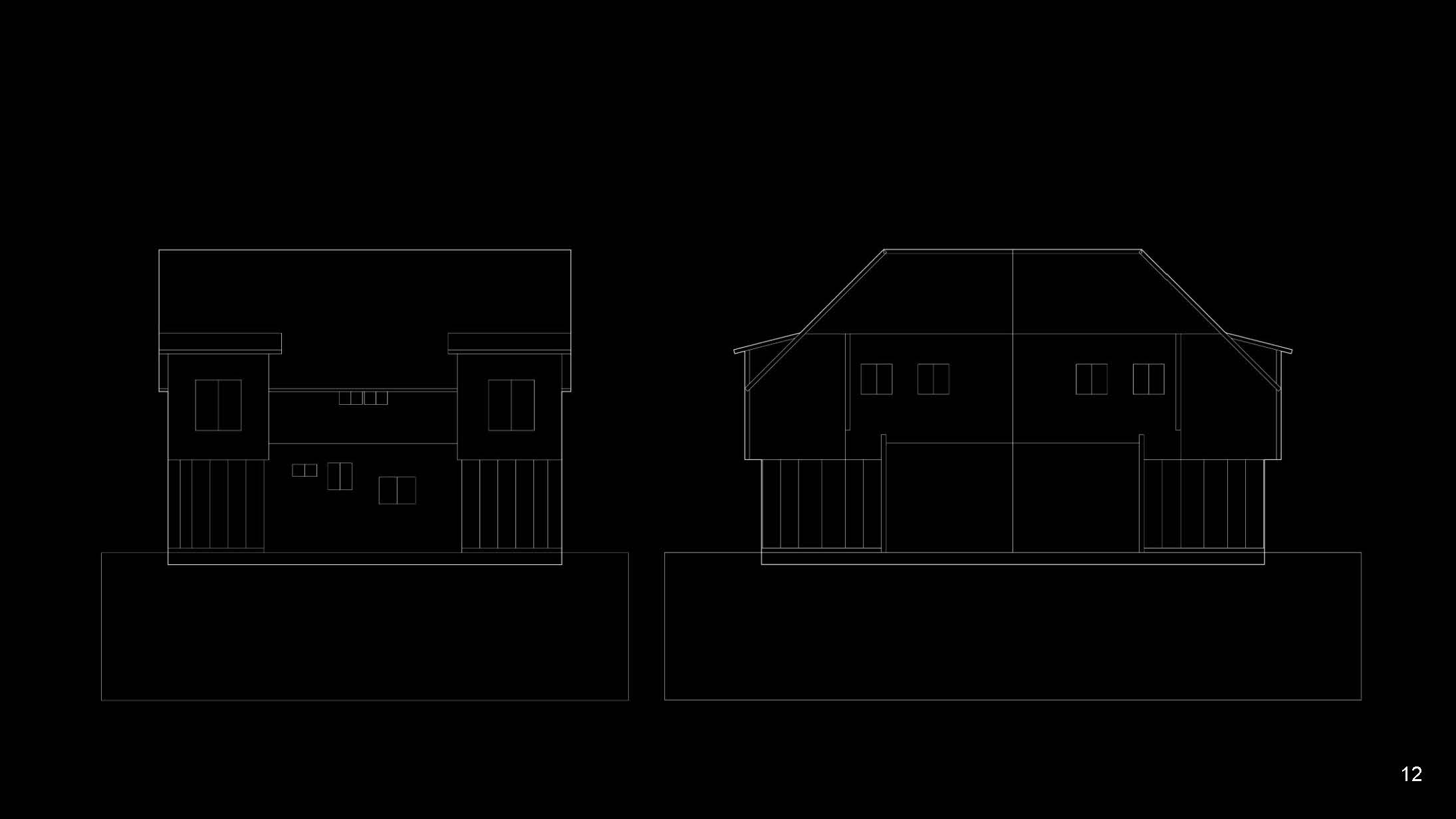
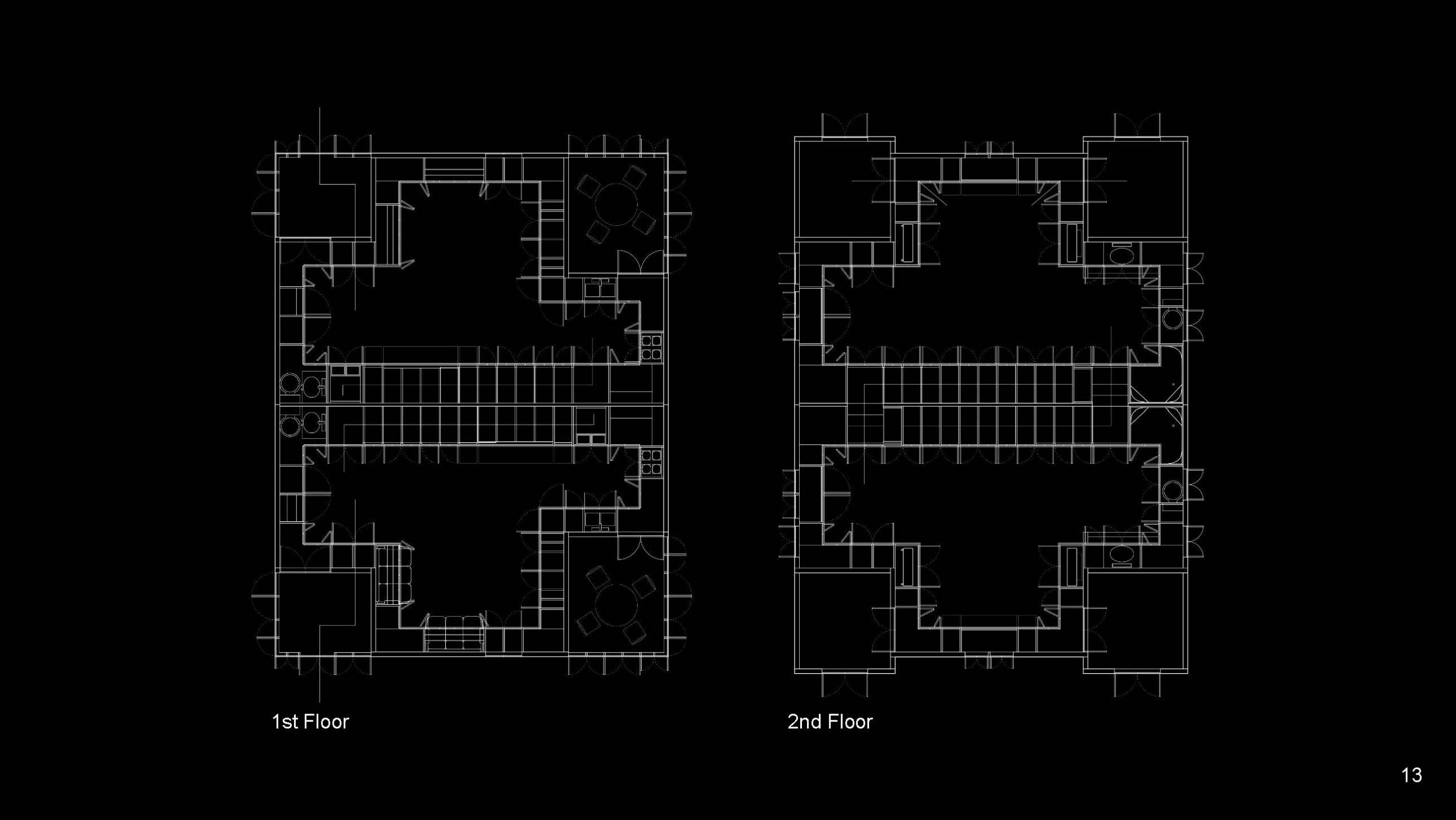
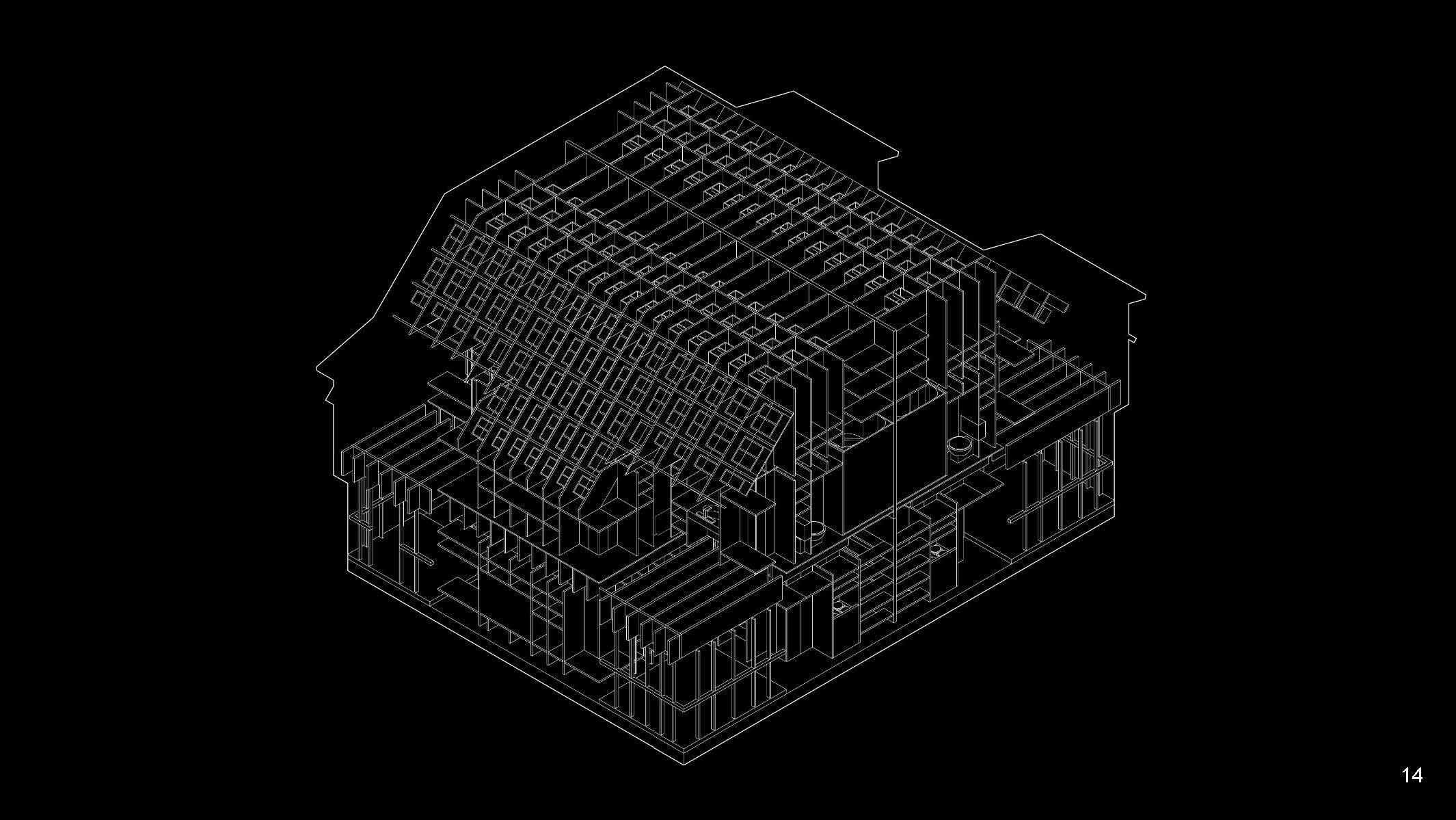
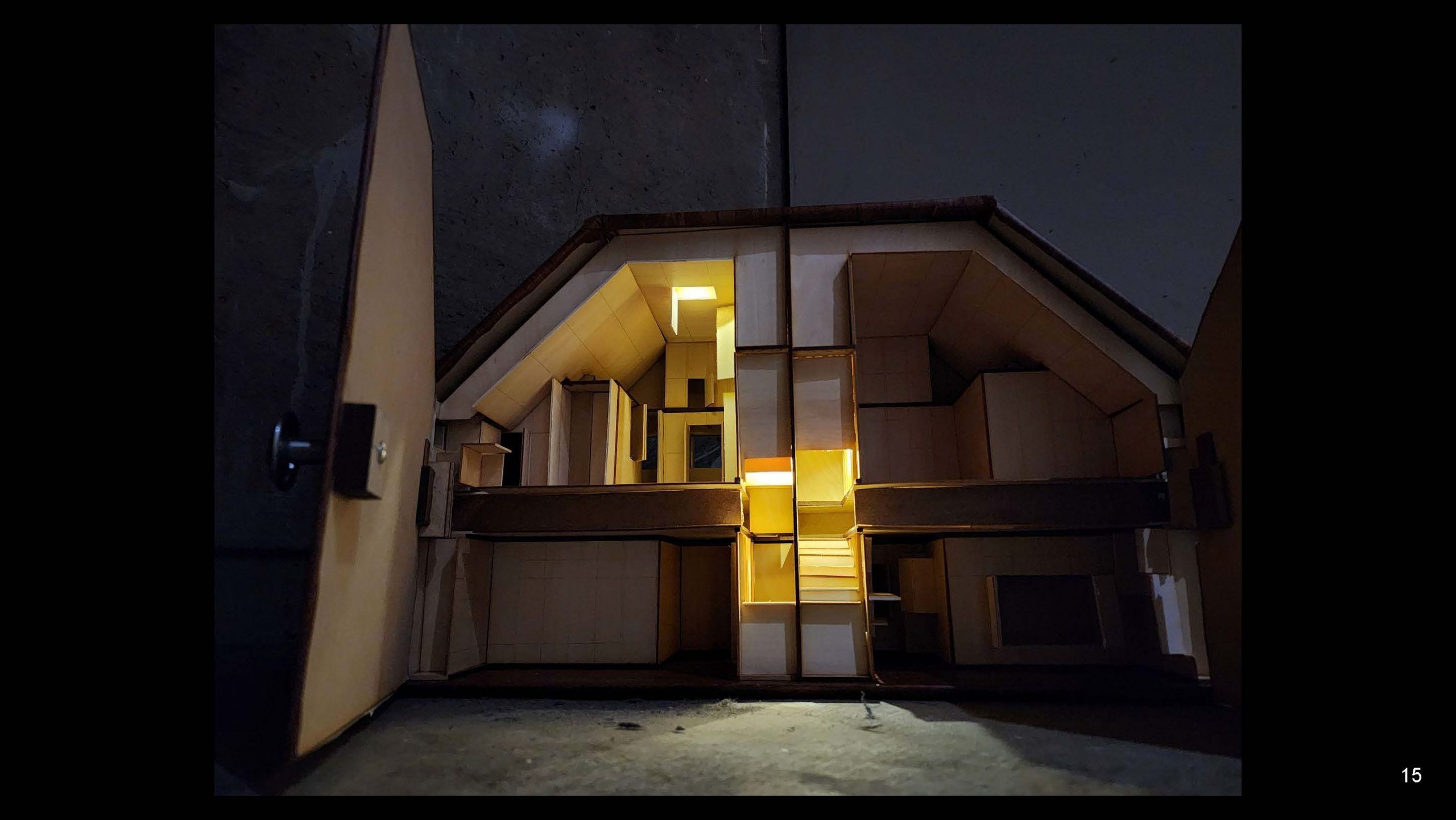
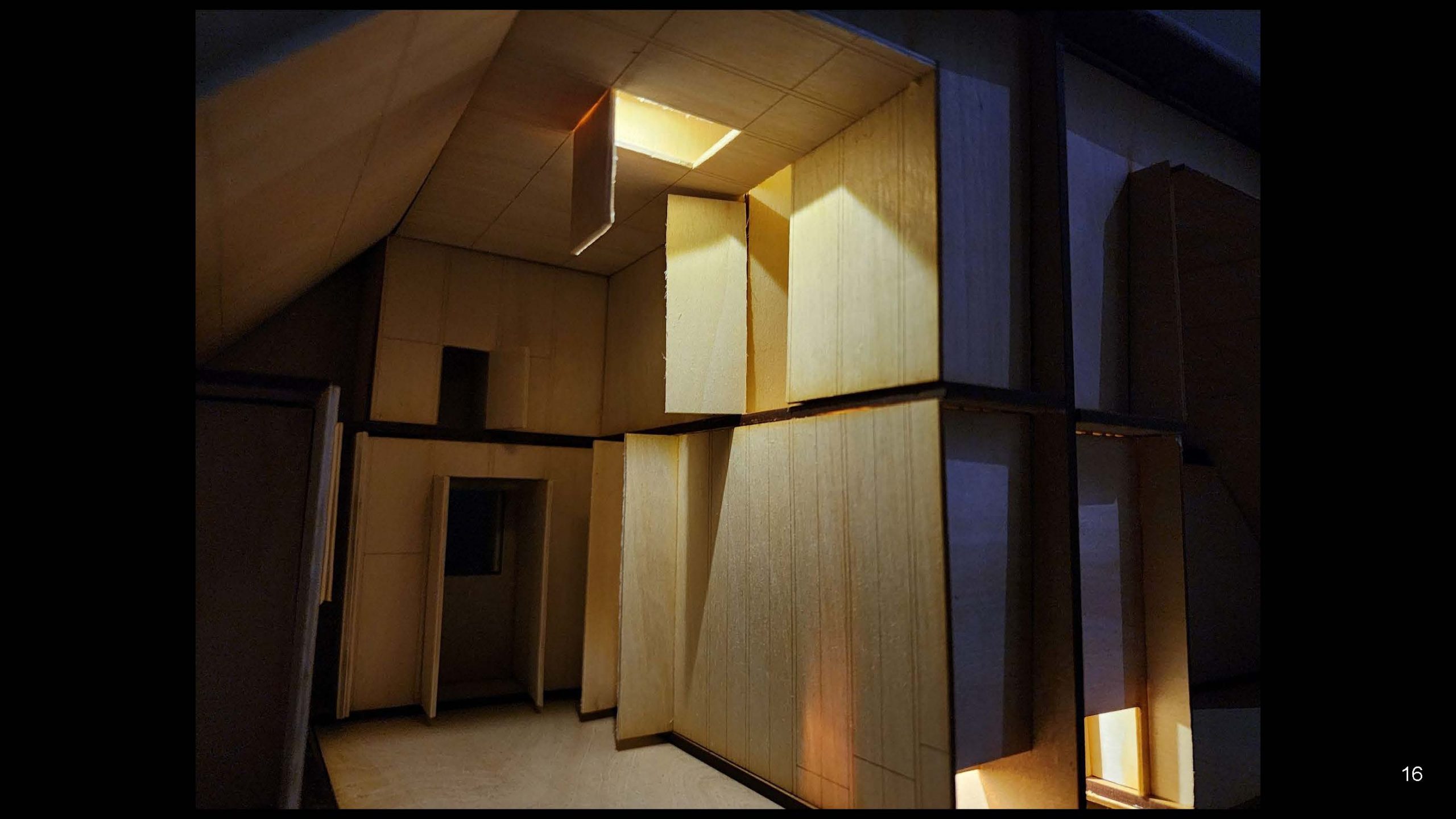
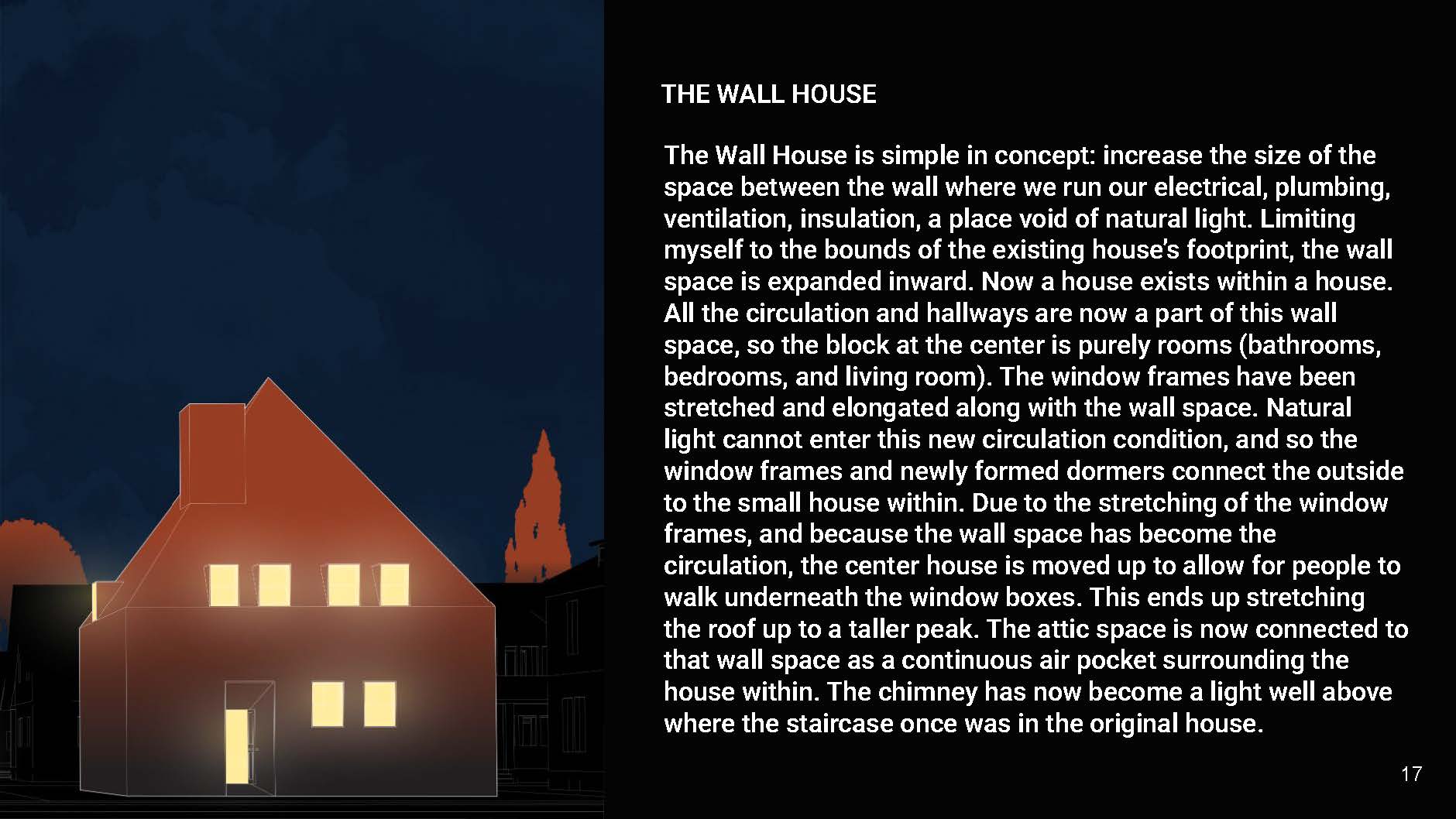
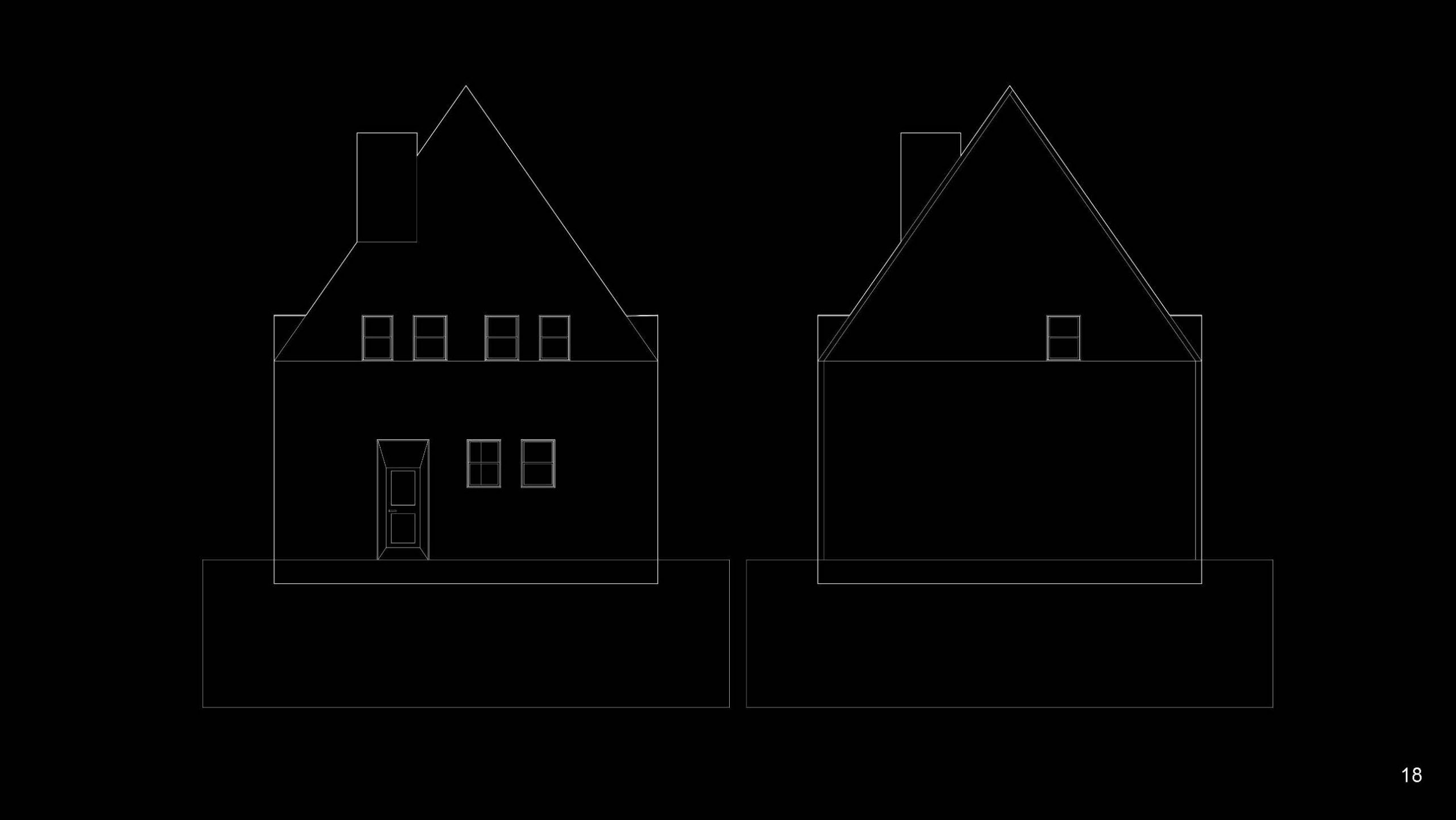
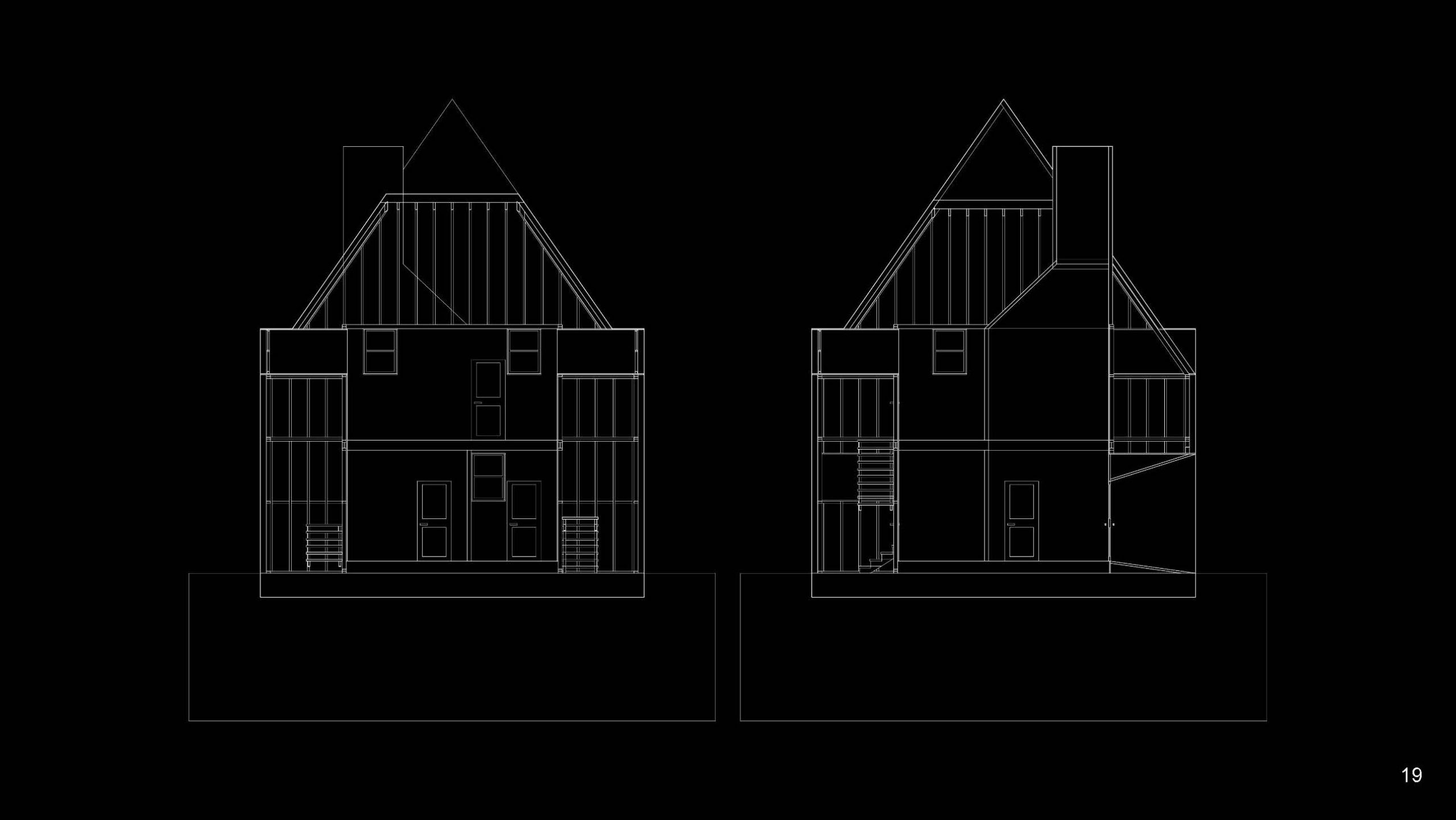
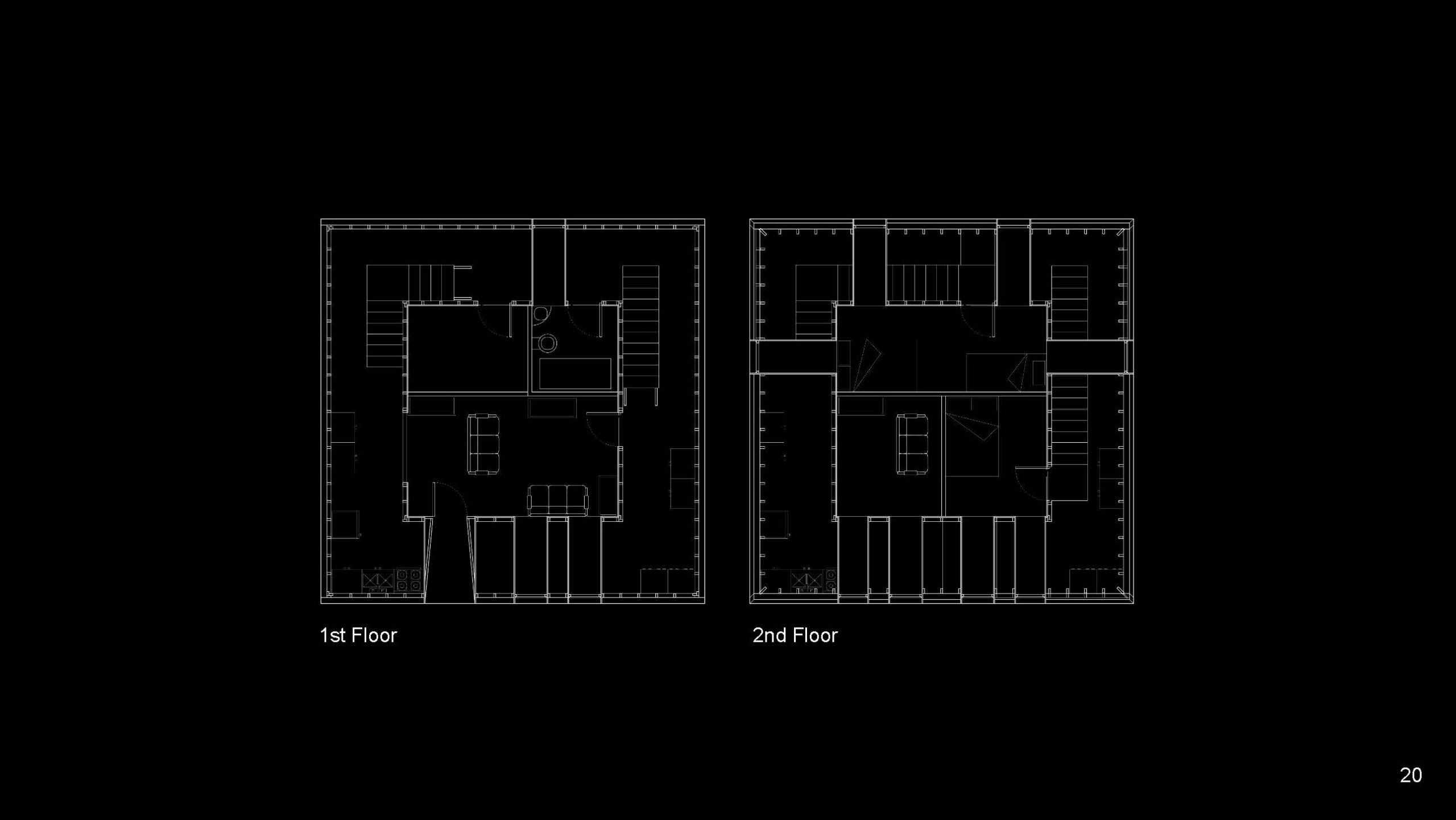
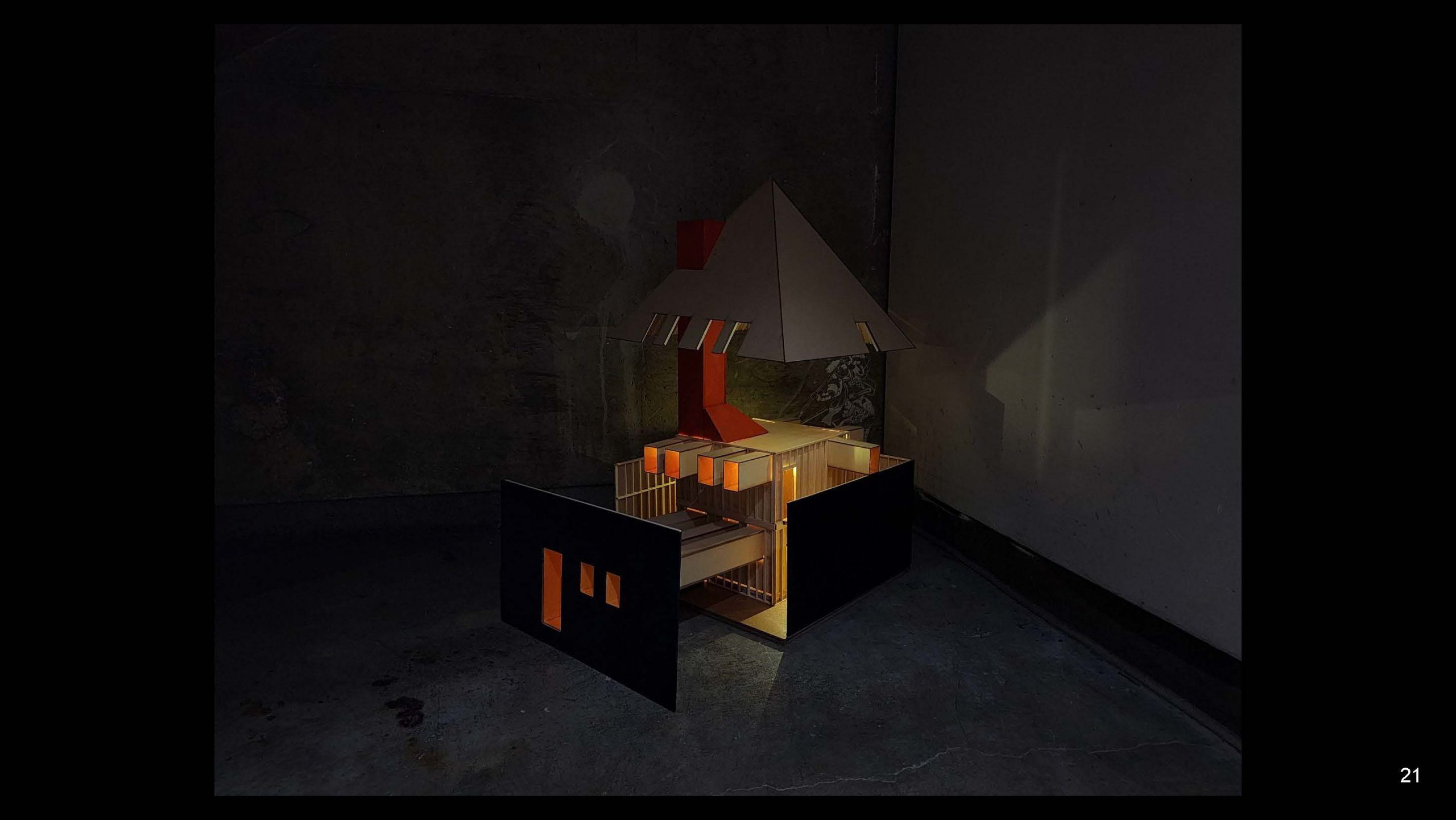
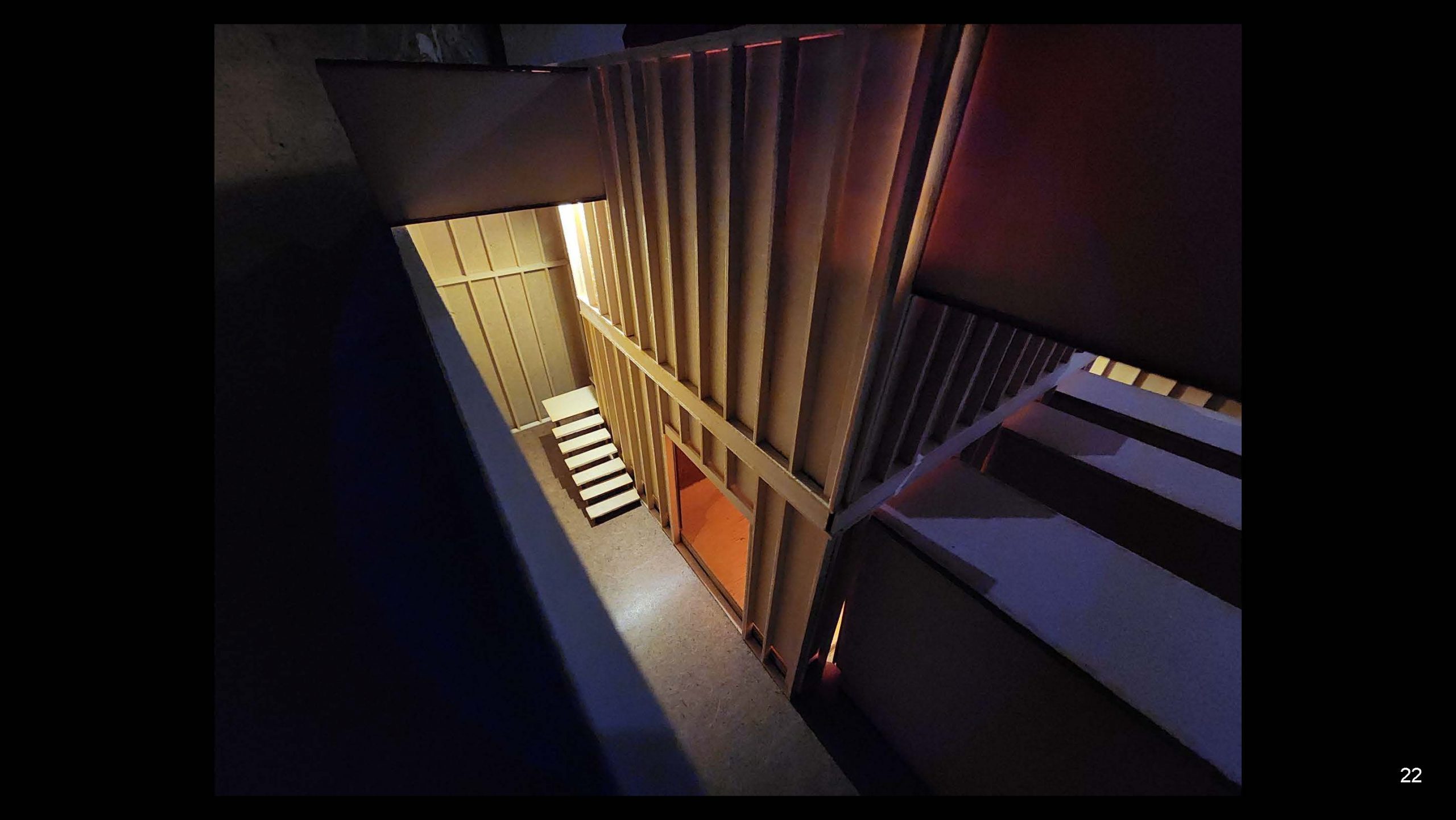
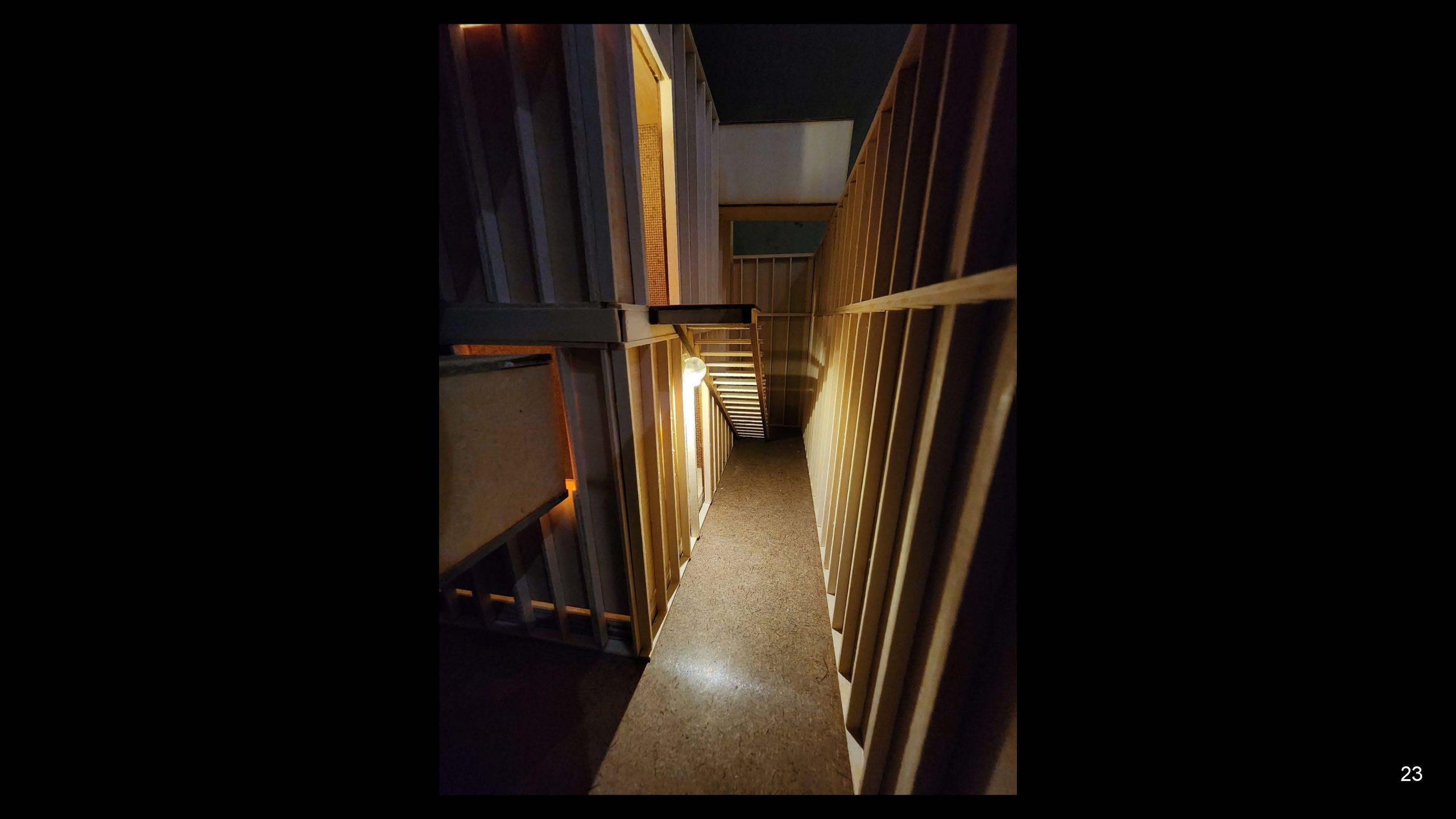
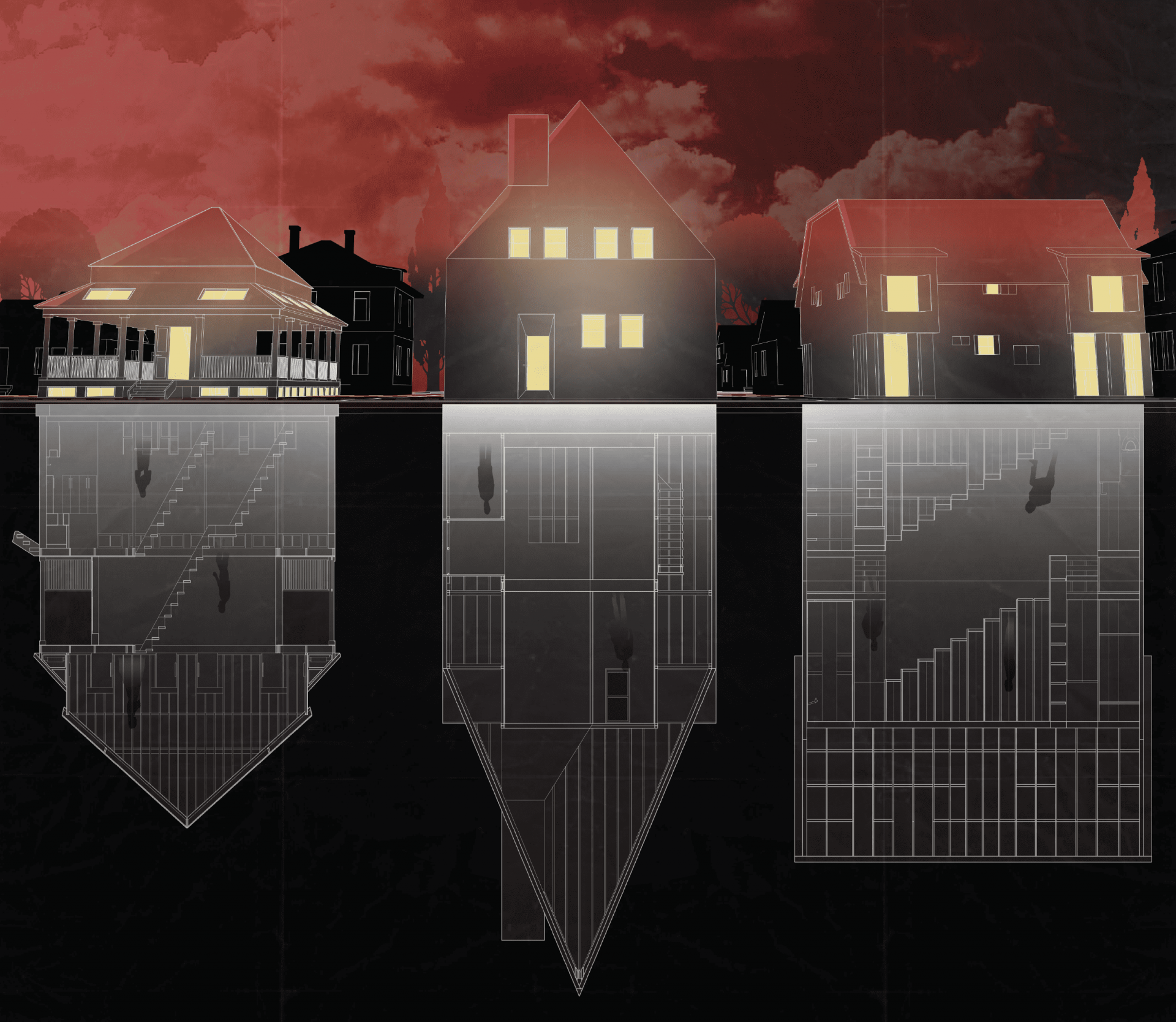
Horror media explores the alterity of those unconventional spaces that inhabit the ordinary house. How can we redesign closets, attics, and spaces between walls to create new types of living conditions that allow us to embrace those moments of the house we rarely visit? This project proposes new ways of exploiting these elements of the ordinary house structure that we are morbidly intrigued by, suggesting that we should consider the potential of these moments through “mutations” derived from the ordinary catalogue home.
The house is full of fundamental spaces that surround and take up a large majority of the building. Human inhabitants occasionally visit these moments when making repairs or storing their belongings, but we never get to truly “live” there. By breaking down the catalogue homes and further taking a look at the unconventional nooks and crannies where horror loves to play, we can architecturally modify and reveal hidden relationships.
REKINDLE
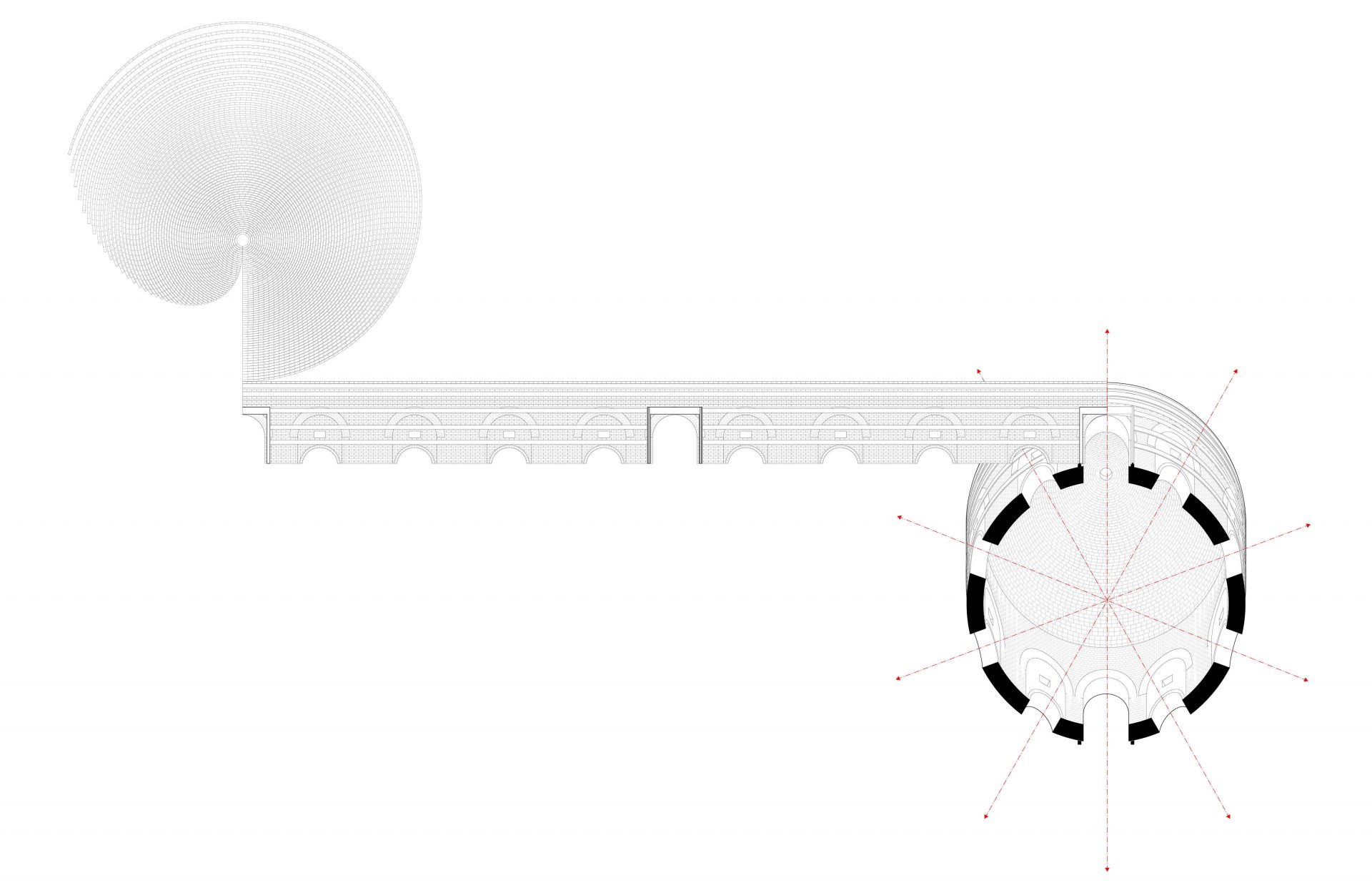
Neglected sites of industrial ordinary often sit as reminders of the historic economic vulnerability of rural communities heavily dependent on material refinement. Beehive kilns are remnants of a past dependent on the firing of greenware bricks for use in structural construction and road pavers. These overlooked artifacts, Currently in a state of decay, hold a history of hyper localization in which small rural operations would produce bricks from local clay to be fired and redistributed from these sites to be used all over the country, often marked with the name of the maker.
Through exhausting forms of architectural analysis Of existing beehive kilns from all over the country we begin to understand how these seemingly repetitive structures have incredible variation in craft at the same time that they meet the practical demands of a convection Kiln system. Through reanimating and shuffling these kilns these subtle inconsistencies are directly compared and begin to form a new space with new intentions that obscure the ordinary nature of the former, inviting closer inspection to an otherwise forgotten history.
Interventions on Suburbia
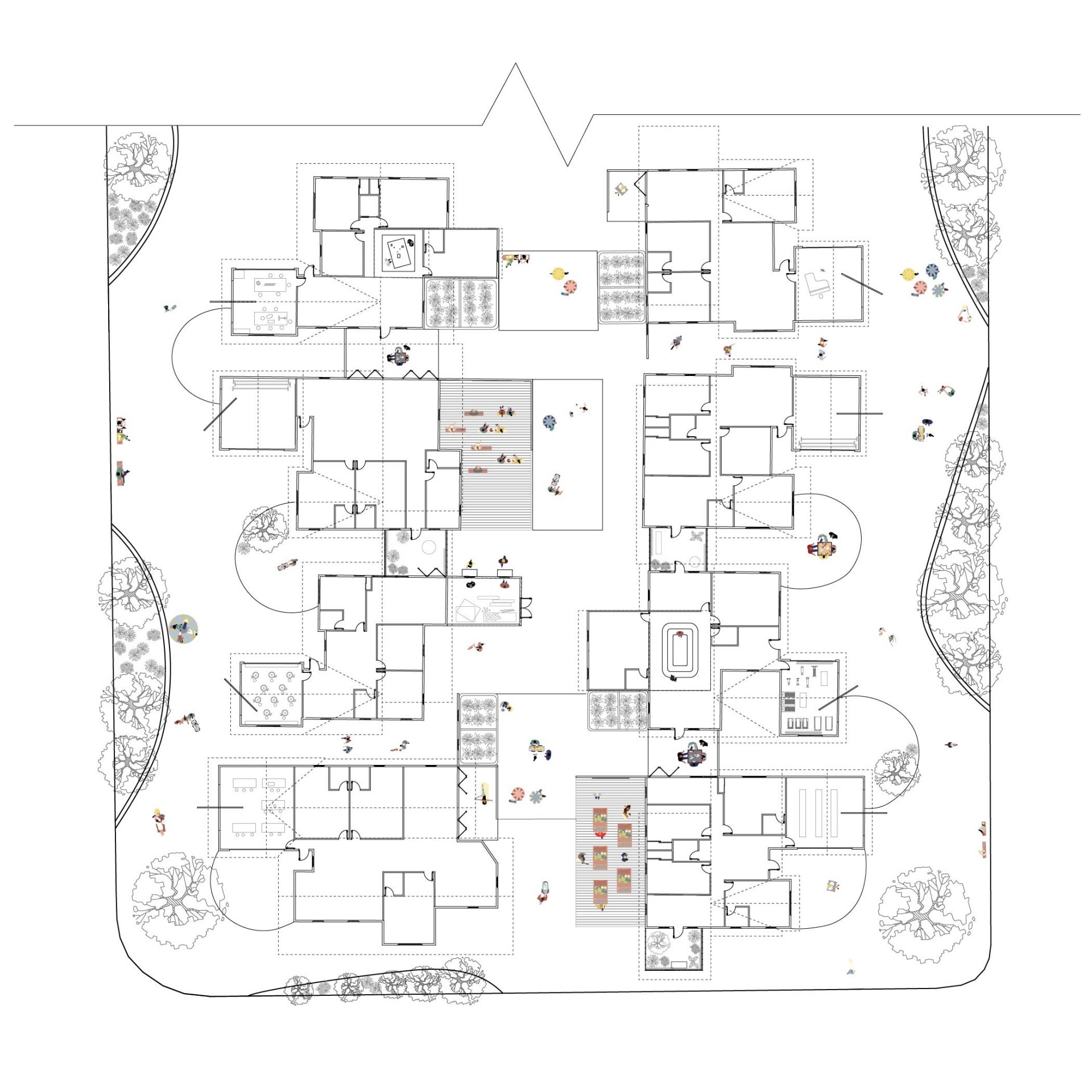
This project speculates on how specific interventions, derived as antitheses to the hallmark traits of a traditional house, might radically engage the ordinary site of the domestic house, disrupting the rigidity, boundaries, and hierarchy of suburban living, opening up new opportunities for residents to take agency in the way the home and block are inhabited as individuals, family units, and a community. The slide intervention–walls and roofs sliding off of their original position–create opportunities for unexpected appendages and the erasure of divisive boundaries like driveways, side yards, and backyards change how we can look and inhabit a block as a continuous space centered around community.
Re-Interpreted: Layers of Illicit Memory
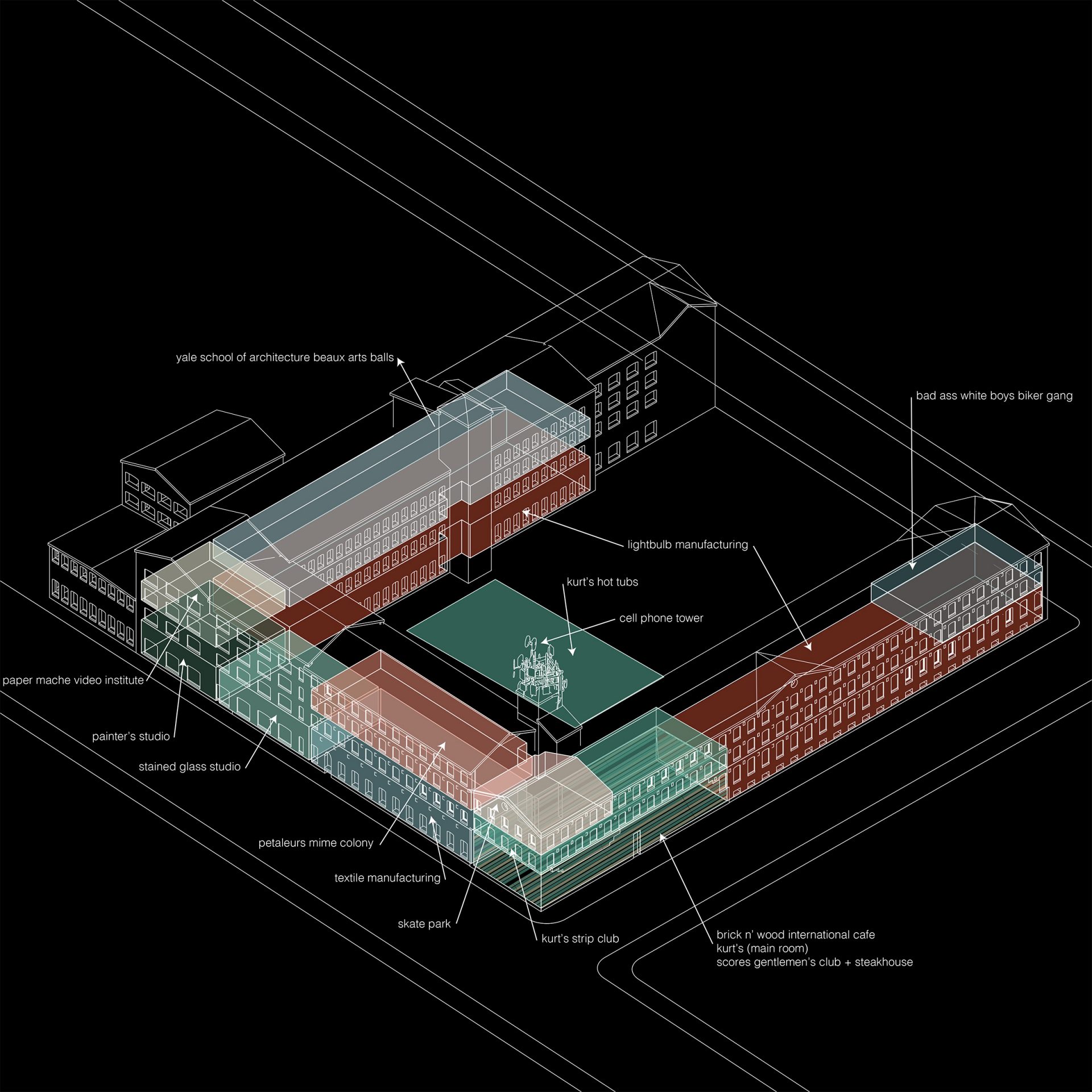
This project reinterprets the abandoned New Haven Clock Company building by translating digital tropes, such as glitches, deep fry, photogrammetry, and collage, into architectural form. Informed by the building’s layered history as both an industrial site and a haven of subculture, this proposal uses these digital distortions to expose, warp, and recompose material traces of the past. Rather than restoring the factory or preserving the ruin, this project embraces historically specific methods of transformation, creating spatial opportunities for the next generation of subculture communities. The result is a hybridized architecture that resists erasure, highlights discontinuity, and defies architectural norms.
Layered Statements
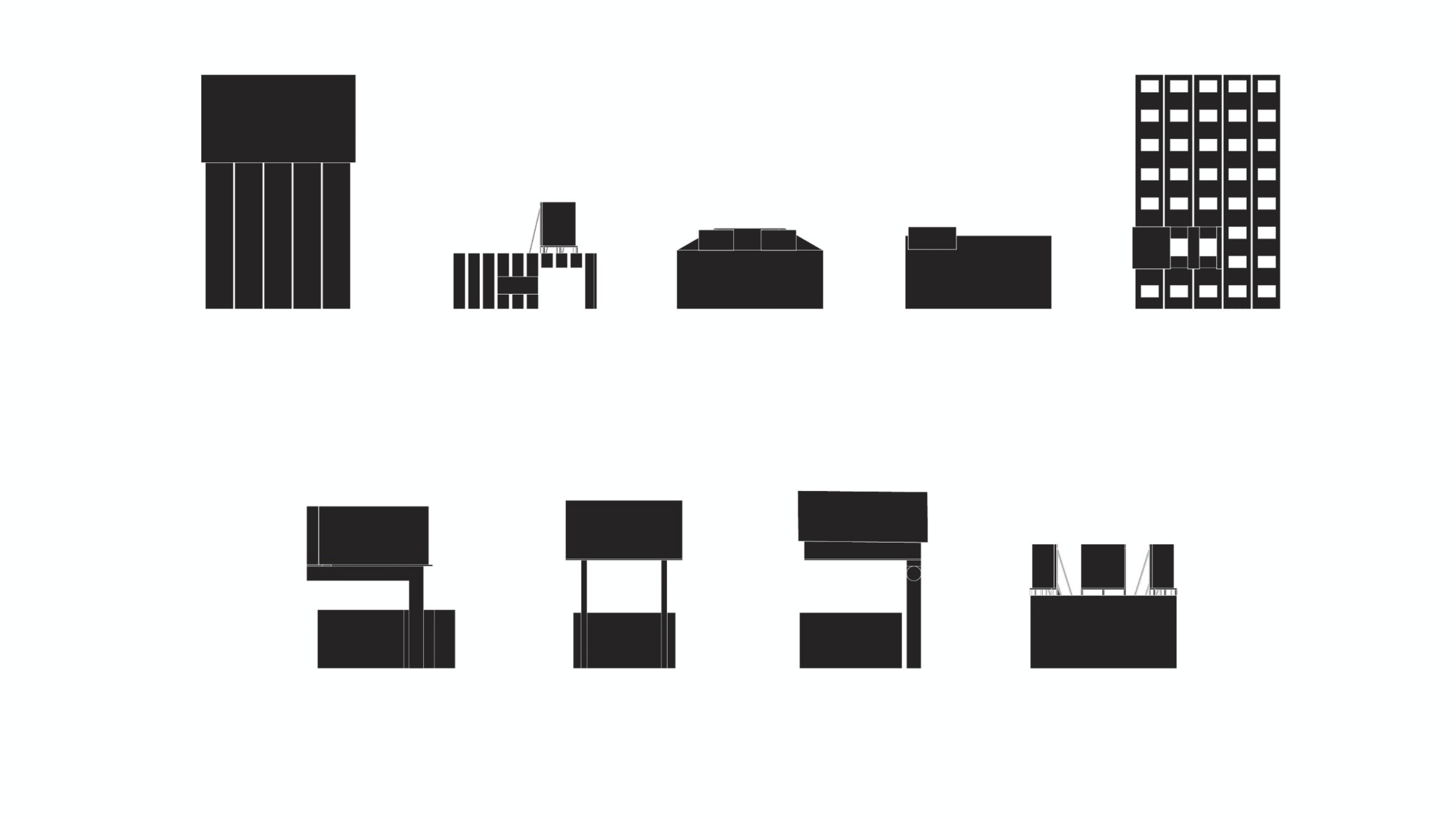
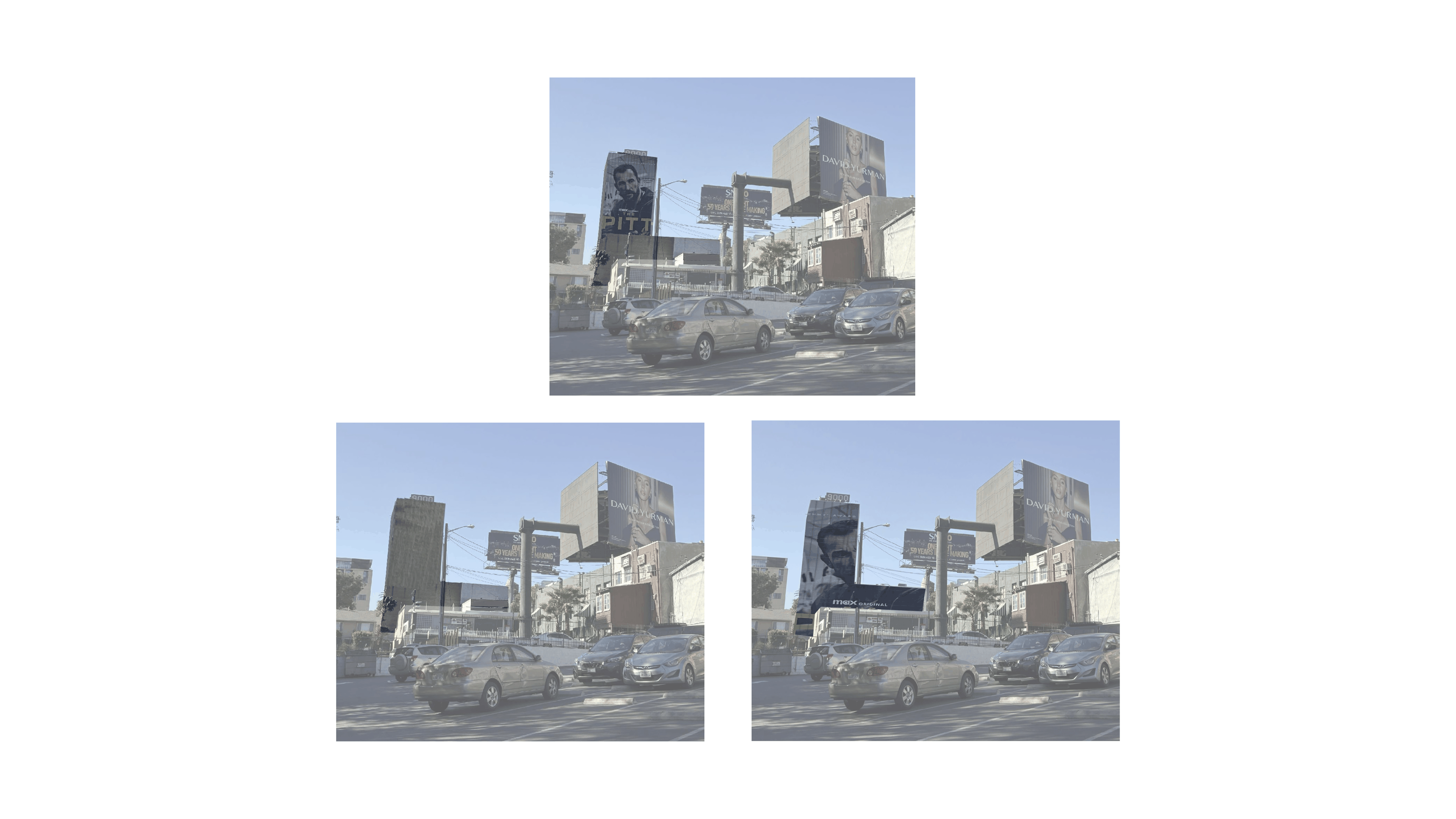
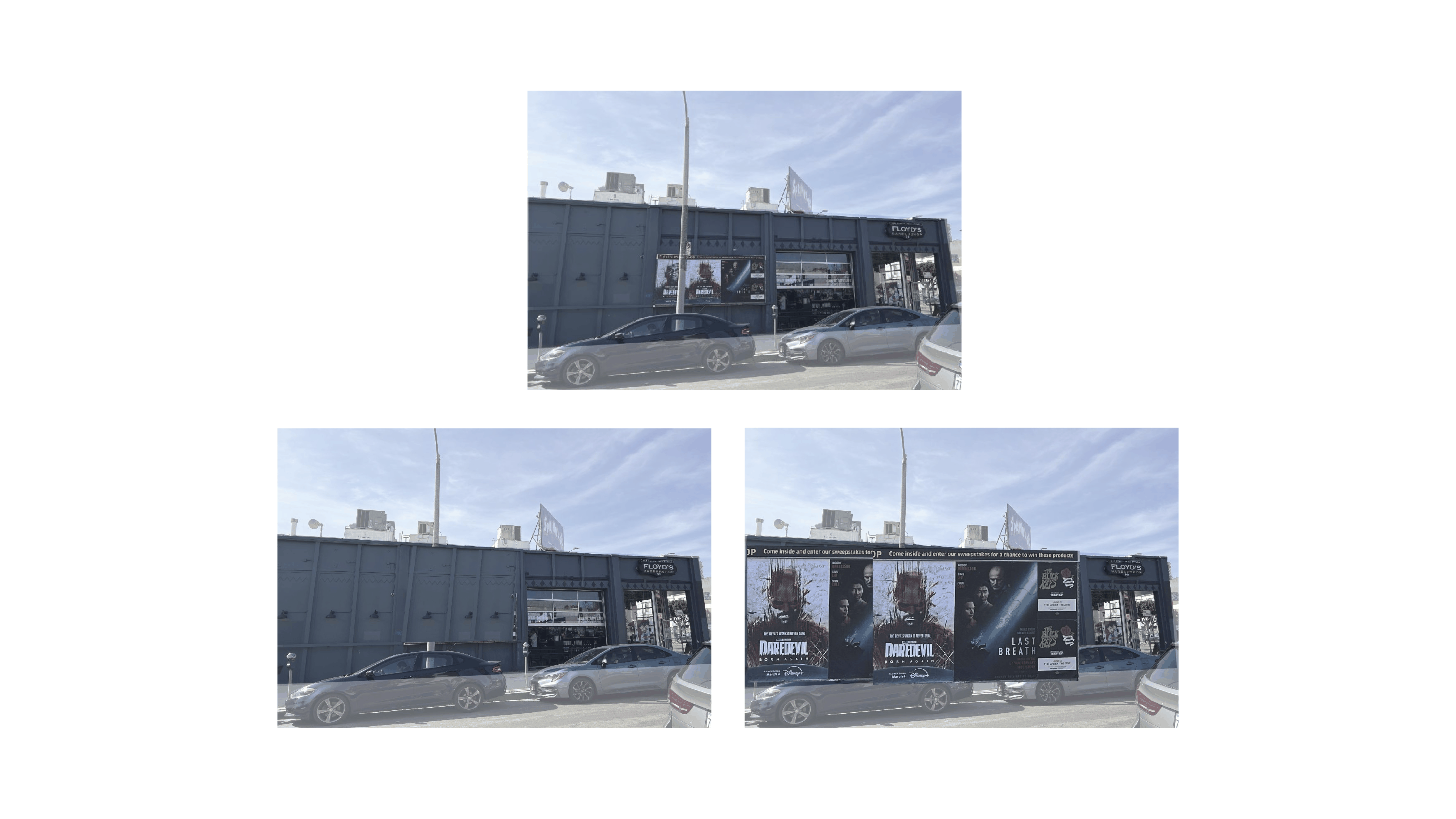
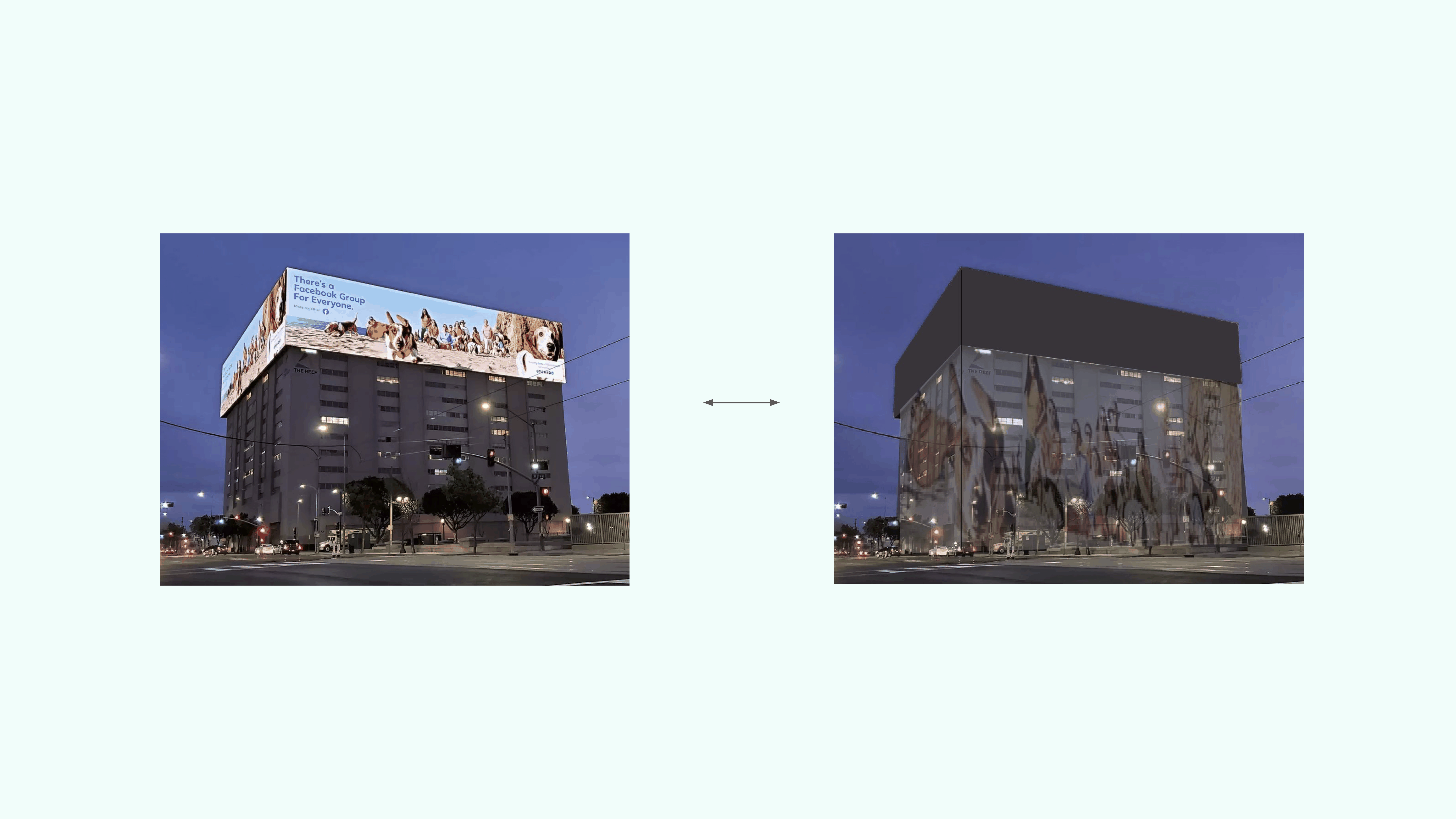
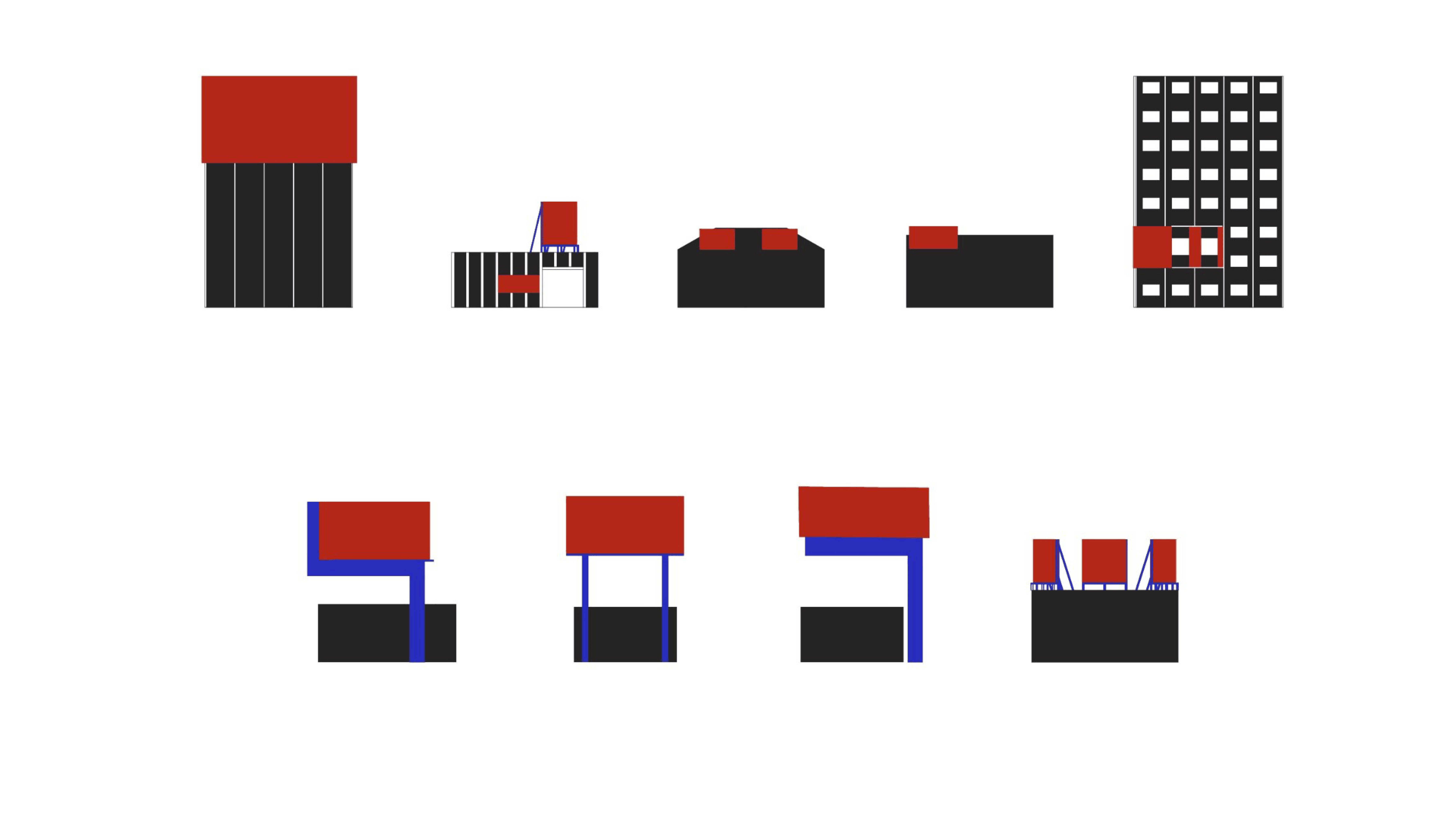
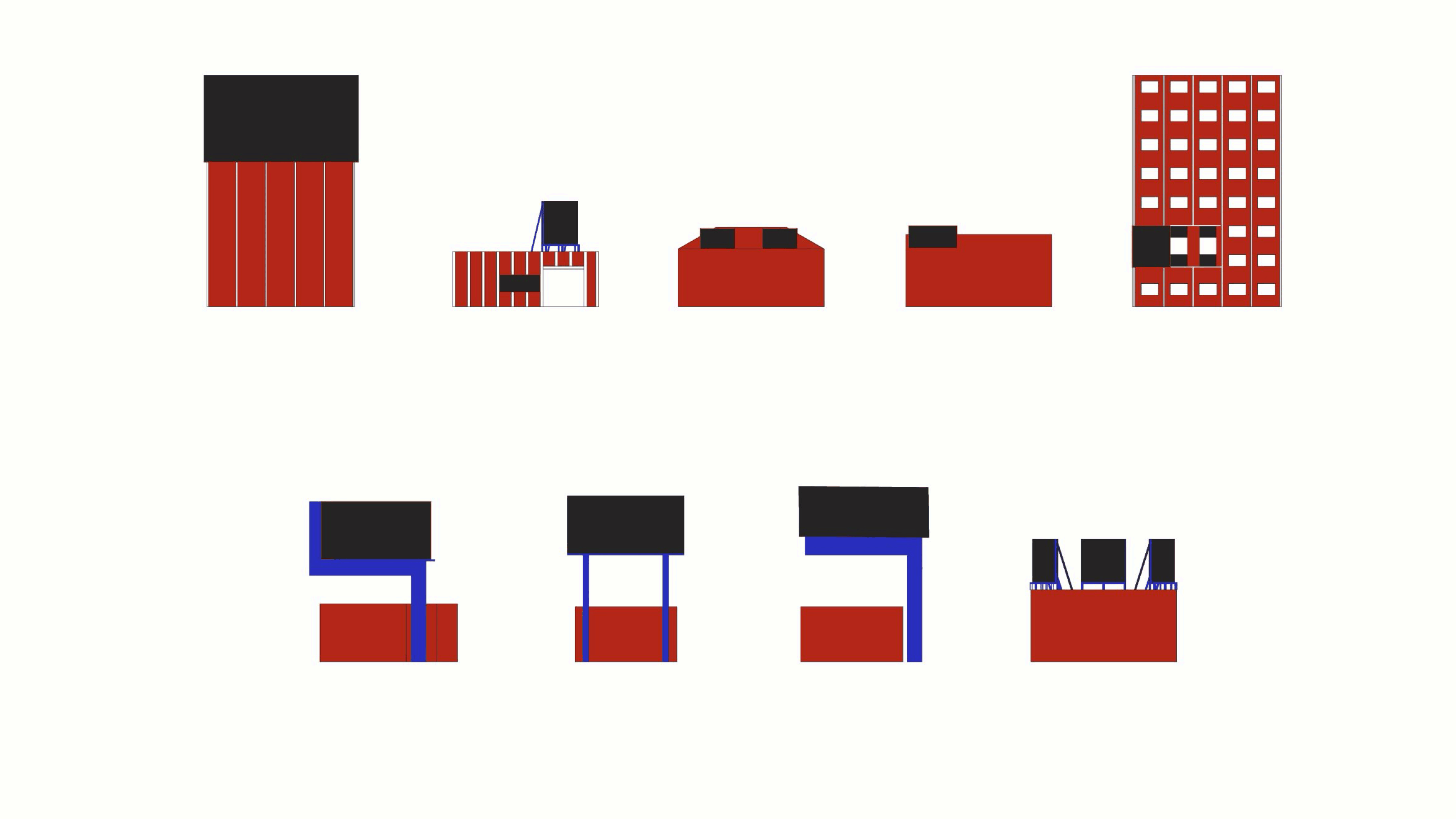
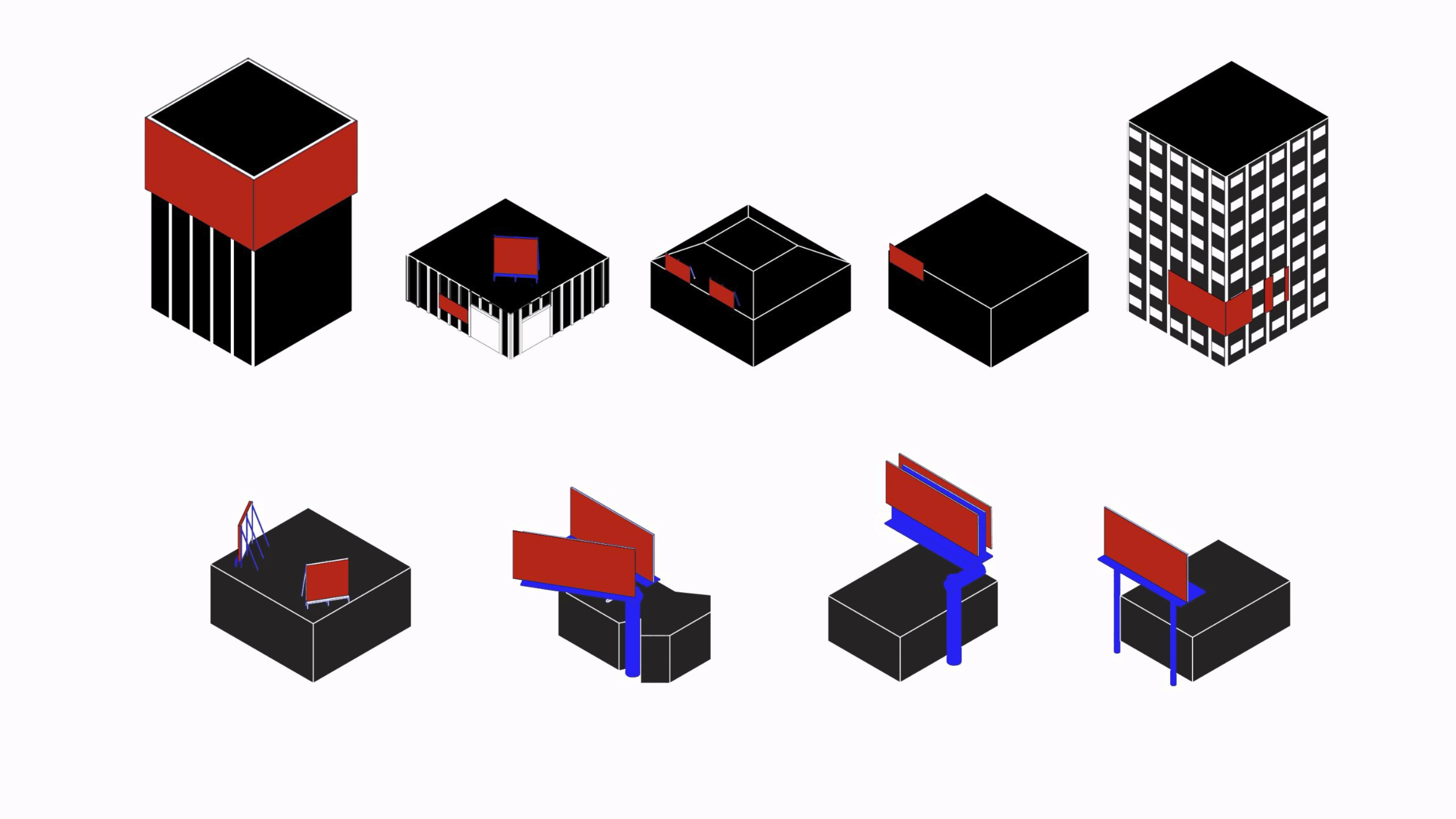
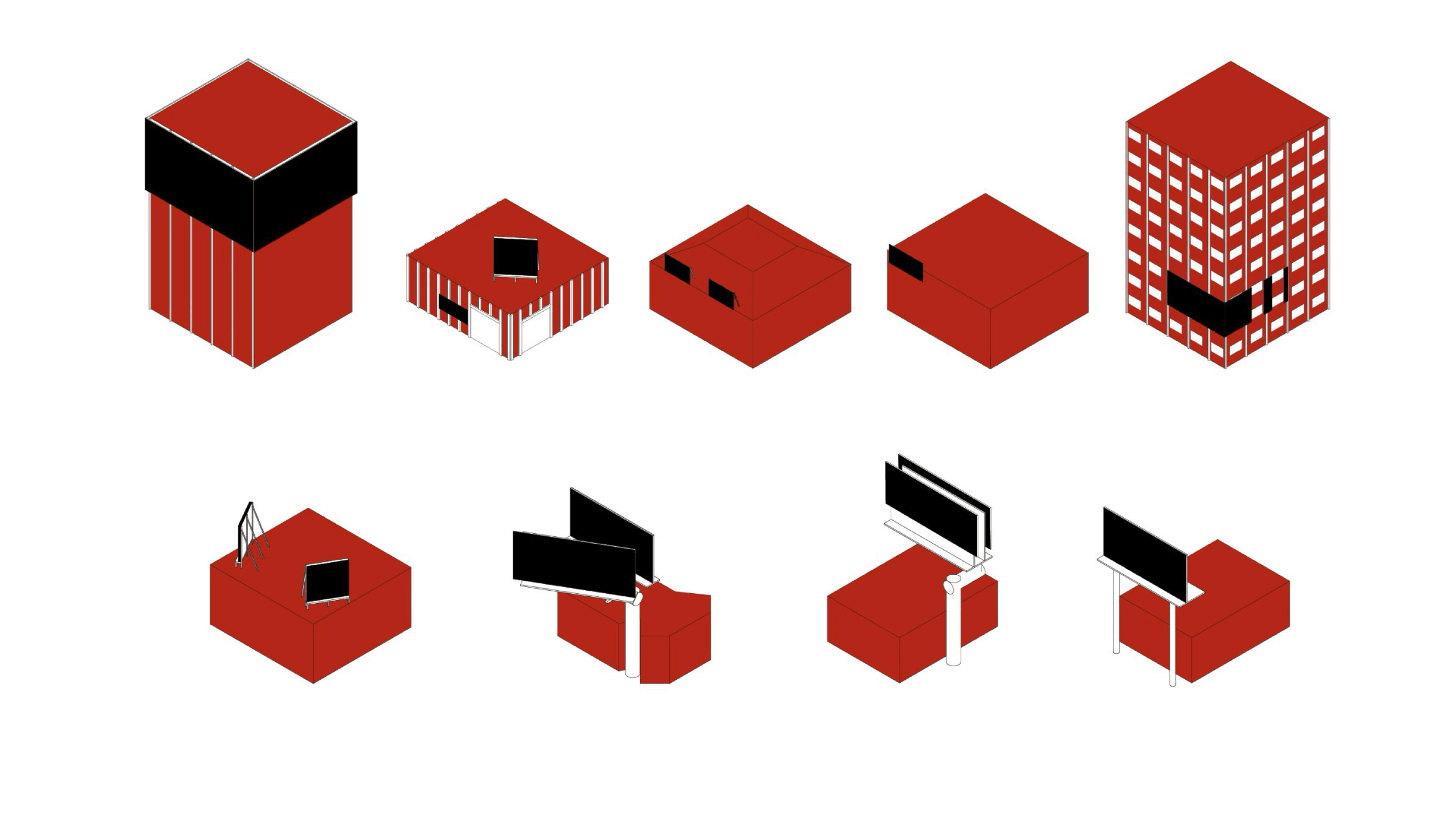
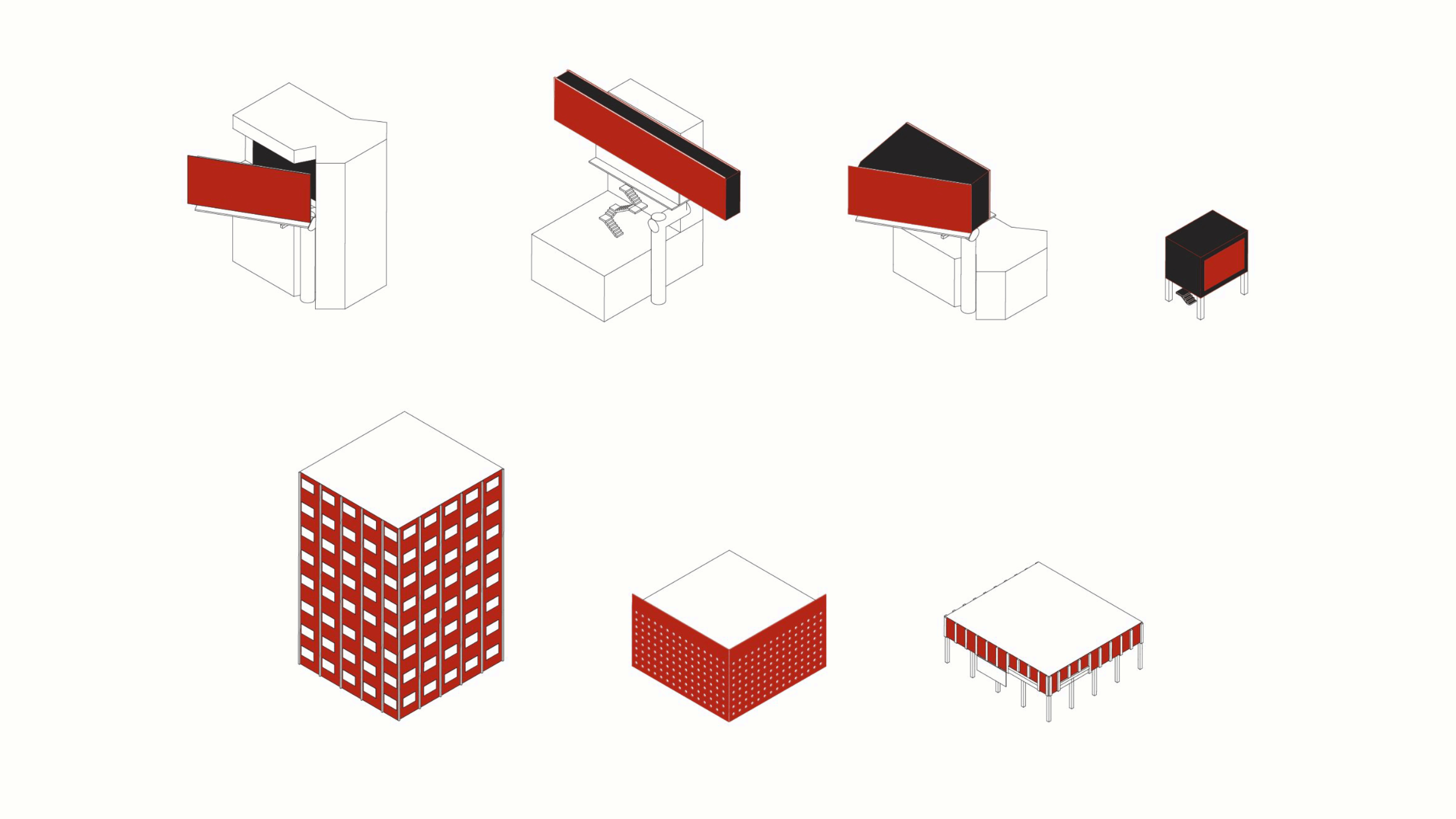
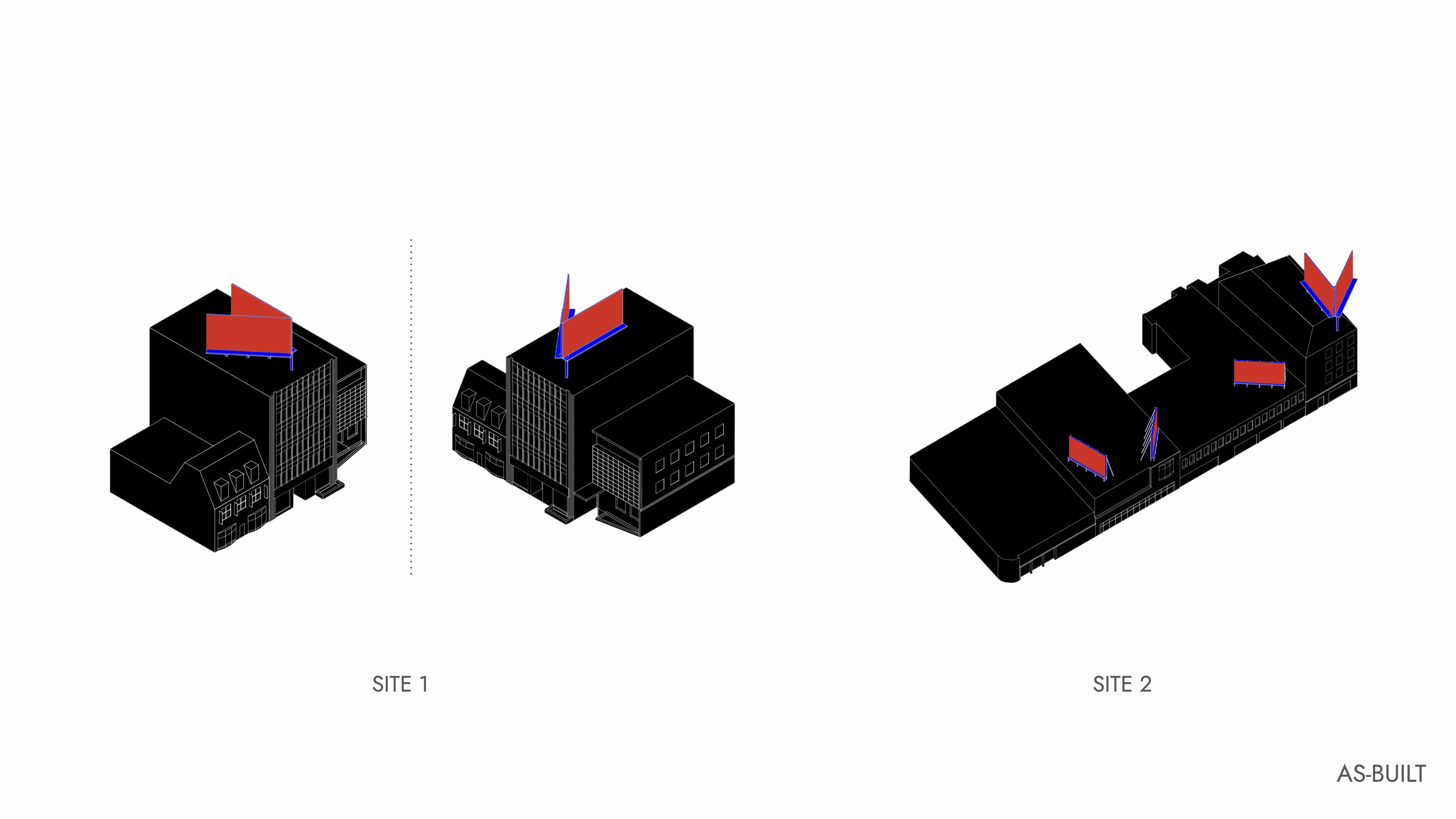
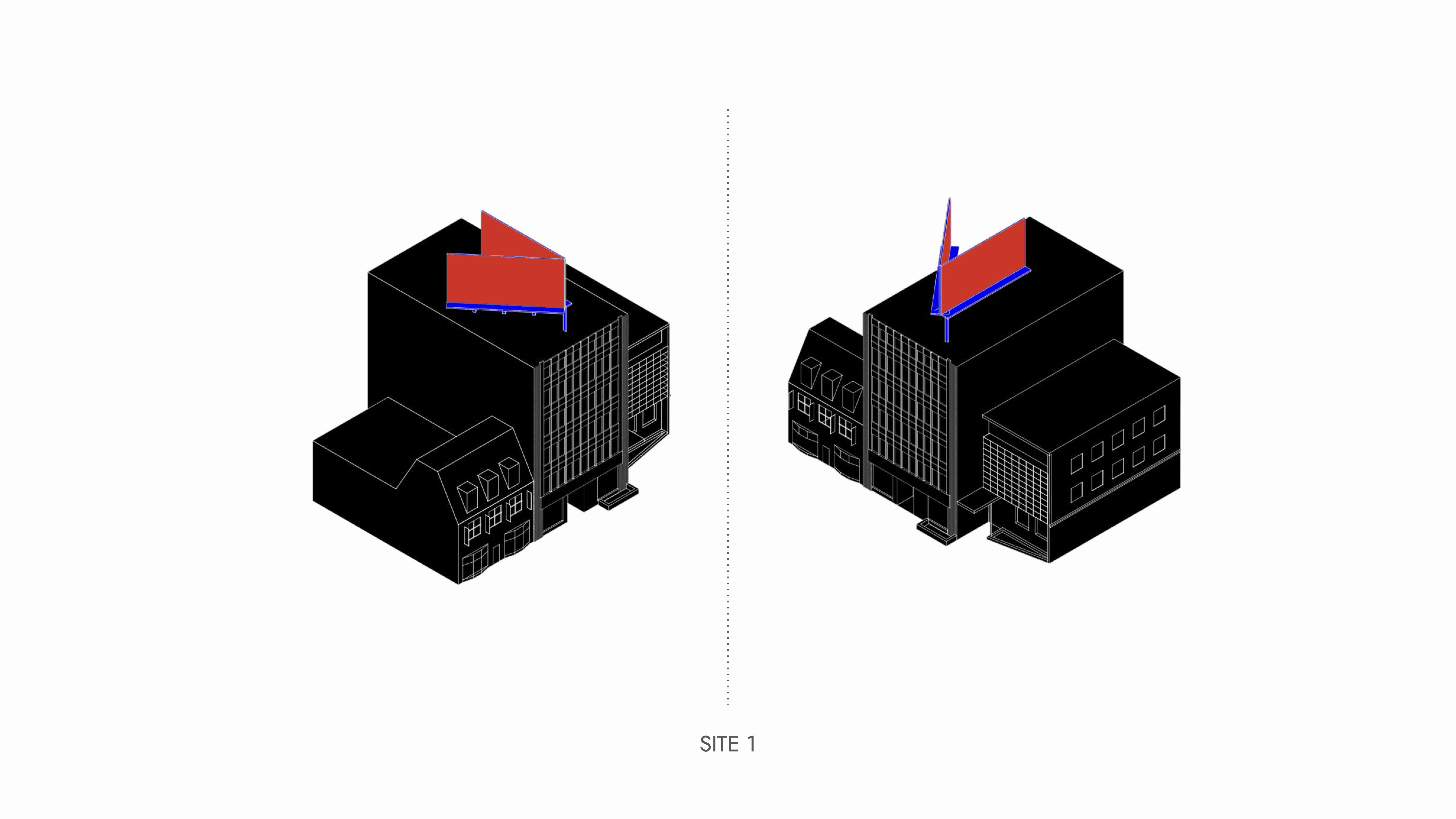
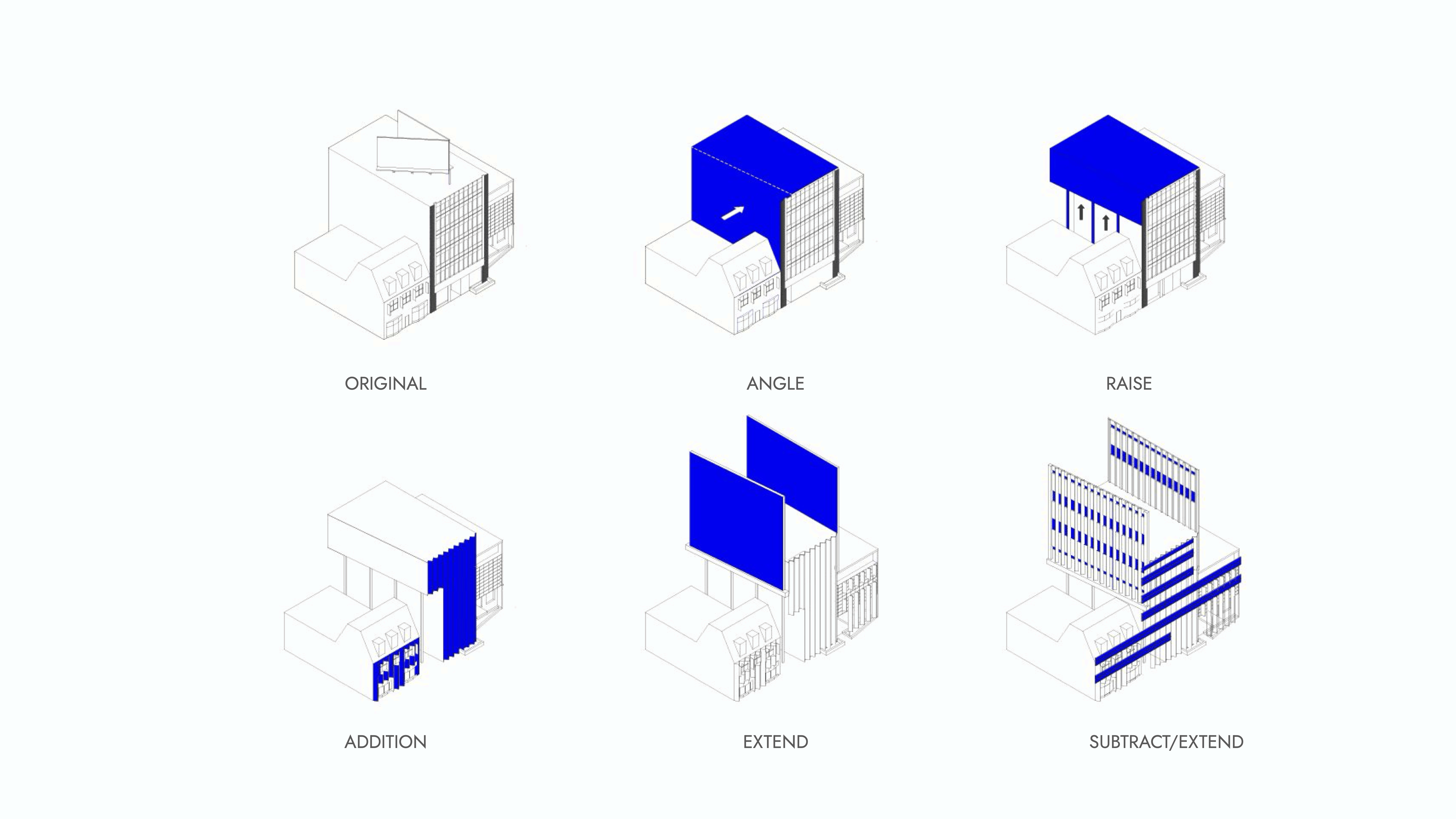
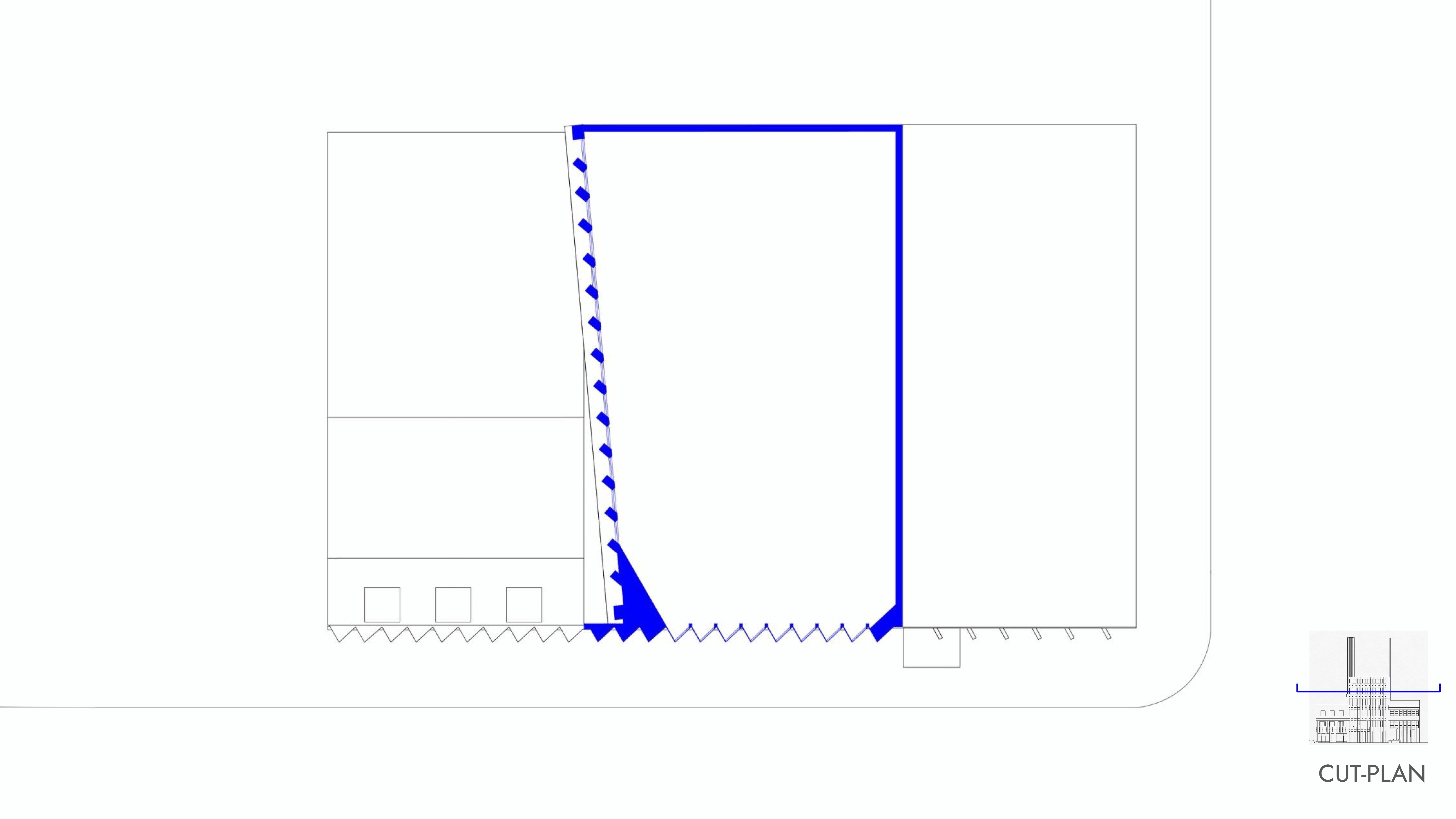
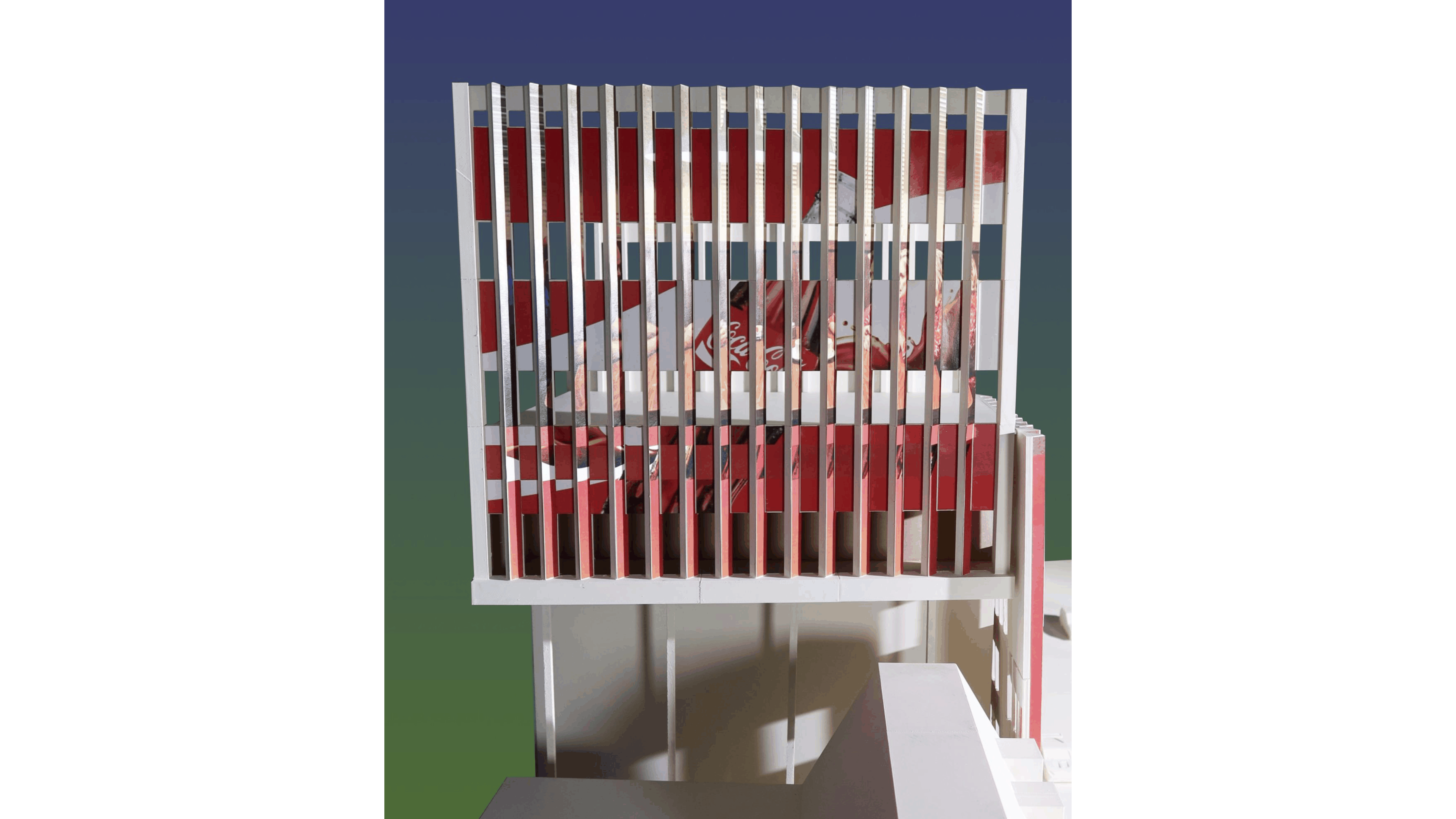
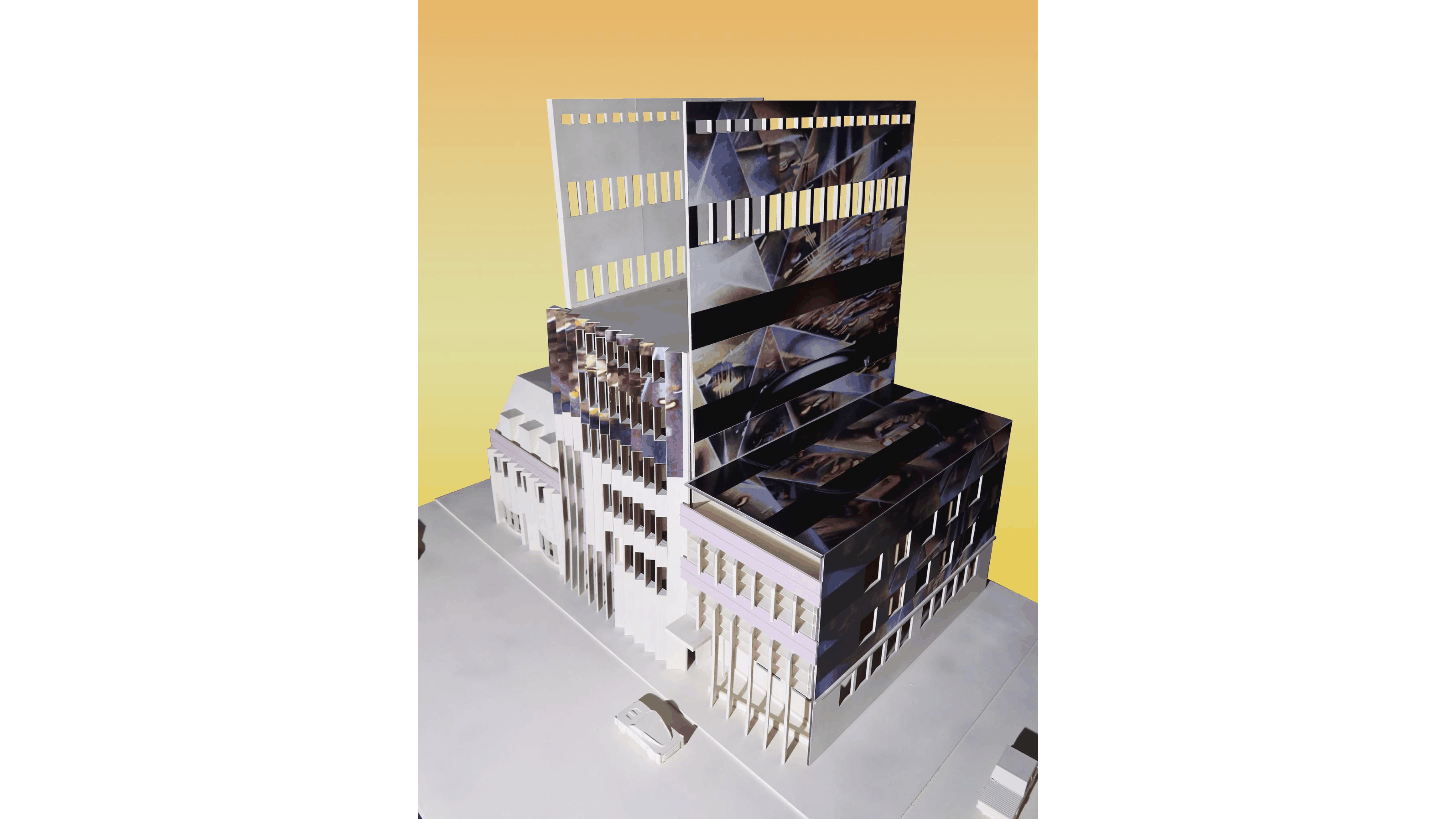
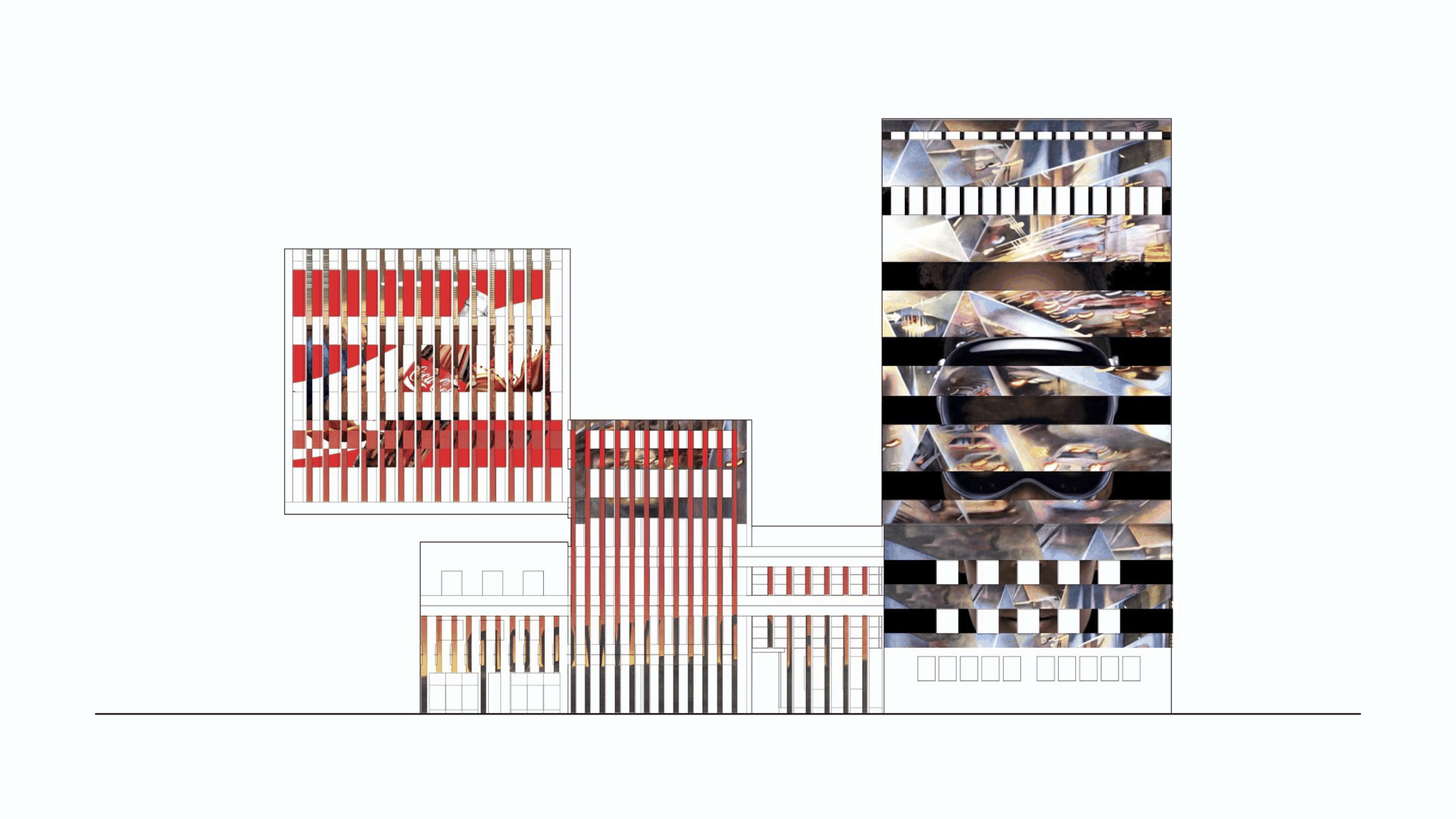
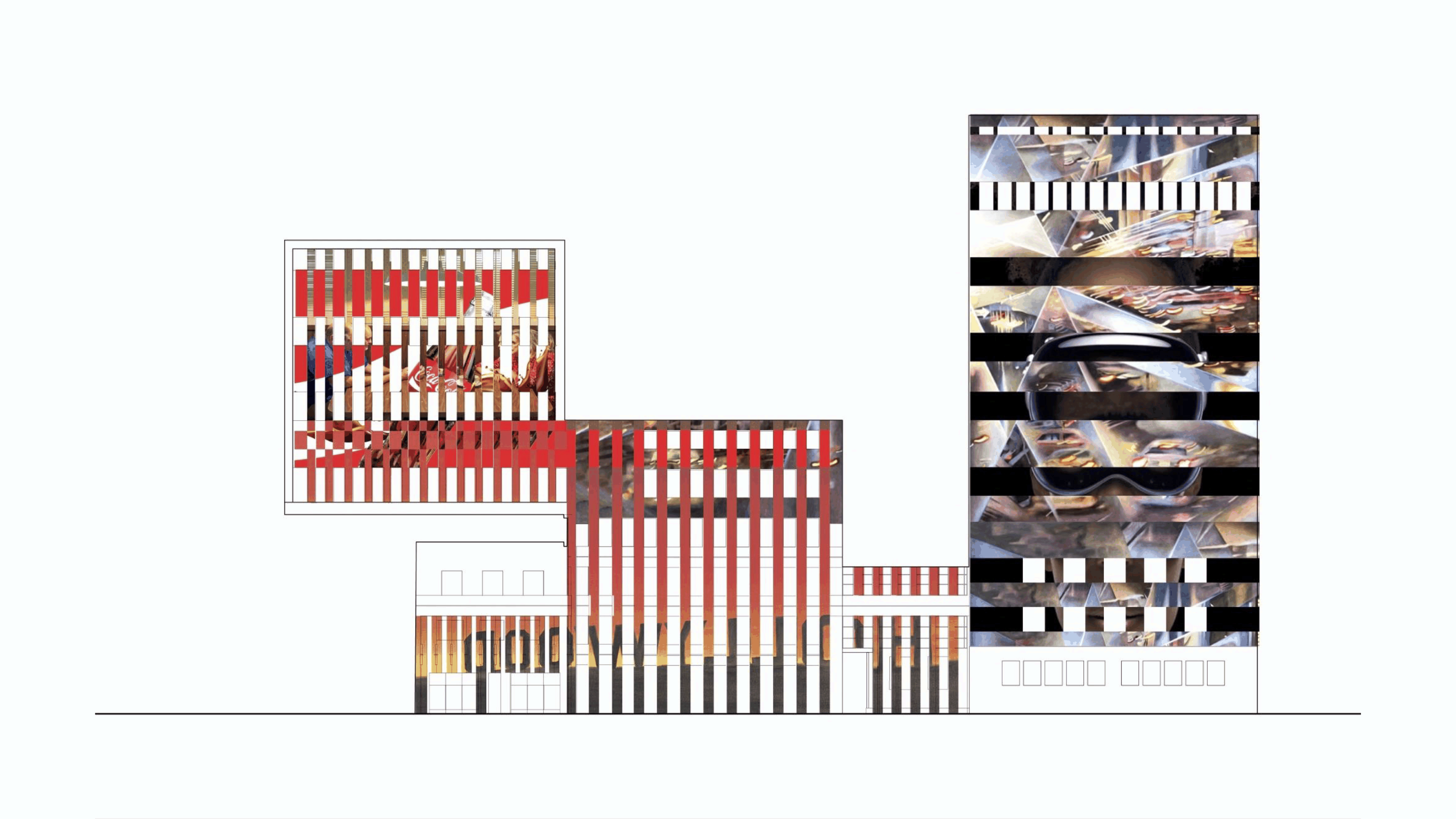
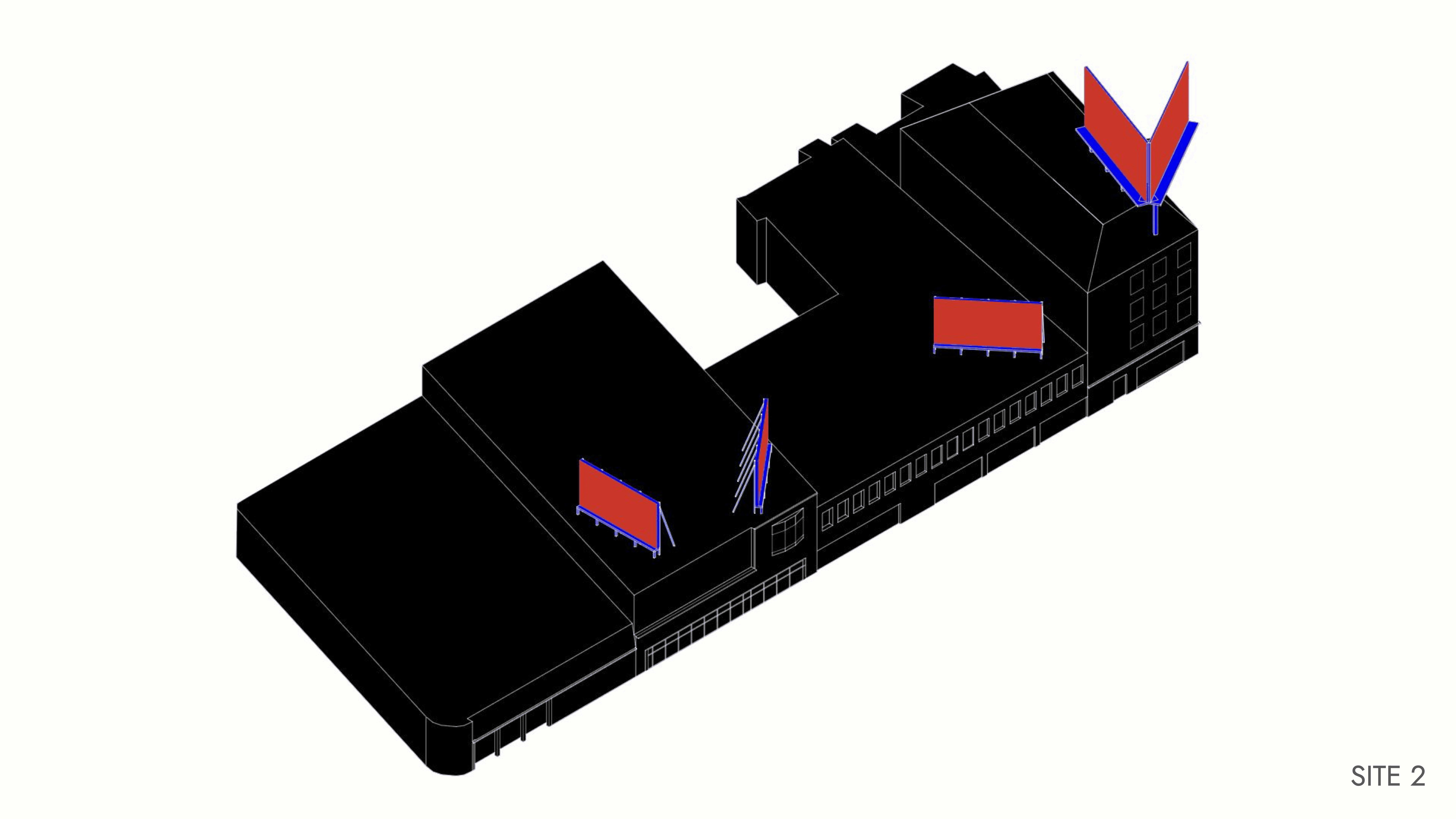
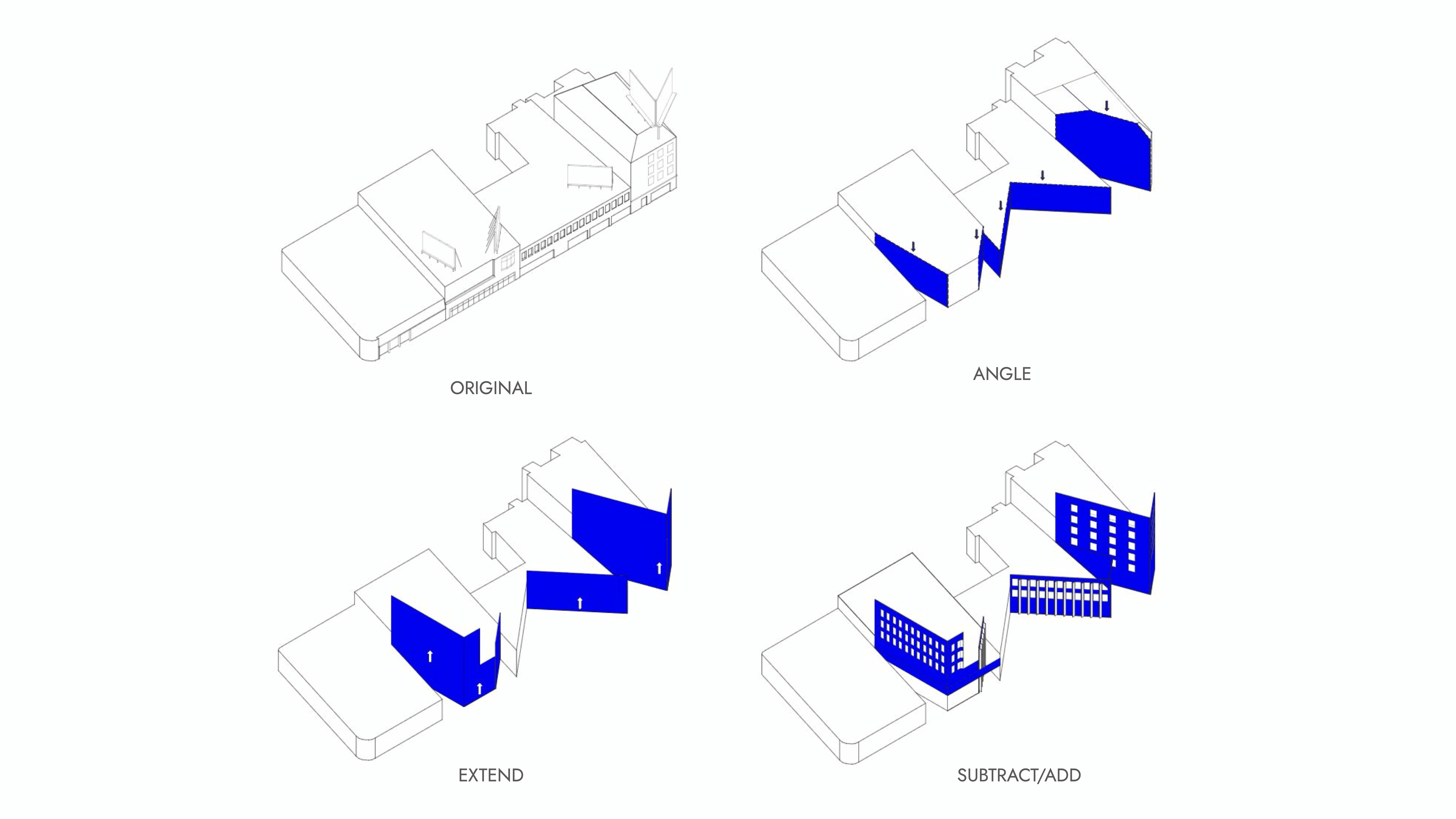
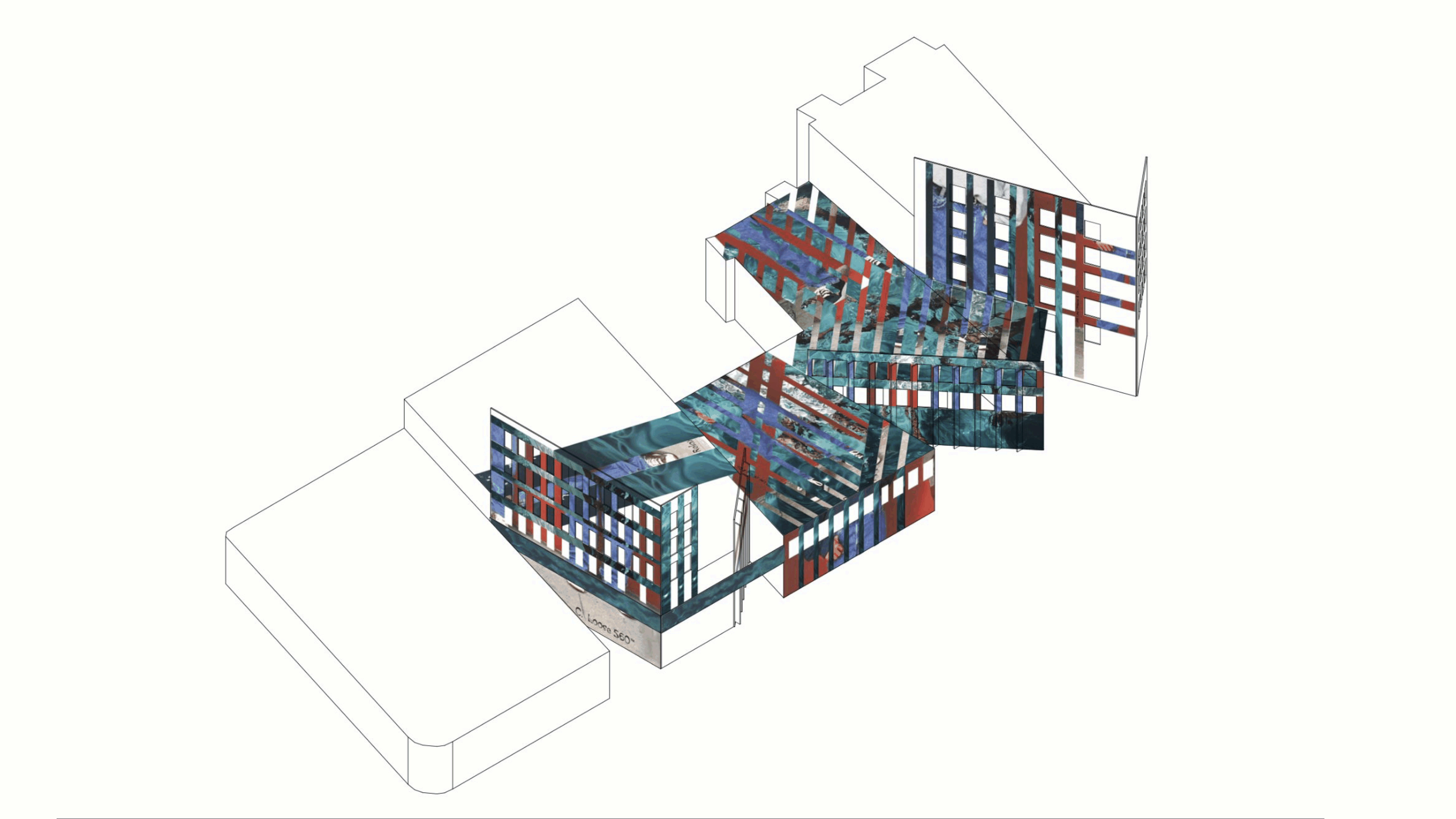
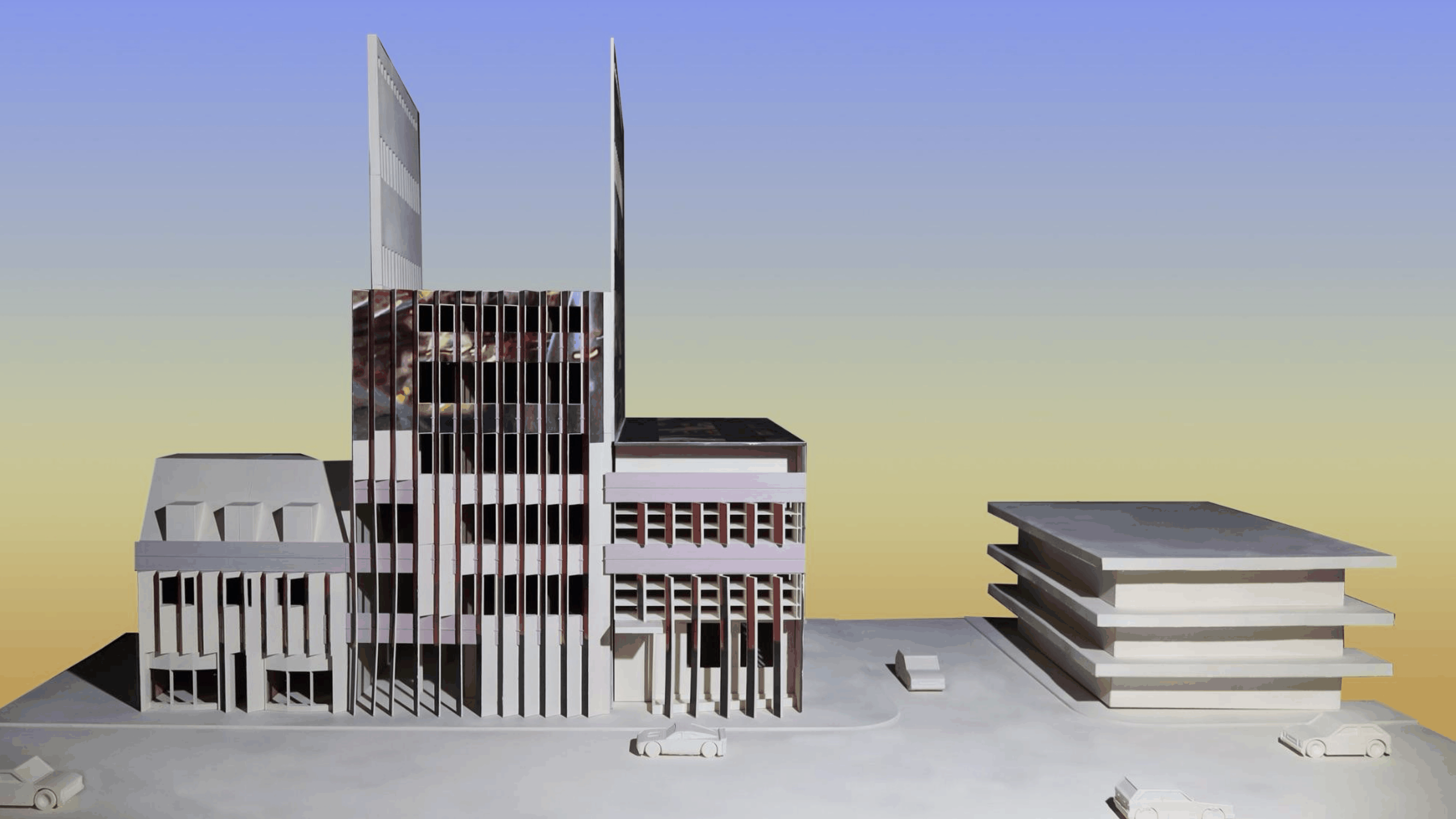
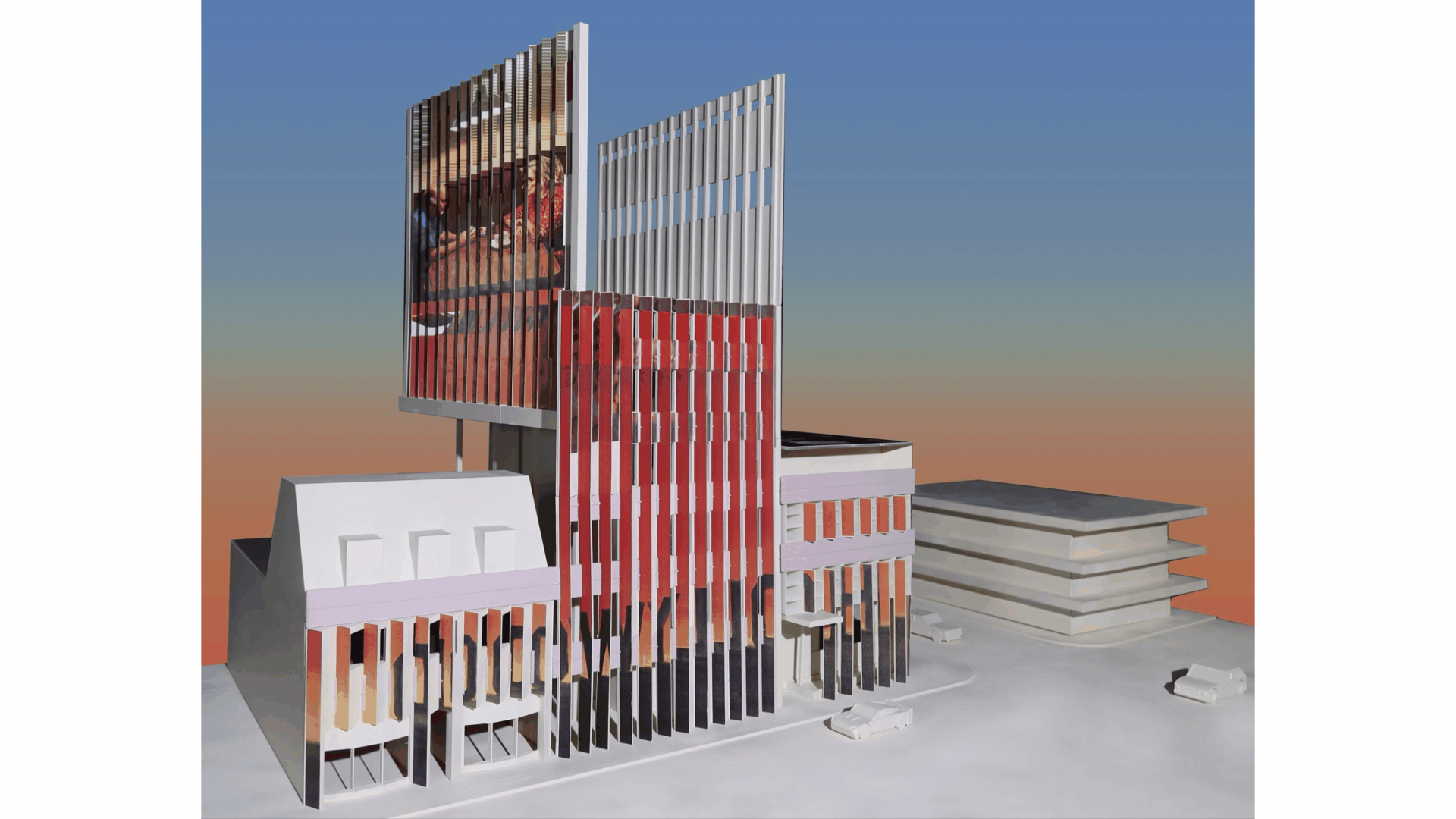
This thesis speculates that the city is not just a collection of buildings but a layered text where architecture, advertising, and media intersect, entangle, and mesh to redefine boundaries. By shaping urban perception and engagement, these elements transform spatial relationships and generate new architectural meanings. Billboards, as symbols of consumerism, prioritize commercial interests and visual saturation. This project challenges that orientation, proposing a new approach where signage and architecture intertwine to foster cultural and urban entanglements beyond commercial intent.
Pixtorian Housing
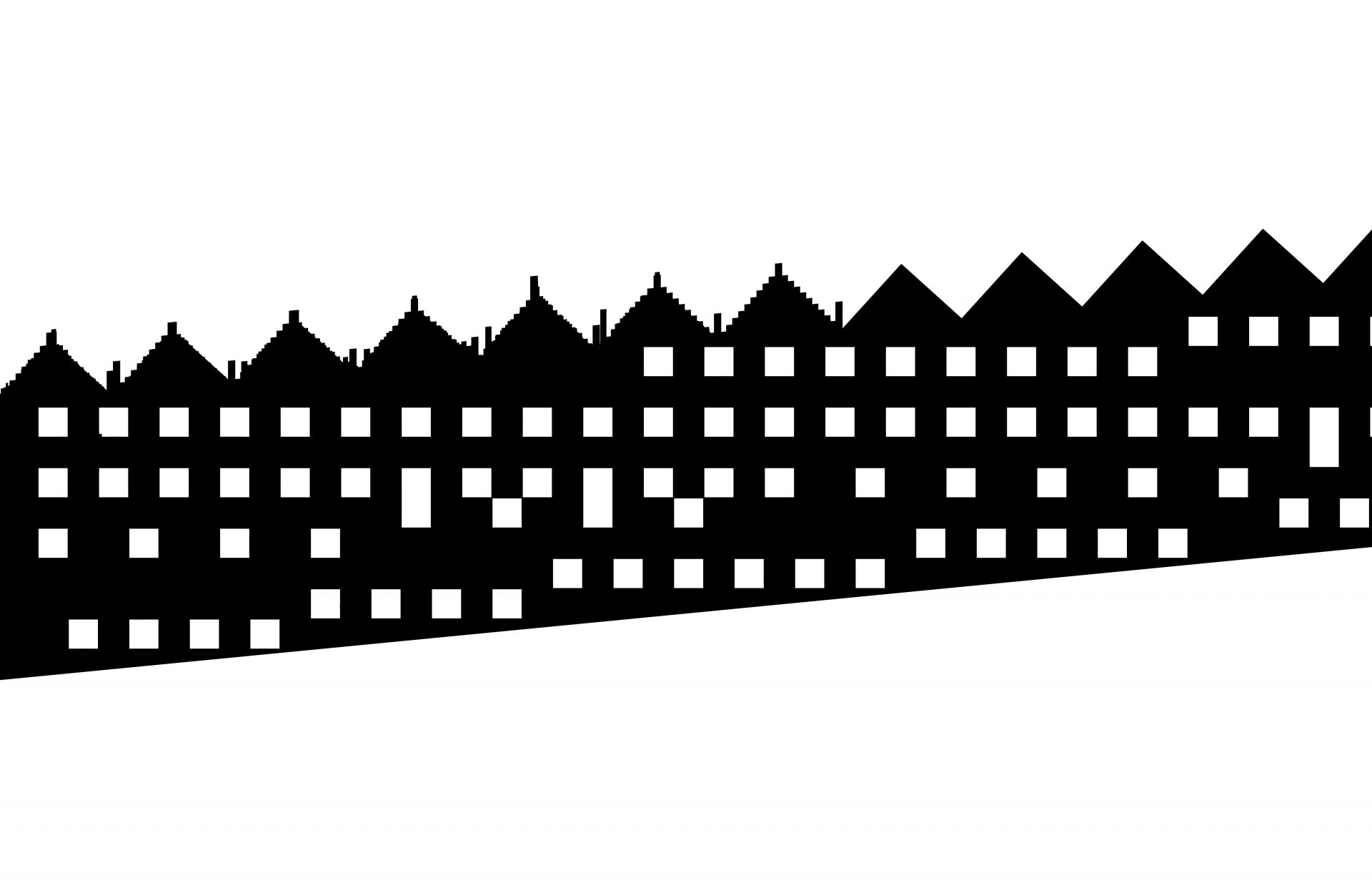
This project explores how forms of visual representation can be speculative and generate design; it investigates how applying abstraction in architecture, in this case, Victorian architecture in San Francisco, can transform ordinary housing into something that challenges our perception of the familiar. Pixtorian Housing digitally processes Victorian architecture through the lense of a video game – pixels, voxels, grids – to create a larger housing project that mixes different forms of living: coliving, cohousing, and family units. Through digital processing, part-to-whole ambiguities, and exploring degrees of resolution, this new form of living within San Francisco redefines the urban fabric.