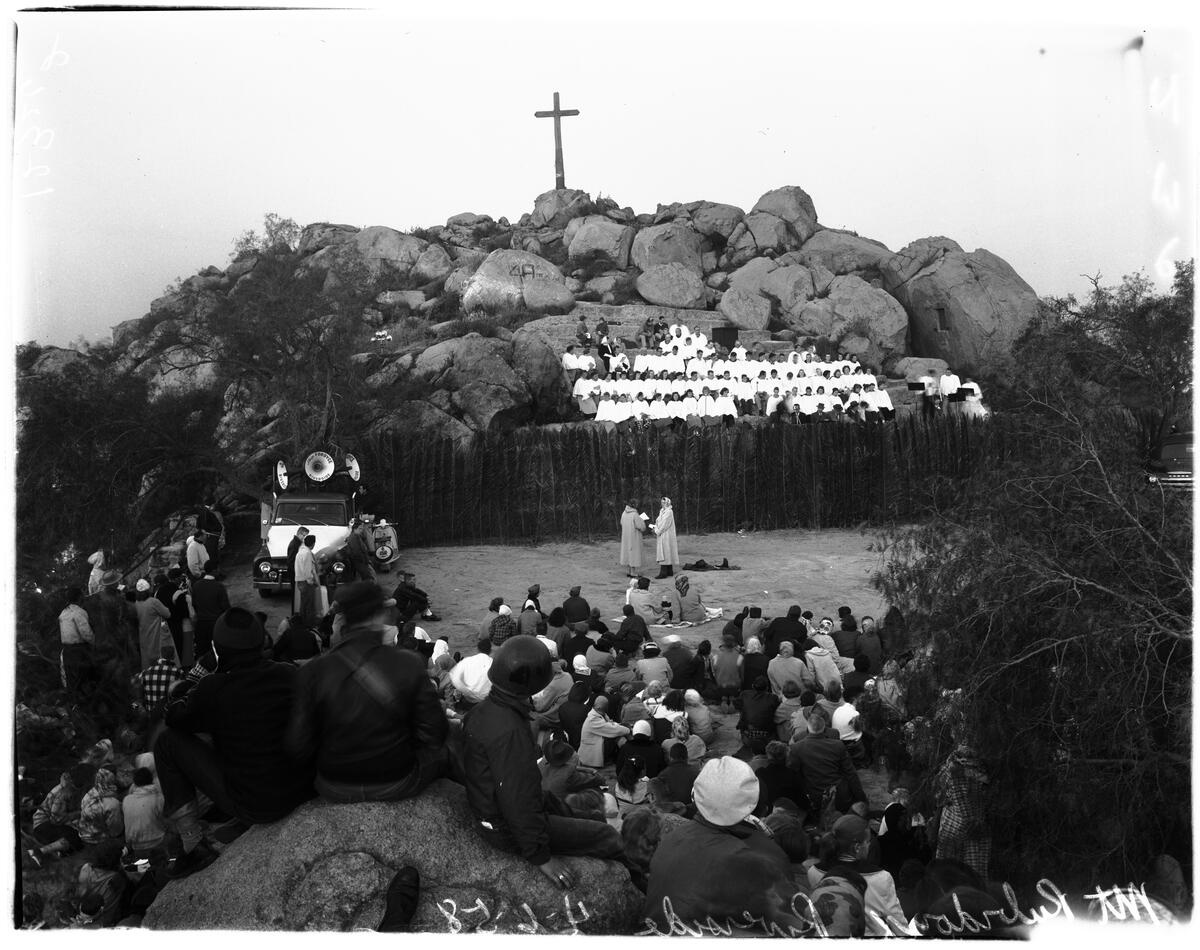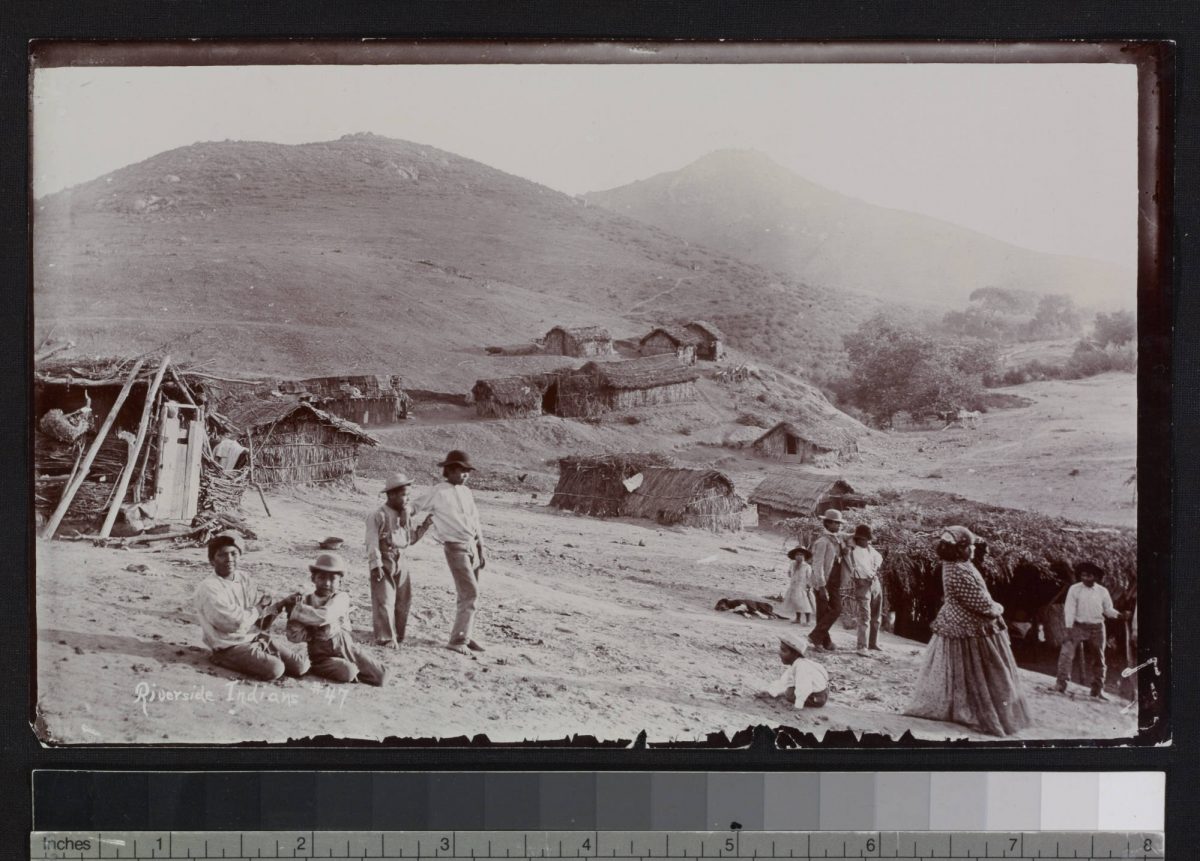
At the heart of Riverside, California, two neighboring sites, Mt. Rubidoux and the Spring Rancheria, tell vastly different stories of memory, power, and erasure. This thesis examines how preservation practices have been weaponized to elevate Mt. Rubidoux into an iconic city landmark while neglecting the neighboring Indigenous Spring Rancheria, despite both sites once forming a shared landscape. The division of these spaces, accelerated by Mission Inn Boulevard, reflects broader patterns of selective preservation, where civic narratives favor certain histories over others.
As Riverside transformed into a citrus hub in the late 1800s, civic figures like Frank A. Miller rebranded the city by romanticizing a Spanish colonial past, shaping which histories would be preserved. This project investigates how landmark designation works, how certain sites gain official status based on dominant values and what happens when excluded narratives re-emerge. Through a comparative analysis of Mt. Rubidoux and the Spring Rancheria, this thesis uses archival research and preservation documents to trace how each site has been remembered—or forgotten—in official narratives.
Ultimately, this thesis calls for a more inclusive approach to heritage conservation, one that centers marginalized histories, confronts cultural erasure, and proposes actionable amendments to current preservation frameworks. By spotlighting the contrasting trajectories of Mt. Rubidoux and the Spring Rancheria, this work contributes to ongoing efforts to decolonize preservation practices and challenges the field to rethink how historical value is determined, whose stories are honored, and how overlooked histories can be meaningfully reintroduced without further harm.