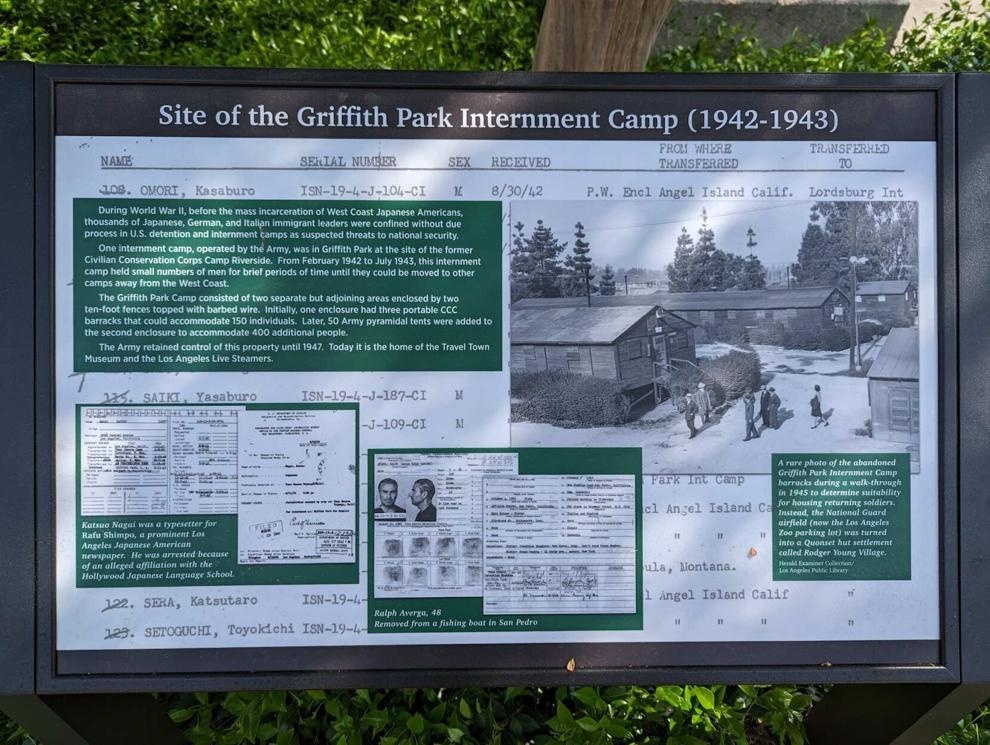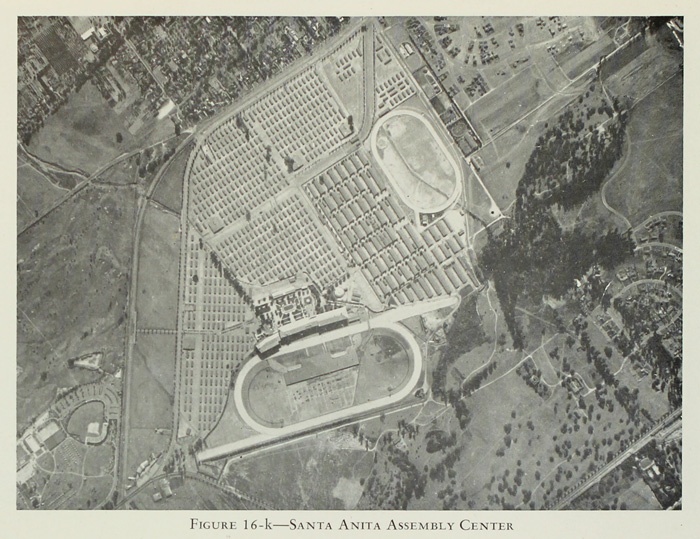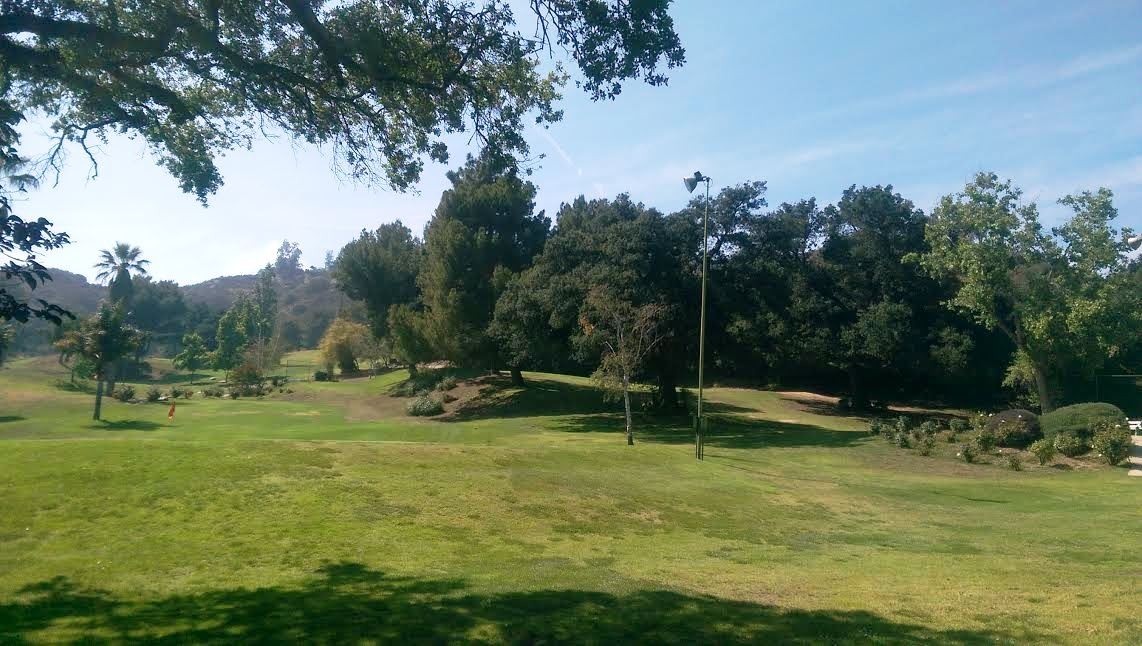
While sites like Manzanar and Tule Lake have become central to the public memory of Japanese American incarceration during World War II—often serving as destinations of dark tourism where visitors engage with curated narratives of trauma—many lesser-known internment and detention sites in California, such as those at Griffith Park, Tuna Canyon, and Santa Anita, remain largely unmarked, unmemorialized, and at risk of being forgotten entirely. These sites also held German and Italian immigrants, whose stories have been similarly marginalized in dominant historical narratives. This thesis explores these “erased sites” as critical, though often invisible, spaces of cultural memory. It asks how we remember trauma when material traces are gone, and what role heritage conservation can play in preserving histories that have been deliberately or structurally silenced.
Blending archival research, memory studies, heritage theory, and ethnographic reflection, this project examines how absence itself can act as a form of memory. It investigates how communities navigate the tension between remembrance and forgetting in landscapes that have been repurposed, commodified, or neglected. Through case studies of under-recognized internment and detention sites in California, the thesis traces how survivors, descendants, and local advocates engage in remembrance without the support of formal tourism or state-sponsored heritage.
This thesis argues for a reparative conservation ethic—not one that seeks to restore the past, but one that makes visible what was made to disappear. By expanding the boundaries of dark tourism and heritage discourse, the thesis reimagines memory as a living, collective act of justice and care rooted in place.
Sources for images:
https://encyclopedia.densho.org/sources/en-denshopd-i224-0001101/
https://theclio.com/entry/57323