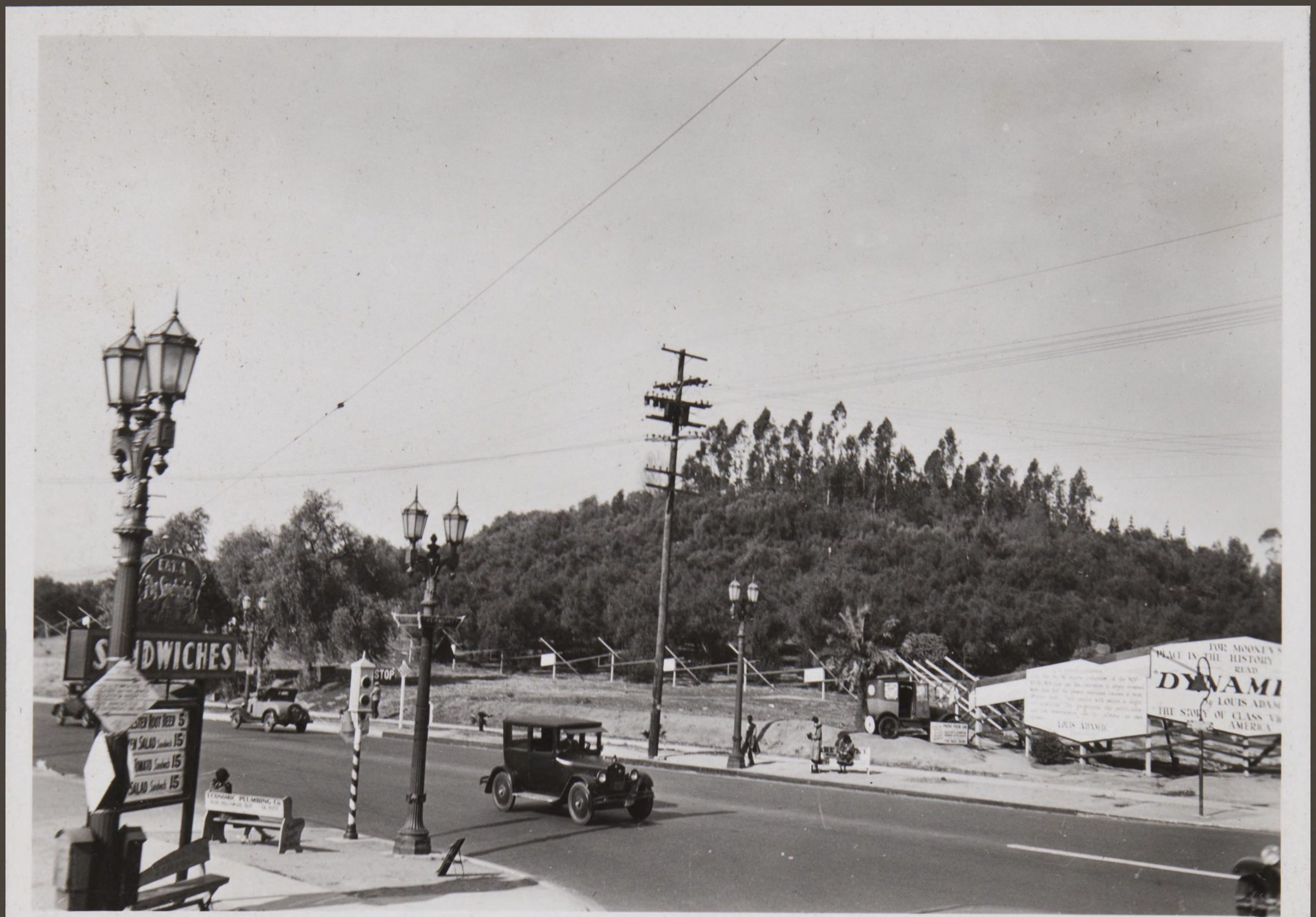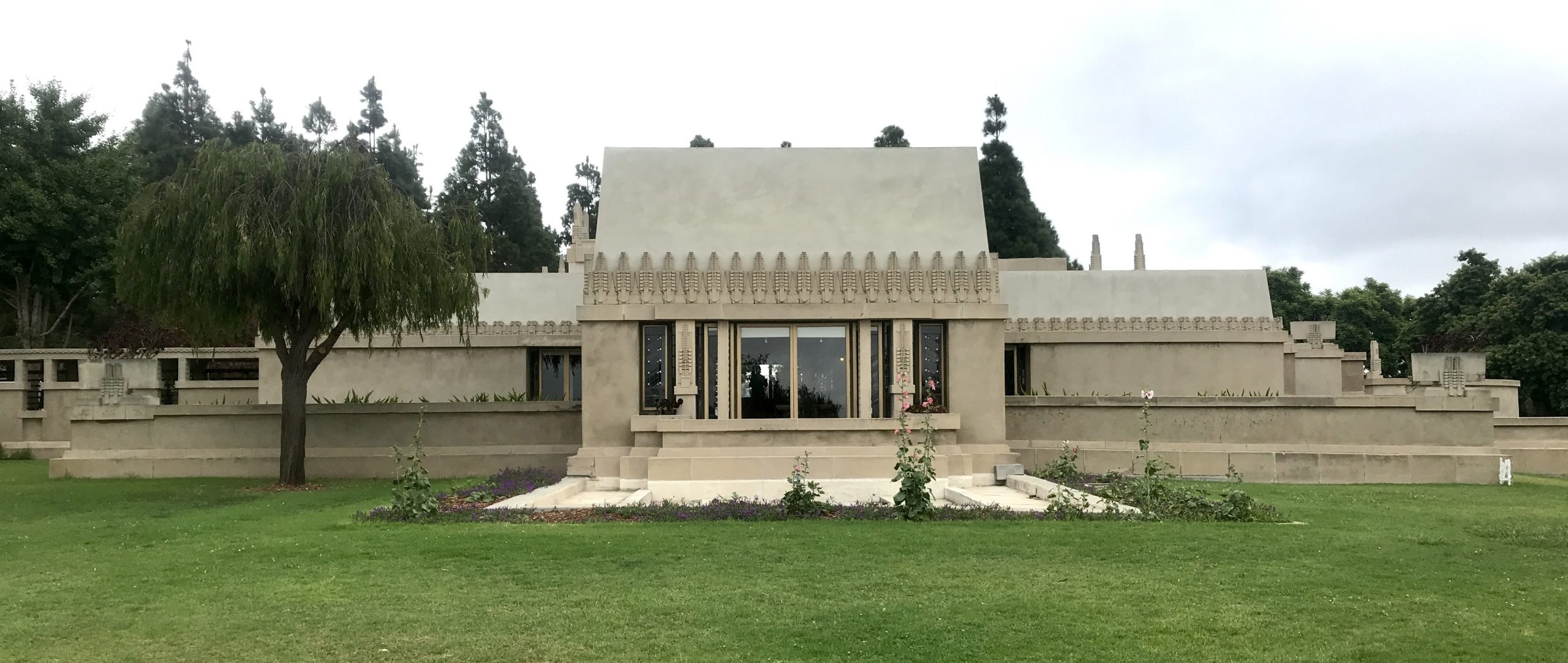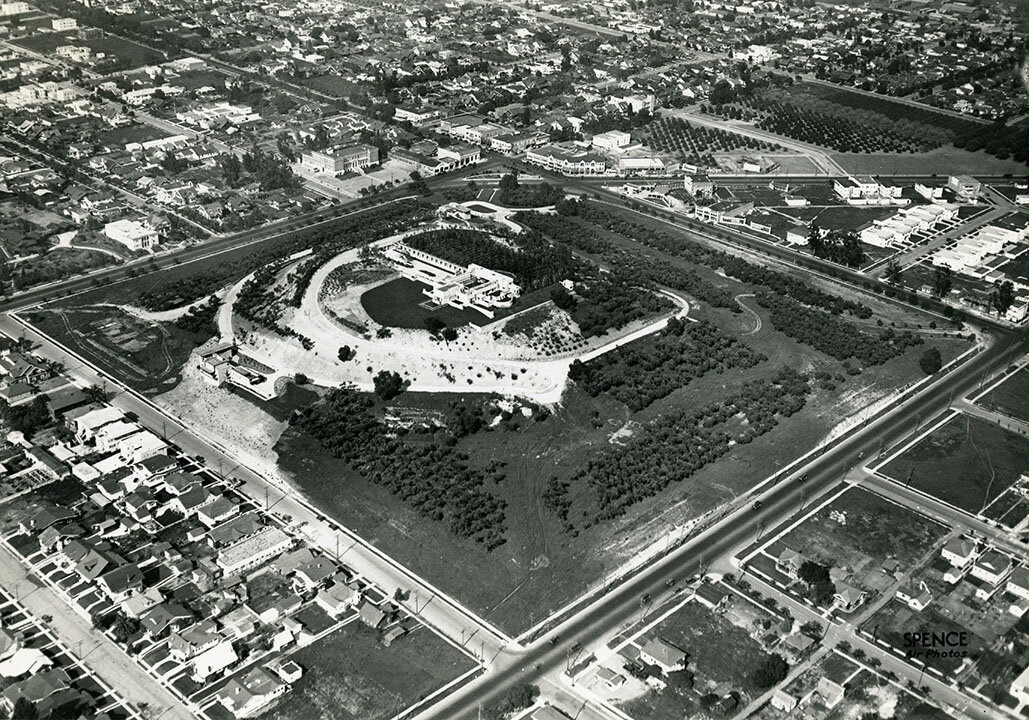
Aline Barnsdall is often remembered solely for commissioning Frank Lloyd Wright’s Hollyhock House, yet this narrow association obscures her broader legacy as a cultural activist and civic visionary. This thesis reclaims Barnsdall’s significant contributions, particularly her advocacy for working women and marginalized communities, by reinterpreting Barnsdall Art Park not only as an architectural site, but as a platform for progressive ideals and feminist civic engagement.
Developed through my work in the USC School of Architecture’s Master of Heritage Conservation Practicum and Advanced Documentation course Preserving Women’s Heritage, this thesis supports the Los Angeles Women’s Landmarks (LAWL) initiative, led by Professor Sian Winship in collaboration with the National Trust for Historic Preservation and the Los Angeles Conservancy. LAWL responds to the systemic underrepresentation of women in local heritage: fewer than 3% of Los Angeles’ 1,300 Historic-Cultural Monuments (HCMs) recognize women’s contributions. This absence is more than a statistical oversight—it reflects whose stories are preserved and whose are erased.
This thesis critically examines how traditional heritage conservation methods have failed to fully recognize or represent Barnsdall’s broader contributions, especially her social, political, and feminist ideals, in how the site is currently interpreted and designated. It asks: Why has Barnsdall’s activism, patronage, and progressive vision been left out of the official record? What’s missing from the current narrative? And how can we correct that through more inclusive heritage practices?
Using Barnsdall Art Park as a case study, this research proposes new interpretive strategies and conservation approaches that center both the physical site and the social values it represents, ensuring women’s legacies are visible, valued, and written back into the civic record and memory of Los Angeles.