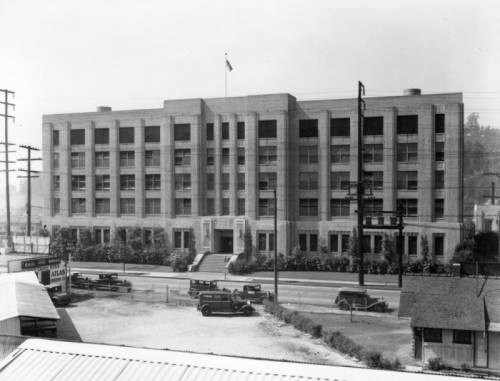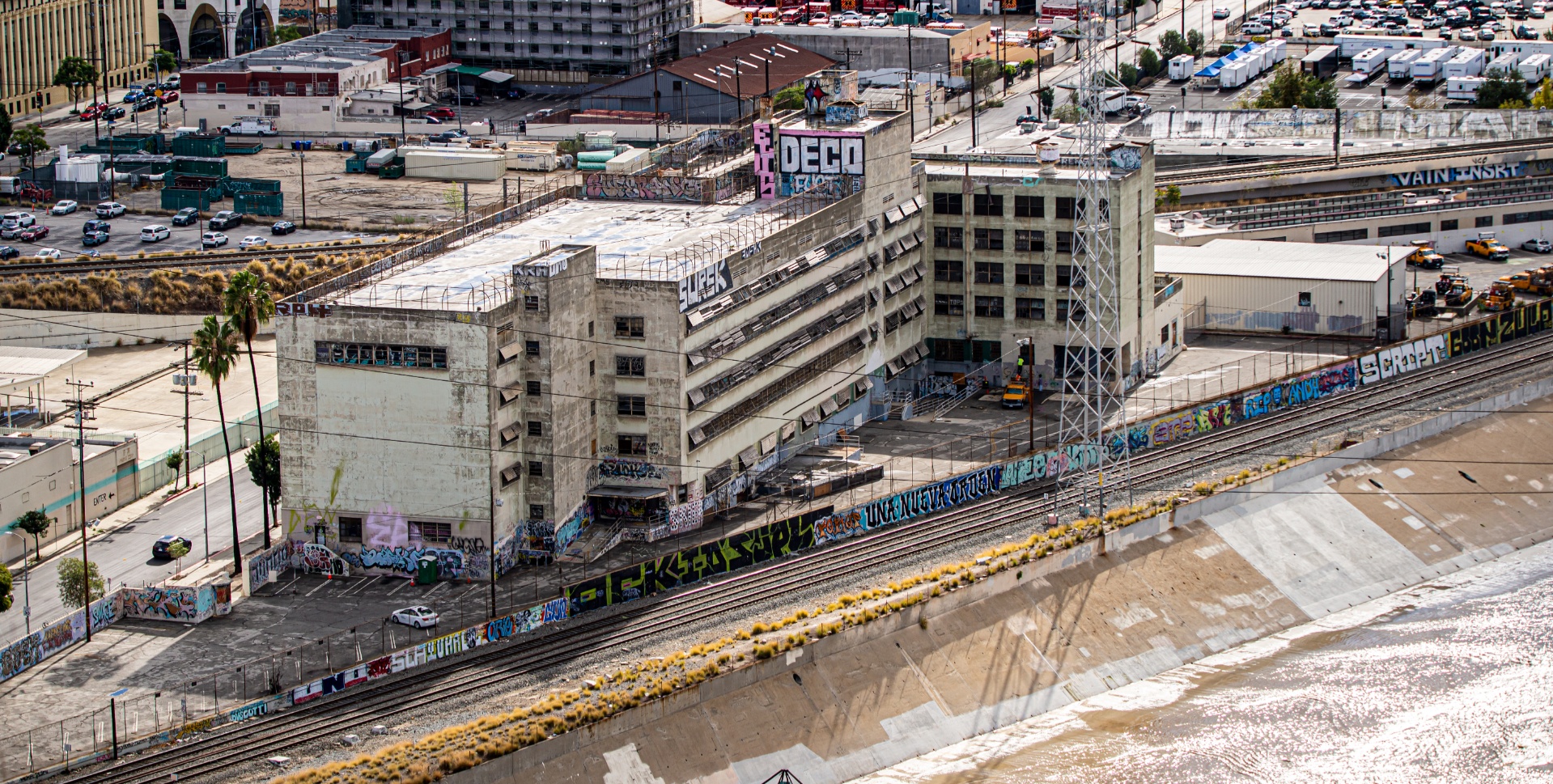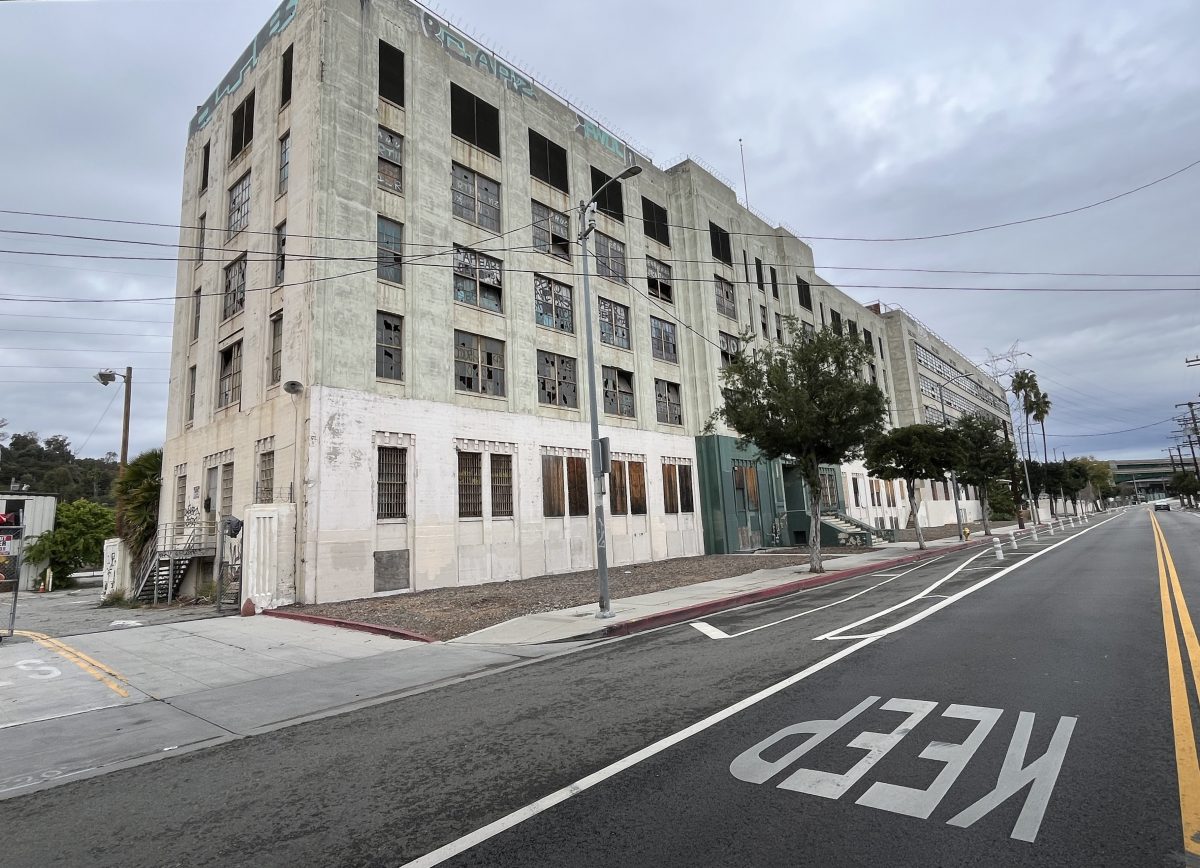
This thesis explores Lincoln Heights Jail in Los Angeles, California to discuss the intersection of heritage conservation and carceral geography; geographical engagement with spaces, practices and experiences of confinement and coercive control. This thesis also highlights the important social histories of Cisgender and Queer Women in Los Angeles.
Los Angeles has long been proclaimed a haven for Women and LGBTQIA+ Artists. However, the city’s 20th century government believed the haven identity threatened urban and social development, therefore new penal codes were created and in 1930 Lincoln Heights Jail was constructed. This 5-story reinforced concrete building with Art Deco features was a space of harm and dehumanization for many, including Cisgender and Queer Women who were overwhelmingly incarcerated for challenging 20th century gender expectations, often through performance art.
Unfortunately, Lincoln Heights Jail has been vacant since 2014 and has undergone high levels of vandalism. As a final part of this thesis, 21st century jails and prison reuse case studies (domestic and international) will be analyzed to determine how the City of Los Angeles can repair past wrongs by continuing to reuse this difficult heritage site for arts centered community healing.