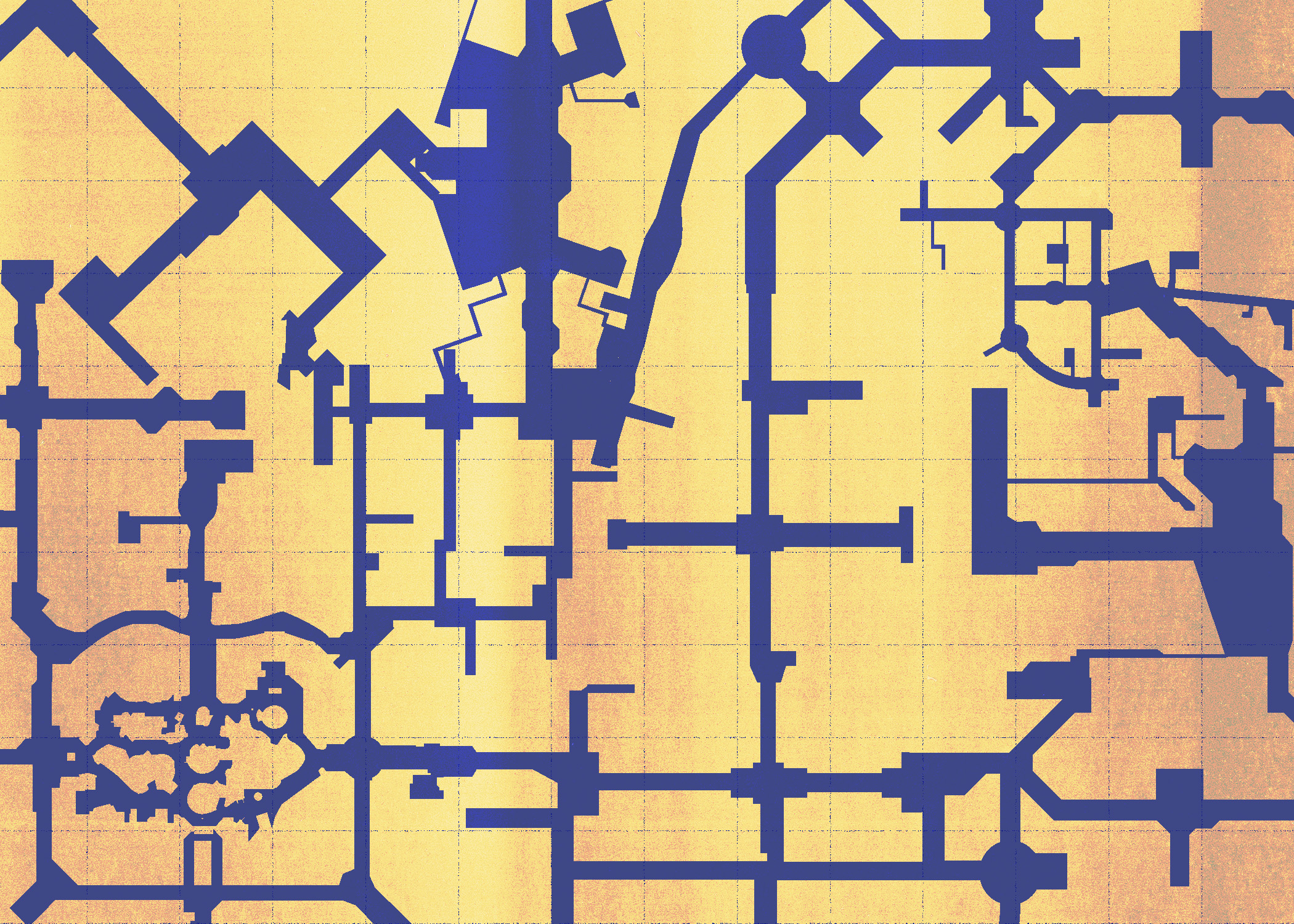
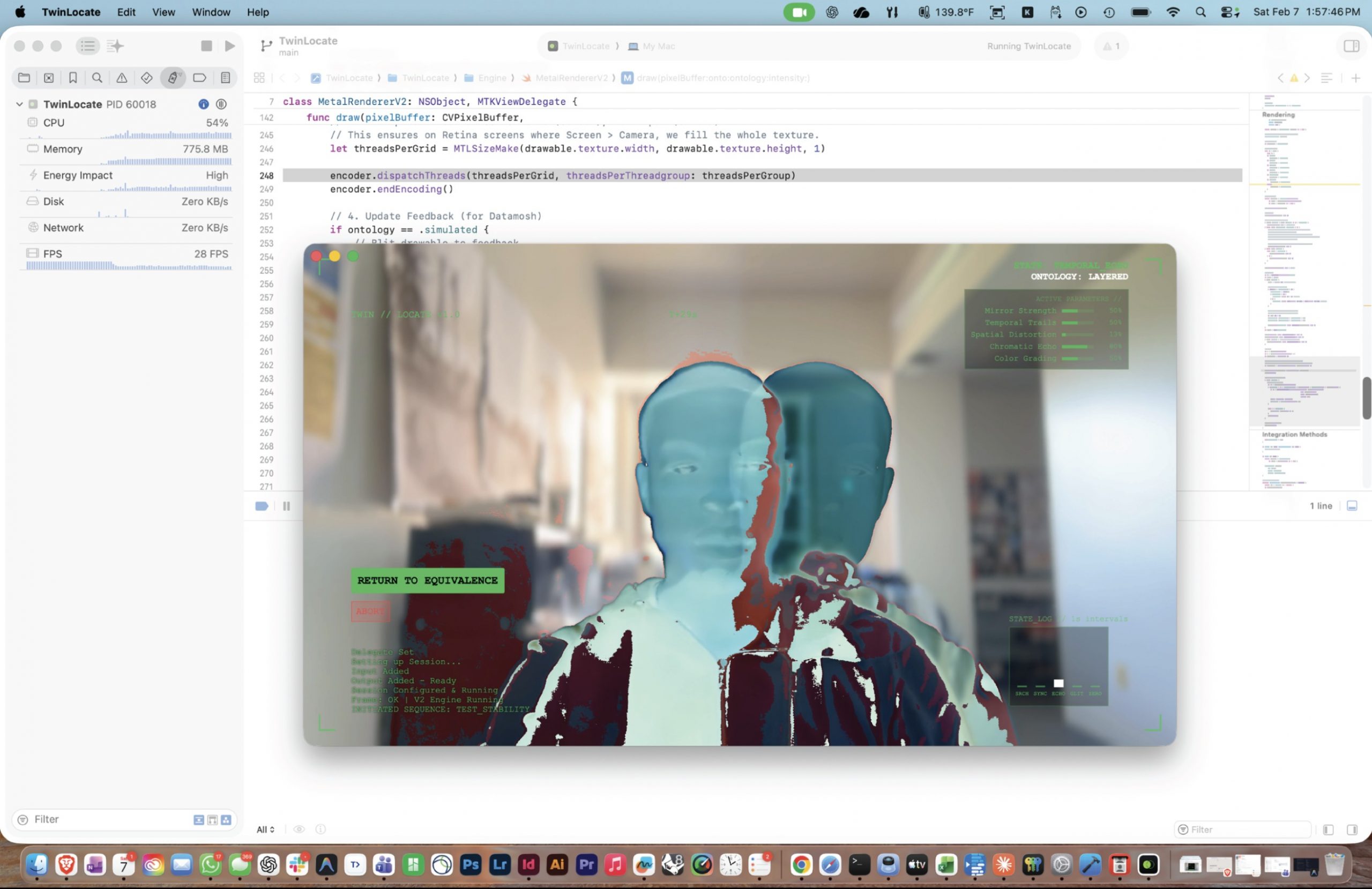
Since the Industrial Revolution, the gold standard for engineered products has been defined by high precision, high quality, and innovation—aspects inherent in exactitude. The pursuit of “German Engineering” has shaped what we value and expect in products such as smartphones, automobiles, and buildings. We expect them to work perfectly, instantly, and indefinitely. If they fail to perform with near-military precision, they are often deemed useless and replaced immediately, with little regard for sustainability efforts. In the pursuit of the impossible, we sacrifice the poetic, the mysterious, our beliefs, and our sense of wonder—or, in other words, what it means to be human. Just as engineers are now exploring how to design emotionally agile robots and embed personality into AI so that people can fundamentally accept artificially animated objects within their homes, architects must also consider how to incorporate quirky, expressive traits into buildings, facades, and spaces of human interaction. In doing so, buildings are no longer perceived as foreign objects belonging to others. With the ability to animate different parts of architecture, we can charm, anger, sadden, or make someone laugh. By embracing these emotional and experiential dimensions, architecture can reshape how people perceive their surroundings and foster deeper connections between humans and their environments.

Open Invitation
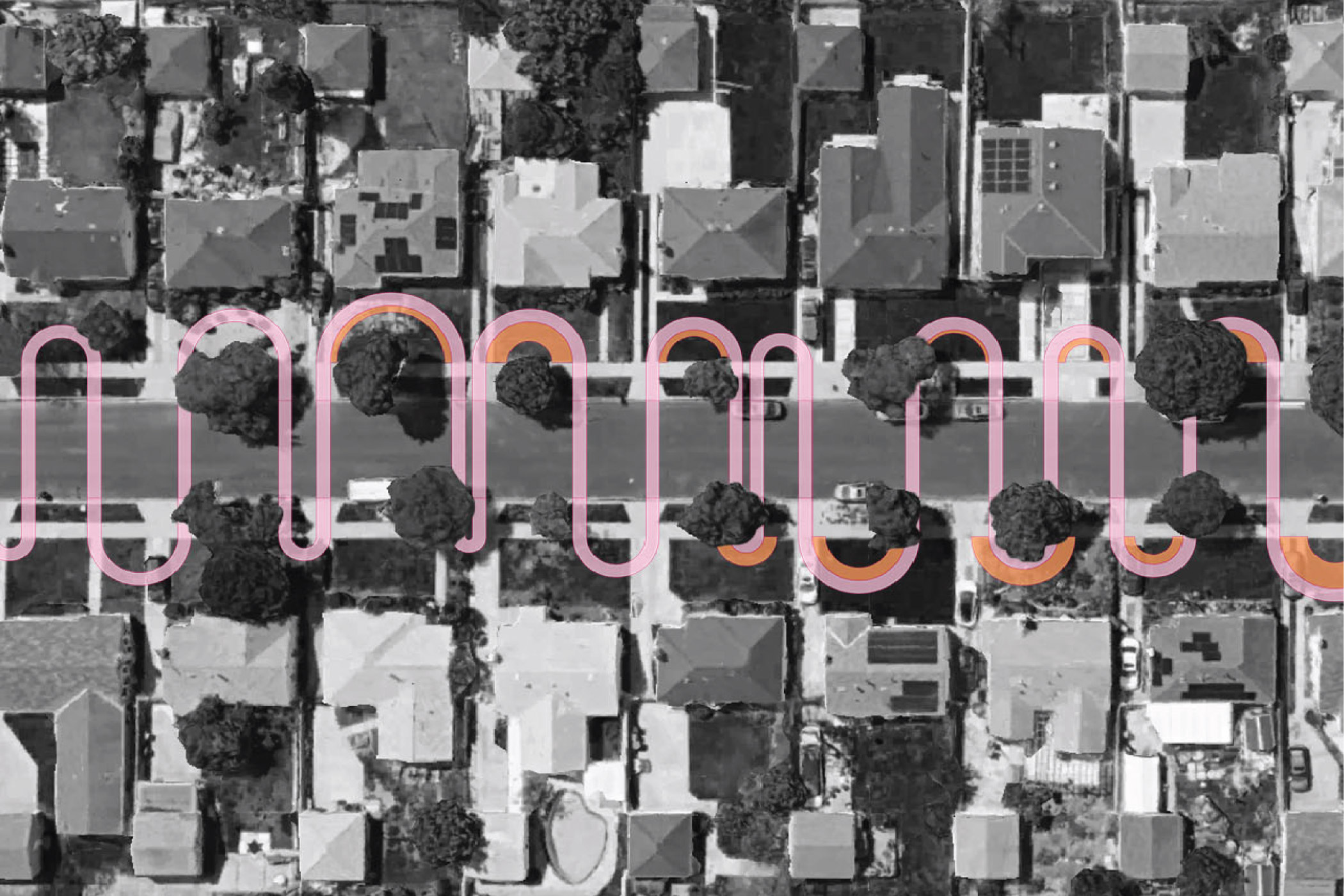
This thesis proposes that the boundary between private dwelling and public life is a site of exchange, warmth, and collective belonging. Through the architectural act of stitching, the project intertwines the public and private realm, dismantling thresholds to invite inhabitation, encounter, and interdependence. What if the space between a front door and a sidewalk became the most alive place on the block? By softening the public-private edge, architecture creates conditions for encounter without demanding it, becoming a participant in community life rather than a backdrop to it.
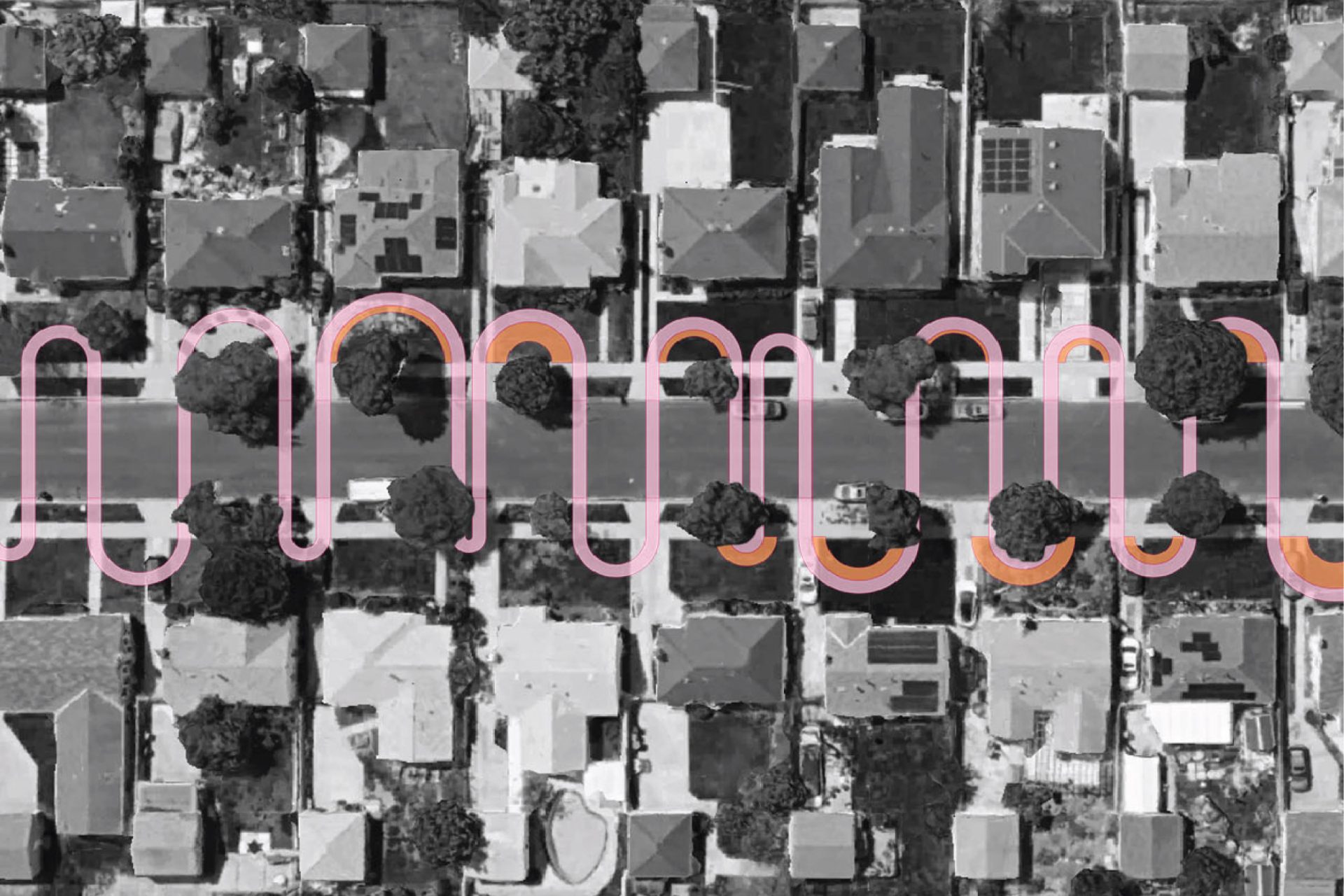

Blurring the Edges
The fundamental flaw of traditional spatial definition is its reliance on the rigid physical boundary.
This paradigm traps architecture in a binary state of "here" or "there", entirely neglecting the liminal state. Therefore, this thesis translates the concept of liminality into a tangible, built reality. This is achieved by blurring hard edges visually through optical fragmentation, functionally by redefining fundamental use, and experientially through dynamic geometries. Operating in a continuous state of multiplicity rather than a rigid binary, the synthesis of these elements evokes awe and a sense of ephemerality.
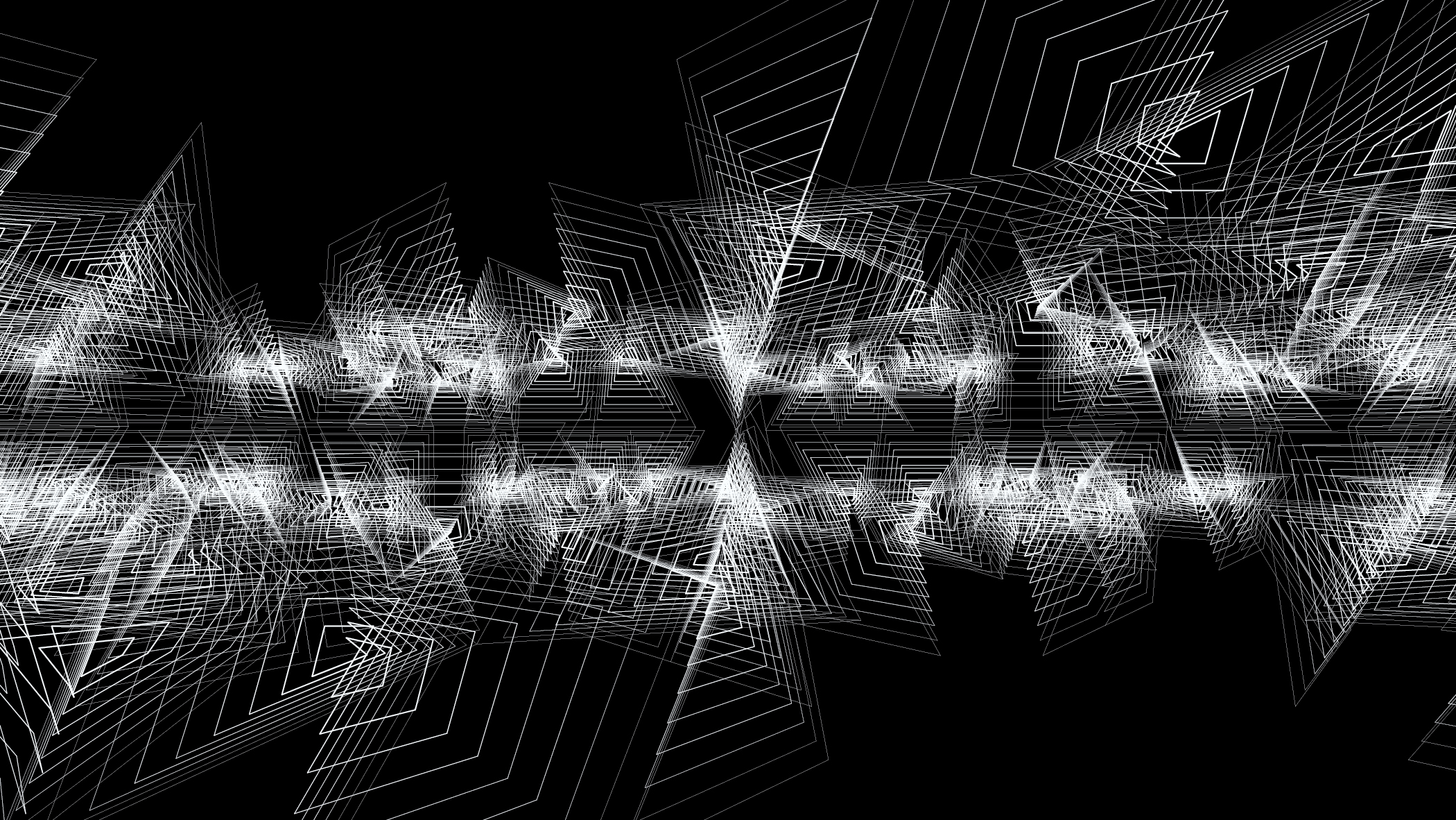
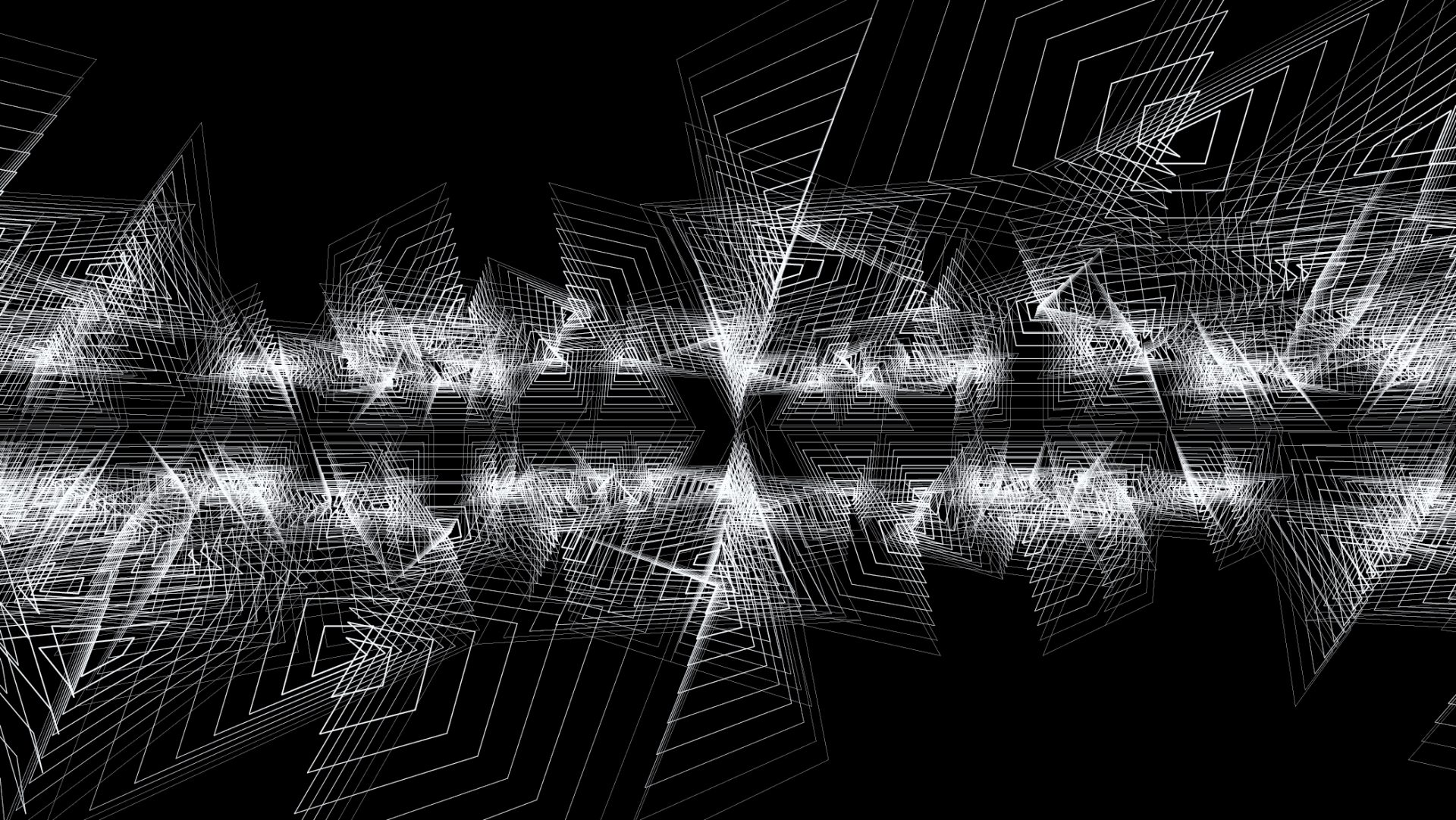
Ghost in the Persona
Architecture schools scaffold cognition through critique and reflection, but primarily from the professor's perspective, which can produce rigid patterns as students mimic while retaining a stake of agency. Architects have always had tools that store geometry but never tools that study the mind making it. Luminous Matter is one's own recursive, interactive AI design persona built on a compound memory system that reads a living vault of every design session, detecting entrenchment, surfacing non-human spatial perspectives, and generating spatial myths from earliest drawings. Four calibration tools operationalize the interruption. The architect remains the author at all times. The agent illuminates the page.
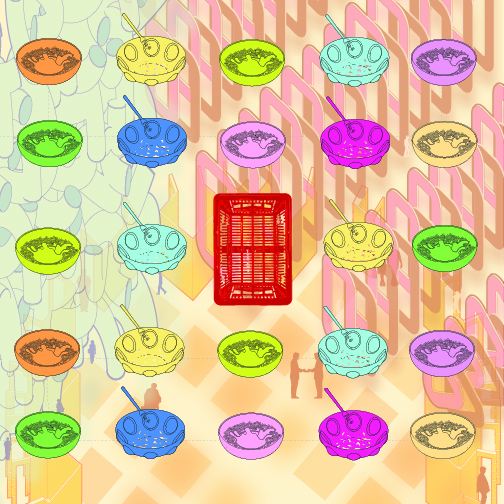
Mouthwatering Architecture
Designing Space Through the Logic of Food Noelle Osborne Architecture can be designed and understood through culinary language, translating food-based actions into spatial systems that shape human experience. Architecture is often communicated through bland terminology, creating a dull experience. However, this project questions how architecture can shift to use more appetizing terminology that satisfies the body. Grounded in the logic and expressive qualities of food, space is generated through the translation of its forms, textures, and underlying structures. Food becomes a framework for understanding and producing architecture and material expression. Through this lens, architecture emerges as an adaptive product capturing the essence of the food itself.
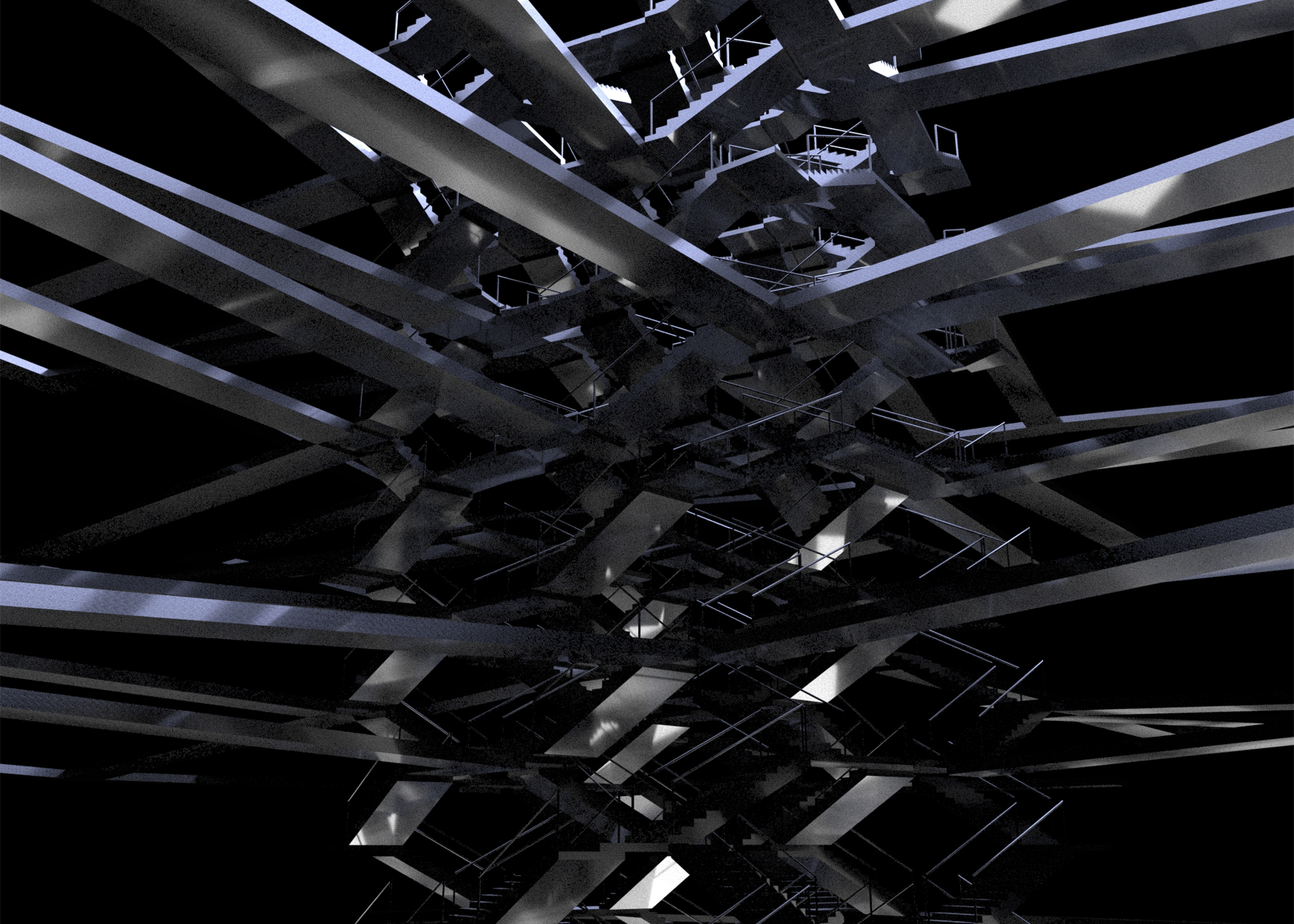
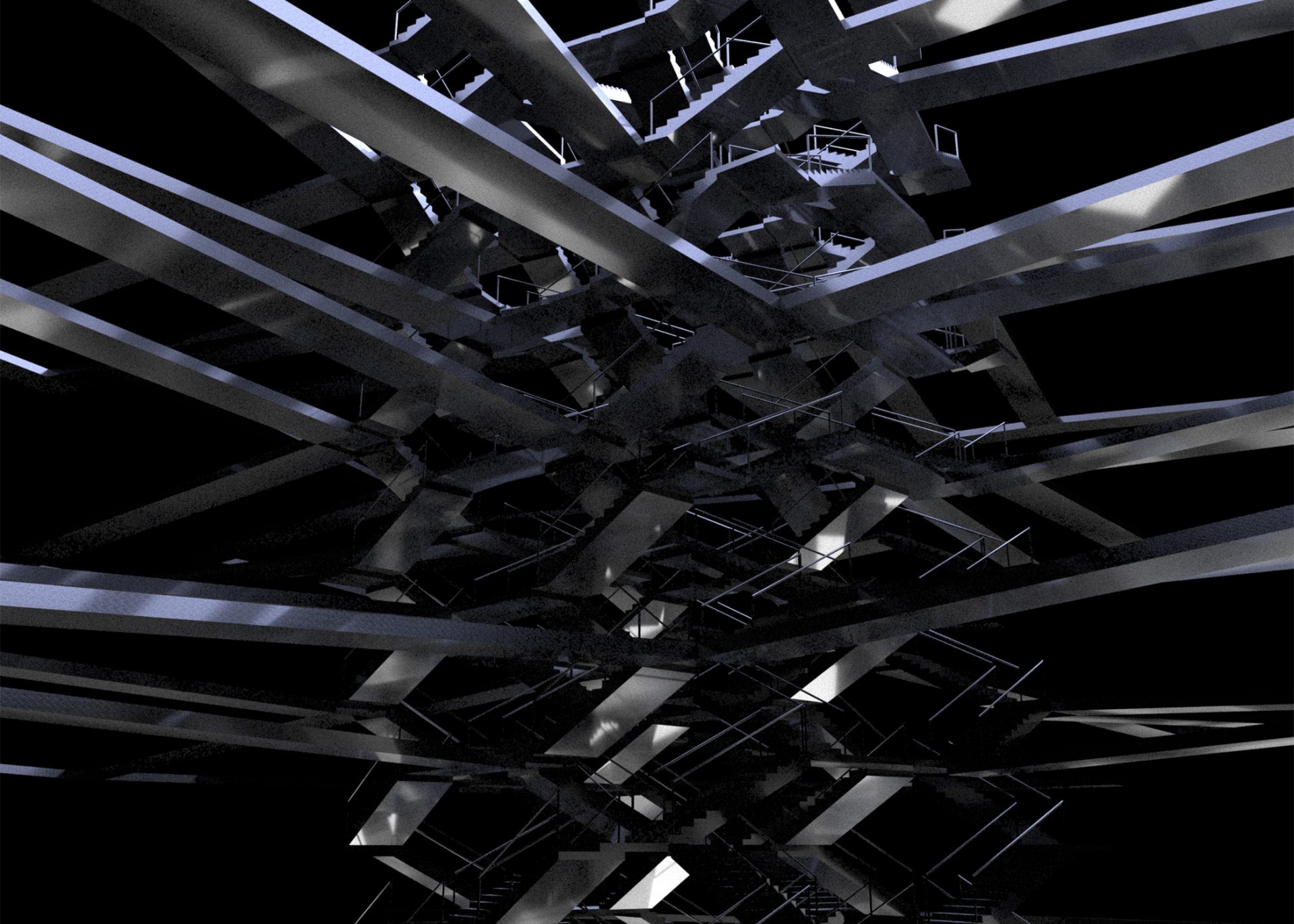
Illusive Movement
Austin Nguyen – Doris Sung Oftentimes we design to prioritize programs, but how would architecture look if we design to prioritize circulation? What does efficient and comfortable circulation look like, to the masses and the individual?
Designing circulation isn't all that simple, as many factors influence the decisions people make when selecting a path of travel. Whether it is choosing between ramps and stairs, the long path or the short, architecture inevitably is a key element in creating a preferred path, altering the perception of which path is better to take. My study explores the complexities of wayfinding, its architecture and its application to programs.
Beyond the Surface: Inversion of Control
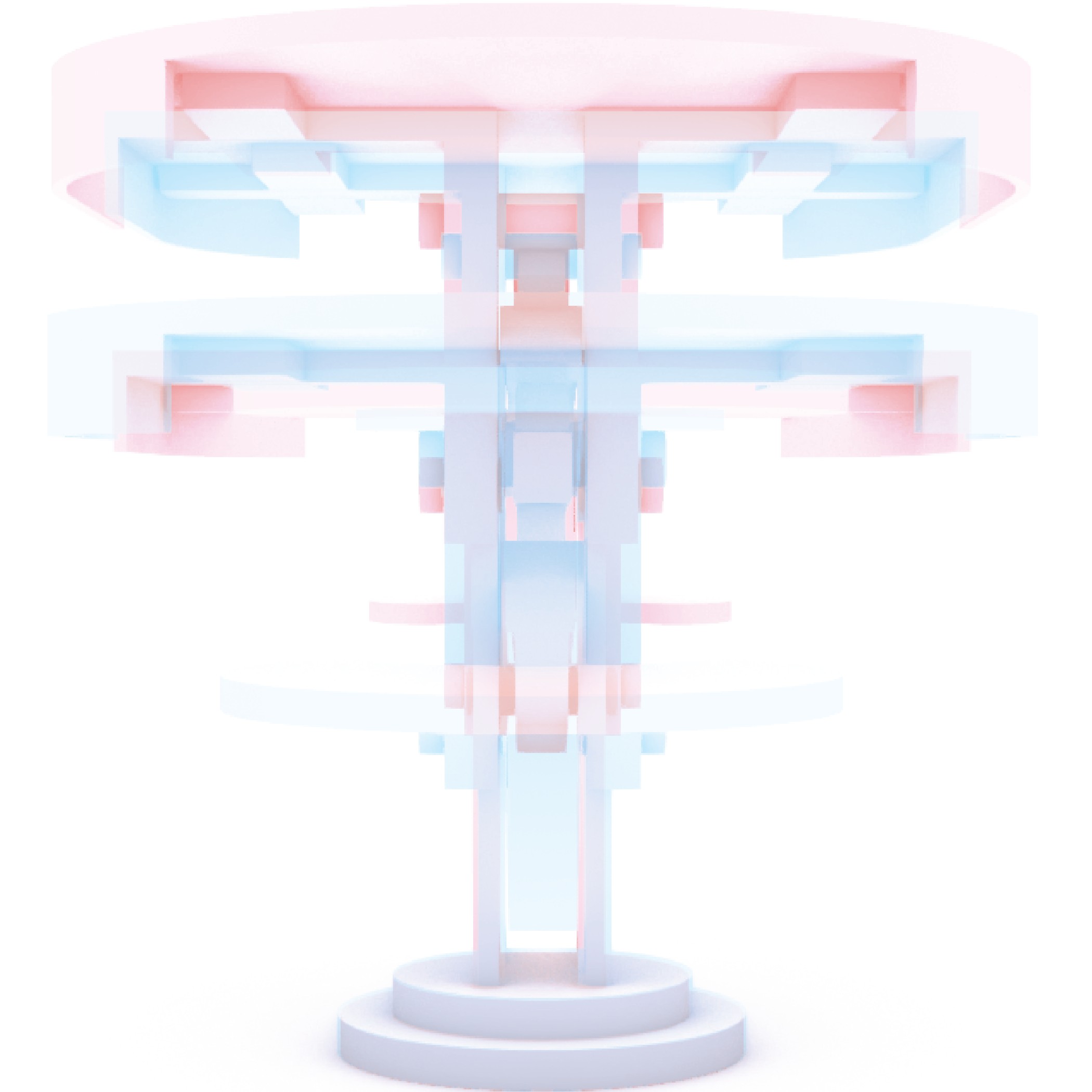
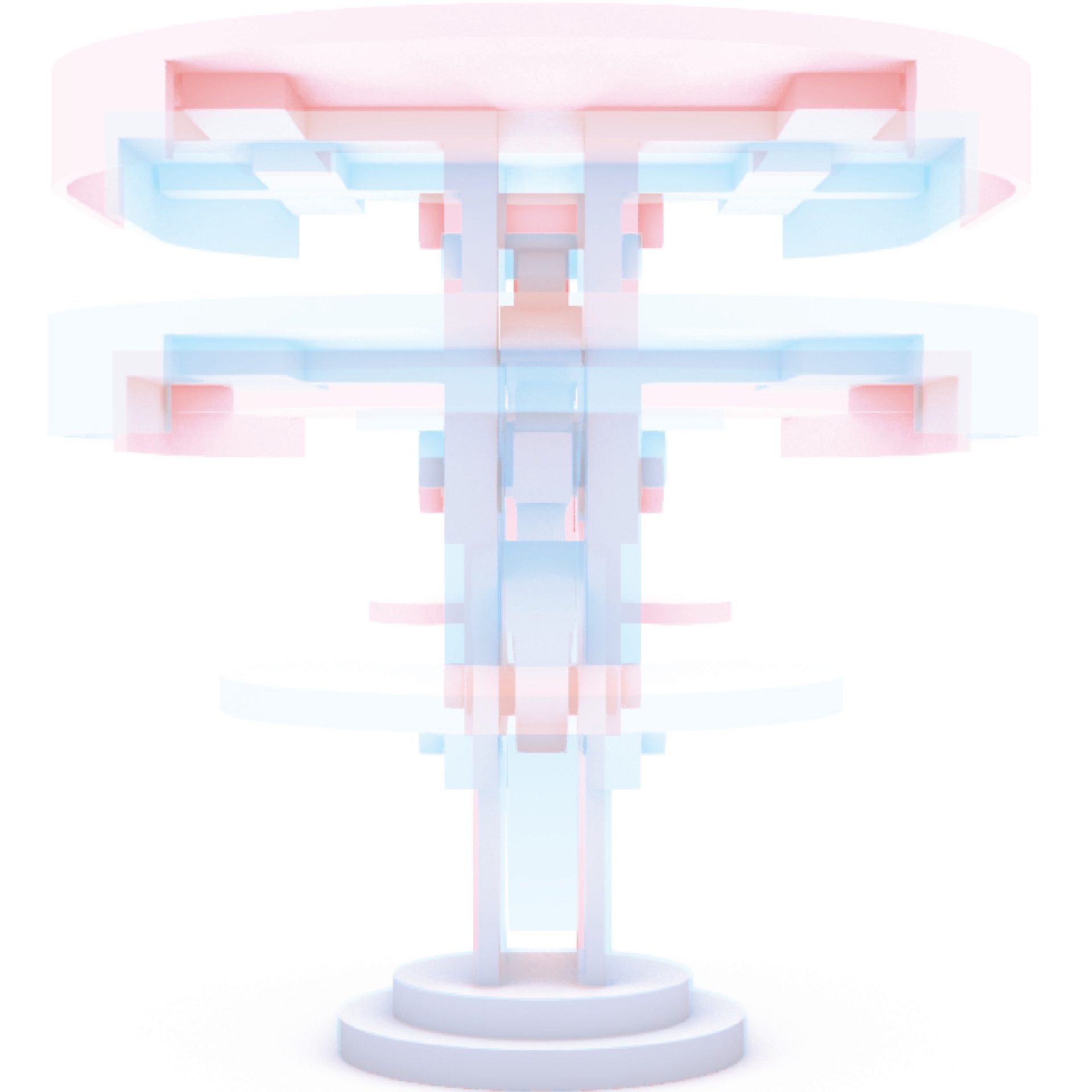
Architectural function is driven by the formation of surfaces. This merging of science and art to design spaces evokes feelings and facilitates specific purposes. Architects commonly refer to this as form vs function. These surfaces impact the ways people interact with each other.
Vertical surfaces create divides, barriers, and containment.
Horizontal surfaces connect, transport, and hold. The floor and ceiling are architectural surfaces and furniture acts as intermediate surfaces within the architecture to expand connection to human interaction. By using horizontal surfaces that take from common power dynamics and inverting the social hierarchy present, my designs establish social equity.
(Dis)Orientation Through Perception
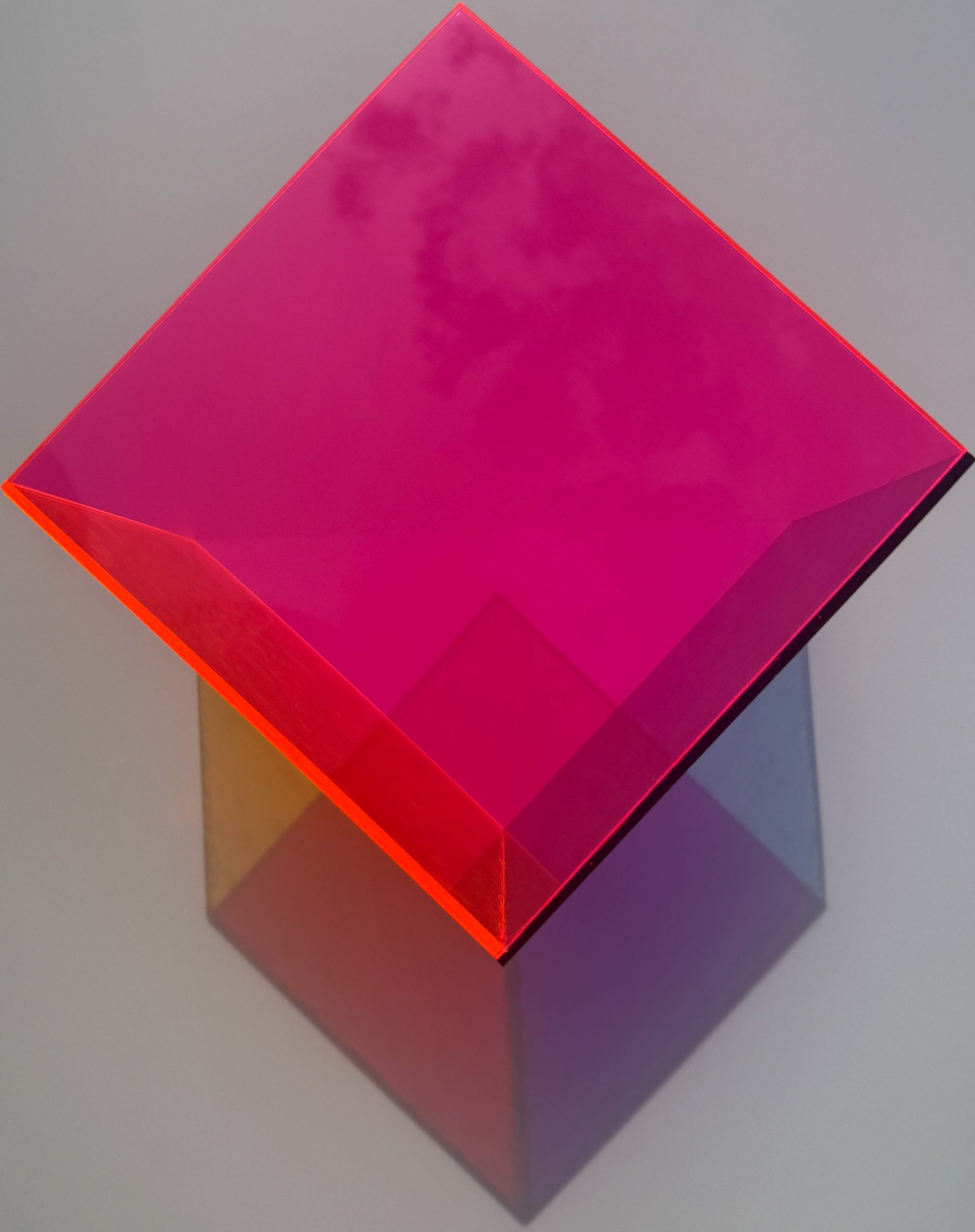
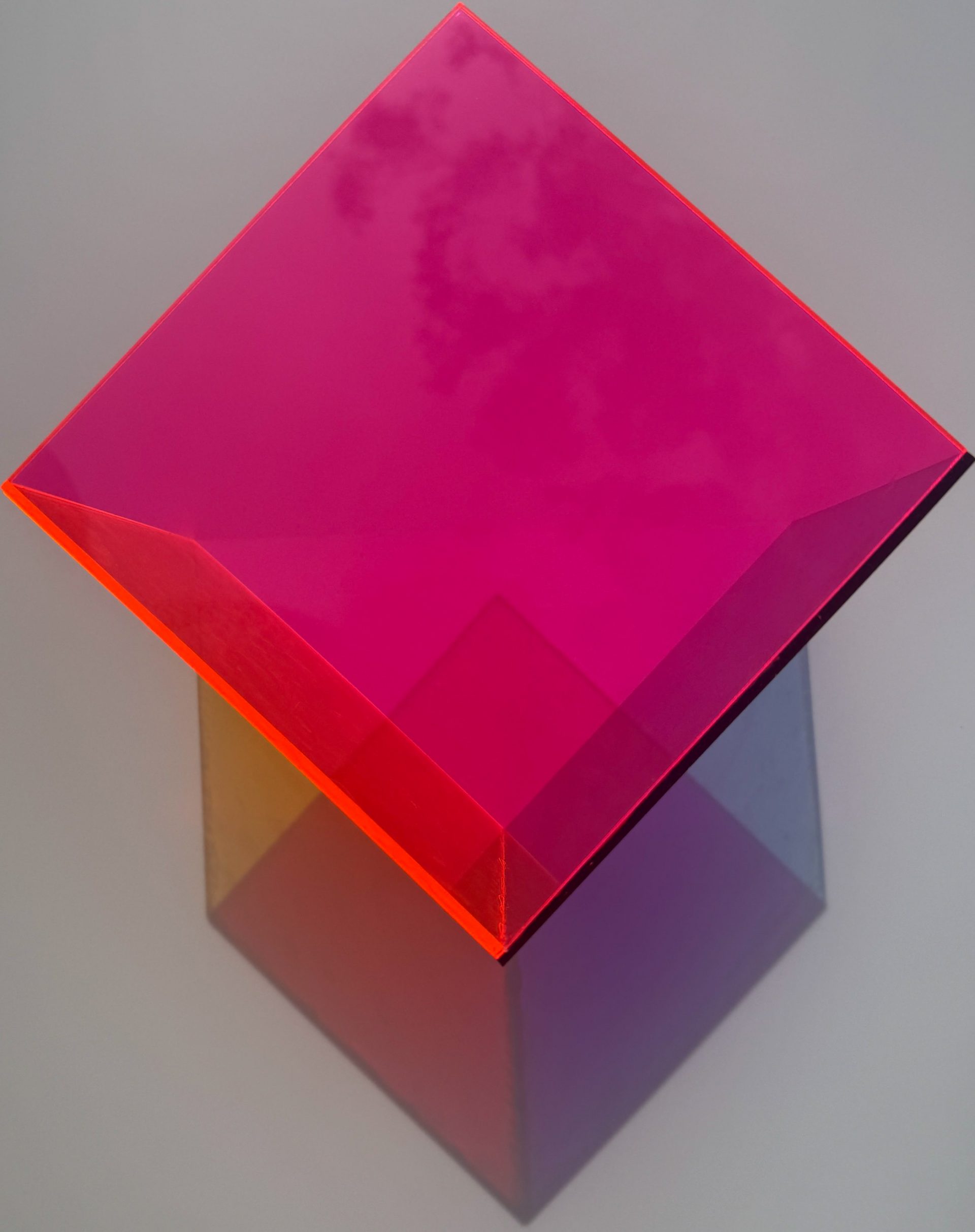
Spatial logic allows humans to mentally visualize three dimensionally what is represented two dimensionally. Objects and their representations can be misaligned through means of projection or perceptive errors related to optical illusions or lack of depth perception cues. Three dimensional forms produce two dimensional reproductions not solely through representation, but in the creation of shadows. When light interacts with an object, its shadow creates a compressed spatial condition.
Various conditions can be created from one object as lighting angles change to form new shadows. Shadows portray a projected version of a form, similar to architectural drawing conventions flattening forms.
Michelle Kim
In a world obsessed with productivity, our surroundings have grown sterile, impersonal, and unbearably boring. As such, we rely on shallow dopamine hits from technology that has quickly festered into a dependence and addiction.
By transforming moments of boredom into moments of fun, we can begin to rekindle our relationship with the built environment. In doing so, we begin to notice, engage, and ultimately behold the ordinary as wonderful.
Fun is necessary, and architecture must remind us that it is.
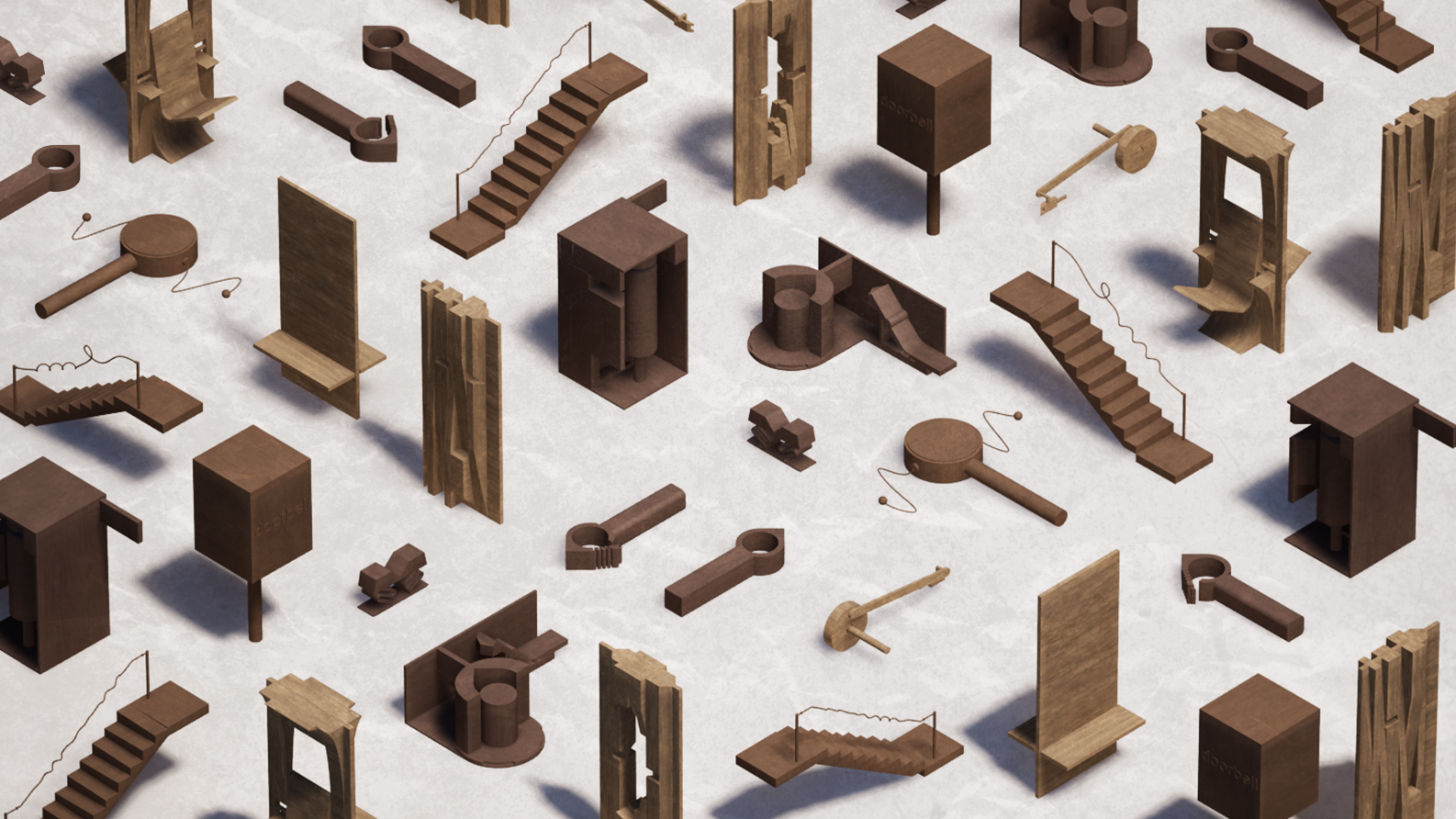
Desirable Side Effect
Summary: Architecture typically treats the physical exhaust of human activity as unwanted waste requiring mechanical extraction. This project flips that paradigm. Through a series of localized architectural inventions, pure form and ingrained material intelligence are deployed to passively intercept these unmanaged secondary outputs. The intuitive acts of everyday habitation become passive engines. Without superimposed technology, a side effect is no longer a flaw, but a catalyst. By re-framing ignored waste, this thesis proves that an unmanaged side effect can produce a tangible, net-positive result.
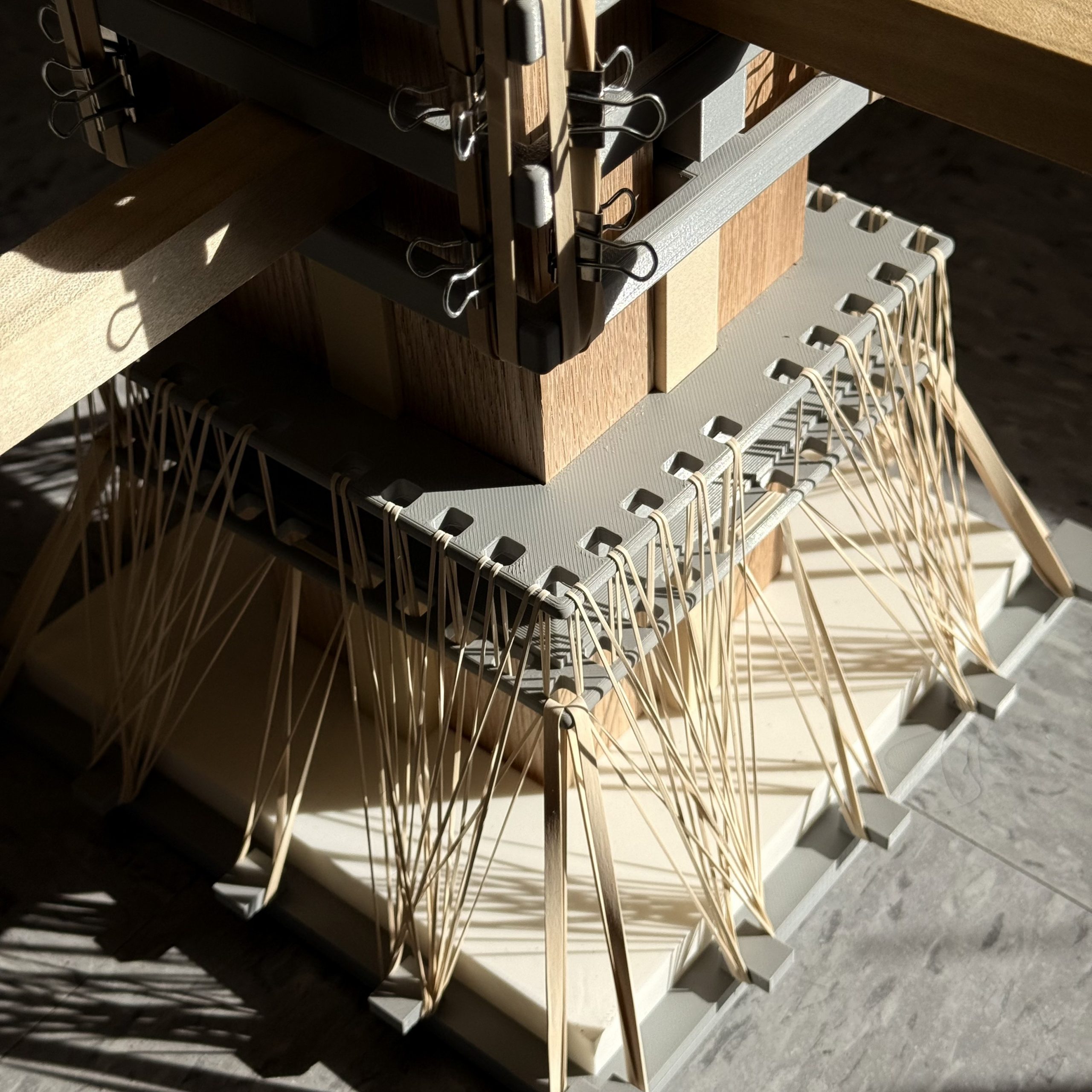
Scale of Imperfection
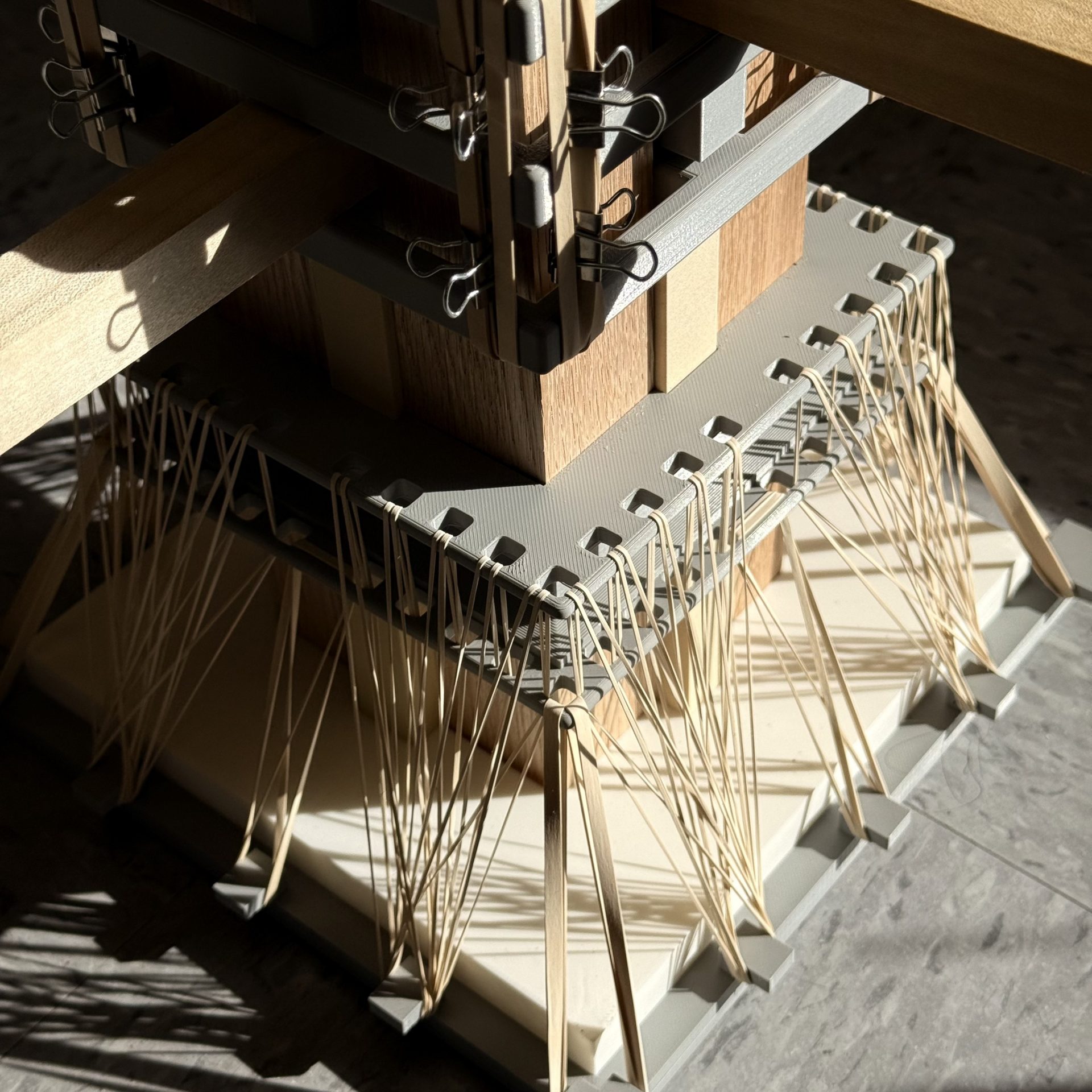
This thesis, Scale of Imperfection, explores wabi-sabi as a spatial and material process rather than a visual style. It investigates how architecture can be generated through acts of repair across different scales, from joints to building systems. Through material transitions, visible joints, and deliberate acts of patching and substitution, imperfection and aging become active design strategies. Rather than restoring an idealized past, the project proposes an architecture that remains open to change, where each intervention becomes part of the design, allowing new spatial and structural relationships to emerge over time.
Echoes from Another World
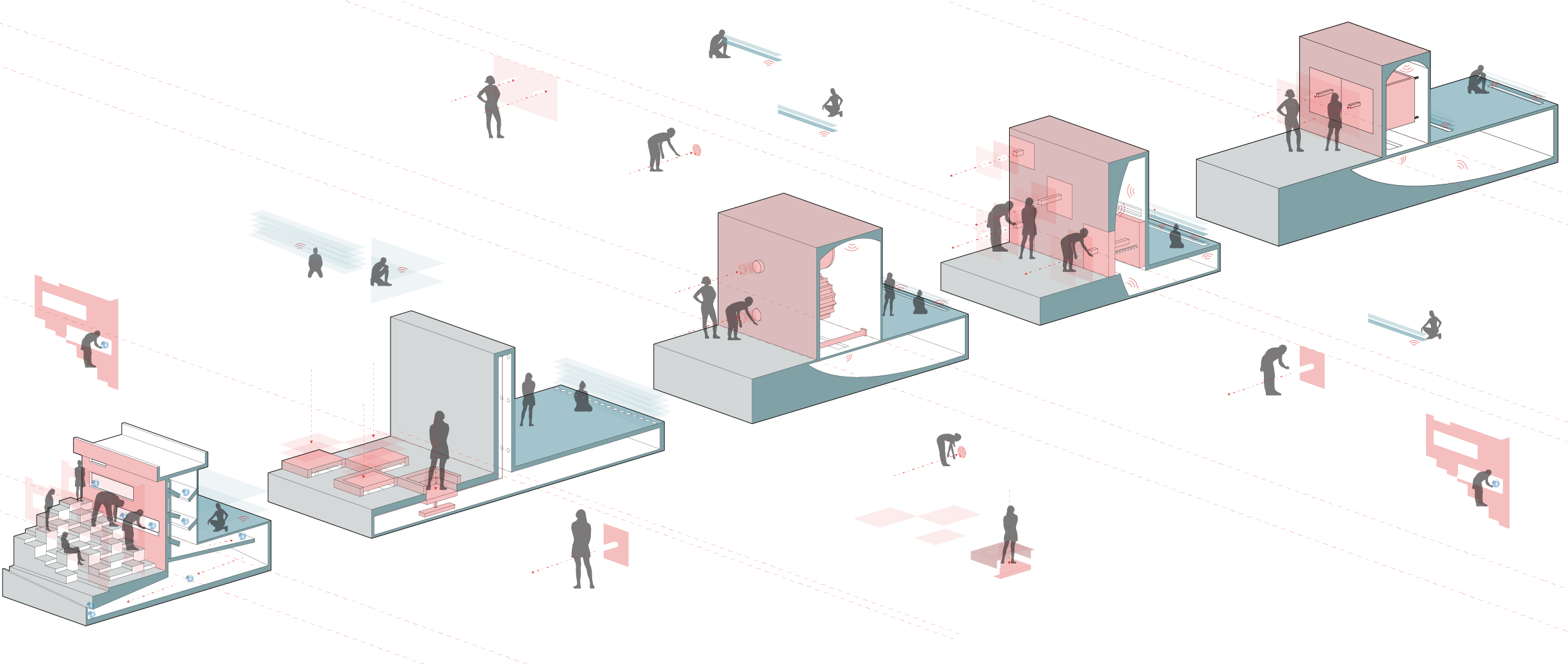
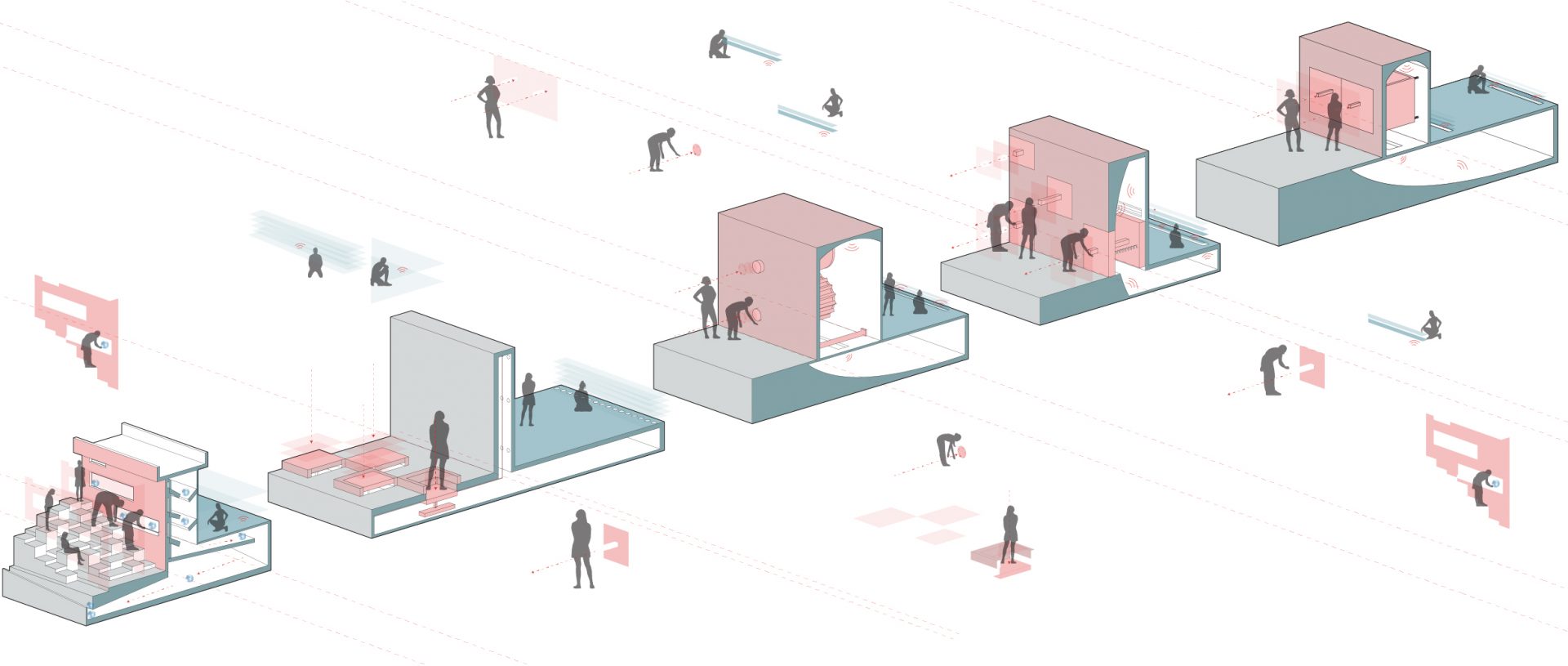
Rumbles Thuds and Hums: Bringing Theatricality to Change Public Spaces Too often in our everyday journey, we spend without truly experiencing the world around us, absorbed in thought, on screens, in the momentum of the day.
Theatre holds a unique power: it suspends reality, momentarily creating different worlds, through sound, light and atmosphere. My project brings theatre to the streets using sound. By using low-technology acoustic techniques from the 17th–19th century which are later adapted and integrated into architecture. Sound is inescapable and dramatic. My goal is to use sound to create auditory moments that pull strangers into shared experiences, fostering community, that our growingly isolated world needs.
(In)alienating
Architecture controls us, directing our movements and shaping interactions, often to the point of alienation. As a cornerstone of modern Americana, the American shopping mall exemplifies this. Historically, these controlled interior urban spaces have segregated society; an architecture of control that this project dissects. By stripping away commercial artifice to focus on spatial massing and behavioral circulation, the project subverts alienating typologies. It reimagines how spatial interventions can disrupt programmed isolation to foster genuine, cross-generational civic reconciliation.