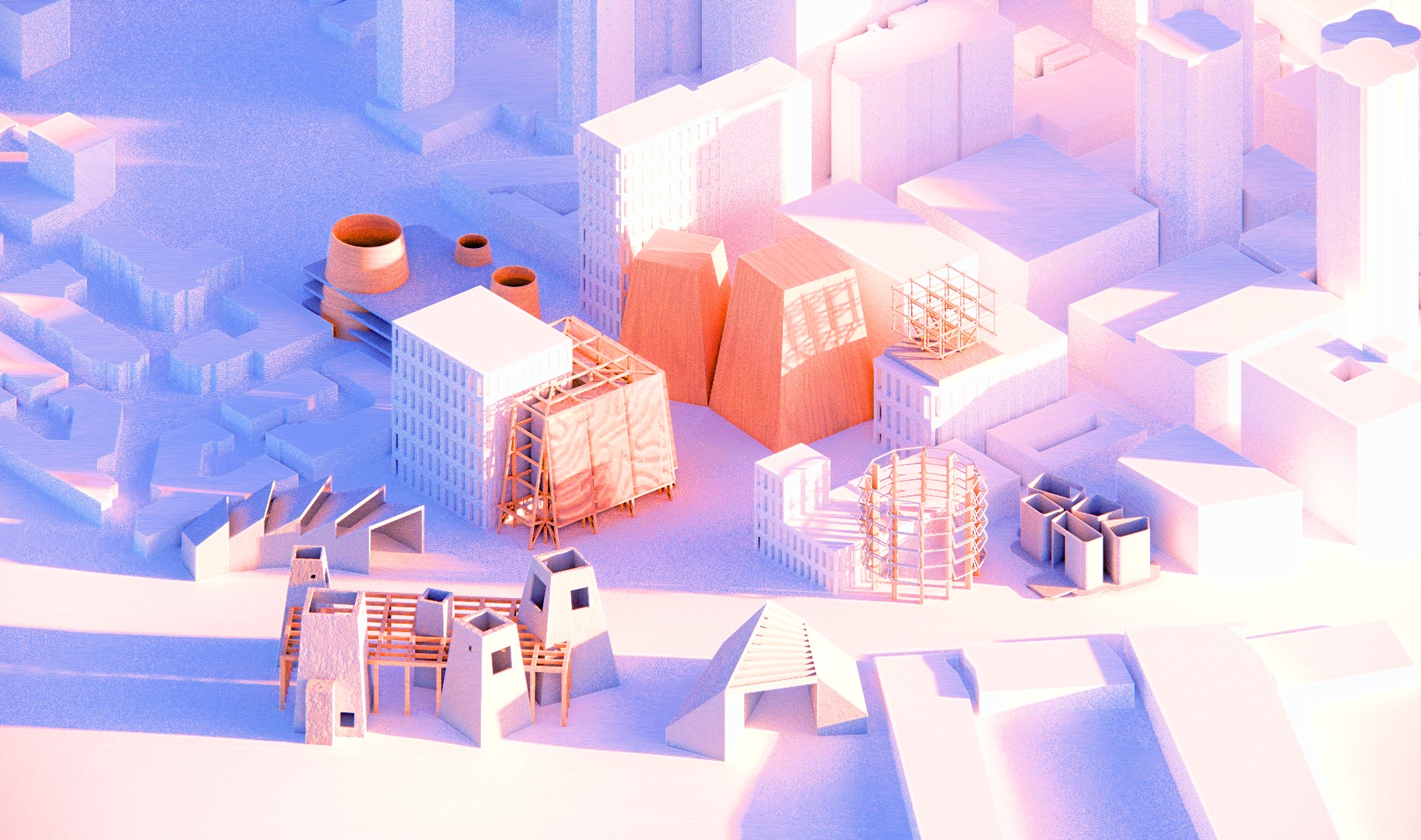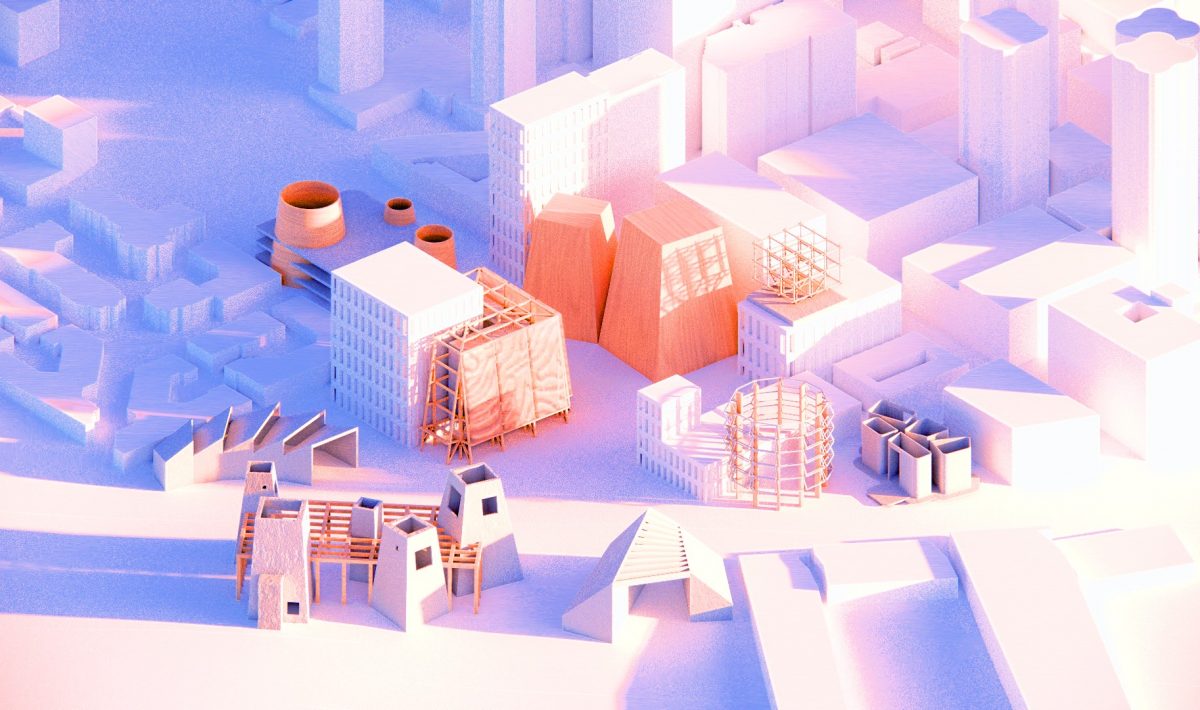
Natural order is characterized by infinite complexity, omnipresent interconnectedness, and immeasurable softness, qualities that often resist direct translation into the built environment. This thesis will investigate how the adoption of living systems into architecture, particularly across diverse scales of public life, could create more symbiotic, adaptive, and sustainable communities, ultimately imagining a built environment that coexists with, and evolves alongside, organic life. This thesis emerges from a deep engagement with the living systems that sustain a place, from cellular to biospheric, and repositions architecture as something synthesized with the natural world, rather than a solely abiotic construct. In this framework, architecture is not an isolated object but an ecosystem, softly and inextricably woven within its many ecological contexts.