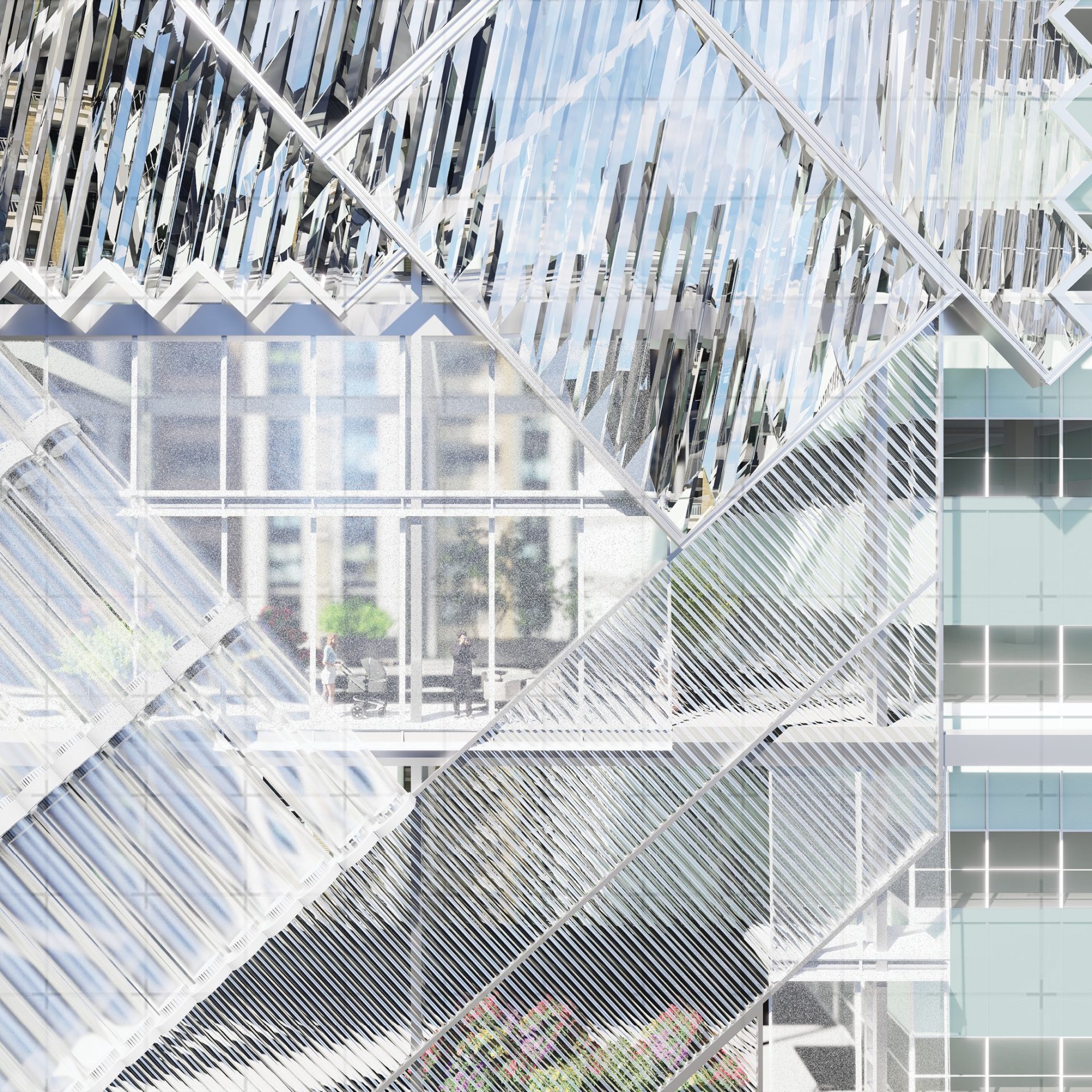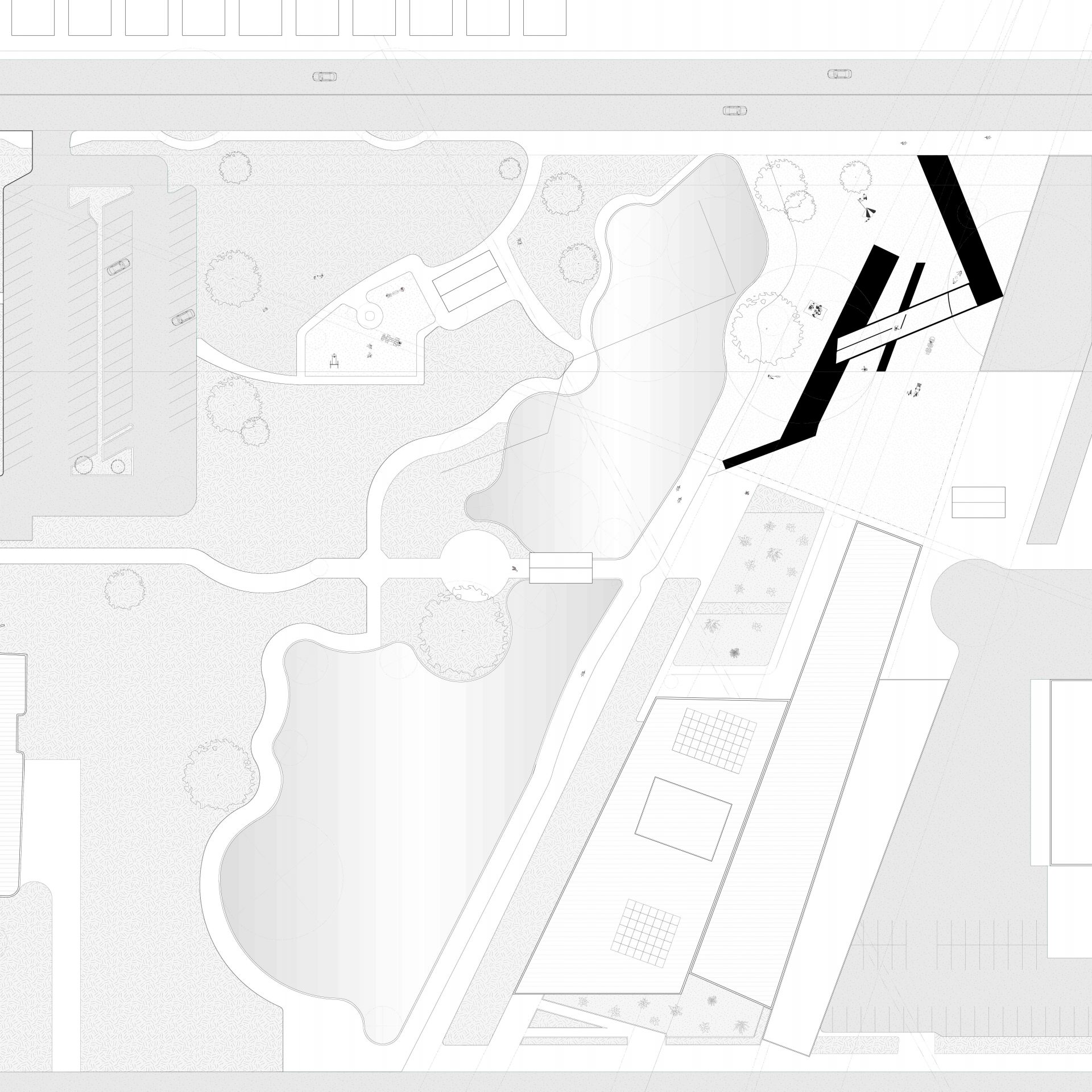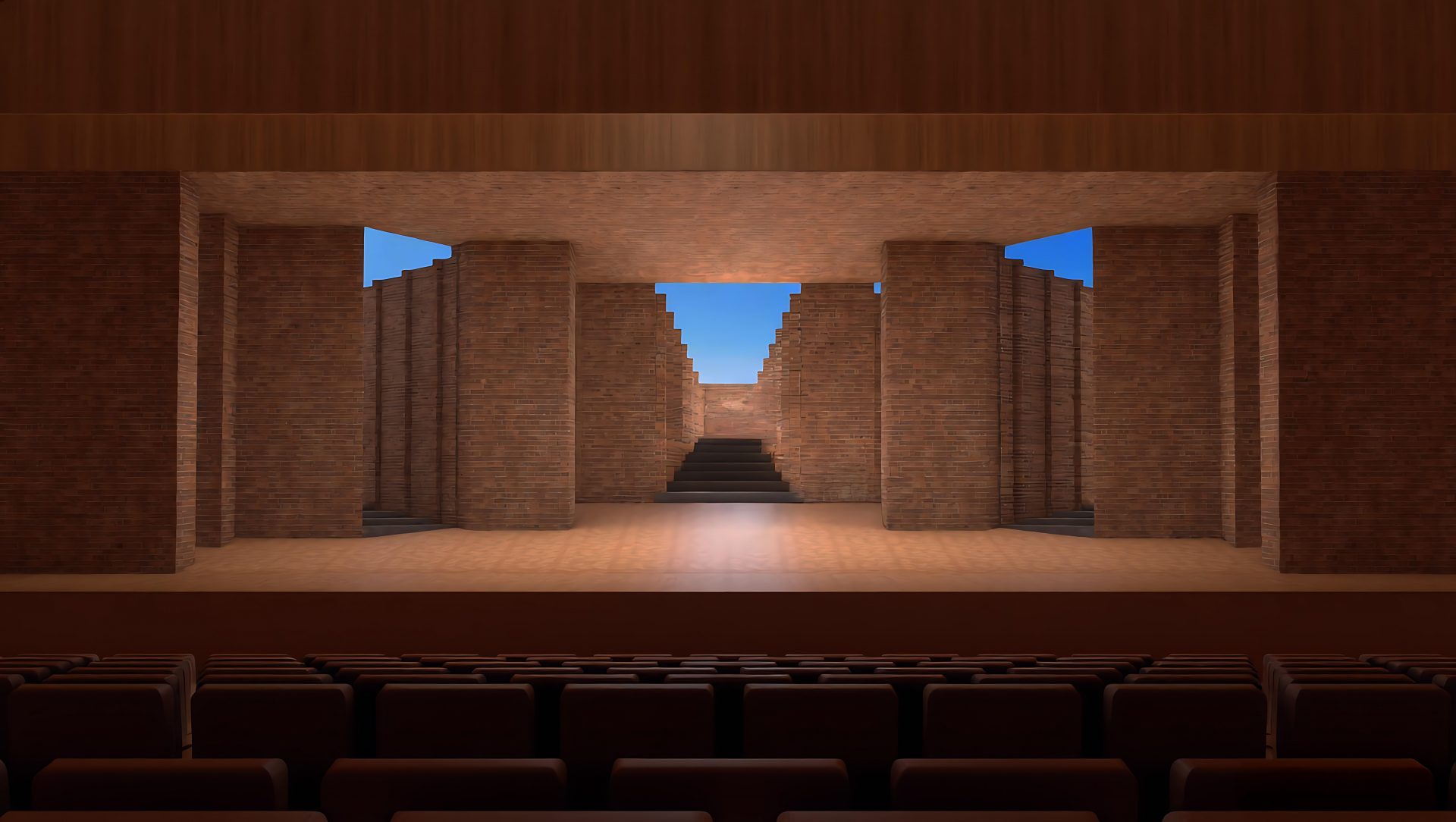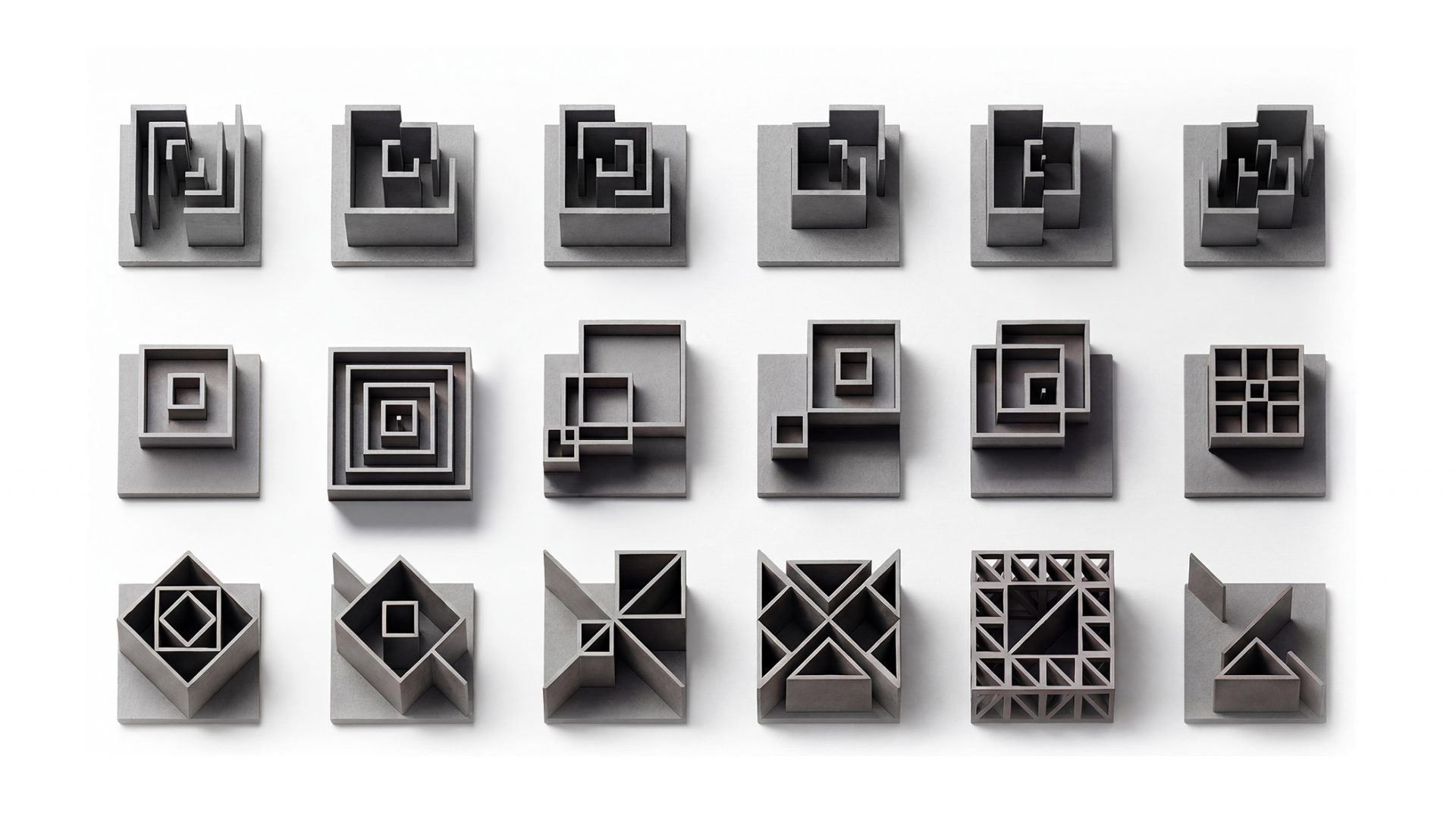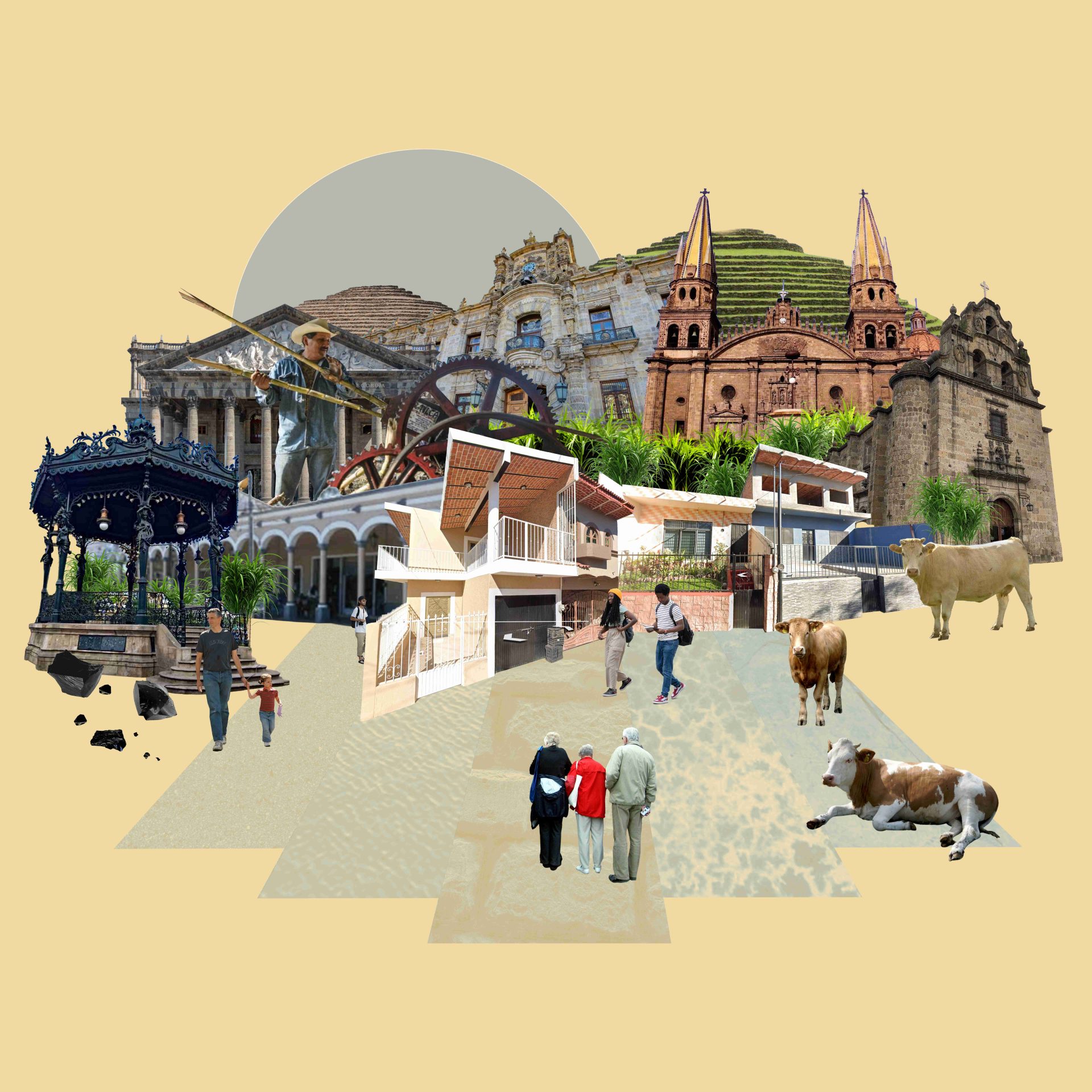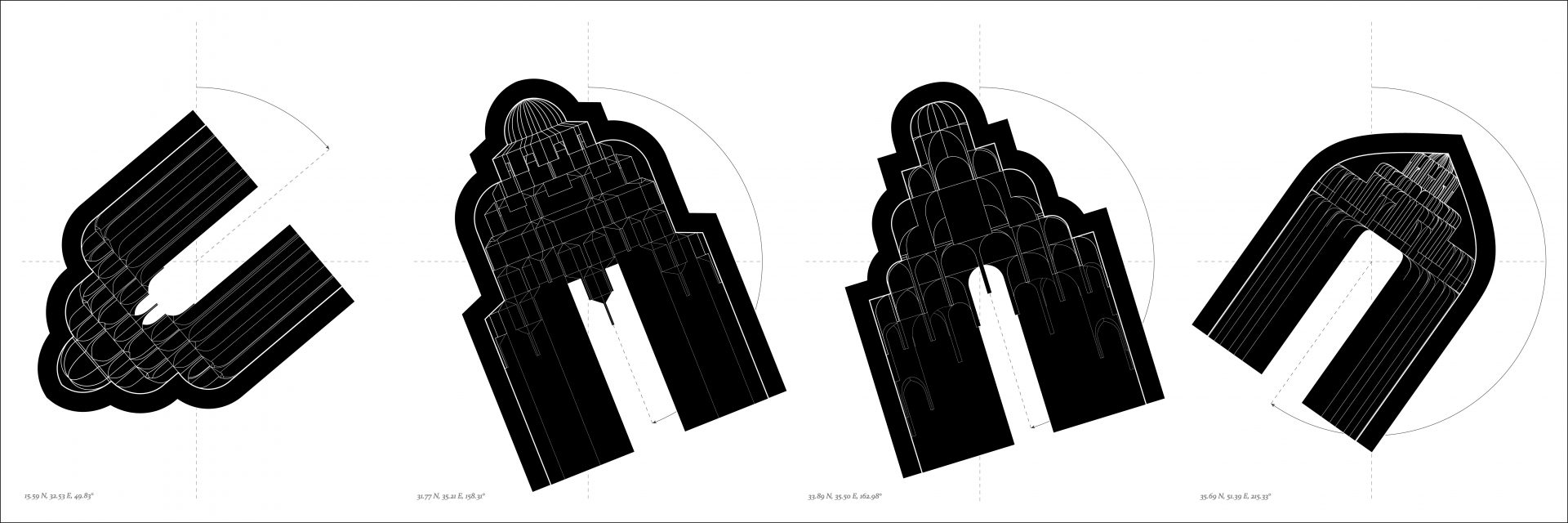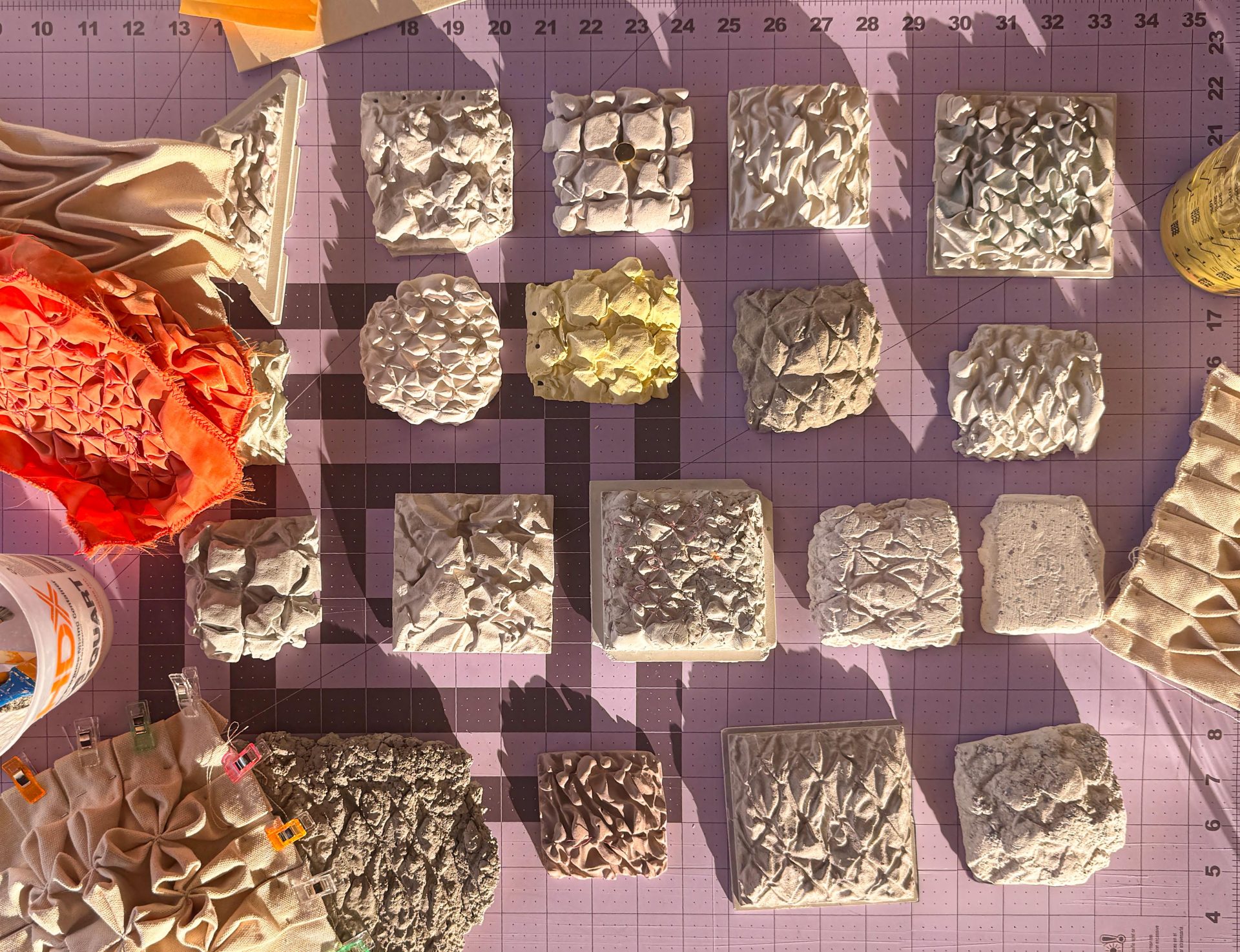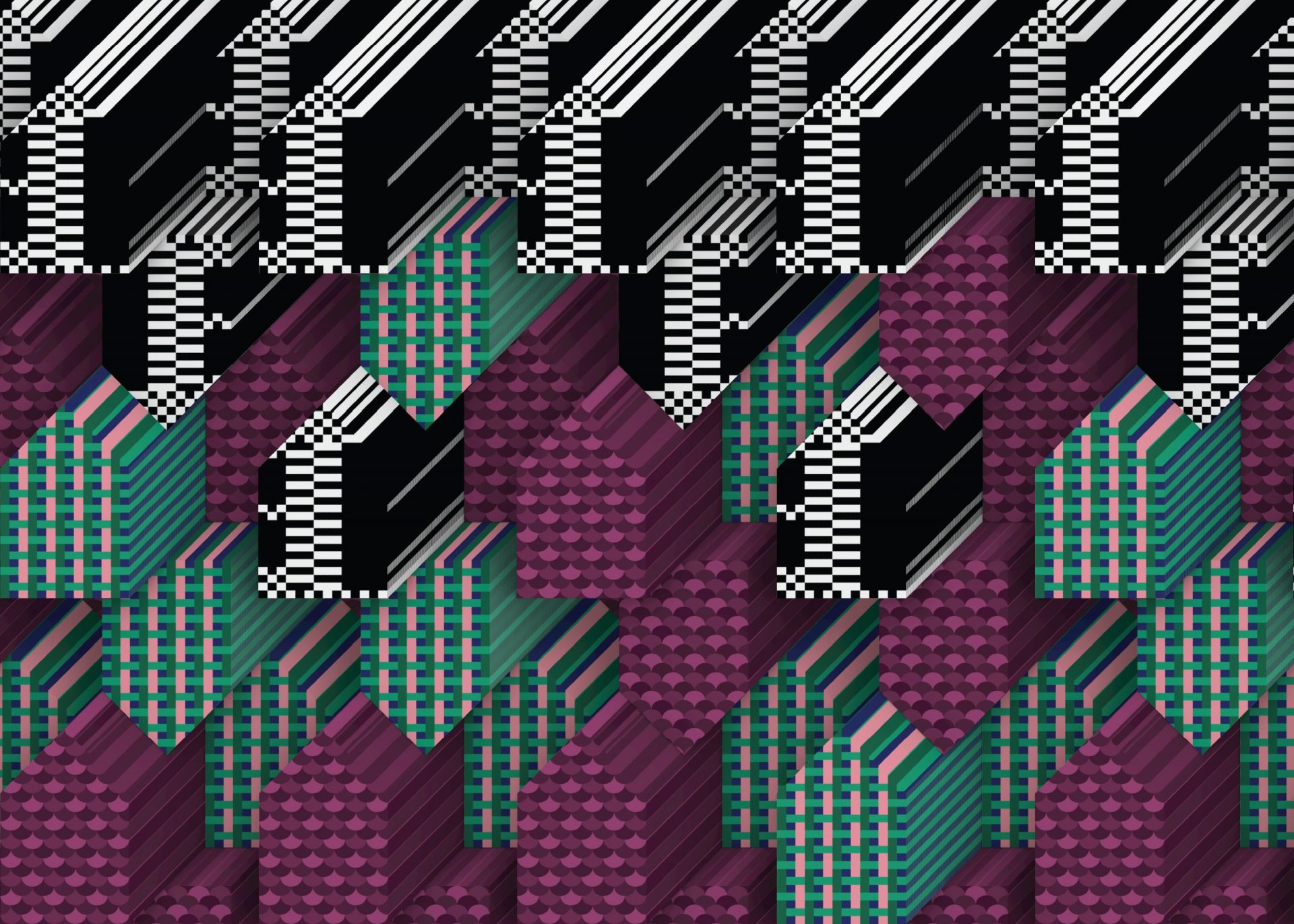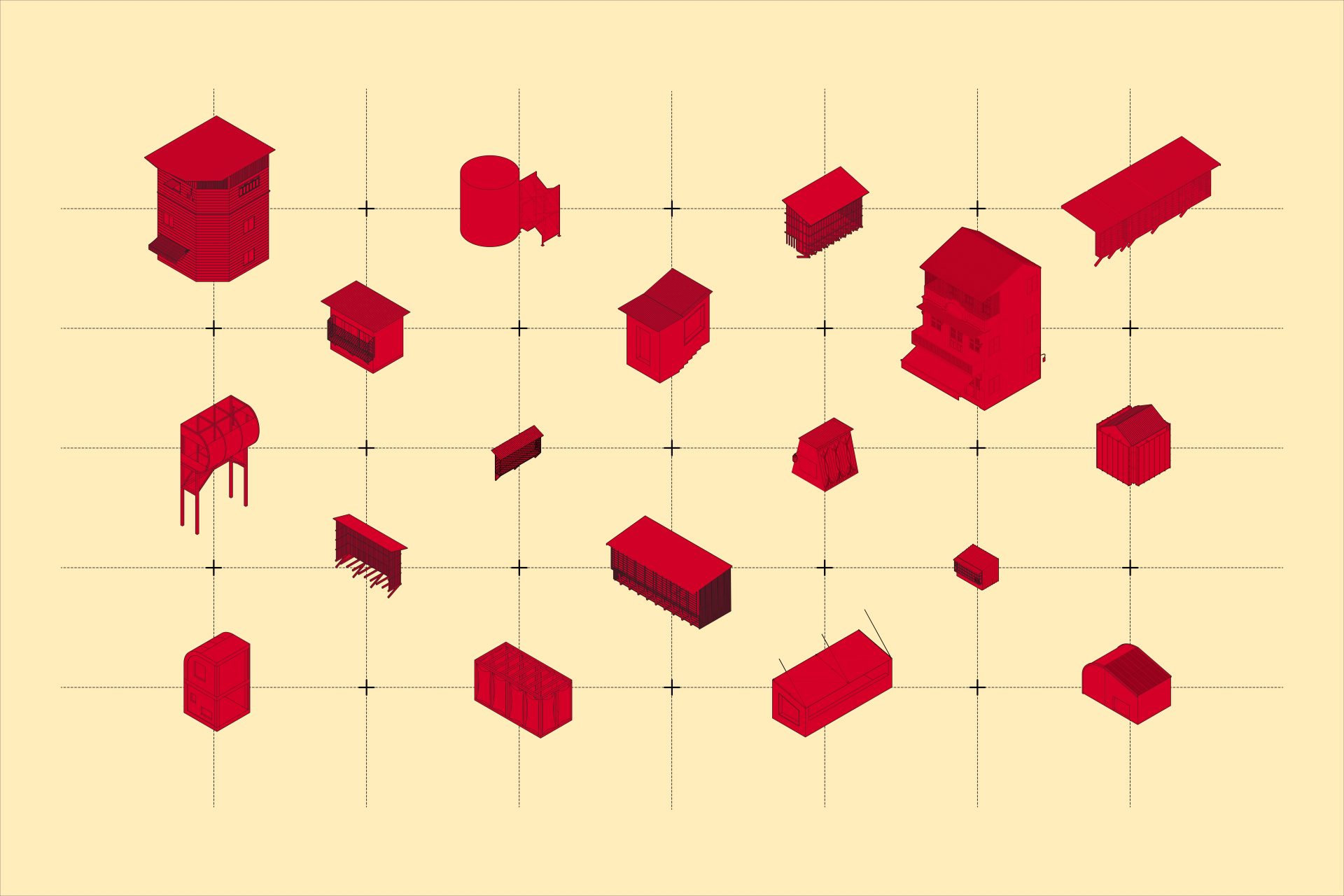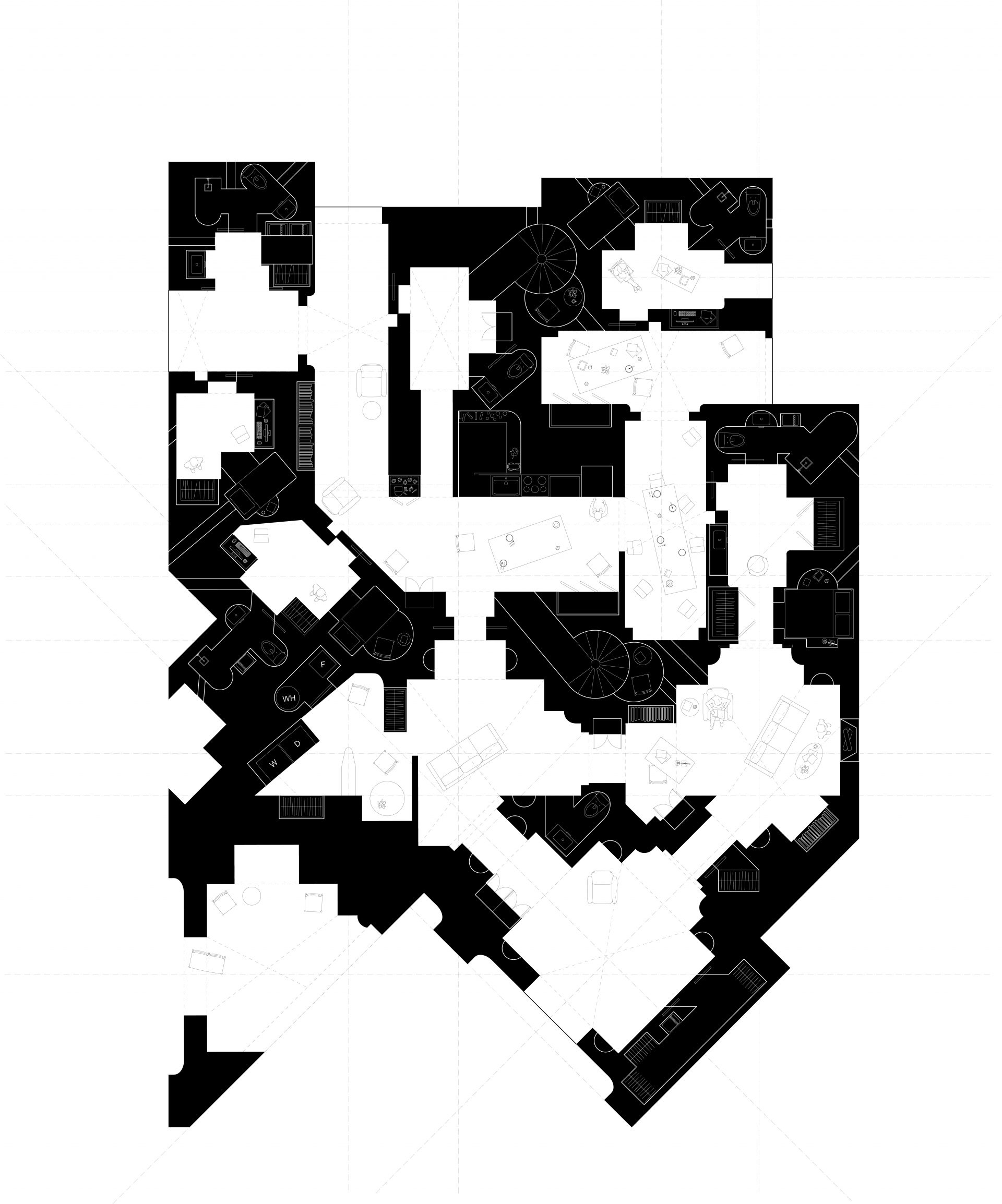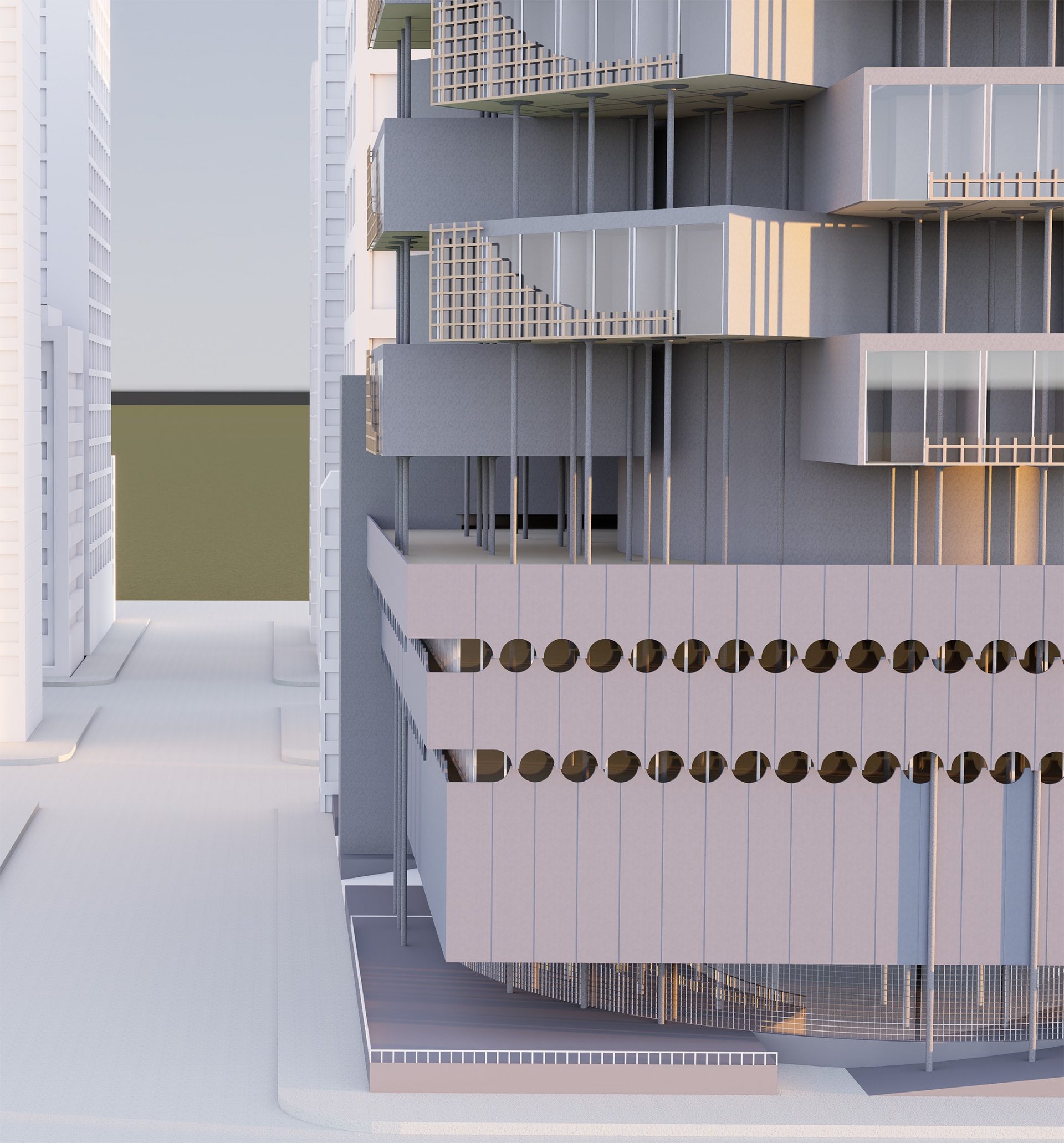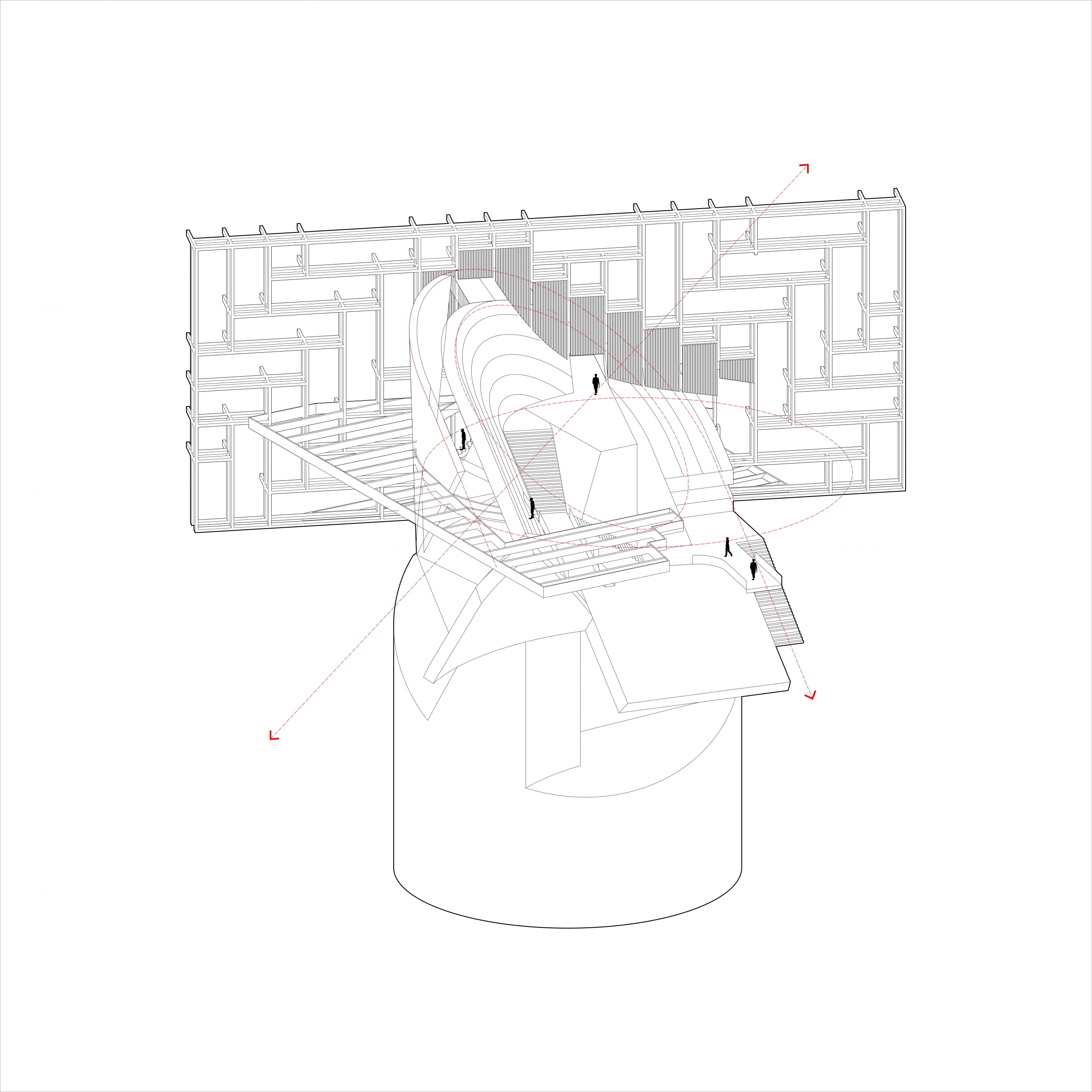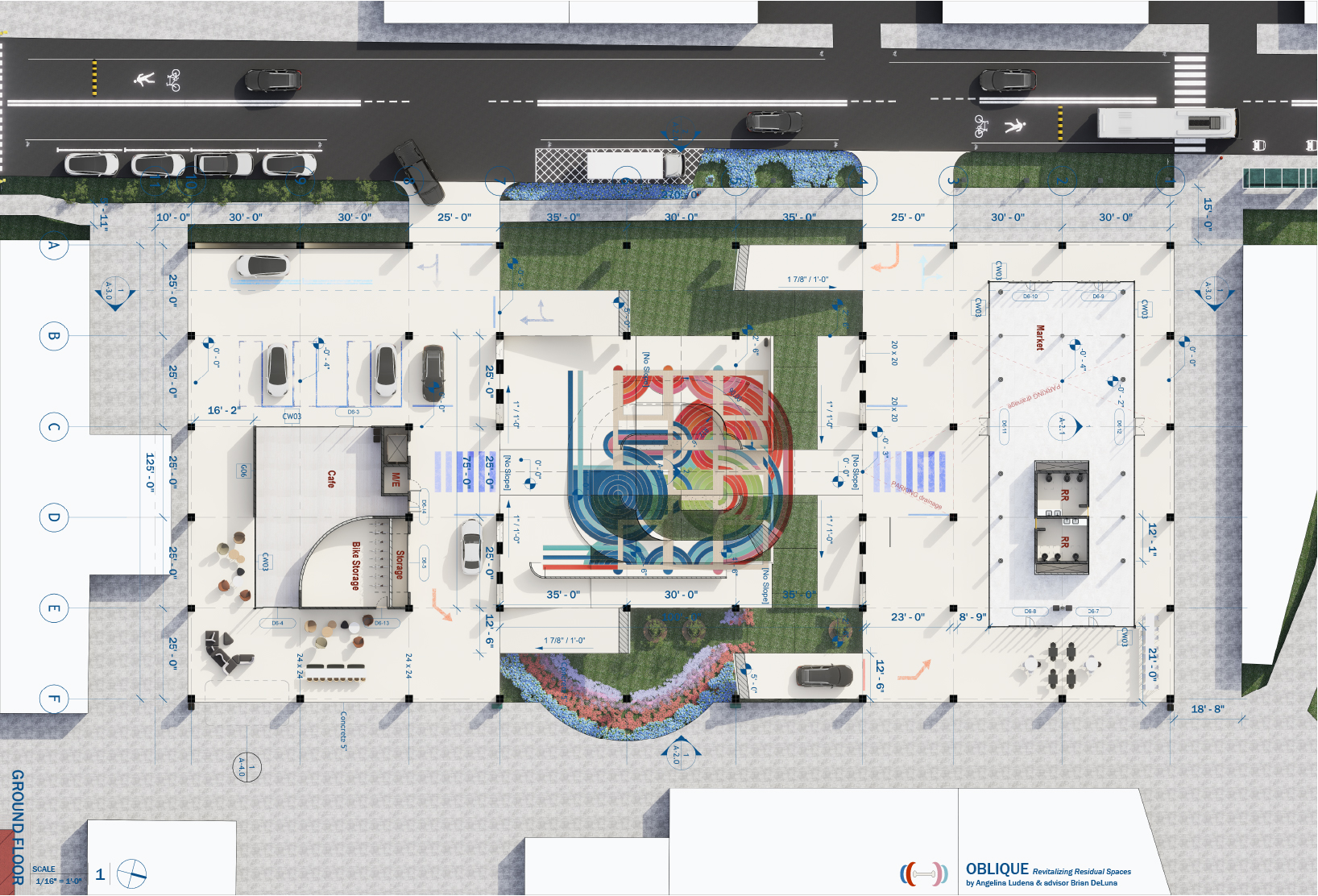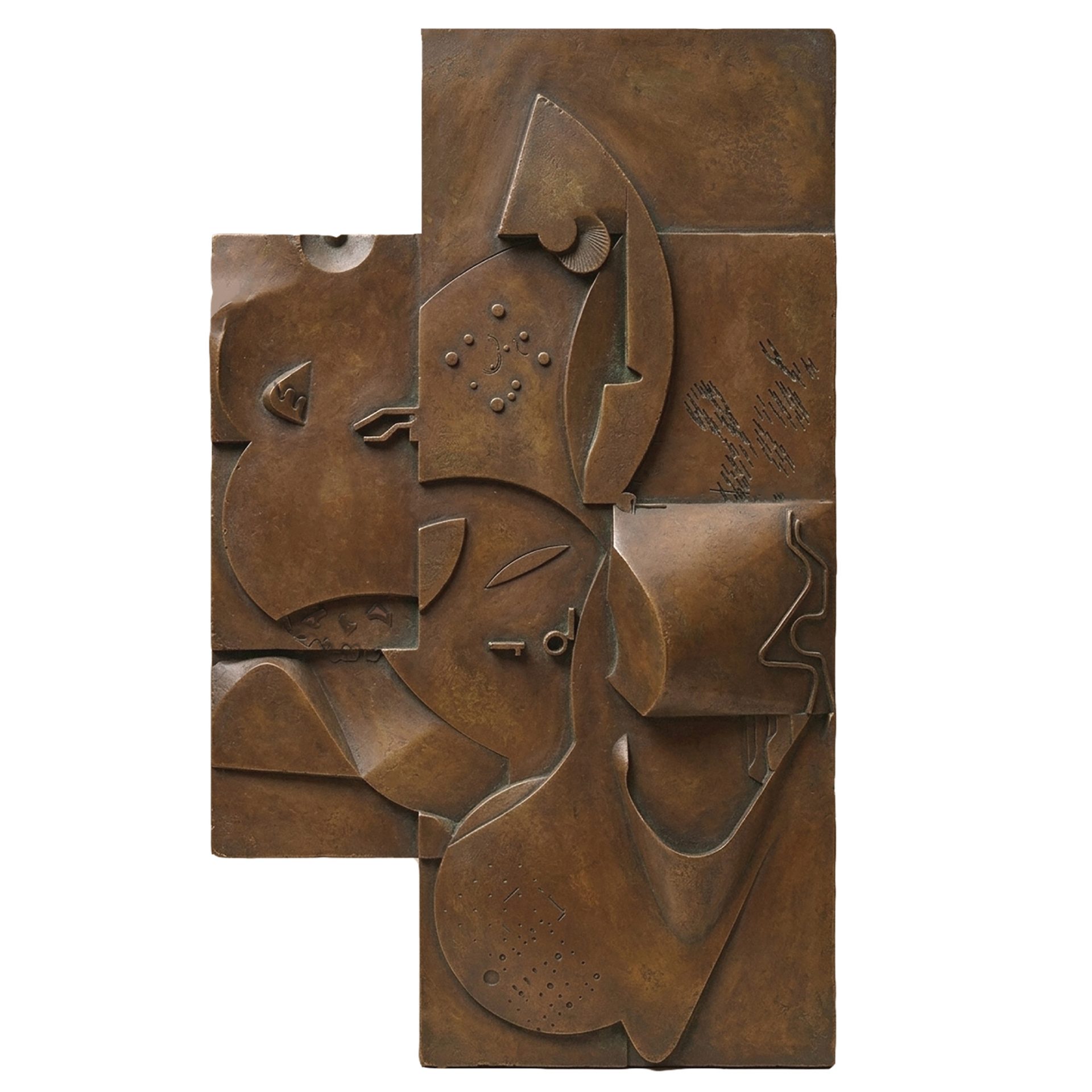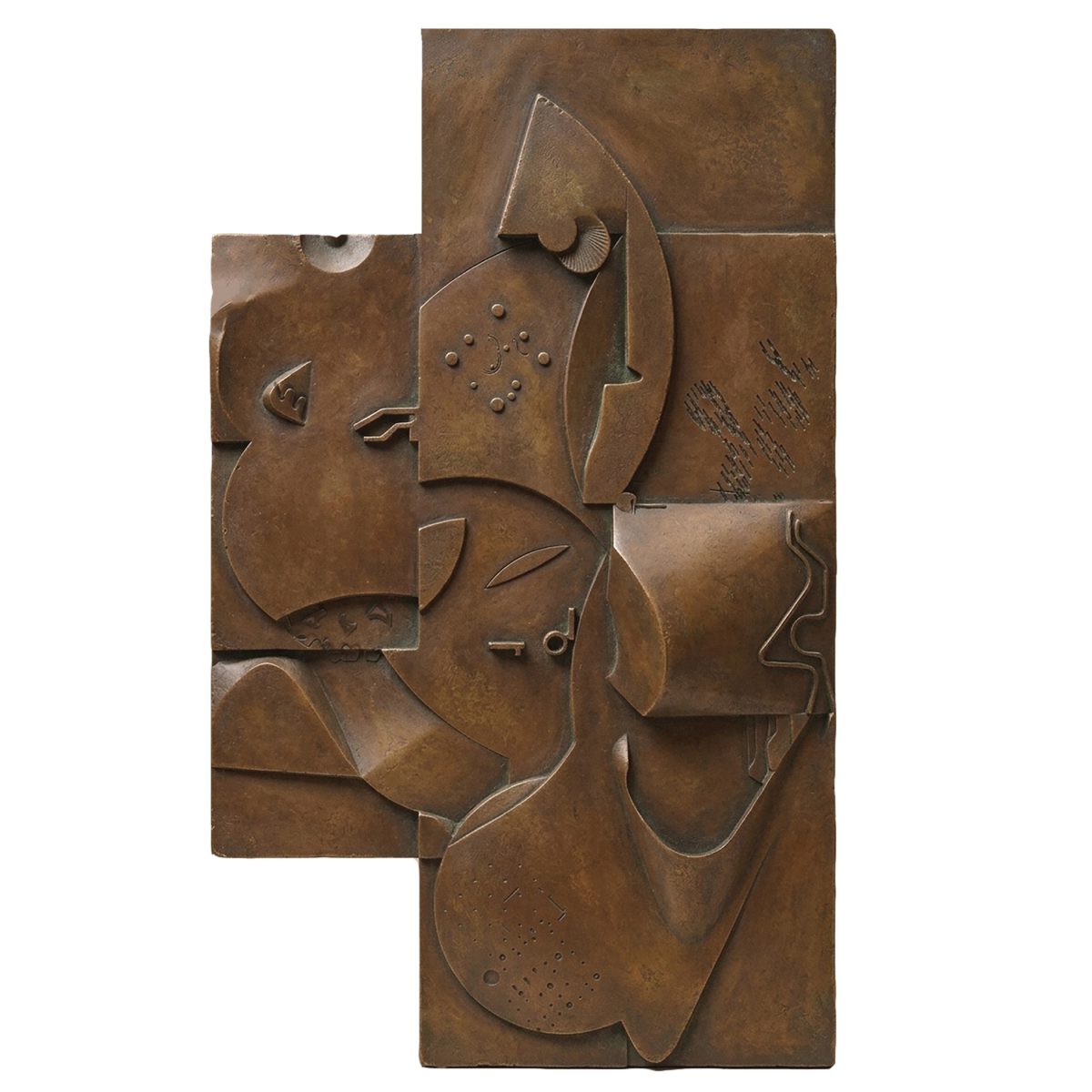
Architecture lives through translation. Forms shift as they move from building to drawing, drawing to model, and memory to reimagination. In that passage, details are lost and new possibilities appear. Architecture is never fixed, but continually reshaped through representation. Perspective, orthographic, and axonometric projection do not simply document form; they shape how it is conceived and transformed across media.
This course examines translation, scale, representation, and thresholds as central design problems. Students will investigate how architecture changes through drawings, readings, models, and design exercises, focusing on the instability produced by shifts in medium and scale. Scale is understood not simply as size, but as a relational system linking object, room, building, city, and territory. As work moves across these magnitudes, meaning and form are displaced and reconstituted.
A major focus of the semester is the study of thresholds, passages, and everyday architectural devices that organize movement, privacy, and social exchange. Drawing on Robin Evans’s writing, the course considers how architecture structures relationships through doors, corridors, and transitional spaces that may seem mundane yet carry cultural and spatial significance. Students will use these investigations to question inherited conventions and rethink familiar typologies. Rather than reproducing architectural norms, the course uses translation, misreading, and reinvention as design methods for generating new formal, spatial, and civic possibilities within the broader theme of public common space.