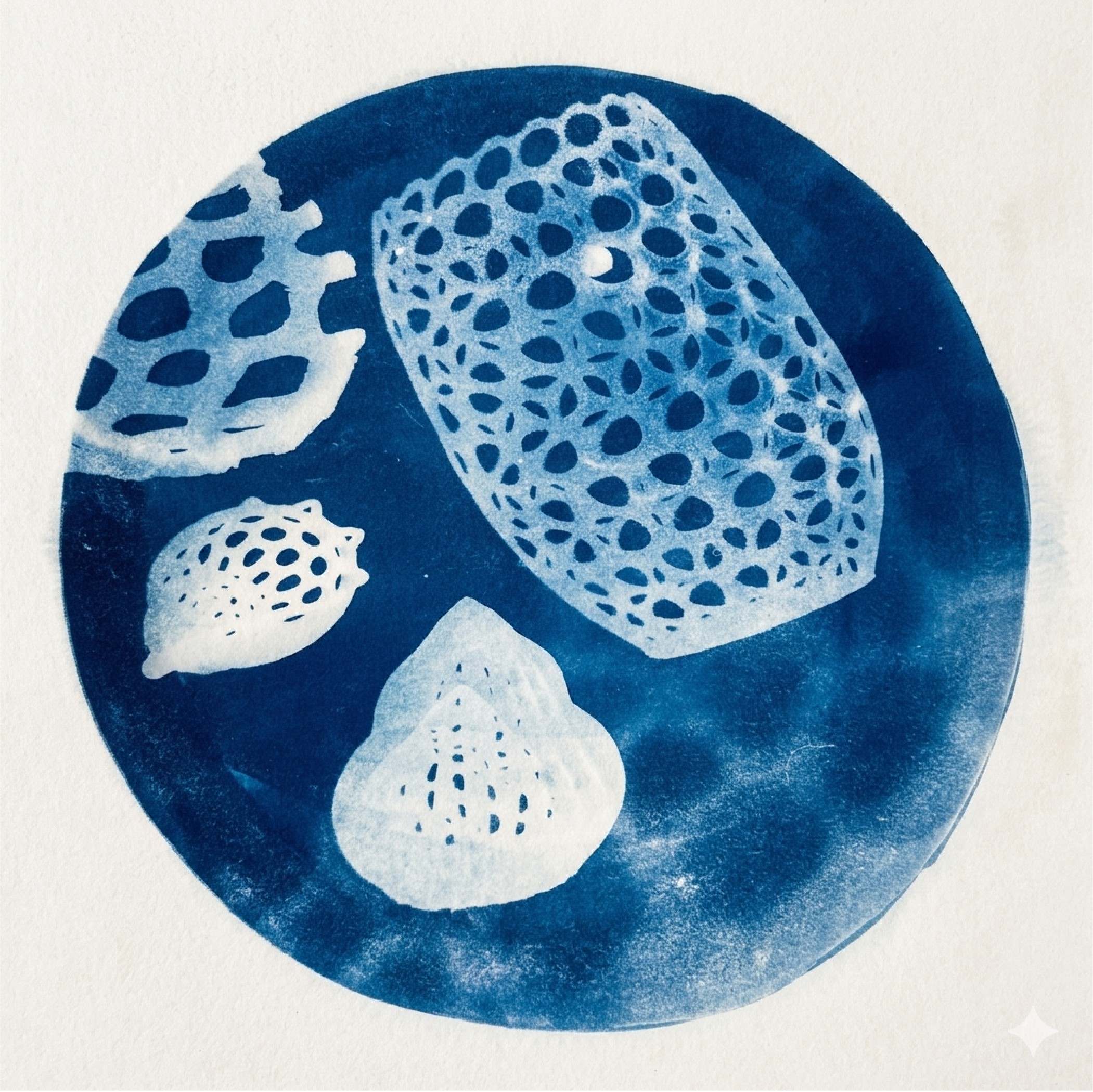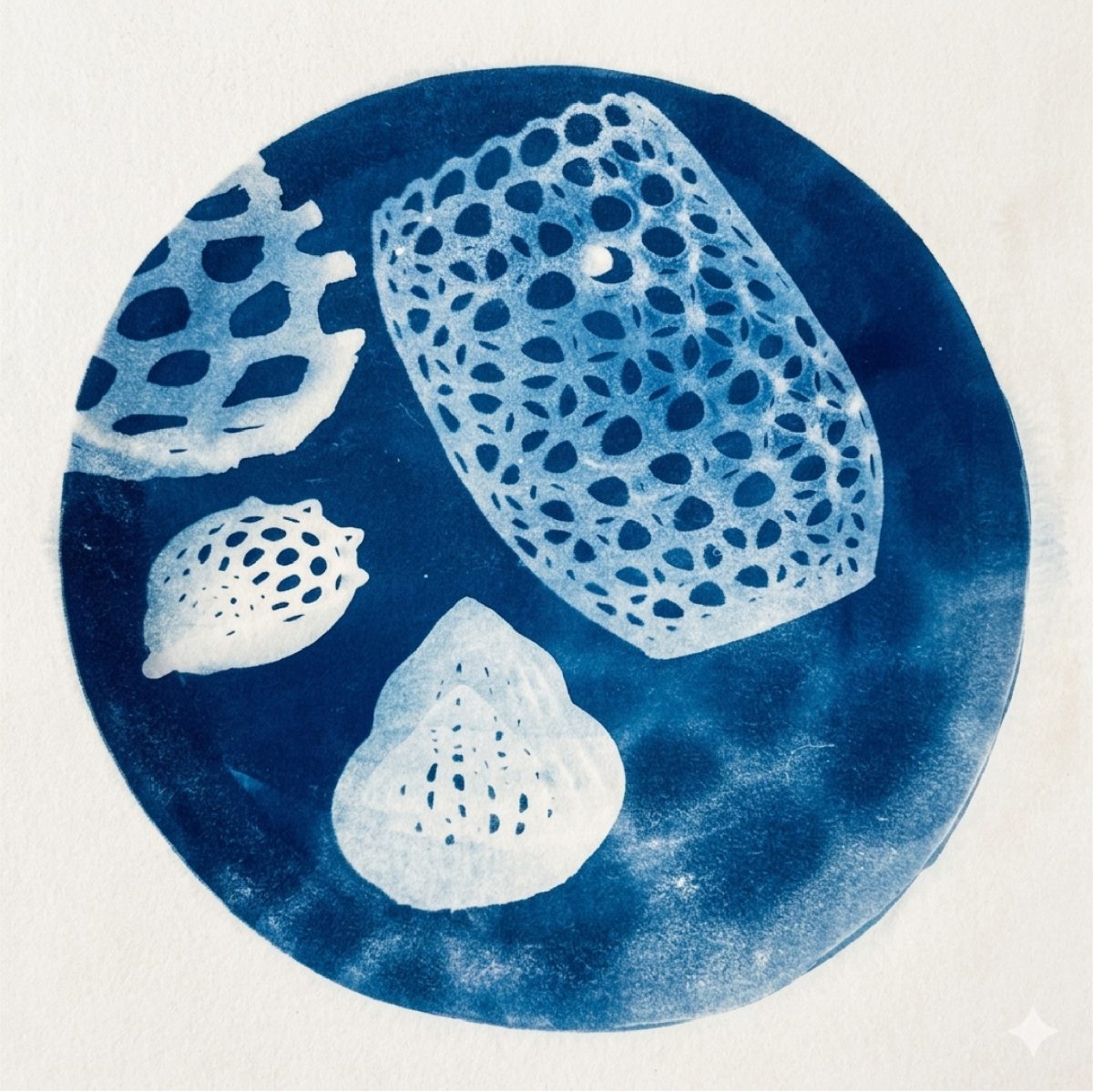
R E T H I N K I N G T H E A R C H I T E T C U R A L V O I D T H R O U G H F I L T R A T I O N Emerging from the study of radiolaria, microscopic organisms whose porous shells filter and sustain life, this thesis reimagines architecture as a system of exchange rather than enclosure. Their intricate geometries blur the boundary between void and solid, producing gradients of light, matter, and atmosphere.
Through a series of material experiments with light and porosity, filtration is understood as both a spatial and atmospheric condition. Situated within the Venice canal network, five porous pavilions operate as a distributed system of membranes, using solar exposure to activate processes that filter and transform polluted water. These structures position porosity as a living interface between environment, infrastructure, and experience.
By: Paulina Castro