Categories
ARCH 502: Natural Intelligence 2026

Instructor: Evelyn Tickle

Natural Intelligence 2026

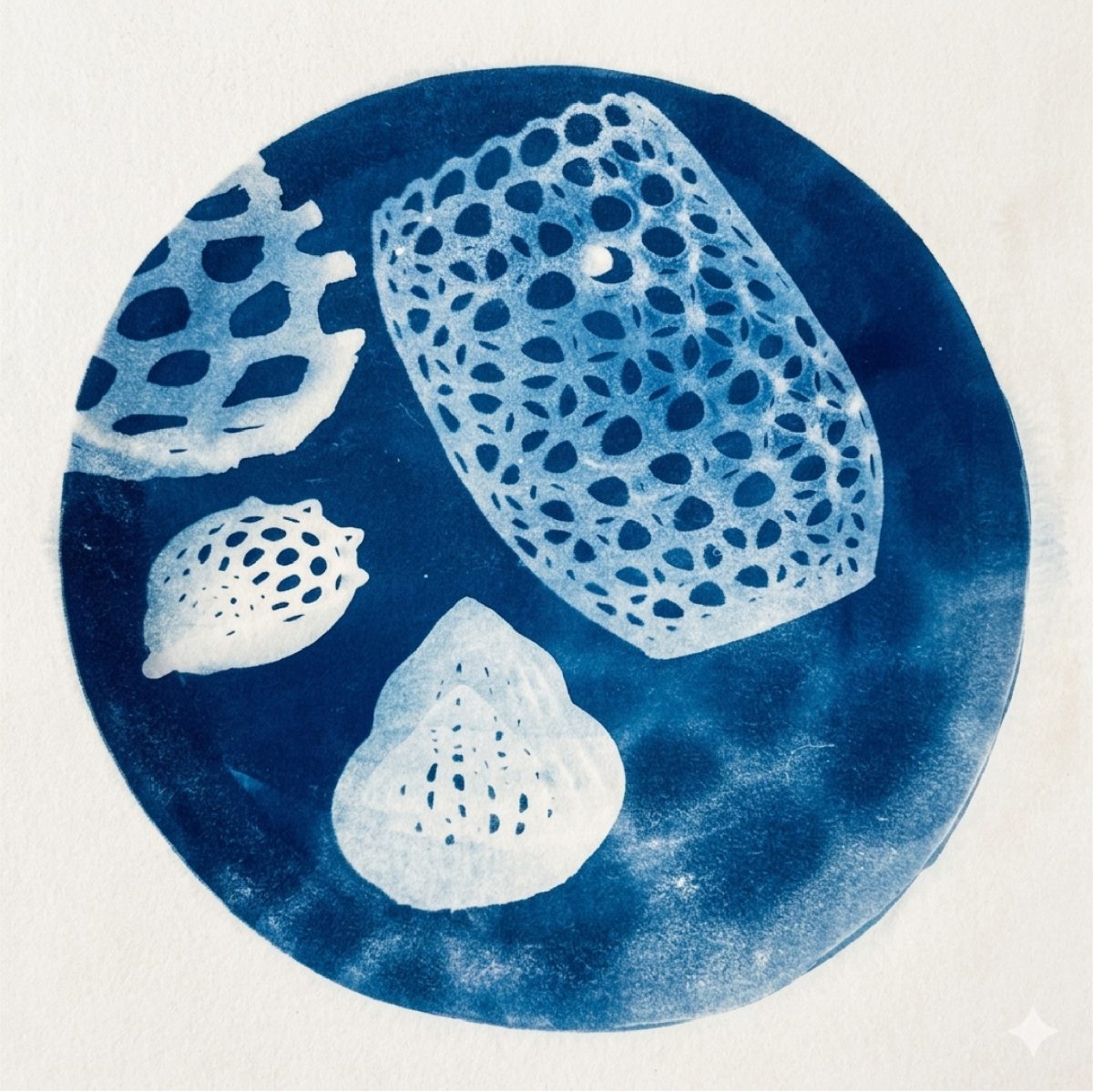
New modalities of design informed by artificial intelligence are being mobilized rapidly. The acceleration in the development and adoption of AI-based applications presents both an extraordinary opportunity and a cause for concern, carrying serious consequences including significant environmental distress as the energy demands of computation, the impact of data processing and storage on water resources, […]
Categories
ARCH 502: Natural Intelligence 2026

Instructor: Evelyn Tickle

Place + Principle: Designing BlackSpace

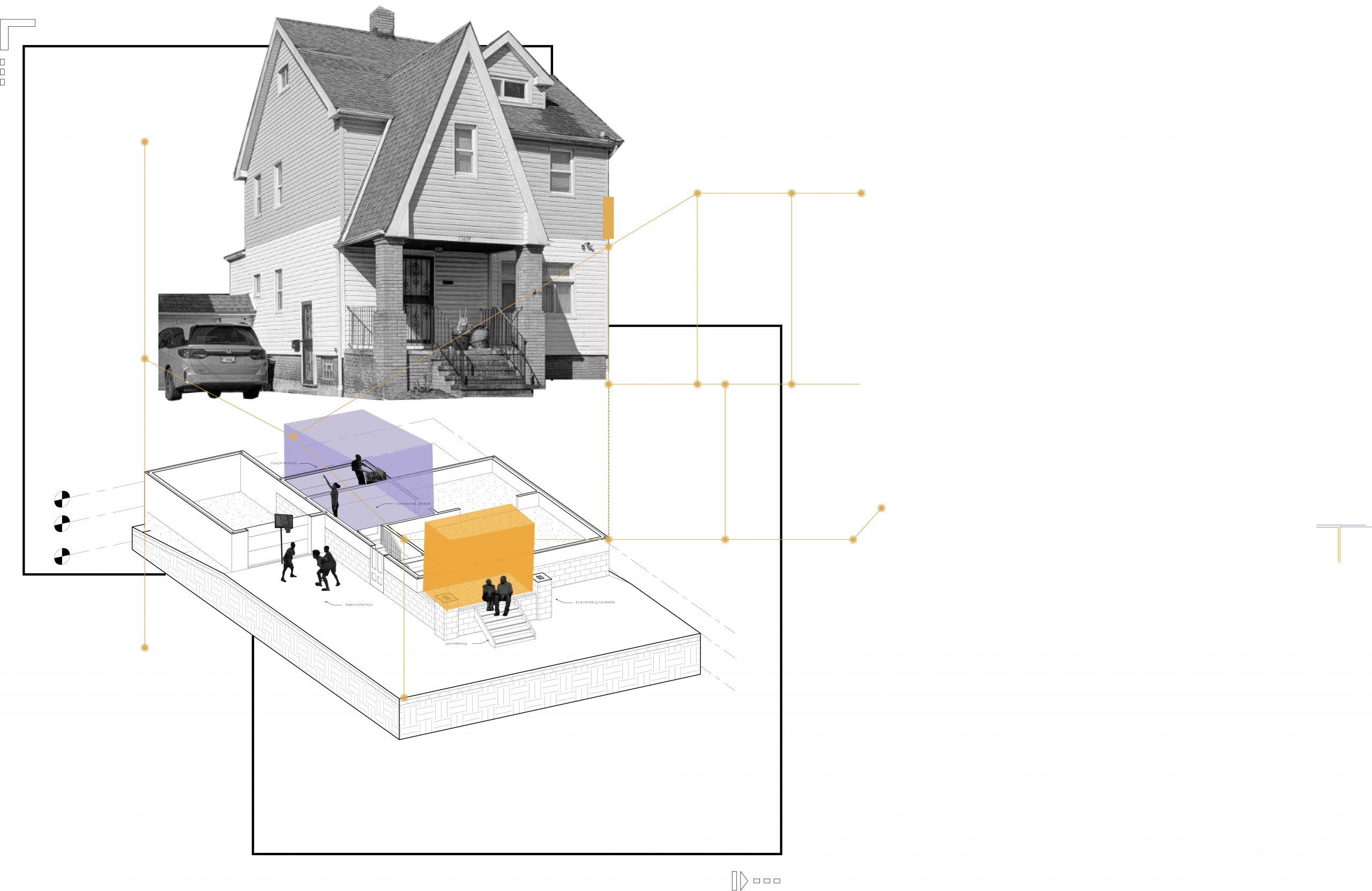
This project aims to develop a design language for building in Black neighborhoods through form, program, and aesthetics. It begins with the idea of the Black home as a hub of empowerment within the community and as a window into the values and priorities that shape everyday life. Through interviews and spatial studies conducted in […]

Categories
ARCH 502: Natural Intelligence 2026

Instructor: Evelyn Tickle

Swarm Form

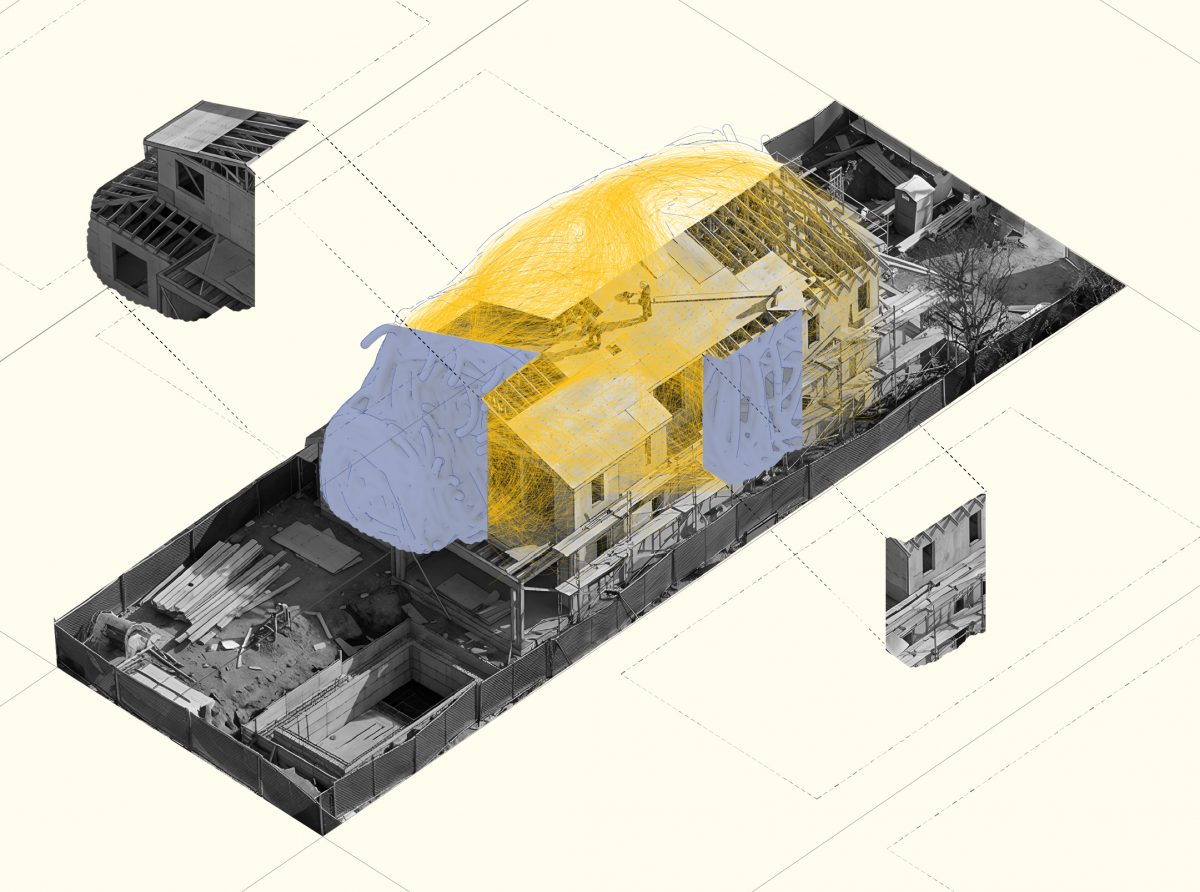
A Decentralized Design Approach to Extreme Weather Conditions Drawing on the organizational logic of biological swarms, this thesis proposes a new housing typology for Pacific Palisades that adapts to the site's wildfire risk, wind conditions, and topographic instability. This project investigates how housing as an interdependent system, can redistribute risk, protect, and evolve in response […]

Categories
ARCH 502: Natural Intelligence 2026

Instructor: Evelyn Tickle

Rachel Wiggins

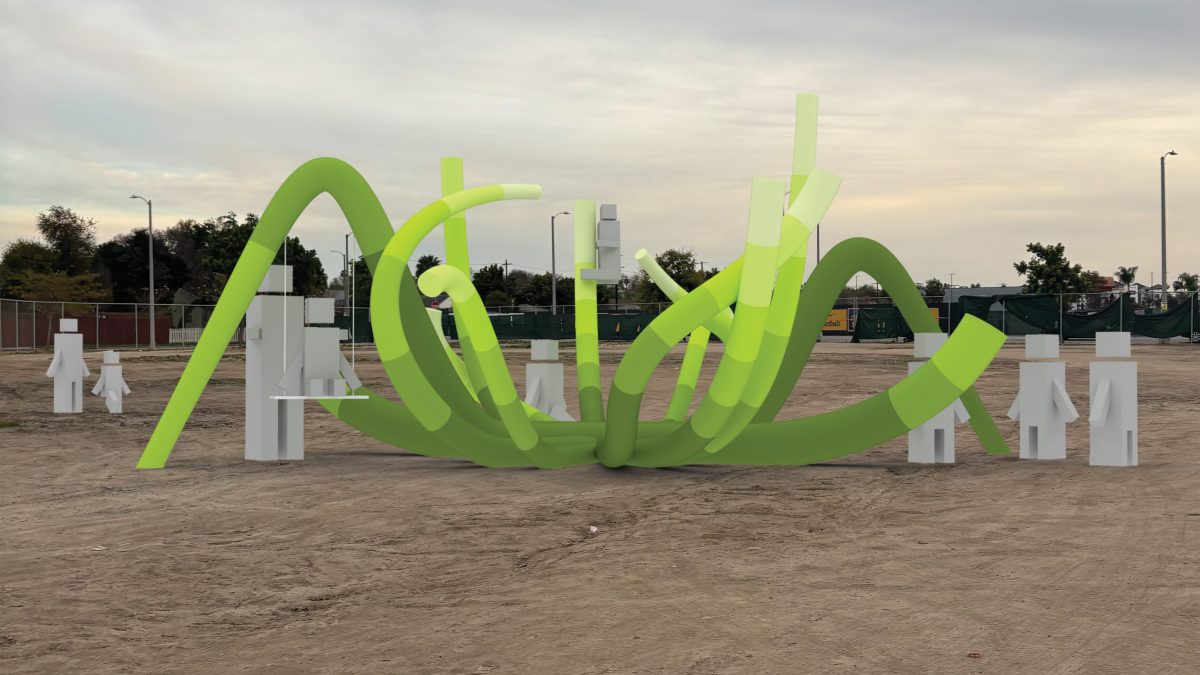
Play is not just an amenity, but a mechanism for spatial equity, capable of connecting communities with nature. Historically, communities of color across Los Angeles have been destroyed, disrupted, and displaced, resulting in a lack of essential play spaces that boost public health and wellness. Embracing RADICAL PLAY as a flexible and community-designed system, my […]

Categories
ARCH 502: Natural Intelligence 2026

Instructor: Evelyn Tickle

From Scar to Scaffold

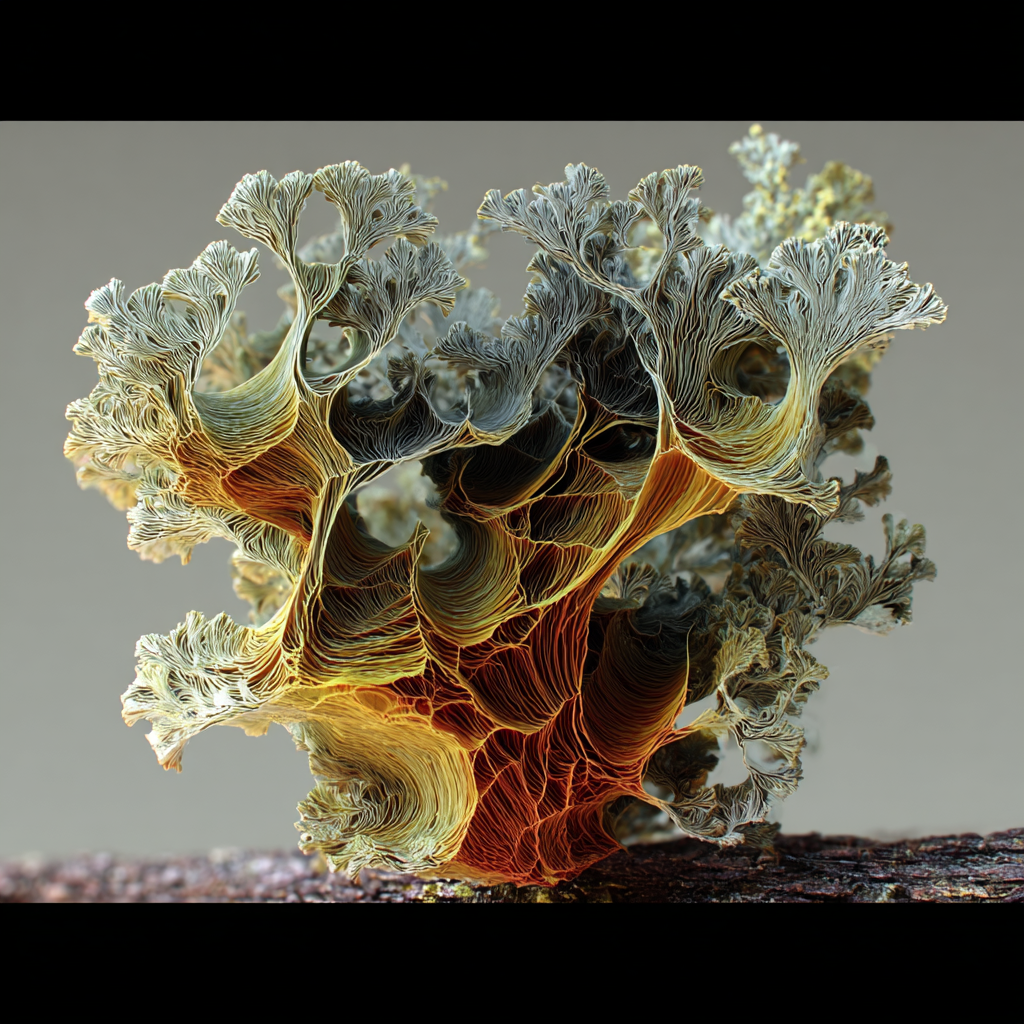
This project transforms a site of extraction into one of regrowth by drawing on the symbiotic intelligence of lichens.Using lichen as both metaphor and model, the project proposes architectural systems that scaffold ecological and relational restoration. The design positions architecture as a collaborator in environmental recovery, proposing strategies that shift extraction sites toward long‑term reciprocity […]

Categories
ARCH 502: Natural Intelligence 2026

Instructor: Evelyn Tickle

City at the Table

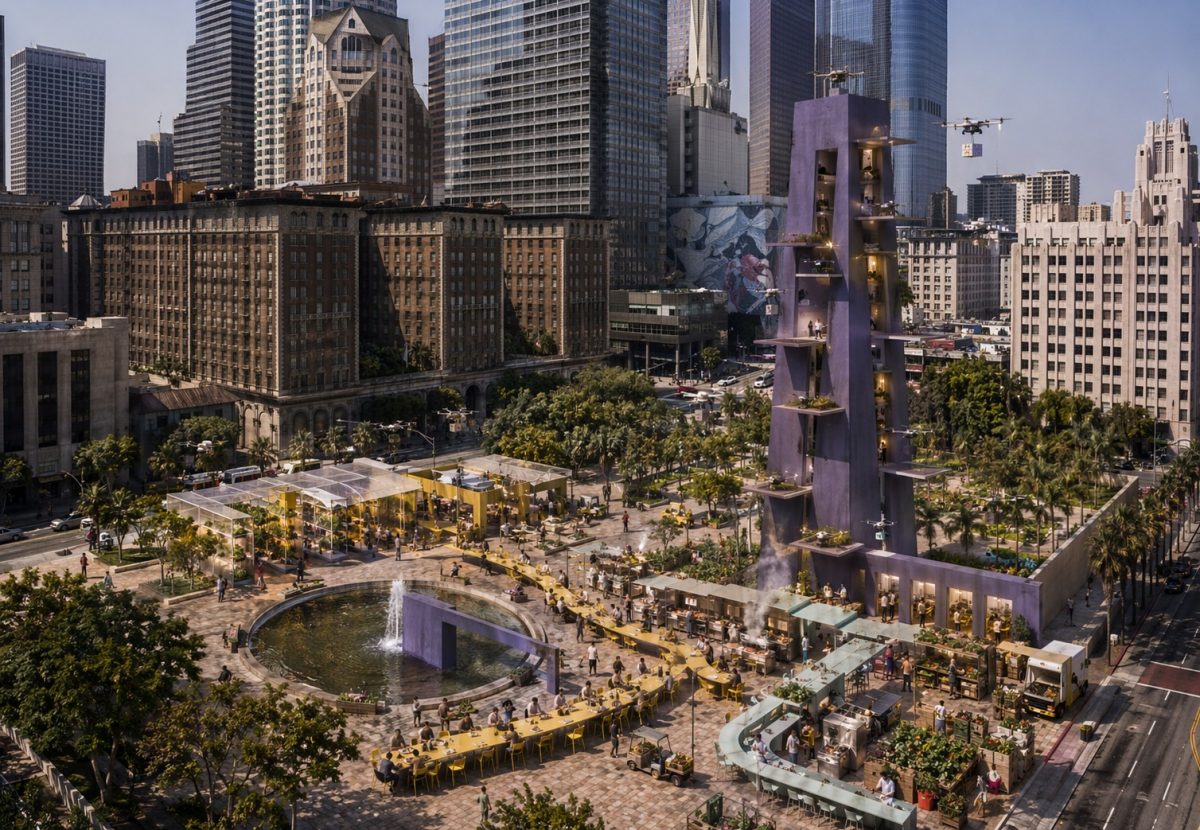
City at the Table proposes a civic typology at Pershing Square that puts the full sequence of food production, from soil to table, at the center of public life. This is not a restaurant or a traditional market, but a dedicated space where the community directly controls what gets grown, who benefits from the labor, […]

Categories
ARCH 502: Natural Intelligence 2026

Instructor: Evelyn Tickle

Unlearning the Machine: Rediscovering Nature as Viable Technology

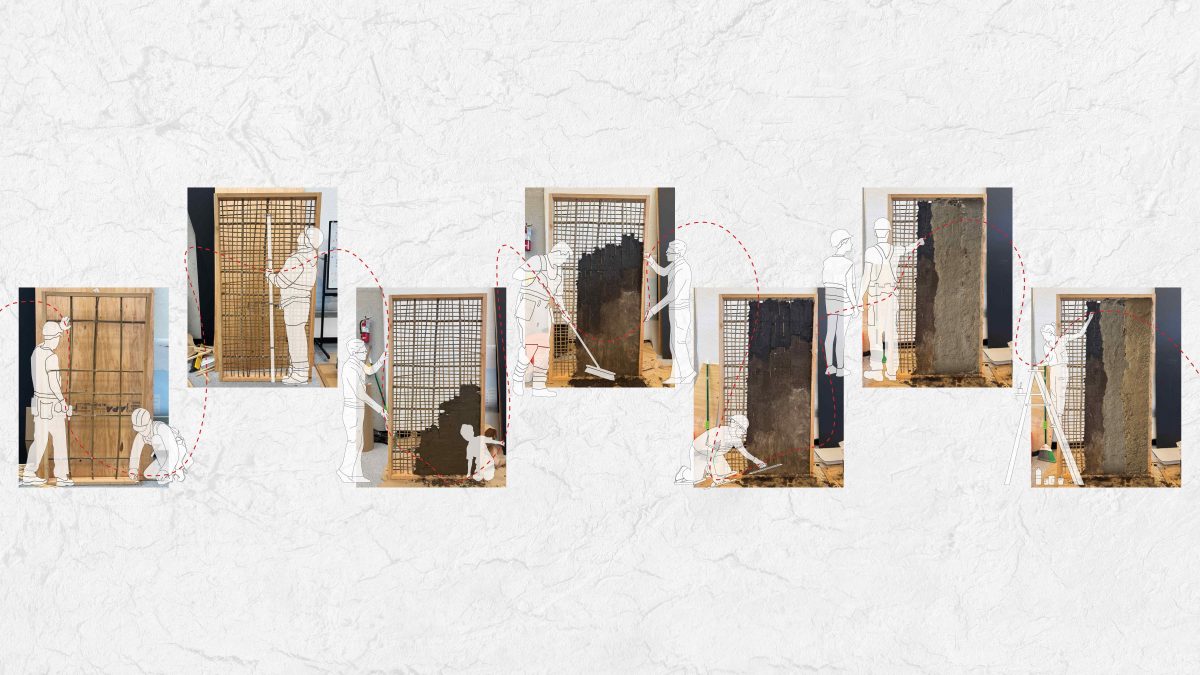
As contemporary building practices have become more mechanized, the human connection to craft, material, and the collective act of making has been lost, isolating communities from the very processes that construct their own environments. Unlearning the Machine proposes a earthen-based plaster that is more earthquake- and fire-resistant than contemporary building materials, positioning natural building as […]

Categories
ARCH 502: Natural Intelligence 2026

Instructor: Evelyn Tickle

Metabolic Architecture for Contaminated Habitats

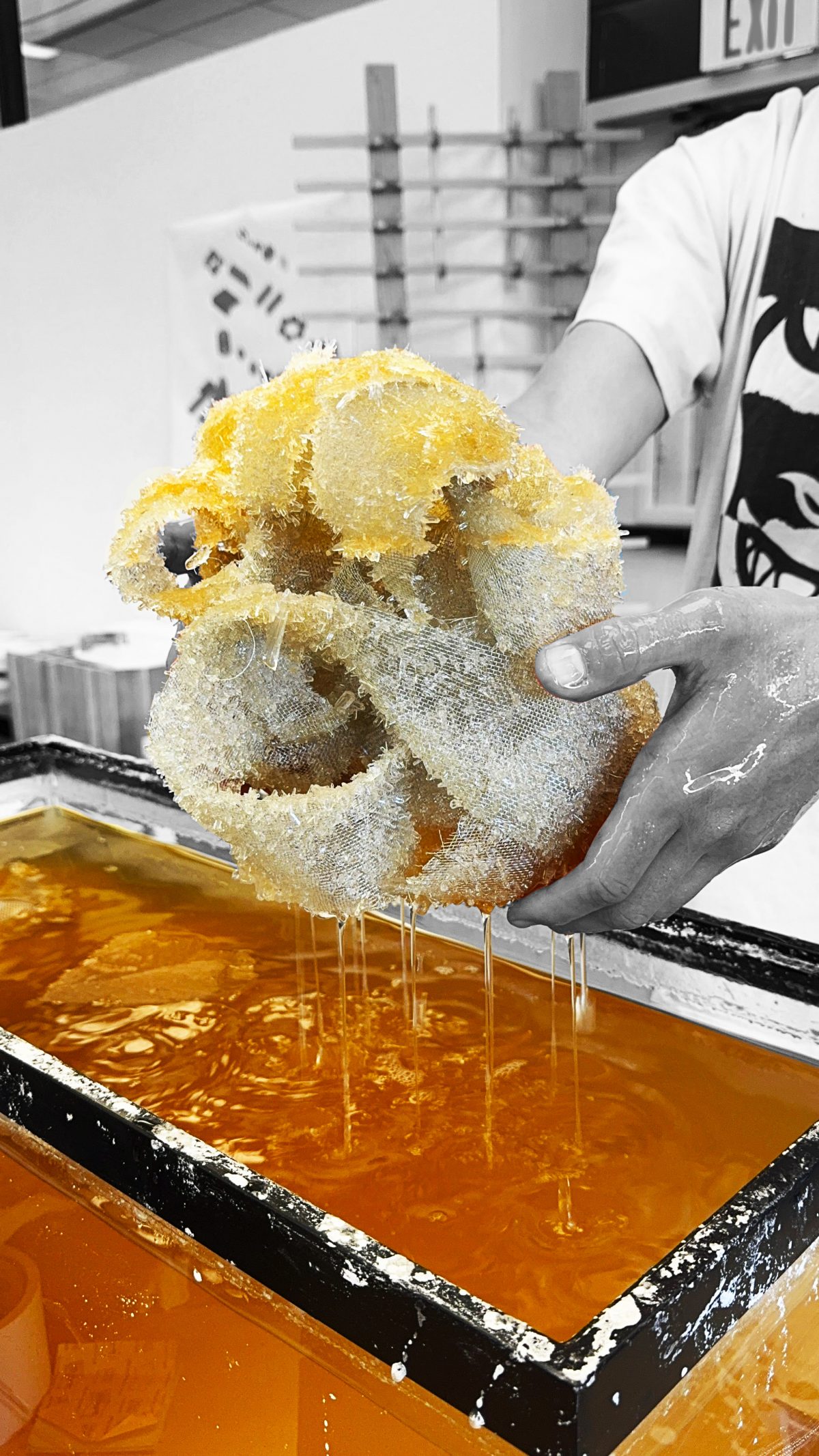
The Salton Sea is a case study where architectural strategies for housing in contaminated landscapes are developed for global application. A new housing typology embodies technologies and systems that create sustainable micro-habitats. Through processes of submersion and electrolysis, steel structures metabolise the toxic deposits that permeate the air and water, transforming industrial pollution into habitable […]

Categories
ARCH 502: Natural Intelligence 2026

Instructor: Evelyn Tickle

Multispecies Tower City

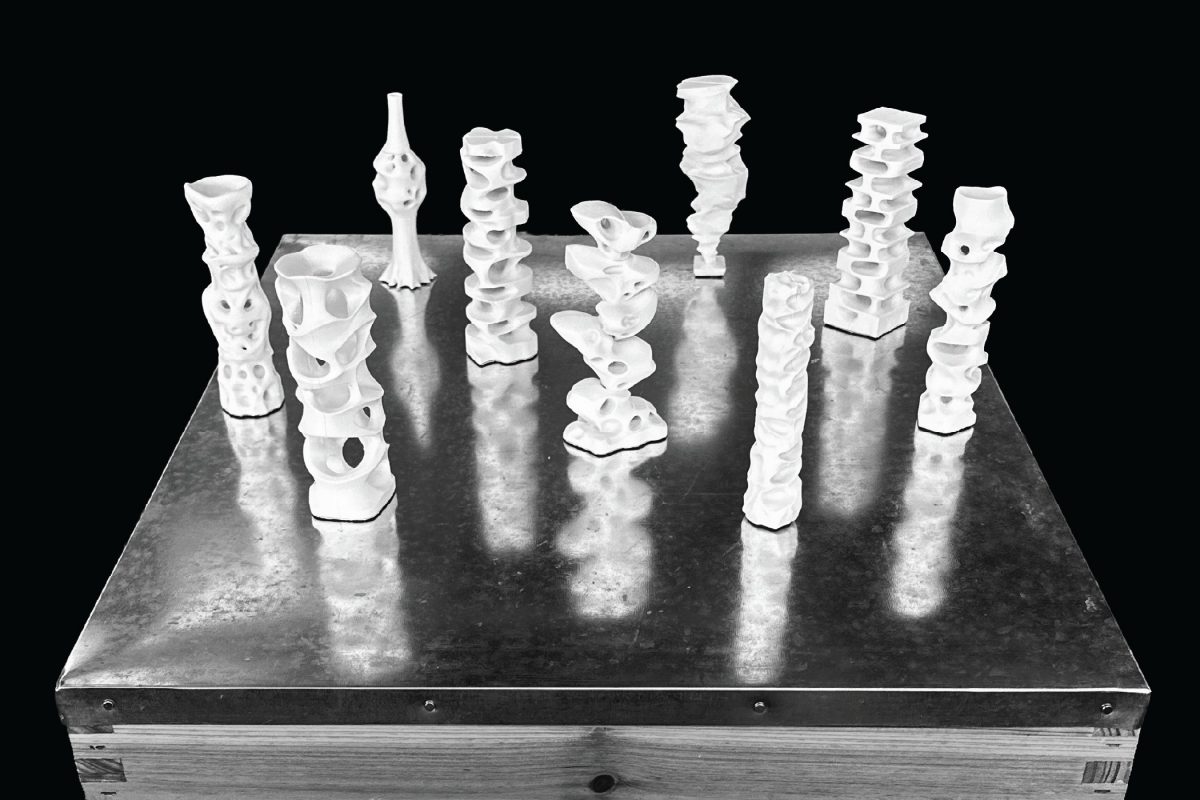
This project proposes architecture as a mediator between species, where humans and non-human life forms coexist within shared spatial systems. It is grounded in the idea that other species can reveal environmental changes that humans often fail to perceive, reconnecting us to a natural world we have increasingly sealed ourselves off from. The models shown […]

Categories
ARCH 502: Natural Intelligence 2026

Instructor: Evelyn Tickle

Cracking for Ferality: The Sidewalk as a Site of Co-Inhabitance

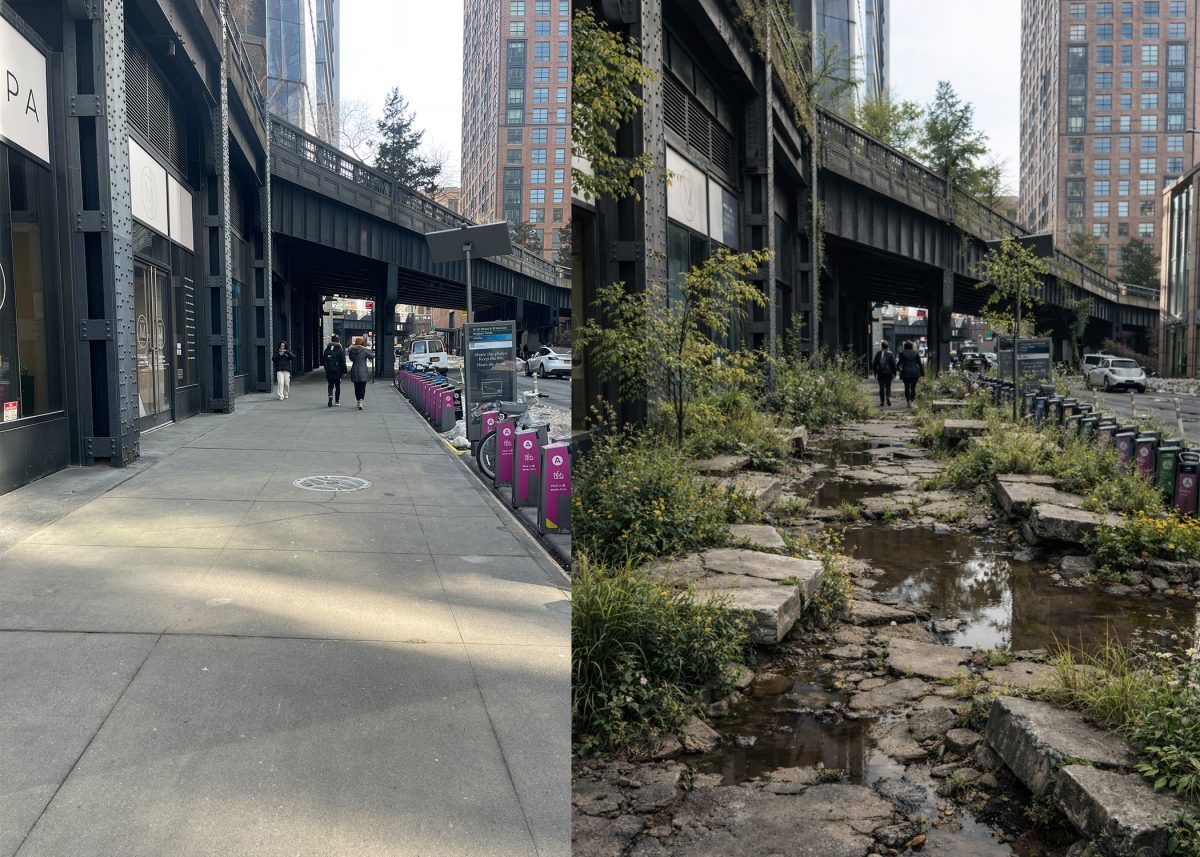
Against Manhattan's model of curated urban nature, this thesis reclaims the sidewalk as a site of ecological resistance. Operating across borough, street, and slab, it practices cracking: the deliberate un-architecturing of infrastructure to invite plants, fungi, and animals in not as ornament but as co-designers, collapsing the boundary between city and nature into co-inhabitation.