New modalities of design informed by artificial intelligence are being mobilized rapidly. The acceleration in the development and adoption of AI-based applications presents both an extraordinary opportunity and a cause for concern, carrying serious consequences including significant environmental distress as the energy demands of computation, the impact of data processing and storage on water resources, and wastewater contamination become increasingly apparent. In response, nature-based innovations—such as biomaterials, bioremediation, biophilic, and biomimetic design, or what may be understood as Natural Intelligence—emerge as a counter-cultural critique that is simultaneously technical, empirical, scientific, feral, wild, and imaginative.
The history of Environmentalism, rooted in both Romanticism and late Medieval Naturalism, can support this position and provide an entirely adequate foundation for a thesis studio grounded in the opposition between the natural and the artificial. Yet a provisional reconciliation between these categories may prove more fruitful and, paradoxically, more reflective of contemporary design thinking and action. Two paths become one. This provocation served as an organizing principle, establishing an expanded field of design and critical inquiry that led to projects ranging from computational design protocols based on swarm algorithms addressing long-term resilience after the catastrophic fires in the Pacific Palisades, to rewilding Manhattan; from novel domestic and community infrastructures cleaning water in the canals and lagoon of Venice, Italy, and the Gowanus Canal in Brooklyn, New York, to survival strategies confronting excessive salinity and contamination around the Salton Sea in California; from rewilding rituals using biocomposites to memorialize industrial structures in post-industrial China, to catalytic projects for Black spaces and places in Los Angeles that address marginalization, empowerment, longing, and belonging.

Place + Principle: Designing BlackSpace
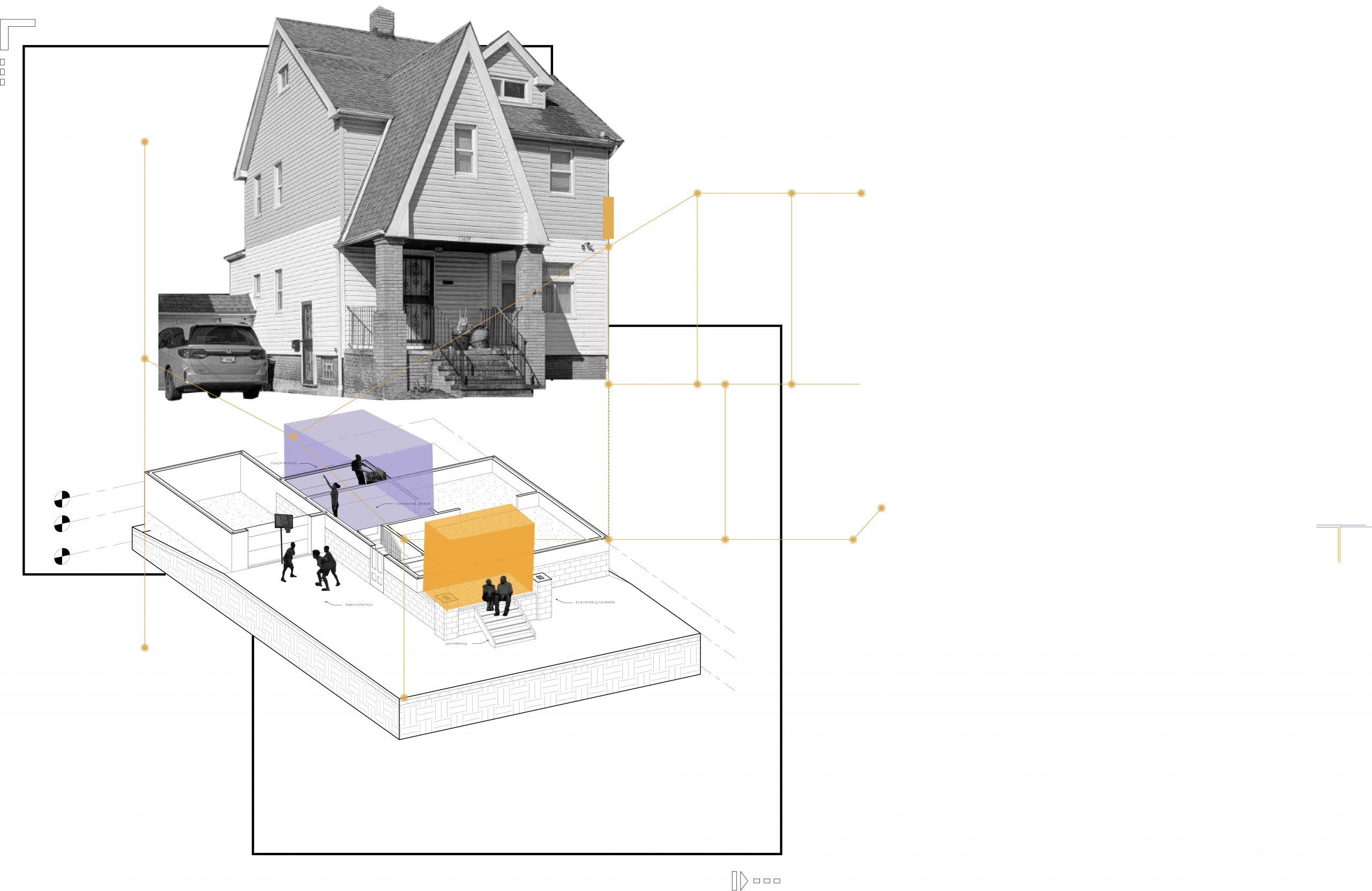
This project aims to develop a design language for building in Black neighborhoods through form, program, and aesthetics. It begins with the idea of the Black home as a hub of empowerment within the community and as a window into the values and priorities that shape everyday life. Through interviews and spatial studies conducted in Garfield Heights, Ohio, I identified five core principles that inform this approach to design: facilitating networks, collaboration, belonging, adaptability, and celebrating culture and identity. These principles provide a framework for architecture that reflects the social structures and cultural practices of the communities it serves.

Swarm Form
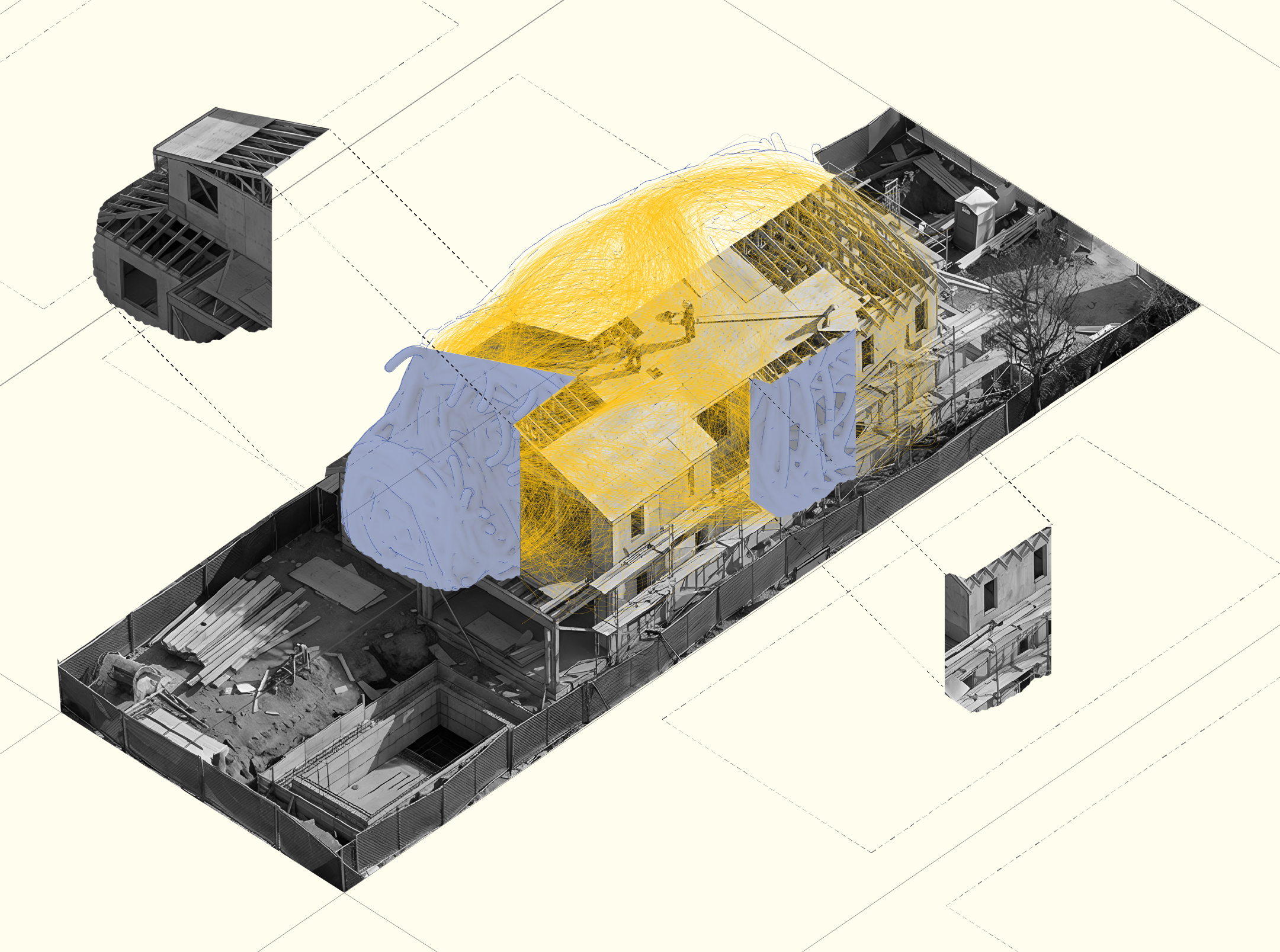
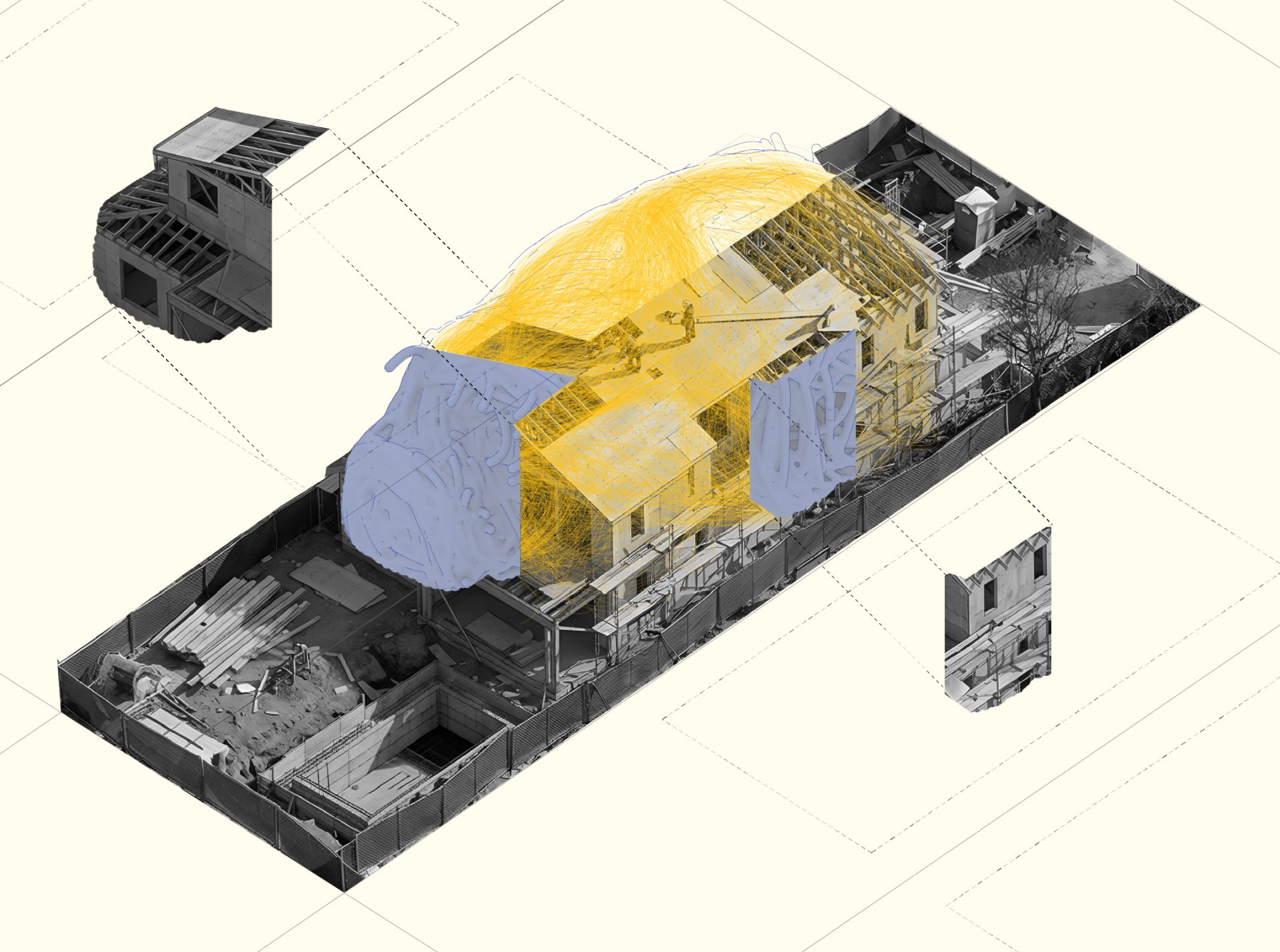
A Decentralized Design Approach to Extreme Weather Conditions Drawing on the organizational logic of biological swarms, this thesis proposes a new housing typology for Pacific Palisades that adapts to the site's wildfire risk, wind conditions, and topographic instability. This project investigates how housing as an interdependent system, can redistribute risk, protect, and evolve in response to environmental extremes.
In the aftermath of the 2025 Pacific Palisades fires, displaced residents face pressure to rebuild quickly, returning to the same forms of construction that accelerated the original destruction.
Swarm-Form proposes a housing typology that uses extreme conditions to create form finding solutions. Drawing from swarm intelligence: the natural phenomenon where systems respond, reconfigure, and thrive collectively rather than individually, the project develops a form-finding methodology driven by site-specific environmental forces. Pacific Palisades serves as an example into a broader climate question: how architecture, conceived as an adaptive system, can generate rapid, site-specific responses to environments defined by extremes.
Rachel Wiggins
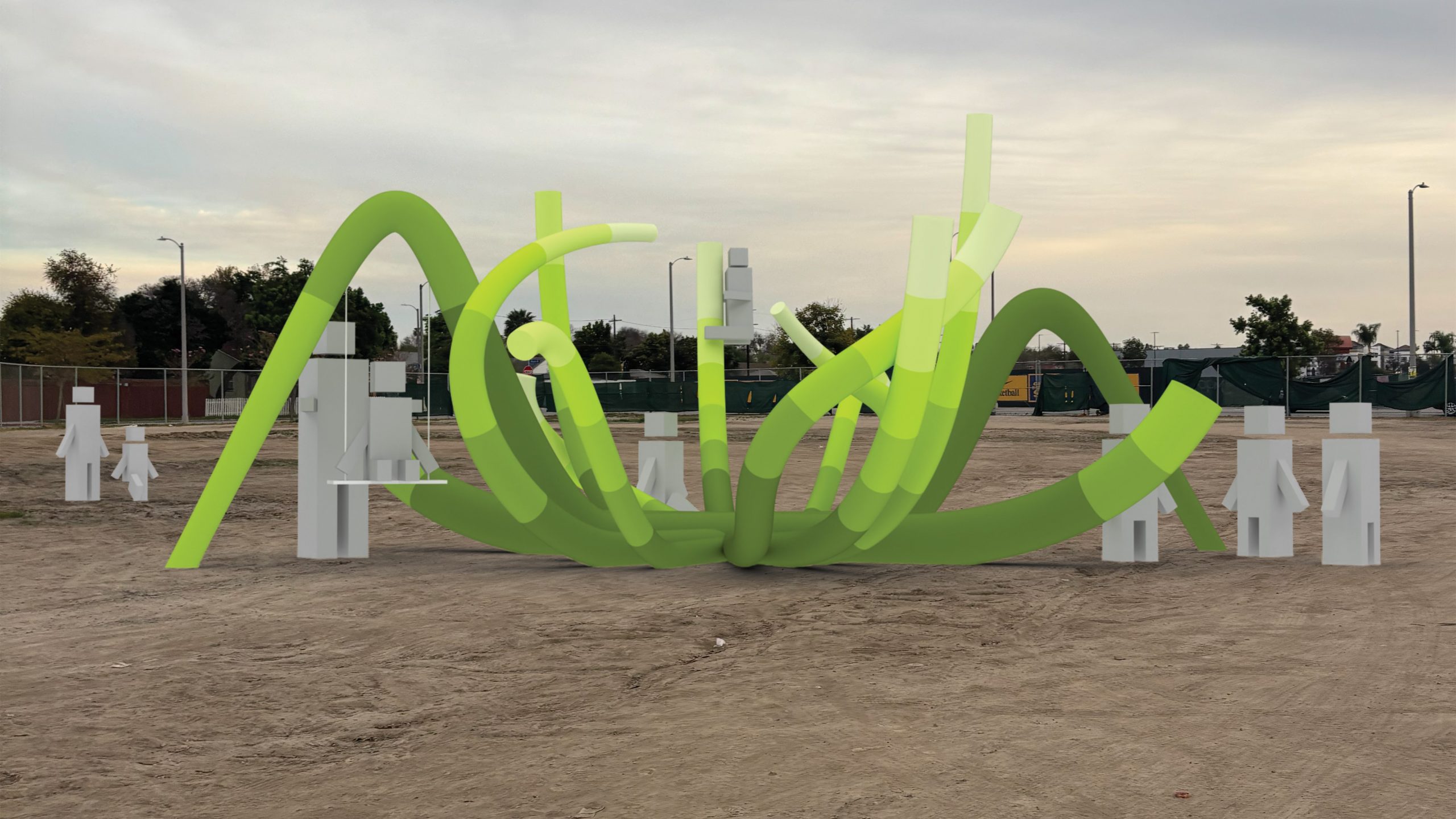
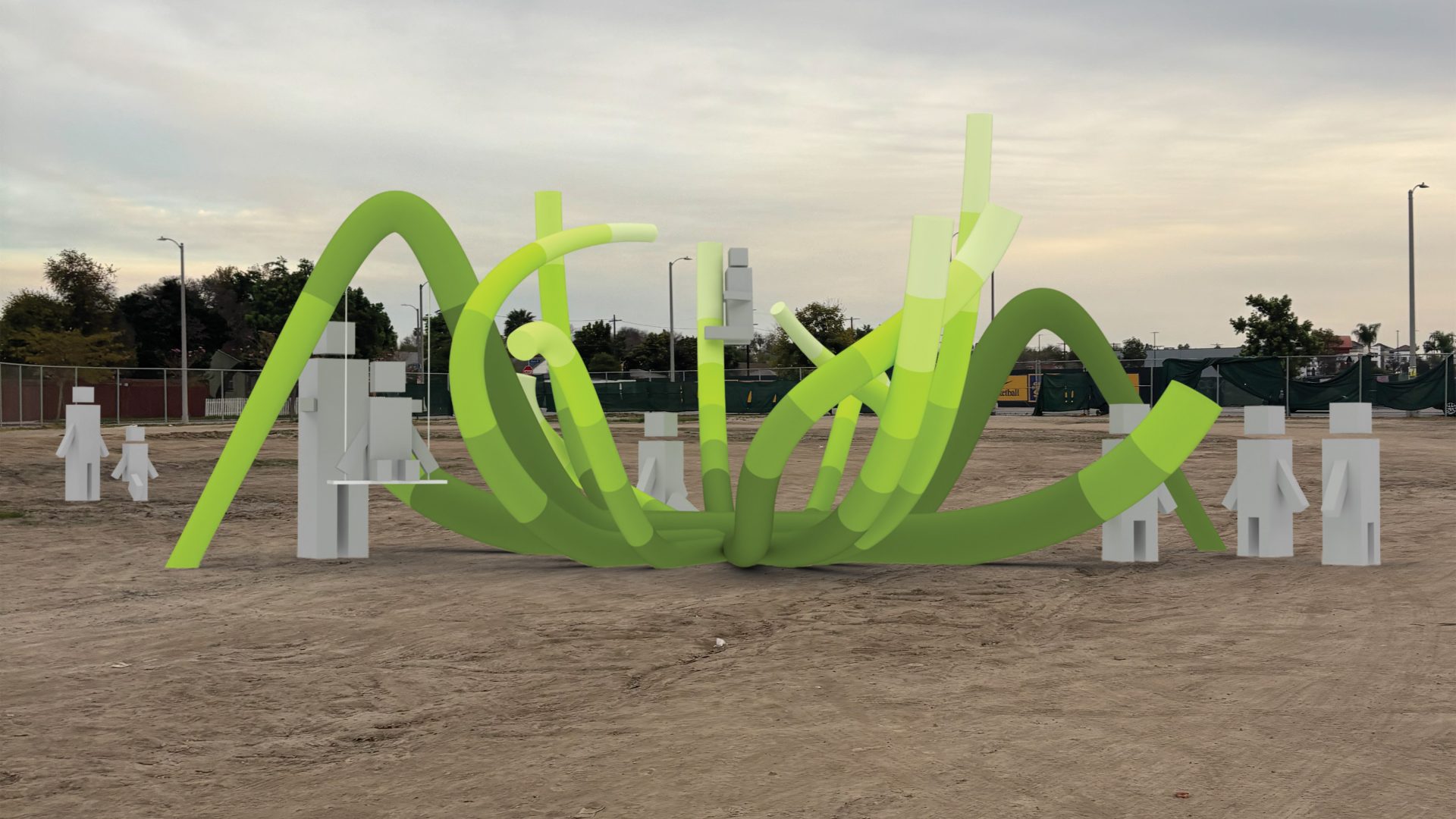
Play is not just an amenity, but a mechanism for spatial equity, capable of connecting communities with nature. Historically, communities of color across Los Angeles have been destroyed, disrupted, and displaced, resulting in a lack of essential play spaces that boost public health and wellness. Embracing RADICAL PLAY as a flexible and community-designed system, my thesis addresses this park crisis by employing a living network of modular playgrounds that respond to the input received from a series of community engagement activations. I propose that community participation and the flexibility of a kit-of-parts system redefines how and where play happens.
From Scar to Scaffold
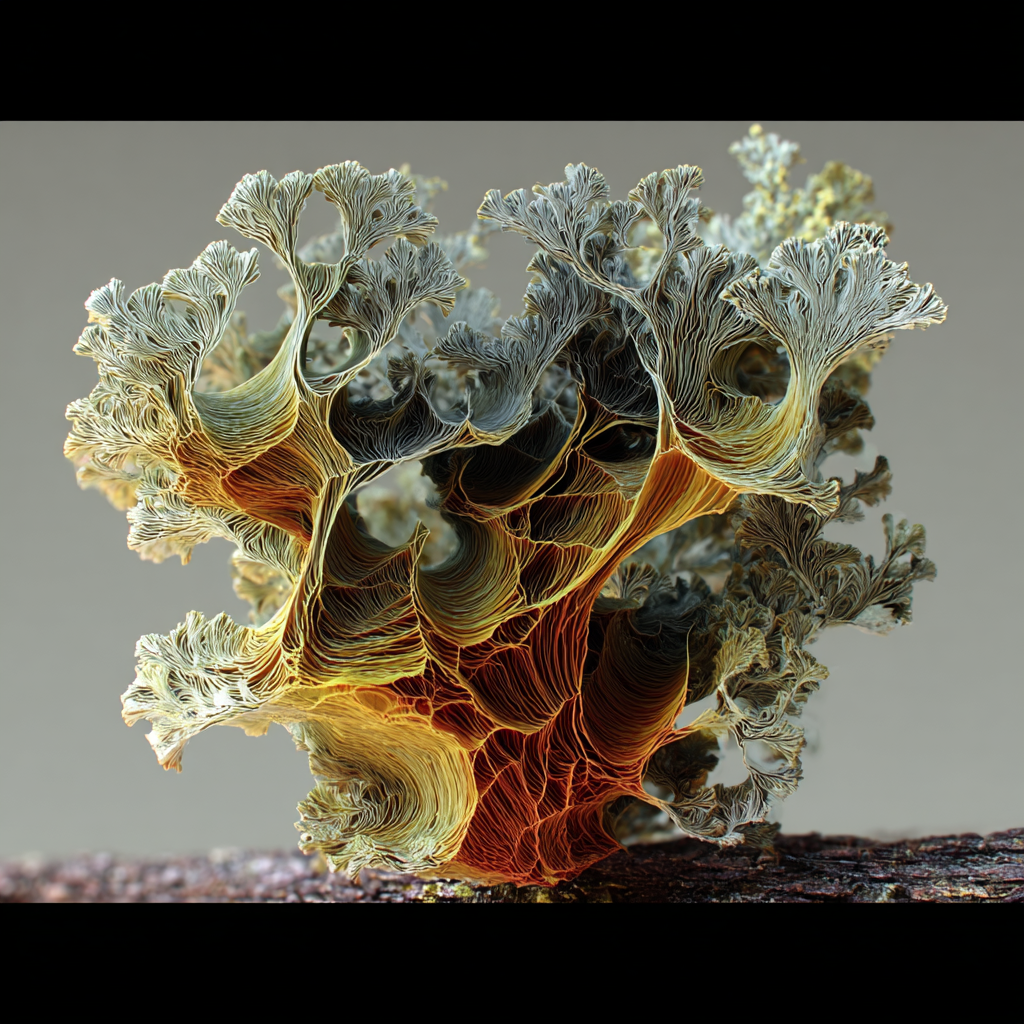
This project transforms a site of extraction into one of regrowth by drawing on the symbiotic intelligence of lichens.Using lichen as both metaphor and model, the project proposes architectural systems that scaffold ecological and relational restoration. The design positions architecture as a collaborator in environmental recovery, proposing strategies that shift extraction sites toward long‑term reciprocity and renewal. Ultimately, the work seeks to repair not only damaged ground but the fractured relationship between people and the land, making visible the material consequences of extraction and inviting a more accountable, embodied understanding of how the built environment is formed.
City at the Table
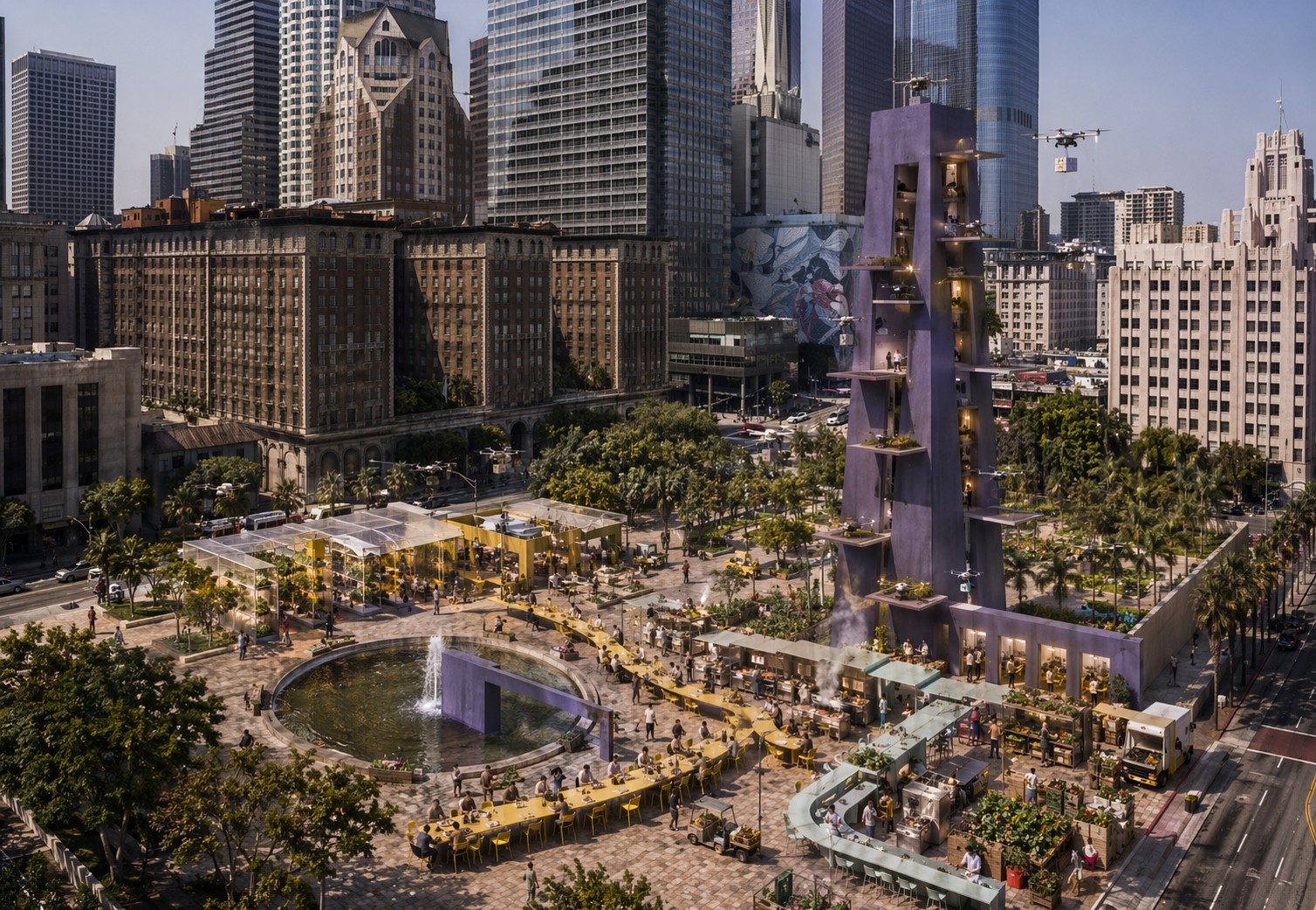
City at the Table proposes a civic typology at Pershing Square that puts the full sequence of food production, from soil to table, at the center of public life. This is not a restaurant or a traditional market, but a dedicated space where the community directly controls what gets grown, who benefits from the labor, and how the city chooses to value its food systems.
Unlearning the Machine: Rediscovering Nature as Viable Technology
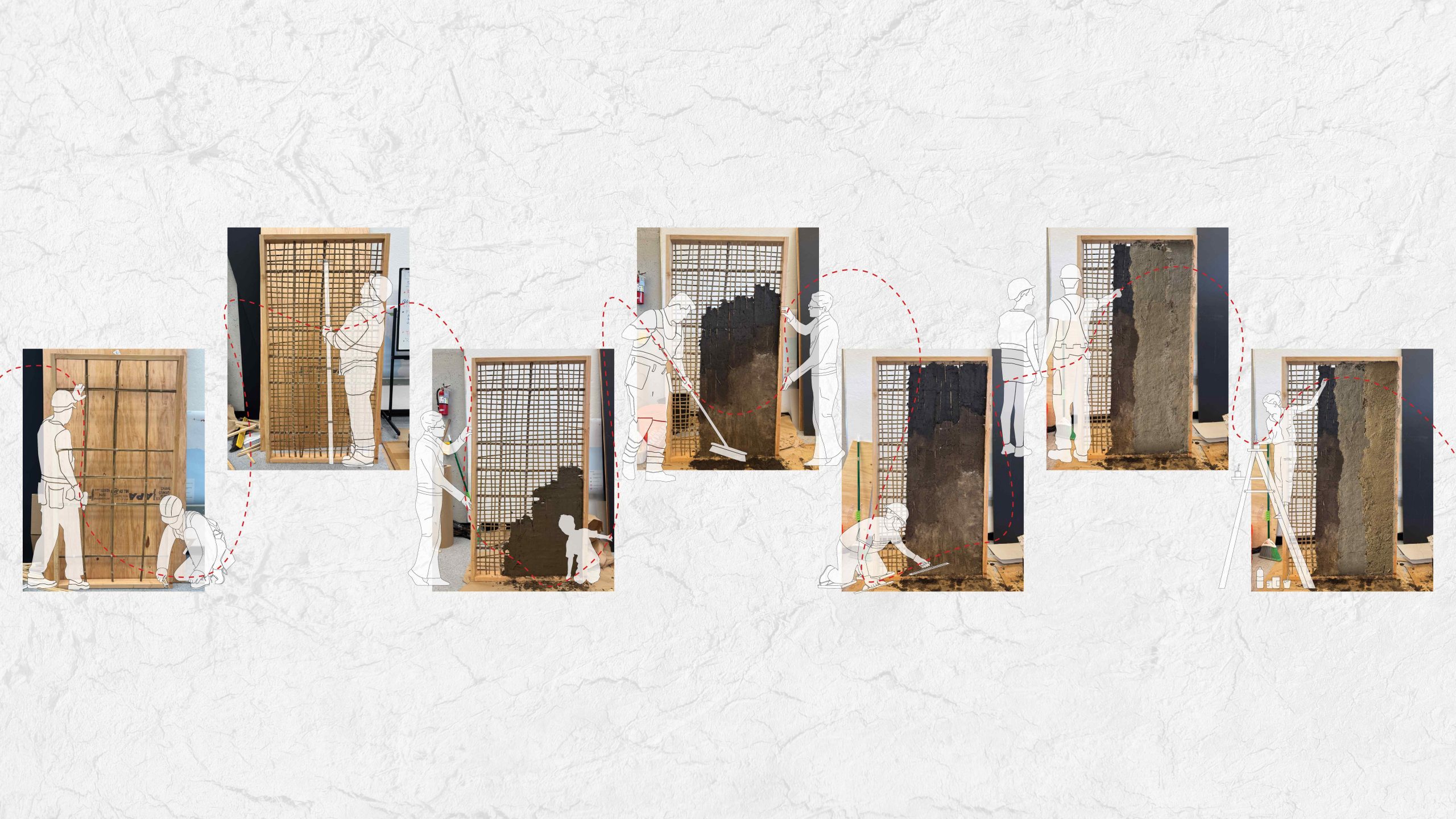
As contemporary building practices have become more mechanized, the human connection to craft, material, and the collective act of making has been lost, isolating communities from the very processes that construct their own environments. Unlearning the Machine proposes a earthen-based plaster that is more earthquake- and fire-resistant than contemporary building materials, positioning natural building as a viable alternative to industrial construction methods. The project demonstrates how resilient earthen construction is not only an environmental solution but also a cultural tool that can rebuild both physical infrastructure and community, restoring humanity to the act of making while supporting ecological and disaster resilience.
Metabolic Architecture for Contaminated Habitats
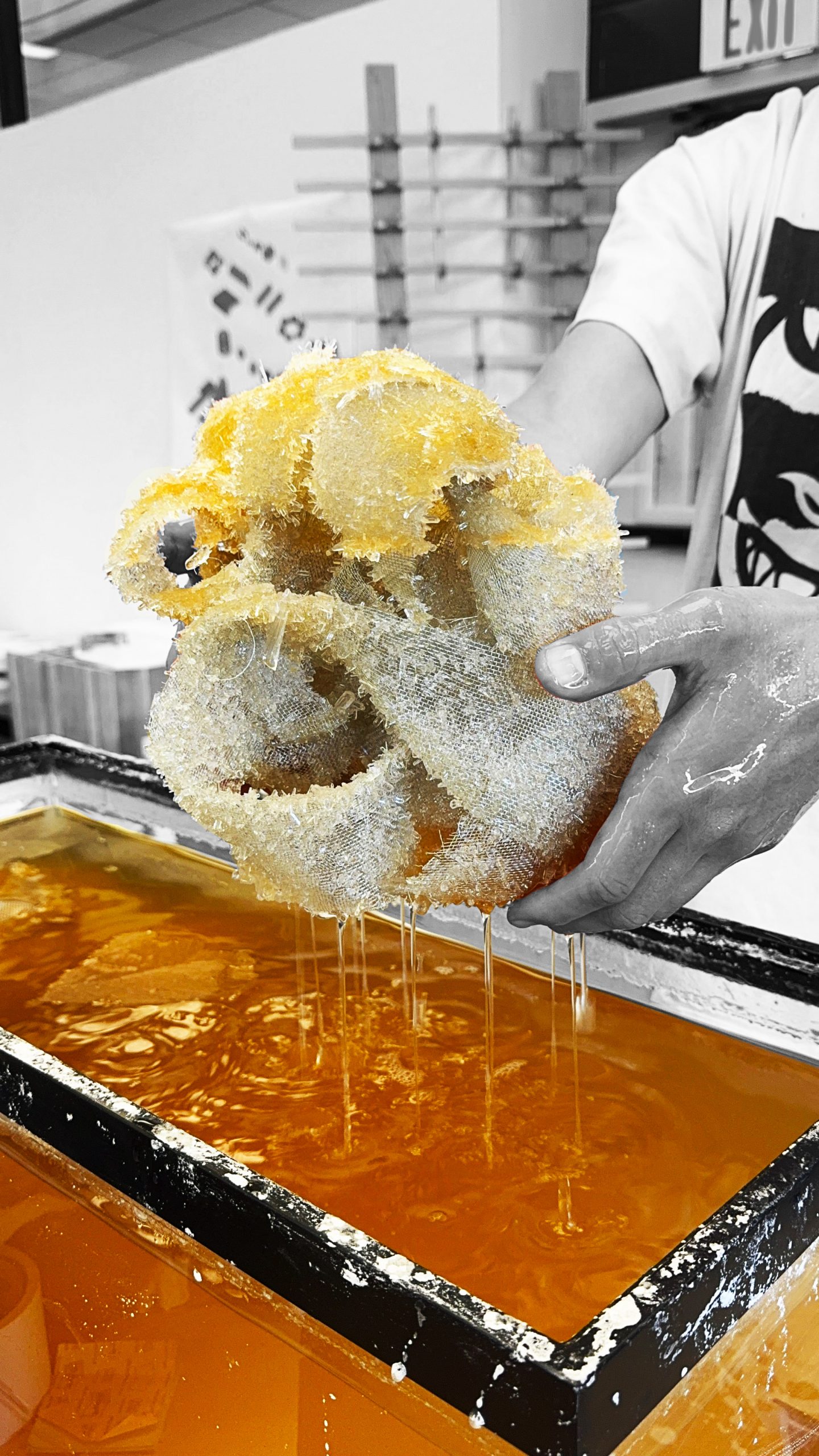
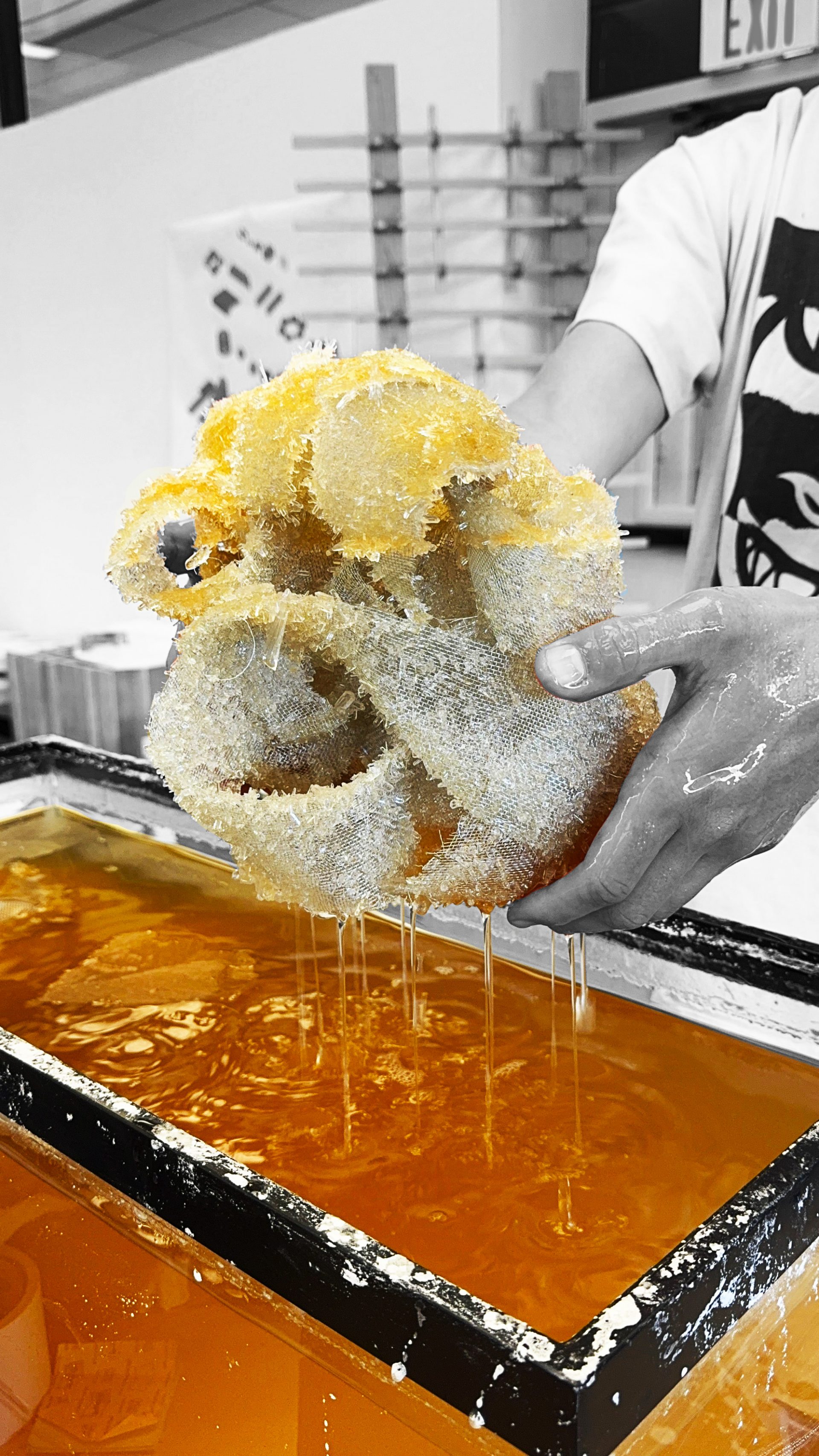
The Salton Sea is a case study where architectural strategies for housing in contaminated landscapes are developed for global application. A new housing typology embodies technologies and systems that create sustainable micro-habitats. Through processes of submersion and electrolysis, steel structures metabolise the toxic deposits that permeate the air and water, transforming industrial pollution into habitable structure.
Multispecies Tower City
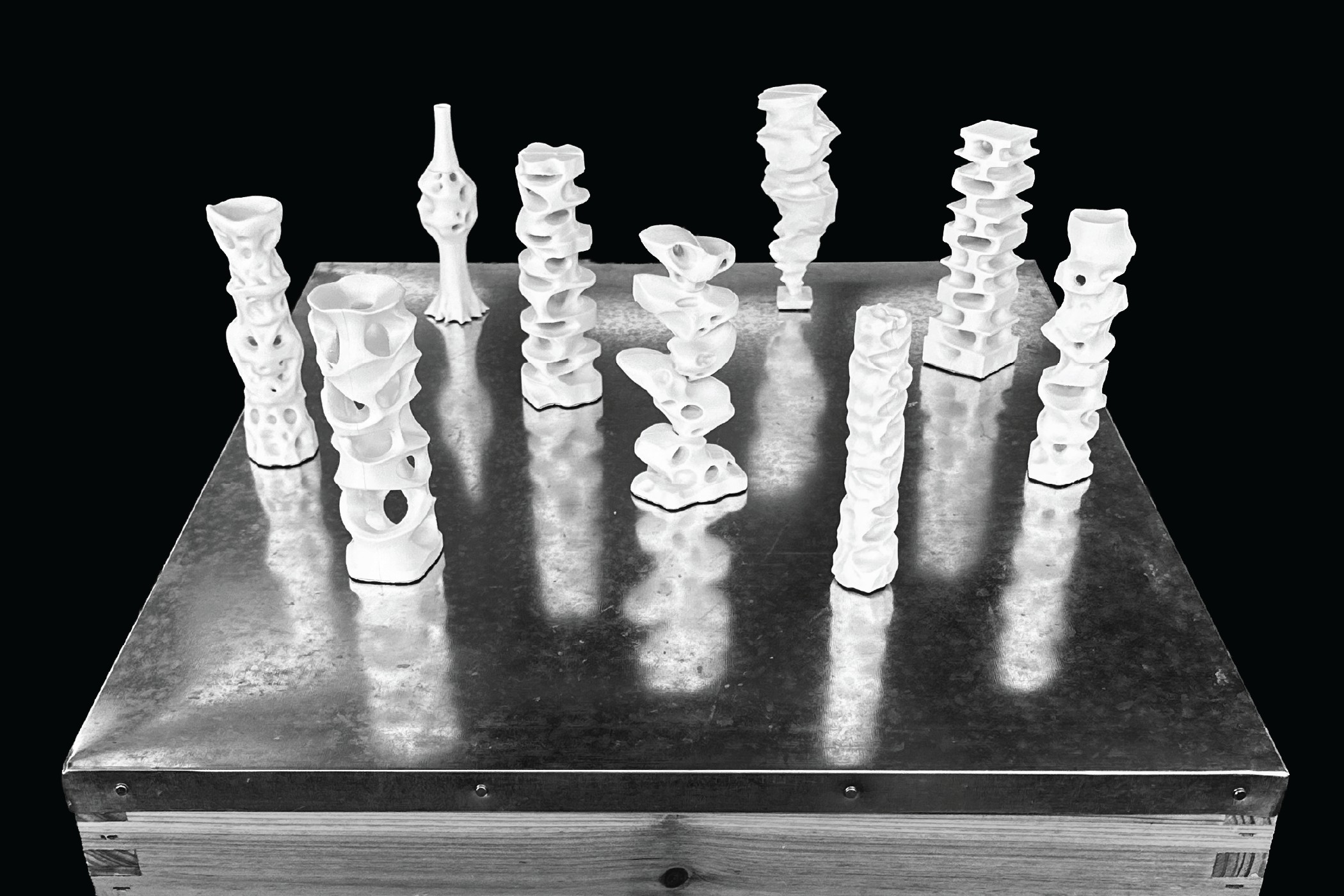
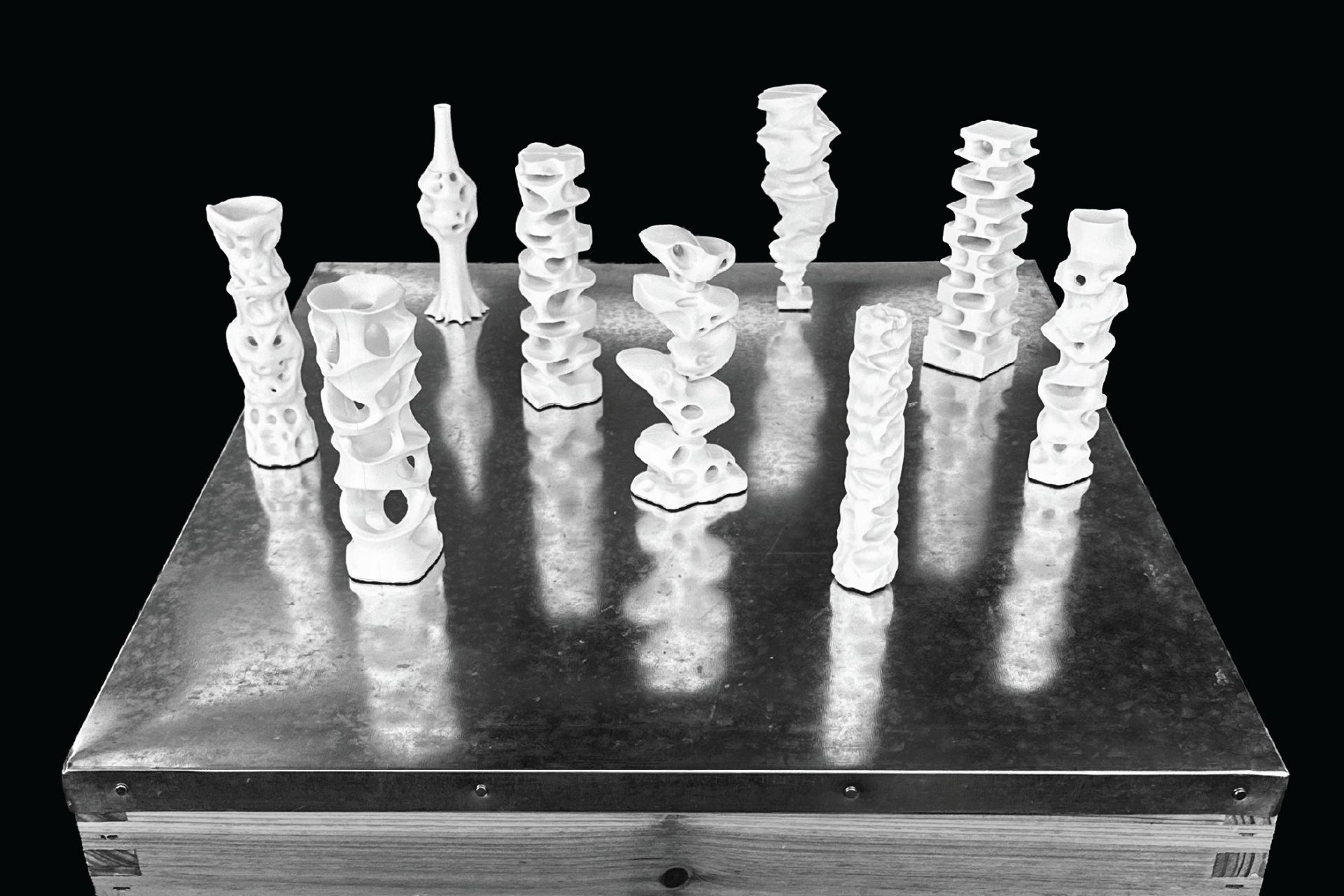
This project proposes architecture as a mediator between species, where humans and non-human life forms coexist within shared spatial systems. It is grounded in the idea that other species can reveal environmental changes that humans often fail to perceive, reconnecting us to a natural world we have increasingly sealed ourselves off from. The models shown develop a series of towers, each based on spatial logics derived from bees and birds, testing how different patterns of occupation can support multiple species.
Cracking for Ferality: The Sidewalk as a Site of Co-Inhabitance
Against Manhattan's model of curated urban nature, this thesis reclaims the sidewalk as a site of ecological resistance. Operating across borough, street, and slab, it practices cracking: the deliberate un-architecturing of infrastructure to invite plants, fungi, and animals in not as ornament but as co-designers, collapsing the boundary between city and nature into co-inhabitation.
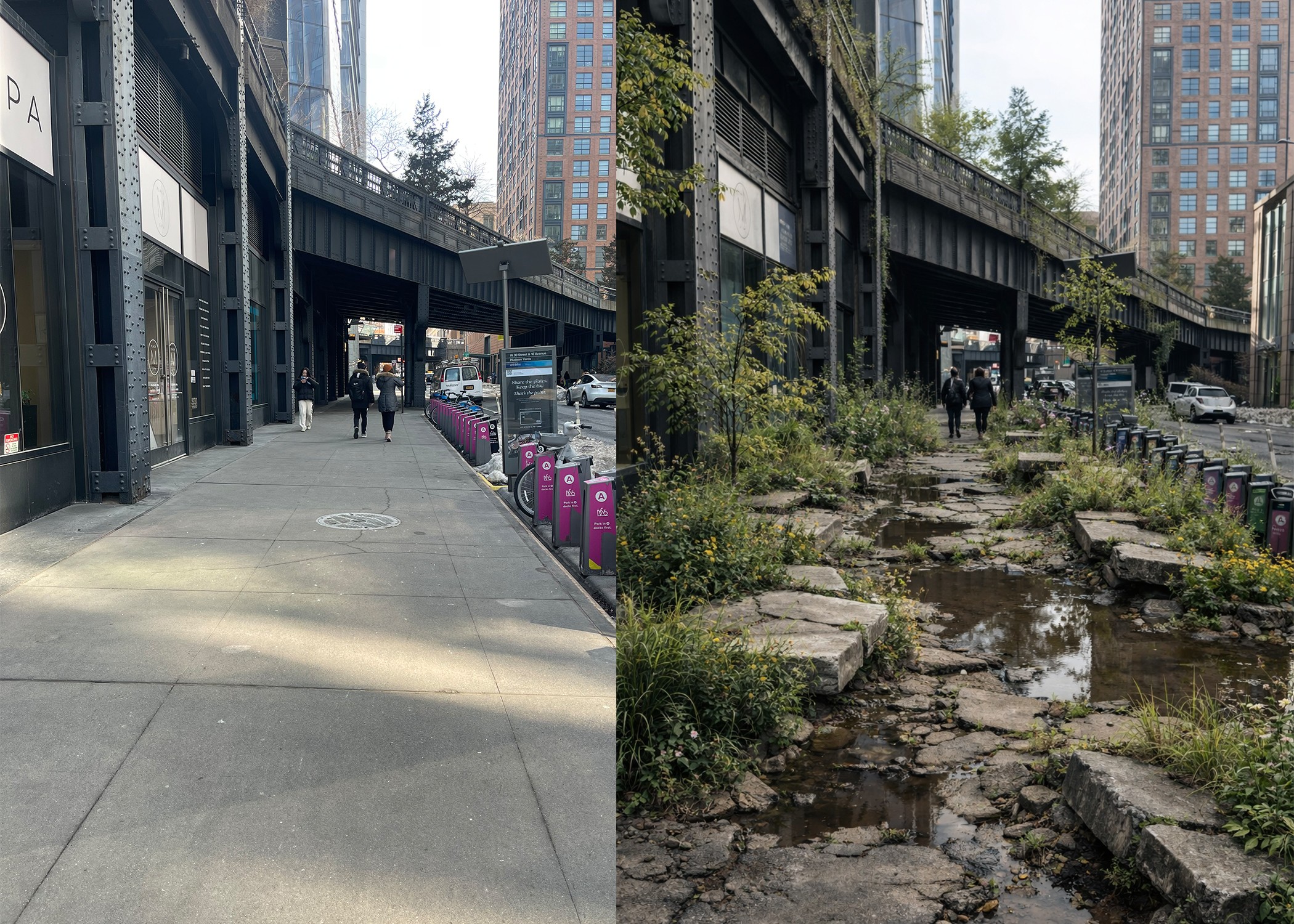
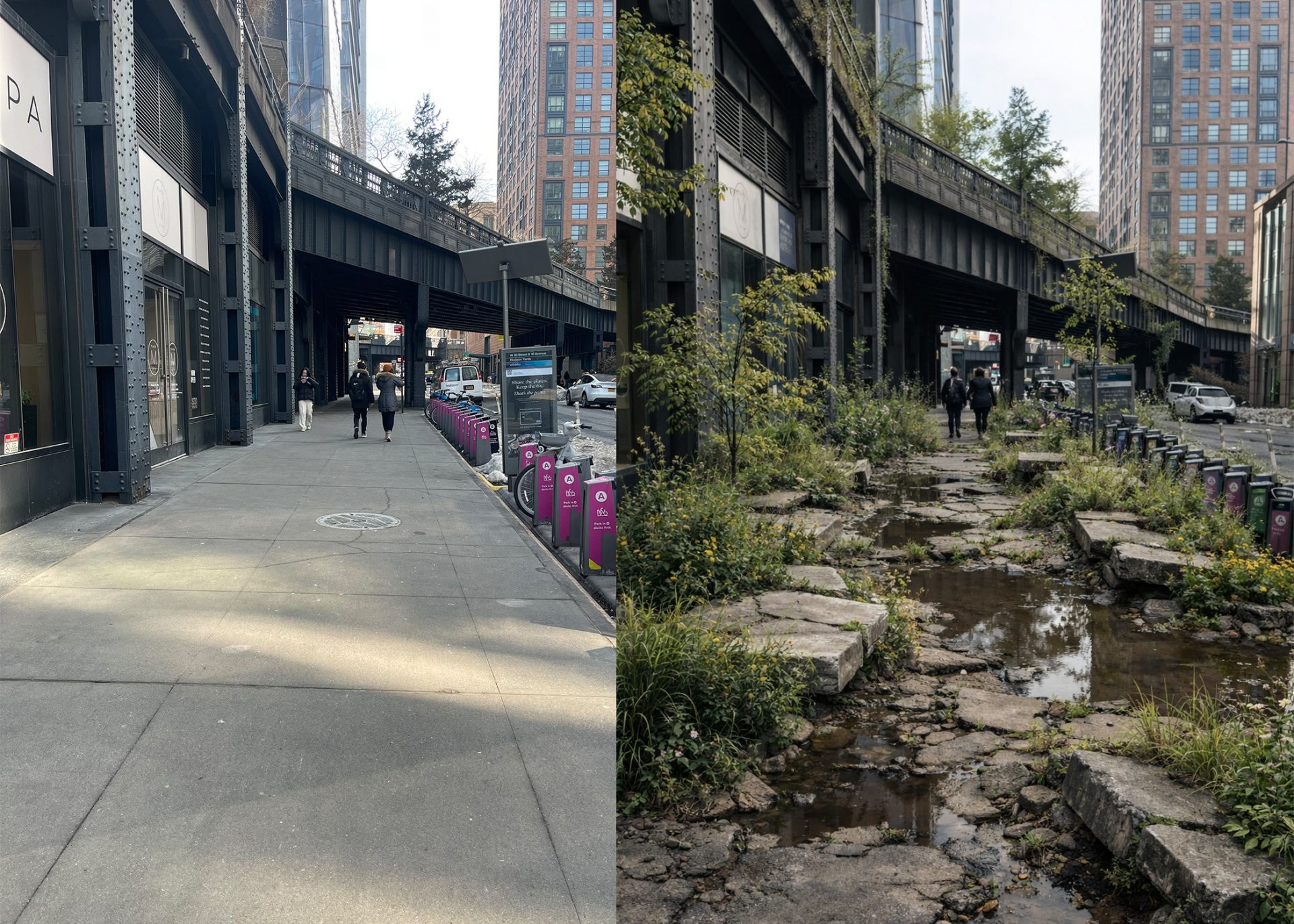
Tombs for Vanished Industries: Funereal Architecture as Collective Memory in Post-Industrial
This thesis proposes a funerary architectural approach to post-industrial sites, framing the disappearance of industry as a collective death requiring spatial and cultural recognition. Rather than demolition or static preservation, fragments of factories are encased in glass as archival chambers of memory, while other portions are opened to natural processes of decay, soil, and vegetation. Over time, the site evolves into a living ecological system where architecture, memory, and nature coexist. Through this ritualized transformation, the project constructs a temporal continuum in which past, present, and future converge, allowing industrial narratives to persist and be retold across generations.
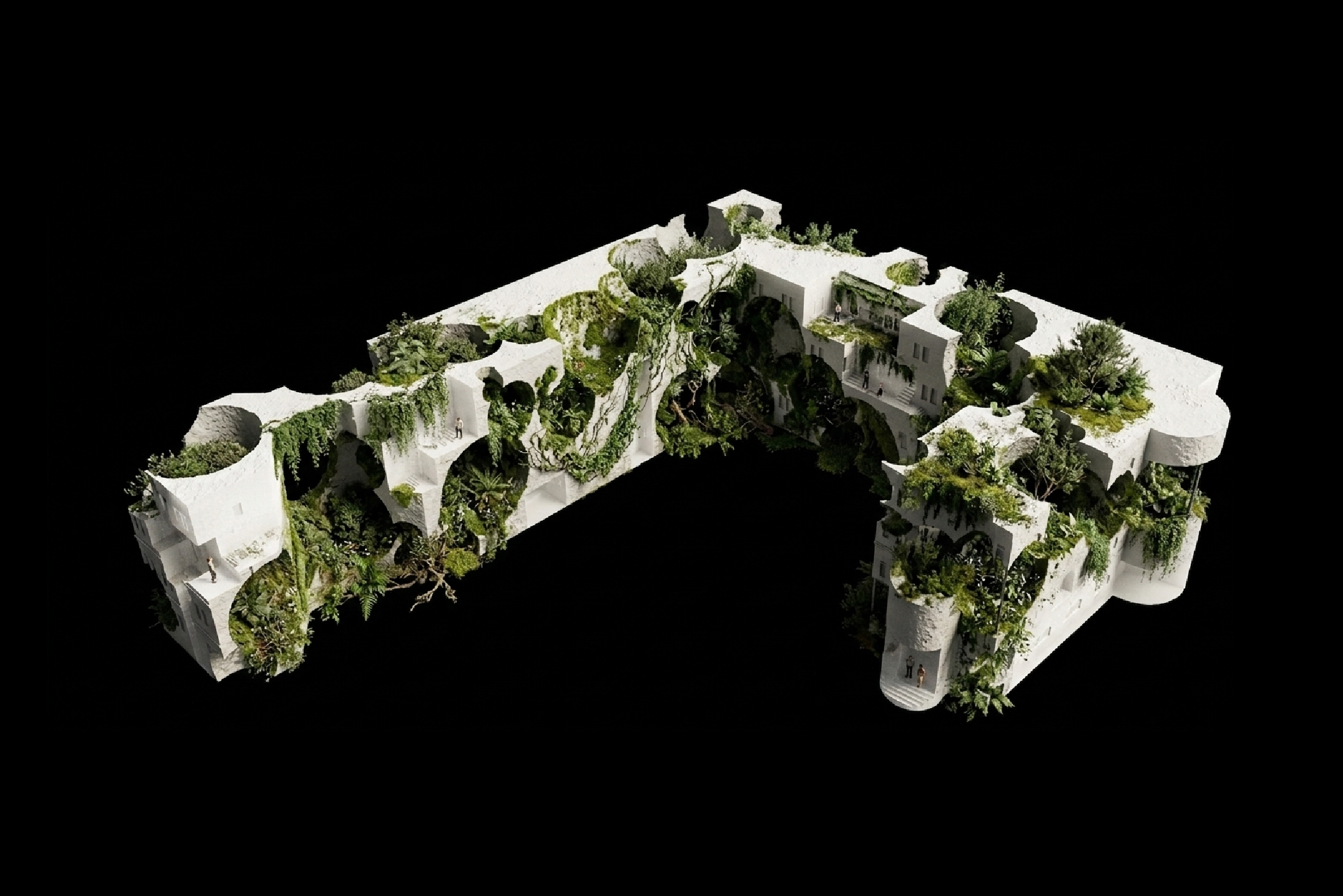
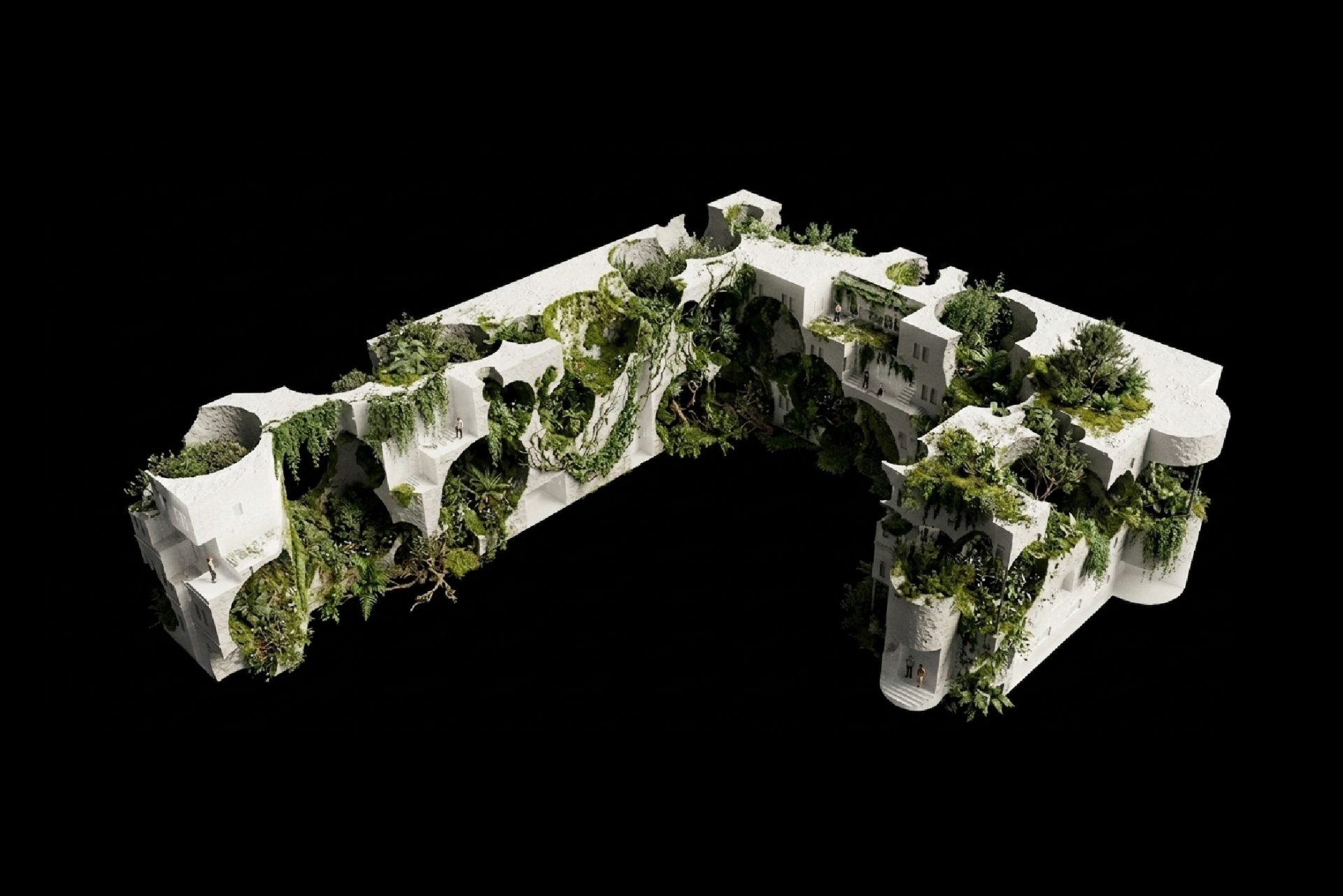
Gowanus Parkipelago: Siphonal Sponge Urbanism
Why should architecture be defined by an unattainable pursuit of perfection when the environment it inhabits is fundamentally impermanent? Let's break away from the traditional disciplines and let architecture breathe and act as adaptive instruments. Introducing biomimetic intervention in the Gowanus Canal, the exercise replaces rigid infrastructure with a living architecture system modeled after the morphology of sea sponges.
By utilizing porous, siphonal geometries, the design transforms from a traditional bulkhead into an urban- scale lung and kidney. The ultimate purpose of architecture is to record environmental changes, renew ecological health, and tune itself to the fluid unpredictability of its site.
VOID & VESSEL
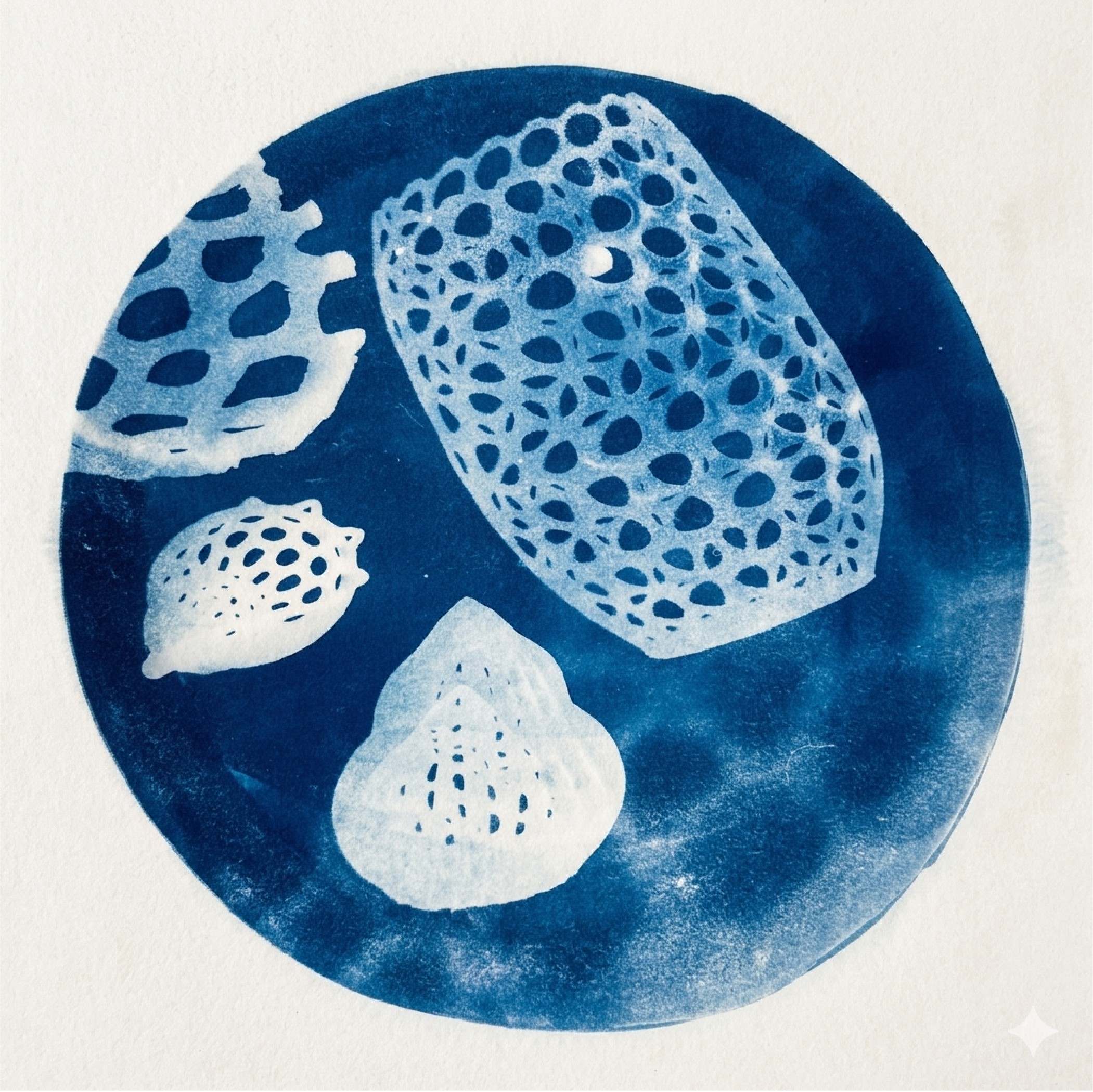
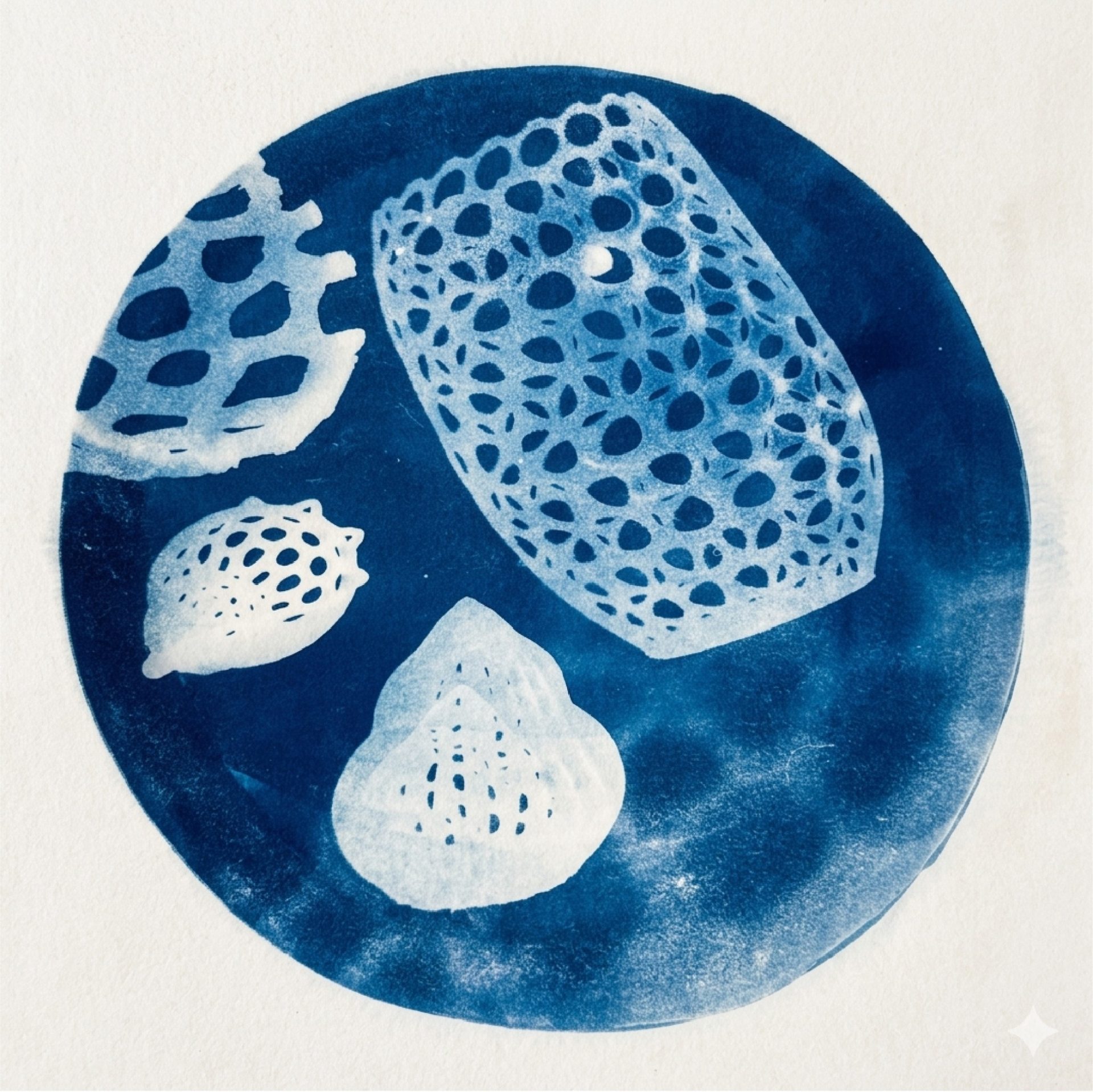
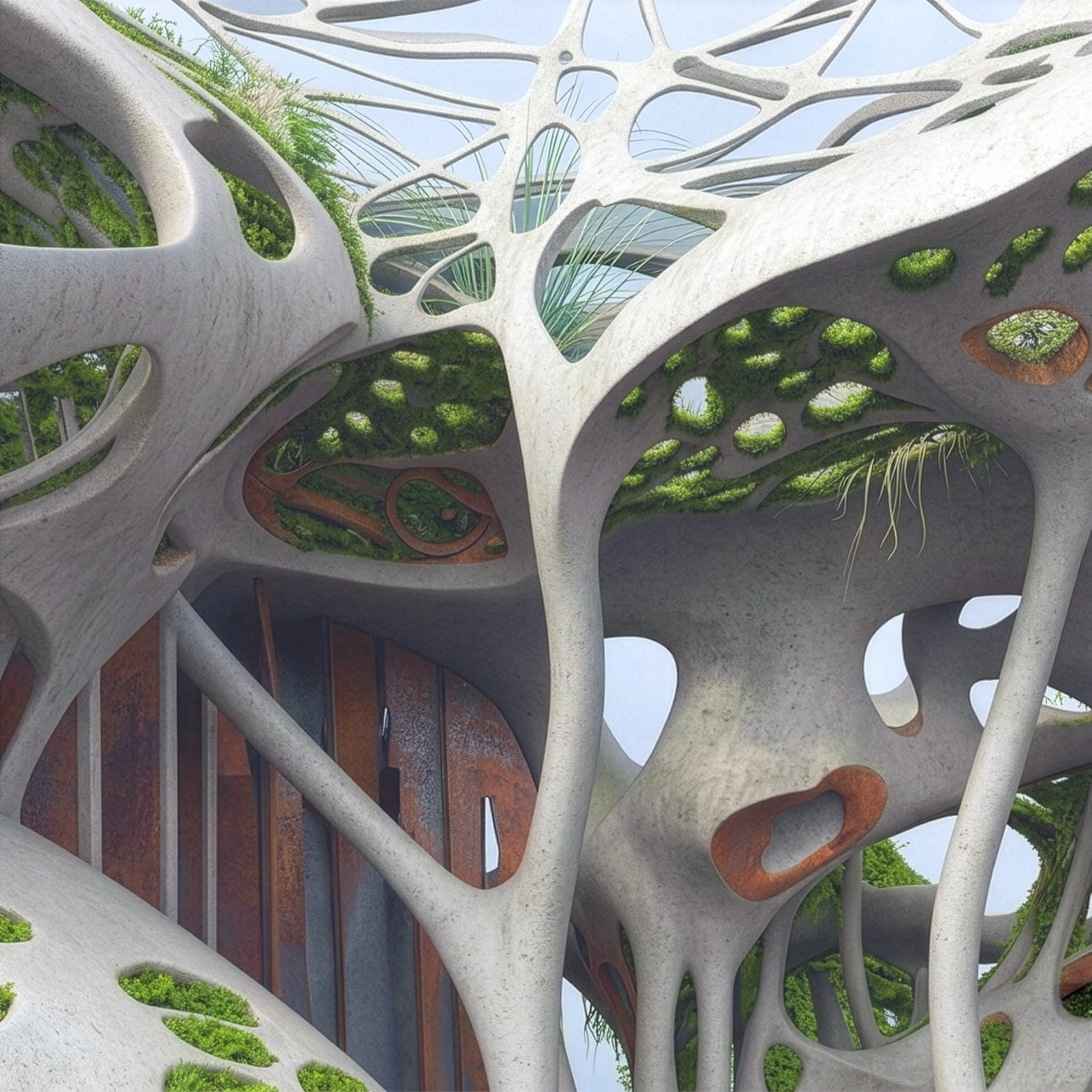
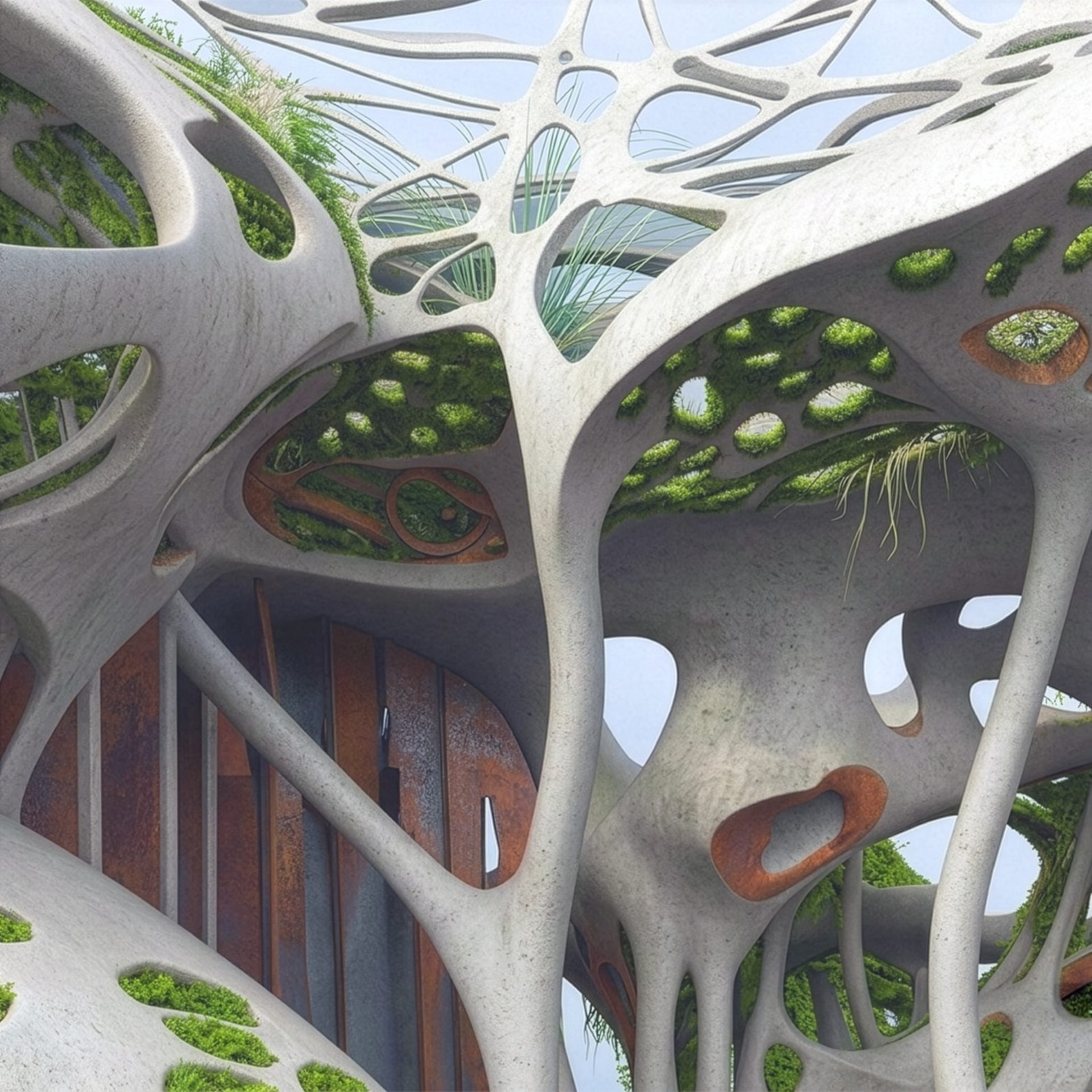
R E T H I N K I N G T H E A R C H I T E T C U R A L V O I D T H R O U G H F I L T R A T I O N Emerging from the study of radiolaria, microscopic organisms whose porous shells filter and sustain life, this thesis reimagines architecture as a system of exchange rather than enclosure. Their intricate geometries blur the boundary between void and solid, producing gradients of light, matter, and atmosphere.
Through a series of material experiments with light and porosity, filtration is understood as both a spatial and atmospheric condition. Situated within the Venice canal network, five porous pavilions operate as a distributed system of membranes, using solar exposure to activate processes that filter and transform polluted water. These structures position porosity as a living interface between environment, infrastructure, and experience.
By: Paulina Castro