Categories
ARCH 502A: Control Points

Instructor: Eric Haas

inter//interface

The digital and physical worlds exist in a lateral relationship, constantly translating and reshaping one another. Architectural interfaces must abandon their role as passive mediators and become active sites for reality negotiation. By fusing material agency with digital responsiveness into unstable, embodied interfaces, we can create spaces where users may debate, disrupt, and co-author the […]
Categories
ARCH 502A: Control Points

Instructor: Eric Haas

Our Apology for Armageddon

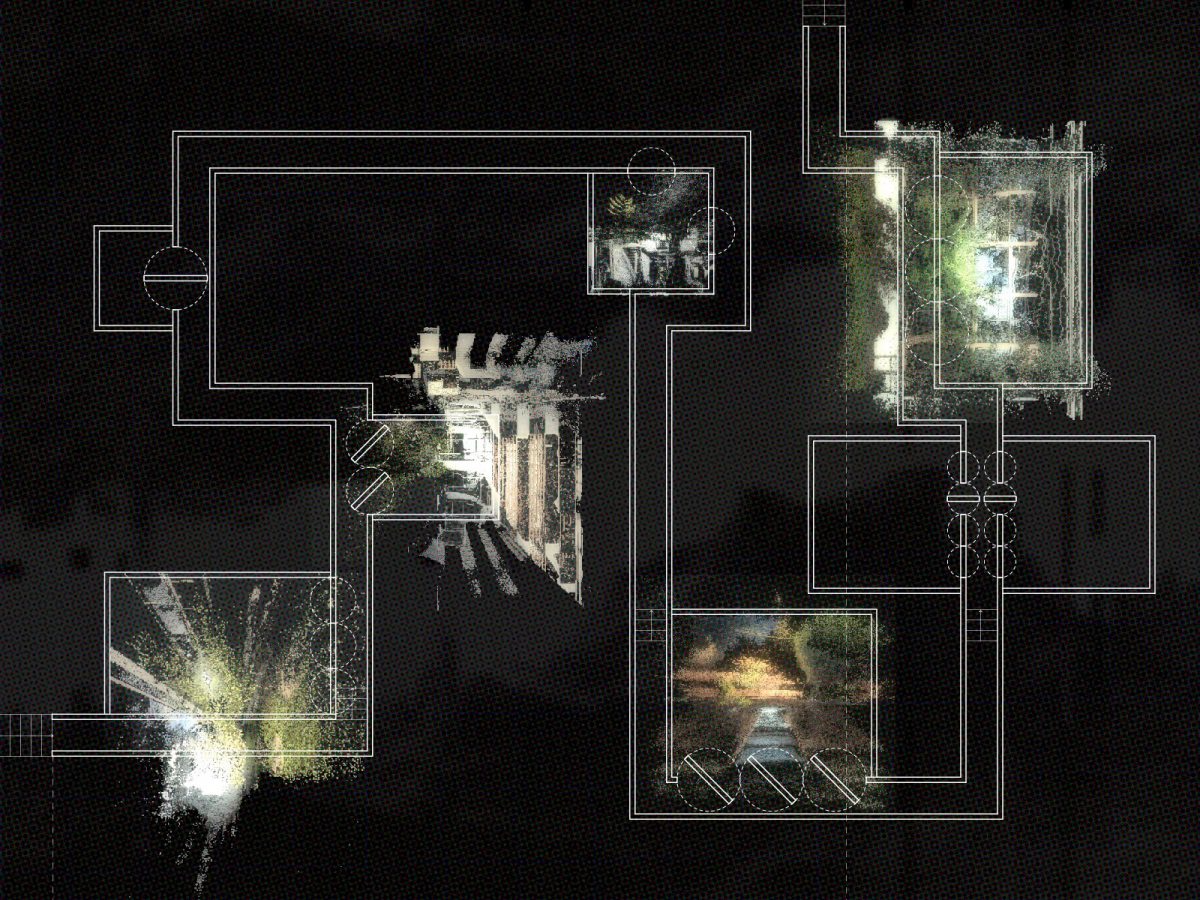
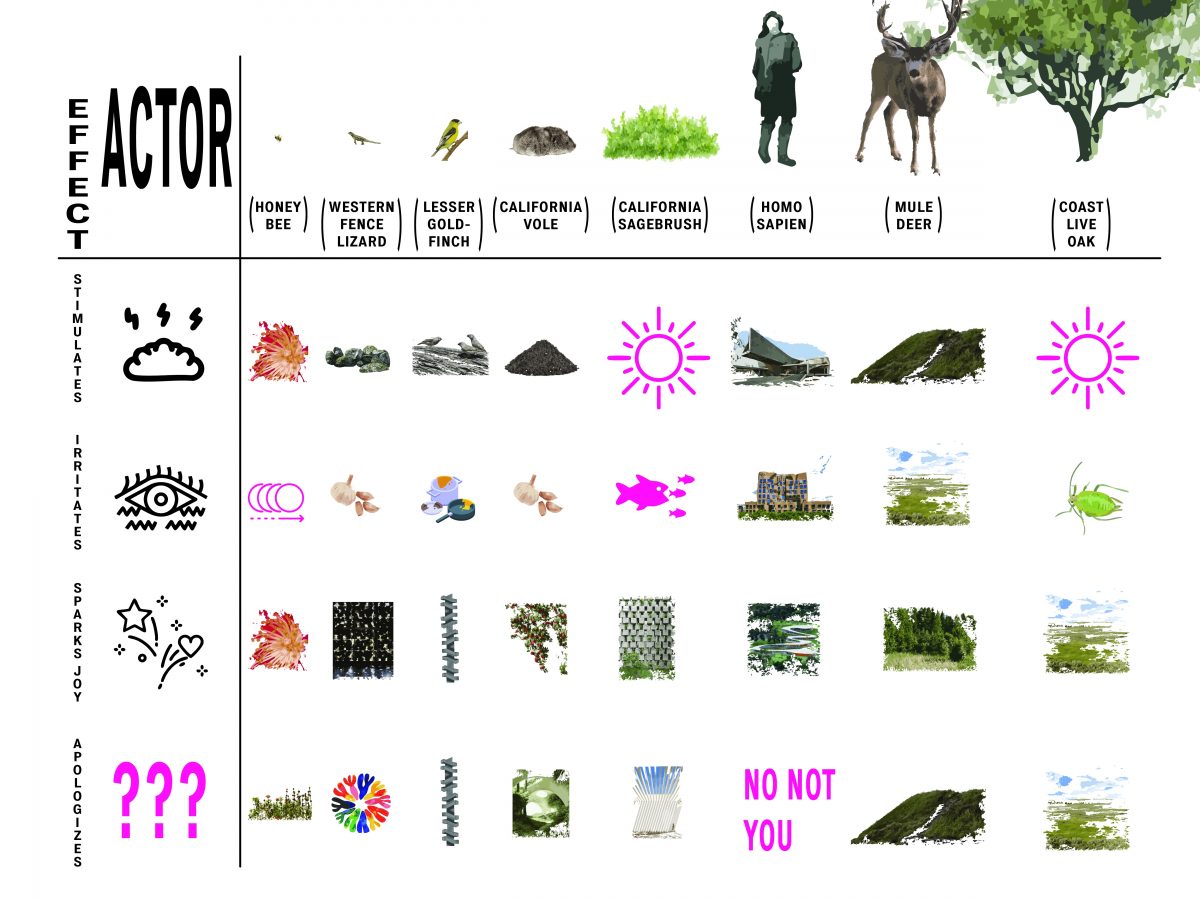
Humankind’ s self-destruction approaches. The human architect must bring the nonhuman actors that will remain into their ethical regard. They will draw from past sacrificial architectures and humanity ’ s detritus to design constructs that will first serve humanity and then decay into new sacrificial architectures, leaving behind apologies to the nonhuman pantheon.

Categories
ARCH 502A: Control Points

Instructor: Eric Haas

Transient Divisions

The implementation of vague spaces in architecture allows for further development of the edge conditions, allowing for new discoveries visually and experientially in a mundane environment. Boundaries constantly expand or are blurred through time, different atmospheric conditions, and movement, where streets transform into a new third space for its users.

Categories
ARCH 502A: Control Points

Instructor: Eric Haas

Necessary Irritation: The Anti-Suburb

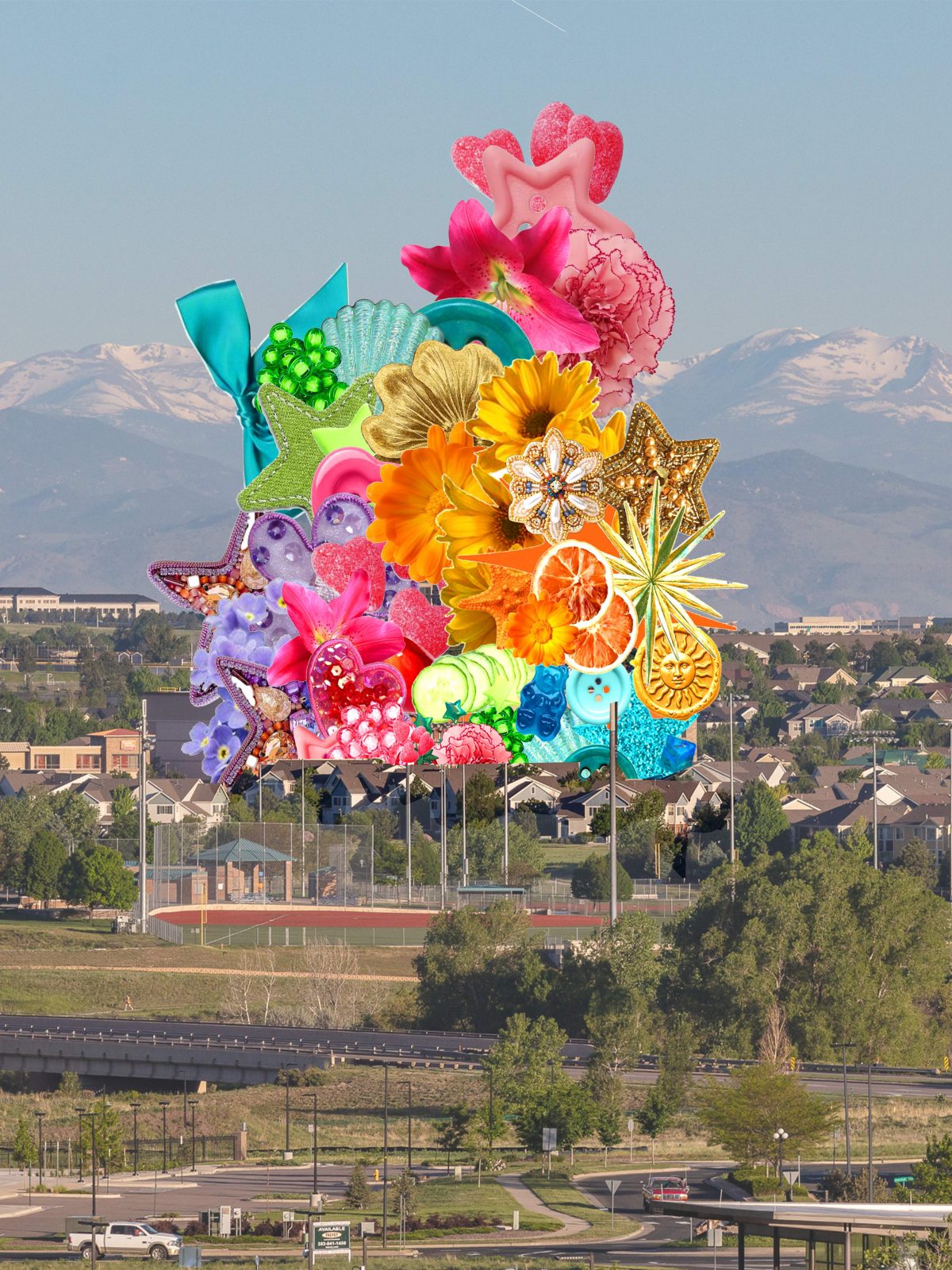
My hometown – Parker, Colorado – sports a visual drabness that is particularly emblematic of American suburbia. Dominated by swaths of developer-made structures, the environment can feel lifeless and confining. Drawing from Mugler’s disruption of the fashion industry through his couture shows, my project creates “necessary irritants” that disrupt a bland status quo. These insertions […]

Categories
ARCH 502A: Control Points

Instructor: Eric Haas

Myth, Machine & Boundary

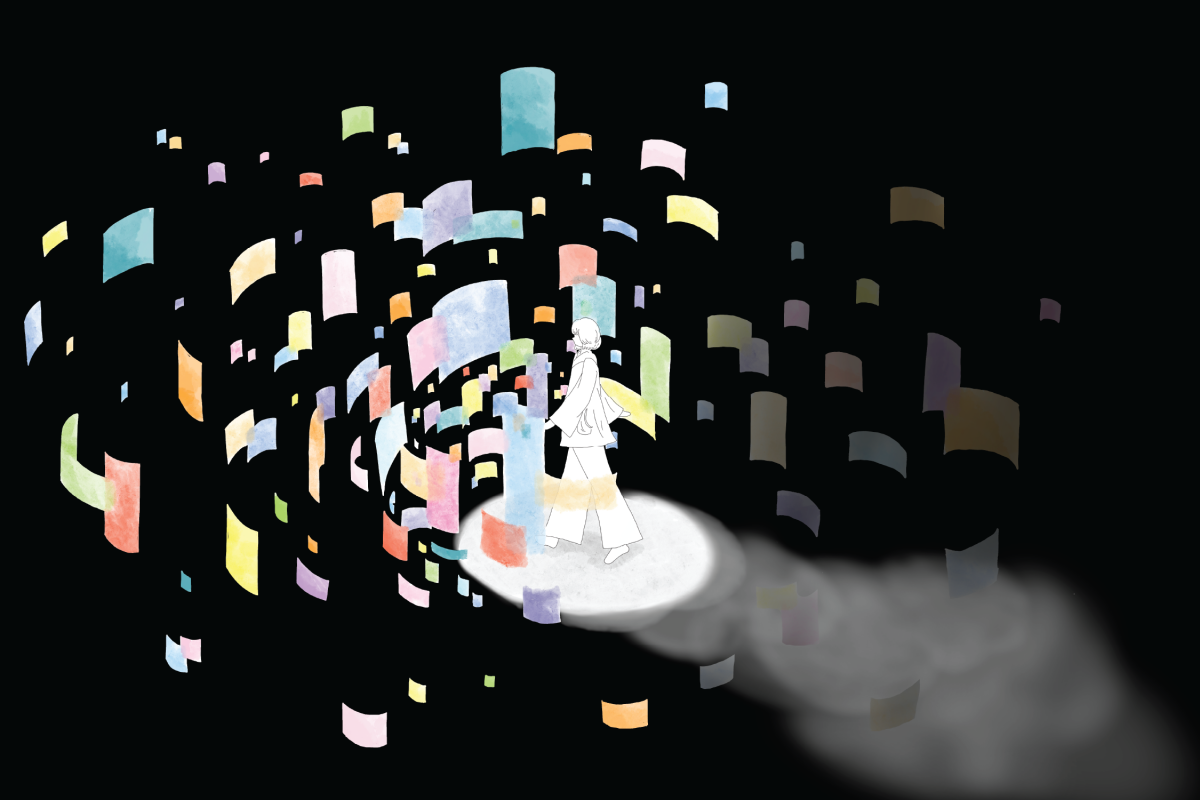
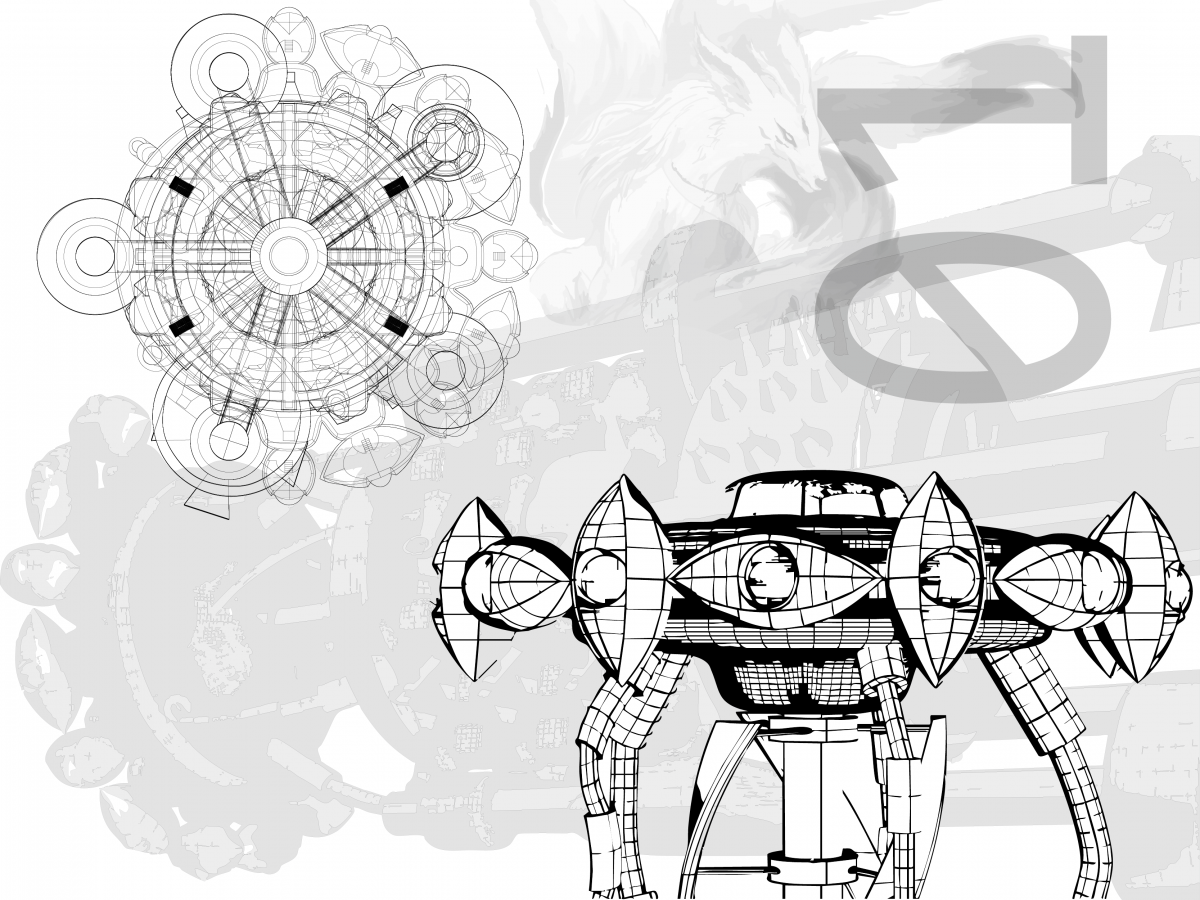
In a fictional isekai world, the absence of control towers leads to the destruction of pure nature. Without regulation, humans spread unchecked, causing serious urban sprawl. This worldbuilding, expressed allegorically, proposes a new ideology—towers as boundaries—to sustain self-sufficient societies, keeping people within the city and preserving the surrounding wilderness from harm.

Categories
ARCH 502A: Control Points

Instructor: Eric Haas

Future Forensics

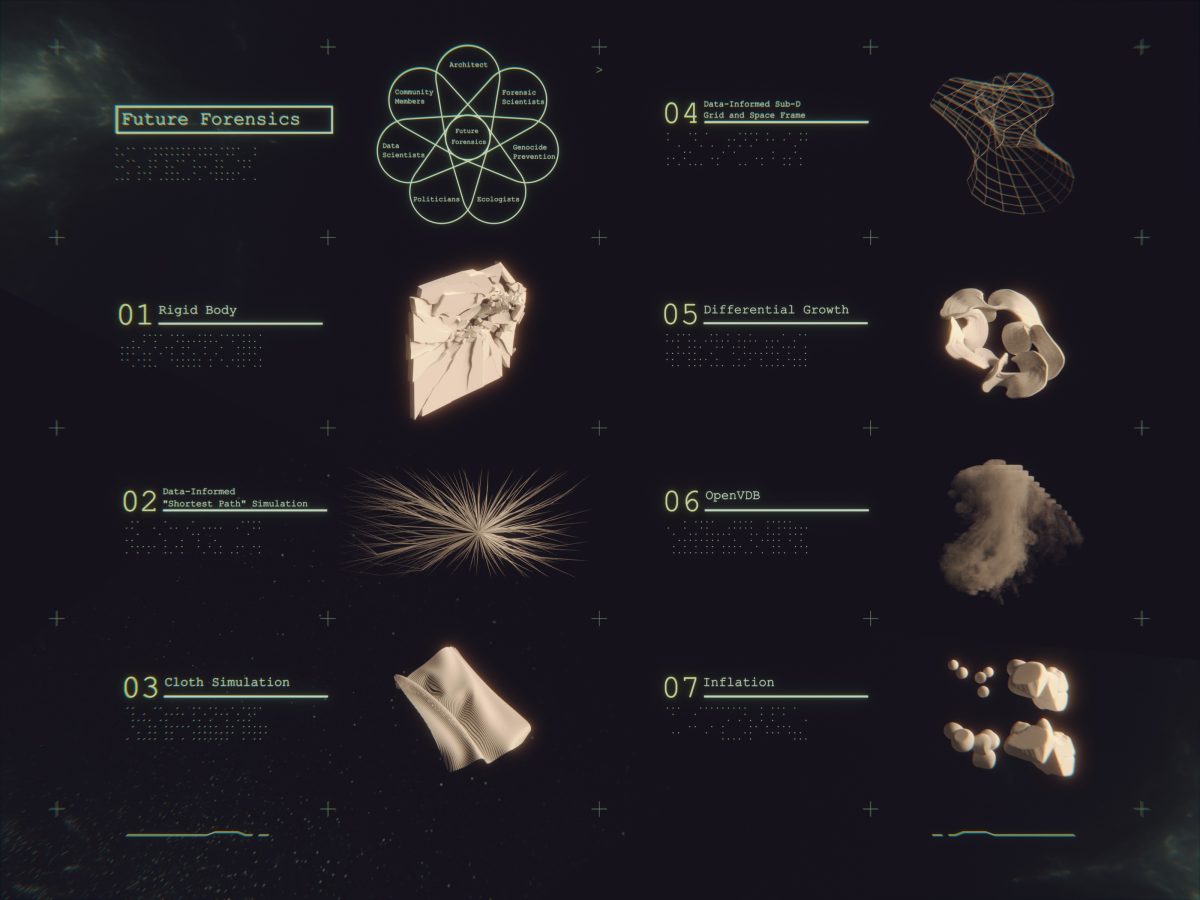
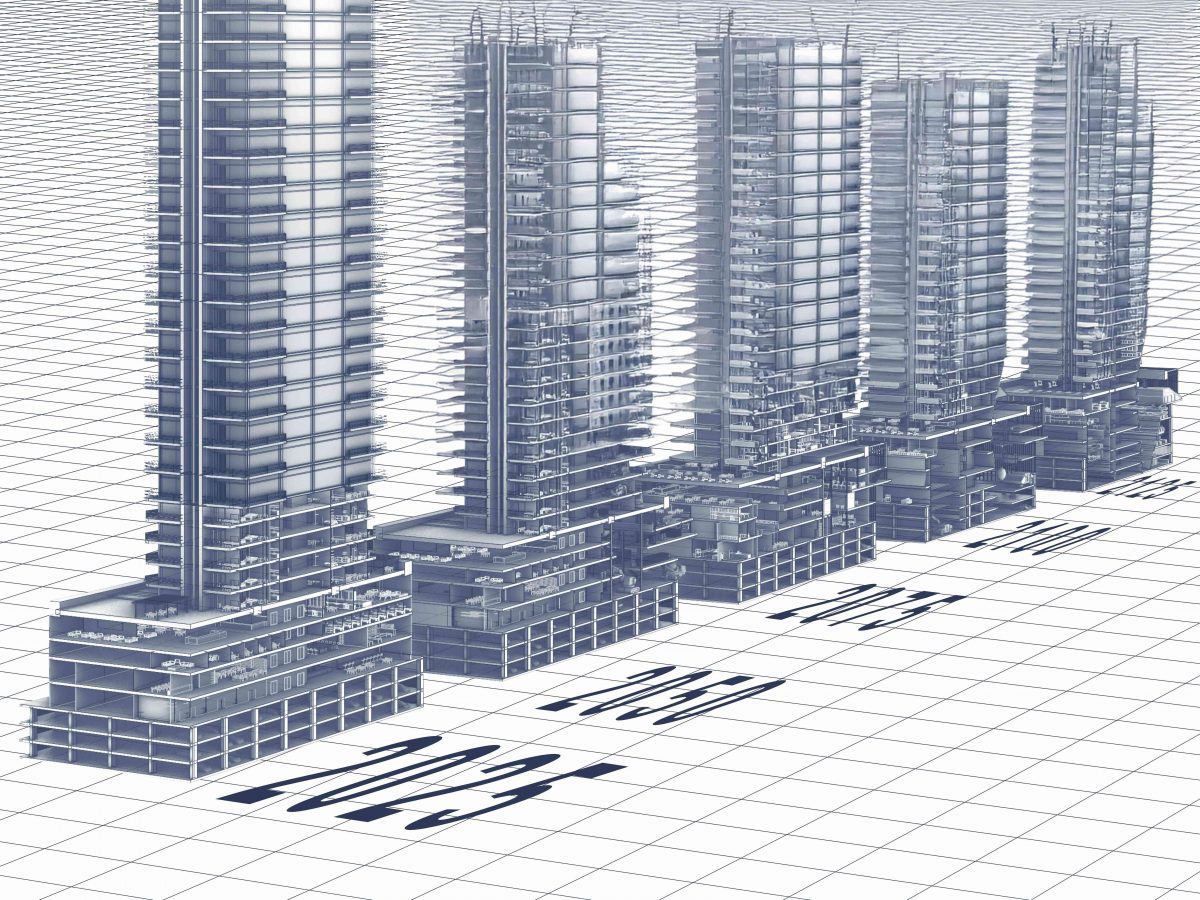
Architectural diagrams idealize buildings, yet our world is flawed. The Future Forensic Diagram emerges as the new Building Information Model (BIM), harnessing unconventional data-driven simulations that embrace imperfection, revealing architecture’s vulnerabilities before construction. Using novel visualization techniques to interrogate this model, architects can foster collaboration with those who lie outside of the field to explore […]

Categories
ARCH 502A: Control Points

Instructor: Eric Haas

Revoir

“Revoir” reimagines architecture as a tool for recovery, resilience, and revival. Emerging from post-disaster conditions, it proposes a regenerative system where modular housing and protective structures embody the ethos of collective strength, nurturing neighborhood empowerment, integration with conscious design, and impacting the transformation of vertical cities. This thesis envisions design as a living canvas for […]

Categories
ARCH 502A: Control Points

Instructor: Eric Haas

Polarama

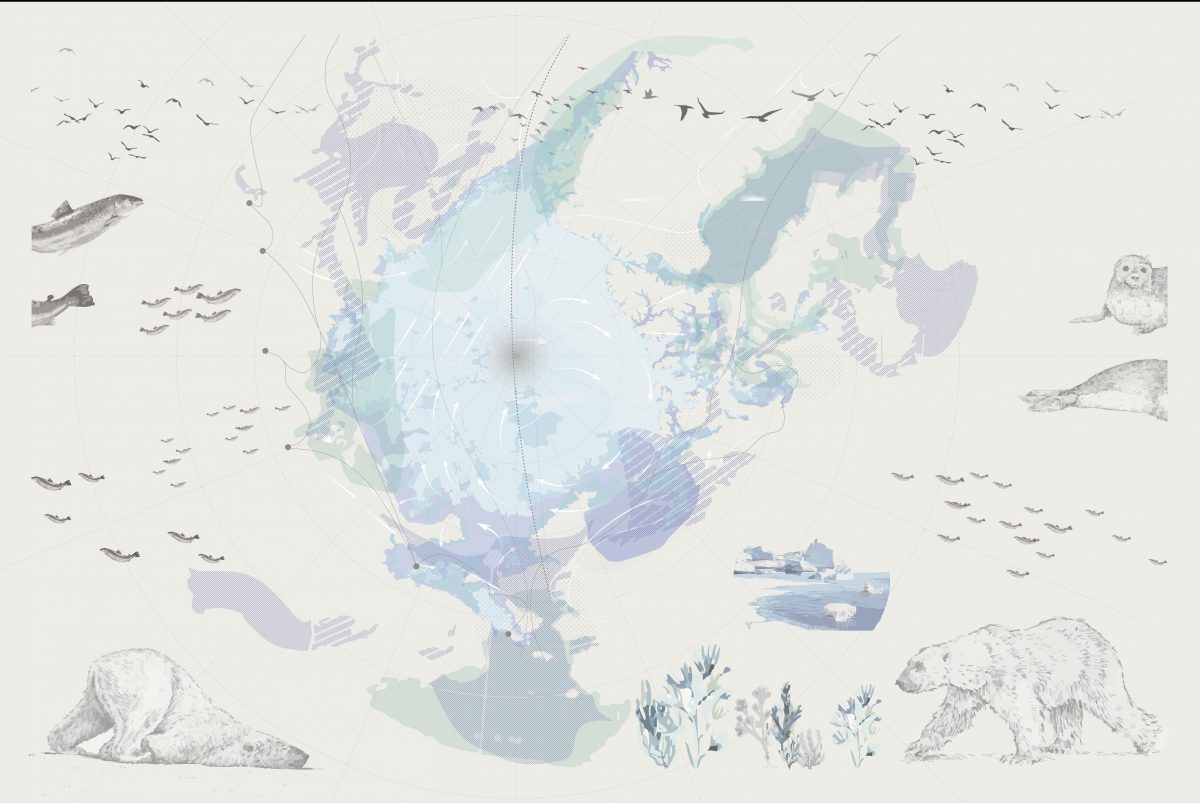
This thesis proposes a diorama-inspired floating architecture, designed with a glacial-form block and an elevated platform, that responds to the ecological and spatial challenges of the melting Arctic. The architecture creates interspecies zones that support the coexistence of polar bears, seals, and human activities such as research, photography, and environmental education. Below the surface, innovative […]

Categories
ARCH 502A: Control Points

Instructor: Eric Haas

The Unfinished is Never Finished

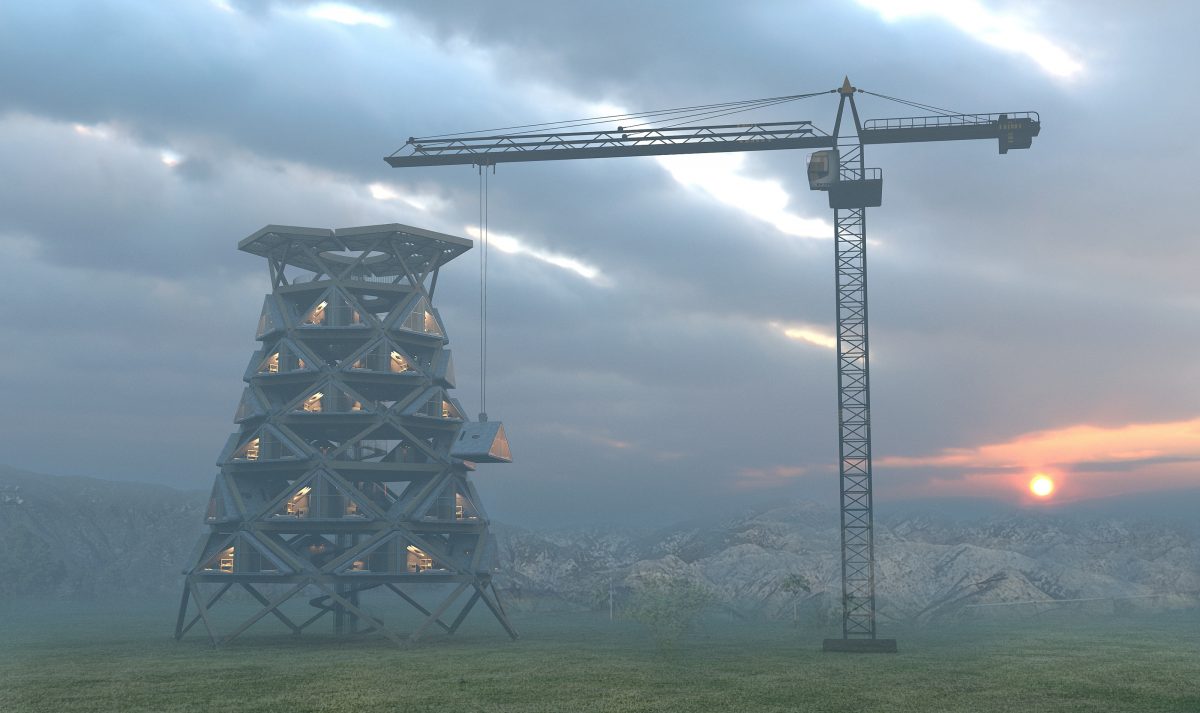
Architecture is a dynamic process shaped by continuous change rather than a static, finished product. Designing with planned incompleteness and flexibility enables buildings to evolve alongside the people who use them, without imposing a fixed outcome. This approach anticipates future needs, empowering both surrounding communities and advancing technologies to shape spatial experiences over time. As […]

Categories
ARCH 502A: Control Points

Instructor: Eric Haas

Paso Faro

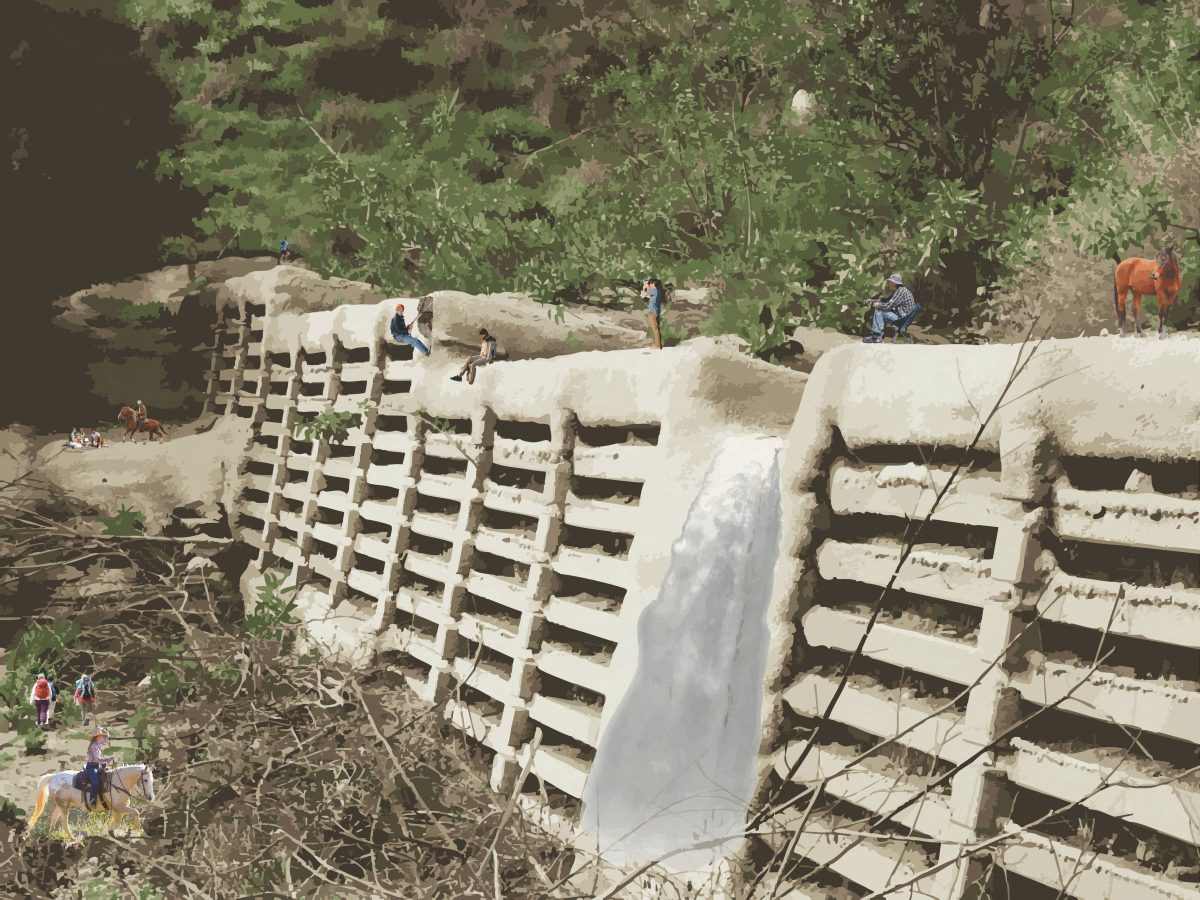
Los Angeles’s flood control dams have long been built with no regard for social integration. The architect is positioned to transform these pieces of infrastructure into visually and socially engaging places. This will be done through the use of landform design and by engaging sloped surfaces as places to occupy.