Categories
FORMS LOST AND FOUND AGAIN

Instructor: Brian Deluna

House of Halls

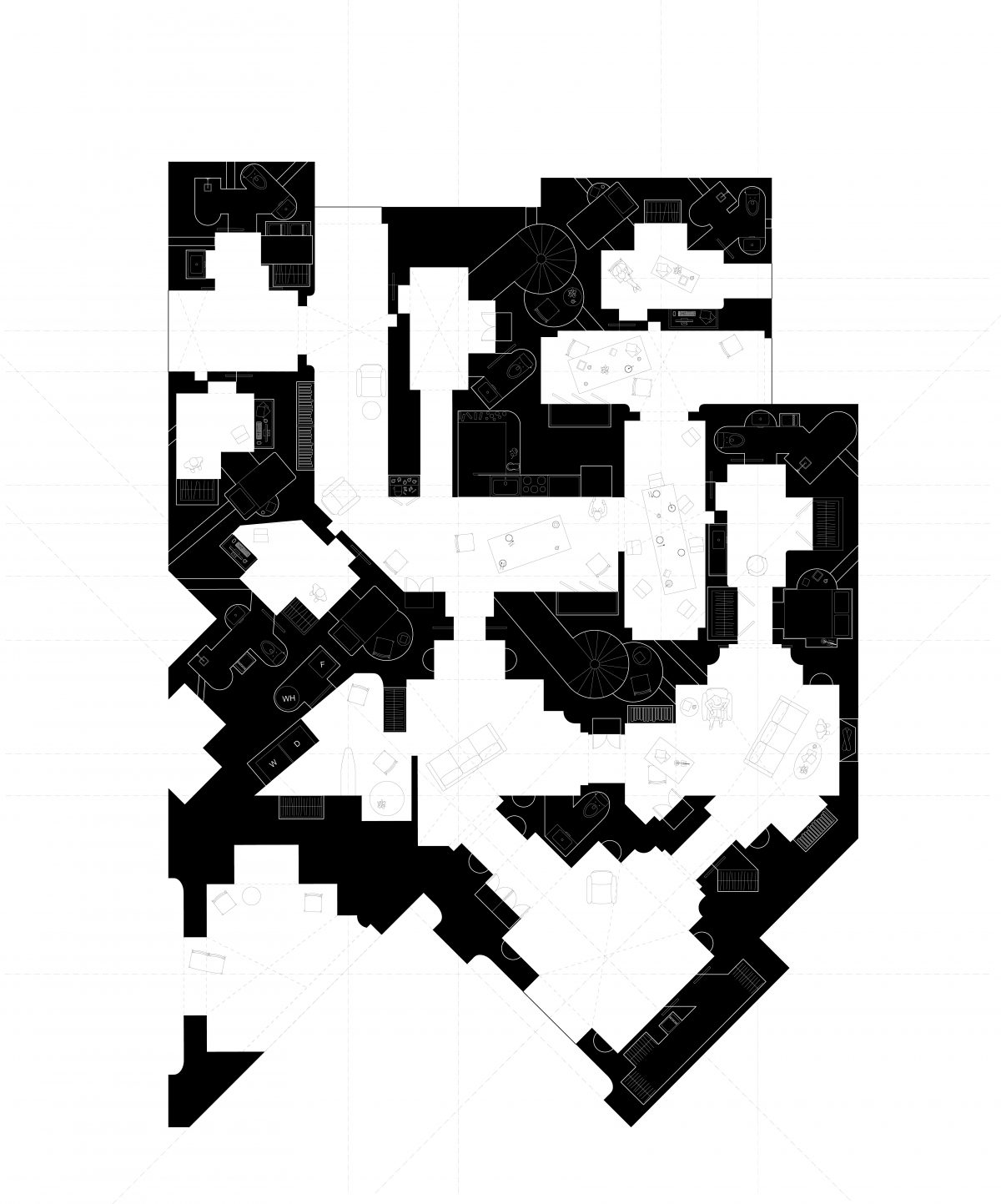
This thesis examines the corridor as a primary architectural element rather than a secondary space of circulation. Beginning with Robert Evans’s Figures, Doors and Passages, it understands movement as a social and architectural instrument that structures privacy, hierarchy, and interaction. In English country houses such as Amesbury House and Nun Appleton, passages did more than […]
Categories
FORMS LOST AND FOUND AGAIN

Instructor: Brian Deluna

Elder Dwelling

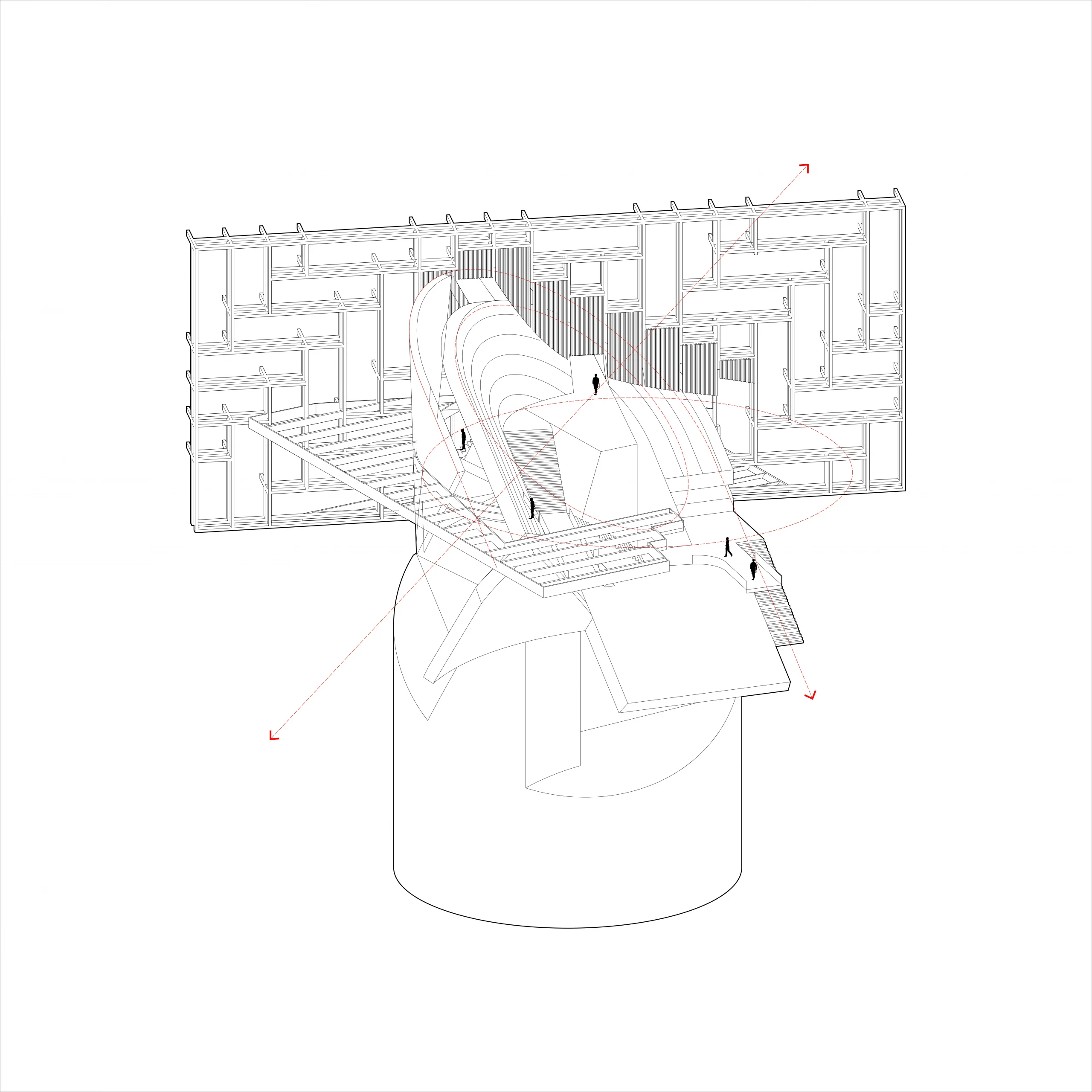
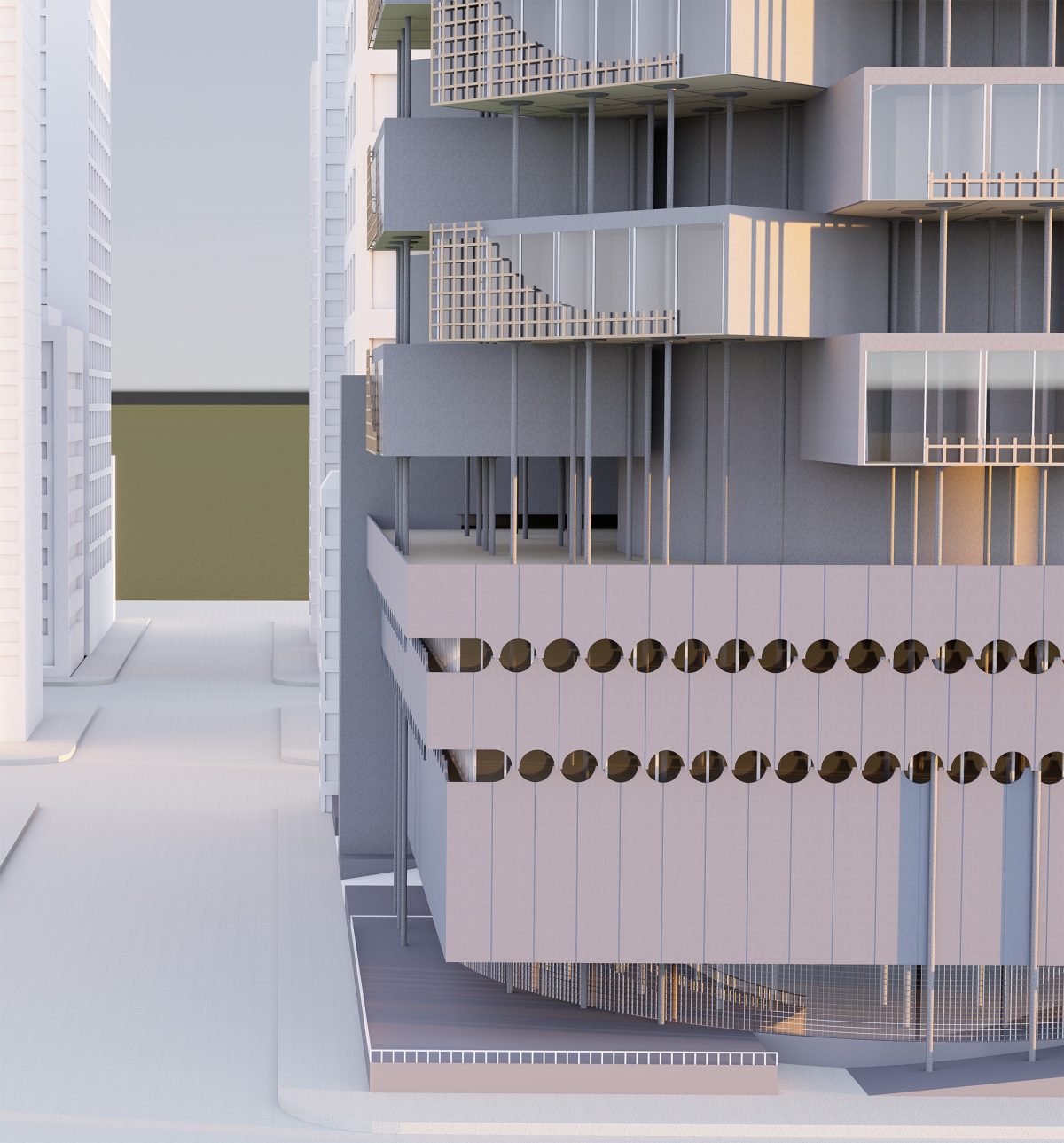
Rethinking housing through the lens of the aging body, proposing a vertical city that integrates living, movement, and collective life into a single, continuous spatial system. By combining private dwellings with shared communal spaces, the design supports independence, social interaction, and accessibility while addressing the spatial and physiological needs of older adults.

Categories
FORMS LOST AND FOUND AGAIN

Instructor: Brian Deluna

Thick Thresholds

This thesis investigates threshold space as a generator of architectural experience. Rather than treating thresholds as thin, functional boundaries between inside and outside, the project explores how they can become spatially thick, layered environments that intensify the experience of passing through space. Thickness, material layering, and spatial tension are used to transform moments of transition […]

Categories
FORMS LOST AND FOUND AGAIN

Instructor: Brian Deluna

Oblique | Social Participation as a Bridge

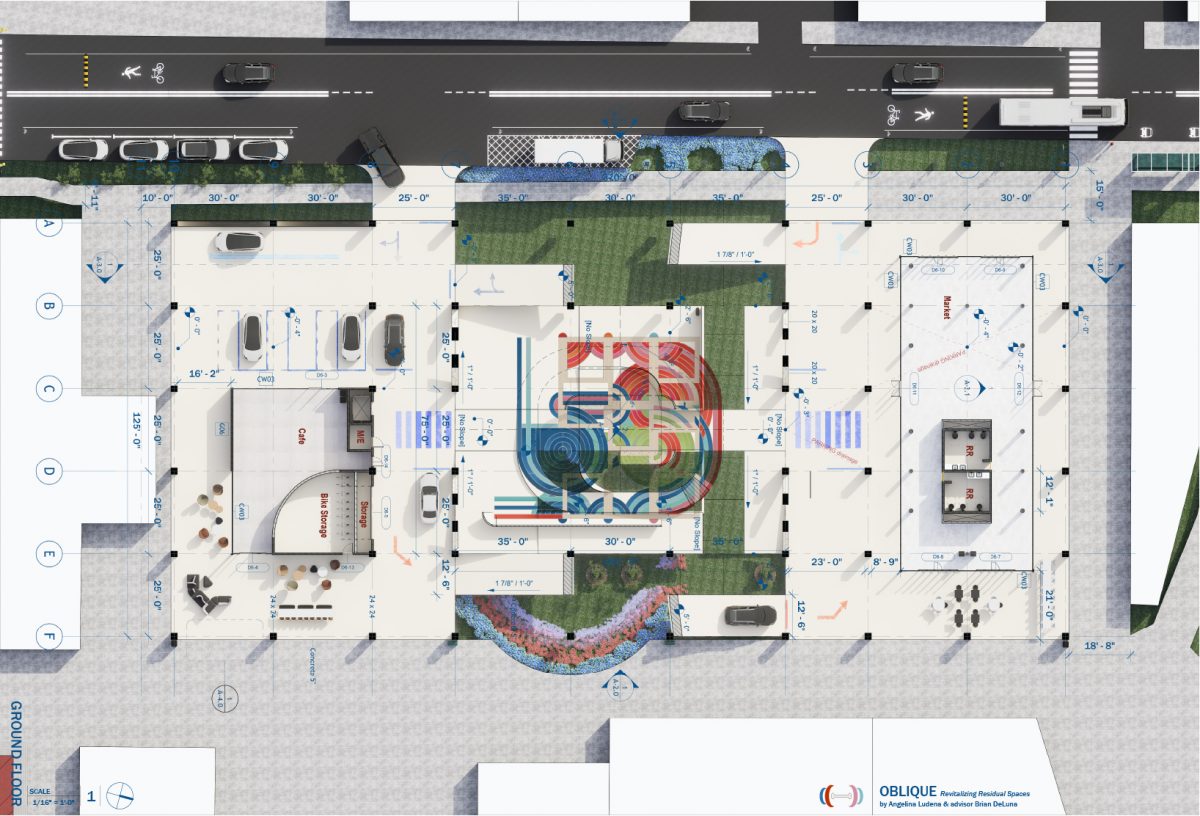
This thesis proposes a hybrid architectural system that embeds wellness-driven programs within a reimagined parking structure, transforming a typical inert typology into an active, behavior-shaping environment. Drawing inspiration from Frank Stella, the project uses graphic systems as a primary organizational and wayfinding tool where color, pattern, and visual identity act as the connective tissue between […]

Categories
FORMS LOST AND FOUND AGAIN

Instructor: Brian Deluna

Serious Fun

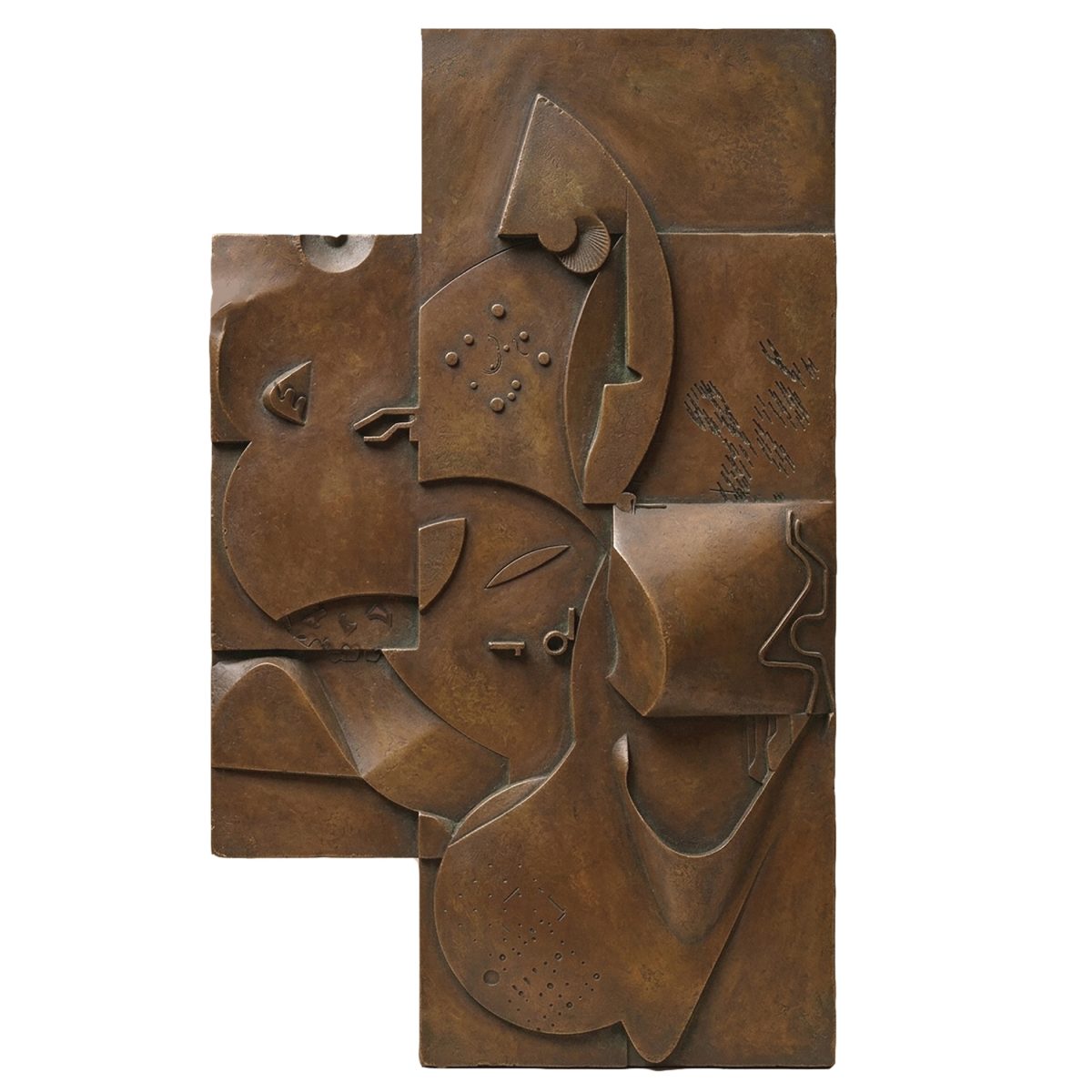
Play operates as a spatial and organizational strategy that structures architecture as a continuous sculptural ground, producing visual coherence, spatial variation, and collective engagement across scales. Moving away from architecture defined by isolated objects, form emerges through relationships between surfaces, movement, and spatial operations rather than fixed figures. As the distinction between object and terrain […]