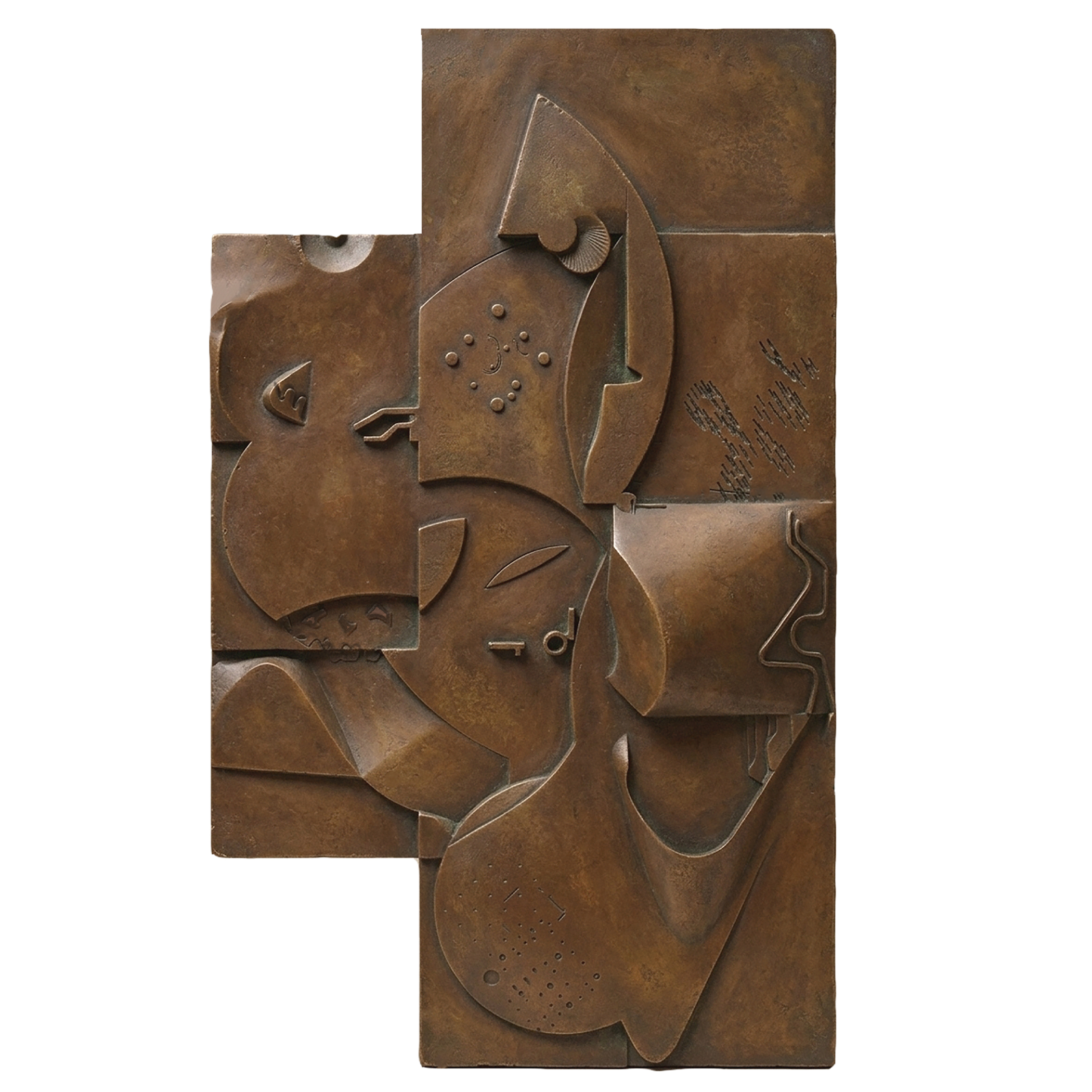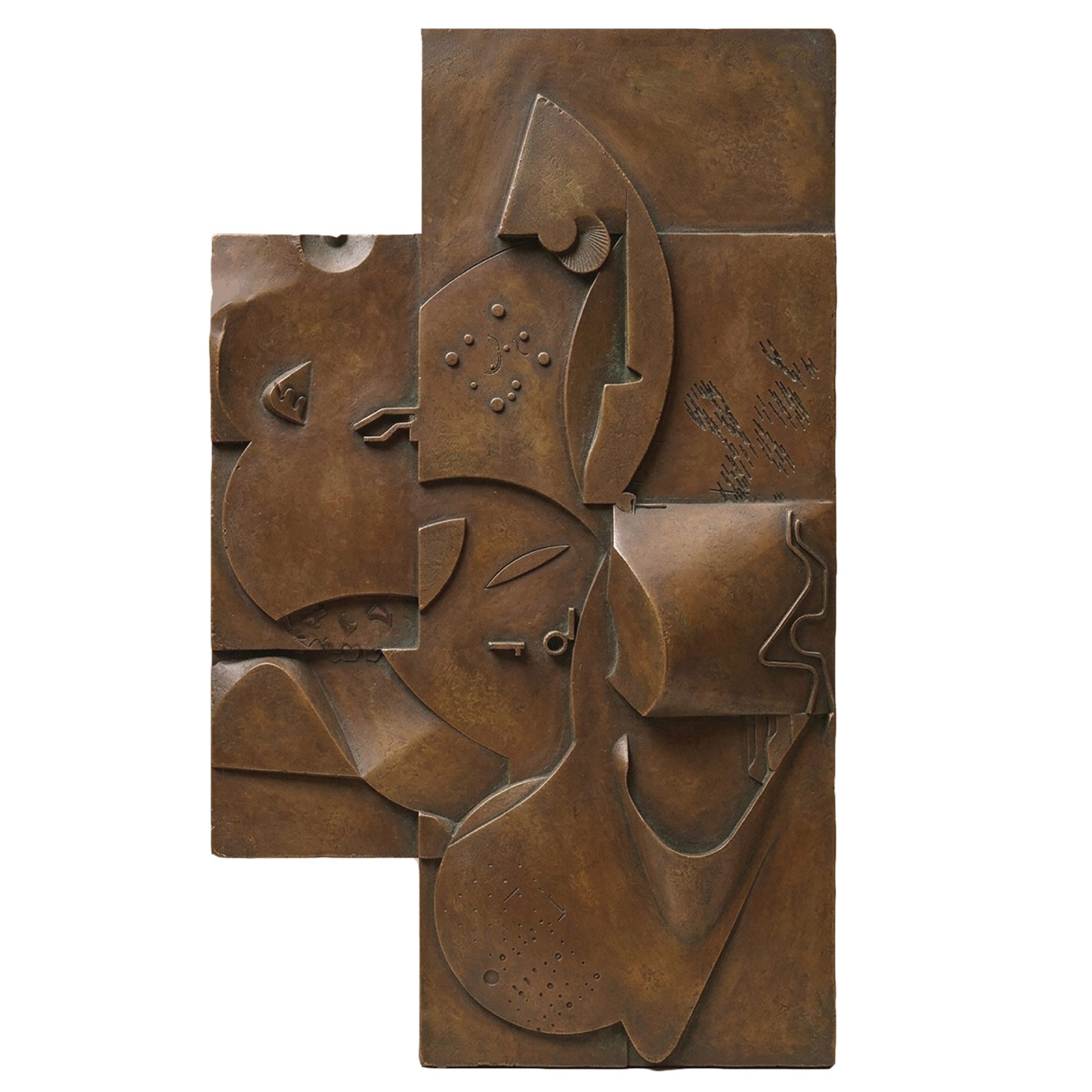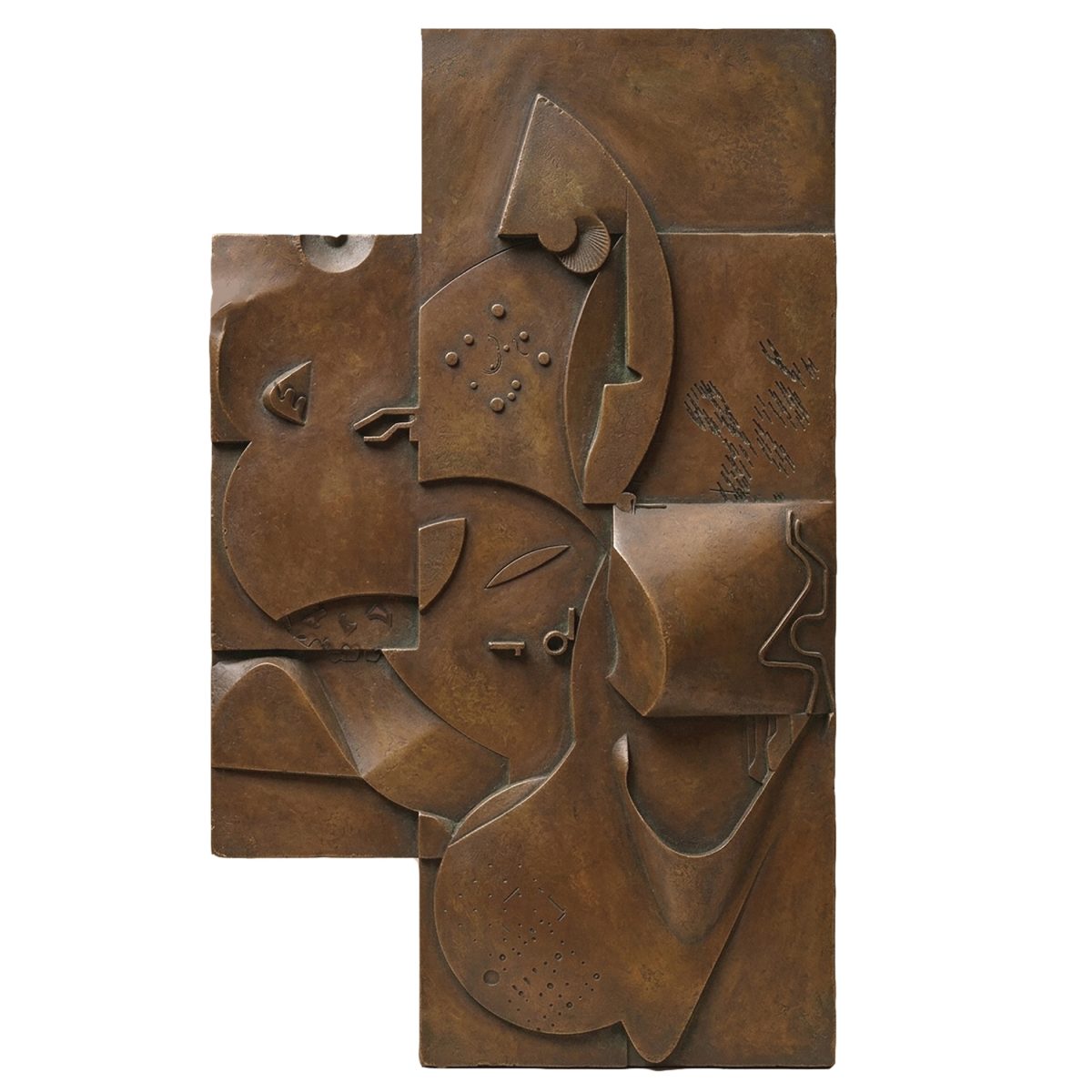
Architecture lives through translation. Forms shift as they move from building to drawing, drawing to model, and memory to reimagination. In that passage, details are lost and new possibilities appear. Architecture is never fixed, but continually reshaped through representation. Perspective, orthographic, and axonometric projection do not simply document form; they shape how it is conceived and transformed across media.
This course examines translation, scale, representation, and thresholds as central design problems. Students will investigate how architecture changes through drawings, readings, models, and design exercises, focusing on the instability produced by shifts in medium and scale. Scale is understood not simply as size, but as a relational system linking object, room, building, city, and territory. As work moves across these magnitudes, meaning and form are displaced and reconstituted.
A major focus of the semester is the study of thresholds, passages, and everyday architectural devices that organize movement, privacy, and social exchange. Drawing on Robin Evans’s writing, the course considers how architecture structures relationships through doors, corridors, and transitional spaces that may seem mundane yet carry cultural and spatial significance. Students will use these investigations to question inherited conventions and rethink familiar typologies. Rather than reproducing architectural norms, the course uses translation, misreading, and reinvention as design methods for generating new formal, spatial, and civic possibilities within the broader theme of public common space.

Forms, Lost + Found
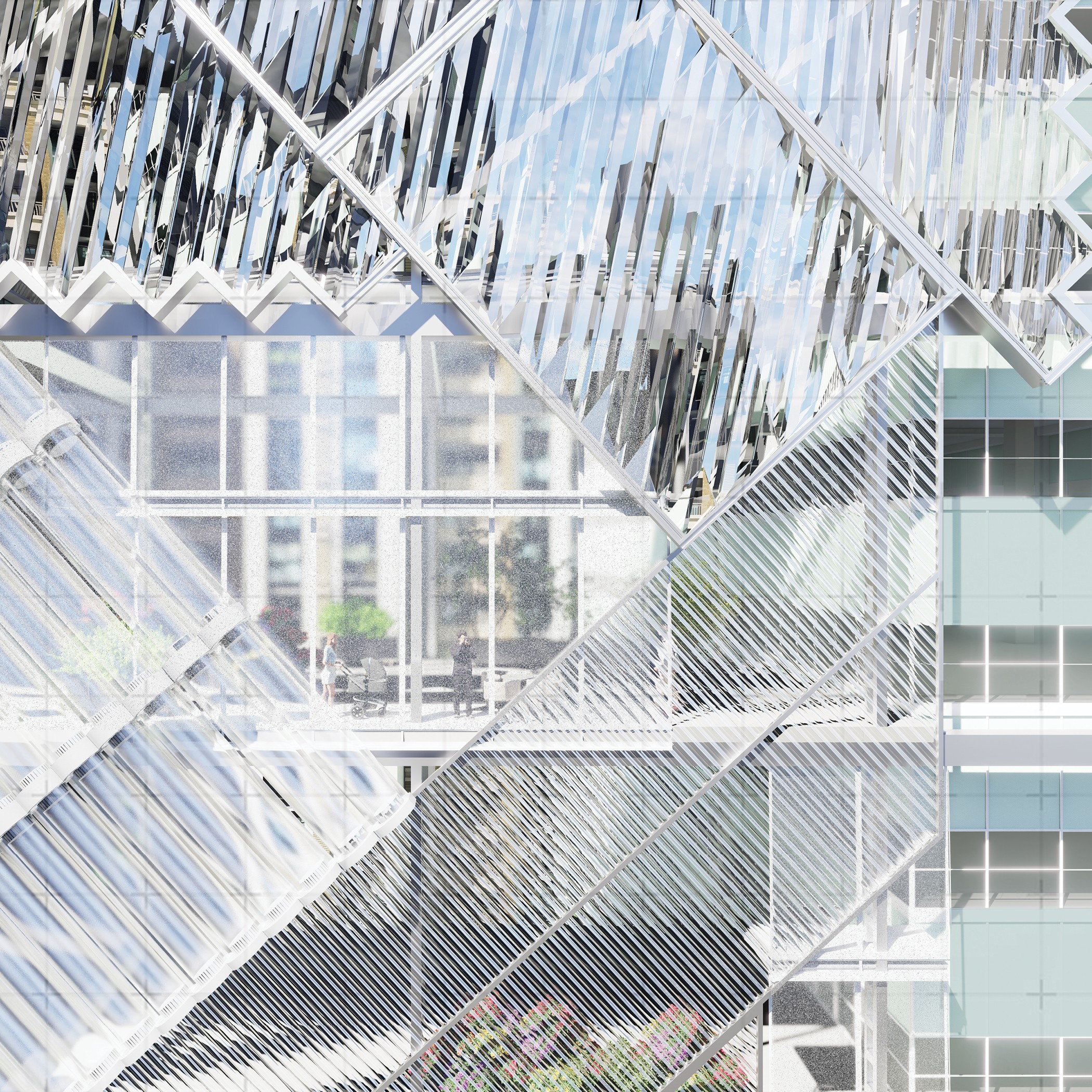
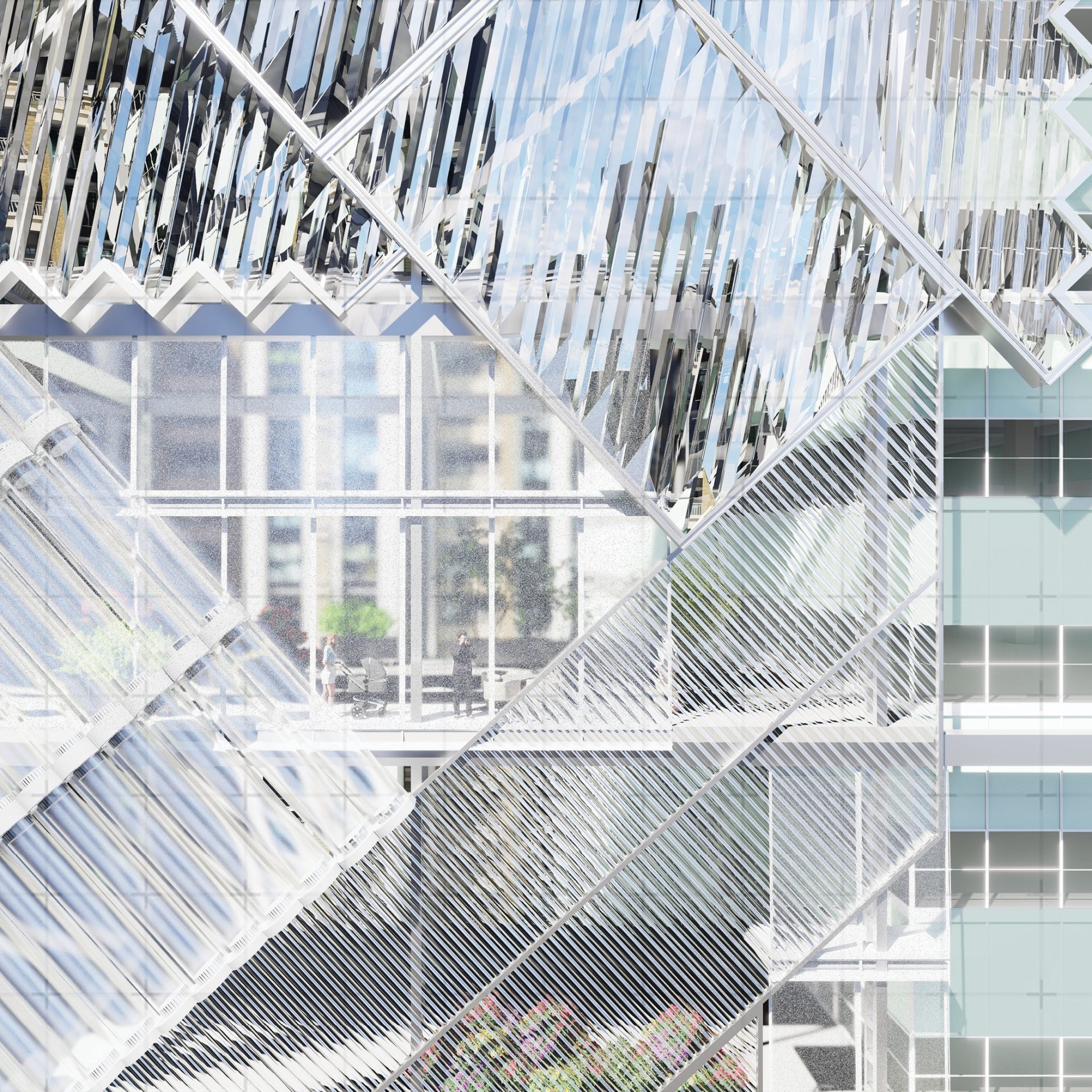
Studying the effects of glass, this thesis reimagines the modern community greenhouse not as a simple enclosure, but as a dynamic, light-mediating architecture driven by the material intelligence of glass. Through the strategic layering of glass tubes, etched, fluted, and dichroic glass panels, overlapping translucencies generate shifting atmospheres of diffused light, shadow, and spectral phenomena that transforms glass from passive skin into an active ecological tool. These luminous conditions modulate plant growth, foster human comfort, and dissolve the boundary between built structure and living ecosystem. The community greenhouse becomes a civic and ecological commons, where each glass threshold negotiates between transparency and enclosure, public and private, cultivated and wild. Architecture, here, does not merely shelter growth, it becomes the condition through which growth is made possible.

Learning at the Threshold — Between Institution and Daily Life
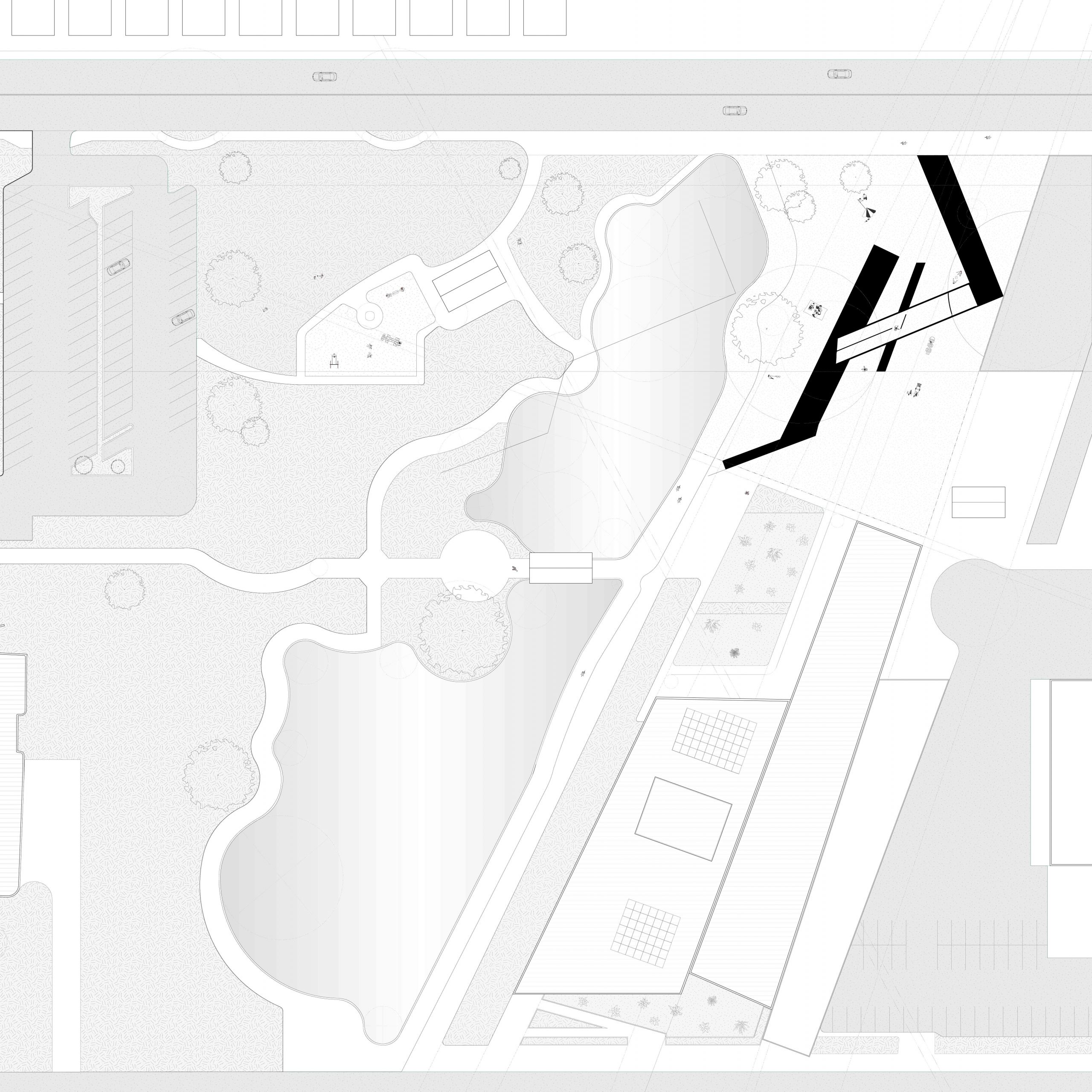
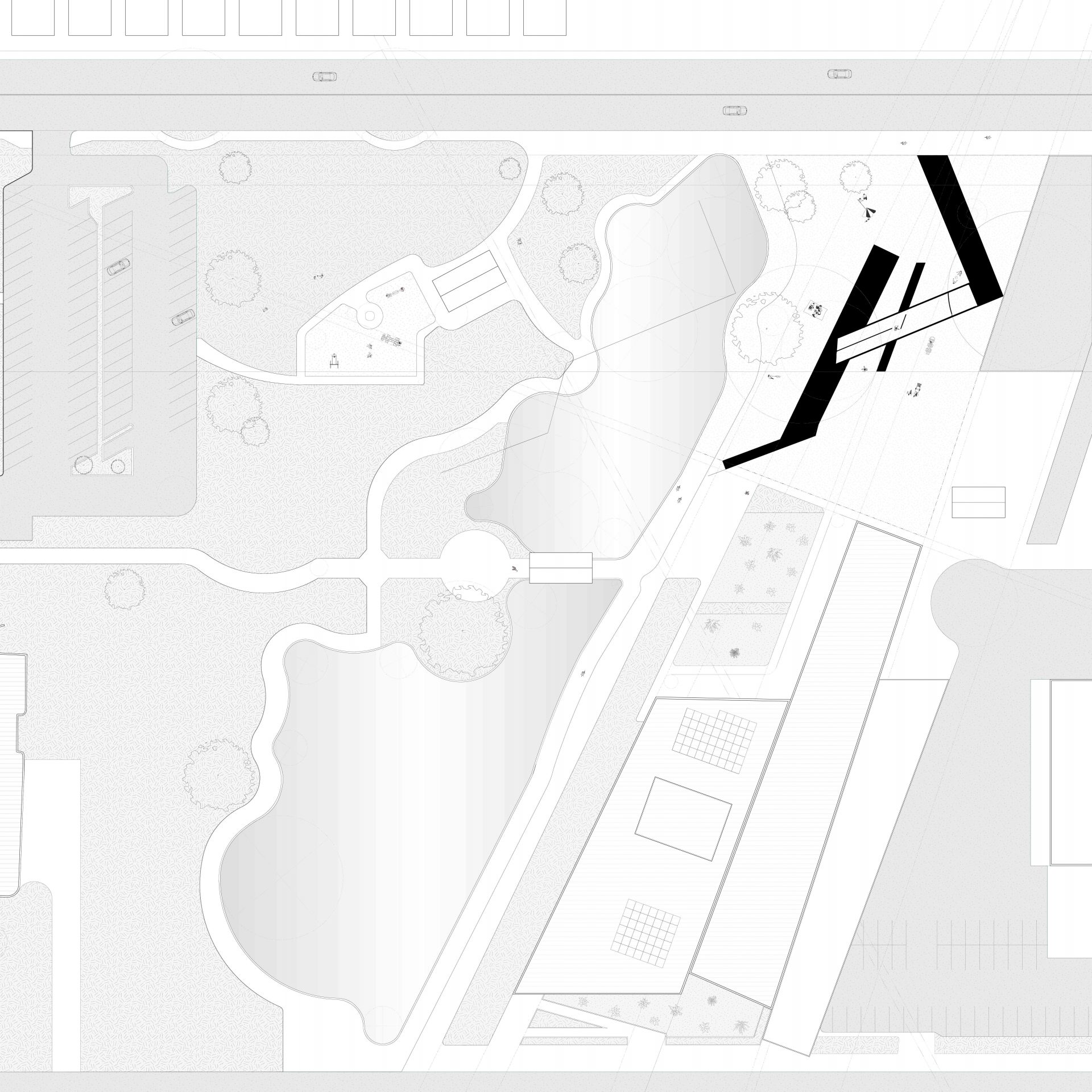
Learning at the Threshold proposes a civic space for learning and support in downtown Bakersfield that addresses the psychological and social barriers first-generation and working class students face when navigating higher education. Located adjacent to Mill Creek Park, the project positions learning between institutional systems and everyday public life, where support can be encountered informally rather than formally sought.
The design is organized by a continuous, inhabitable boundary derived from site geometries that acts as a spatial threshold, integrating seating, learning, and circulation while framing a central civic forum. By transforming the boundary into a place of occupation, the project creates a porous civic space where learning and support unfold through daily life.
Perception of Space
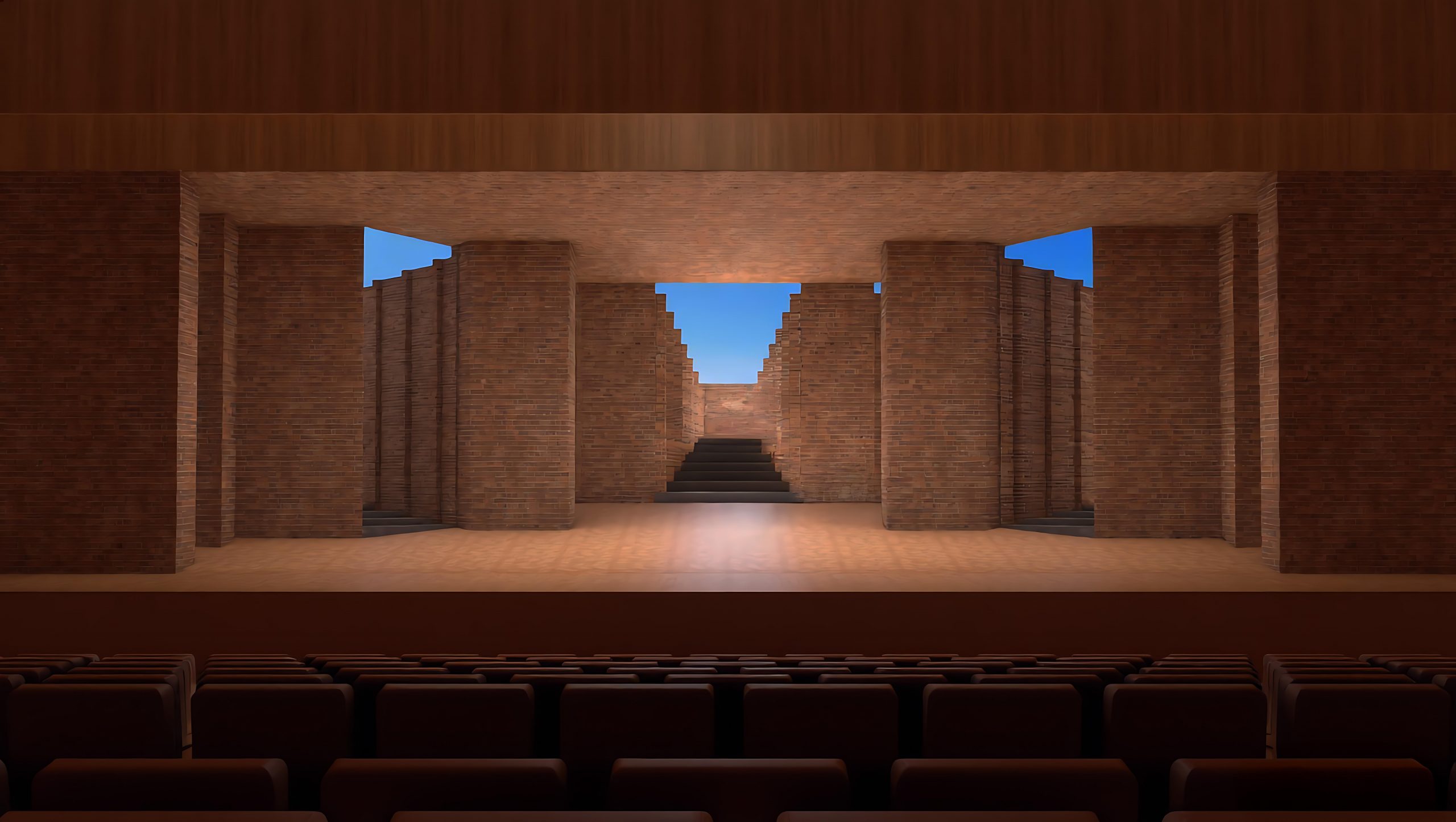
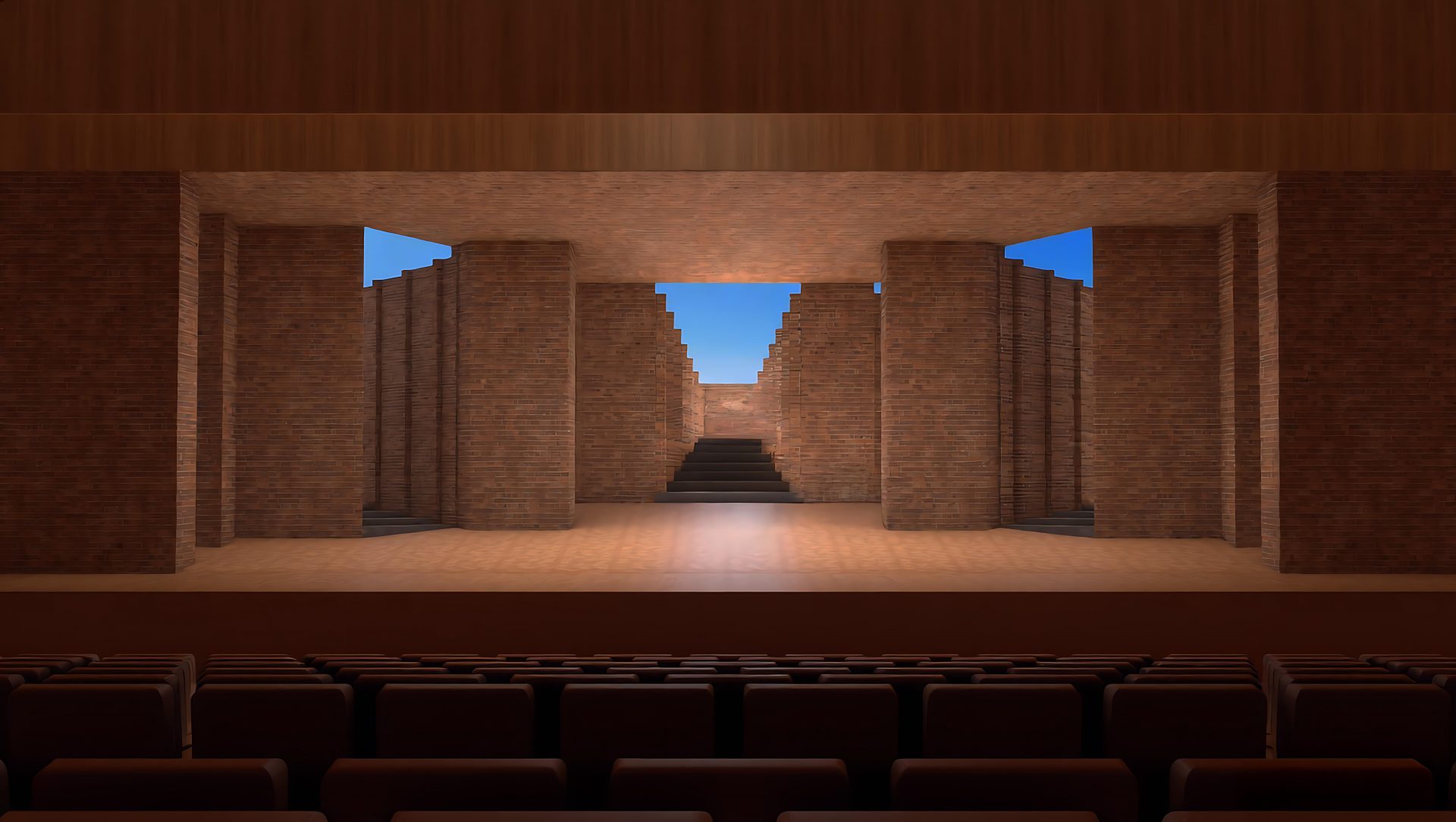
People often experience spaces that distort or manipulate their perceived depth, scale, and orientation, where what is seen does not fully align with what is physically built. This project is grounded in an interest in those perceptual conditions, examining how architecture can construct and intensify such experiences. Theater becomes the medium for this investigation, serving as a space where perception is already heightened and collective.
Through the use of forced perspective, the stage is designed to manipulate apparent depth, while the geometry and orientation of seating and surrounding architecture produce varied sightlines and spatial readings. As a result, each viewer occupies a distinct perceptual position, experiencing the same performance through different spatial and visual conditions. Rather than treating forced perspective as a visual trick, the project frames it as a spatial effect generated through geometric relationships, using architecture to actively shape how space is understood.
Within – Exploring Nested Morphologies
This thesis investigates how a building can operate as a small city through nested spatial relationships. The project is organized as a sequence of volumes moving from private to public, connected by an inhabited spine that structures movement and spatial continuity. Within each volume, a “house within a house” strategy establishes layered zones of privacy, where outer spaces are more open and collective while inner spaces are more enclosed and controlled. In this way, the building functions as an interior urban condition, where rooms act as discrete elements and circulation organizes their relationships.
The project is guided by a simple geometric system that organizes space through position and hierarchy rather than a fixed program. This allows spaces to adapt over time while maintaining clarity and order. By working across scales, from room to building to urban condition, this thesis proposes architecture in which relationships between spaces generate form and experience from within.
SPOLIA — EMBODIED MEMORY + COGNITIVE CARE
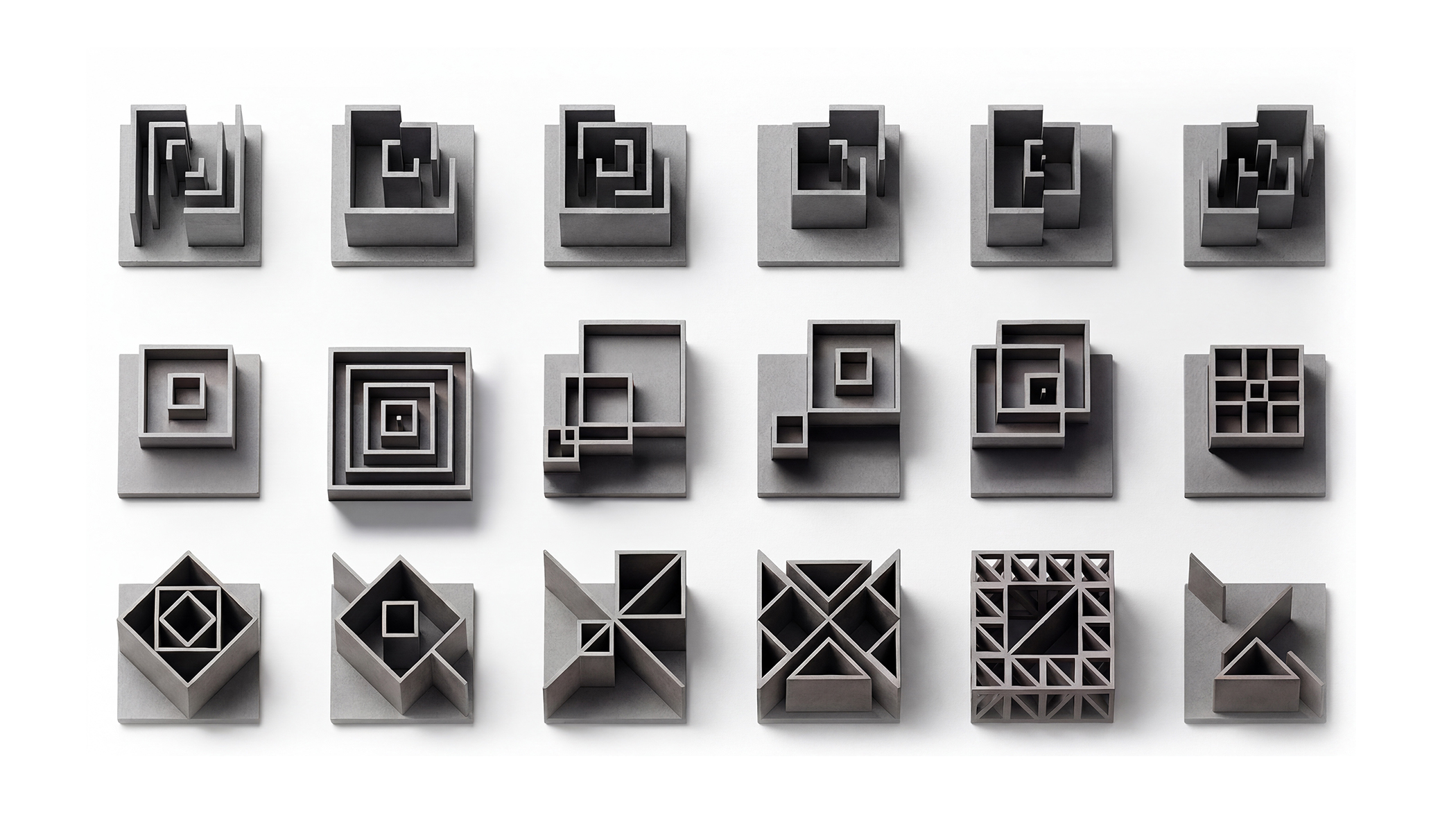
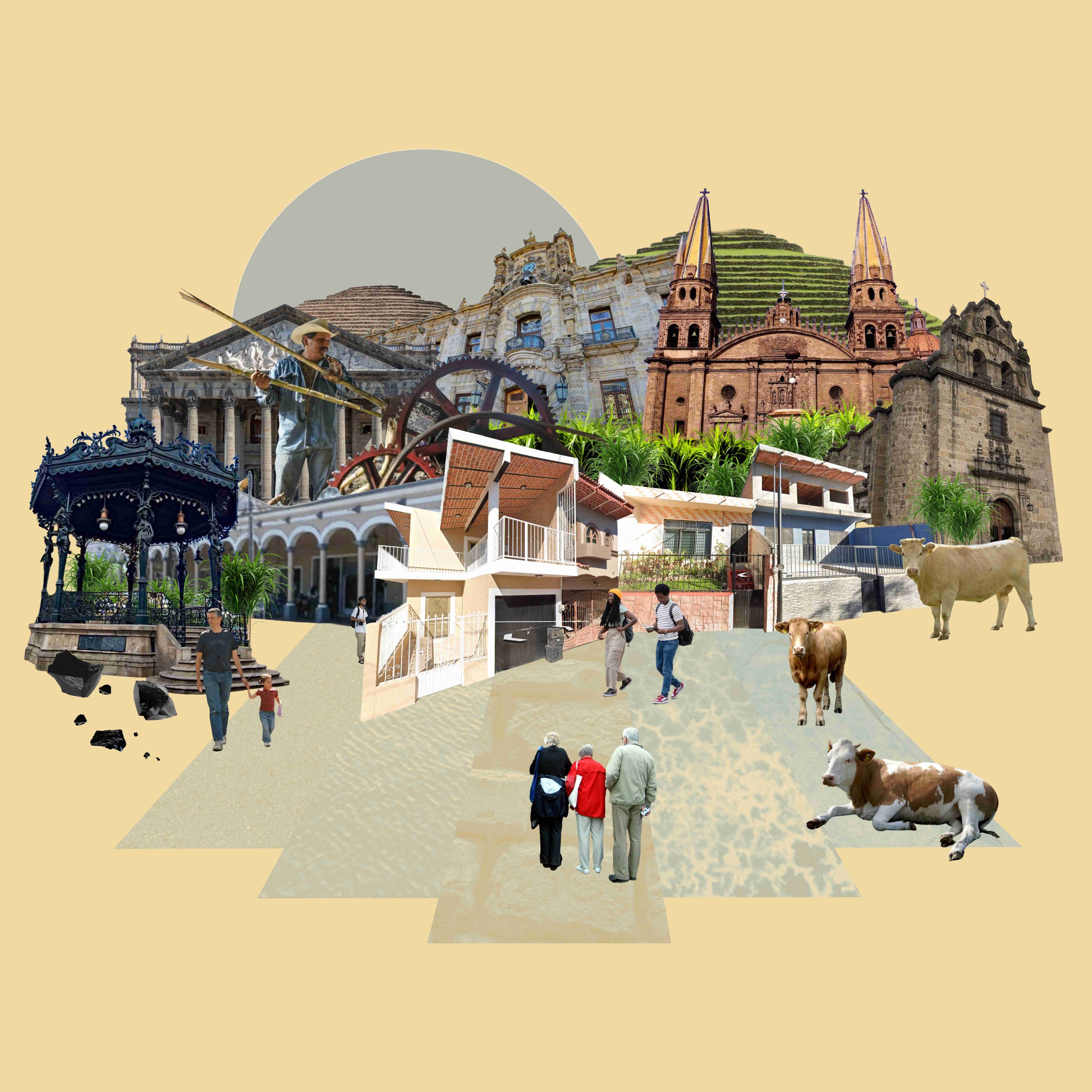
Inspired by Aldo Rossi’s conception of the city as a repository of collective memory, this thesis understands form as a monument capable of holding, revealing, and sustaining memory over time. It proposes a daytime garden and activity center for individuals experiencing cognitive decline, where therapeutic landscapes and sensory environments are designed to stimulate engagement and improve quality of life.
Spolia operates as both a material and design strategy, drawing fragments from different local typologies at both the public and private scale. These elements are reinterpreted within new construction, allowing memory to remain present. In this way, form becomes both a vessel of cultural memory and a monumental framework that supports dignity and the preservation of personal memory.
“Preserving Peace” – Refugee Housing at the UN
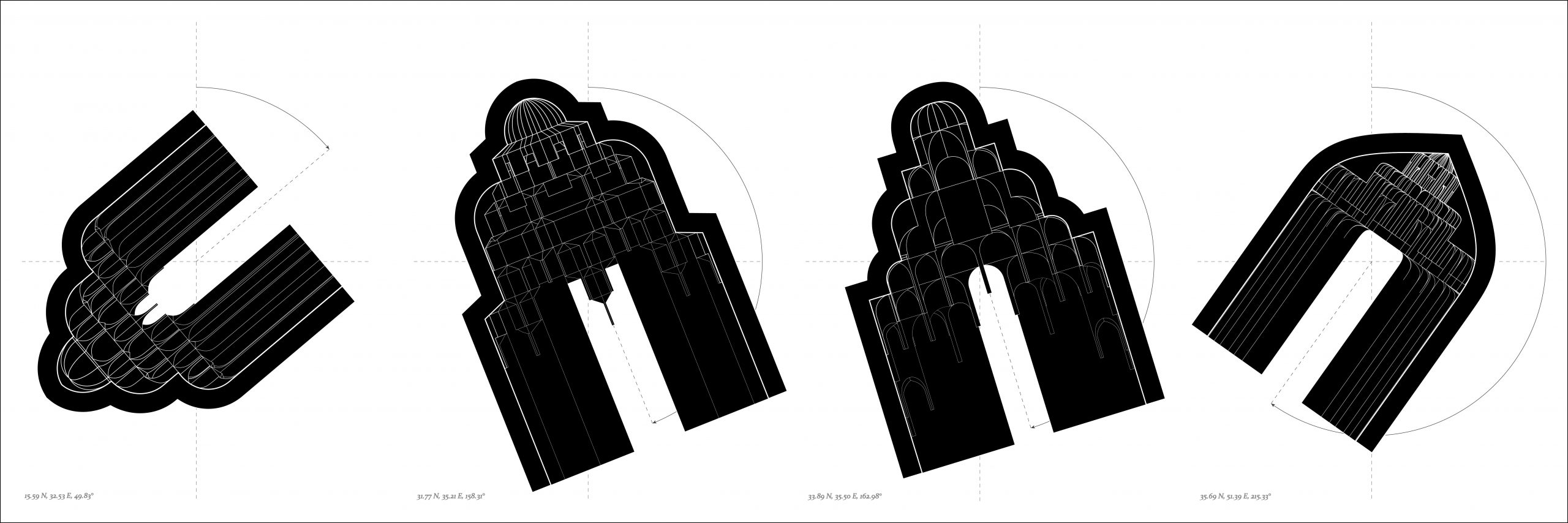
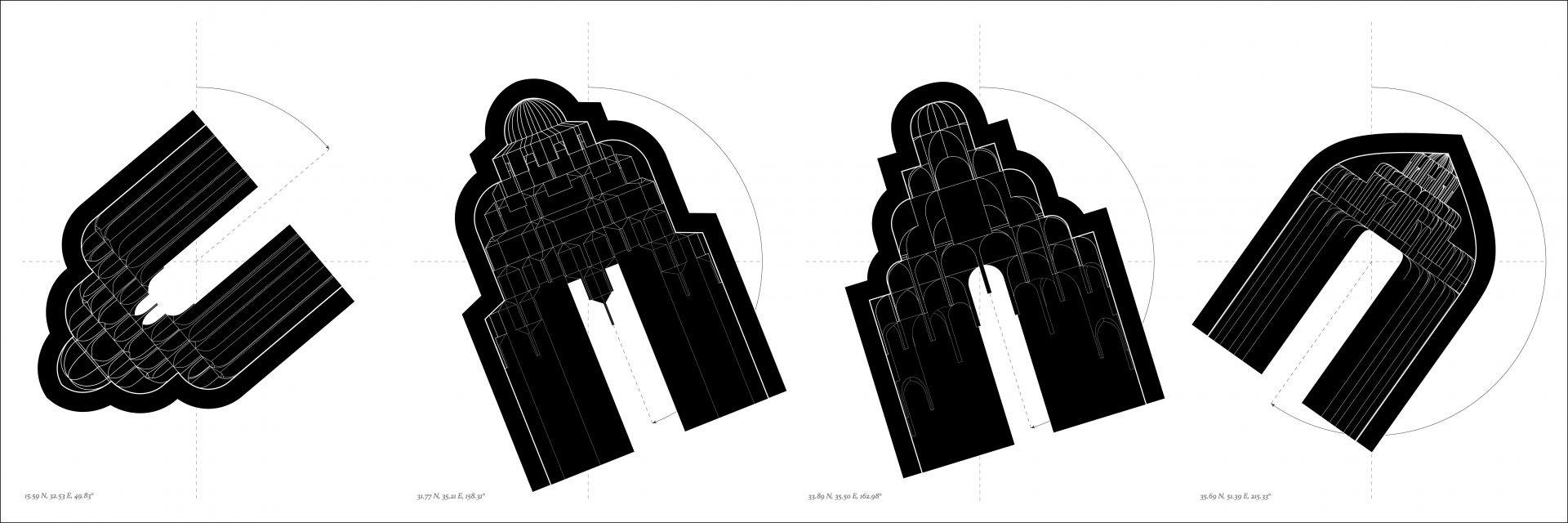
Across the world, more than 117 million people are forcibly displaced by violence, with the global refugee population reaching 42.5 million and continuing to rise as civilian populations face ongoing conflict. Much of this growth stems from recent crises in East Africa and Southwest Asia. This thesis examines the uneven application of international law, questioning whether protection is granted selectively based on who suffers and who inflicts harm.
Originally rooted in Islamic geometry, this project has evolved into a refugee housing proposal incorporating Mashrabiya screens and Muqarnas vaults as both cultural and environmental devices. The design consists of four towers, each oriented toward Mecca from the corresponding capitals of Sudan, Palestine, Lebanon, and Iran. Ultimately, the project stands as a spatial critique; emerging from the failure of the United Nations to adequately respond to and protect vulnerable populations.
Plush Memories: Soft Architectures of the Familiar
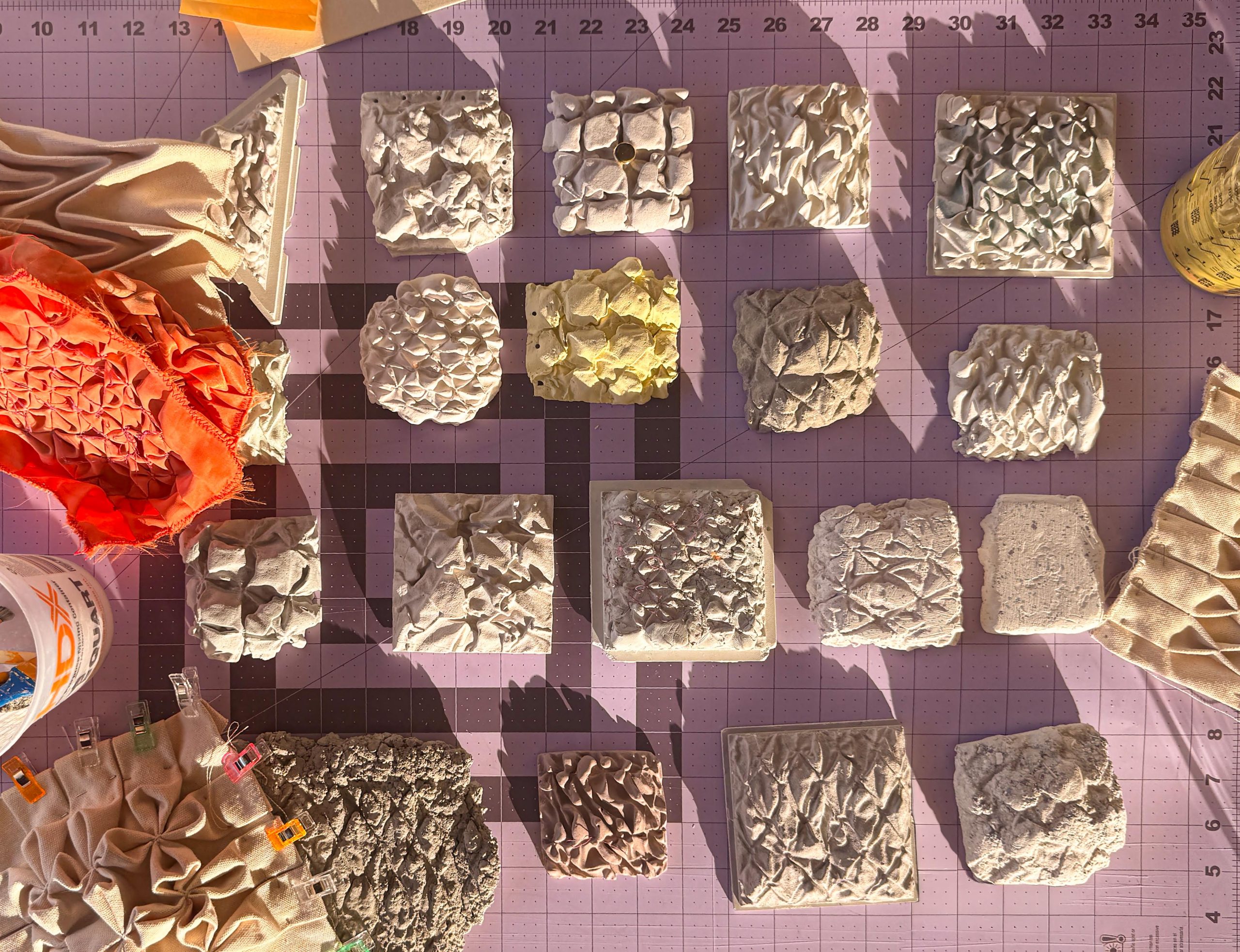
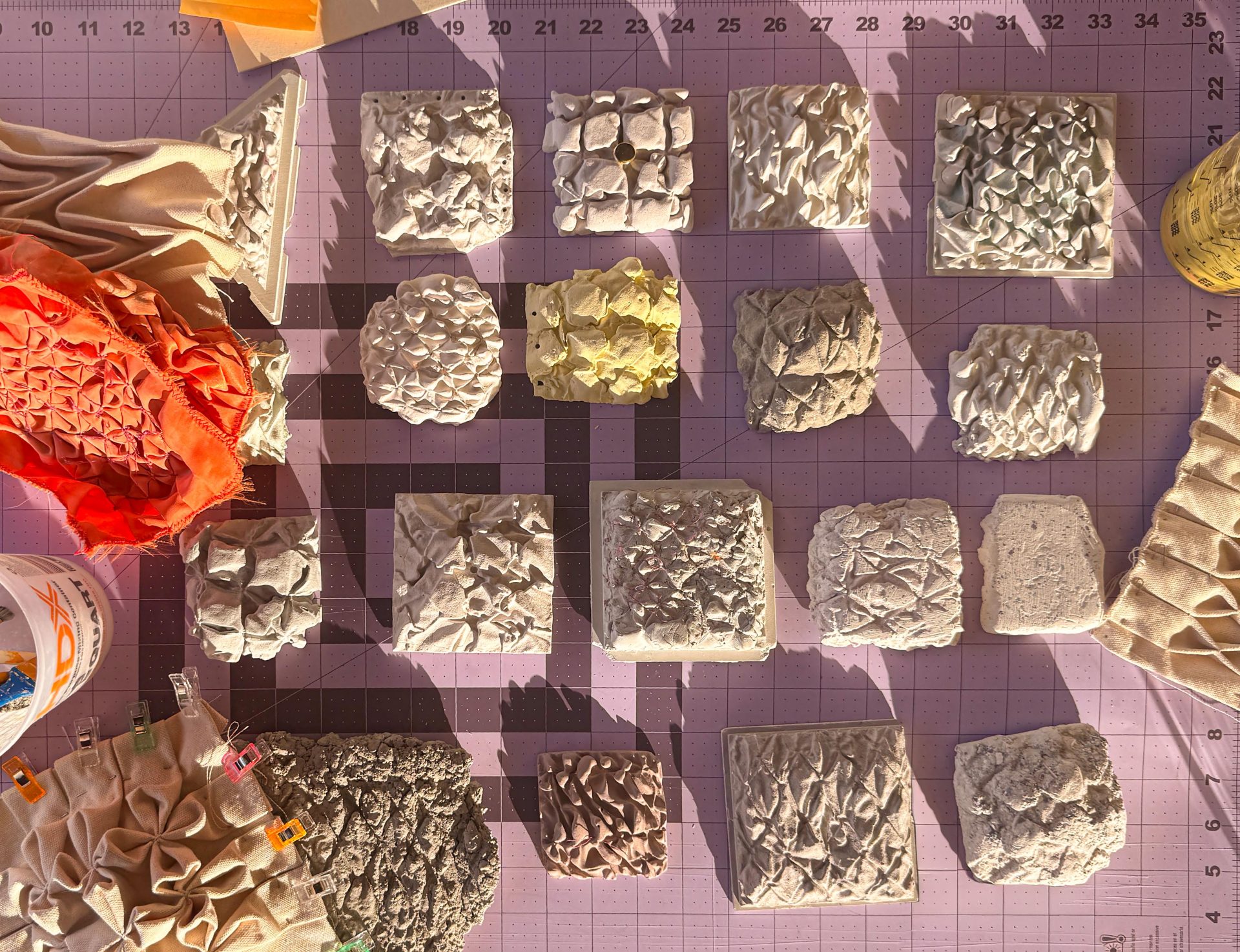
This thesis explores how craft-based geometries inform architectural material systems through softness and memory. Using techniques such as smocking, pleating, and tufting, textiles are manipulated into repeatable surface patterns and translated into cast materials to retain their tactile logic. Quilting is used as an organizational system and storytelling method, embedding heritage and domestic craft into architectural form. These studies are scaled into a façade system where quilt block logic drives pattern, variation, and assembly. The project tests how soft processes can generate structural surfaces, translating textile behavior into architectural enclosure across multiple scales.
Flattened Ornament: From Surface to Tectonic System
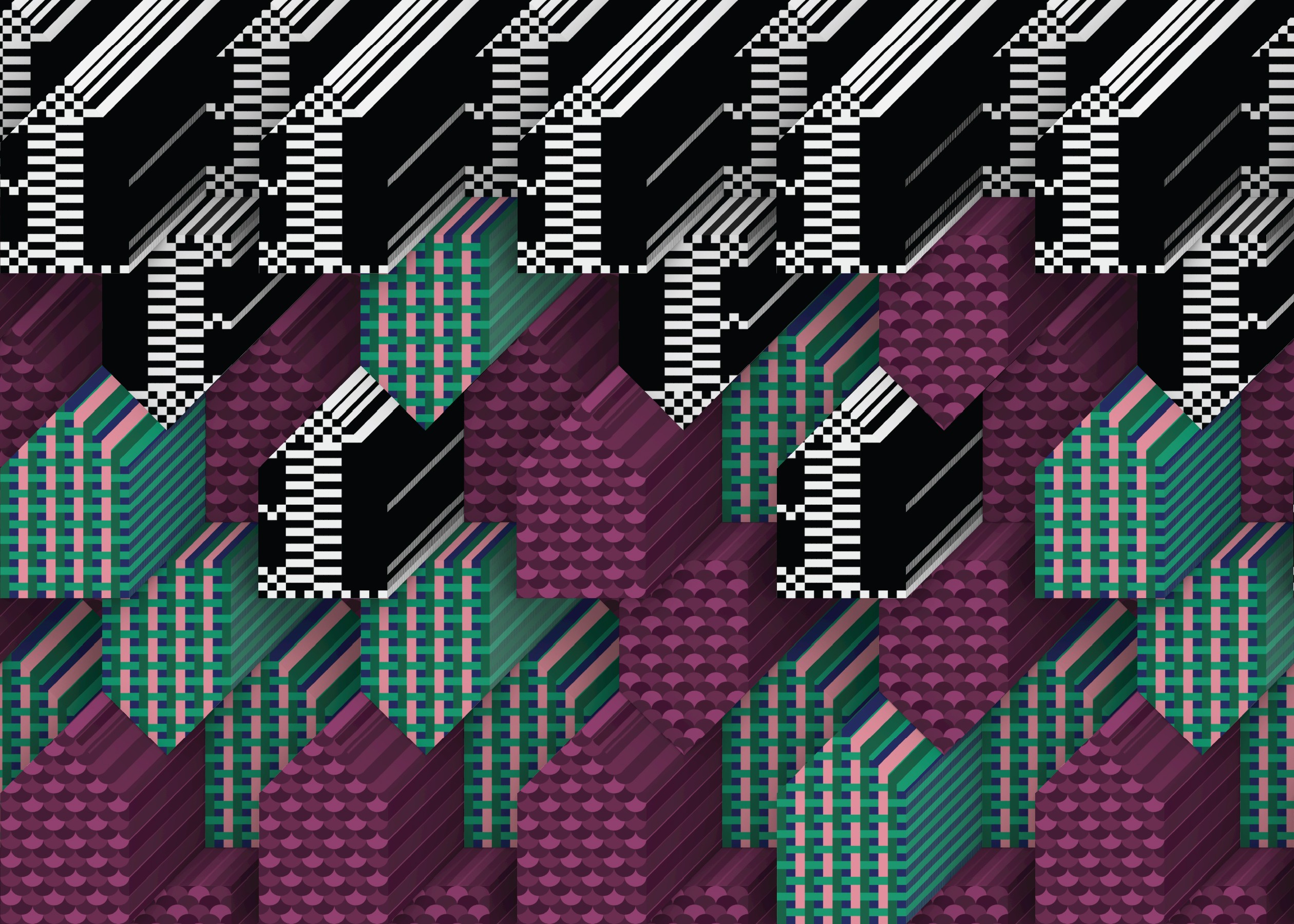
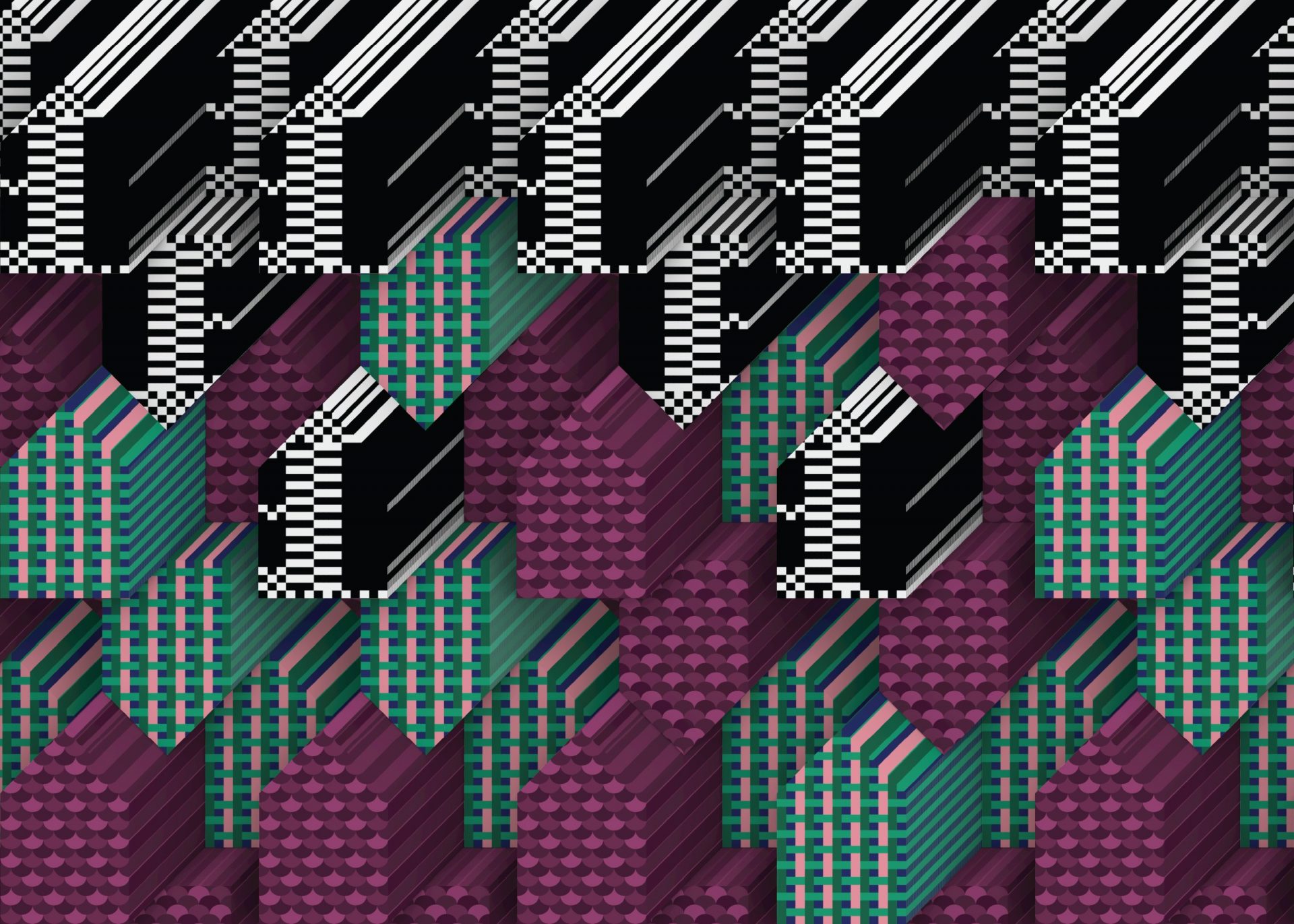
This thesis investigates the evolution of architectural ornament from deep, material relief to its contemporary flattened condition. Historically, ornament was embedded within construction, serving as an index of craftsmanship and material resistance. In contrast, contemporary ornament often appears as a digitally generated surface effect, privileging image, repetition, and visual performance over tectonic expression. As ornament becomes increasingly flattened and reproducible, digital tools have not eliminated it but redefined it, translating craft into code and pattern into data. The façade thus operates as both screen and interface, where ornament is designed to be seen rather than touched.
In response, this project draws from familiar construction logics, reinterpreting their repetitive and aggregative properties through digital operations. By extruding and transforming these systems, ornament shifts from applied surface to spatial and tectonic condition, becoming an active agent that produces depth, organization, and architectural form.
Collective Density: Towards a New Vernacular Urbanism
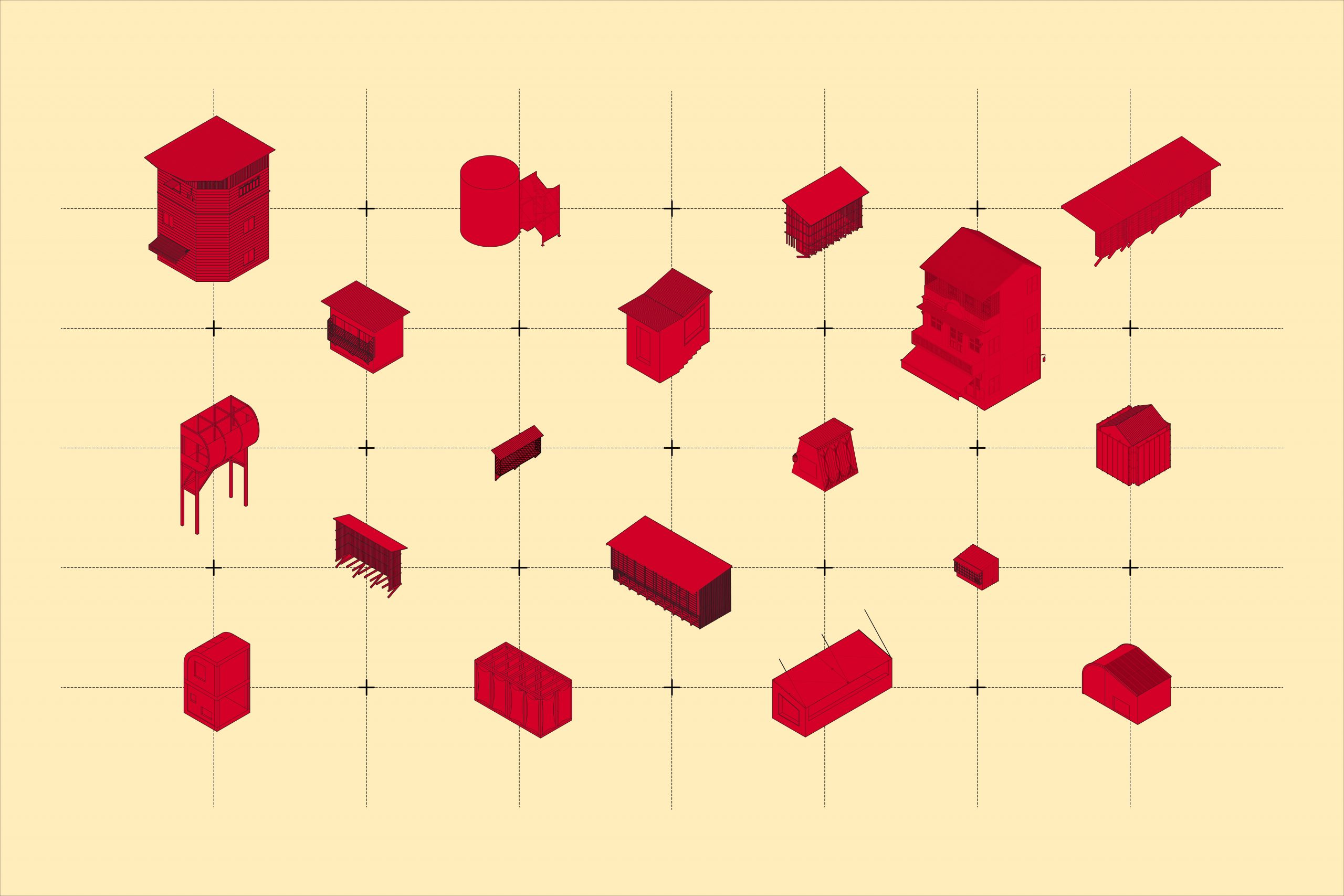
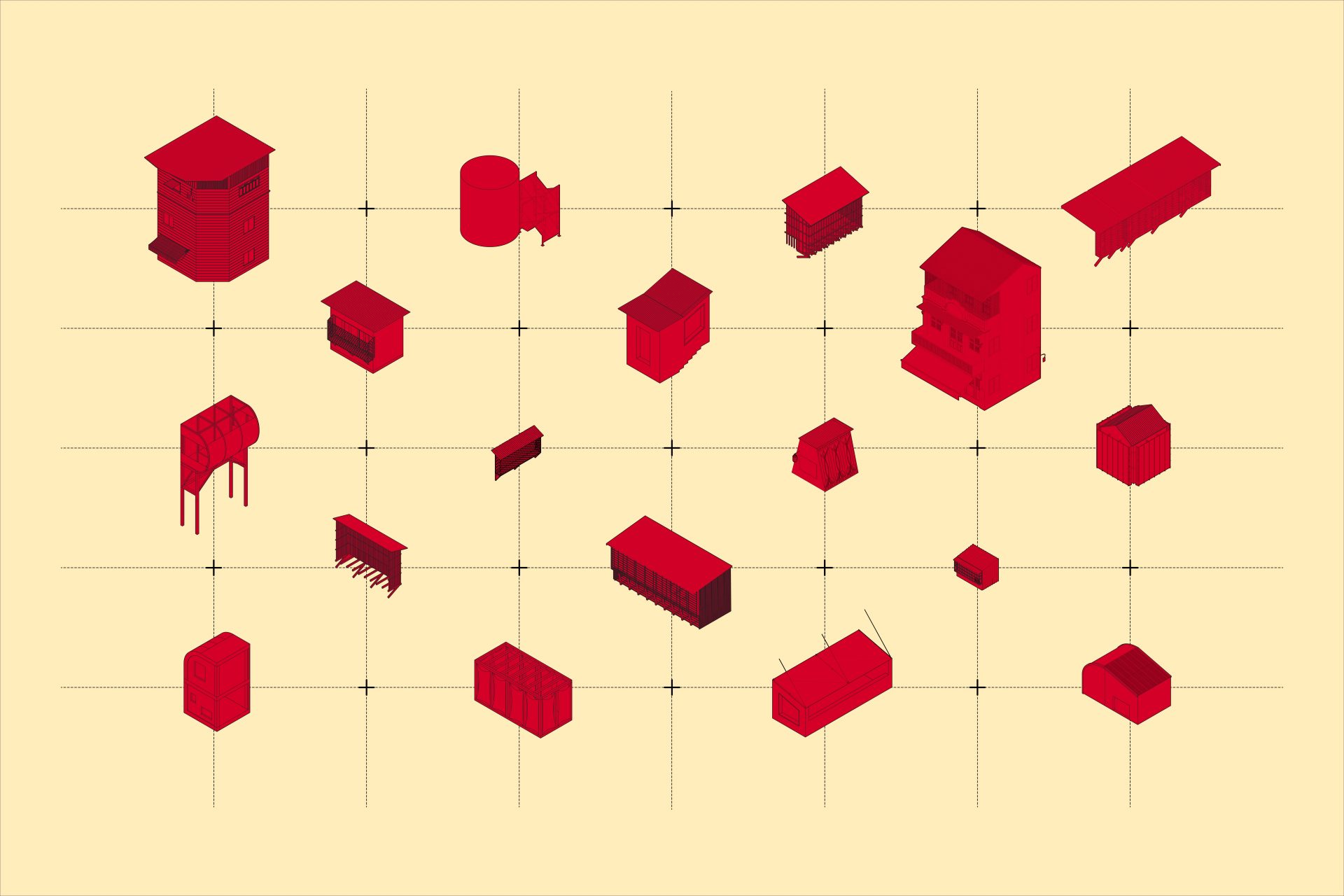
The self-built additions that puncture the facades of Vietnam’s built environment define an urbanism that is incremental, resourceful, and shaped by its inhabitants. As Vietnam rapidly urbanizes, this informal architecture that characterizes the urban fabric is threatened by speculative development and systemic neglect. This thesis proposes a lightweight scaffolding superstructure as a second skin onto existing buildings, stabilizing existing facade modifications (called chuồng cọp, or tiger cages) while suspending a catalogue of modular follies that reinterpret them as a living platform for collective life. The facade becomes an inhabitable commons, responding to residents' daily needs and the city’s desire for shared public spaces. This thesis repositions the architect not as the designer of discrete objects, but as the designer of open systems that communities can inhabit, adapt, and call their own.
House of Halls
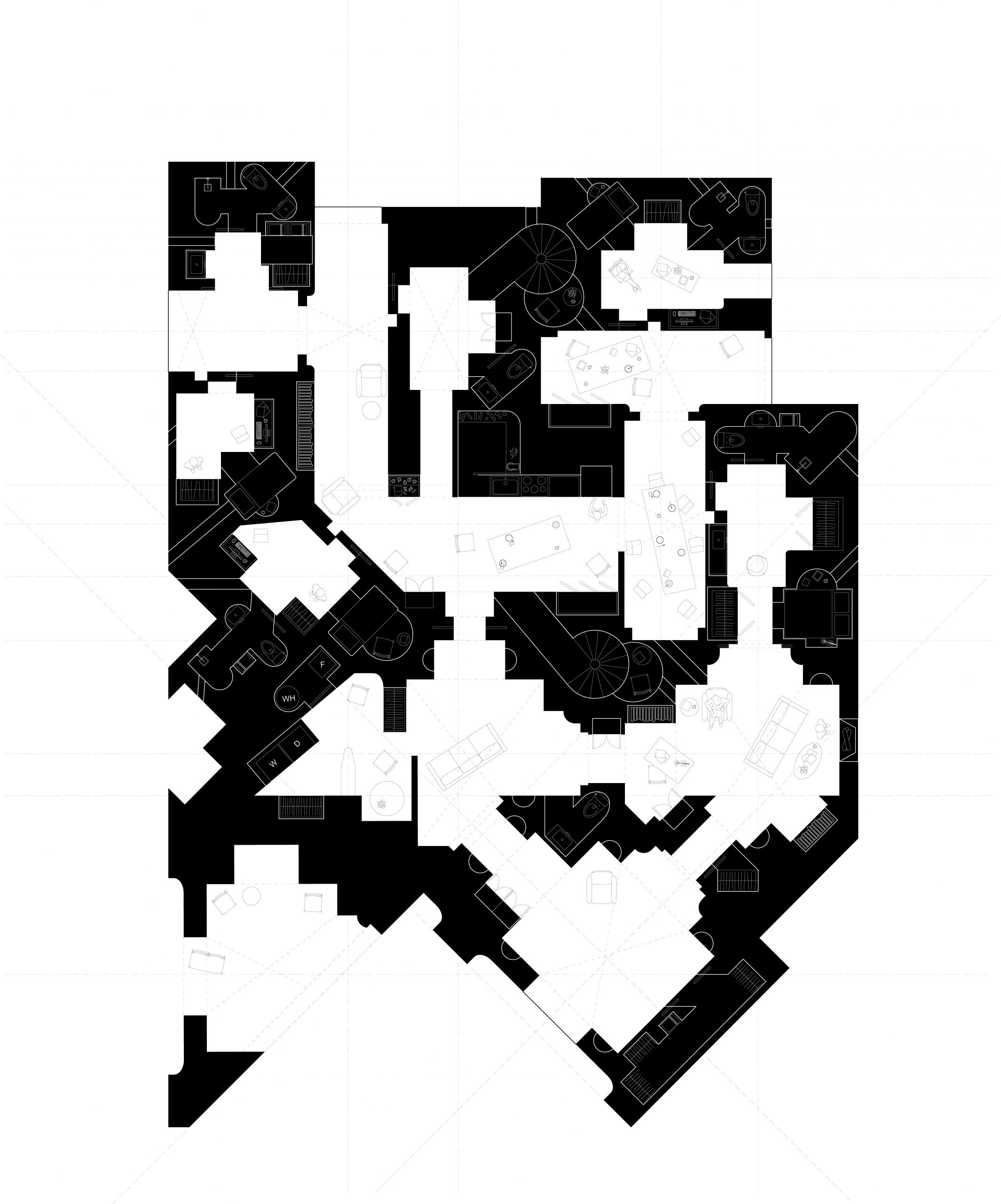
This thesis examines the corridor as a primary architectural element rather than a secondary space of circulation. Beginning with Robert Evans’s Figures, Doors and Passages, it understands movement as a social and architectural instrument that structures privacy, hierarchy, and interaction. In English country houses such as Amesbury House and Nun Appleton, passages did more than connect rooms. They organized access to adjacent rooms, tempered views, and paced encounters, shaping how domestic life unfolded. Building from this historical condition, the project extracts sectional qualities from existing architecture and recomposes them into new spatial form. Thickness, alignment, overlap, and sequence are hybridized through mirroring, rotation, and Boolean operations, allowing different passage logics to collide within a continuous system. Circulation is therefore produced spatially in section rather than merely traced in plan. The resulting figures transform residual poché into inhabitable depth, where walls, stairs, and ceilings organize movement, occupation, and moments of encounter.
Elder Dwelling
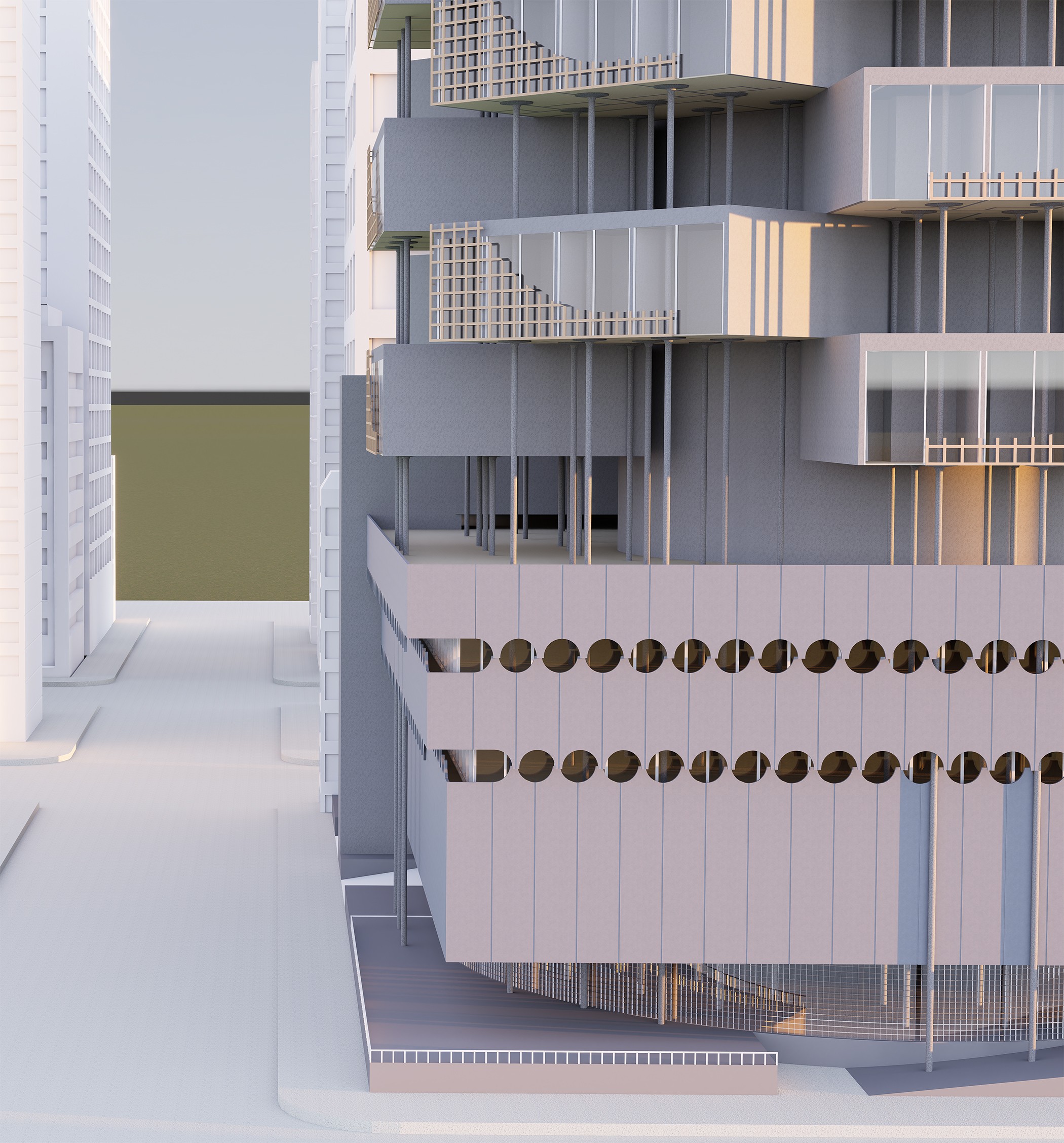
Rethinking housing through the lens of the aging body, proposing a vertical city that integrates living, movement, and collective life into a single, continuous spatial system. By combining private dwellings with shared communal spaces, the design supports independence, social interaction, and accessibility while addressing the spatial and physiological needs of older adults.
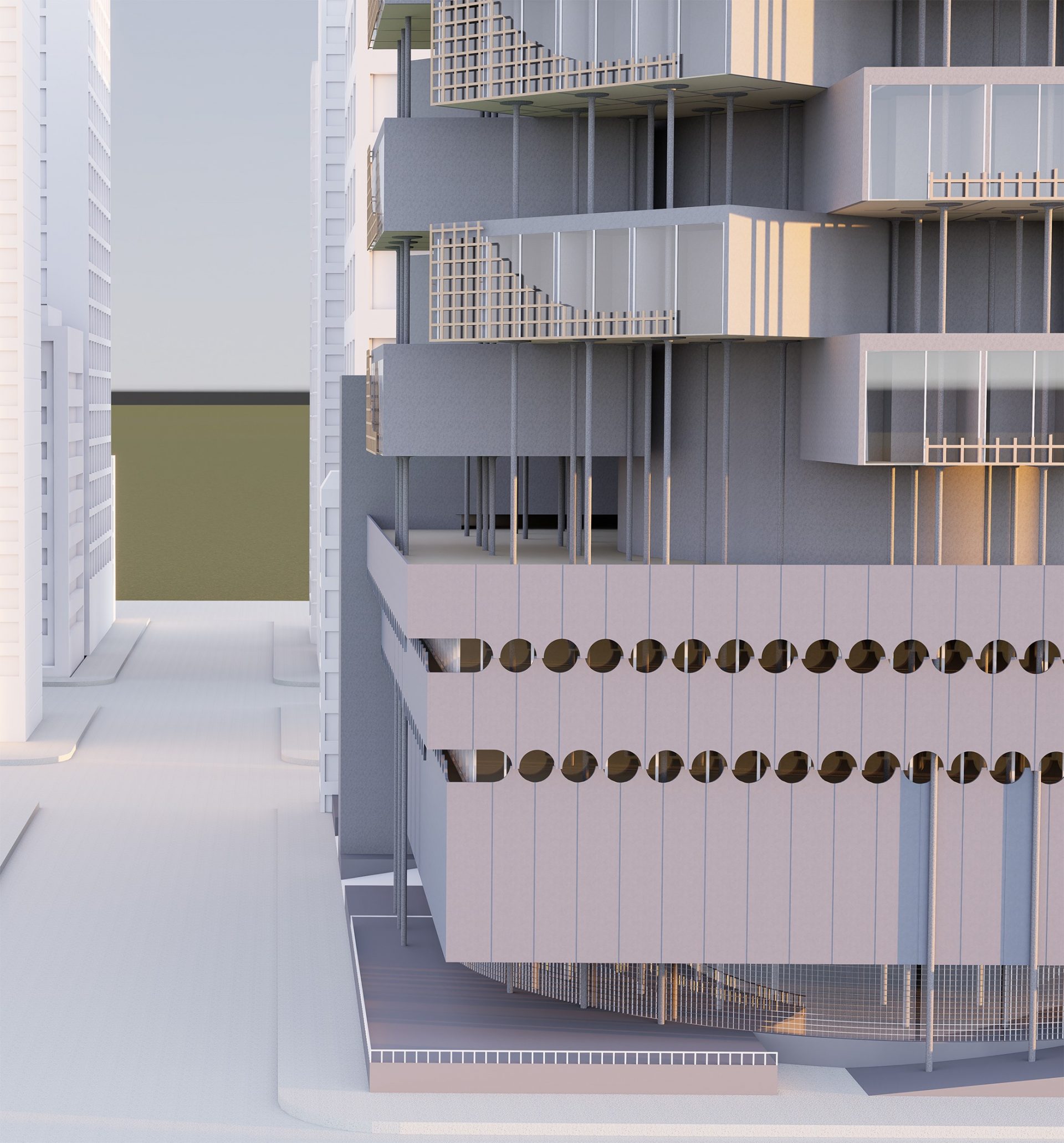
Thick Thresholds
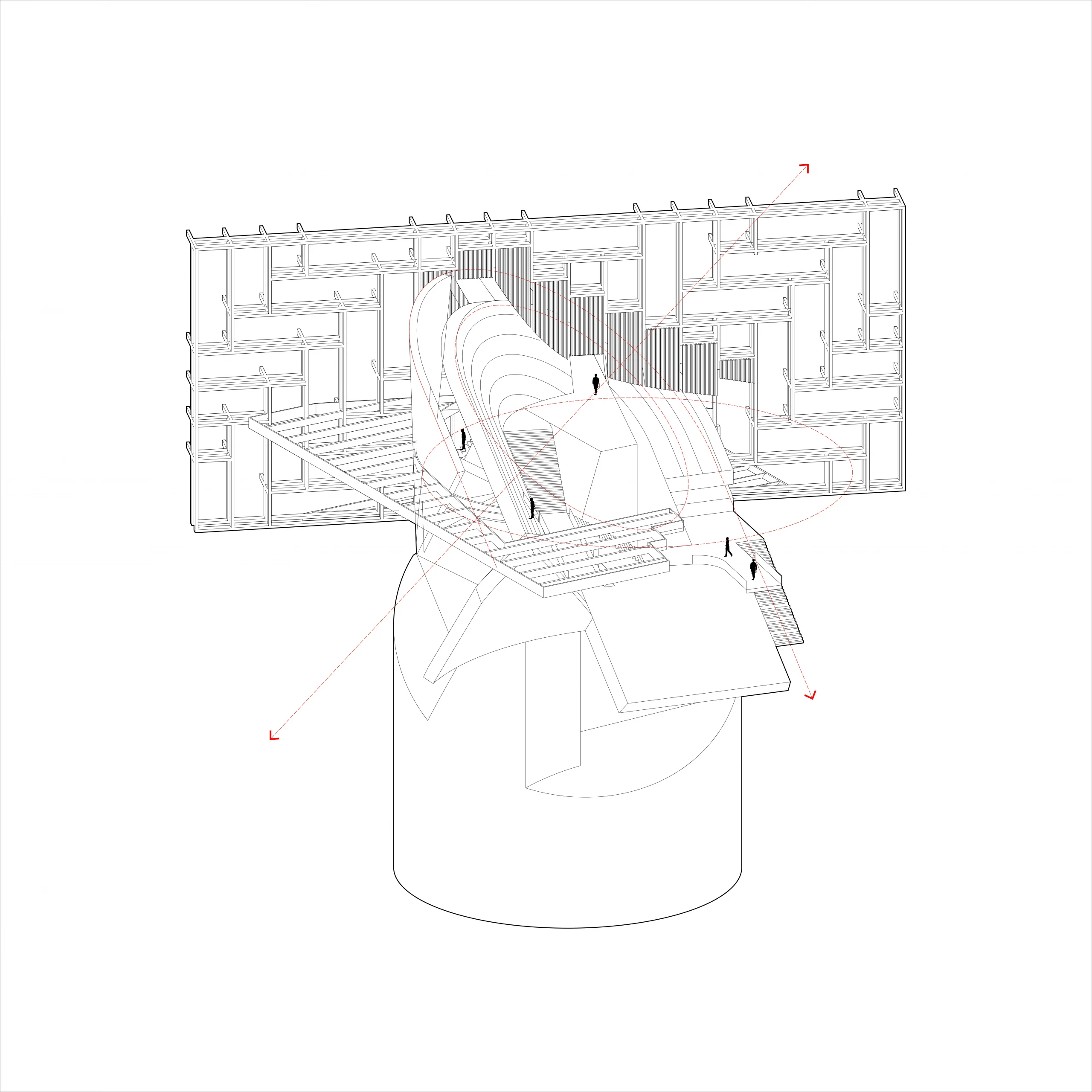
This thesis investigates threshold space as a generator of architectural experience. Rather than treating thresholds as thin, functional boundaries between inside and outside, the project explores how they can become spatially thick, layered environments that intensify the experience of passing through space. Thickness, material layering, and spatial tension are used to transform moments of transition into inhabitable architectural conditions.
The research draws from the historical precedent of Filippo Brunelleschi’s dome of the Florence Cathedral, which employs double-shell constructions to create intermediate zones of circulation, concealed space, and layered spatial experience. Building on this precedent, the thesis introduces shifted central pivots and tangential geometries, using spheres, cones, and tangent planes derived from their circular profiles to generate tensions between curved surfaces and linear movement. The project is developed as a church and plant conservation space, where viewing, circulation, contemplation, and environmental systems intertwine to blur the boundaries between building and landscape.
Oblique | Social Participation as a Bridge
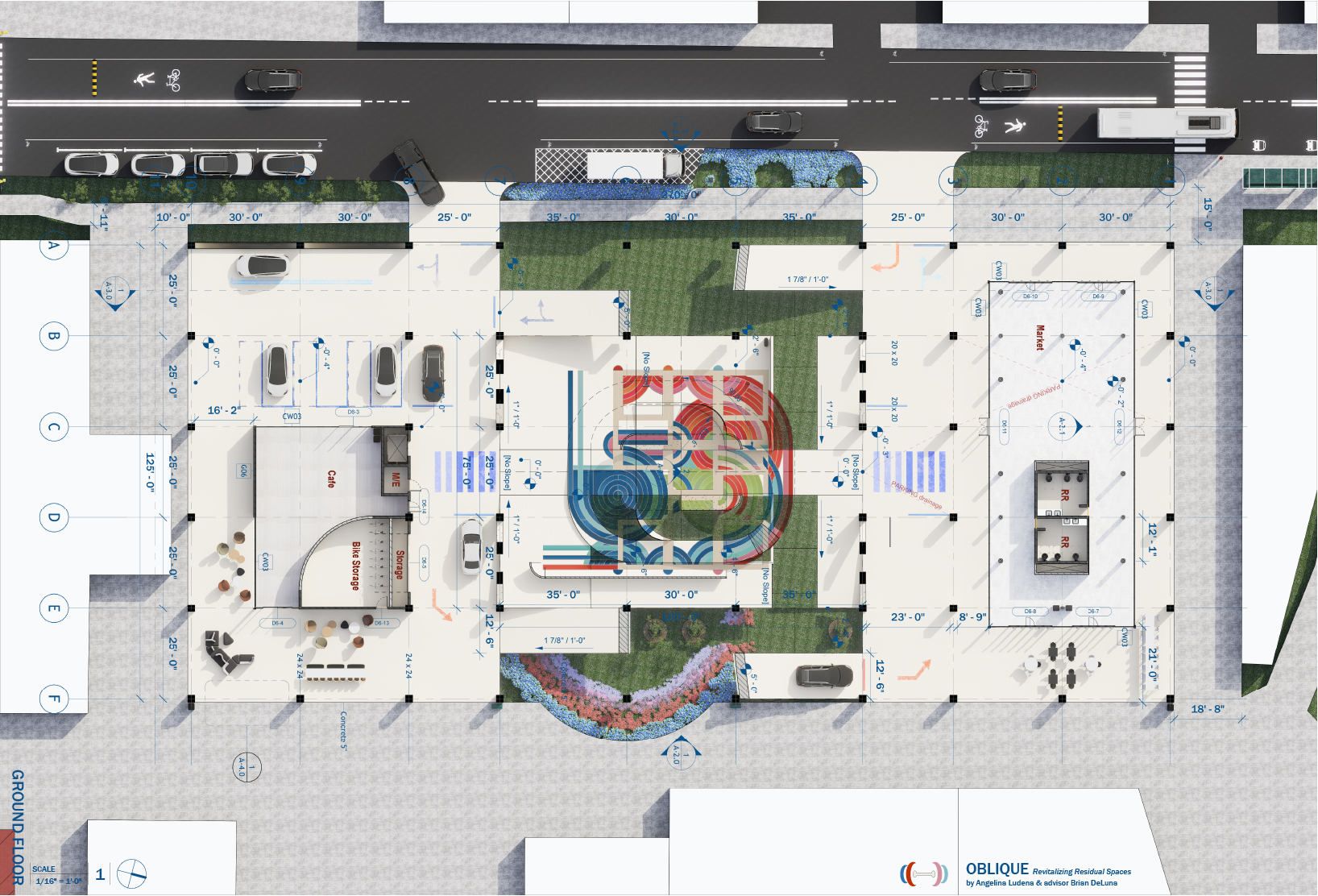
This thesis proposes a hybrid architectural system that embeds wellness-driven programs within a reimagined parking structure, transforming a typical inert typology into an active, behavior-shaping environment. Drawing inspiration from Frank Stella, the project uses graphic systems as a primary organizational and wayfinding tool where color, pattern, and visual identity act as the connective tissue between programs. Fitness, retail, and social spaces are distributed vertically, creating a sequence of experiences similar to a shopping mall, but centered on health and collective activity. The introduction of oblique surfaces, inspired by Claude Parent, challenges the dominance of flat ground. It utilizes continuous sloped circulation and spatial transitions. At the core, the parking structure is carved out to expose this structural logic creating a central oblique system: Flat -> Slope -> Flat. This links the active and resting zones. This interplay between structure, movement, and graphic identity redefines architecture as an immersive system for living actively.
Serious Fun
Play operates as a spatial and organizational strategy that structures architecture as a continuous sculptural ground, producing visual coherence, spatial variation, and collective engagement across scales. Moving away from architecture defined by isolated objects, form emerges through relationships between surfaces, movement, and spatial operations rather than fixed figures. As the distinction between object and terrain dissolves, the ground becomes a navigable landscape shaped by aggregation, subtraction, layering, and continuity. This project develops scalable structures through acts of play, positioning play not as a fleeting activity but as a force that operates across scales. These environments encourage interaction while allowing for variation in enclosure and occupation. Though materially permanent, they remain open to change, accumulating traces of use over time and transforming static form into a living framework for collective experience.