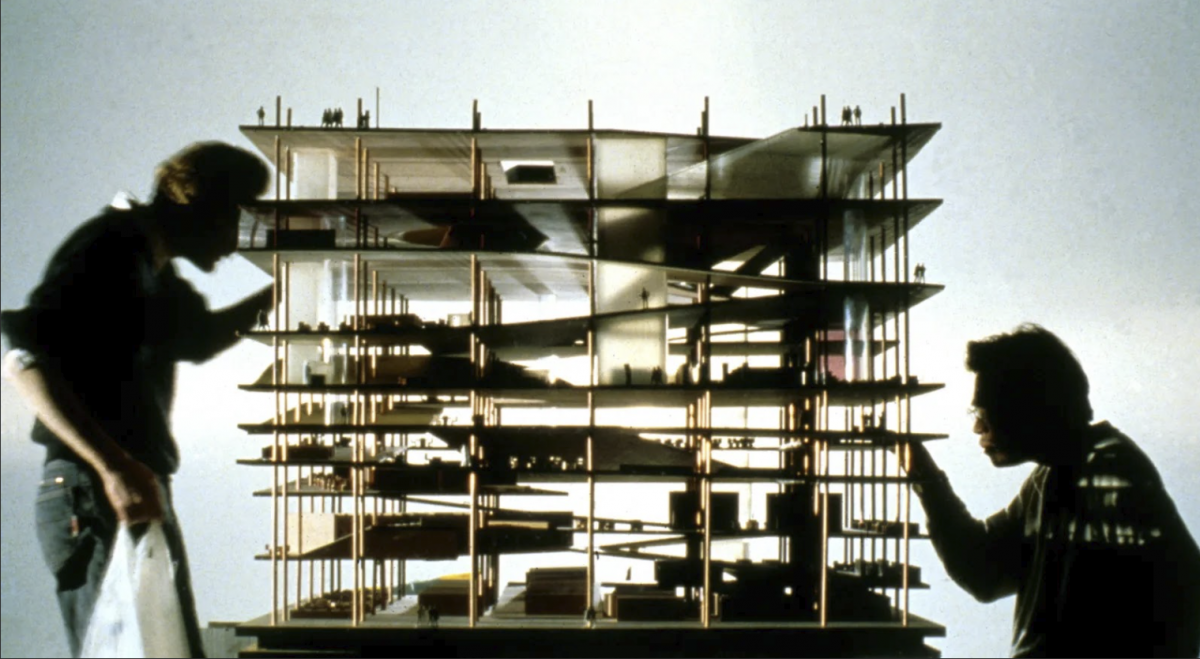
In this thesis group, each student will construct a large model at roughly 100 x 100 x 100 cm (or max out at 48”x48”x48”). This studio calls for each thesis project to be articulated in the medium of architecture, completing the B.Arch degree with an oversized model. Additionally, each student will produce a large axonometric composite drawing that tells the story of the building.
While every student will be tackling a specific topic of their own choice, a thesis within an architecture school as a professional degree begs a key pedagogical question: do thesis projects have to use architecture to think about a societal issue? In this thesis group, we will answer this question with a hypothetical “yes”. While thesis is an excellent platform for a student to project concerns about the world beyond our discipline only, the medium of the output remains a subject of inquiry.
In the many chapters of architectural education past, the spectrum of output can exit architecture and transformatively articulate a thesis by way of an adjacent discourse. Bauhaus, for instance, ambitiously considered graphic design, furniture, fashion, and many other related disciplines to be welcomed allies. However, 1/4 of the way into the 21st Century, the possible outcome of what an architect can do is so rapidly expanding that one can be trained in architecture but be qualified as a professional in many other fields. In this thesis group, we simply want to give it a try: what if we actually did architecture, for a change?

Healing Architecture: Reclaiming Psychiatric Design
This thesis proposes the redefinition of mental asylums and rehabilitation facilities. With an approach not only towards the formal design but also the programmatic one, my thesis focuses on mimicking the outside world’s programmatic exploration manifesting as well in the formal representation of them. Helping patients develop new skills and develop pre existing interests preparing them with skills and challenges that could be encountered when they leave the facilities.

Solace Within Impermanence
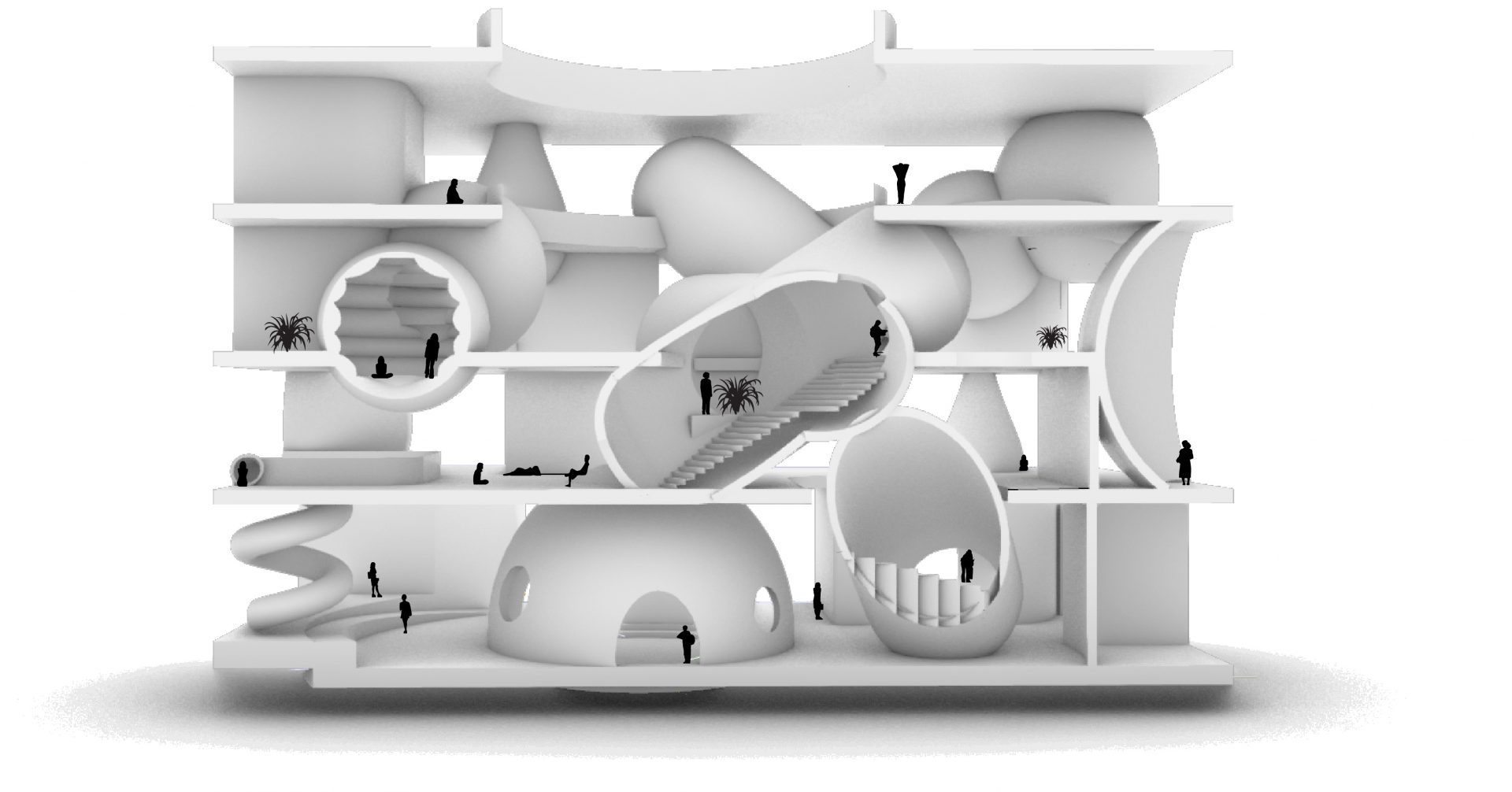
Within the sphere of home versus shelter for those who are unhoused or experiencing homelessness in Southern California, more housing is not the only simple solution to a wicked problem. It is the architect’s duty to better the quality of life of a space through embracing temporality, breaking away from typical market rate housing design, and addressing the variety of populations experiencing different forms of homelessness.
“Avenues” of Exception: Challenging Kuwait’s Kafala System
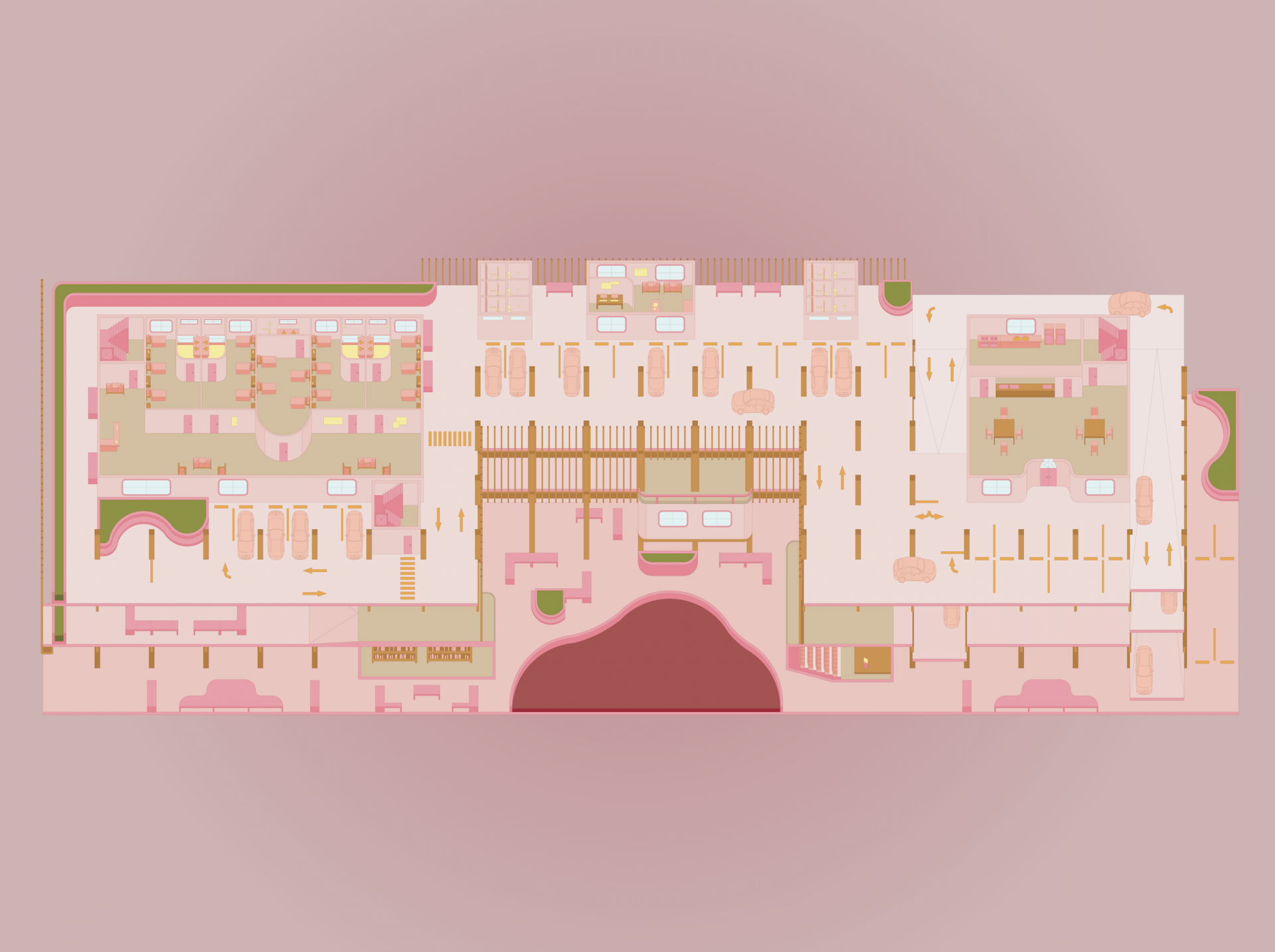
The Kafala system in Kuwait binds migrant workers’ legal status to their employers, creating conditions of dependency and exploitation. Reform efforts focused on integration often fail to address its deep structural inequalities. Integration is no longer the solution, or the desire. Perhaps the answer lies in the differentiation of migrant communities through the creation of a political fiction – a political metaphor of a “state within a state” , or “building within a building. ” This alternative vision proposes the formation of autonomous migrant enclaves where workers create their own bureaucratic, social, and urban systems. This model not only critiques the failures of existing reforms but also reimagines the possibilities for liberation and self-determination.
Oakland Phalanstère
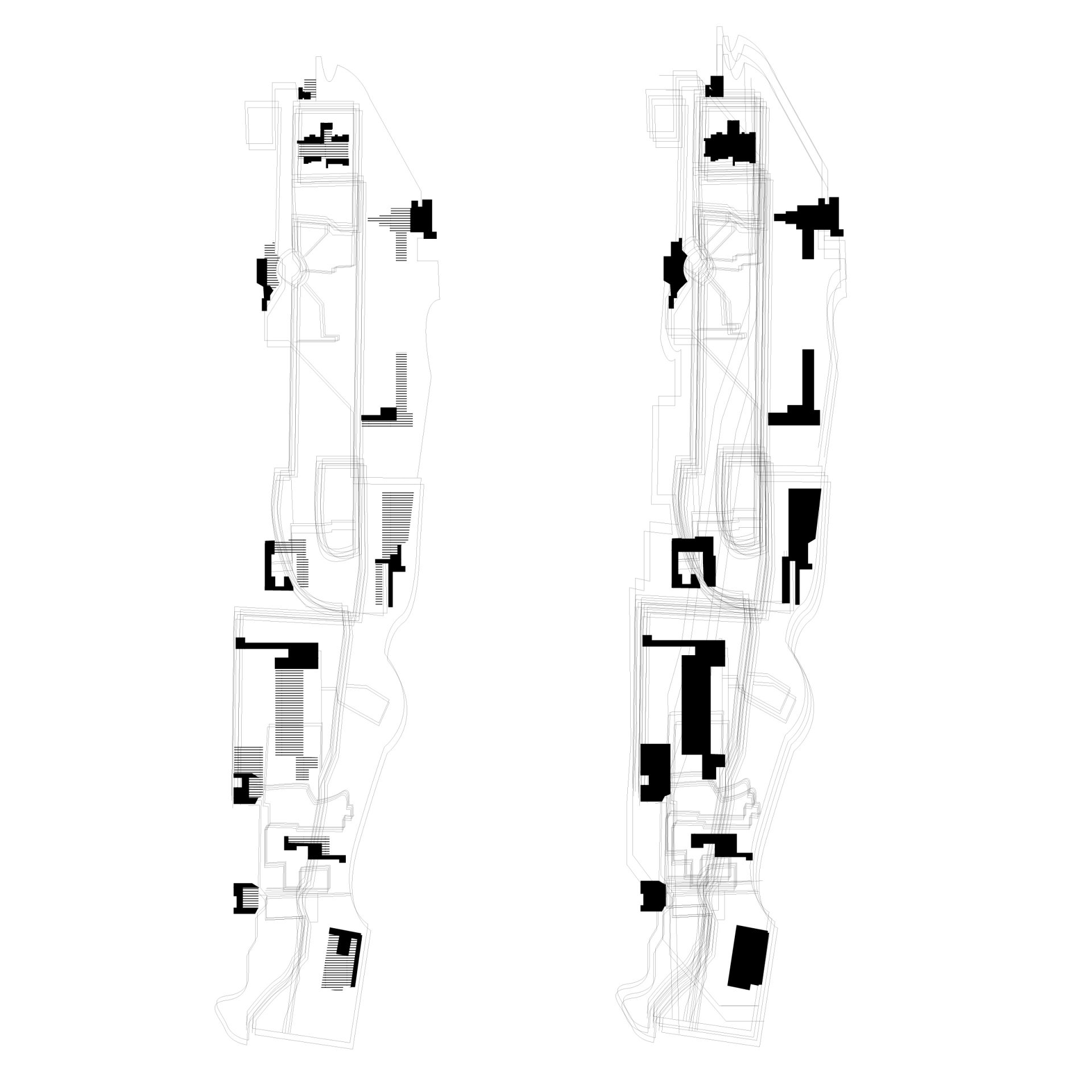
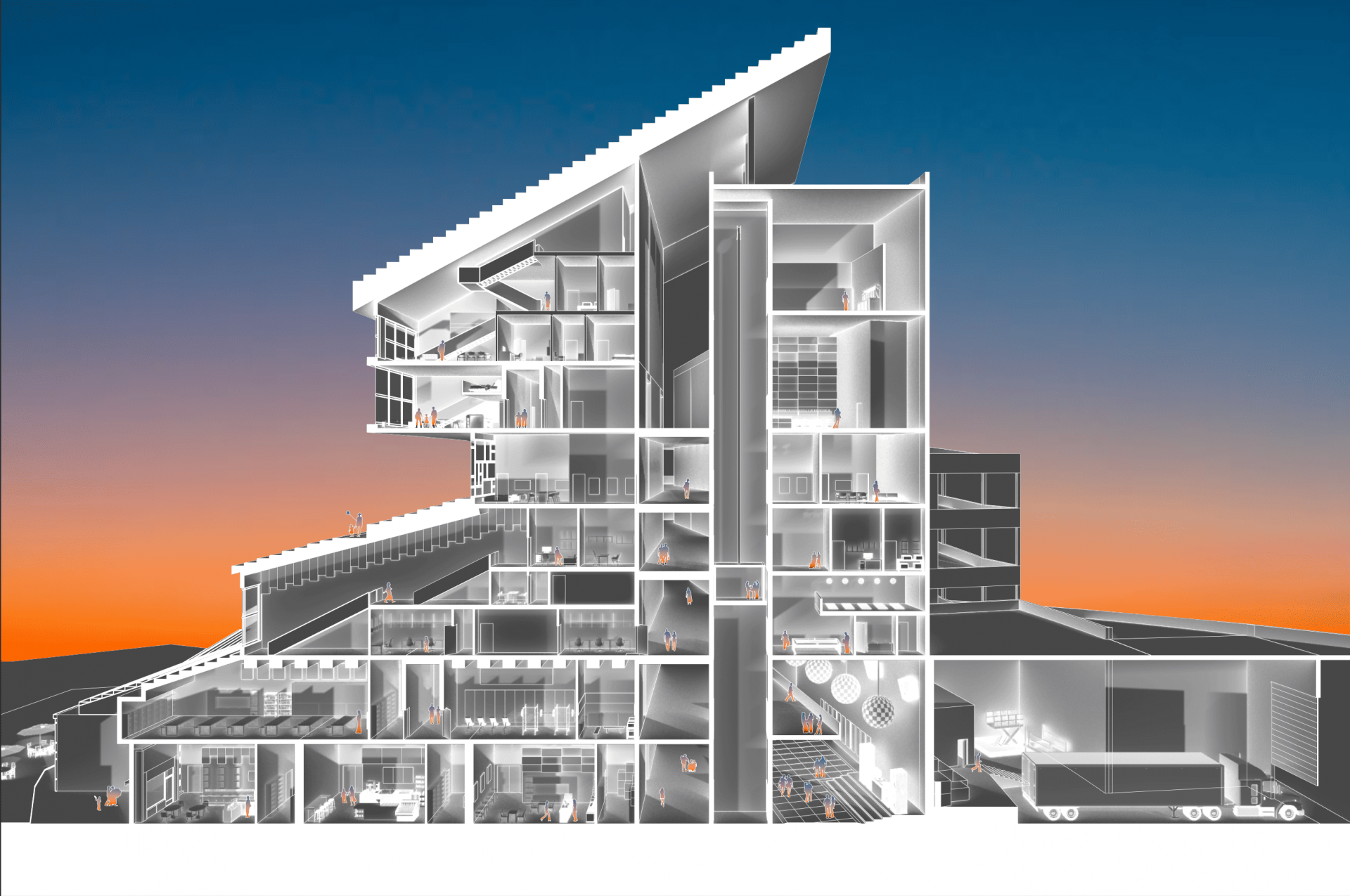
Several years after the departure of hometown favorites, the Oakland A’s and the Oakland Raiders, the residents of Oakland have decided to take back the coliseum and revitalize it through occupation. The once abandoned coliseum undergoes a transformation to its architectural type and becomes a self-sufficient city within a building. Residents have brought their commerce into the coliseum, assigned designated resource areas for the city, and have even settled down to live within the coliseum in order to keep it up and running. Through the successful occupation of the coliseum, residents have catalyzed urban regeneration within the city of Oakland and brought the coliseum back to its former glory.
The Death Bloom
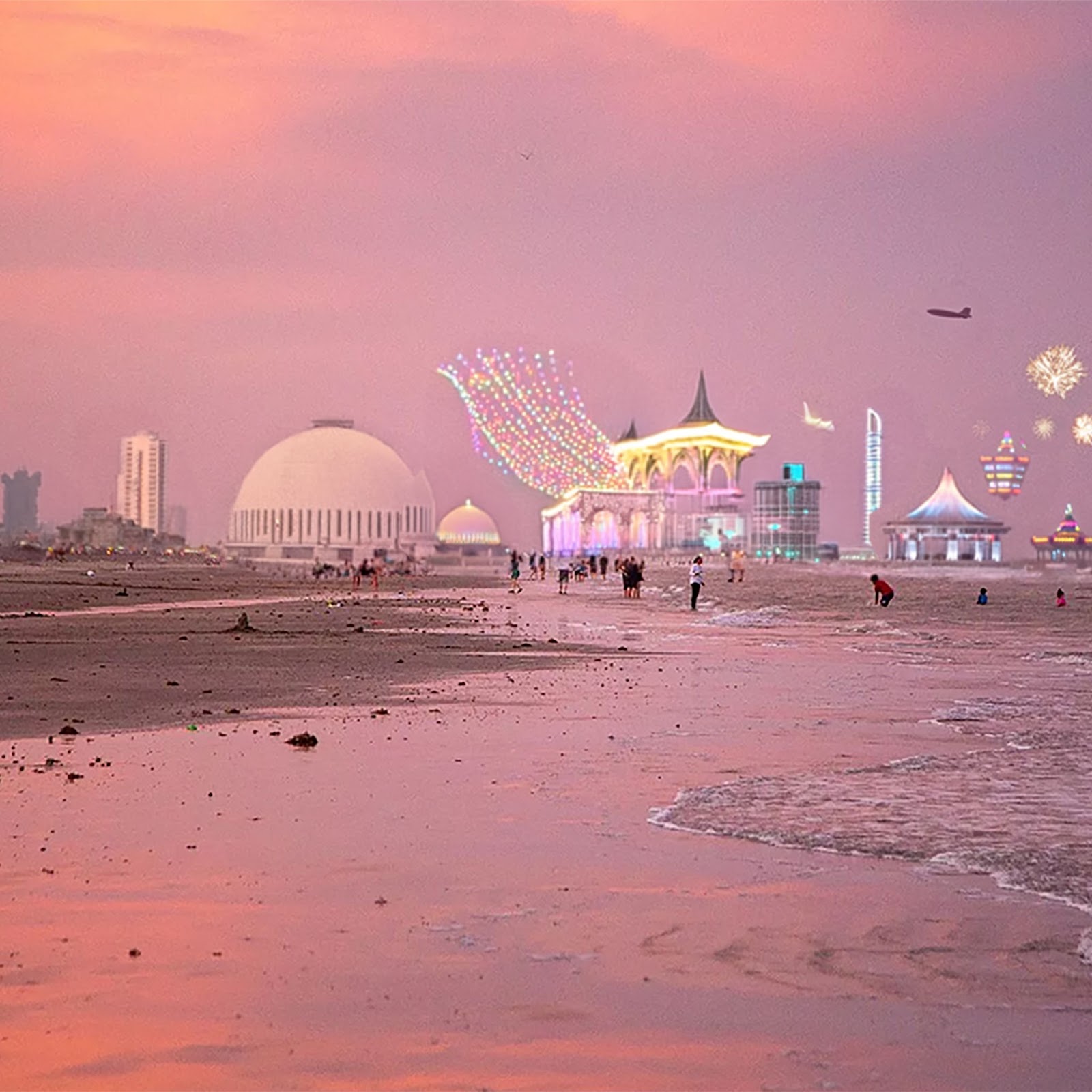
A century in the future, the burgeoning spectacle of global society’s implosion culminates in a symptomatic death bloom: a celebration of life too late in the form of the 2125 World Expo. Located in the port-city made paradise of Corpus Christi, Texas, this expo reprises the Grand Ring of its century-old, Osakan predecessor. A massive boardwalk of a city in a world going down singing, filled with constructs of virtues turned vices. As time marches on, the manicured grandness of this design will be overcome by auto constructed dwellings, and generations later, shall erode away. Once outgrown, this finite landscape will be used as raw material to craft the instruments of its populace’s withdrawal, and they shall act as agents of their own undoing.
THE PEN IS MIGHTIER
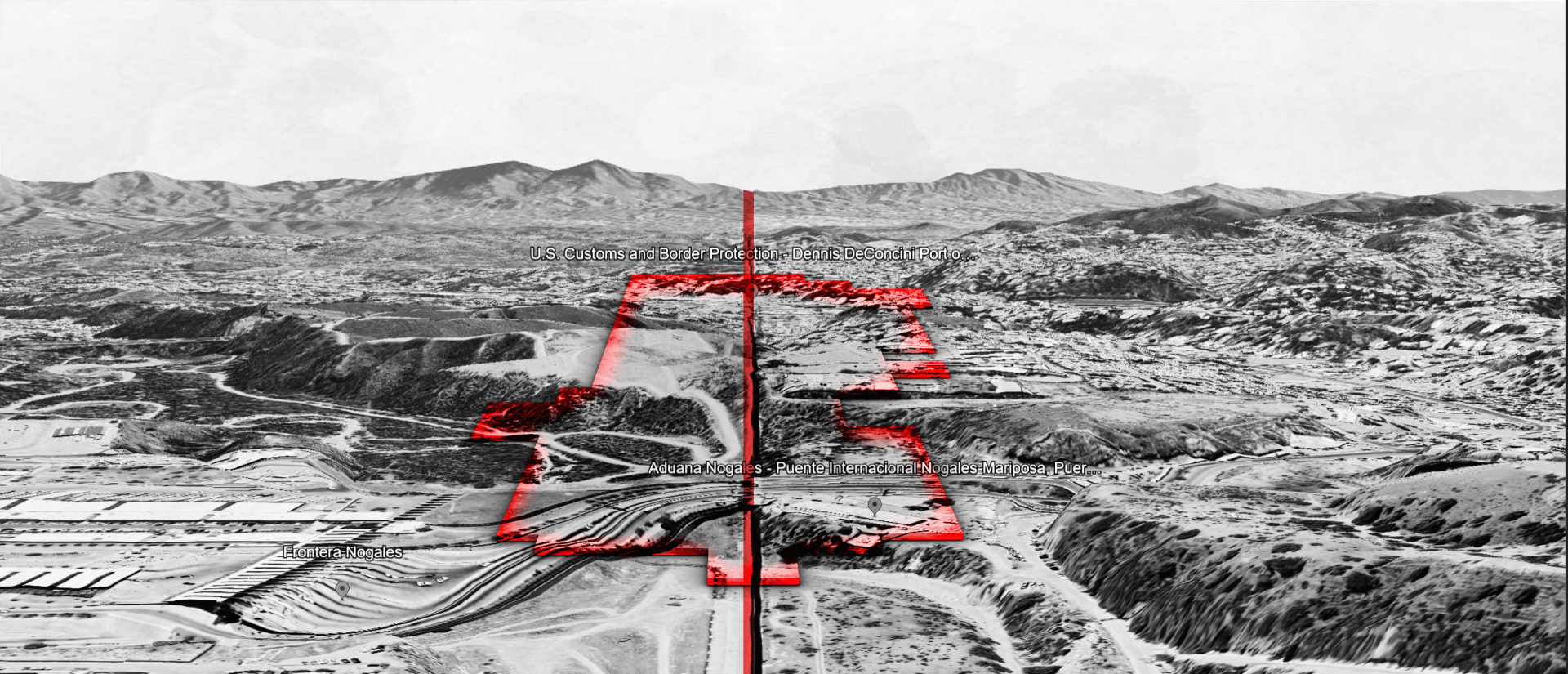
The Pen is Mightier reimagines the U.S.–Mexico border as more than a dividing line, it becomes a dynamic, inhabitable space. Grounded in the legal foundations of the U.S. 1862 map by Frederick von Egloffstein, the project interprets each 250’ x 250’ pixel as part of a 2.5 x 1.5 mile interior border grid. This politically neutral zone operates as a solar-powered “battery,” sustaining Nogales and Sonora. Within it, life unfolds: play, trade, migration, and pause. By occupying the line with human stories and infrastructure, this thesis challenges the rhetoric of division and asks us to envision borders not as ends, but beginnings.
A Highrise of Parks
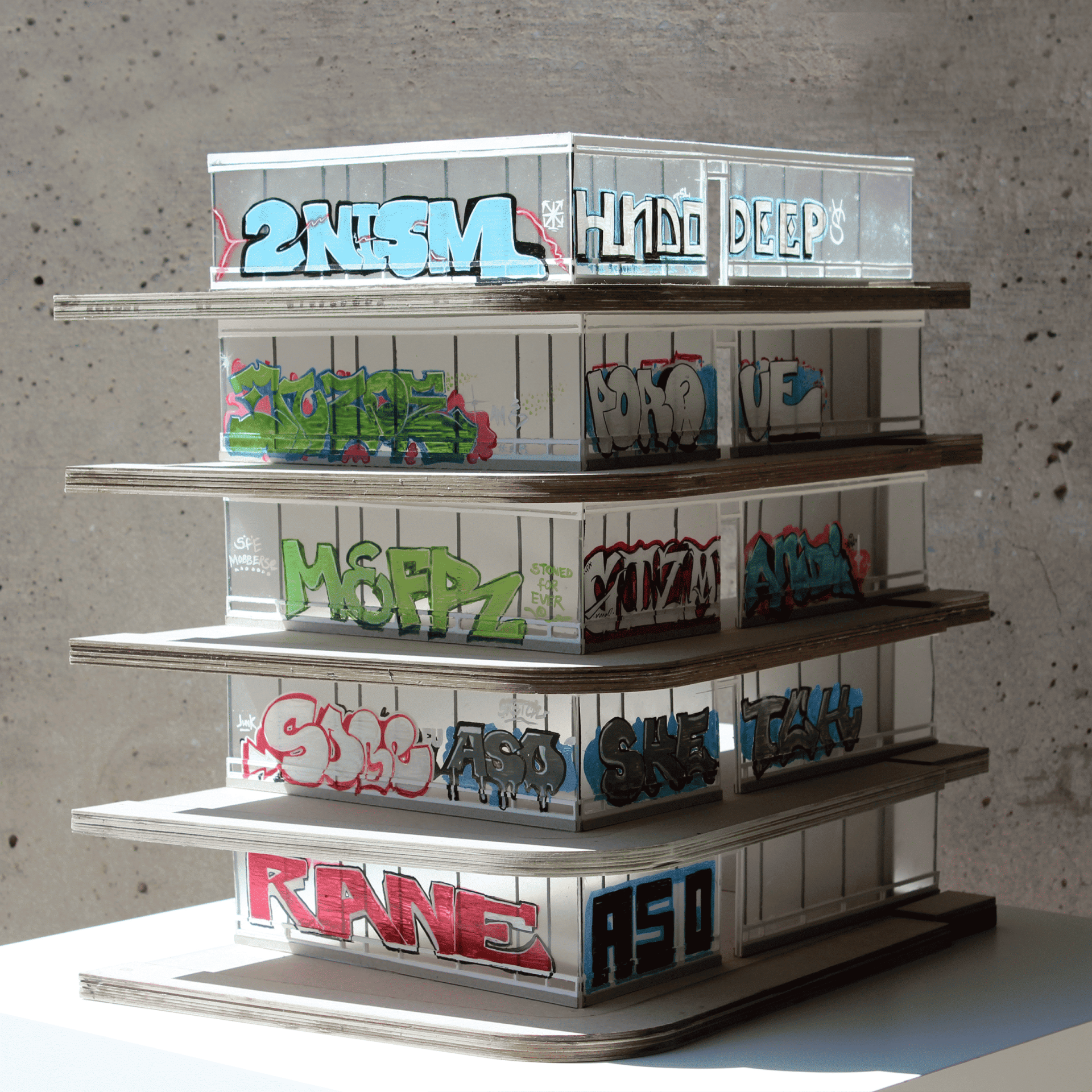
A Highrise of Parks reclaims the abandoned towers of Oceanwide Plaza in Downtown Los Angeles, transforming them into a vertical public park. Instead of building across the city, the park stacks upward—an inversion of the traditional horizontal greenway. A new supporting core is inserted to house both essential back-of-house infrastructure and public programs that enrich the park experience. Each level becomes part of a distinct “world” , shaped by height, light, and view. Once envisioned as a privatized mixed-use complex, the site is reimagined as a civic offering—restoring green space to the public and reintegrating the towers into the fabric of the city.
THE CHILDREN OF THE EARTH AND SUN
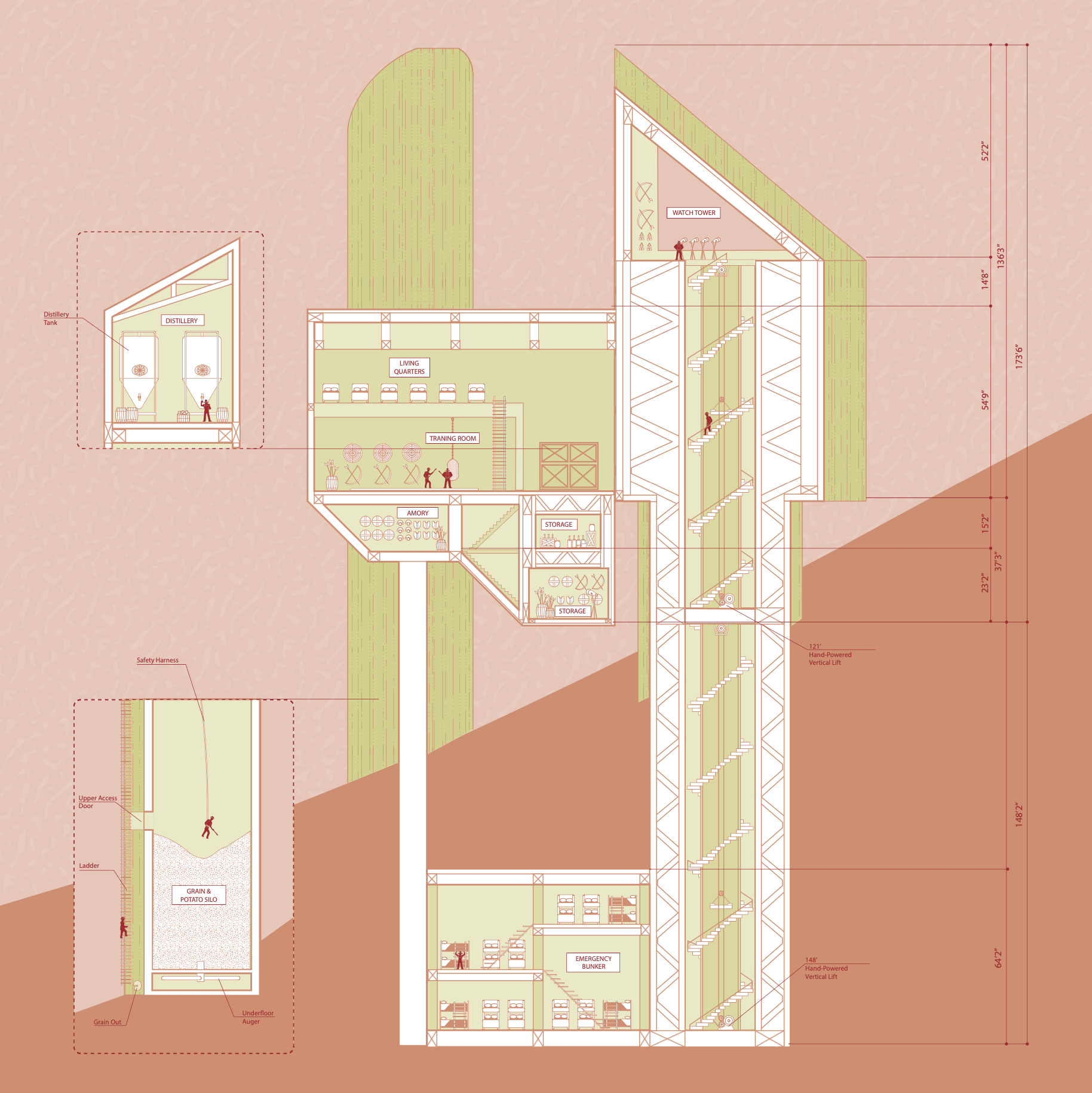
“The Children of the Earth and Sun” is a speculative, regenerative farming community that critiques contemporary sustainability efforts through the lens of ritual and devotion. Set in fire-scarred Paradise, CA, the project reinforces bureaucratic sustainability goals within a hyper disciplined system rooted in closed-loop cycles of food, energy, and governance. Architecture becomes shelter, ceremony, infrastructure, and instrument. Each building, a “child”, maintains a sacred stewardship – harvest, worship, lumber, power, water, cooking, and security – offering a serious and sincere blueprint for a self-sufficient future.
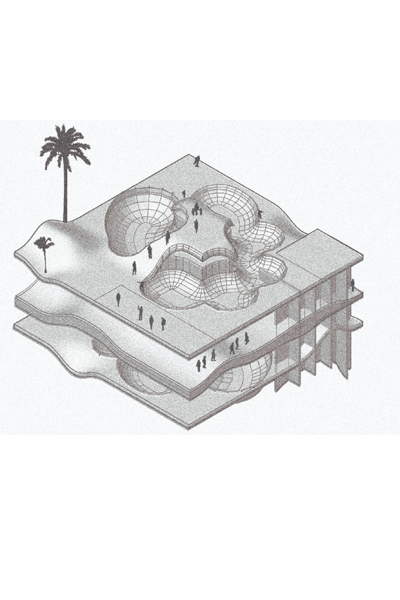
ARCHITECTURE ON WHEELS
Architecture has long privileged the pedestrian, defining a normative body while excluding others. As cities face ecological and social transformation, this thesis asserts: the future is wheeled. Rooted in Donna Haraway’s cyborg theory, it centers users who glide, roll, and carve—extending their bodies through wheels. This vision takes form in a radical DMV-skatepark hybrid under a Los Angeles freeway, where ADA-informed concrete slabs undulate and embed “programmatic boxes” to guide movement like a marble run. Universal design isn’t corrective—it’s the foundation. Architecture must now respond to motion, sensation, and the evolving ways humans inhabit space.
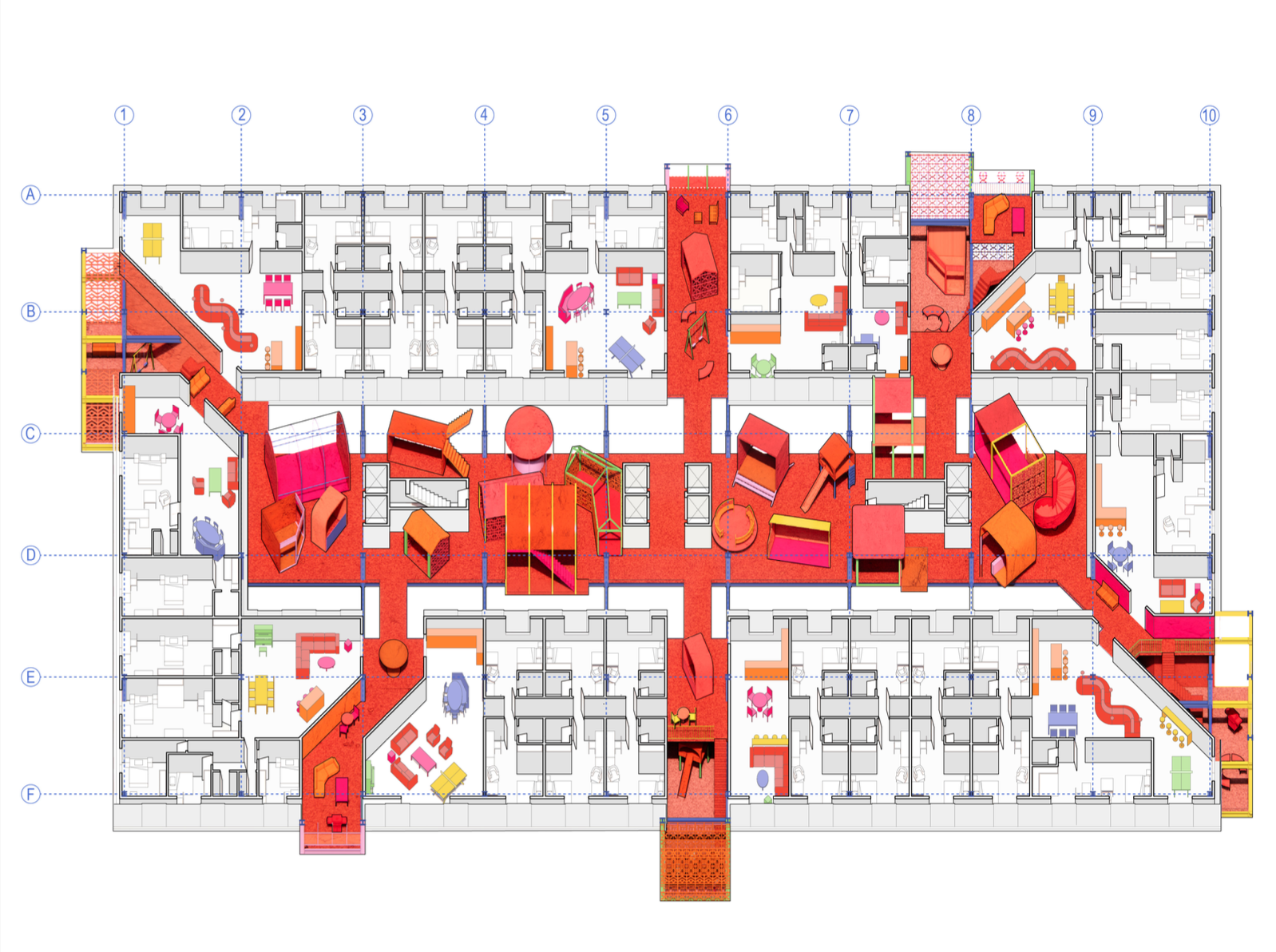
TEXTURE OF THE UNWRITTEN
A building is a combination of planned and unplanned actions; it emerges from both intention and improvisation. This thesis proposes a structure that embrac- es the unplanned and informal dimensions of lived space within the context of formally designed architecture—a space where occupants actively shape their environments through use, modification, adaptation, and layering. In response to Vietnam’s rapid urbanization, it reimagines co-op housing as a resilient, com- munity-driven model that preserves local economies, fosters shared living, and sustains cultural practices within adaptable, open-ended spatial frameworks.
THE CHOREOGRAPHY OF SPACE
Architecture is choreography. In this project, eight dance environments are assigned to street dance styles and designed to alternate over time. These spaces introduce elements that disrupt norms: angled or curved mirrors, sensory variations, and thematically driven spaces that direct orientations and spotlight moments of expression. As a work of total spatial arrangement, the project weaves together dance, preparation, paperwork, janitorial work, and audience experience into a dynamic sequence. Within the building, four distinct constituents—dancer, viewer, worker, and performer—are intertwined through their interactions with space. Together, they reflect the project’s central question: how can architecture not only host but shape the act of dancing?
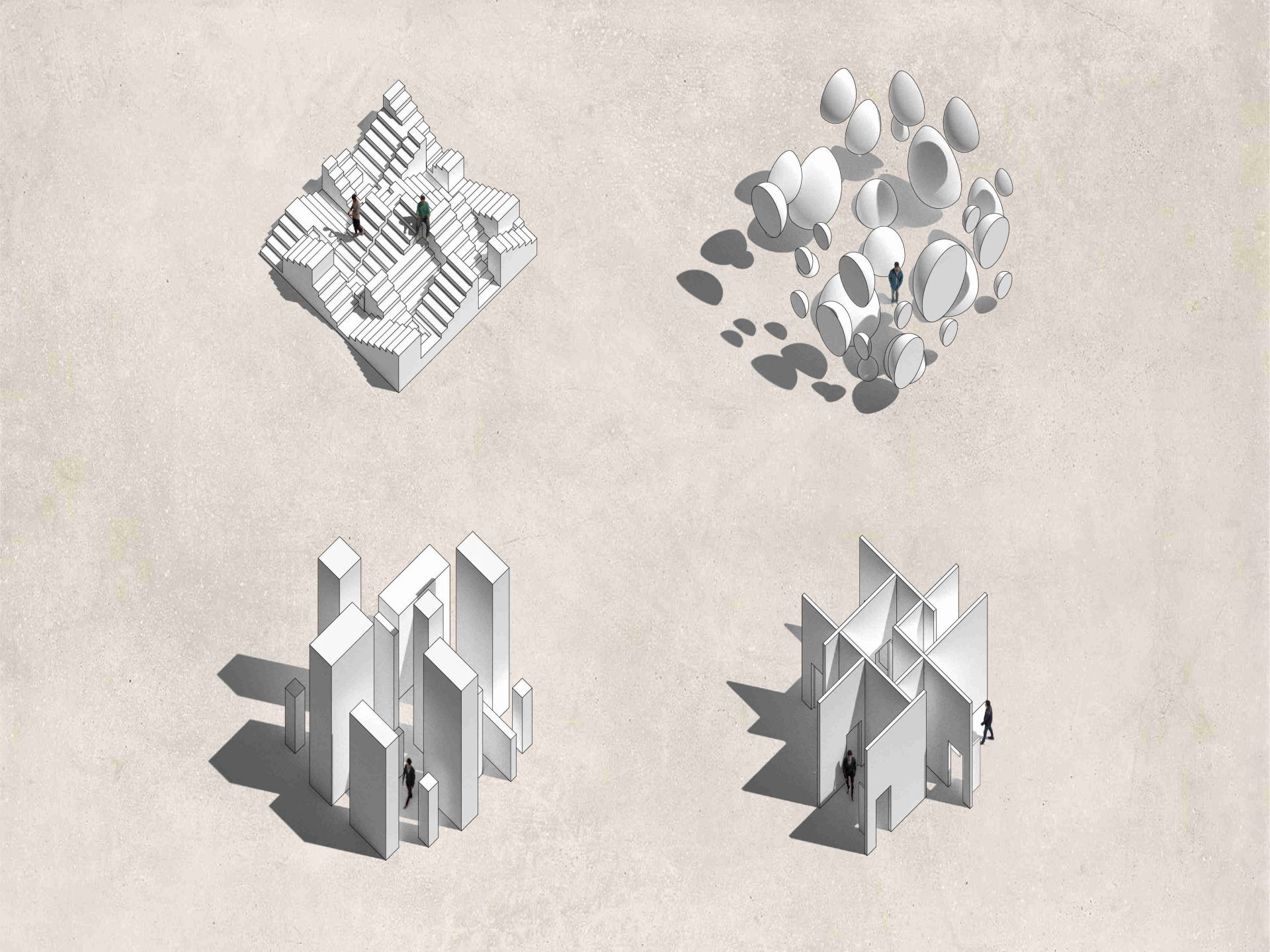
A Boulder Hyderabad
In response to Hyderabad’s increasing reliance on glass and steel in
pursuit of global aesthetics, this thesis proposes that the shape and materiality of Modernisation in Hyderabad are Boulders. By embracing the natural abundance of boulders on the Deccan Plateau, it redefines modernisation through the materiality and permanence of rock. Using stereotomic techniques to carve regular, habitable forms
such as cubes, cylinders, and tubes into irregular rock masses, this project develops a new architectural typology that is both locally grounded and forward-looking. It envisions a future where modern spaces are not imposed on the landscape but are revealed from within it, preserving and celebrating Hyderabad’s rapidly vanishing natural terrain.”