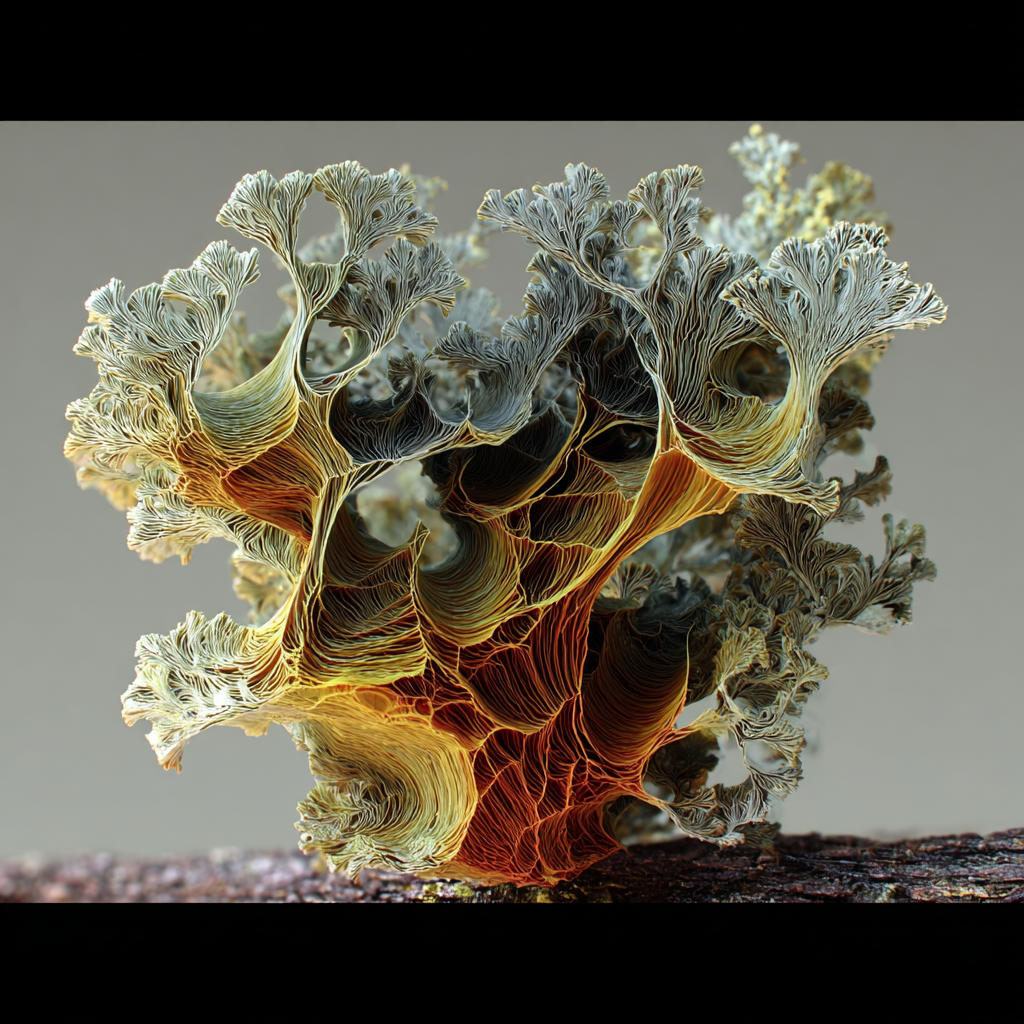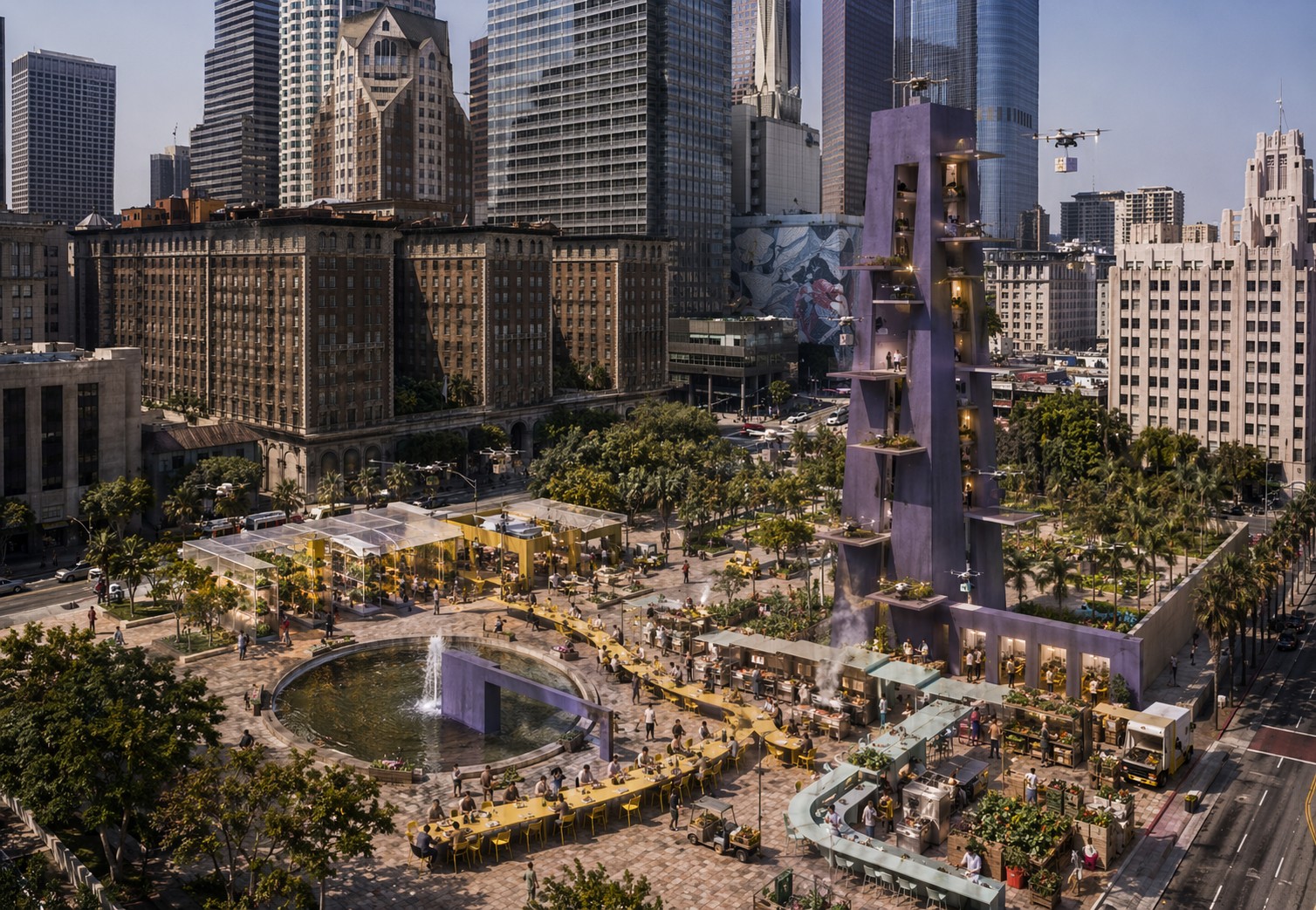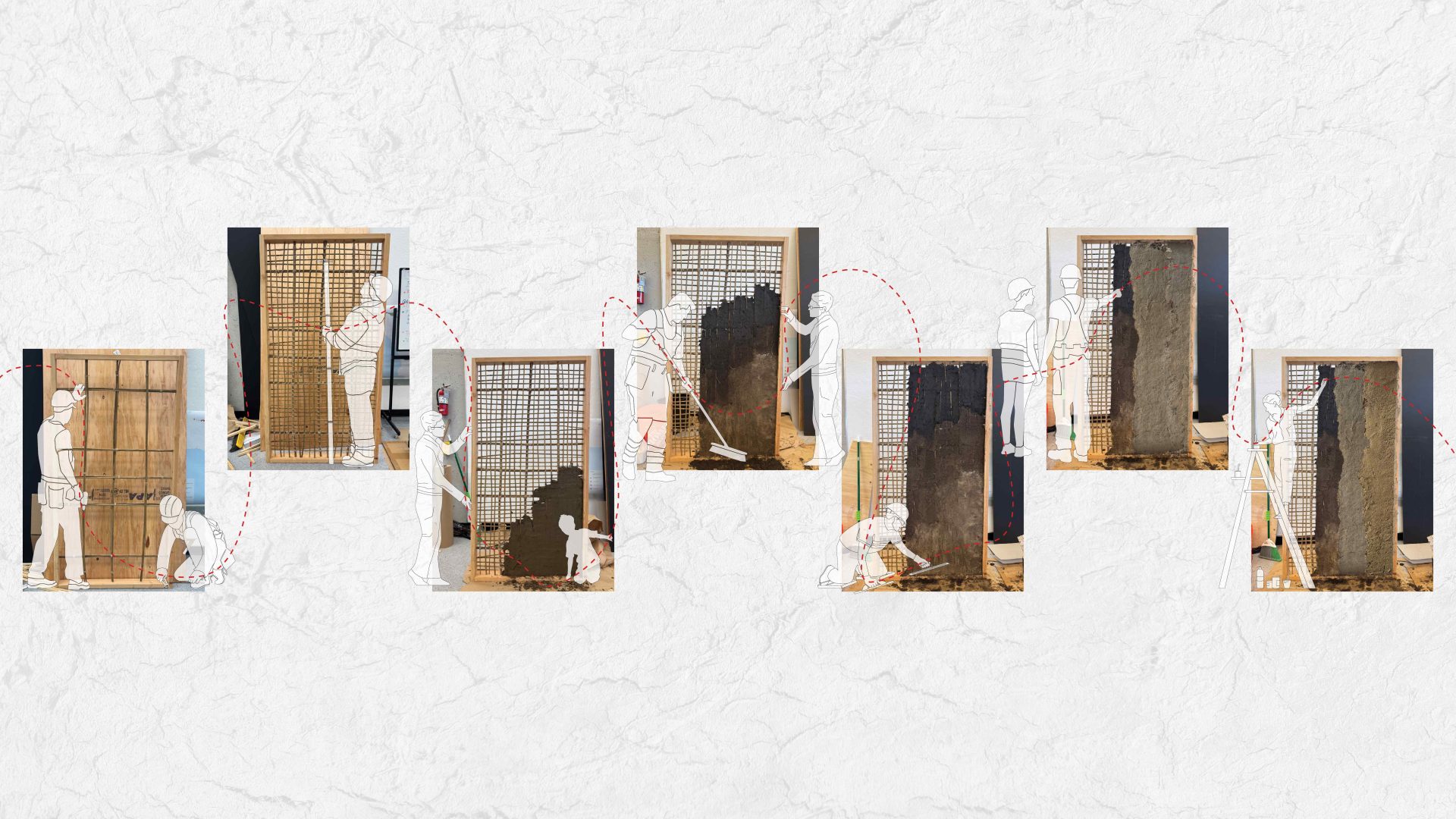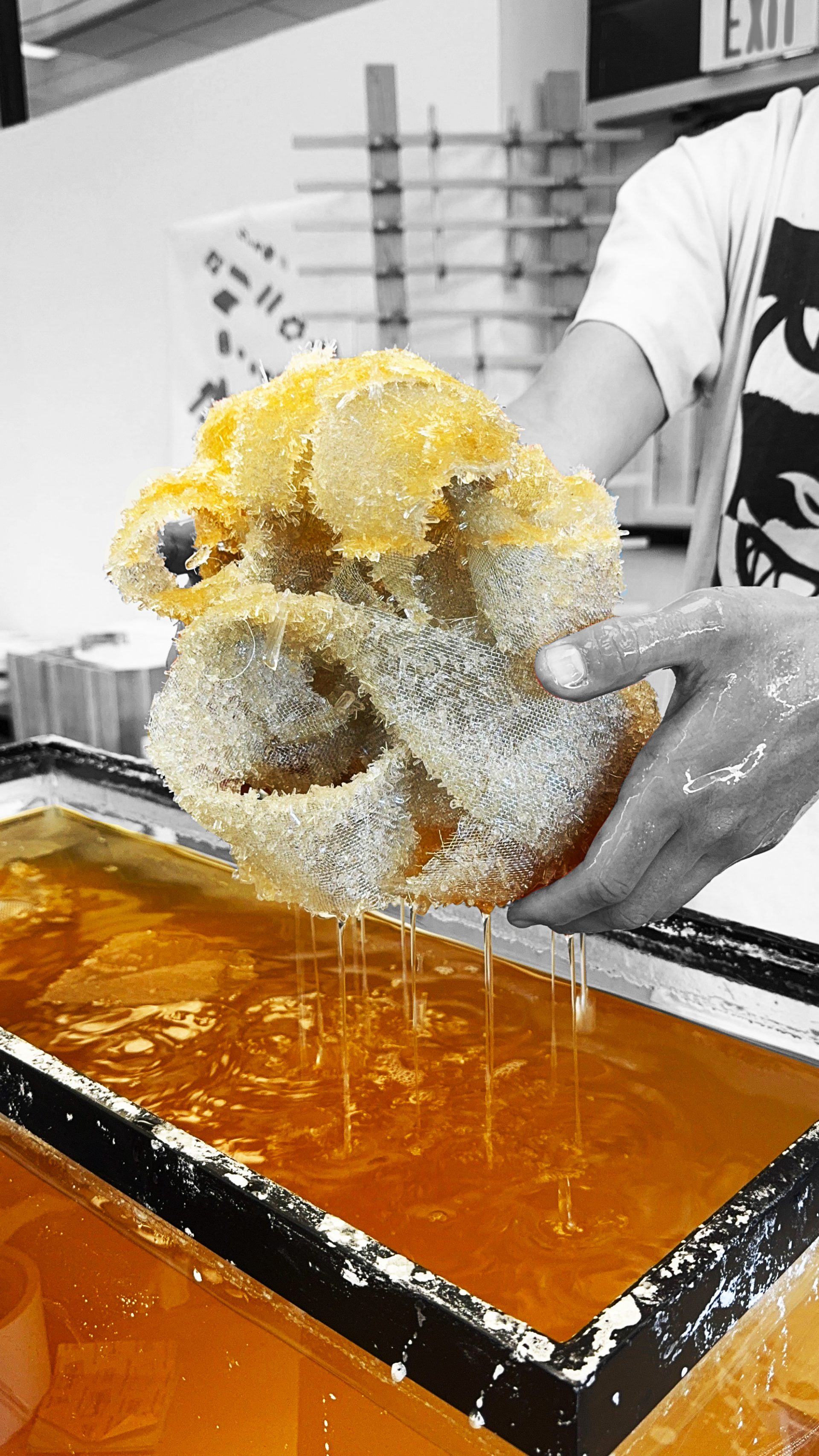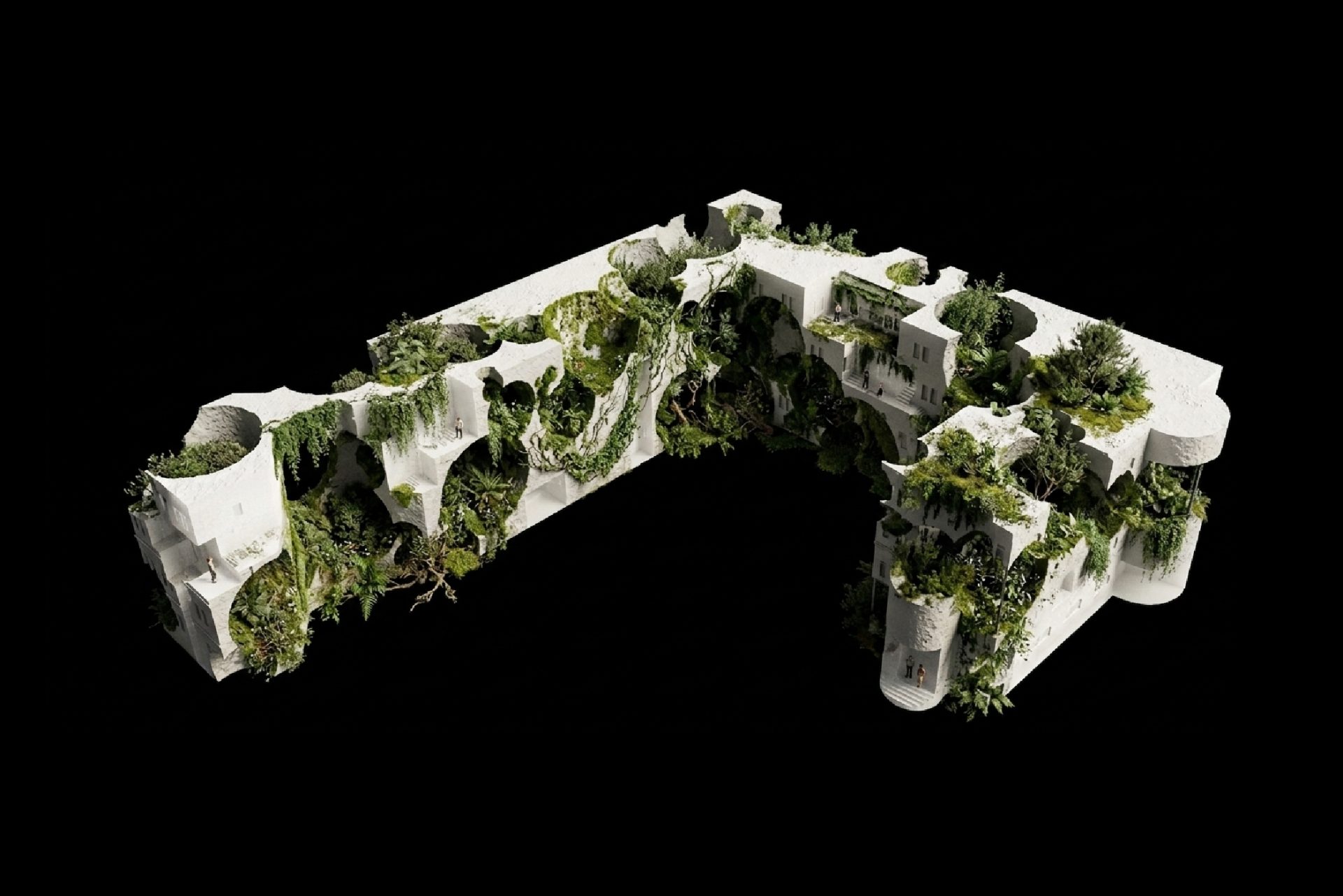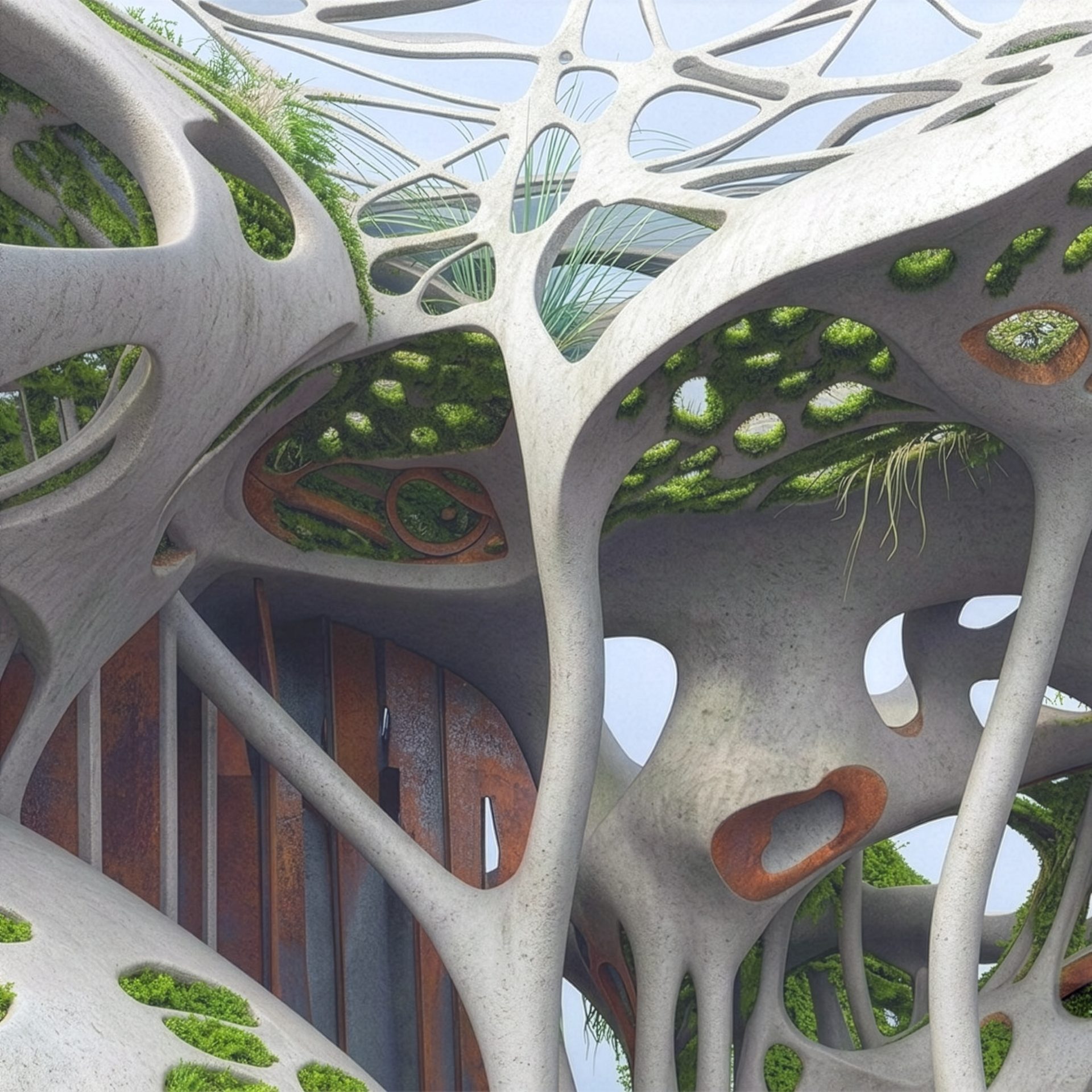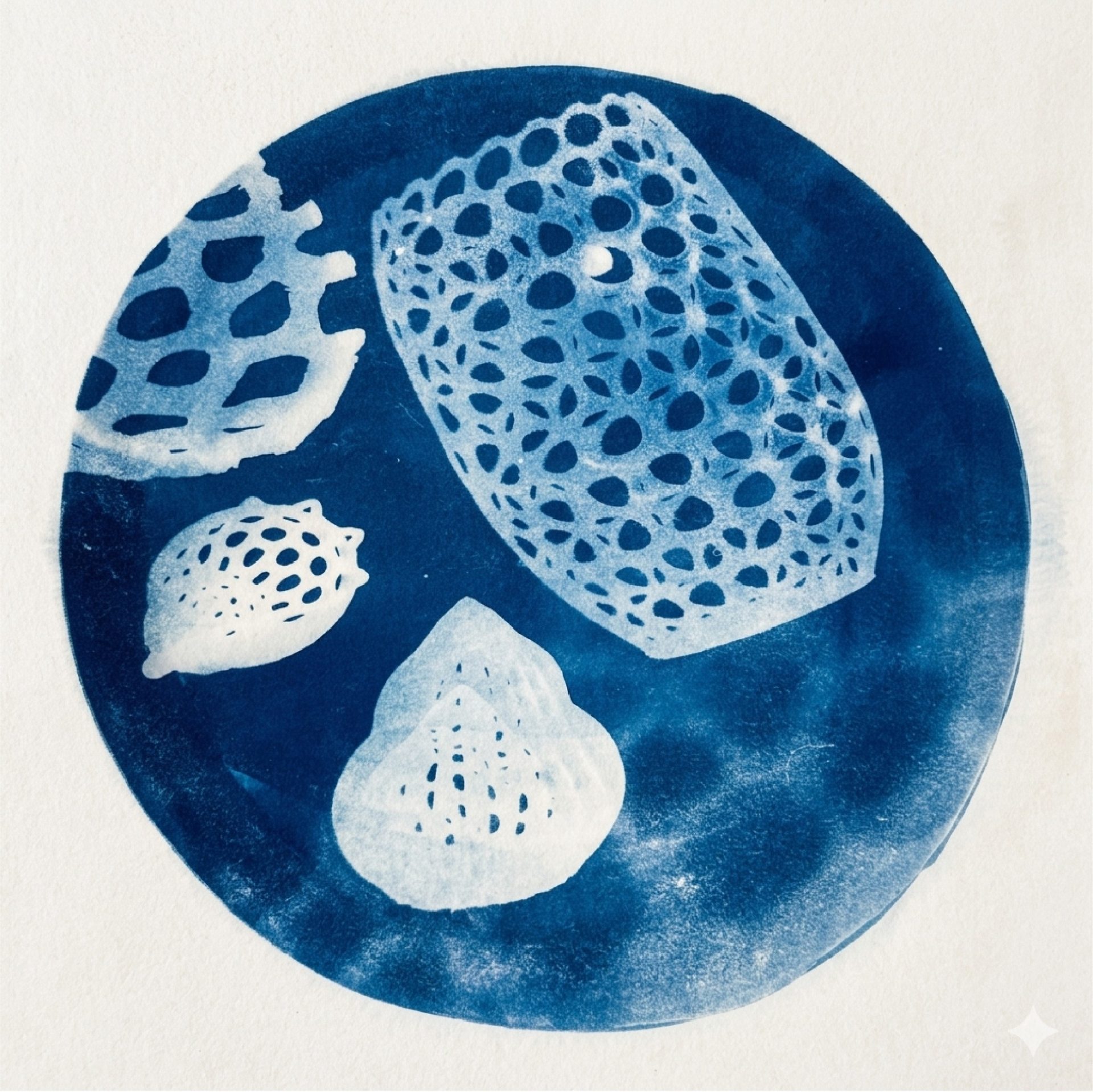
New modalities of design informed by artificial intelligence are being mobilized rapidly. The acceleration in the development and adoption of AI-based applications presents both an extraordinary opportunity and a cause for concern, carrying serious consequences including significant environmental distress as the energy demands of computation, the impact of data processing and storage on water resources, and wastewater contamination become increasingly apparent. In response, nature-based innovations—such as biomaterials, bioremediation, biophilic, and biomimetic design, or what may be understood as Natural Intelligence—emerge as a counter-cultural critique that is simultaneously technical, empirical, scientific, feral, wild, and imaginative.
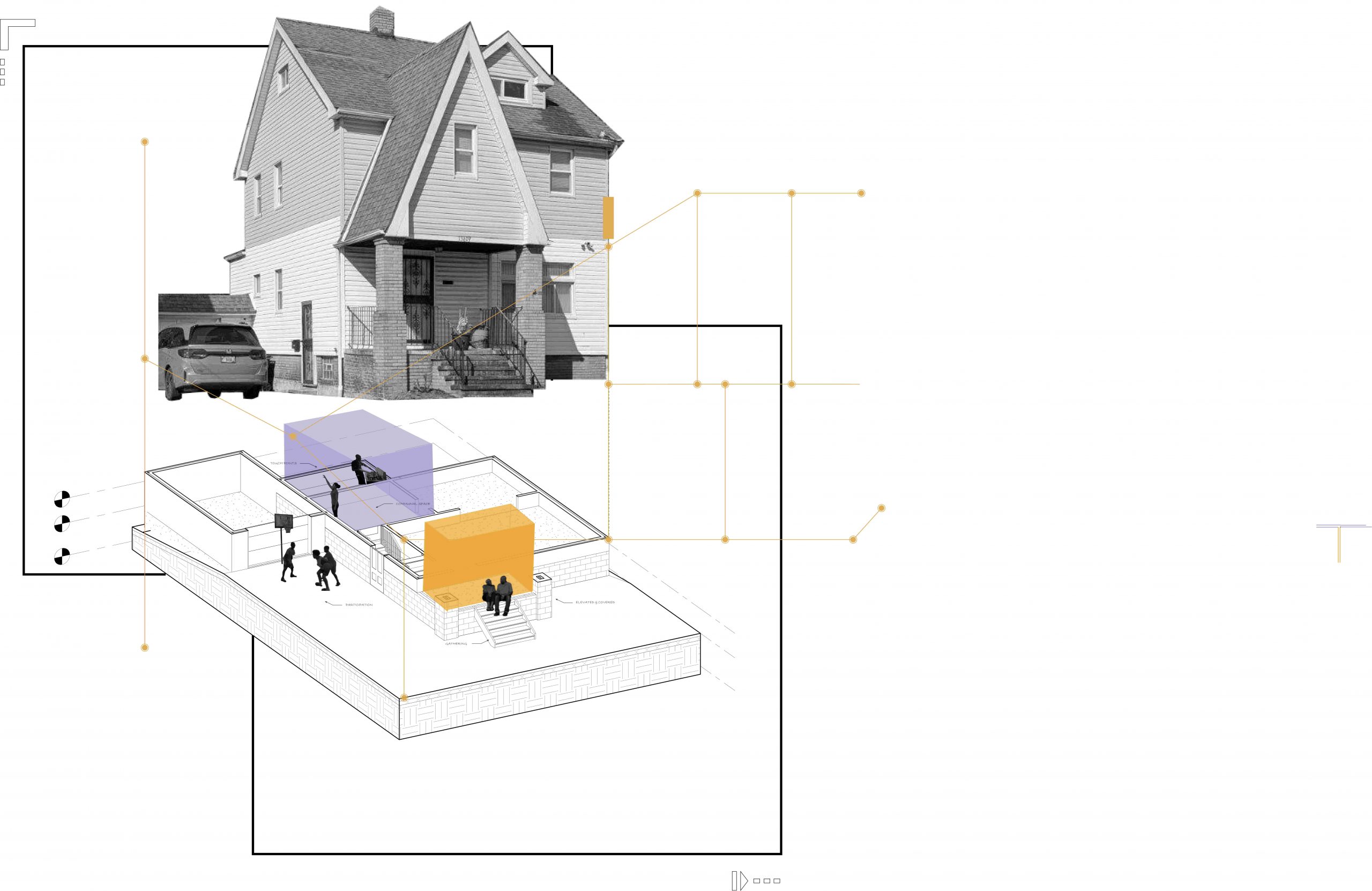
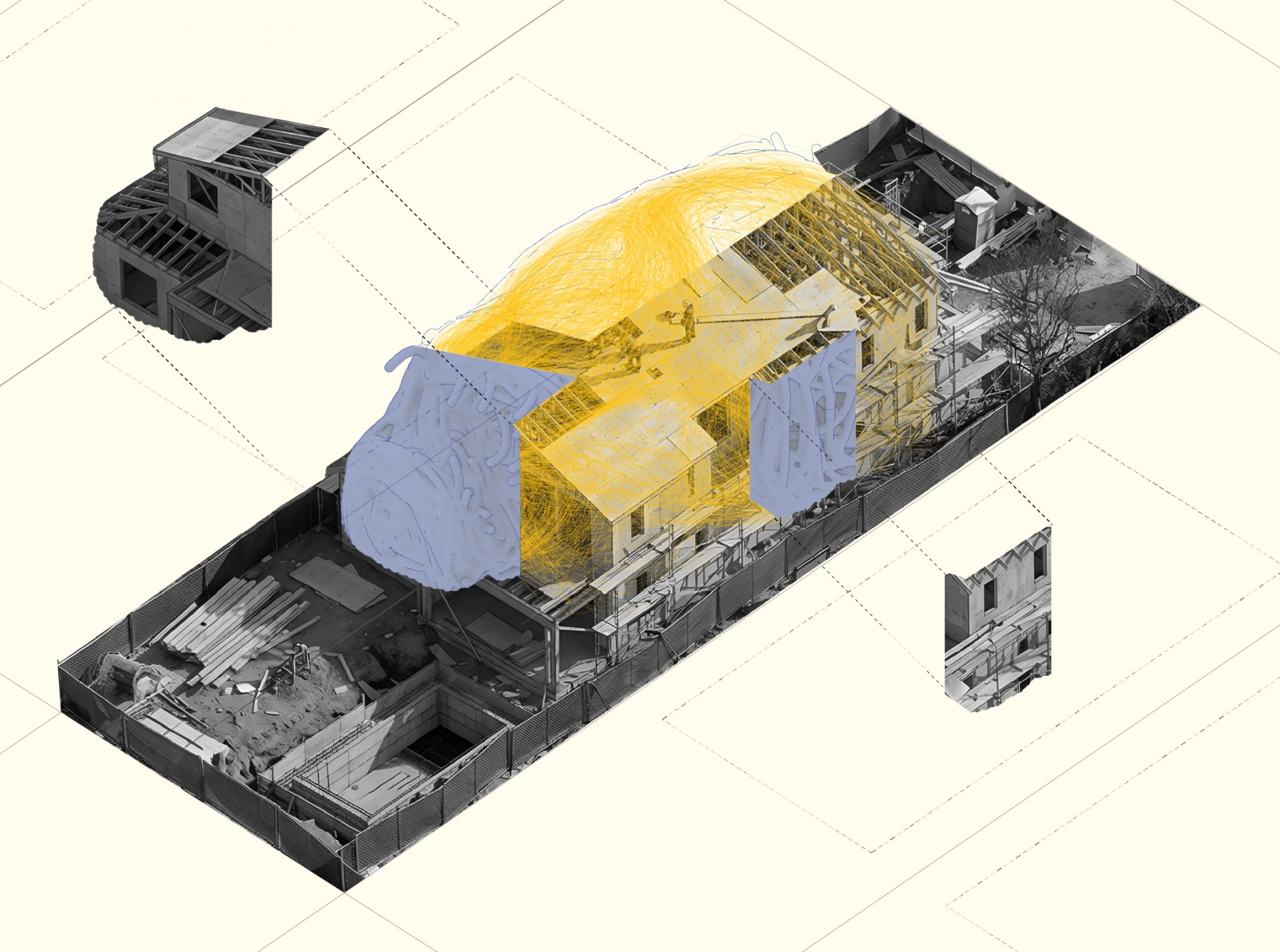
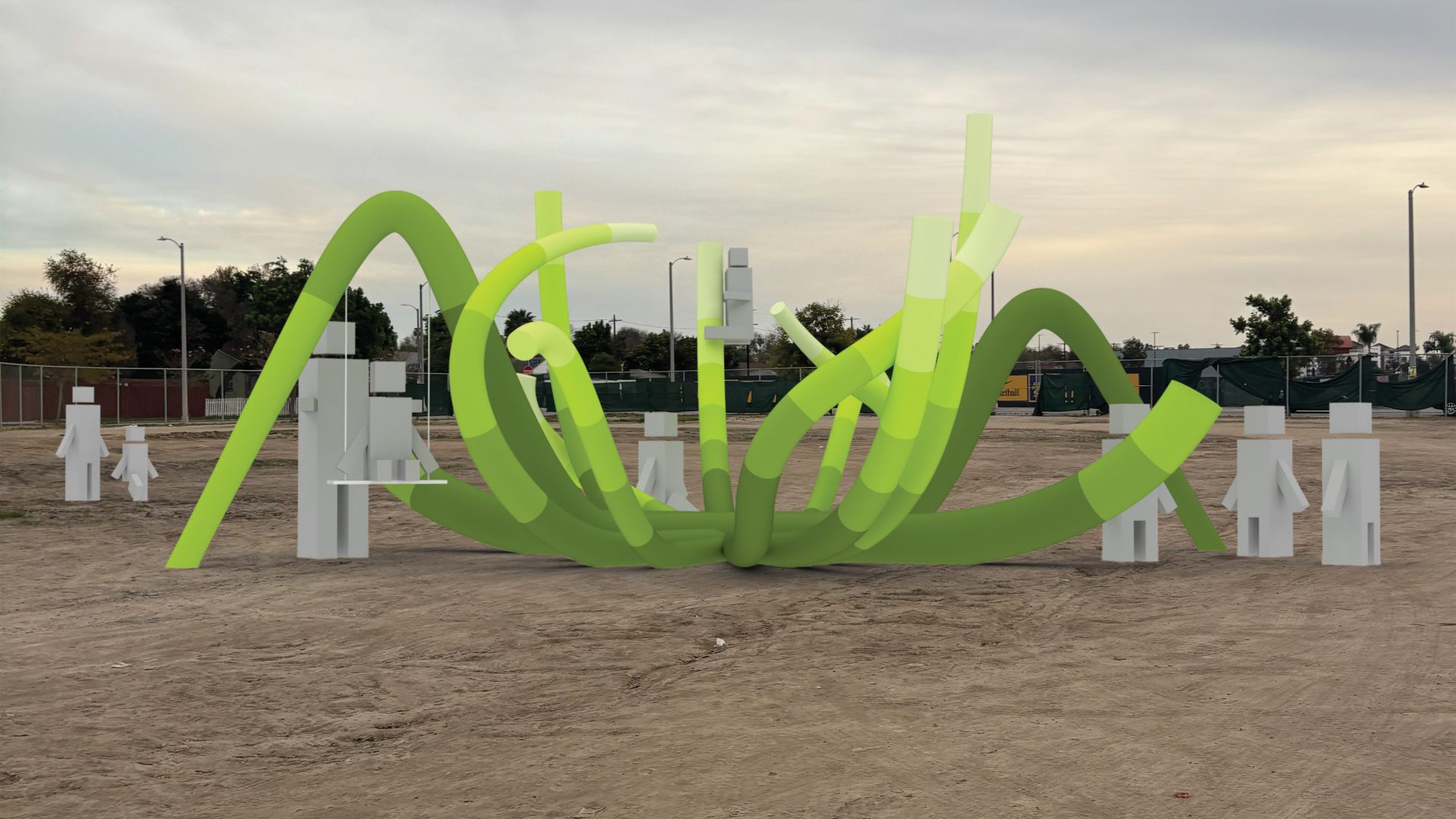
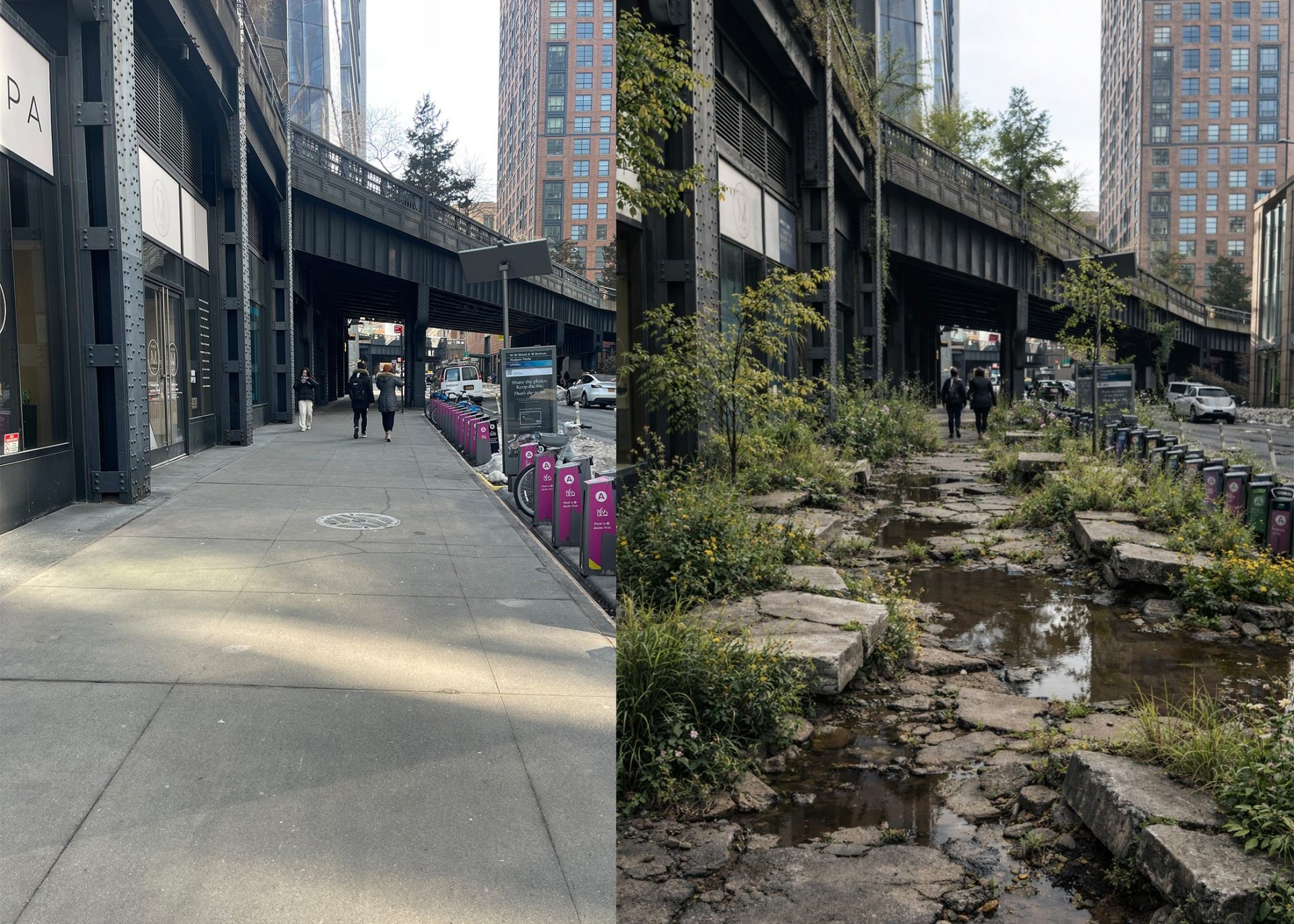
The history of Environmentalism, rooted in both Romanticism and late Medieval Naturalism, can support this position and provide an entirely adequate foundation for a thesis studio grounded in the opposition between the natural and the artificial. Yet a provisional reconciliation between these categories may prove more fruitful and, paradoxically, more reflective of contemporary design thinking and action. Two paths become one. This provocation served as an organizing principle, establishing an expanded field of design and critical inquiry that led to projects ranging from computational design protocols based on swarm algorithms addressing long-term resilience after the catastrophic fires in the Pacific Palisades, to rewilding Manhattan; from novel domestic and community infrastructures cleaning water in the canals and lagoon of Venice, Italy, and the Gowanus Canal in Brooklyn, New York, to survival strategies confronting excessive salinity and contamination around the Salton Sea in California; from rewilding rituals using biocomposites to memorialize industrial structures in post-industrial China, to catalytic projects for Black spaces and places in Los Angeles that address marginalization, empowerment, longing, and belonging.