Categories
ARCH 502: Control Points 2026

Instructor: Eric Haas

Control Points 2026

Amid the flurry of evangelical and skeptical views of the role(s) AI will play in architecture, questions about what constitutes proper management of these and other new developments, and what it will mean for the future role of the architect, regularly arise. This is the current – perhaps urgent – version of an ongoing, introspective […]

Categories
ARCH 502: Control Points 2026

Instructor: Eric Haas

INSIDE OUT

While the “typical plan” has long structured architectural thinking, the contemporary “typical façade,” particularly the reflective curtain wall, conceals interior life behind uniform surfaces, producing visual banality. This thesis argues that reintroducing the visibility of everyday interior activities restores the “body” of architecture, transforming façades from abstract envelopes into expressions of lived experience.

Categories
ARCH 502: Control Points 2026

Instructor: Eric Haas

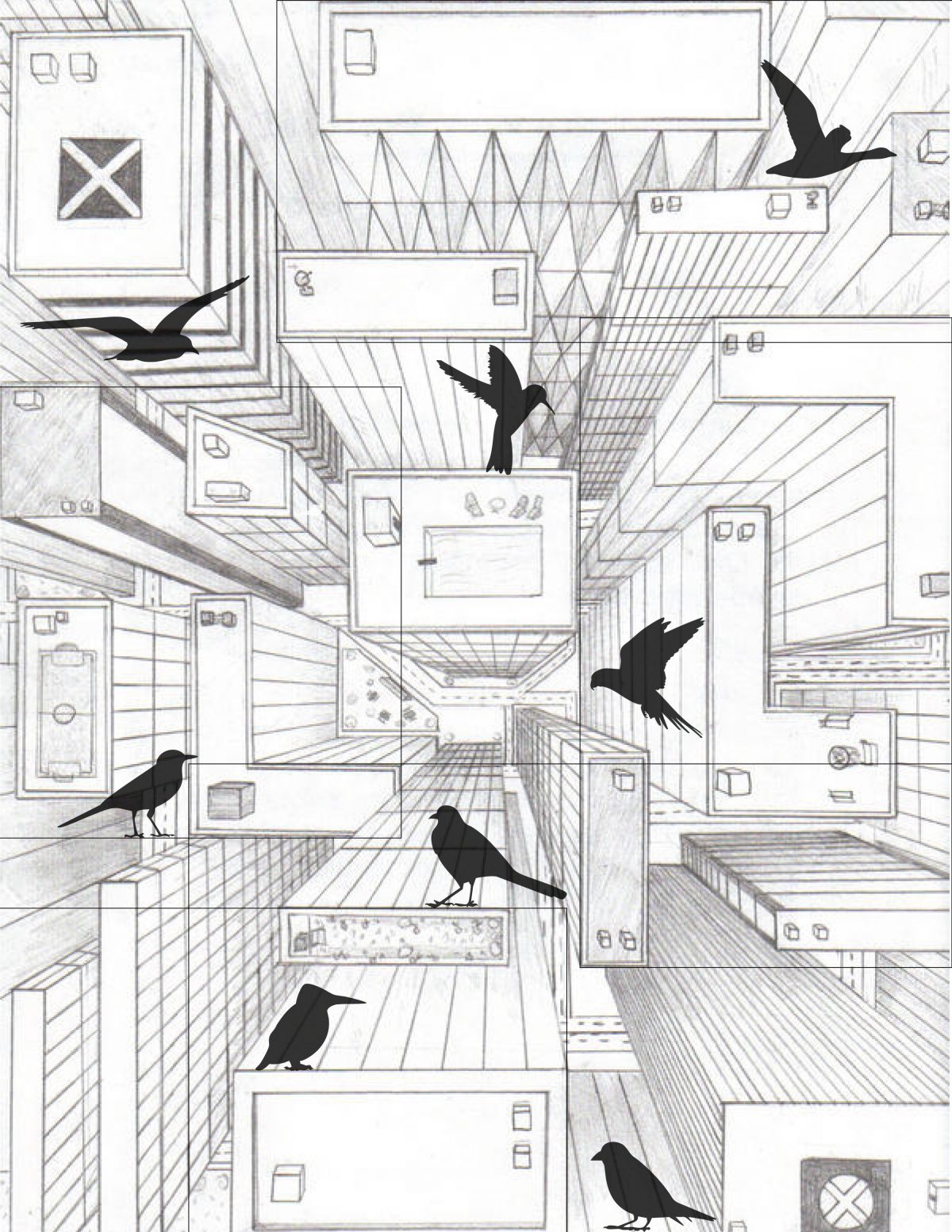
Cohabitation System: Negotiating Space Between Humans and Birds

Contemporary buildings operate as zones of exclusion, separating human space from ecological systems. This project proposes architecture as a mediator of that separation, organizing how humans and birds occupy the same environment. It allocates space specifically for birds and reinvites them to cohabit the building, defining where they can perch, nest, and move through while […]

Categories
ARCH 502: Control Points 2026

Instructor: Eric Haas

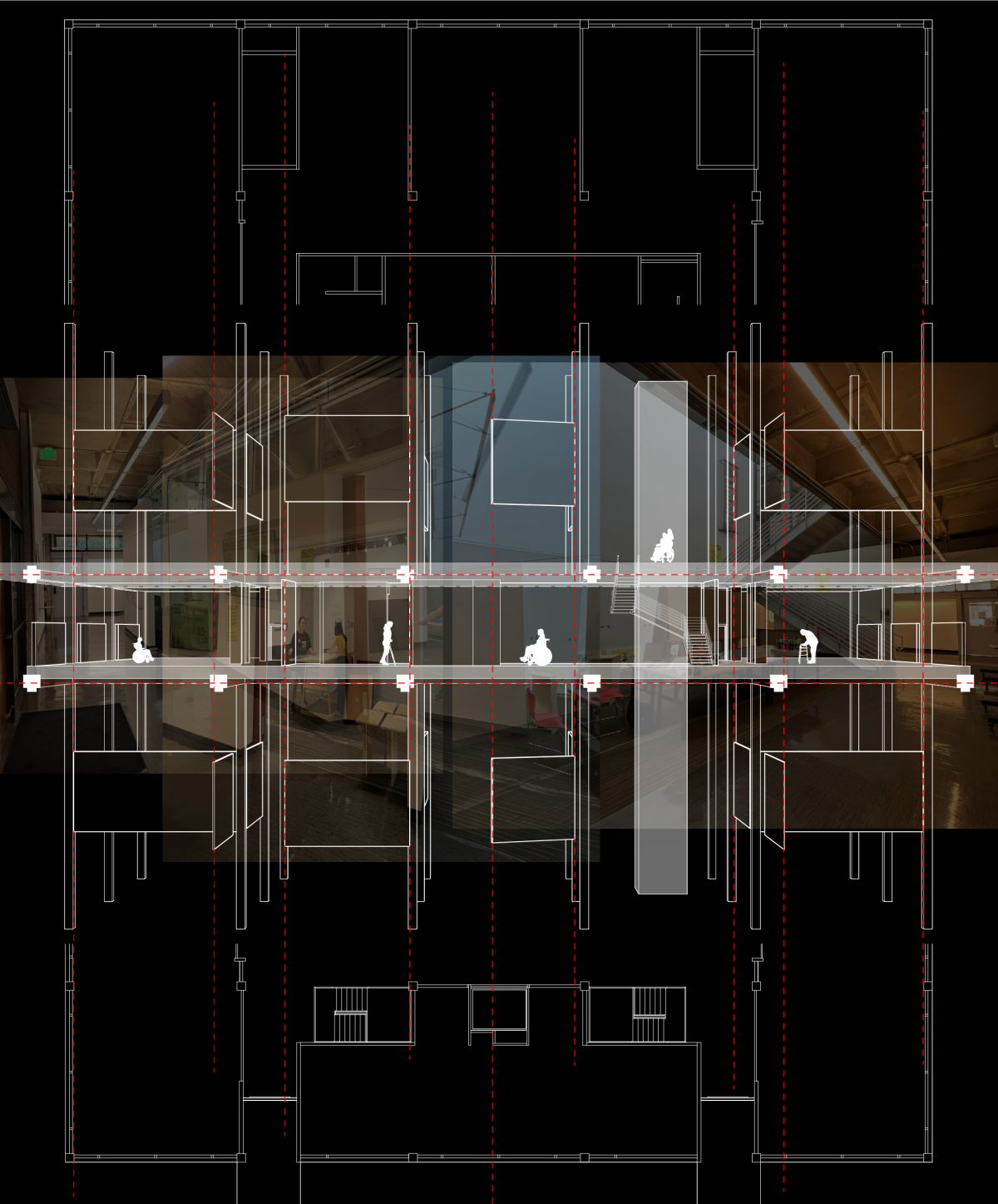
This Counts Too

Accessibility in the built environment has, for too long, been treated as a compliance issue, with the minimum ADA standard considered 'enough'. Disabled users deserve more. This Counts Too invents a system created by the architect but modified by the expert end user. By designing an open framework of modifiable parts within the USC Architecture […]

Categories
ARCH 502: Control Points 2026

Instructor: Eric Haas

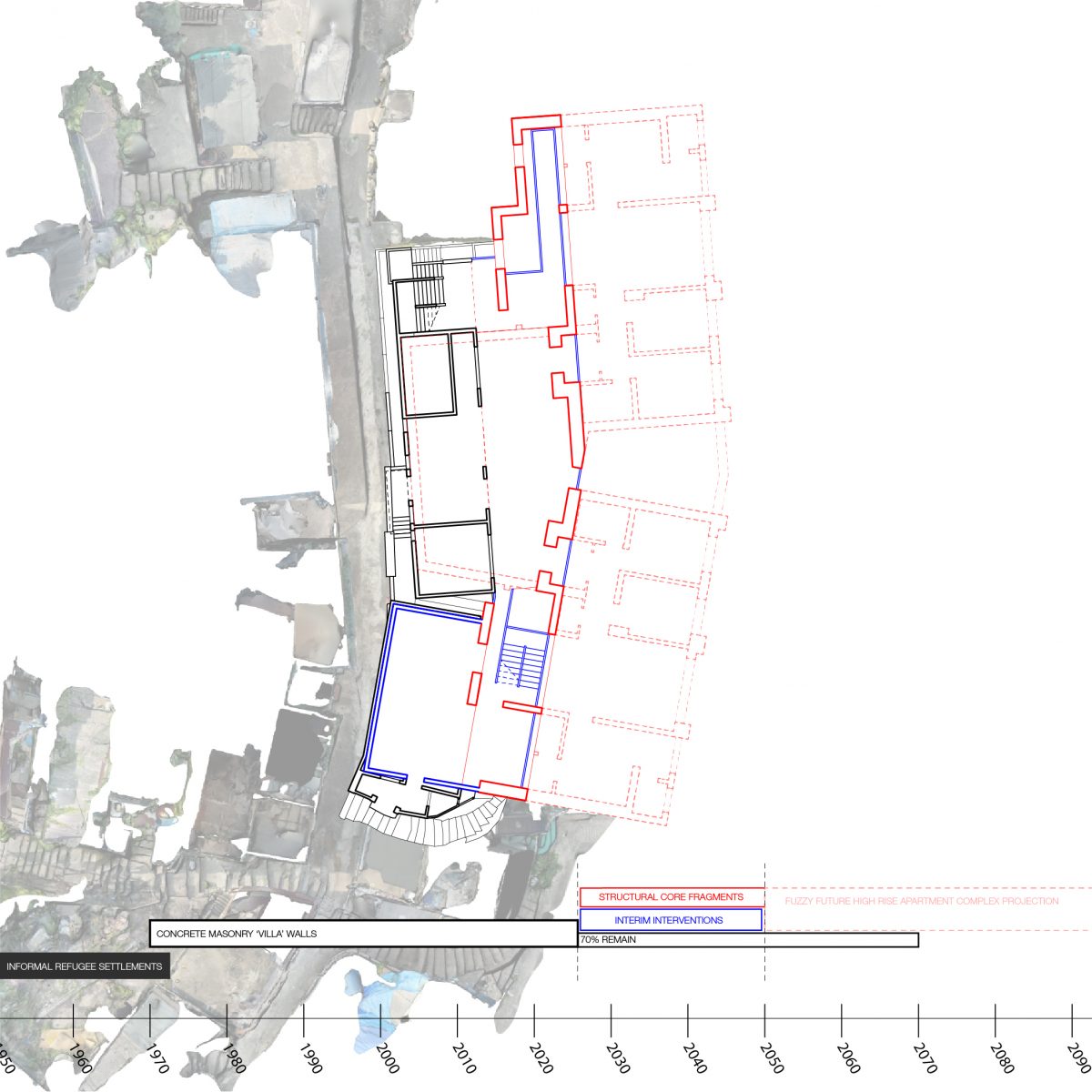
EPISODIC SPECKLED INTERVENTIONS

We live in a reality where we are dealing with buildings of old with short half-lives and building things that are projected to have even shorter ones. In such a condition, architects should not produce a final form, but actively choreograph the uneven persistence and expiration of building parts, assemblies, and spatial forms. The architect's […]

Categories
ARCH 502: Control Points 2026

Instructor: Eric Haas

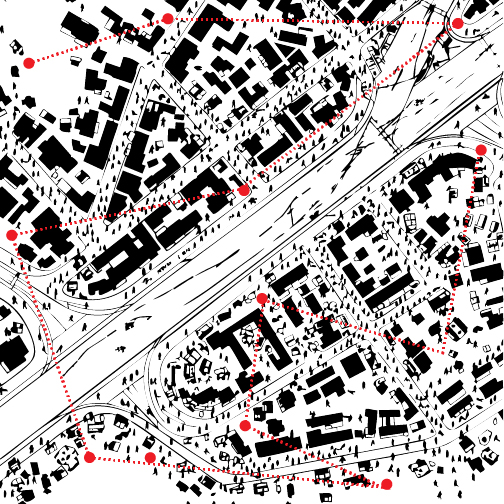
Civic Infrastructure Through Branded Sanitation

Access to dignified public restrooms is a fundamental civic right, yet Los Angeles fails to provide this basic infrastructure equitably. This project proposes a networked system of branded, movable restroom units as a new model of civic provision. Replacing fixed, scarce facilities, a distributed framework of adaptable nodes actively adjusts to pedestrian density, temporal demand, […]

Categories
ARCH 502: Control Points 2026

Instructor: Eric Haas

Our Surface Earth

The development of civilization has directly relied on the destruction of Earth's surface to extract the materials we use to build our cities. Earth's resources are finite, and its surface is the dermal interface which we use as a normative base to build upwards from. We must preserve the Earth's remaining undeveloped land. Surfaces that […]

Categories
ARCH 502: Control Points 2026

Instructor: Eric Haas

Dongze Li

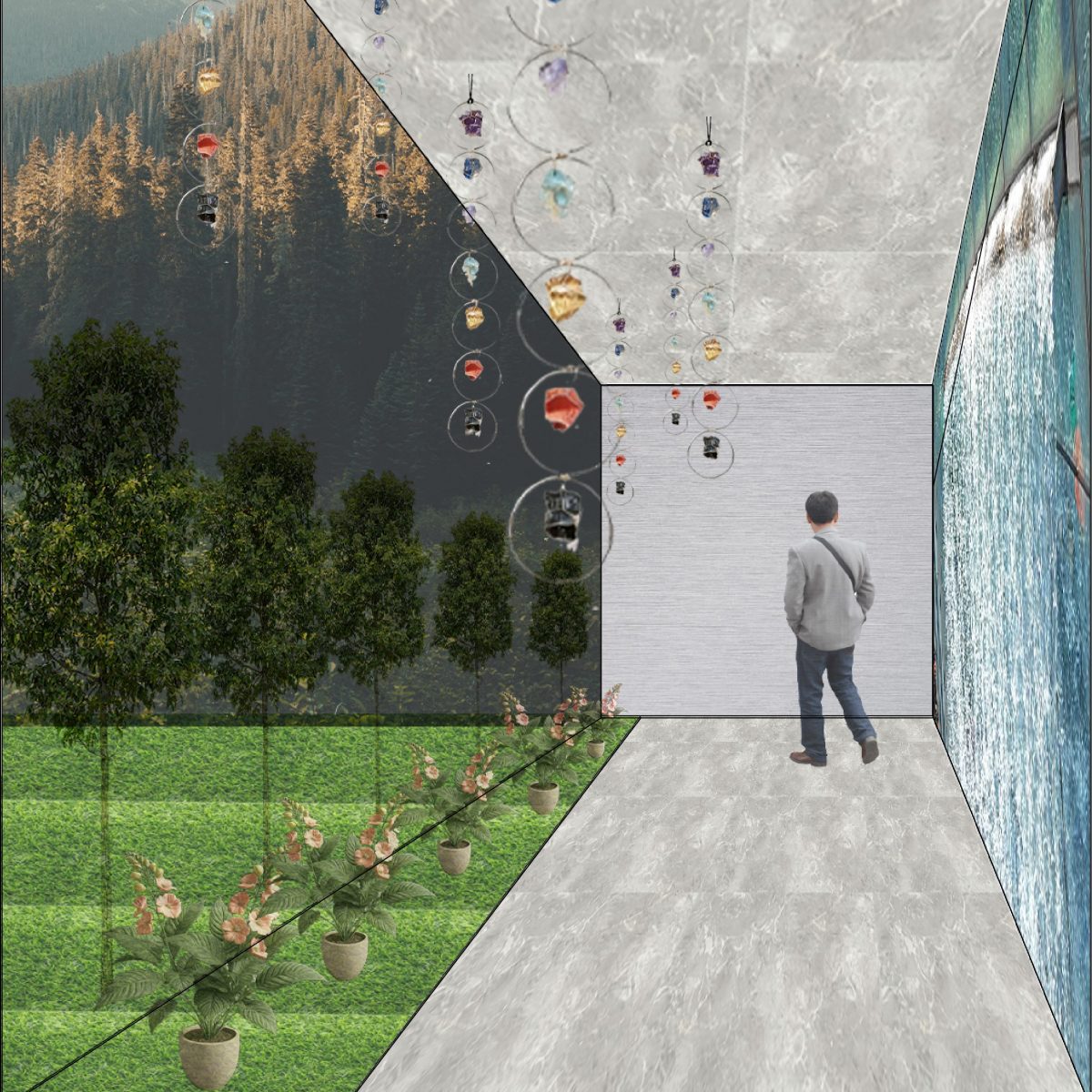
Architecture does not begin with enclosure but with edges. It constructs these edges through gradients of opportunities such as light, heat, material, and movement. It produces boundaries through physical form and interaction, shaping soft transitions that define space without sealing it. Rather than containing space, architecture engages the body in a continuous negotiation with environment […]

Categories
ARCH 502: Control Points 2026

Instructor: Eric Haas

Enveloping Fragments

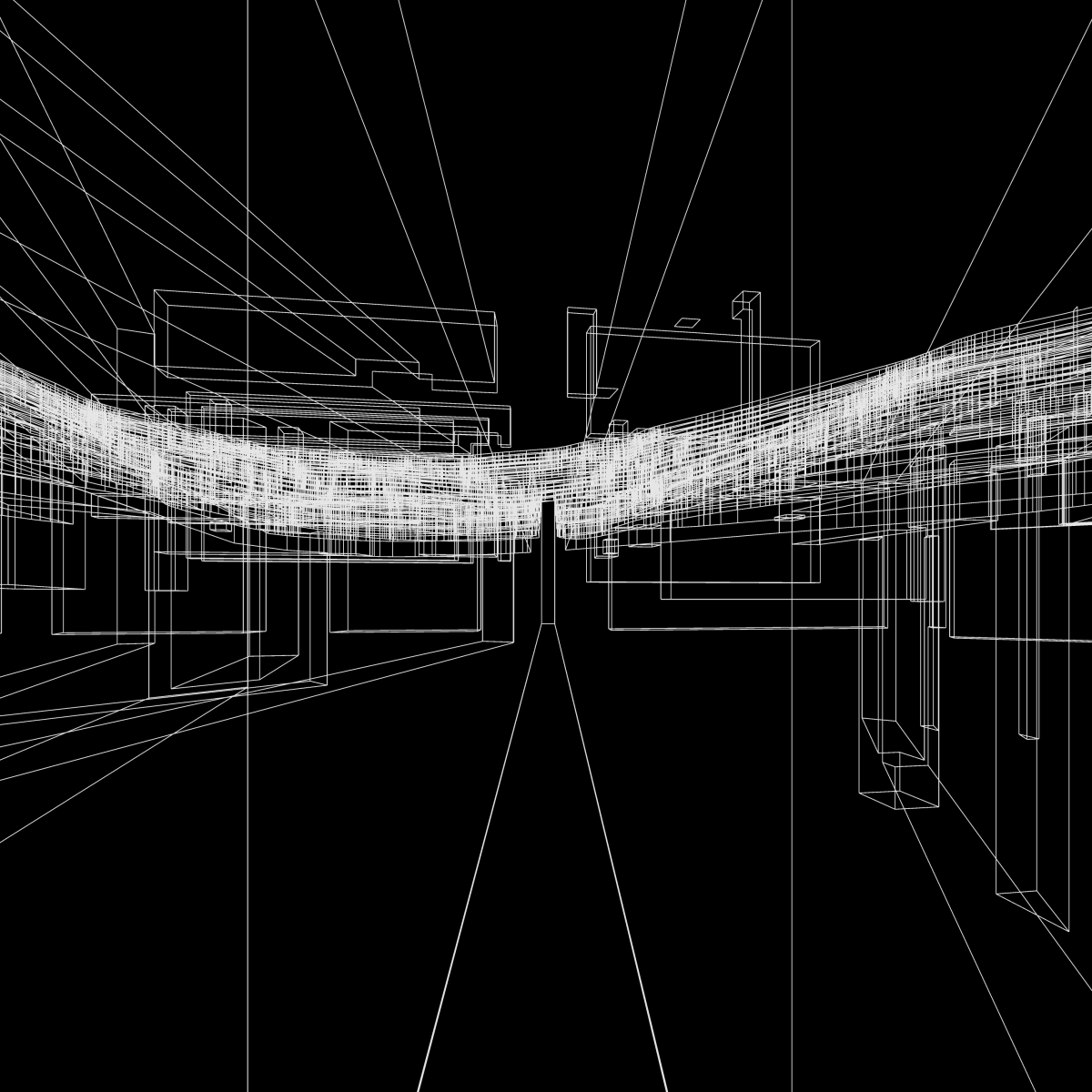
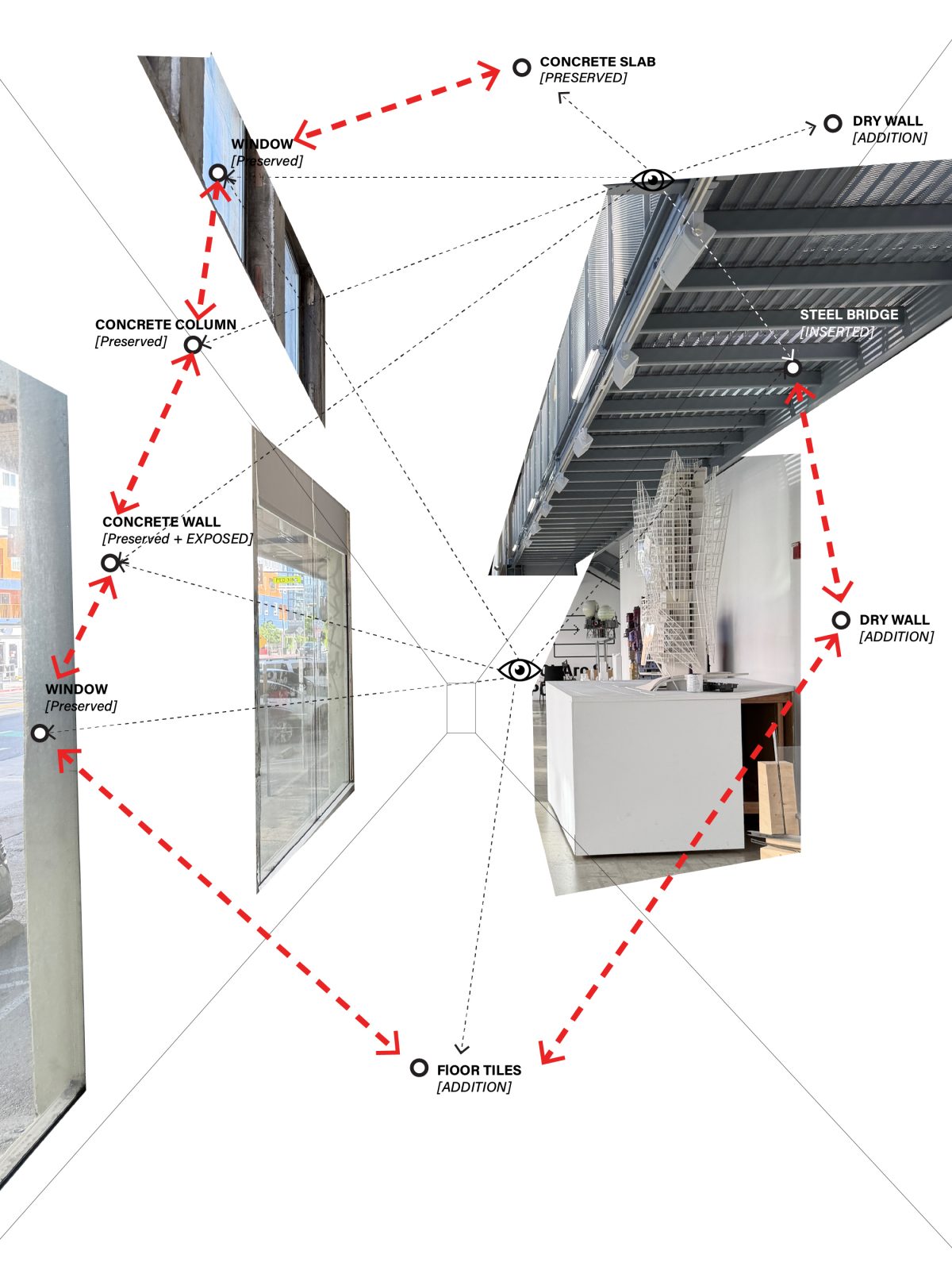
In response to adaptive reuse practices that aestheticize fragments as static artifacts, this thesis argues that scalar manipulation (enlargement, compression, and reframing) of the enveloping conditions acts as a design instrument that reorganizes fragments into spatially coherent systems. Through shifts in scale, fragments engage new spatial relationships while maintaining their formal identity and temporal autonomy, […]

Categories
ARCH 502: Control Points 2026

Instructor: Eric Haas

Becoming Familiar

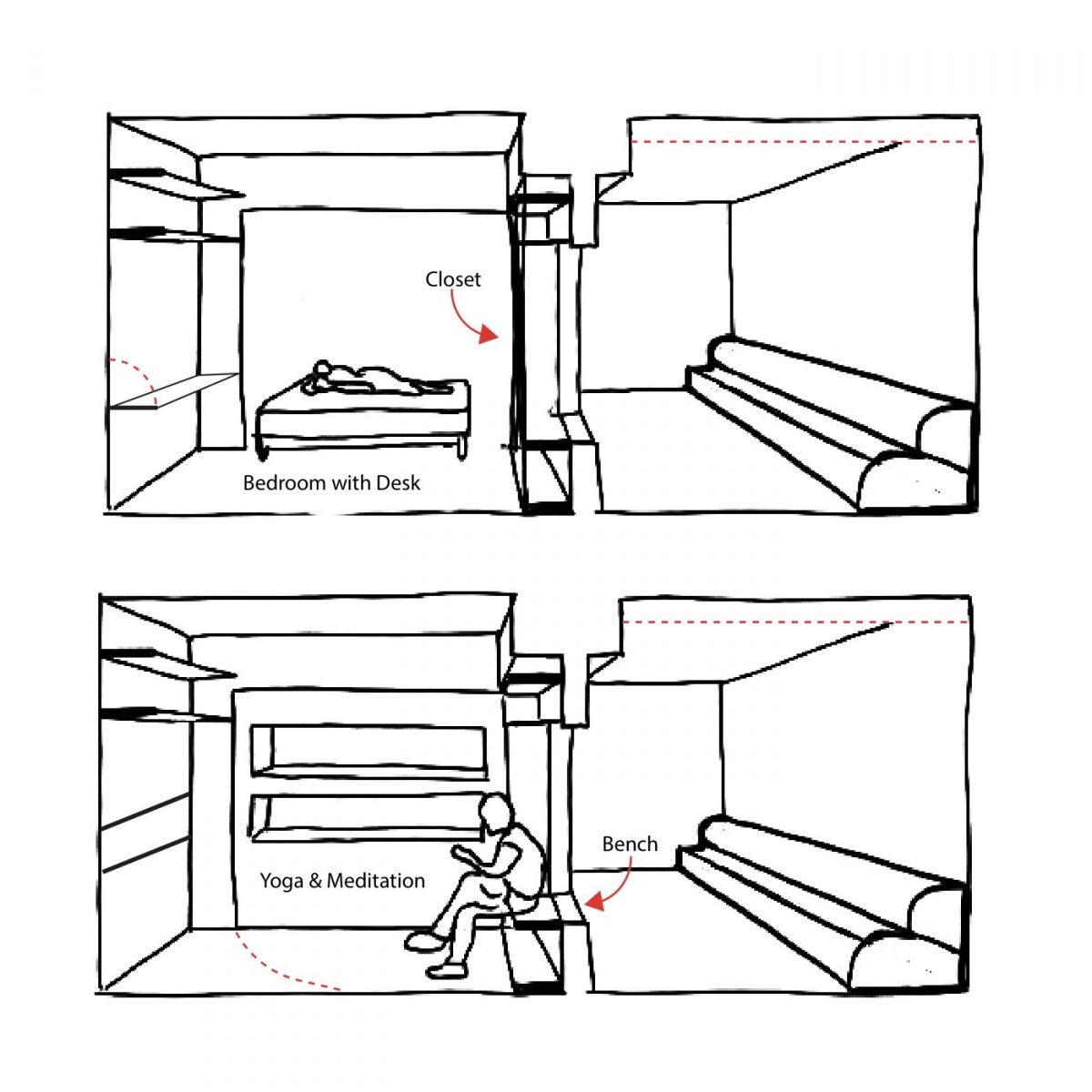
A space becomes familiar through inhabitation. This thesis constructs an urban dwelling unit through memory, sensory thresholds, time, and accumulation, operating within a fixed architectural shell. As a Lebanese living in Los Angeles, the design adapts with hyper-specificity to the occupier, shaping how one cooks, rests, arrives, and gathers daily. Framed as a gesamtkunstwerk, each […]