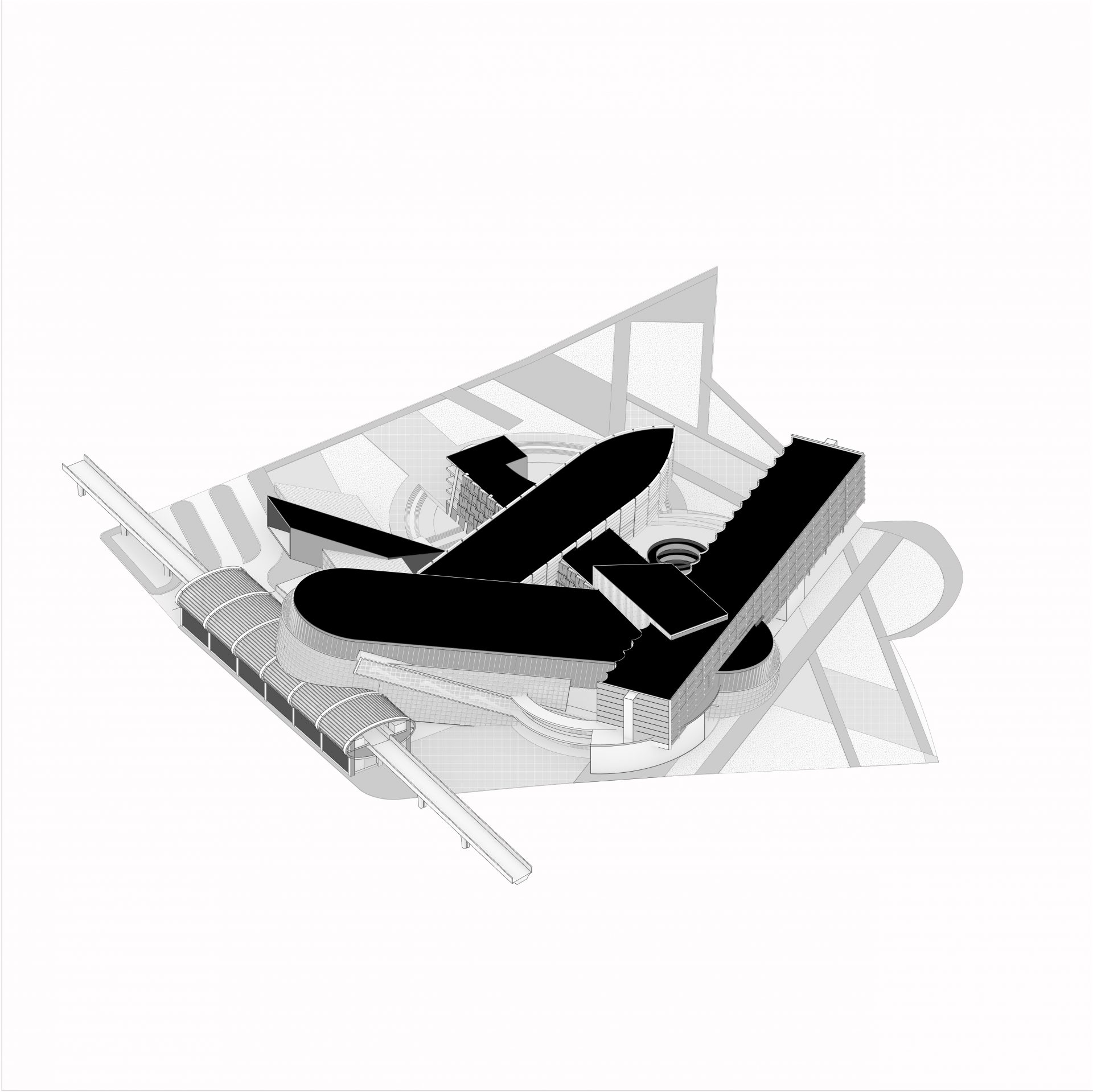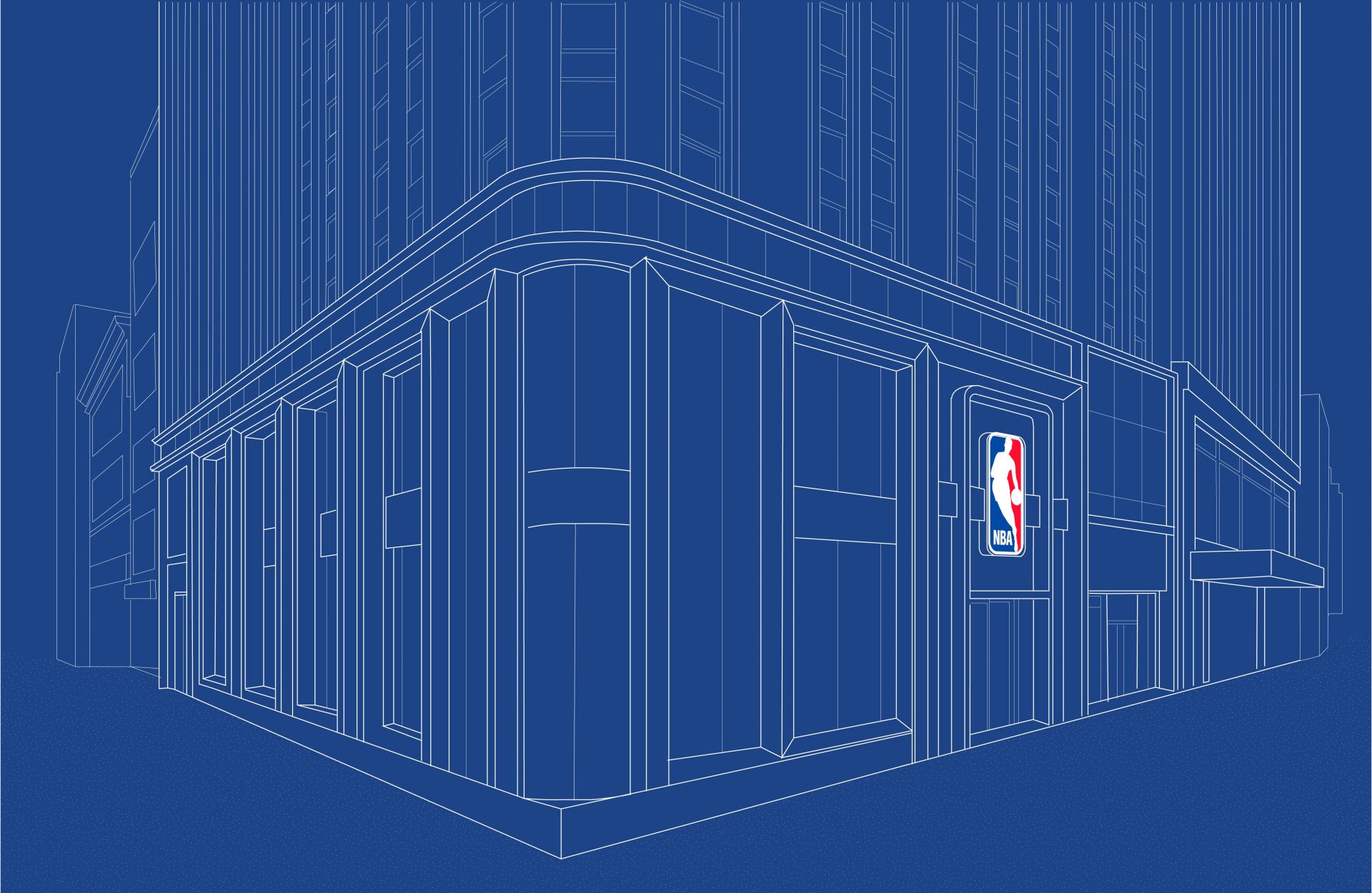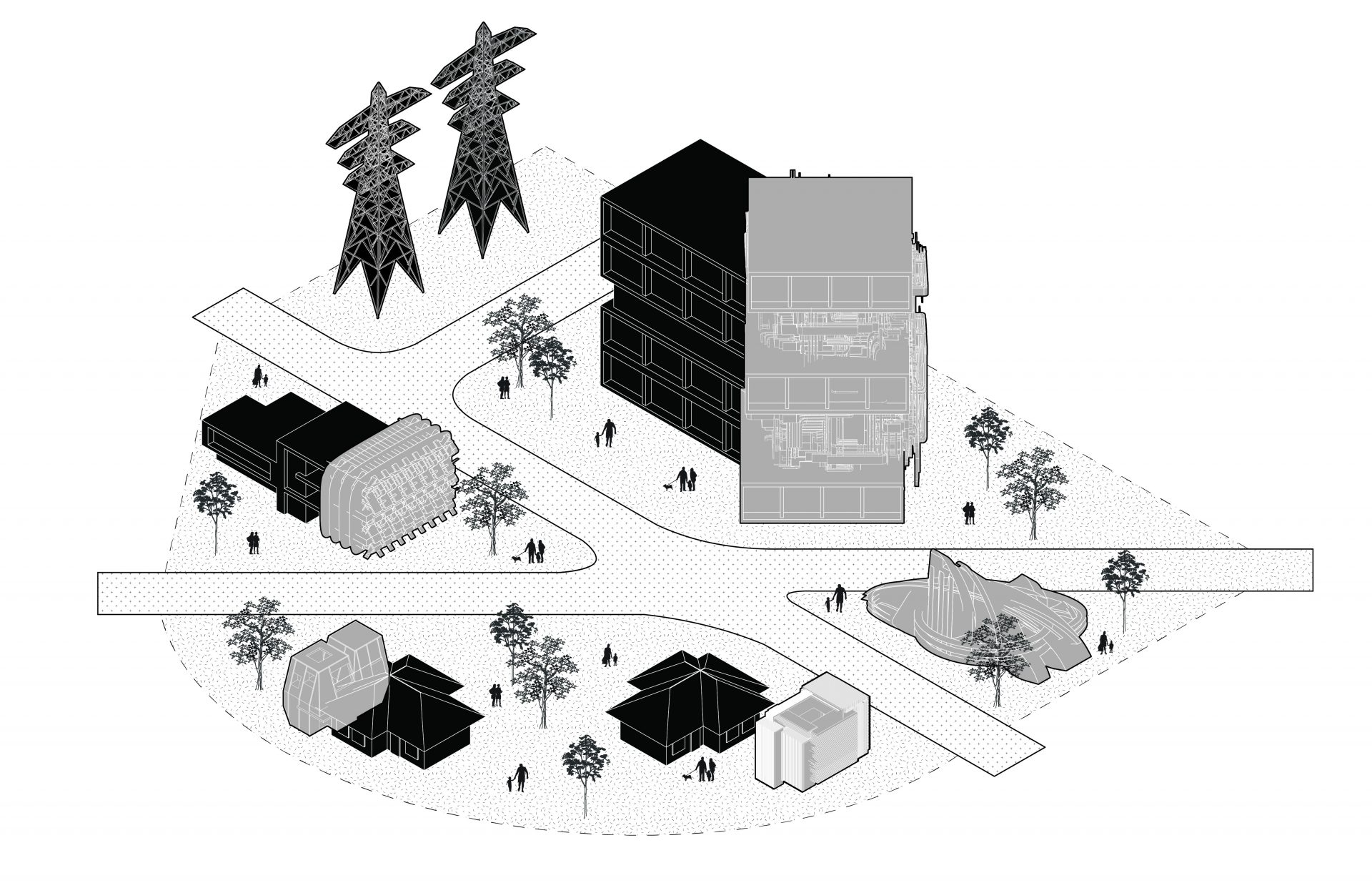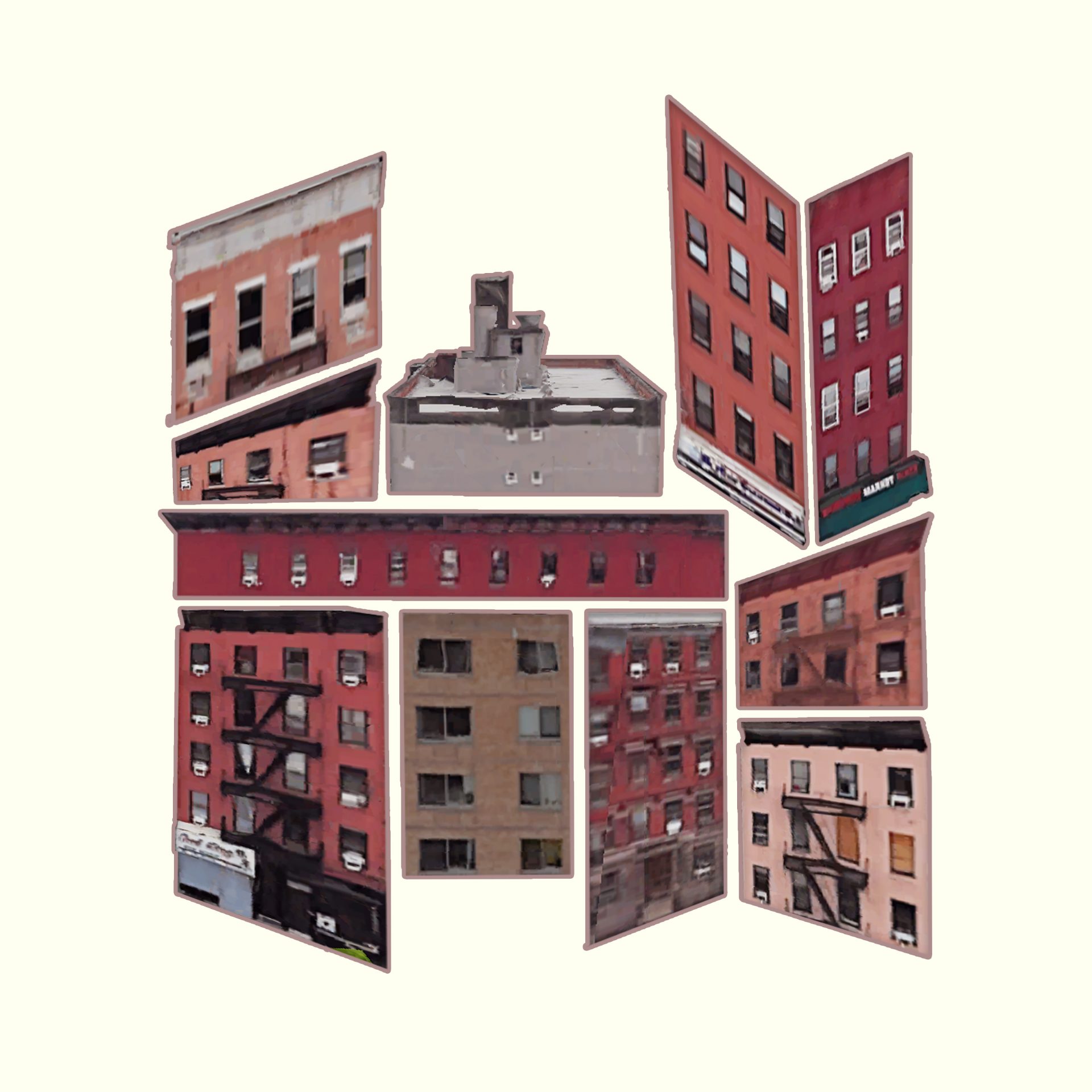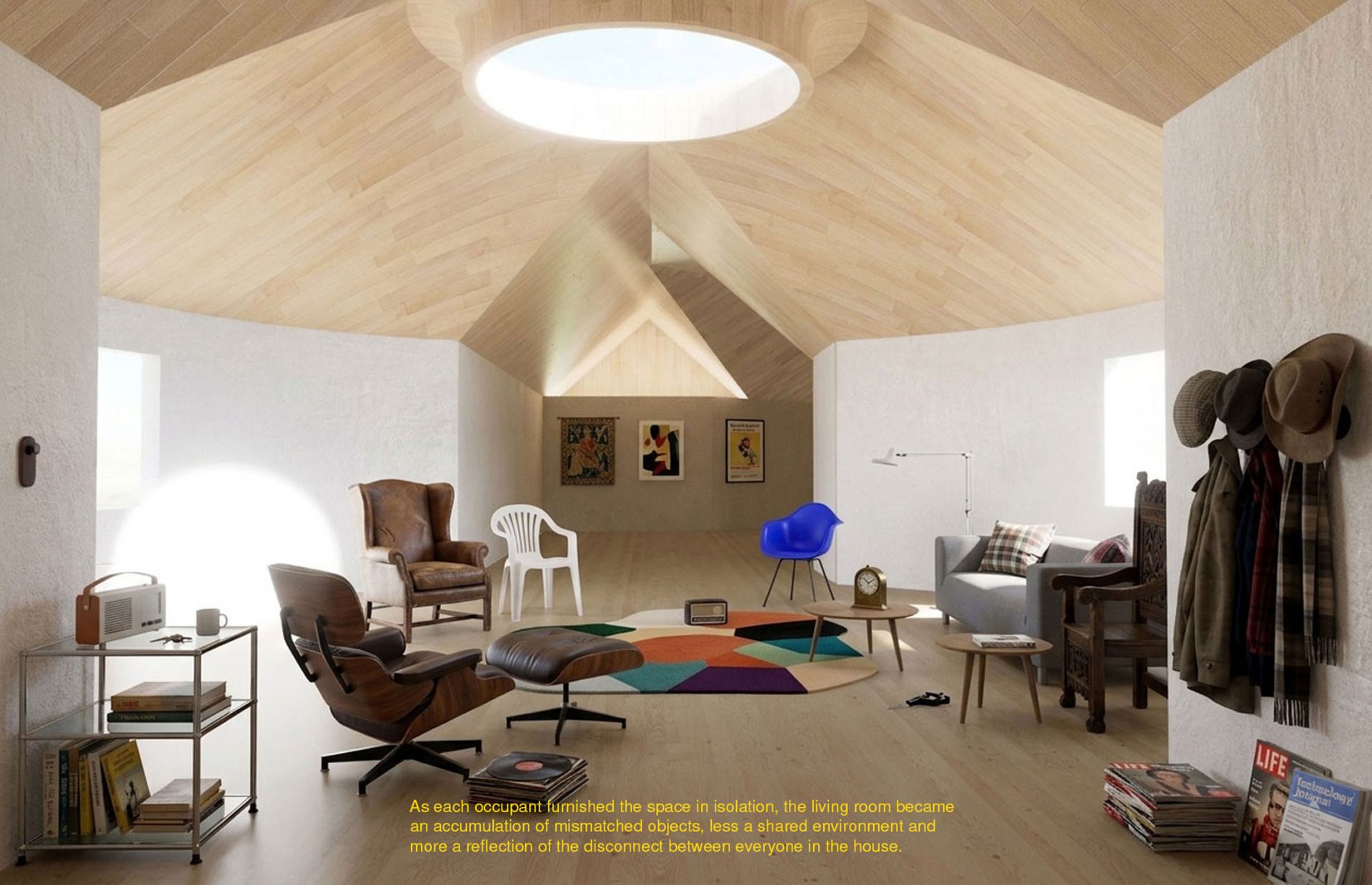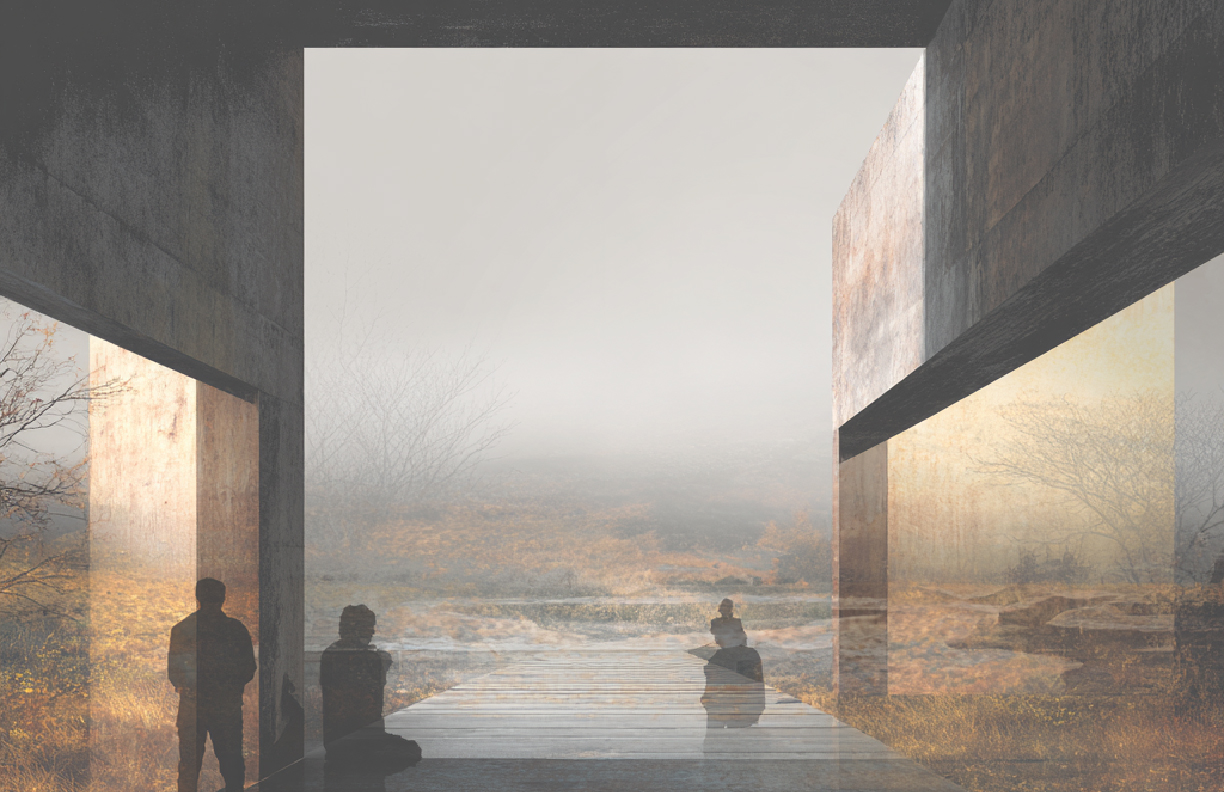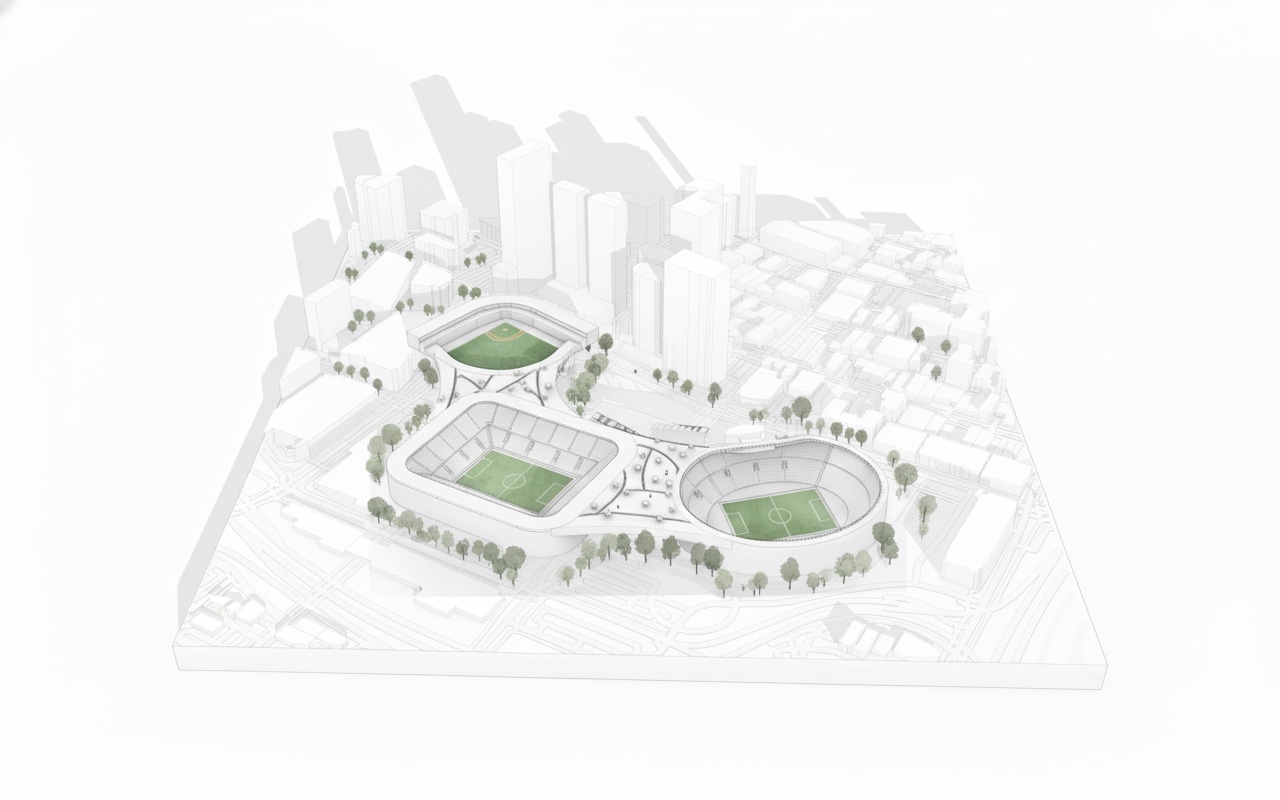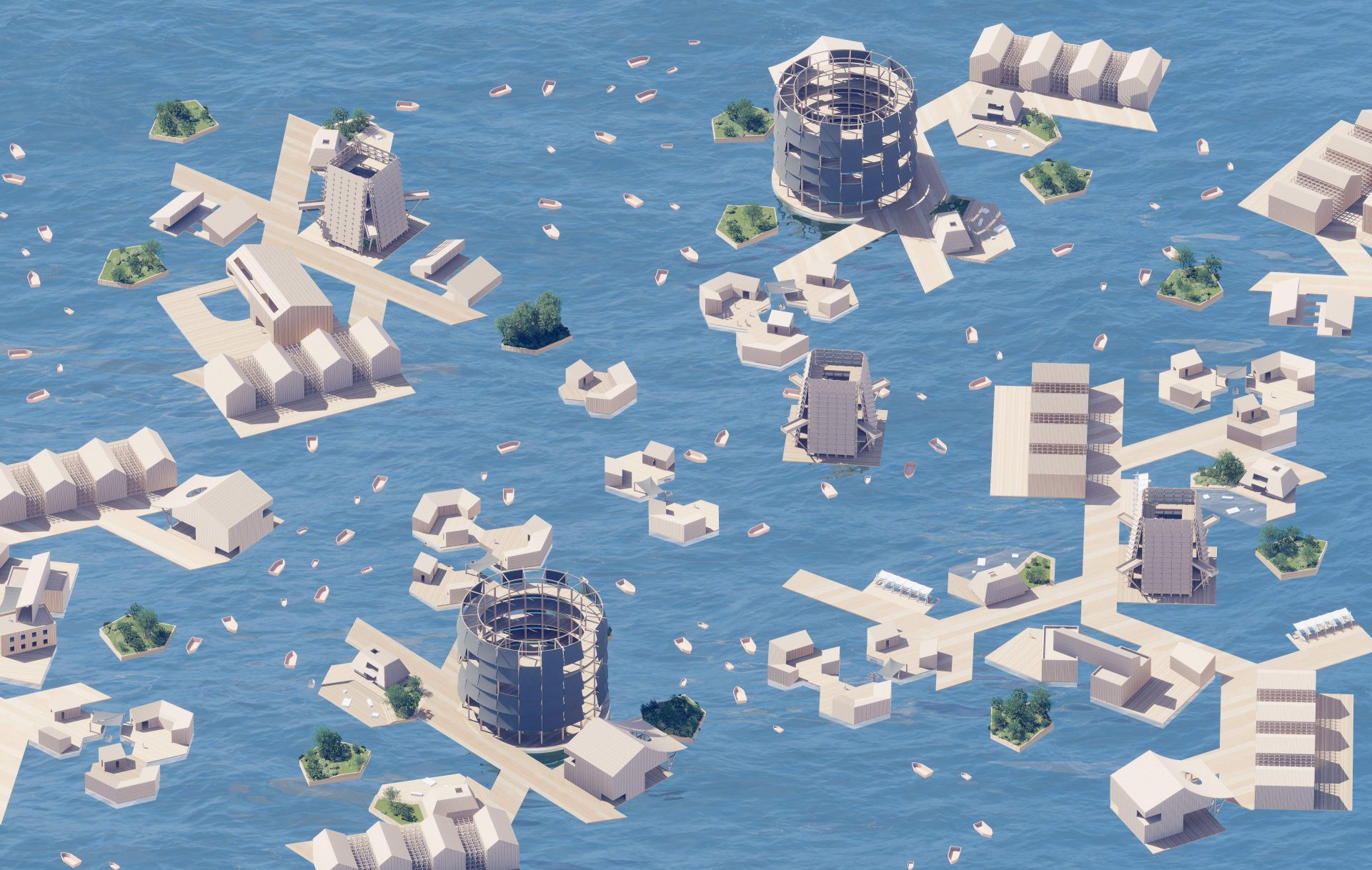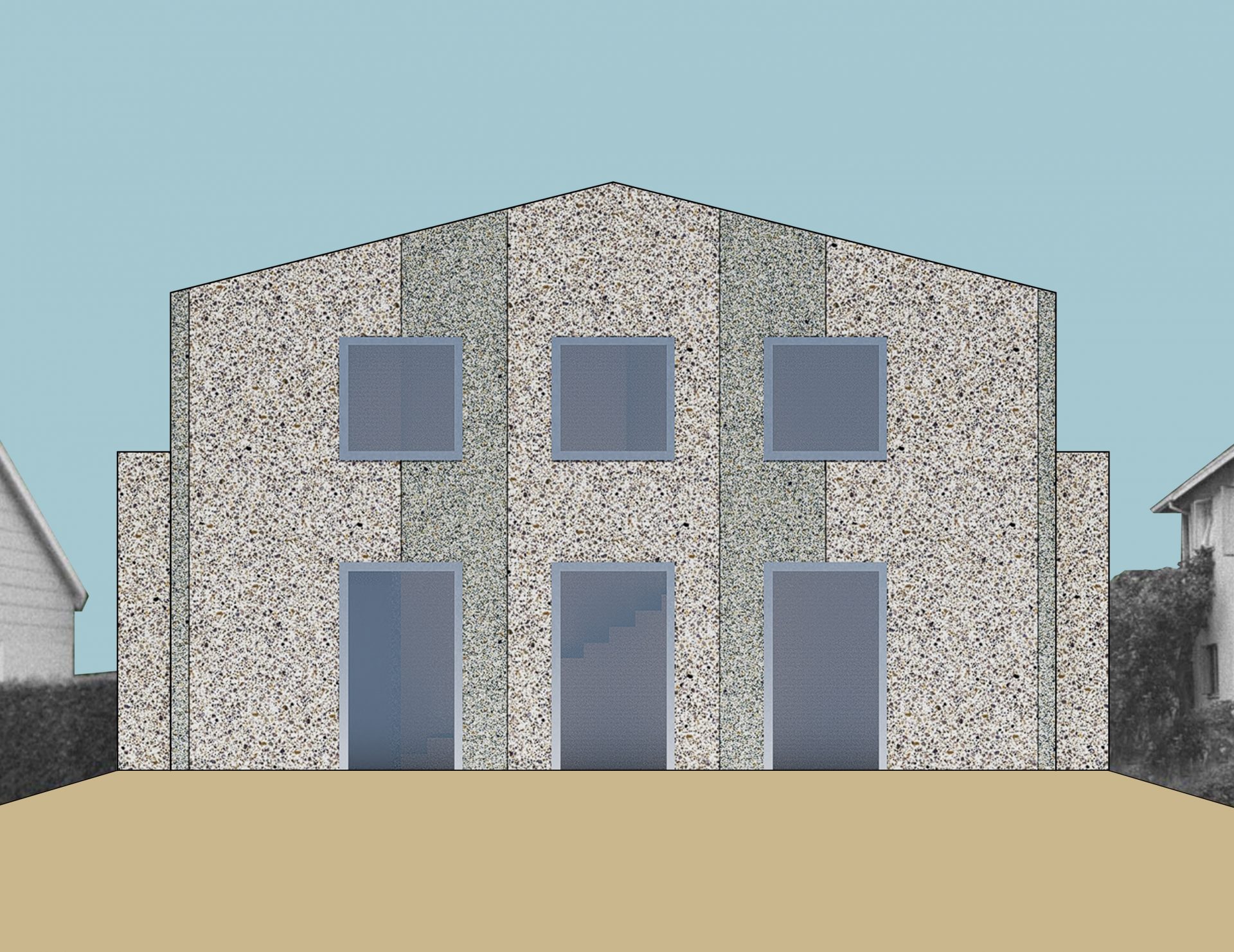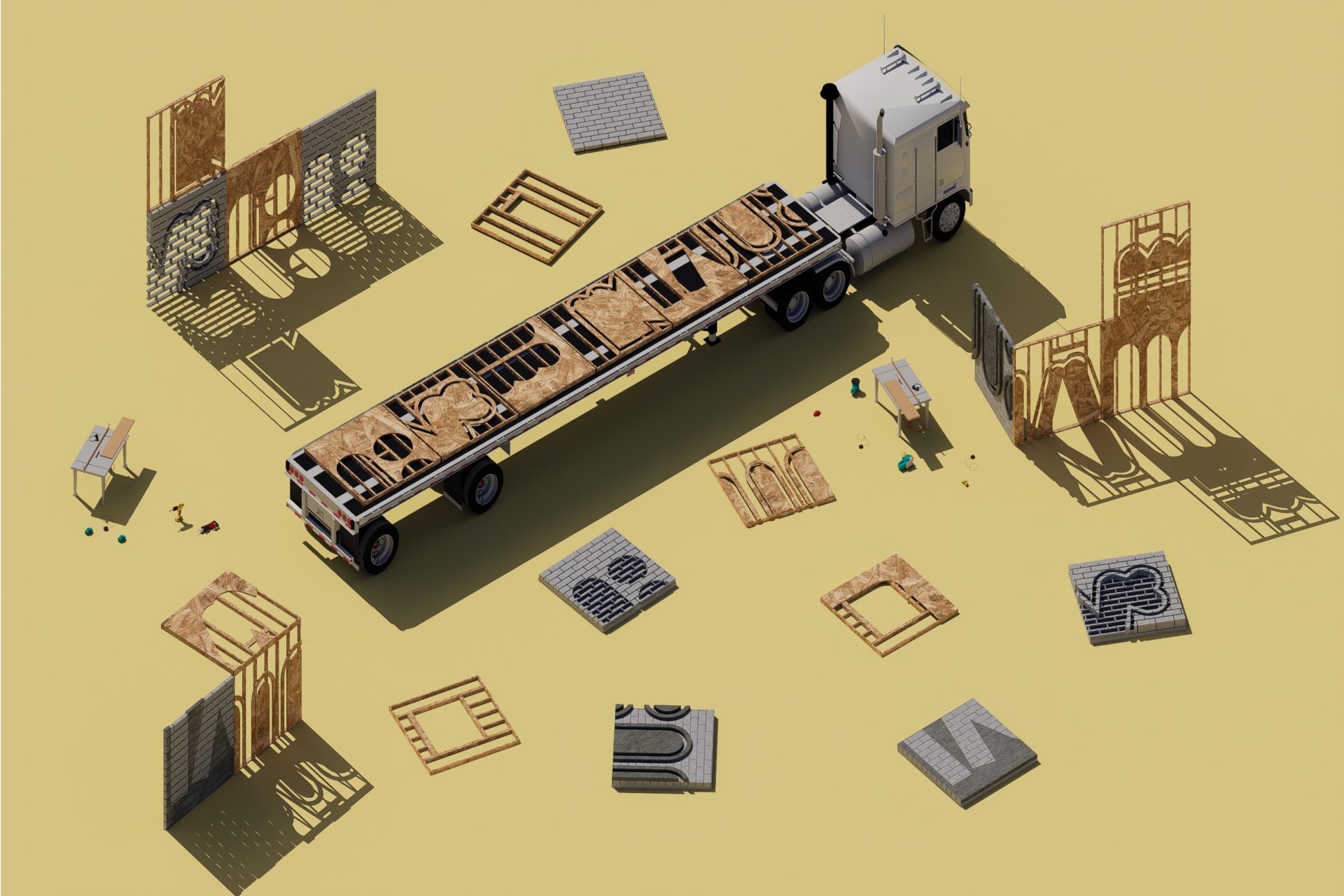
In this section, we discussed “S – M – L – XL” as a framework for the thesis. We evaluated this through four topics: Problem (What), Context (Where), Technique (How), and Theory (Why). The aim of the thesis was to create a body of work that operated in parallel with traditional architectural contingencies such as site, program, precedents, codes, politics, and social engagement, while also focusing on individual authorship, form, representation, and theory. Students worked independently to develop their own thesis and research throughout the semester.
The studio addressed architectural problems at multiple scales. At the start of the semester, students collectively researched graphic standards, theoretical frameworks, exhibitions, oversized mediums, mockups, pavilions, buildings, and cities, as well as more contemporary, scale-less topics such as BIM, augmented reality, and artificial intelligence. Students used this research to position their own thesis interests throughout the fall and spring semesters. The ultimate goal was for students to develop a body of work that supported the formulation of their thesis project and extended beyond their time at USC. Whether the work was a small-scale project with large implications, or a representational project that challenged our understanding of scale, students were encouraged to take a critical position and produce a range of outputs, tangents, and research that could inform a rigorous and insightful thesis project.