
The Community Interchange
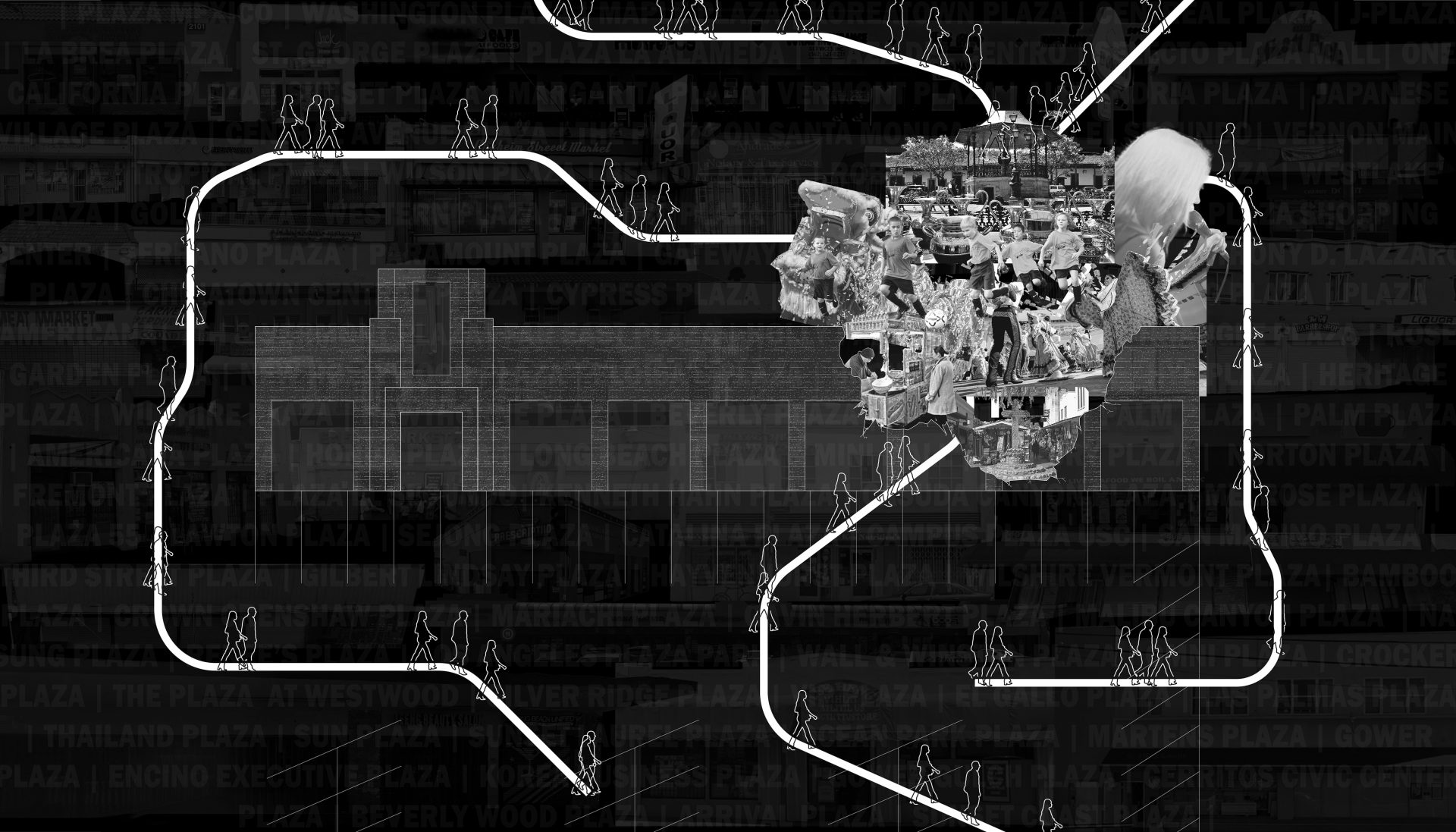
Often perceived as the epicenter of endless sprawl and car dependency, Los Angeles is now shifting towards a vision centered on improved connectivity. Backed by federal and state investments, along with Angelenos’ positive attitude towards mass transit, the greater Los Angeles area is poised to embrace transit efficiency.
The Community Interchange seeks to transform historically isolating infrastructure into points of connection in Los Angeles by reimagining the region’s traditional path of connectivity. Transit is more than a node within a system and can be transformed into multimodal civic hubs that respond to the unique needs of surrounding neighborhoods by becoming spaces that enhance cultural visibility, exchange, and community accessibility.
The Community Interchange presents a dialogue between designing for diverse stakeholders and accommodating to specific needs. From transient commuters to long-time residents, this proposal aims to acknowledge its purpose within a neighborhood, a network, and a greater urban system.

ÑAN: Connecting Ecuador’s 4 Worlds
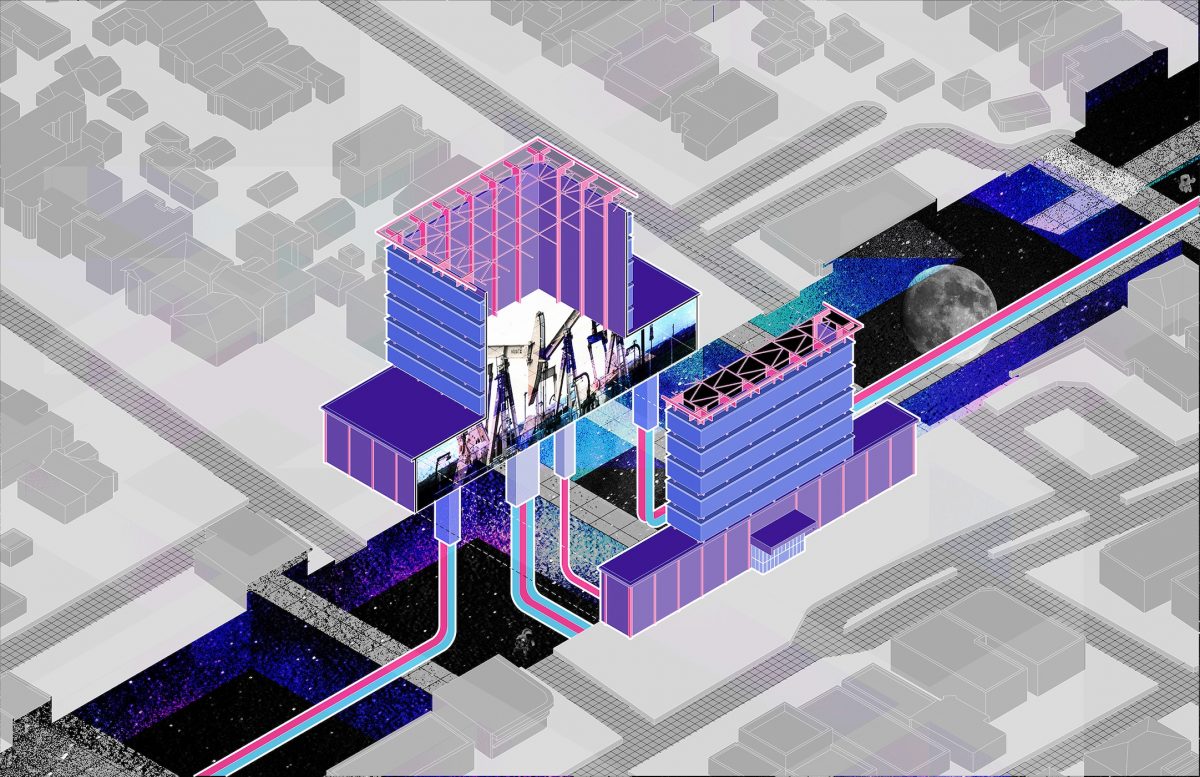
Ñan — derived from the Quechua word for “path” — is a speculative satellite-based transportation system that reimagines mobility as a sky-bound network designed to preserve the Earth’s surface. Rooted in the landscapes and values of Ecuador, Ñan proposes a future where transportation infrastructure no longer scars the land but instead floats above it.
At its core, Ñan is composed of two interconnected elements: a satellite hyperloop that functions both as a transportation capsule and space debris collector, and a terrestrial antenna hub that teleports goods and materials directly from orbit to Earth. This vertical mobility system seeks to reduce environmental impact while offering ultra-efficient connectivity between remote regions.

BUOYANT BIOMES: SOFTSCAPE INFRASTRUCTURE FOR LIVING BUFFERS
‘Buoyant Biomes: Softscape Infrastructure for Living Buffers’ explores how natural wetlands can be simulated and restored through an architectural, ecological, and urban lens. The environment plays a major role in regulating temperatures, supporting ecological health, and in the quality of life of humans, animals, and plants alike.
At an urban scale, the aggregation of these modular wetlands creates an urban park, allowing for zones of various degrees of human interaction with the environment. By utilizing interchangeable habitat modules to support native flora and fauna, this modular floating wetland system can be adapted to various climates, geographical locations, and bodies of water, allowing for the restoration of wetlands everywhere.
Through the use of pumice stone, hemp, and natural rubber, this floating wetland system is designed to sink at the end of its life cycle. This softscape infrastructure will sequester carbon biomass, removing carbon dioxide from the atmosphere and storing it in bodies of water. Wetland flora will also improve water quality through the filtration, supporting marine habitats.
At the seafloor, these micro-biomes will provide nutrients to marine life as well as create hardscape reef structures for shellfish and aquatic flora communities. These marine ecosystems will dissipate and mitigate wave energy and protect shorelines, filter water, and produce oxygen.
Accessible through kayaks and dives, this new soft infrastructure also offers opportunities for agriculture and aquaculture, allowing the community to interact and learn more about the ecological network. Educational labs and platforms also offer gathering spaces for the community to rest, observe, and learn.

RE:ALLEY
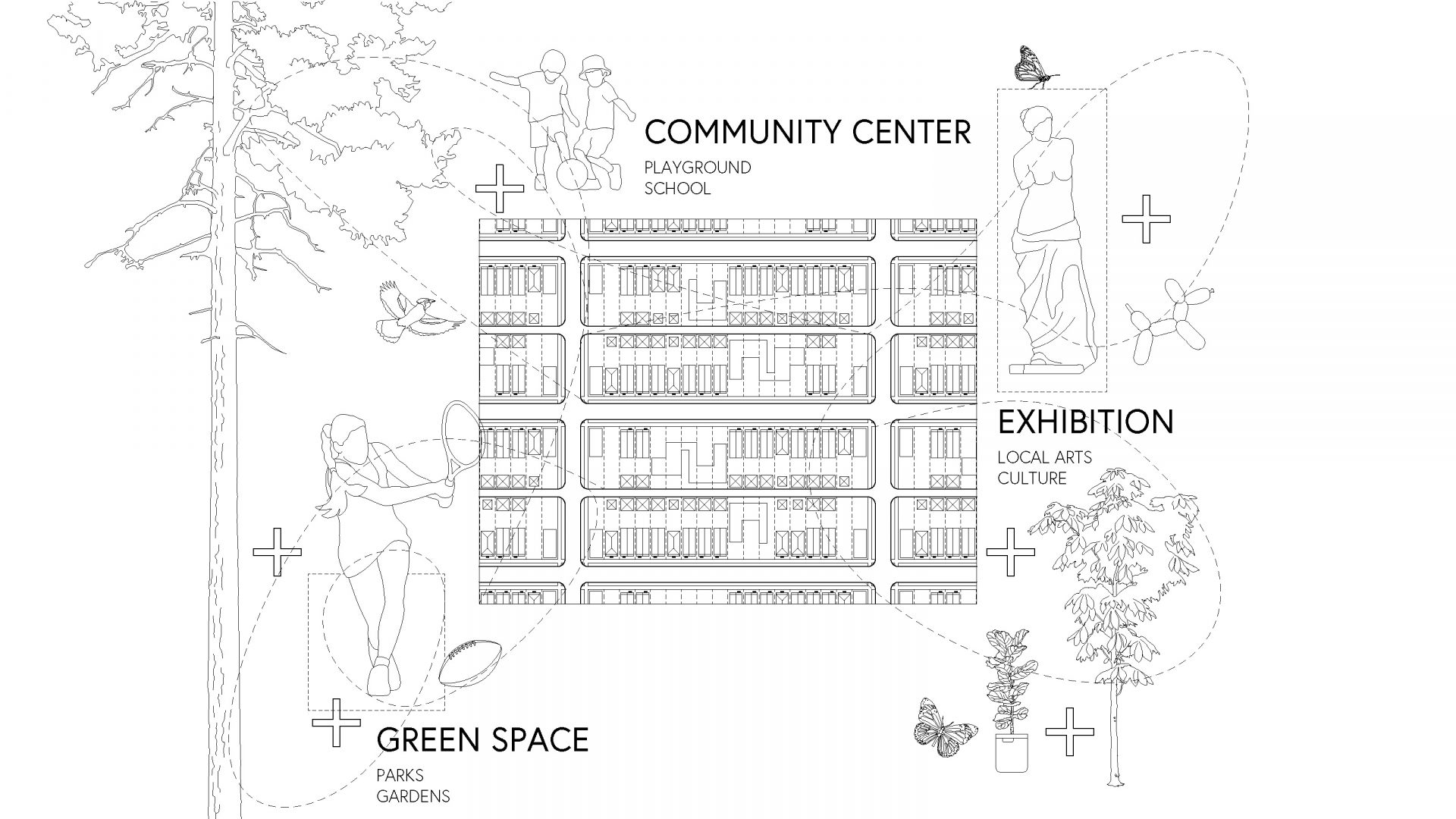
Re:Alley explores the transformation of Los Angeles’ overlooked alleyways into dynamic, community-driven spaces. This thesis proposes a modular, flat-pack kit system inspired by traditional Japanese joinery to activate and reimagine these underutilized corridors. Drawing from the principles of craftsmanship, modularity, and tactical urbanism, Re:Alley presents a scalable solution that fosters flexibility, adaptability, and inclusivity in public space design. The kit incorporates a variety of programmable elements—such as market stalls, seating areas, garden spaces, and art installations—that can be easily assembled, disassembled, and rearranged without specialized labor or permanent construction. This adaptability allows alleyways to support a range of activities, from pop-up markets and educational workshops to cultural events and communal gatherings.
The design process is informed by a combination of ArcGIS mapping, AI-generated visualizations, and hands-on material research. Through this methodology, Re:Alley identifies key alleyway networks with the highest potential for social and economic revitalization, while also exploring how visual storytelling can reframe public perception of these spaces. By treating alleyways not as leftover infrastructure but as vital connectors within the urban landscape, the project challenges the conventional understanding of what constitutes public space in a sprawling metropolis like Los Angeles.
At its core, Re:Alley is a call to rethink small-scale urban interventions as catalysts for broader community engagement and urban regeneration. The project highlights how thoughtful design and craftsmanship—embodied through joinery techniques and modular systems—can offer a cost-effective, sustainable way to revive neglected infrastructure. In doing so, it aims to elevate alleyways from spaces associated with neglect and crime to active, celebrated parts of the city’s cultural and social life. Ultimately, Re:Alley proposes a future where these hidden corridors are not forgotten voids, but thriving spaces of gathering, creativity, and connection.


Plug to Live
Fire-Resistant Modular ADU is a response to the wildfire-resilient designs that have recently surged in Los Angeles. The California wildfires of 2025 left a devastating impact on the state, and as a result, this design has been created with the damaged structures in mind. These wildfires have been reported to have severely damages over 12,000 structures, which included homes, as well as commercial properties. This thesis explores how modular ADUs can be protected and transformed using a custom brick facade system that is adaptable and fire-resistant.
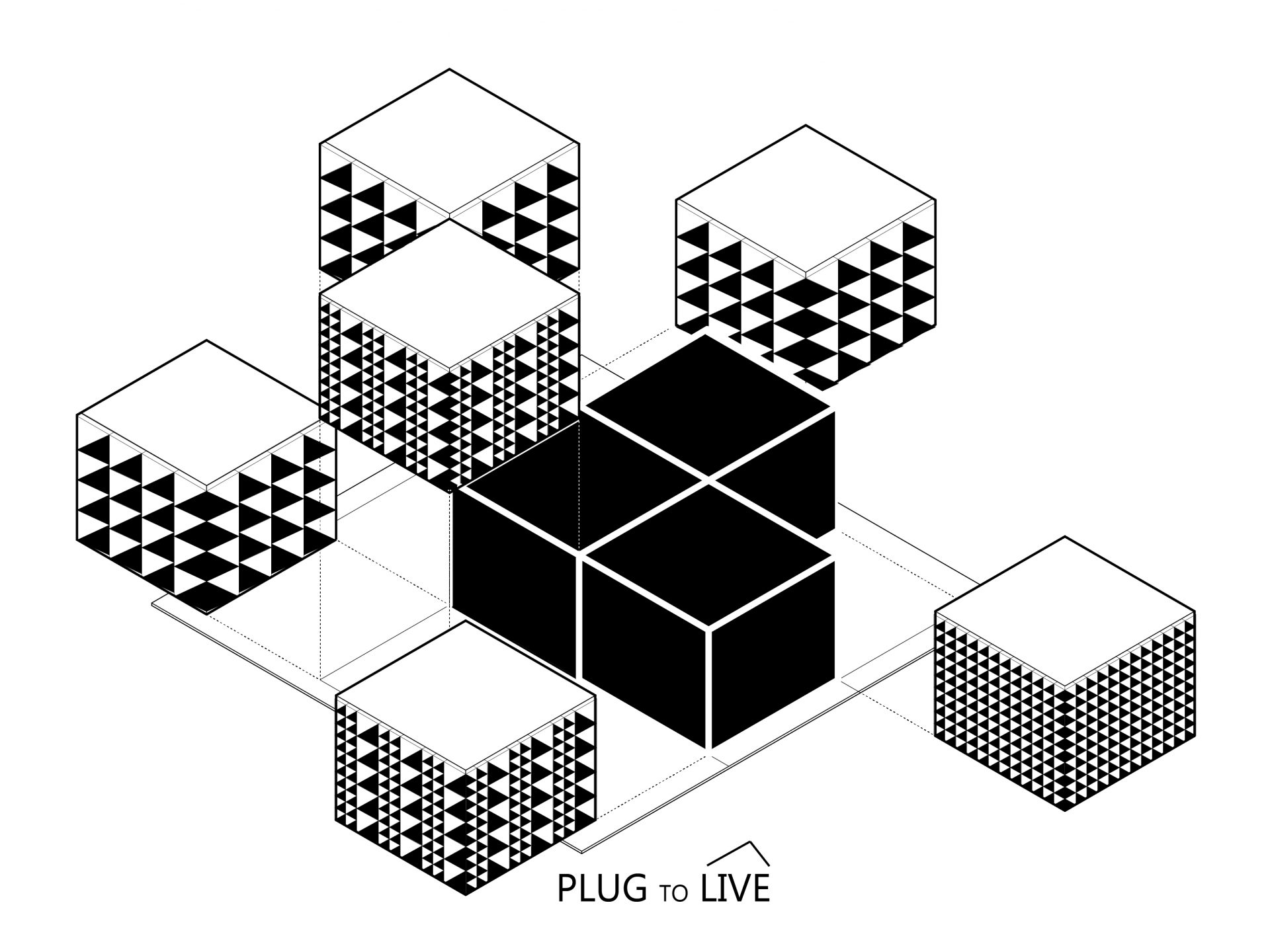
Brick is often avoided in LA due to its cost, and the fact that it is not an ideal building material for earthquakes. Despite this, it can be reused as a lightweight, modular wrapper. The proposed idea suggests that it is possible to put a system in place using square bricks, and that these bricks will connect around housing units like an armor. Each room will be scaled to match the dimension of a brick unit, making it consistent in the space. These bricks will be designed in such a way that they interlock, and small holes in each unit will allow for rebar to be inserted, which will reinforce and strengthen the structure, which will add even more safety to the building.
Using only three modular types, I was able to develop a flexible ADU system that can expand over time. We can combine the base modules in many different 2D and 3D configurations that will be best for different site conditions and maybe even cater to different family needs. As homeowners grow their recources, they will be able to add more spaces, and they won’t have to rebuild the entire structure.
This approach will bring together fire-resilient materials with a phased housing strategy. It will have interlocking, and reinforced brick components that will be able to have doors, windows, which will allow for us to have structural variation. So, the system will be designed to grow, protect, and allow us to create structures that are able to adapt to LA’s housing and climate future.
Undirected
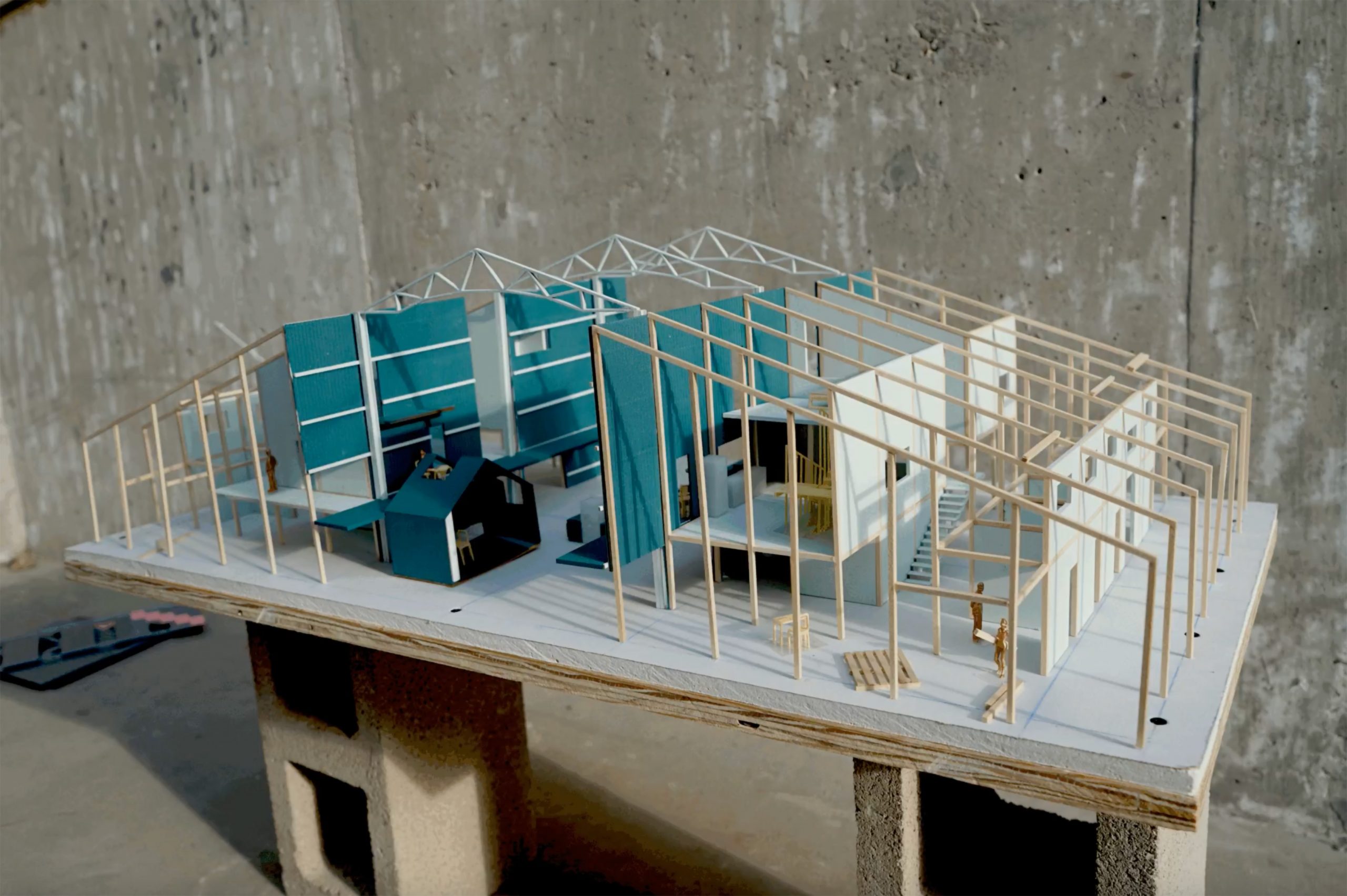
Henry Bell and Kelly Dinh (co-designers)
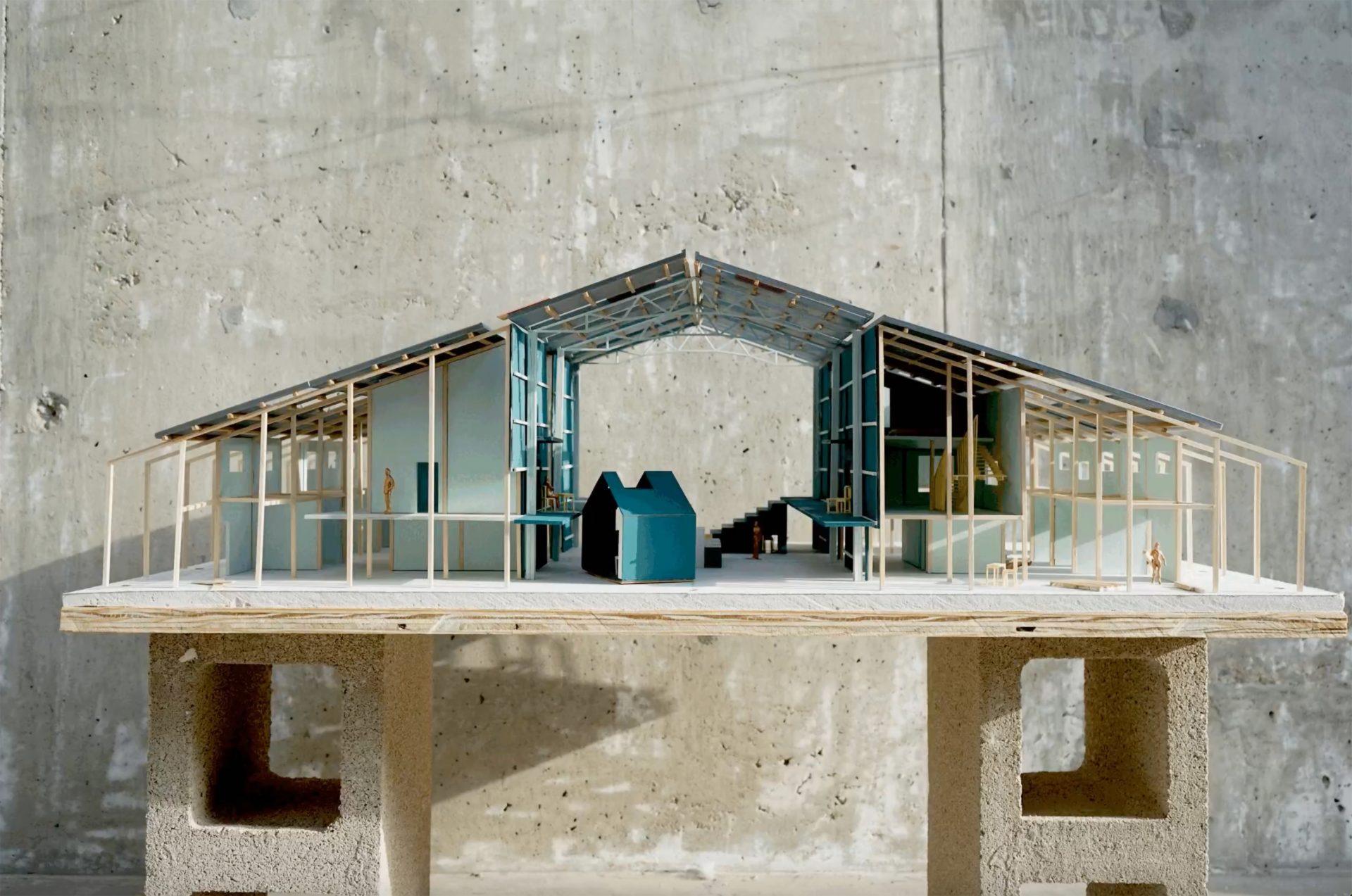
Co-dividual Housing
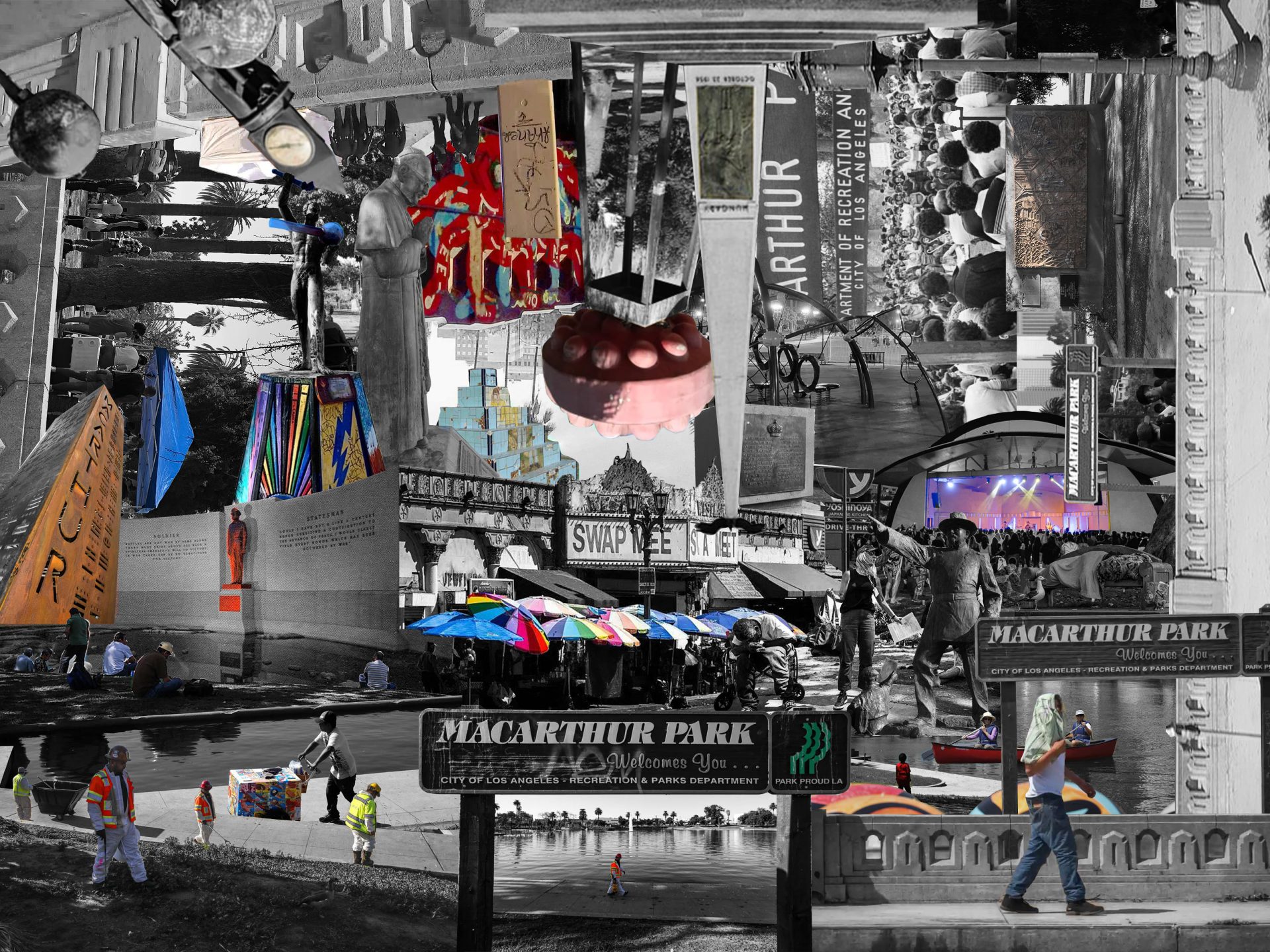
Random Access Memories
MacArthur Park is a liminal zone between place and non-place, an area of the city that oscillates between cultural identity and anonymity. Differing ideas and perceptions of the park are shaped by the range of memories of those who occupy, and move around and through, this space daily. R.A.M. leverages these random, everyday memories of MacArthur Park into a new public experience. A series of interventions—memory gathering devices—are distributed into the landscape, setting up the conditions for a social and cultural space embedded with a deeper understanding of its memory. These memory gathering devices allow old memories to reemerge and new ones to be formed, overlaying and interweaving diverse memories of the park across time.
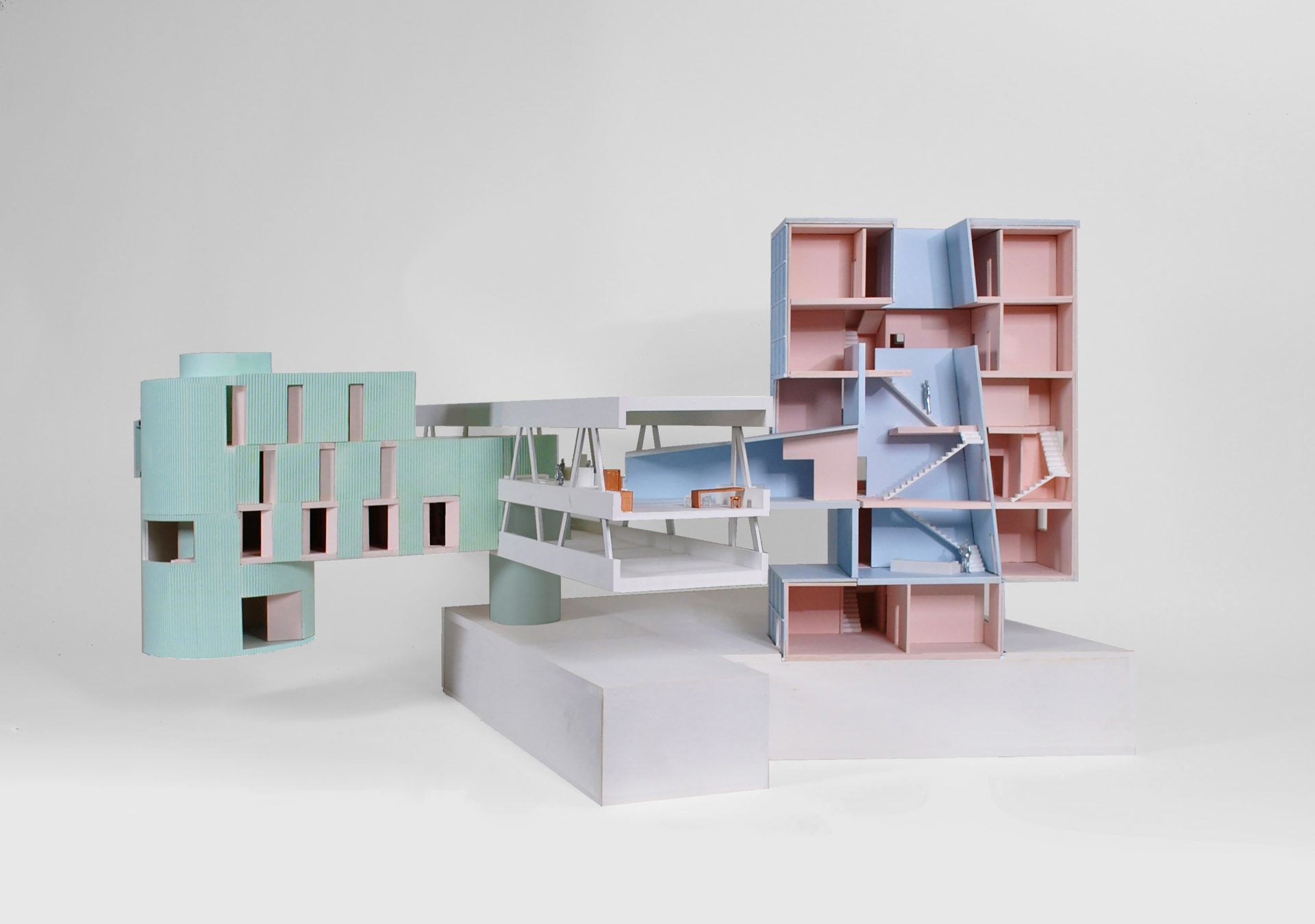
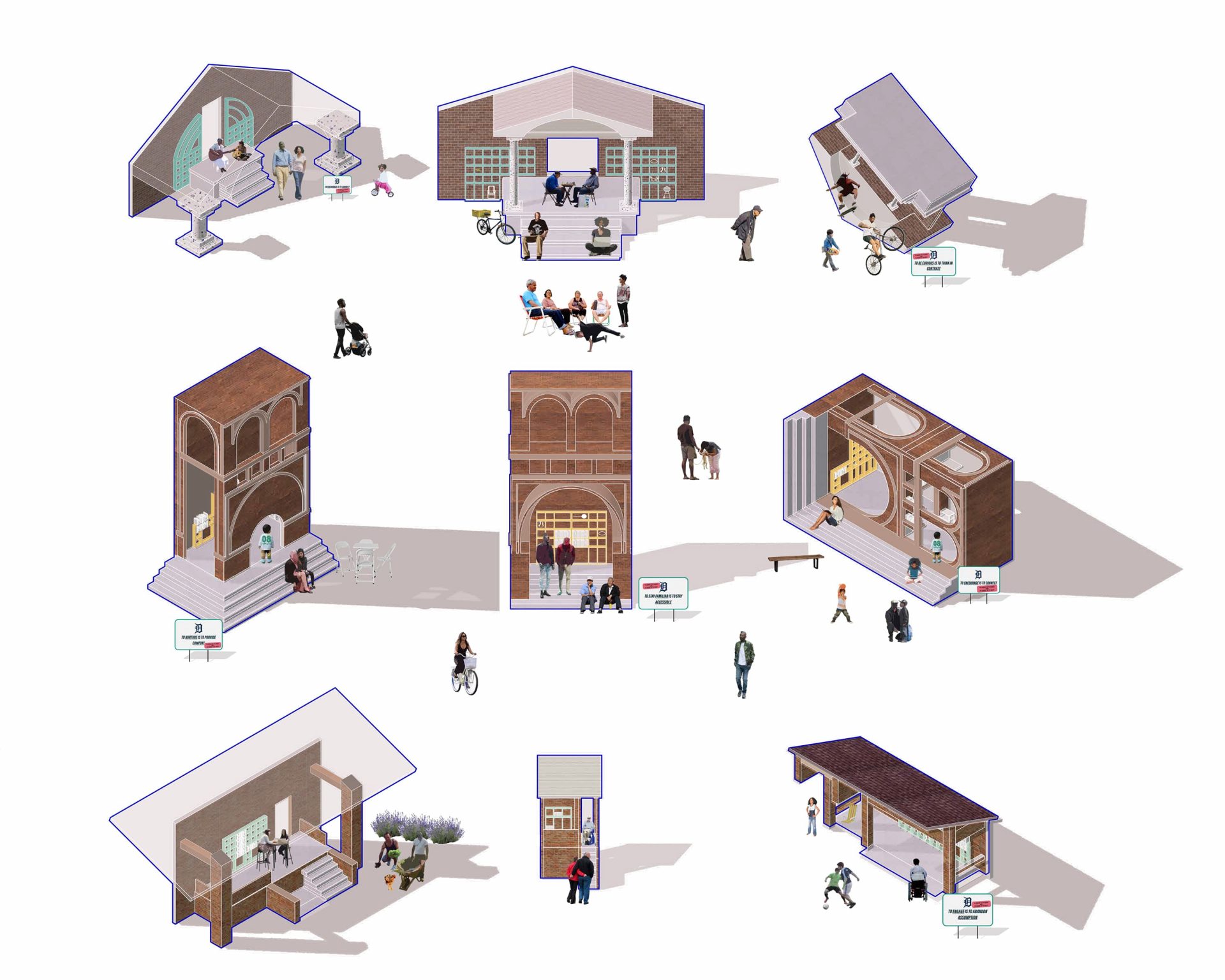
PORCH-313
The porch is an ideal place for community engagement, offering an architectural element that is simultaneously intimate, familiar, and public. Equally, the porch, with its varied lineage, holds deep significance in African-American history as an element whose development traces back to West Africa and continues to be a marker of black domesticity within the United States. PORCH-313 leverages these qualities of the porch to connect the city of Detroit’s well-established network of co-operatives and collectives while imagining a strategy for addressing the many abandoned lots within the city. Through the project, the porch is reimagined as a public space that bridges the domestic and the communal, creating a network of spaces for community members to exchange services, ideas, and quality time.
Boundary Acts
In Los Angeles, urban boundaries, shaped by capitalist development, restrictive infrastructure, and fragmented governance practices, reinforce spatial and social divisions across the city. These conditions often lead to neglect, fragmentation, and disinvestment. However, by leveraging components of control and separation—such as jurisdictional edges, zoning lines, and infrastructural barriers—and making them visible and interactive, boundaries can be transformed into active sites of resistance. Through this process, exclusionary urban development is challenged, and a new model of public space emerges—one that prioritizes collective agency, civic engagement, and shared ownership within the urban fabric. Boundaries become catalysts for connection, not containment or exclusion.
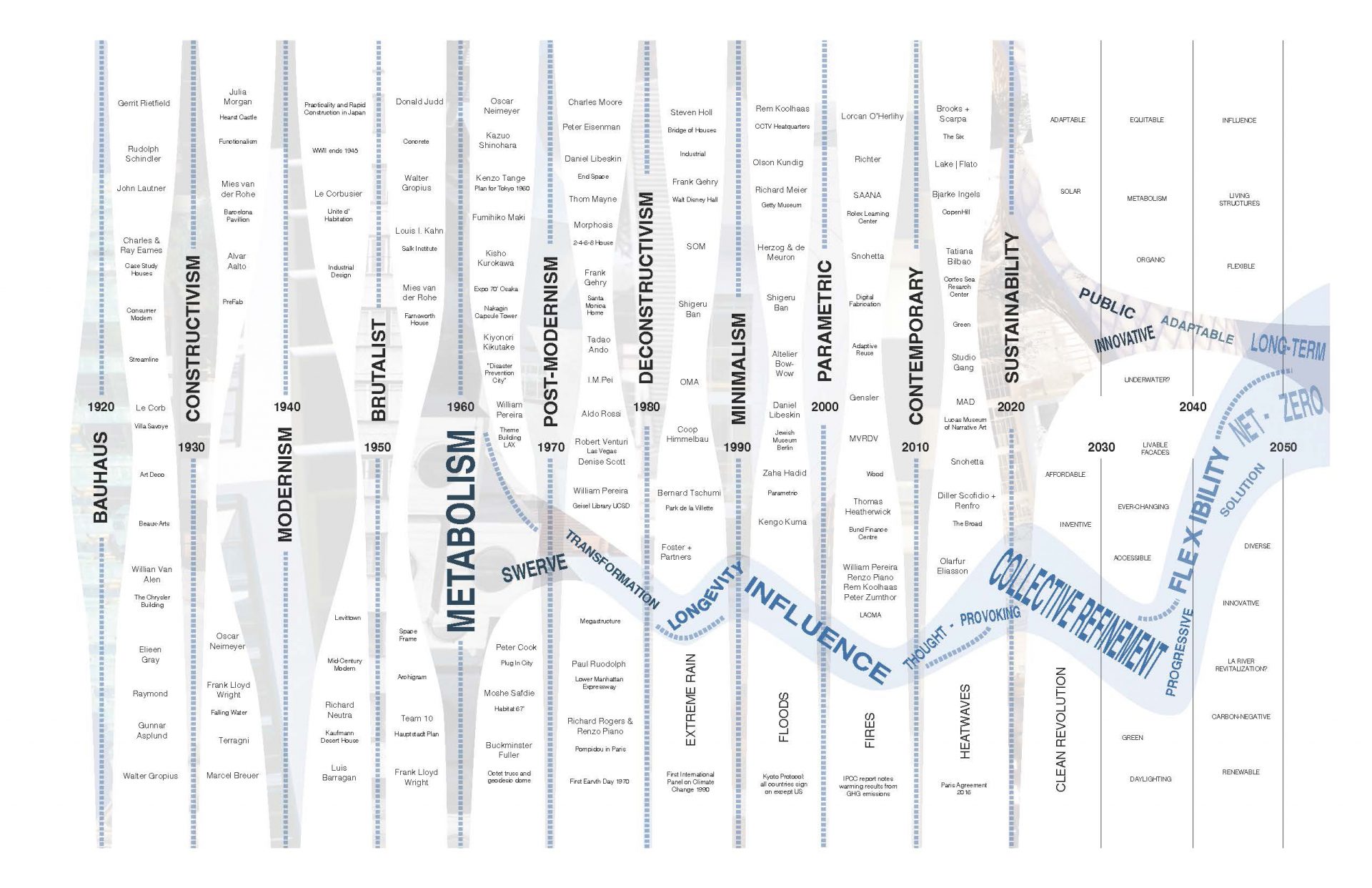
Metabolizing the LA River
Innovation in the public realm relies on acknowledging and reinterpreting the past to address urgent environmental, social, and spatial challenges. Using the LA River as a testing ground for deployable, community-driven infrastructure, this project draws from the adaptive principles of the Metabolist movement to propose a modular system of small, medium, and large-scale interventions. These combine permanent and contextual elements, tailored to the needs of each river segment. The design fosters public engagement, resilience, and cultural expression—transforming the river from purely infrastructure into a dynamic public realm that bridges communities, supports local economies, and reimagines urban waterways.
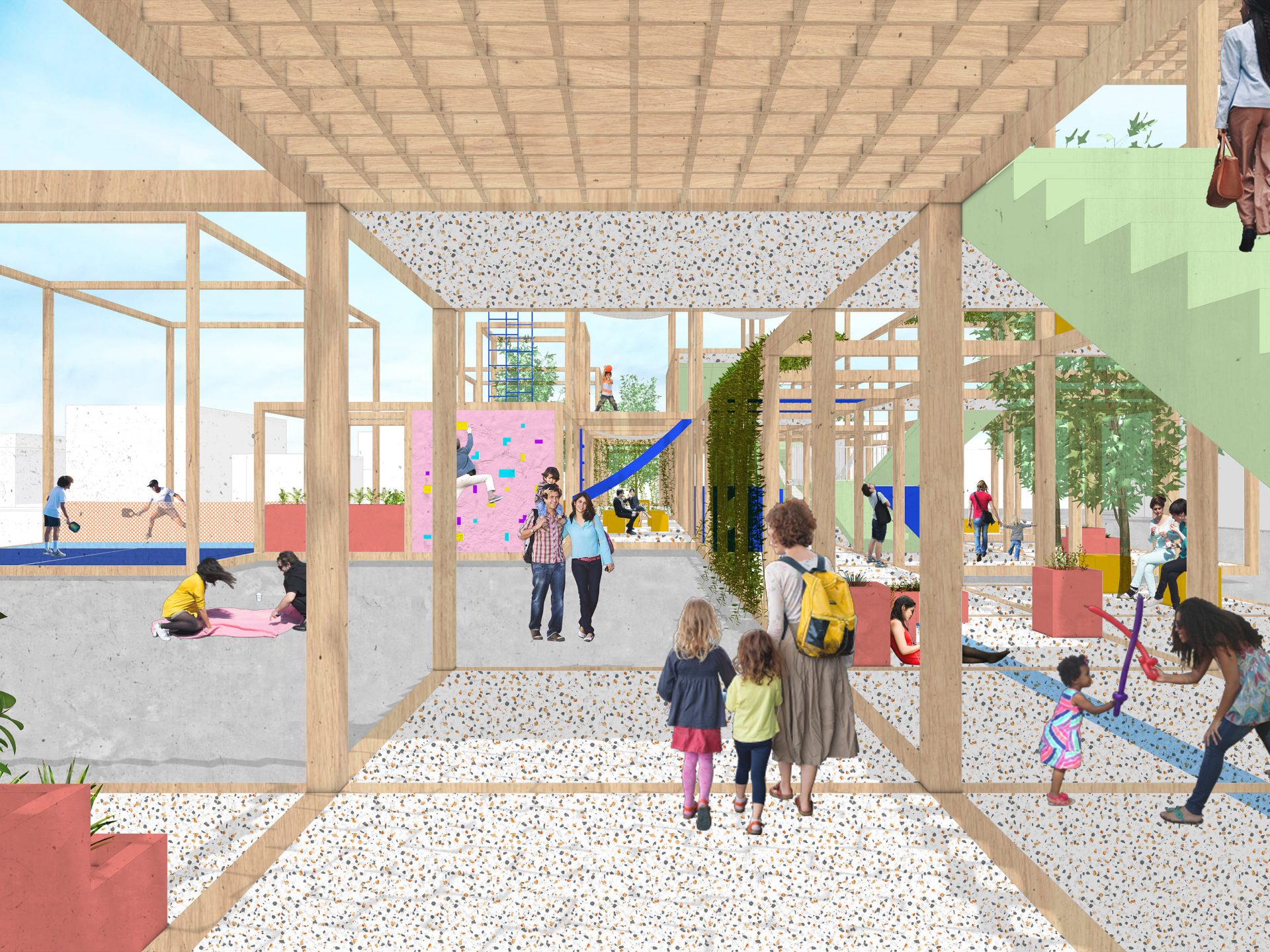
The Grounds for Play
Streets increasingly have become edge conditions—fractures in the urban fabric that privilege movement over interaction, functioning more as corridors of separation than spaces of connection. Yet public space is fundamentally about relationships—between people, programs, and places—and the street must reclaim its role as an active field of engagement. Here, movement becomes more than just passage; it becomes an opportunity to pause, gather, and re-stitch the fragmented city.
Within this reimagining, play emerges as a vital design strategy—introducing loosely programmed spaces that invite curiosity, foster exploration, and transform the everyday into the unexpected.
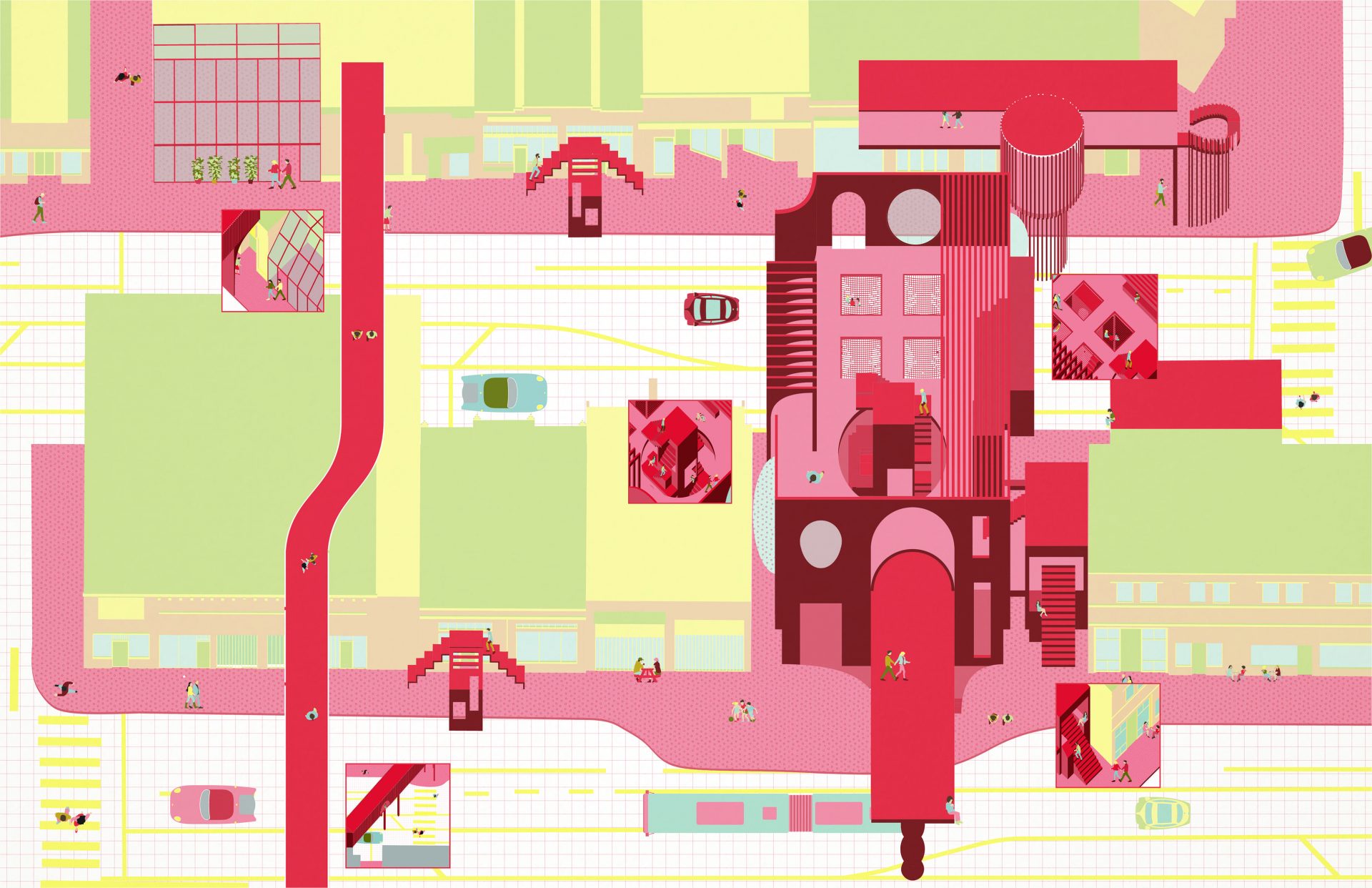
Grafted Encounters: Exchanges at the Wall
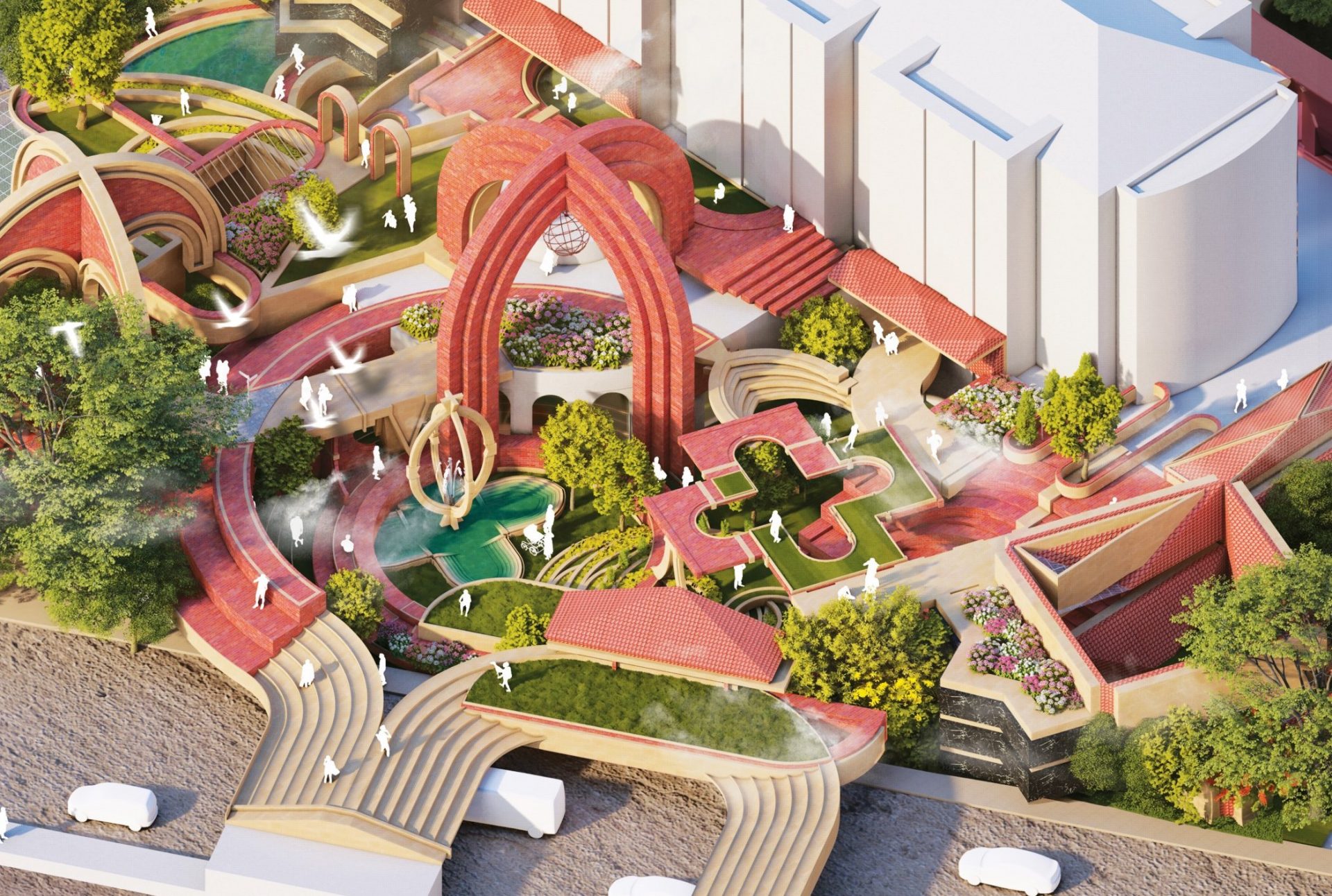
What if the fragments of the past could shape the public spaces of the future? Spolia, as a contemporary architectural strategy, leverages digital technology to reimagine fragments of existing structures, creating spaces that foster human encounters within the public realm. Through a process of extracting, transforming, and grafting these fragments, a new language is developed—one that is deeply rooted in and reminiscent of the surrounding context. As a project, spolia becomes a tool to reimagine USC’s Wall of Troy as a case study by dissolving this divisive edge and transforming traditional boundaries into zones of public exchange.
In Between
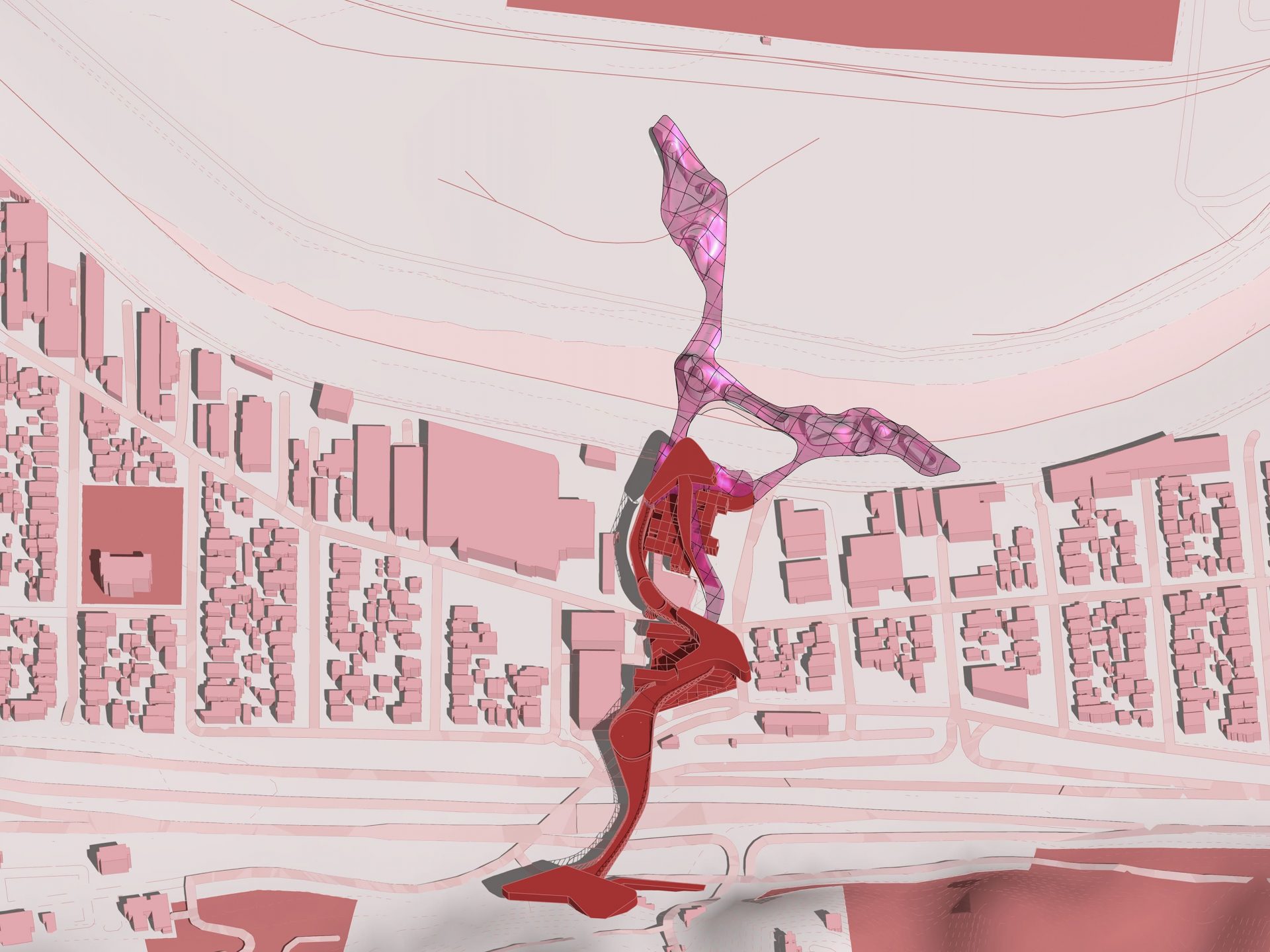
This project explores the potential of in-between space to challenge traditional architectural boundaries through ambiguity, adaptability, and dynamic transitions. It aims to create hybrid environments that promote connectivity, inclusivity, and resilience in urban design.
Located at Taylor Yard, where urban development meets ecological restoration, the project introduces an architectural system that operates between infrastructure, landscape, and building. Rather than defining fixed zones, it embraces fluid, layered spaces that respond to movement, interaction, and context.
The design engages three interrelated scales—urban, infrastructural, and architectural—each representing different conditions of in-between space. These are not separate, but overlapping systems that together propose a more flexible, open-ended way of designing the city.
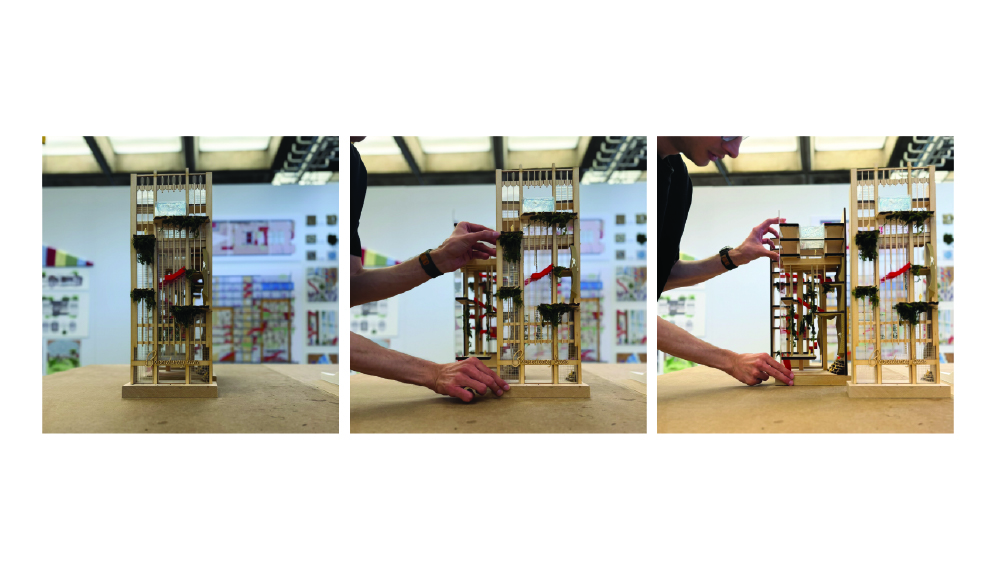
Living Ornaments
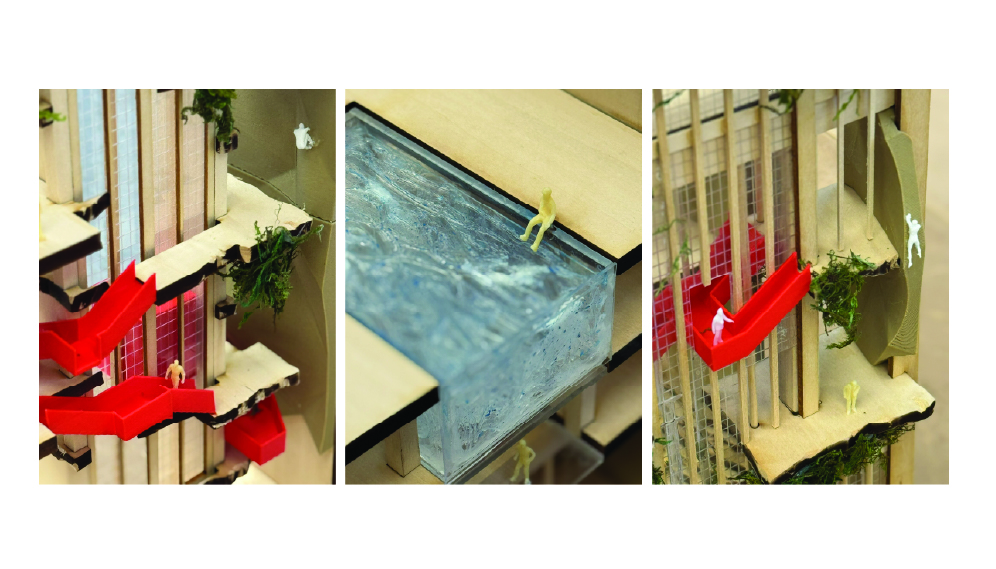
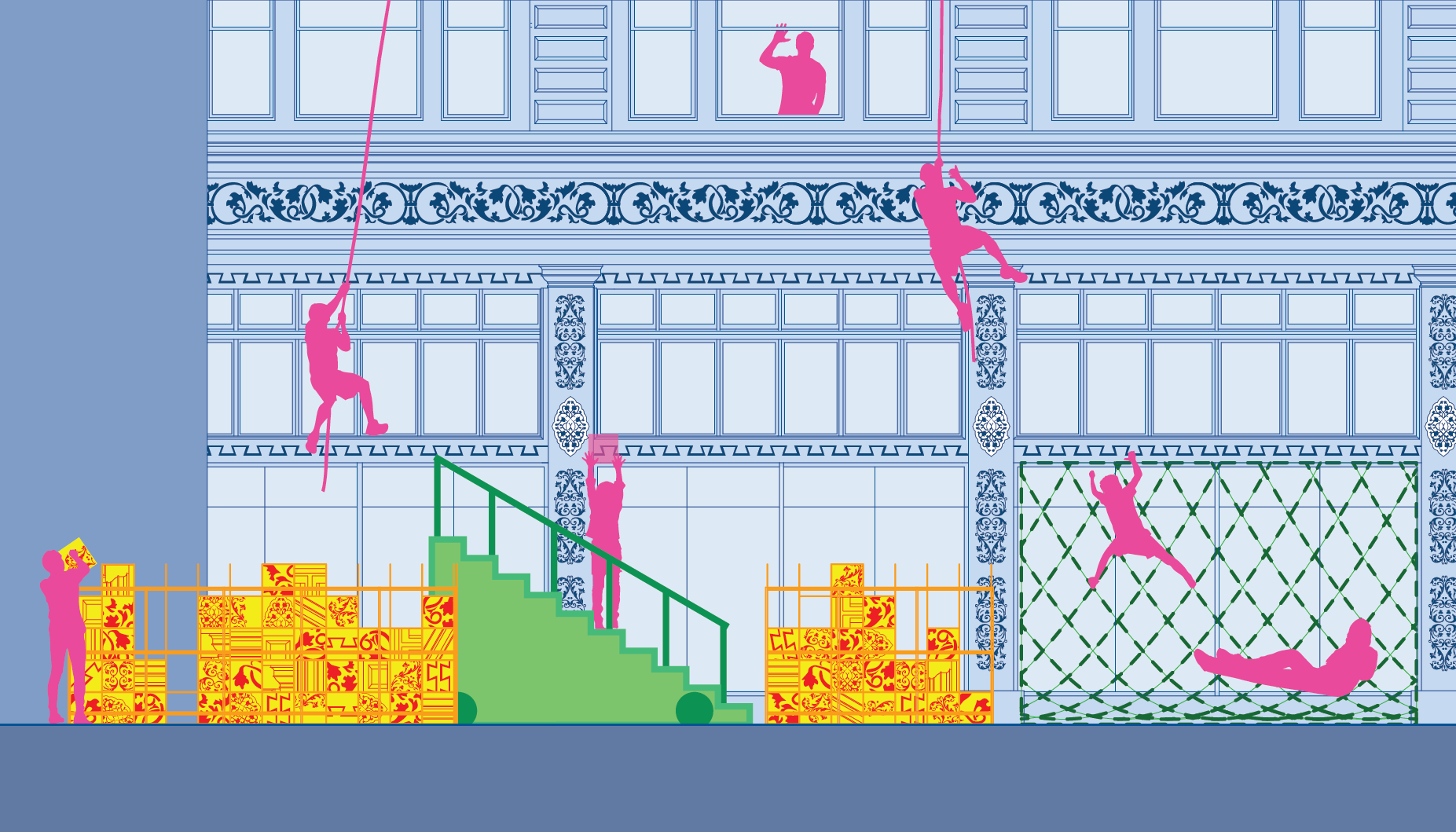
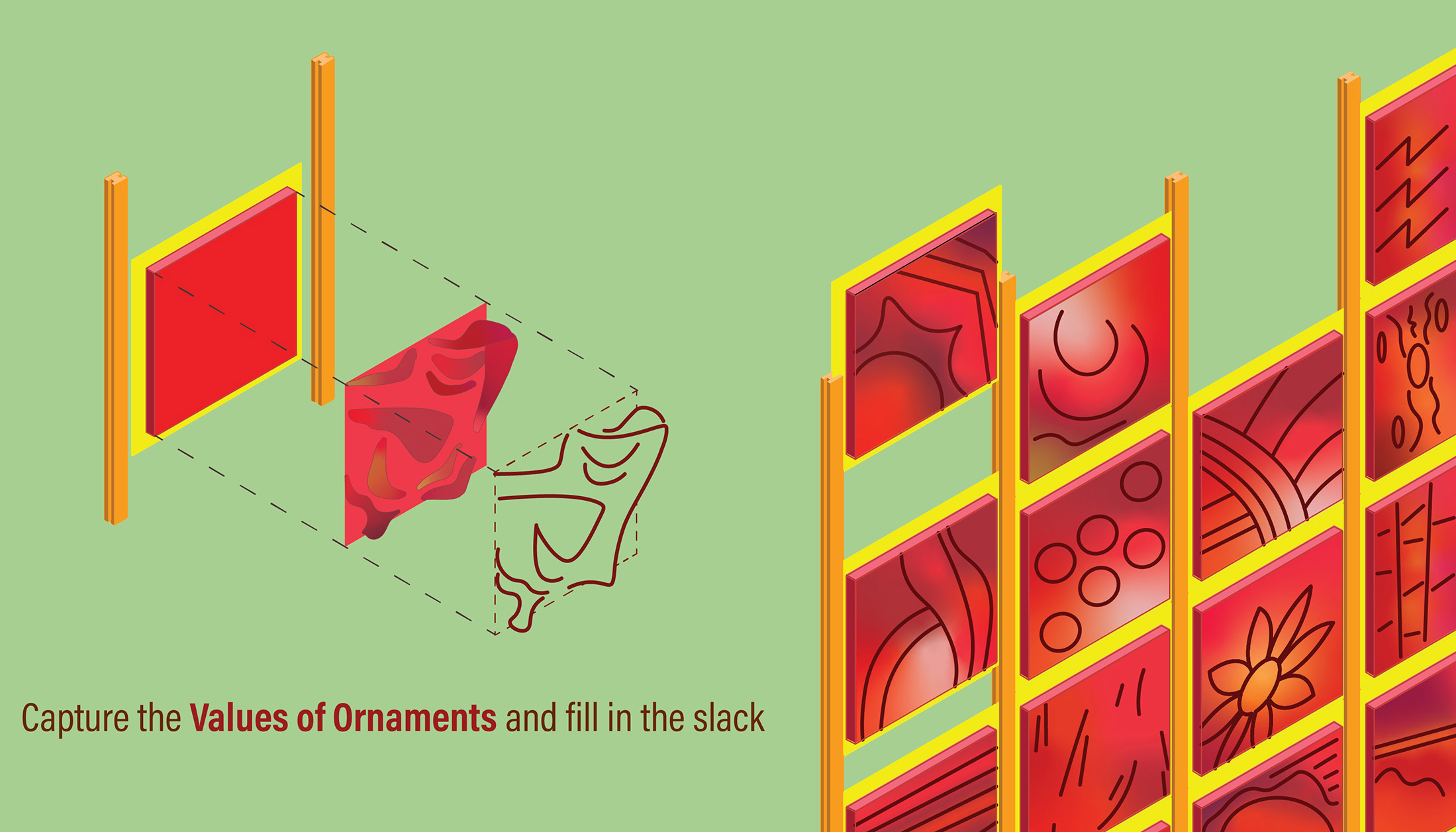
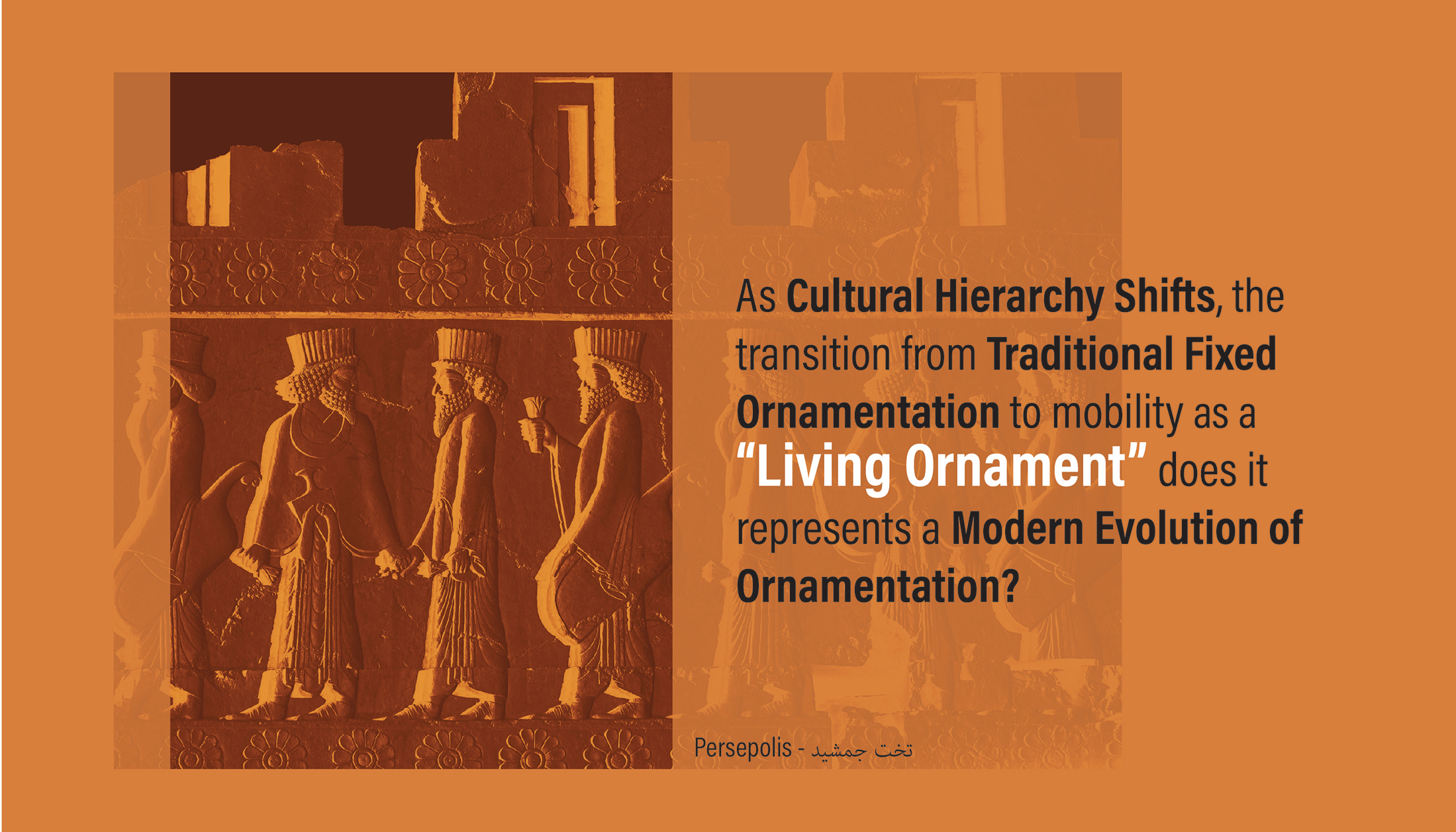
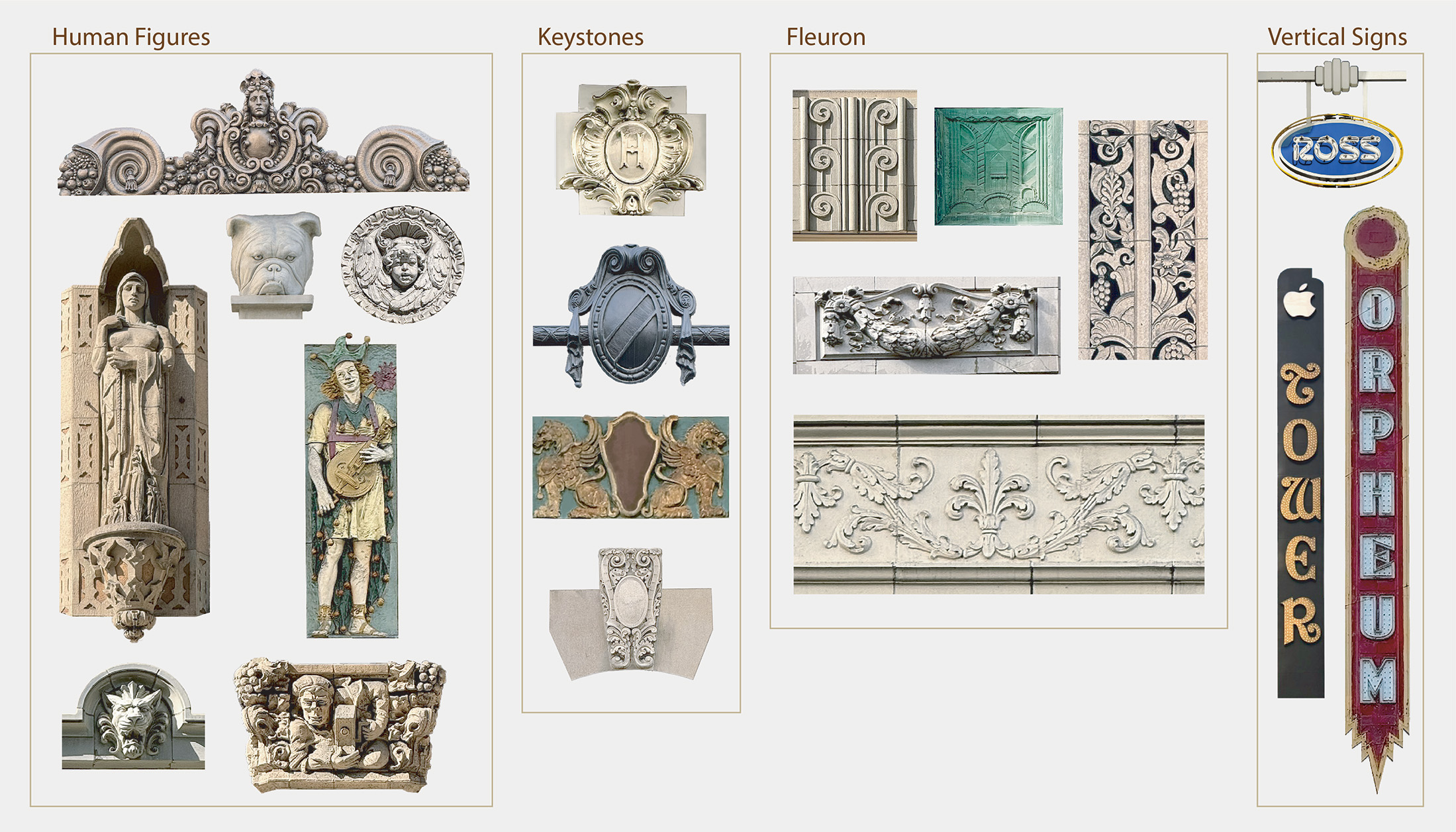
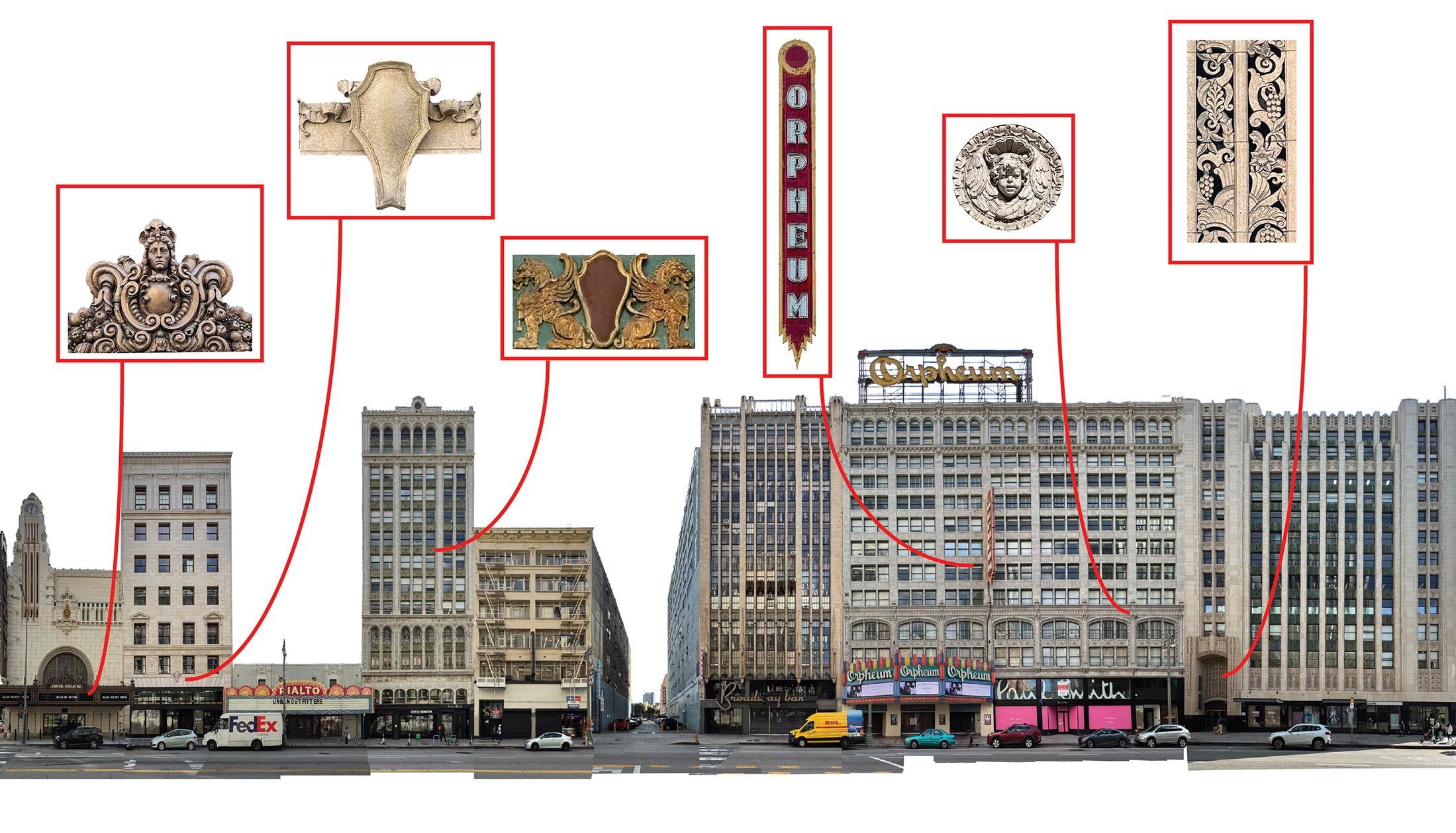
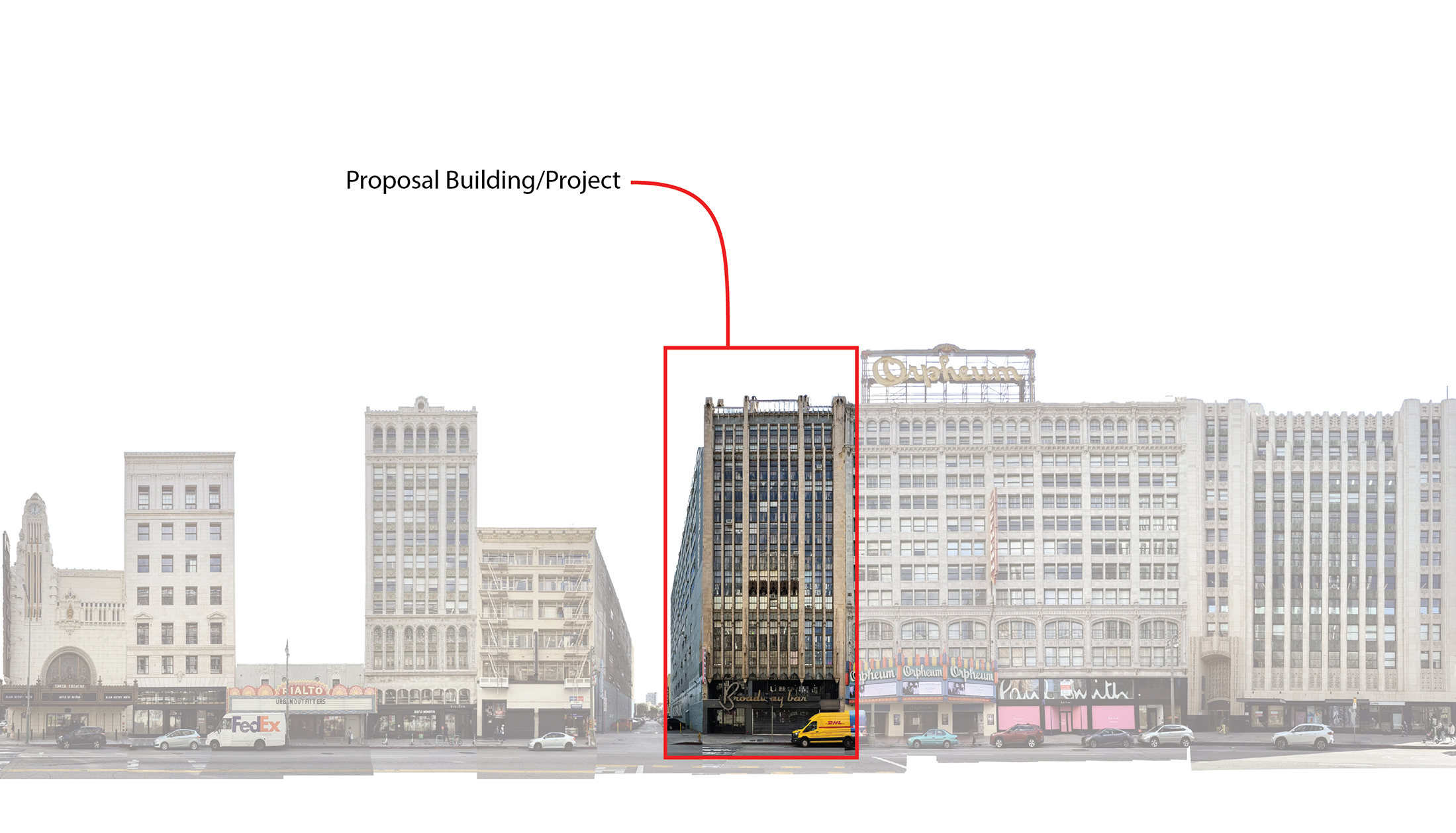
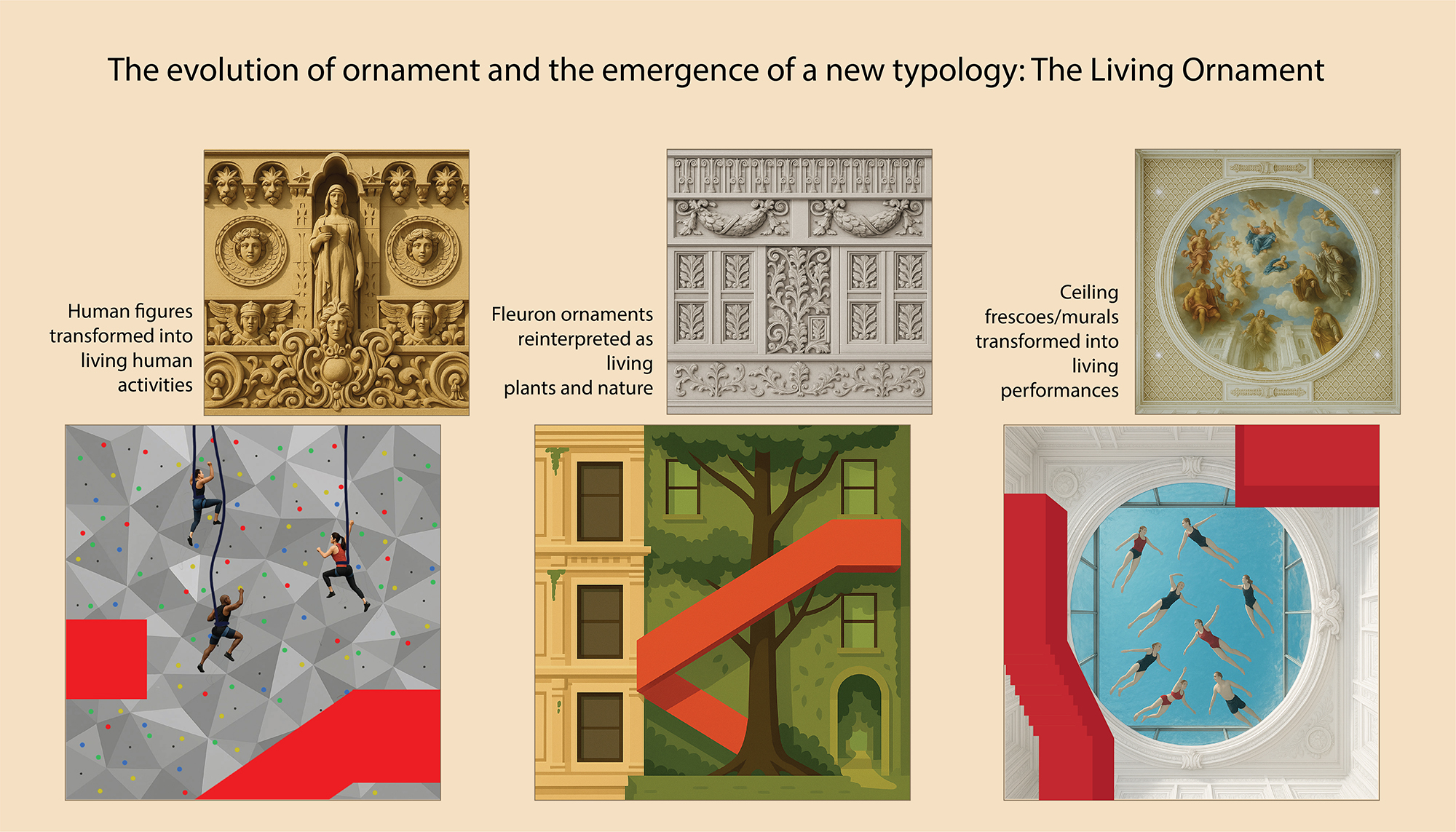
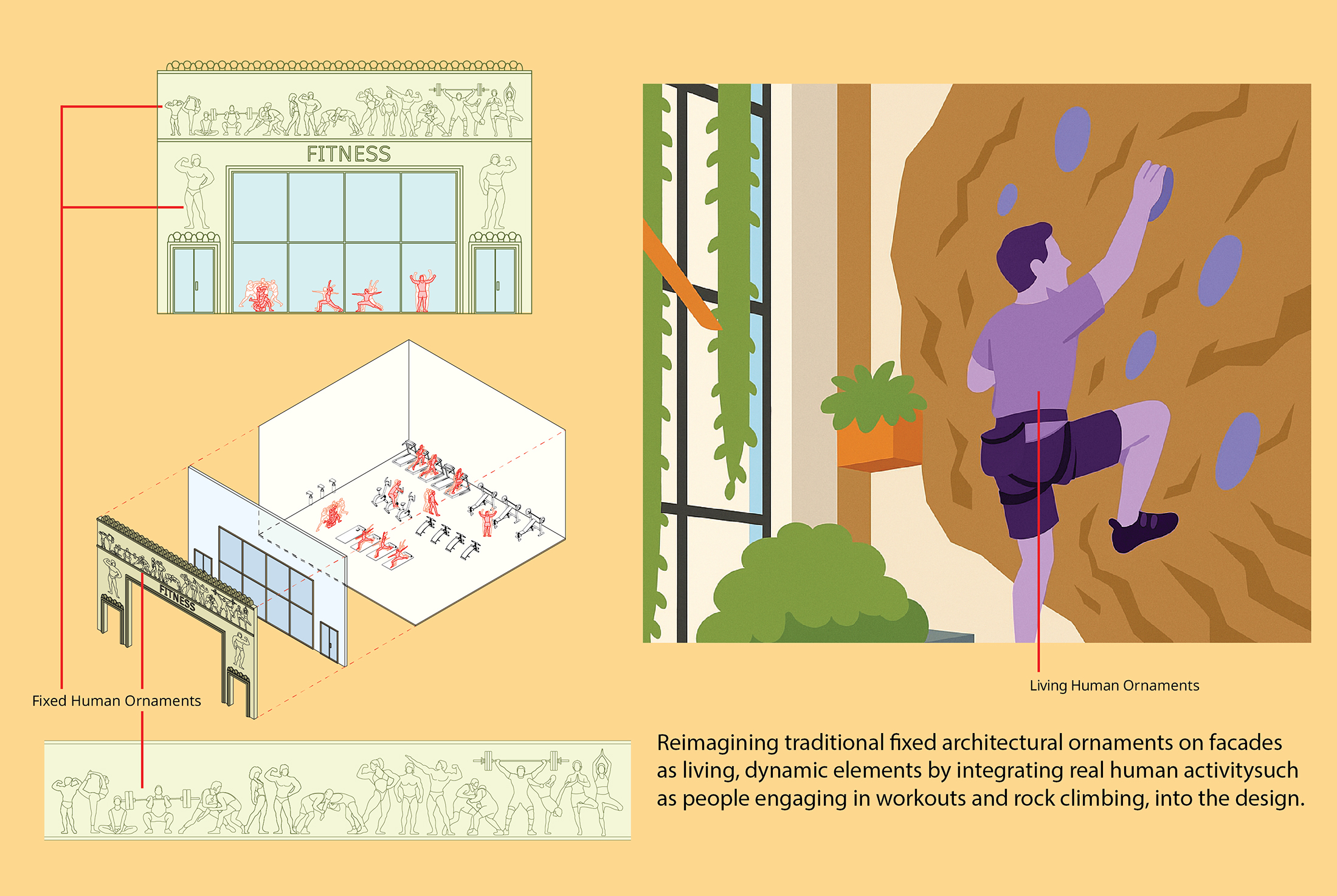
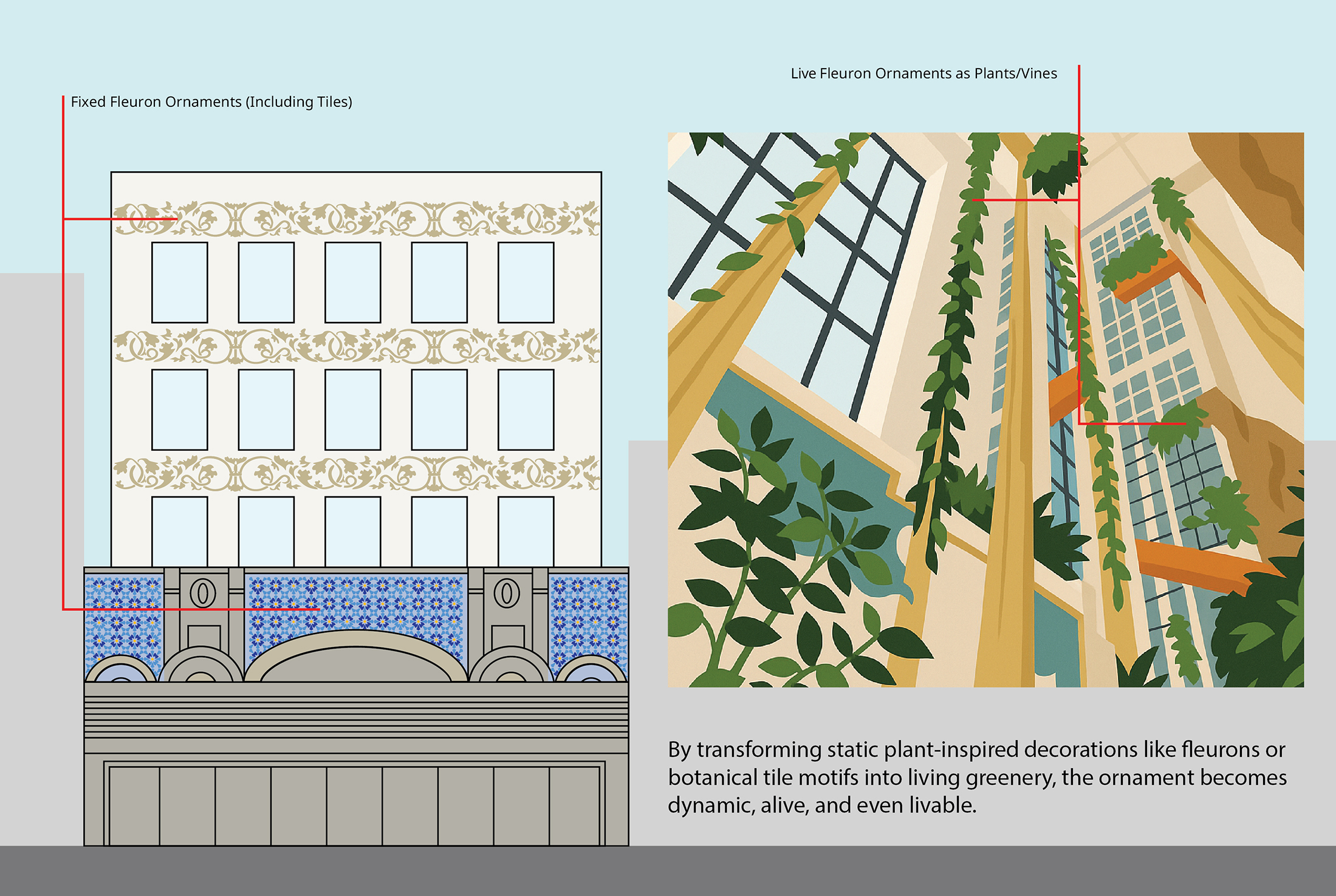
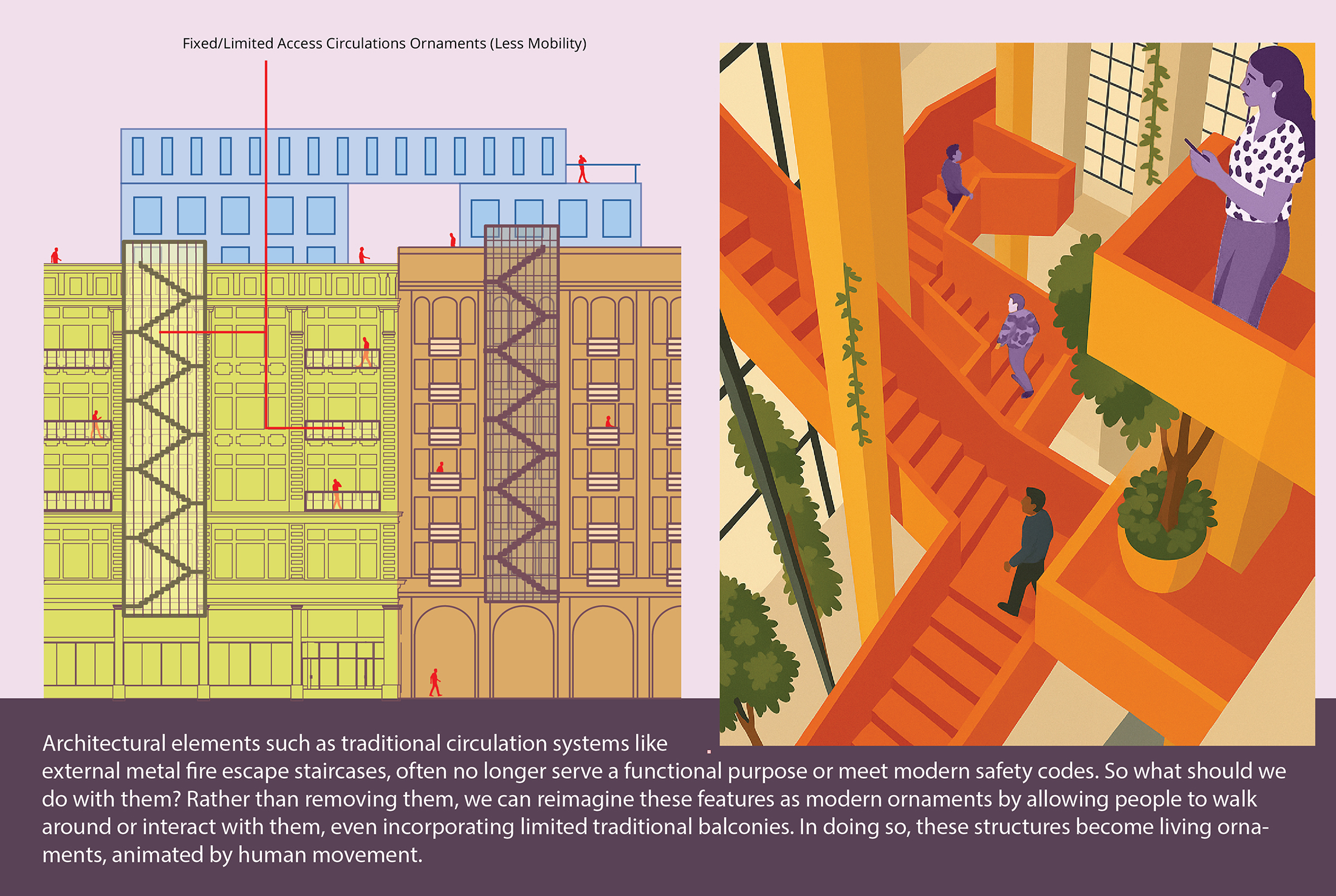
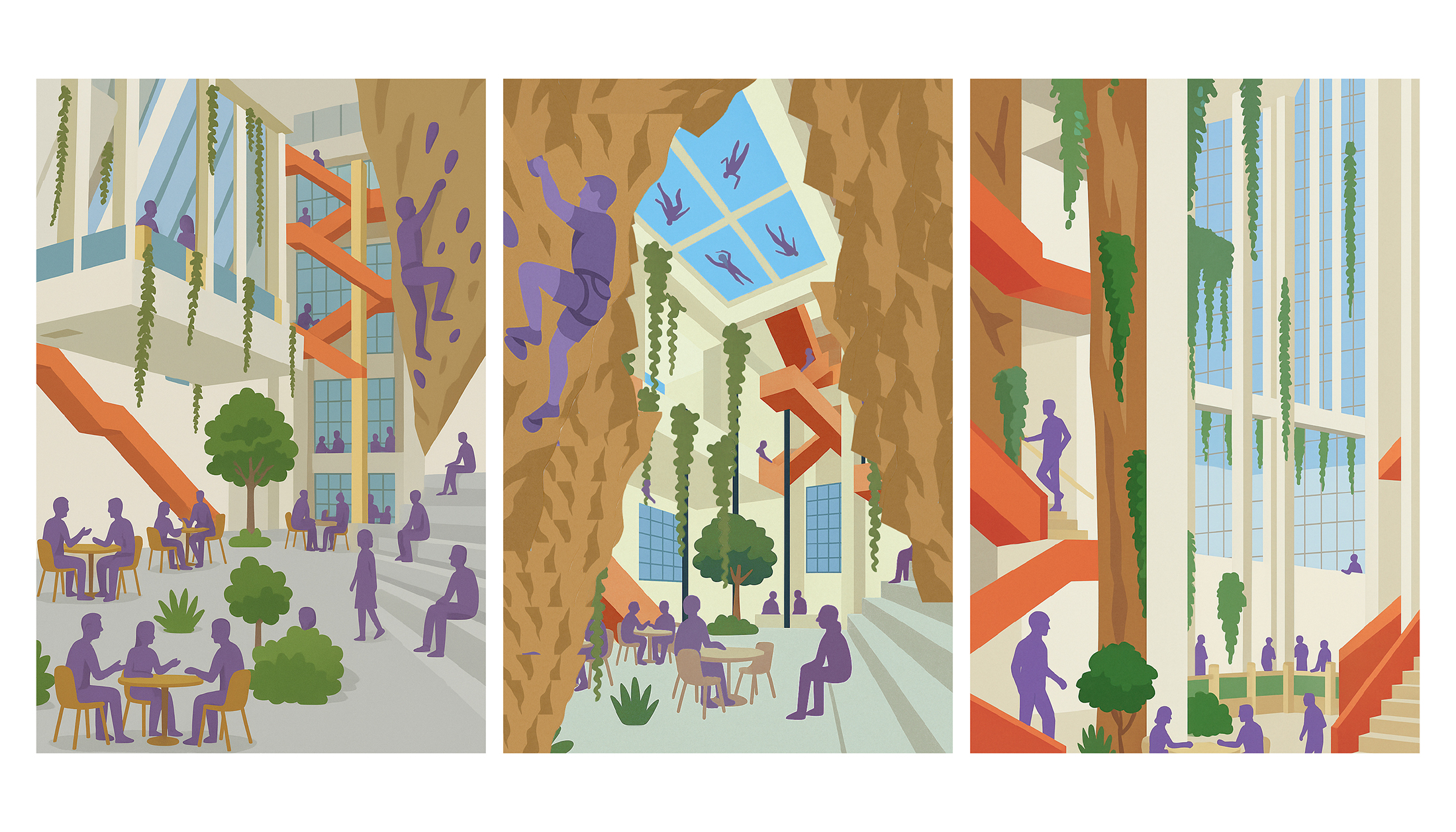
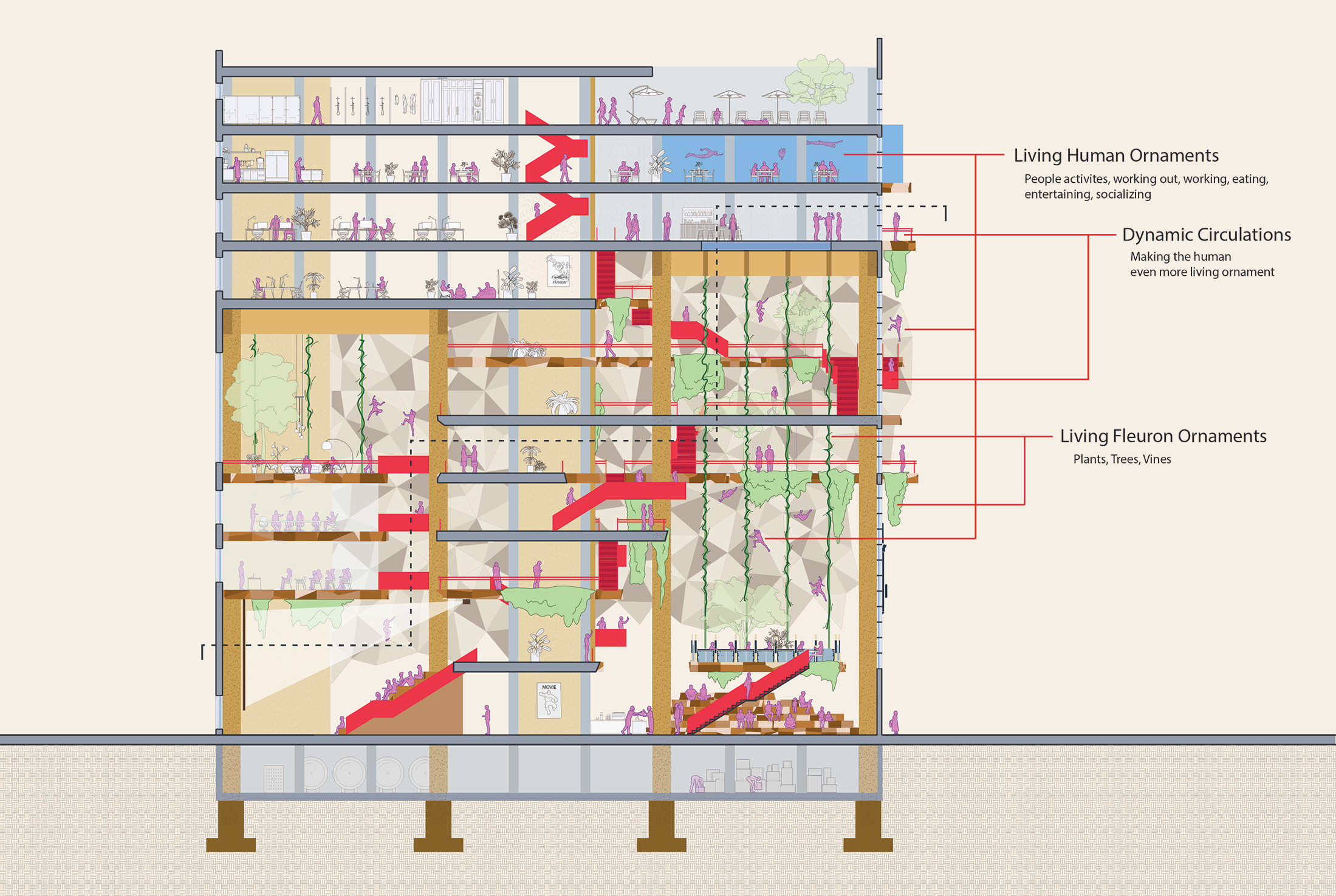
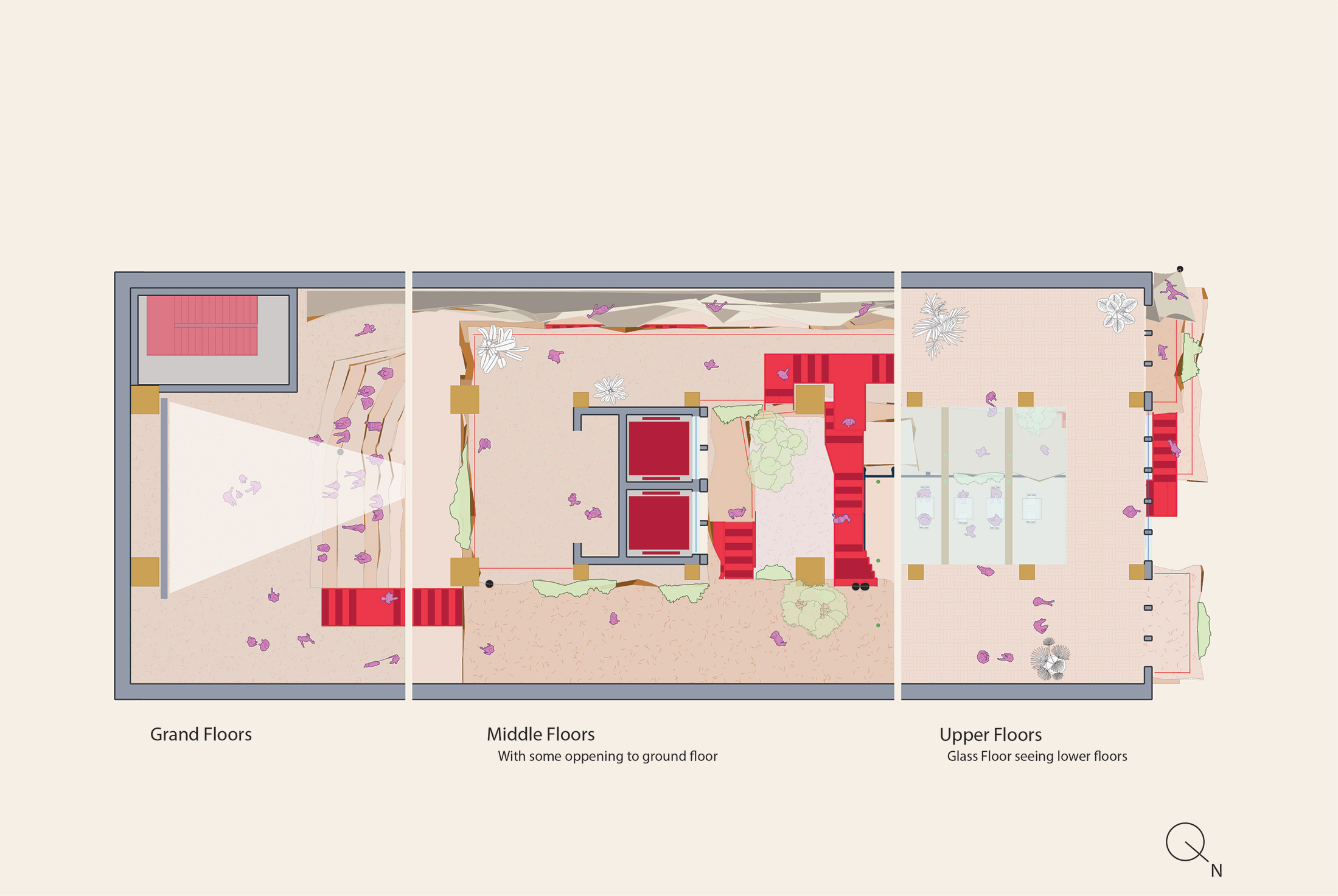
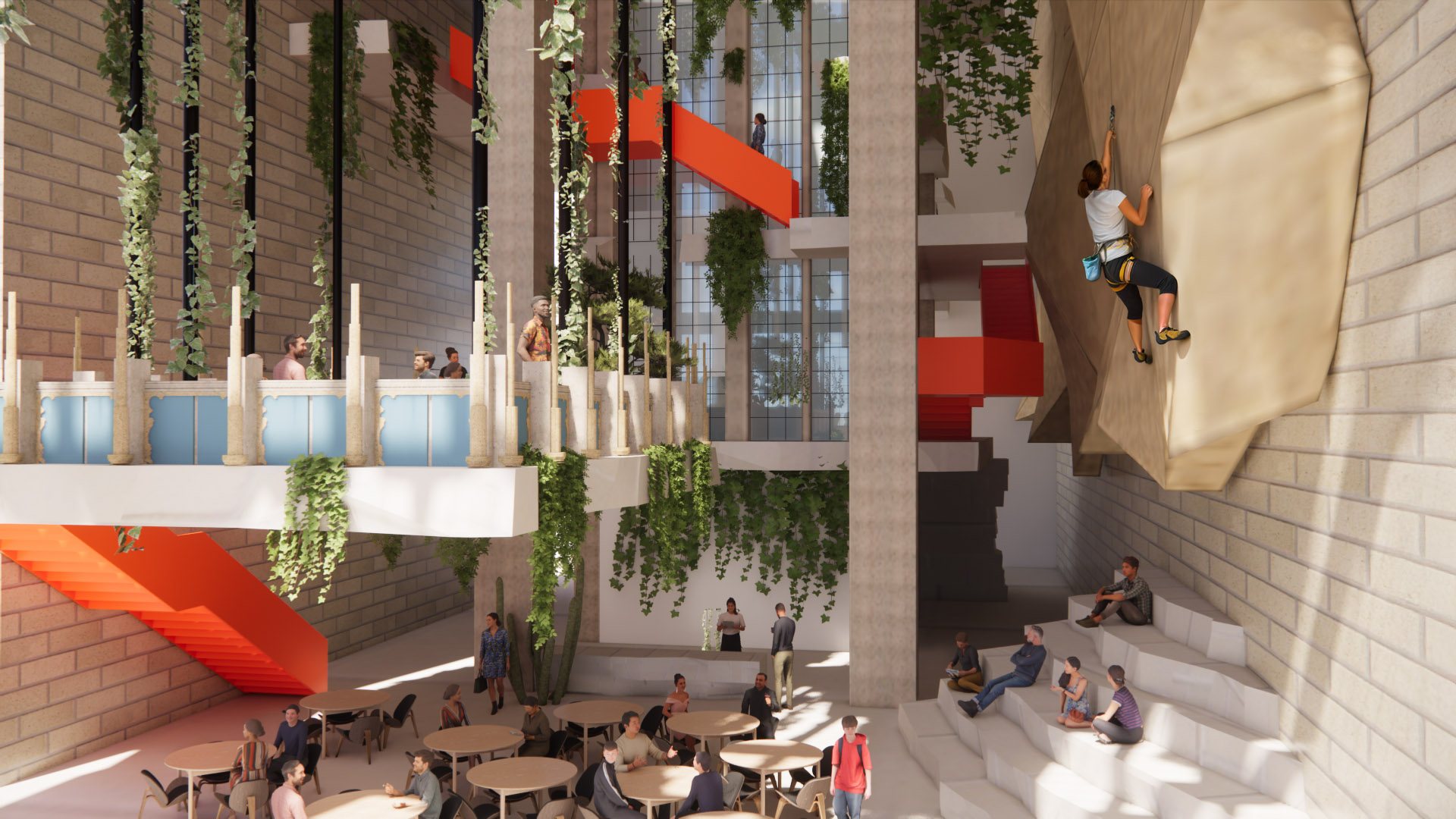
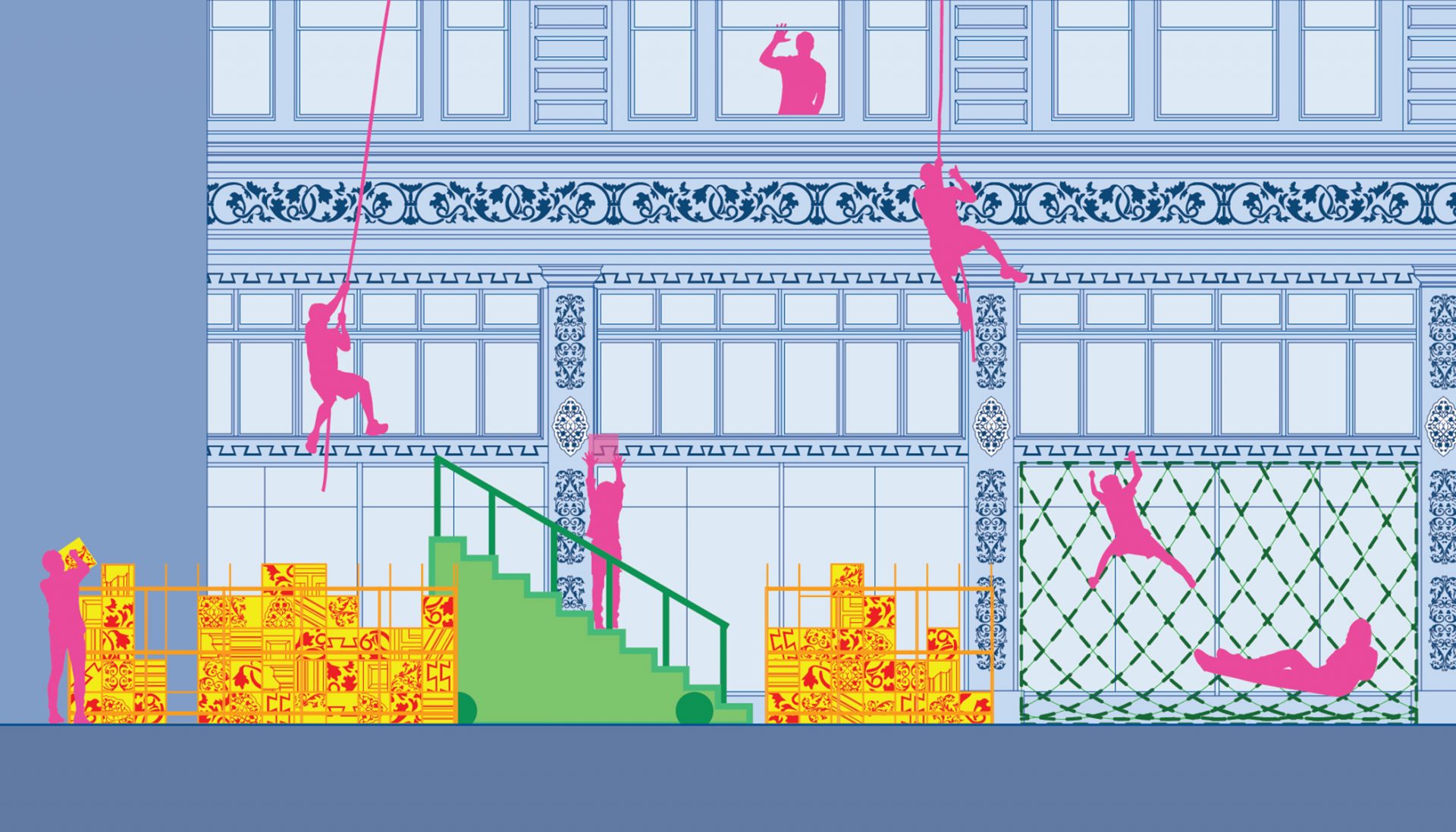
By preserving the value of architectural ornamentation—continuing its historical significance while simultaneously adding, merging, and evolving new forms—architecture can shift traditional hierarchies and give rise to a new, dynamic type of ornament. While traditional ornamentation, ranging from classical motifs like human figures and fleurons, once held deep cultural and aesthetic value, modern architecture often stripped ornament down to minimalist expressions. Living Ornaments reintroduces the vitality of ornamentation by making human presence itself an ornament through movement, activity, and expression. This approach transforms ornament from static decoration into a living, interactive element, infusing the building with life and meaning.
Detours and Loopholesf
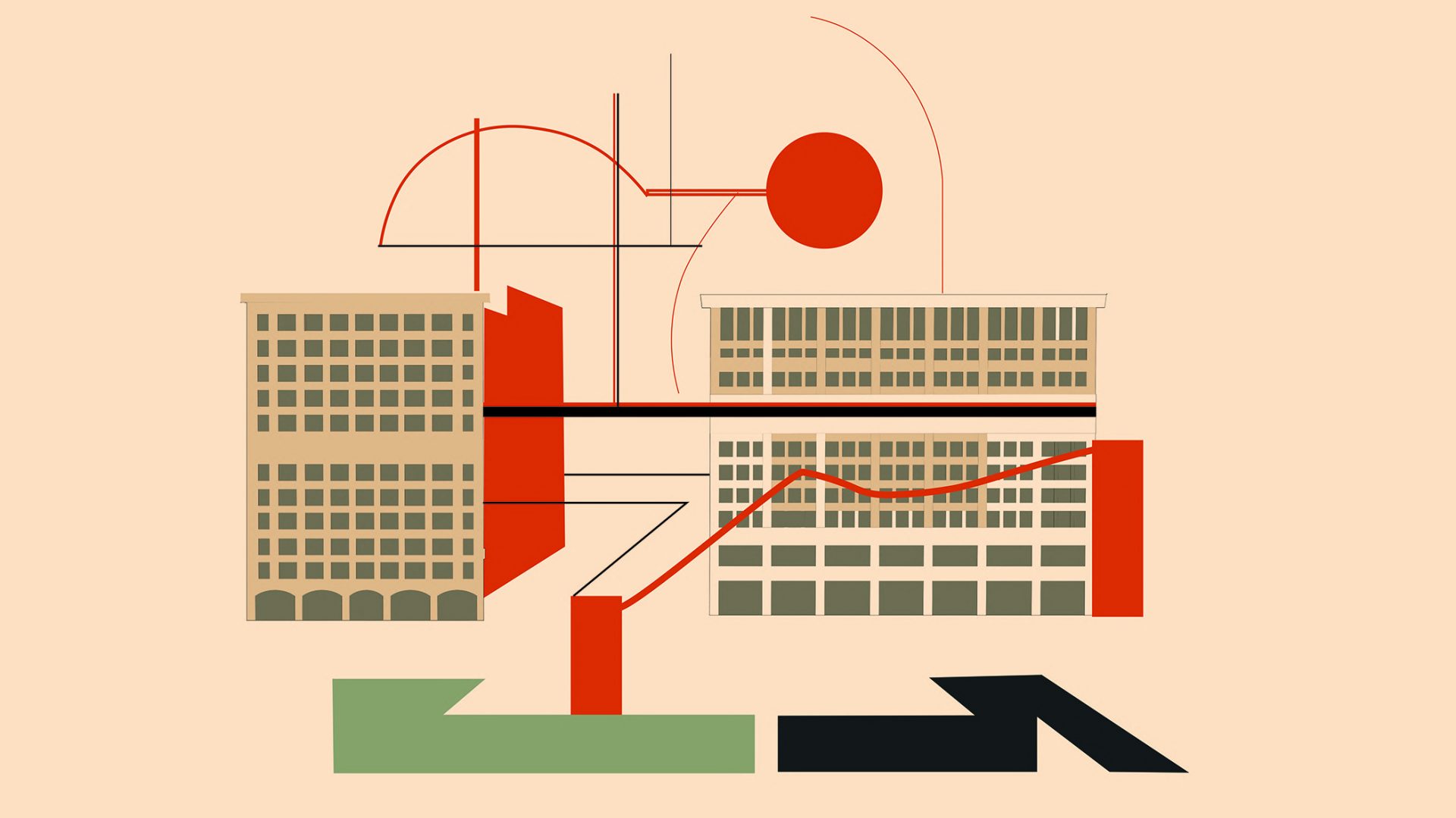
The city is structured around function, reinforcing society’s expectations of productivity and efficiency. In Los Angeles, this is evident in the logics of the freeway system and the street grid, both designed to maximize movement and economic output.
But what if we resisted this logic and reconceived how we navigate and engage with the city?
Detours and Loopholes challenges the conventions of the city by examining underutilized spaces and buildings, exploiting the systemic loopholes that produce them to reimagine new ways to explore the city within a public space beyond the city’s logic.
Distributed Warriors
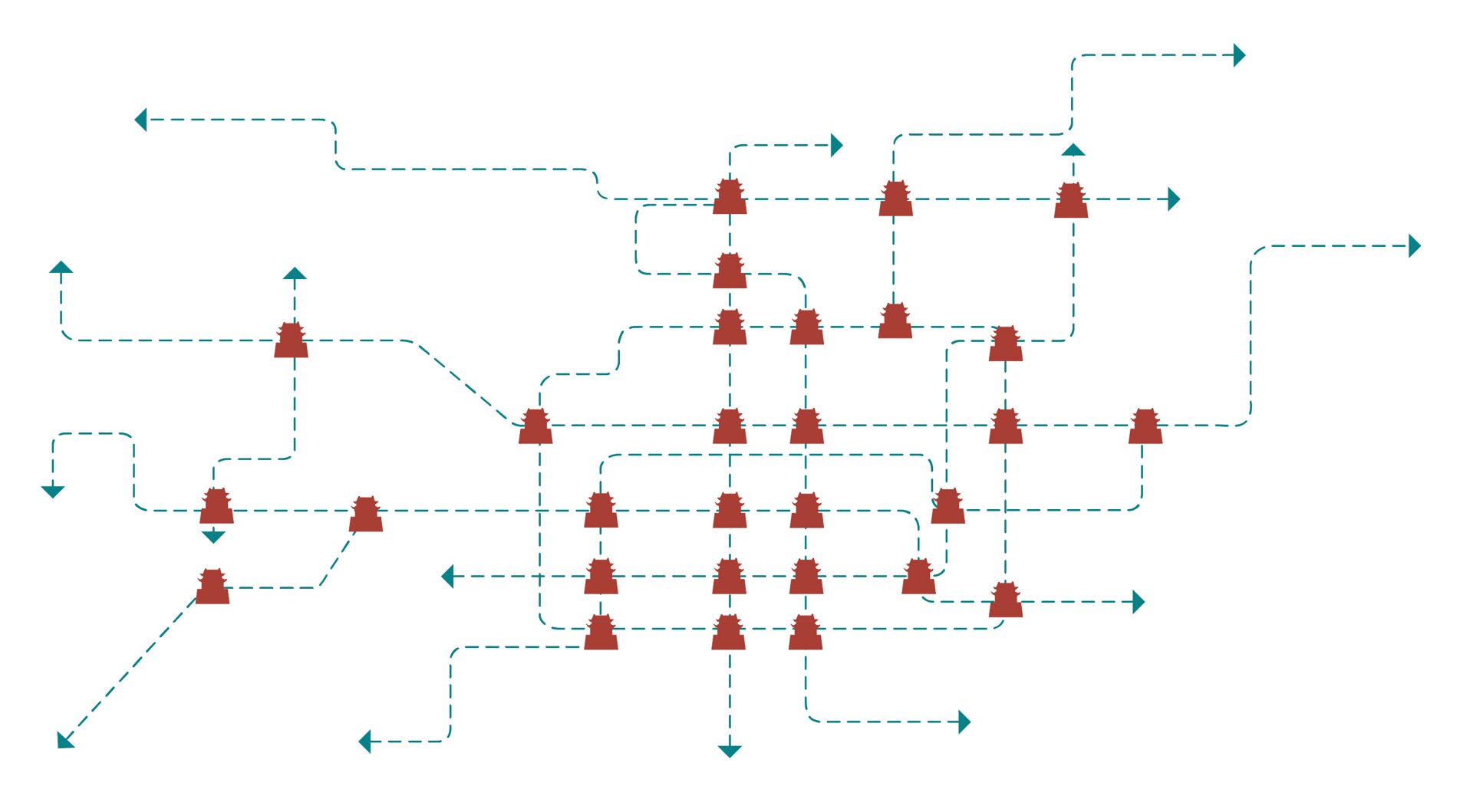
The richness and complexity of the city is a direct result of meaningful interactions between its many different layers—its culture, its history, its form, and its audience. The role of public architecture is to situate events that recognize and emphasize these different layers, connecting people and celebrating public engagement.
Distributed Warriors combines two of the many layers of Xi’an, China, the Metro network and the historical typology of watchtowers, to distribute a new system—a new layer—of vertical public spaces and programs across the city. These warriors each create a congestion of collective activities, offering spaces for public interaction that connect back to the layers of the city.
Public Space over Profit Space
Reclaiming commercial spaces to transform them into dynamic public realms, this project repurposes three mini-malls—also known as shopping plazas—into spaces for performance, pop-ups, and contemplation. Located on Anaheim Street in Long Beach, each site is reimagined to support community interaction through flexible programming and spatial variety. By retaining traces of the existing structures, the design honors the memory of these once-commercial spaces while offering a new civic life. The project promotes accessibility by maintaining a low monetary barrier for entry, aiming to return these privatized zones to the public, fostering social engagement over consumerism.