

inter//interface
The digital and physical worlds exist in a lateral relationship, constantly translating and reshaping one another. Architectural interfaces must abandon their role as passive mediators and become active sites for reality negotiation. By fusing material agency with digital responsiveness into unstable, embodied interfaces, we can create spaces where users may debate, disrupt, and co-author the terms of existence in their environments with every gesture.
Our Apology for Armageddon
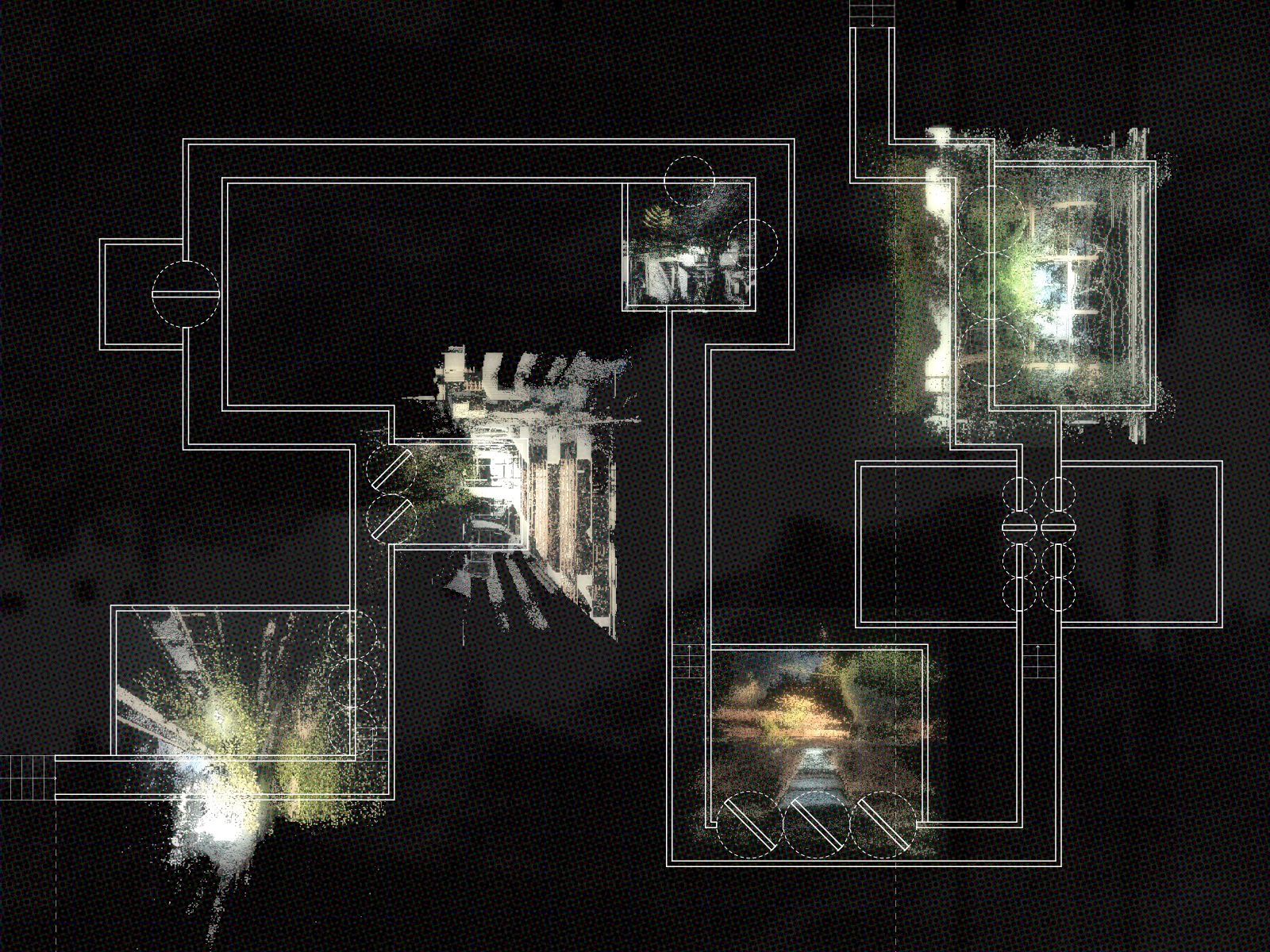
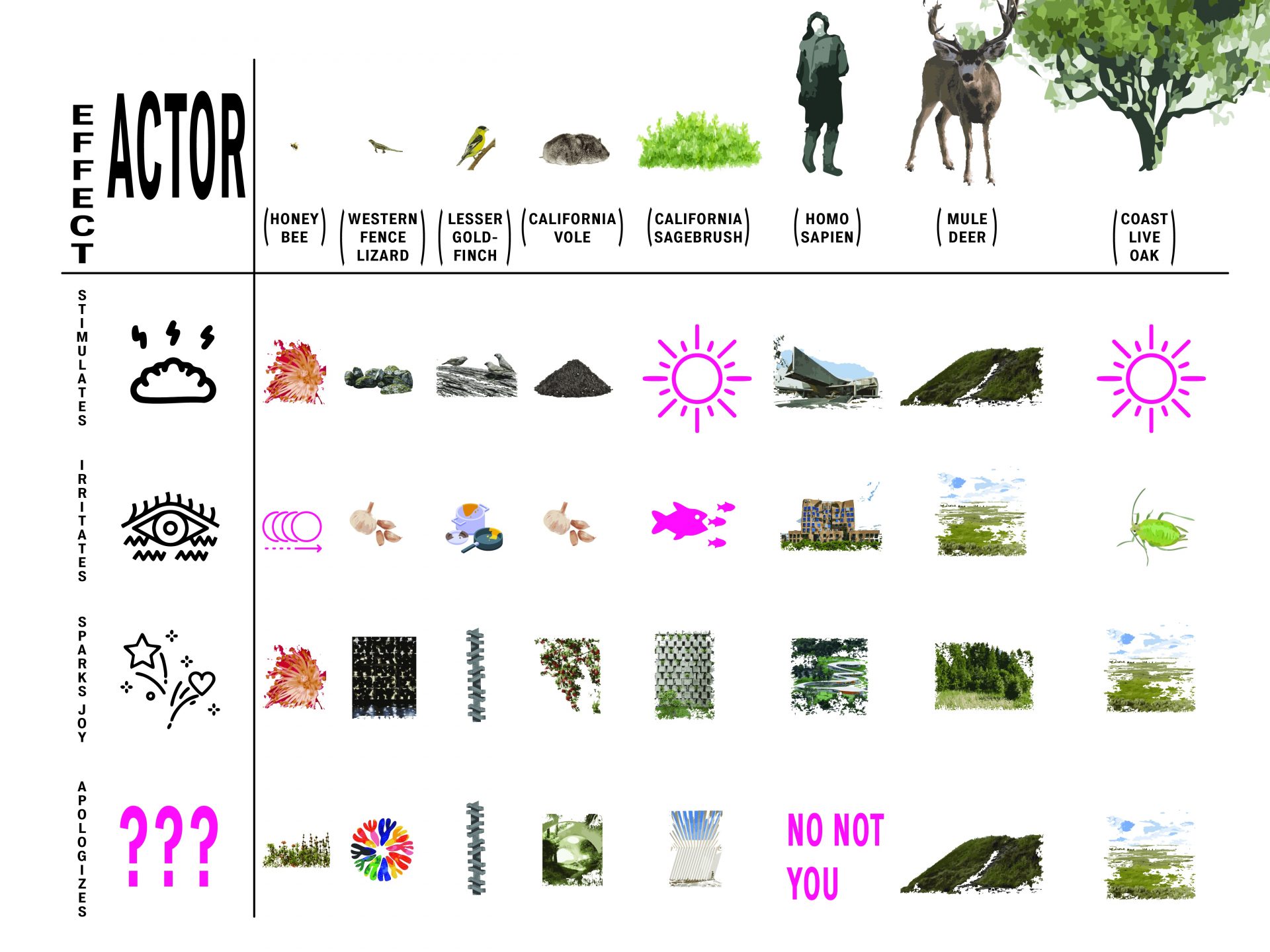
Humankind’ s self-destruction approaches. The human architect must bring the nonhuman actors that will remain into their ethical regard. They will draw from past sacrificial architectures and humanity ’ s detritus to design constructs that will first serve humanity and then decay into new sacrificial architectures, leaving behind apologies to the nonhuman pantheon.
Transient Divisions
The implementation of vague spaces in architecture allows for further development of the edge conditions, allowing for new discoveries visually and experientially in a mundane environment. Boundaries constantly expand or are blurred through time, different atmospheric conditions, and movement, where streets transform into a new third space for its users.
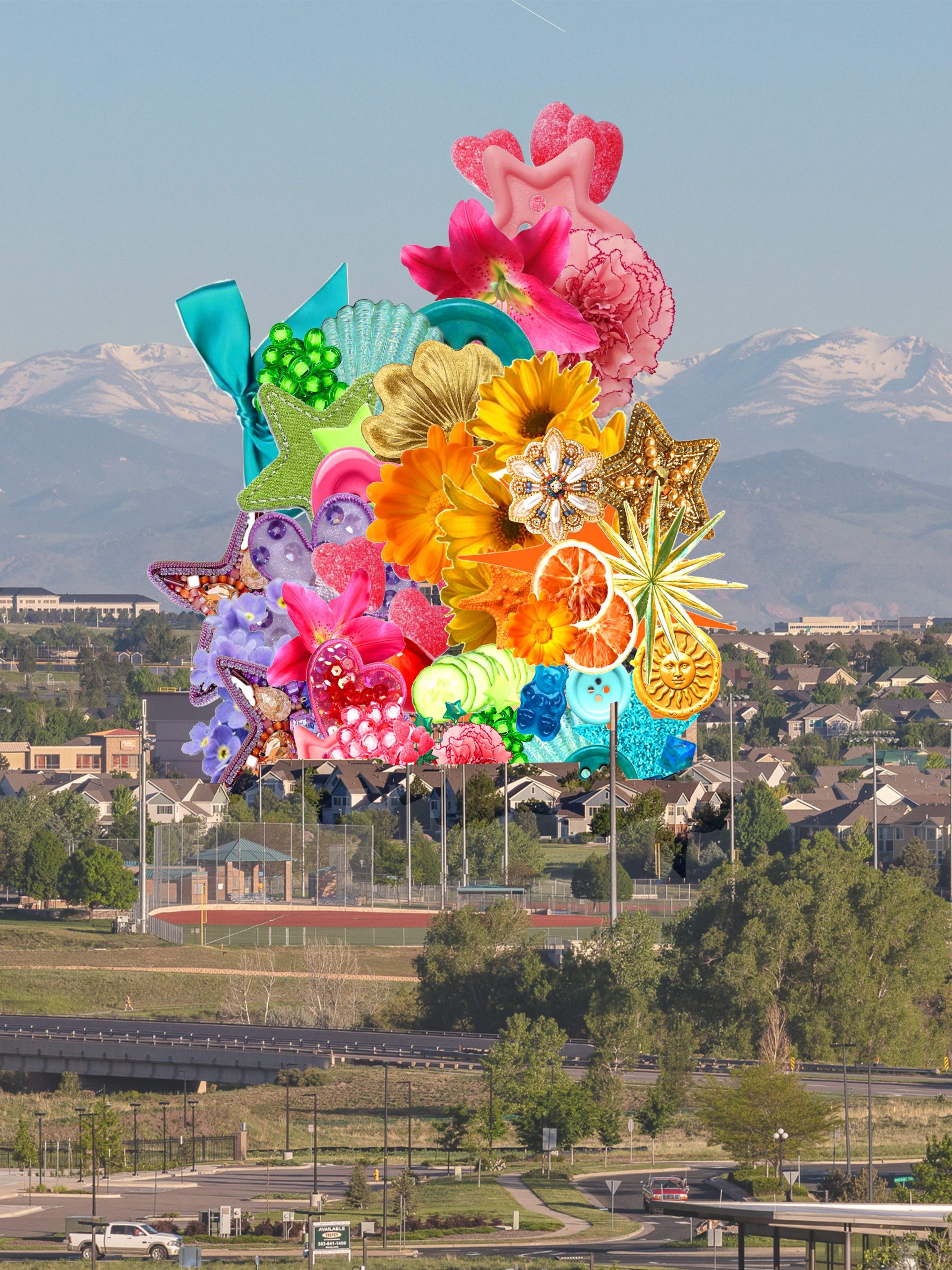
Necessary Irritation: The Anti-Suburb
My hometown – Parker, Colorado – sports a visual drabness that is particularly emblematic of American suburbia. Dominated by swaths of developer-made structures, the environment can feel lifeless and confining.
Drawing from Mugler’s disruption of the fashion industry through his couture shows, my project creates “necessary irritants” that disrupt a bland status quo. These insertions aim not only to provide radical opposition to their context, but also as infectants – changing the face of a once “un-drab” suburbia.
Myth, Machine & Boundary
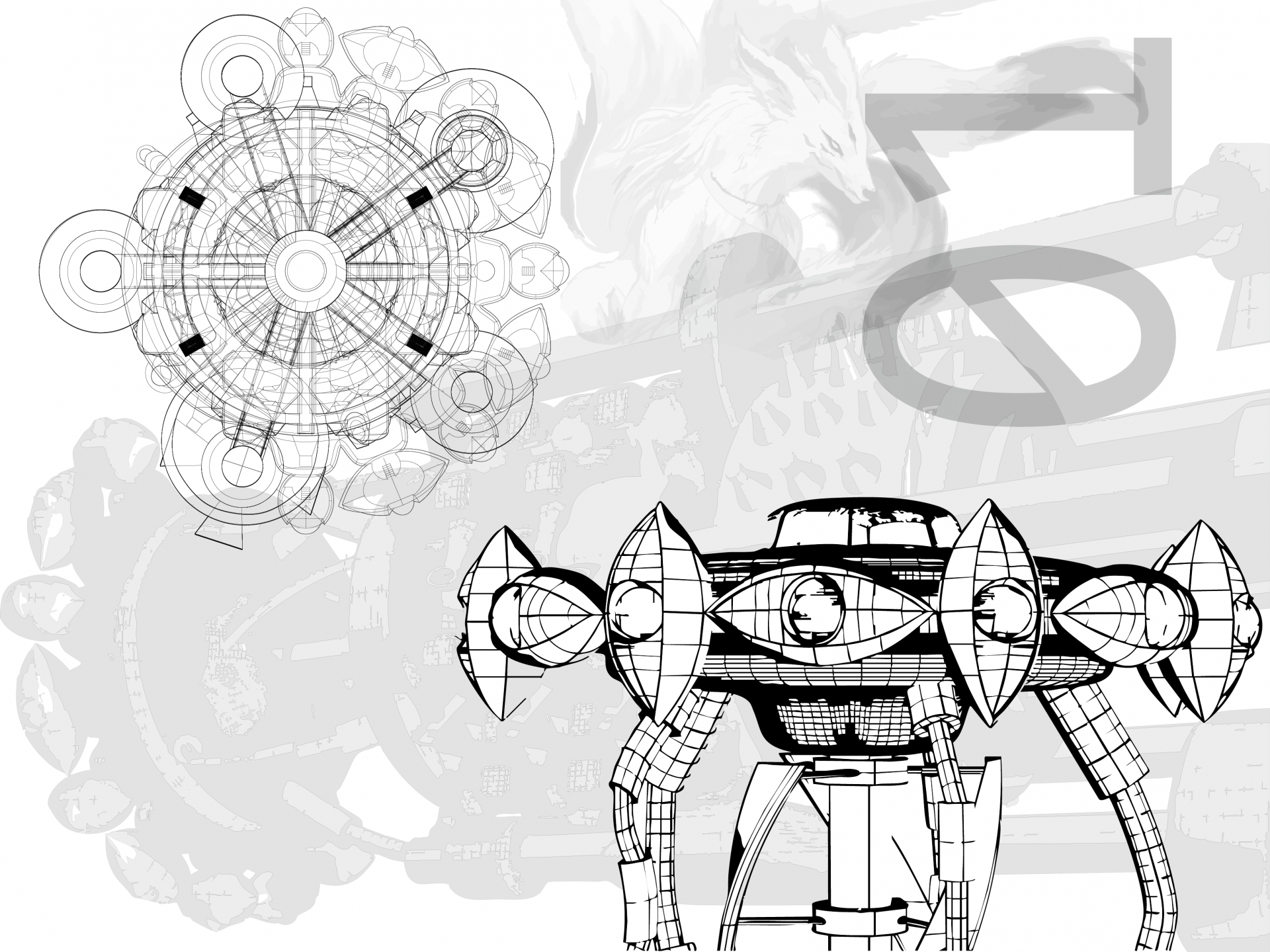
In a fictional isekai world, the absence of control towers leads to the destruction of pure nature. Without regulation, humans spread unchecked, causing serious urban sprawl. This worldbuilding, expressed allegorically, proposes a new ideology—towers as boundaries—to sustain self-sufficient societies, keeping people within the city and preserving the surrounding wilderness from harm.
Future Forensics
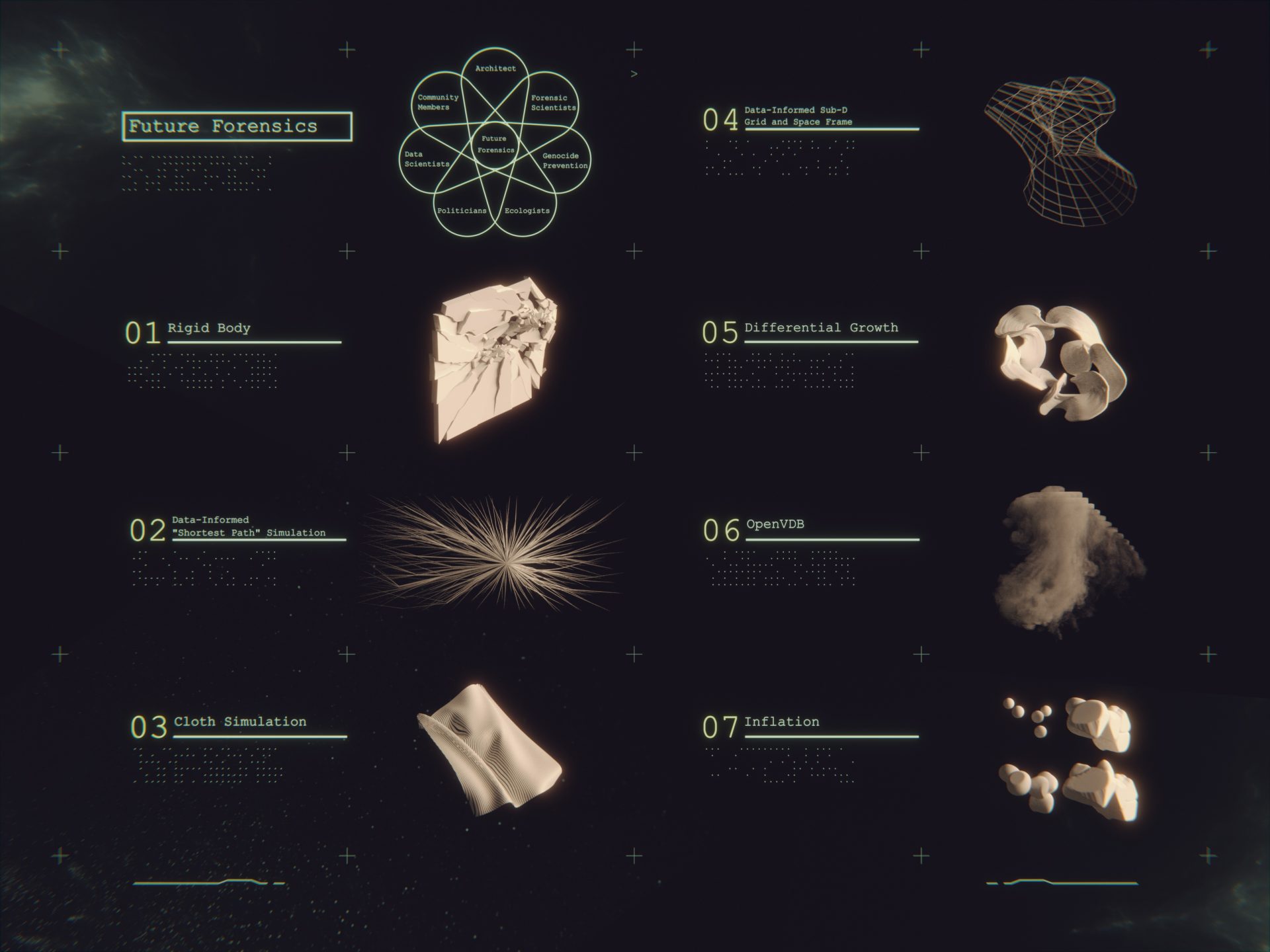
Architectural diagrams idealize buildings, yet our world is flawed. The Future Forensic Diagram emerges as the new Building Information Model (BIM), harnessing unconventional data-driven simulations that embrace imperfection, revealing architecture’s vulnerabilities before construction. Using novel visualization techniques to interrogate this model, architects can foster collaboration with those who lie outside of the field to explore speculative, “imperfect” futures.
Revoir
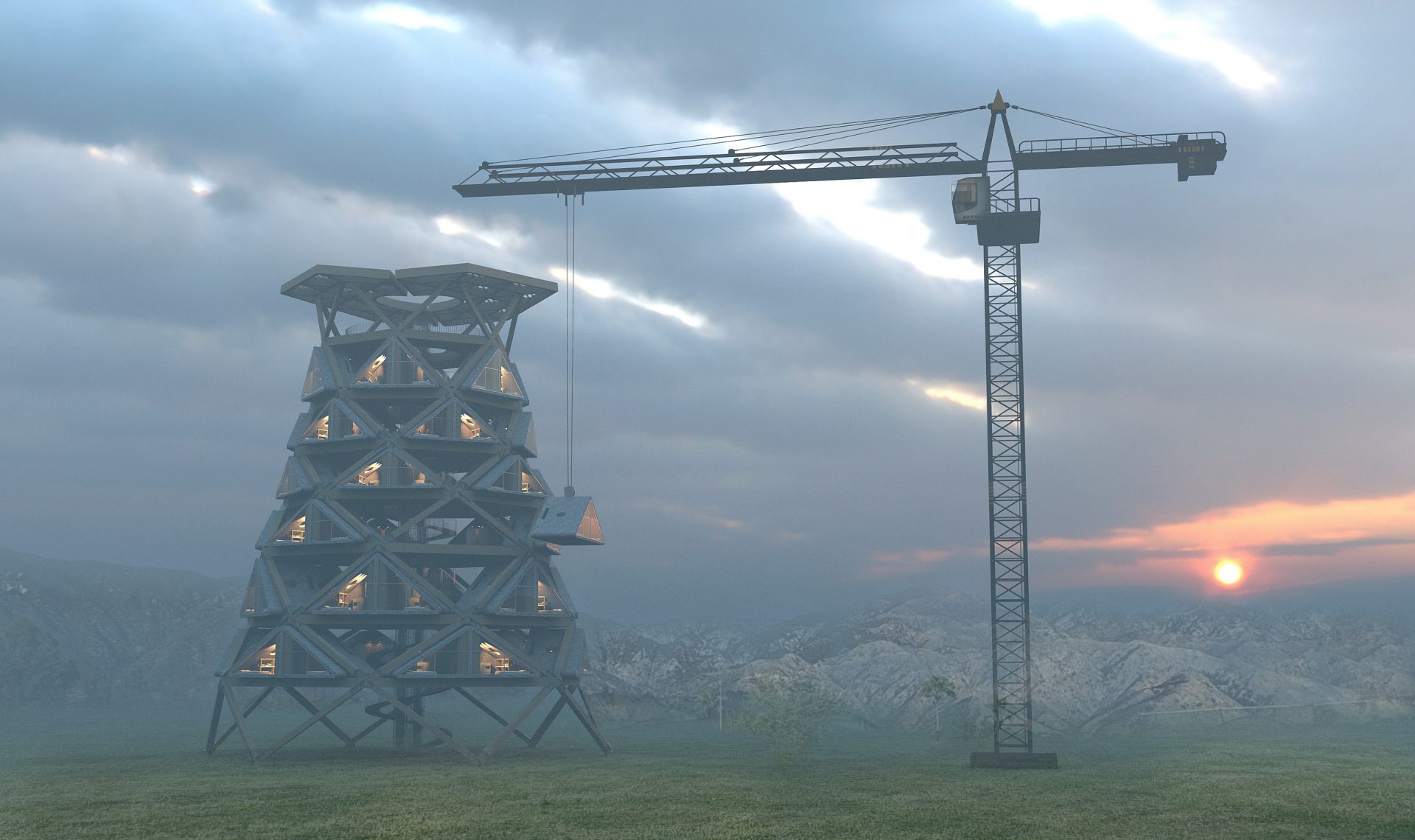
“Revoir” reimagines architecture as a tool for recovery, resilience, and revival. Emerging from post-disaster conditions, it proposes a regenerative system where modular housing and protective structures embody the ethos of collective strength, nurturing neighborhood empowerment, integration with conscious design, and impacting the transformation of vertical cities. This thesis envisions design as a living canvas for healing and evolution.
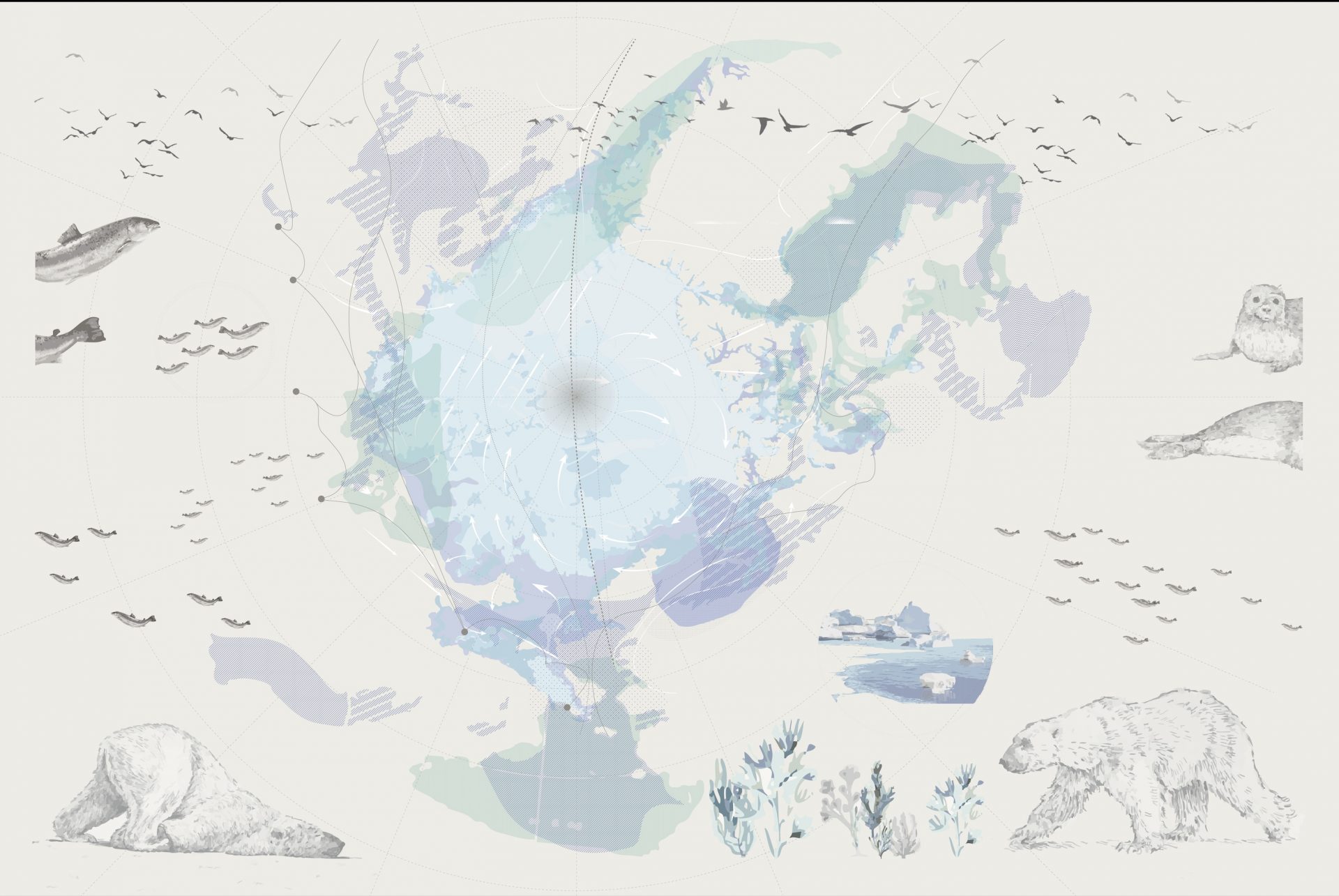
Polarama
This thesis proposes a diorama-inspired floating architecture, designed with a glacial-form block and an elevated platform, that responds to the ecological and spatial challenges of the melting Arctic. The architecture creates interspecies zones that support the coexistence of polar bears, seals, and human activities such as research, photography, and environmental education. Below the surface, innovative structural material functions as coral restoration and ecological scaffolding, enhancing underwater ecosystems and promoting biodiversity. The project acts as an active ecological participant—blurring the boundaries between insider and outsider species, and fostering new forms of interaction and cohabitation.
The Unfinished is Never Finished
Architecture is a dynamic process shaped by continuous change rather than a static, finished product. Designing with planned incompleteness and flexibility enables buildings to evolve alongside the people who use them, without imposing a fixed outcome. This approach anticipates future needs, empowering both surrounding communities and advancing technologies to shape spatial experiences over time. As this continual transformation of Oceanside Plaza unfolds, the passage of time becomes embedded in its materiality, serving as a visible record of its evolving nature.
Paso Faro
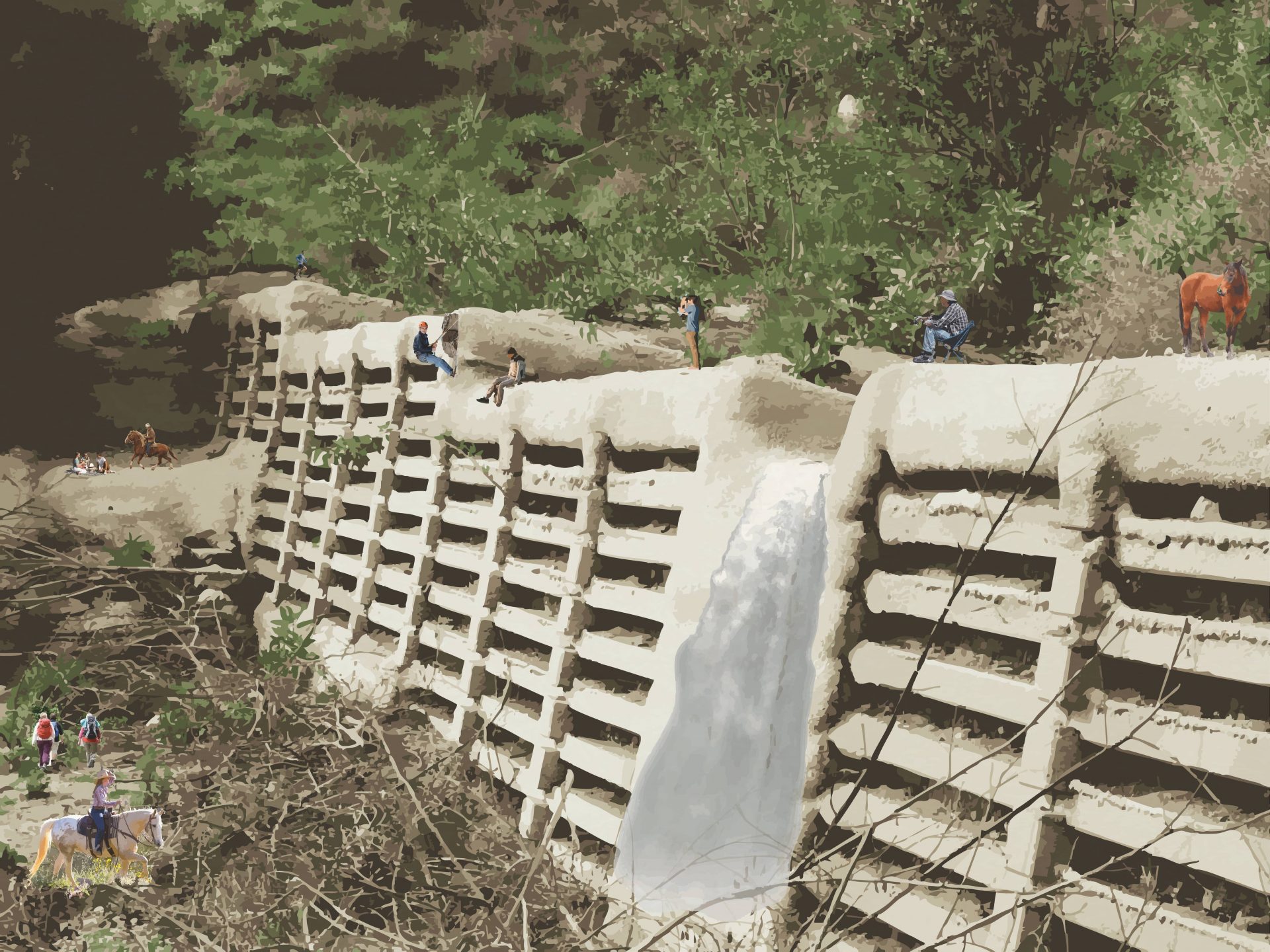
Los Angeles’s flood control dams have long been built with no regard for social integration. The architect is positioned to transform these pieces of infrastructure into visually and socially engaging places. This will be done through the use of landform design and by engaging sloped surfaces as places to occupy.
Museo Pulso
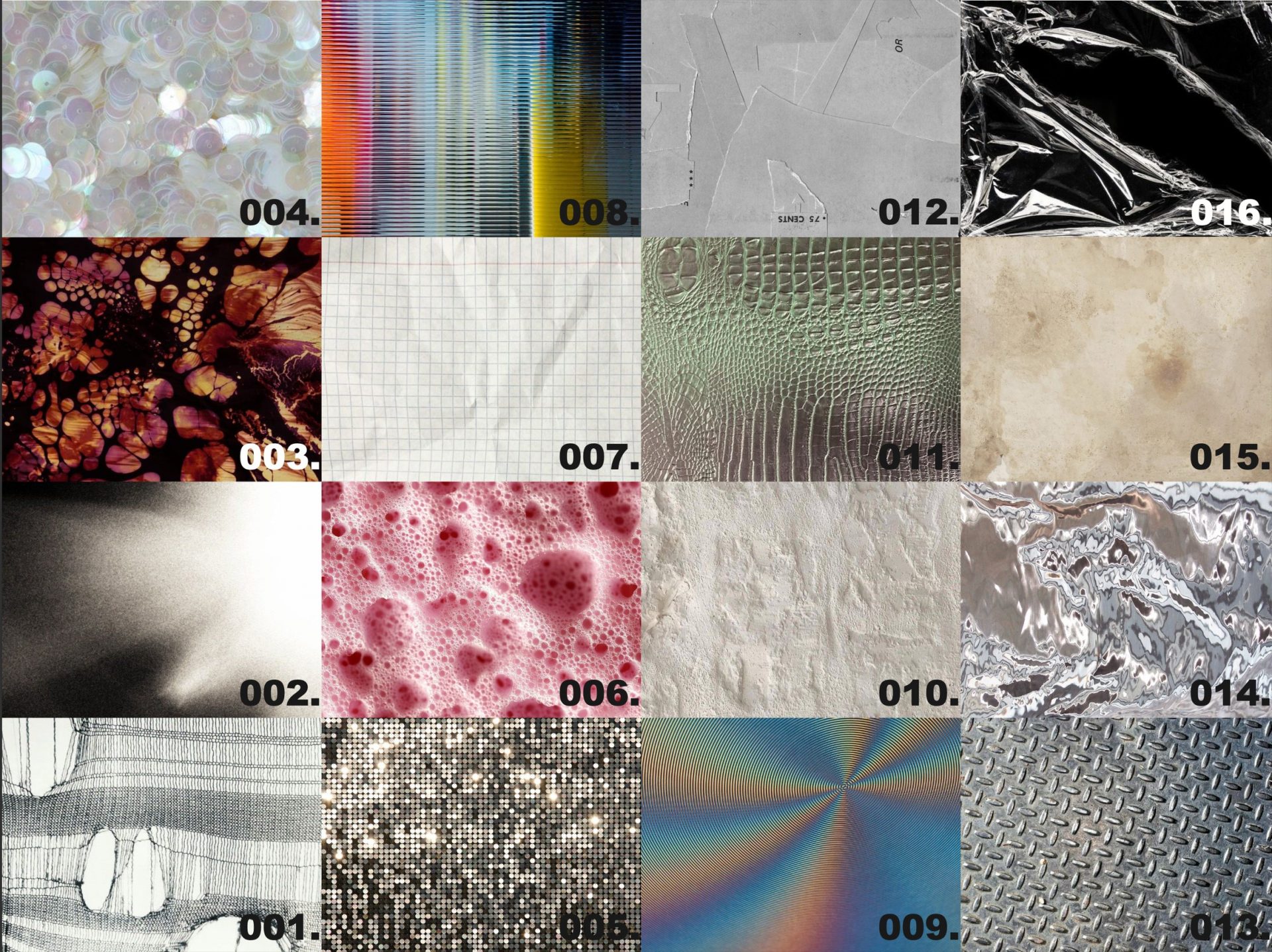
To foster engagement and cultural preservation, architecture must transform from a passive backdrop to an active trigger. Hyper-immersive environments influence the human psyche and ground users in an ultra-present understanding of time, proving that intentional spatial design can drive deeper emotional, cultural, and cognitive connections. Using texture, sound, and space, this project establishes a framework for sensory-forward architecture.
Healing Architecture: Reclaiming Psychiatric Design
This thesis proposes the redefinition of mental asylums and rehabilitation facilities. With an approach not only towards the formal design but also the programmatic one, my thesis focuses on mimicking the outside world’s programmatic exploration manifesting as well in the formal representation of them. Helping patients develop new skills and develop pre existing interests preparing them with skills and challenges that could be encountered when they leave the facilities.
Solace Within Impermanence
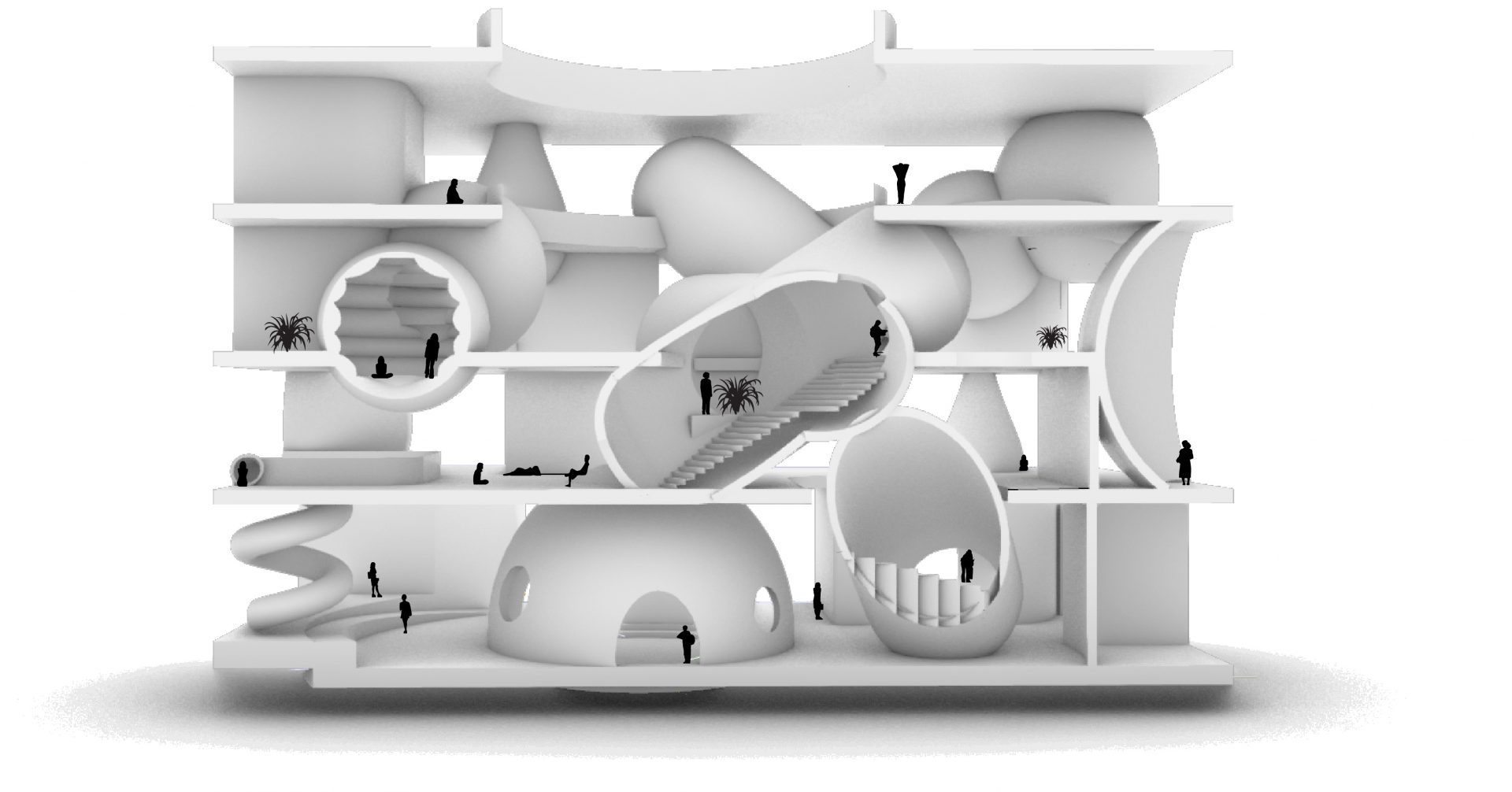
Within the sphere of home versus shelter for those who are unhoused or experiencing homelessness in Southern California, more housing is not the only simple solution to a wicked problem. It is the architect’s duty to better the quality of life of a space through embracing temporality, breaking away from typical market rate housing design, and addressing the variety of populations experiencing different forms of homelessness.
“Avenues” of Exception: Challenging Kuwait’s Kafala System
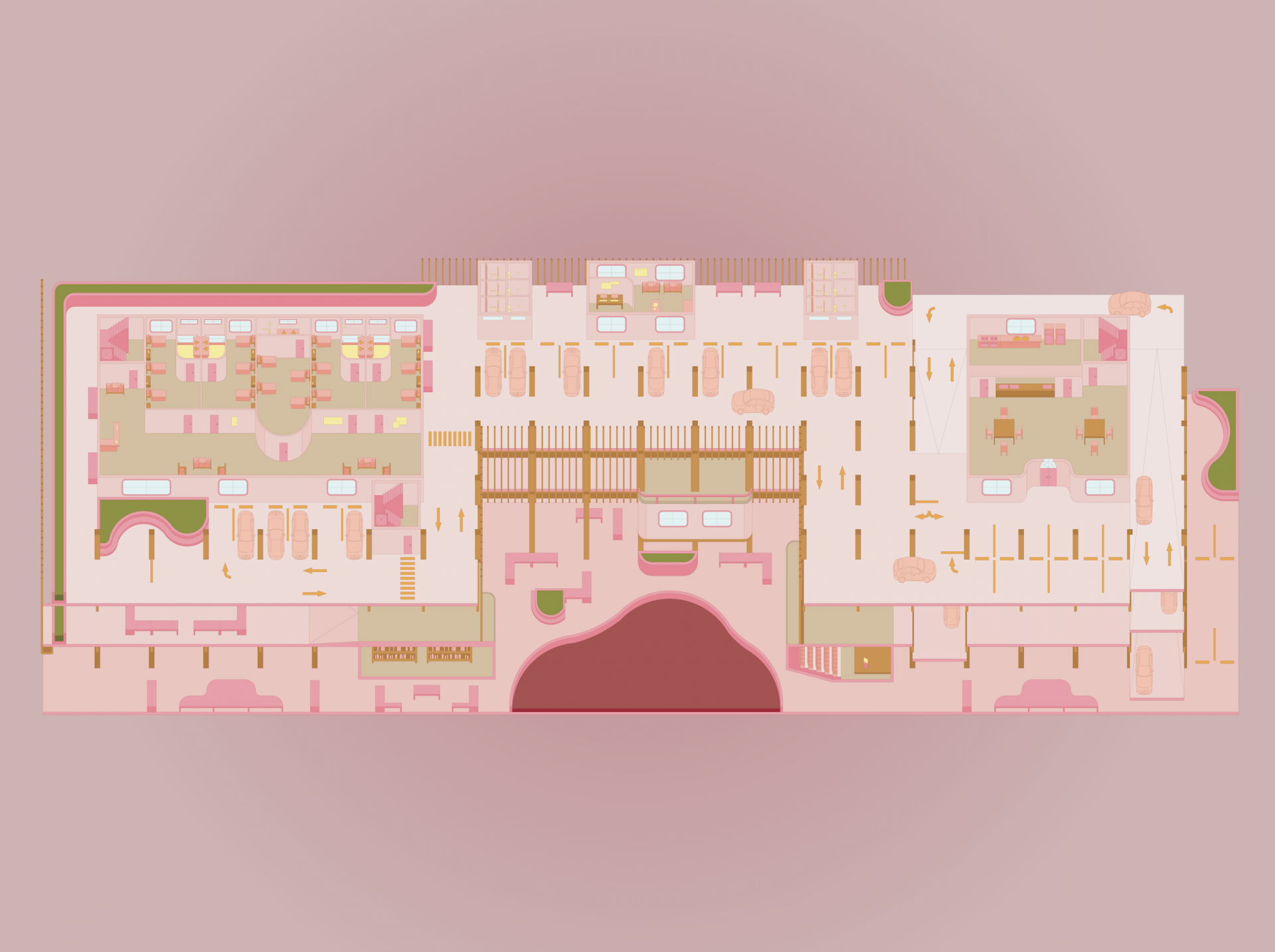
The Kafala system in Kuwait binds migrant workers’ legal status to their employers, creating conditions of dependency and exploitation. Reform efforts focused on integration often fail to address its deep structural inequalities. Integration is no longer the solution, or the desire. Perhaps the answer lies in the differentiation of migrant communities through the creation of a political fiction – a political metaphor of a “state within a state” , or “building within a building. ” This alternative vision proposes the formation of autonomous migrant enclaves where workers create their own bureaucratic, social, and urban systems. This model not only critiques the failures of existing reforms but also reimagines the possibilities for liberation and self-determination.
Oakland Phalanstère
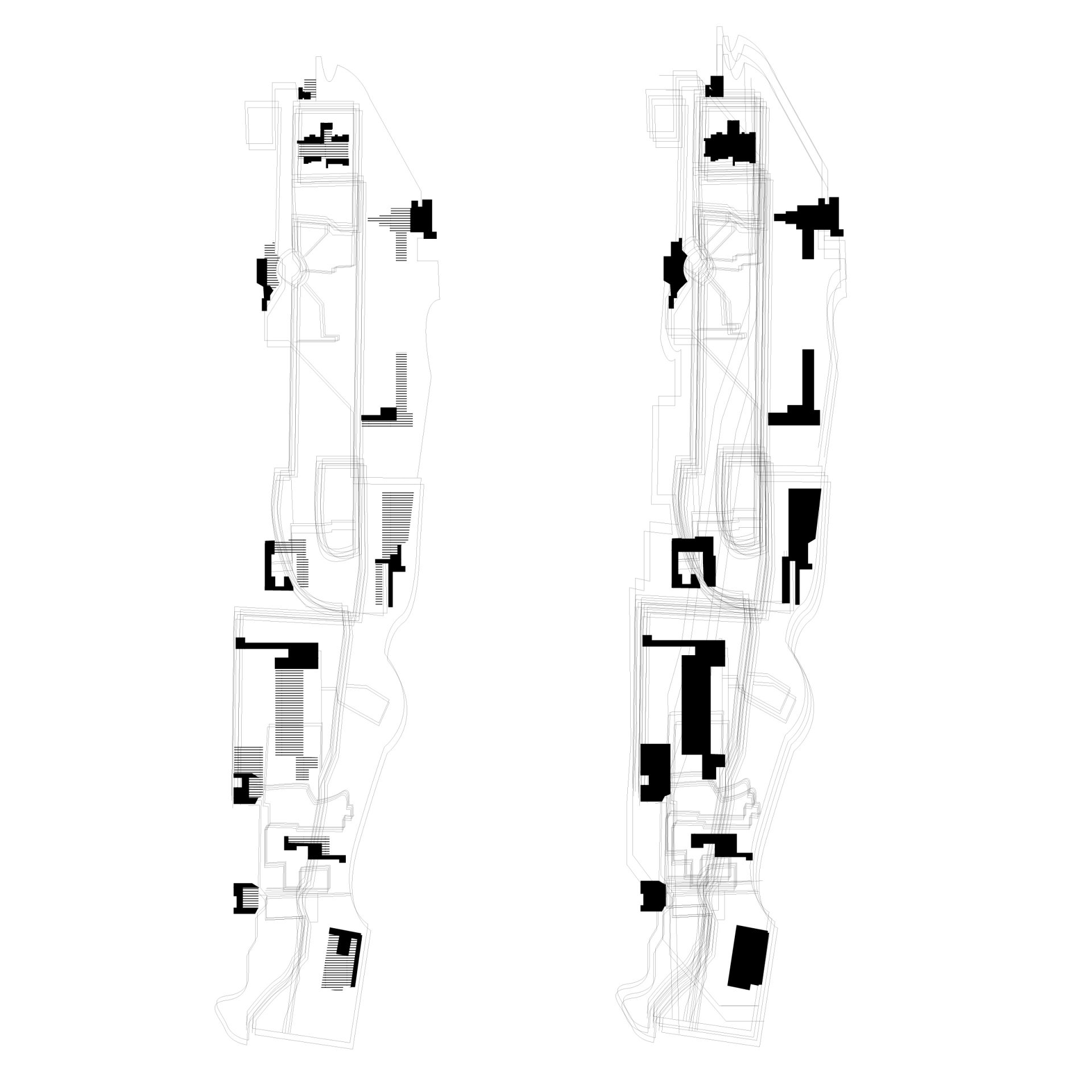
Several years after the departure of hometown favorites, the Oakland A’s and the Oakland Raiders, the residents of Oakland have decided to take back the coliseum and revitalize it through occupation. The once abandoned coliseum undergoes a transformation to its architectural type and becomes a self-sufficient city within a building. Residents have brought their commerce into the coliseum, assigned designated resource areas for the city, and have even settled down to live within the coliseum in order to keep it up and running. Through the successful occupation of the coliseum, residents have catalyzed urban regeneration within the city of Oakland and brought the coliseum back to its former glory.
The Death Bloom
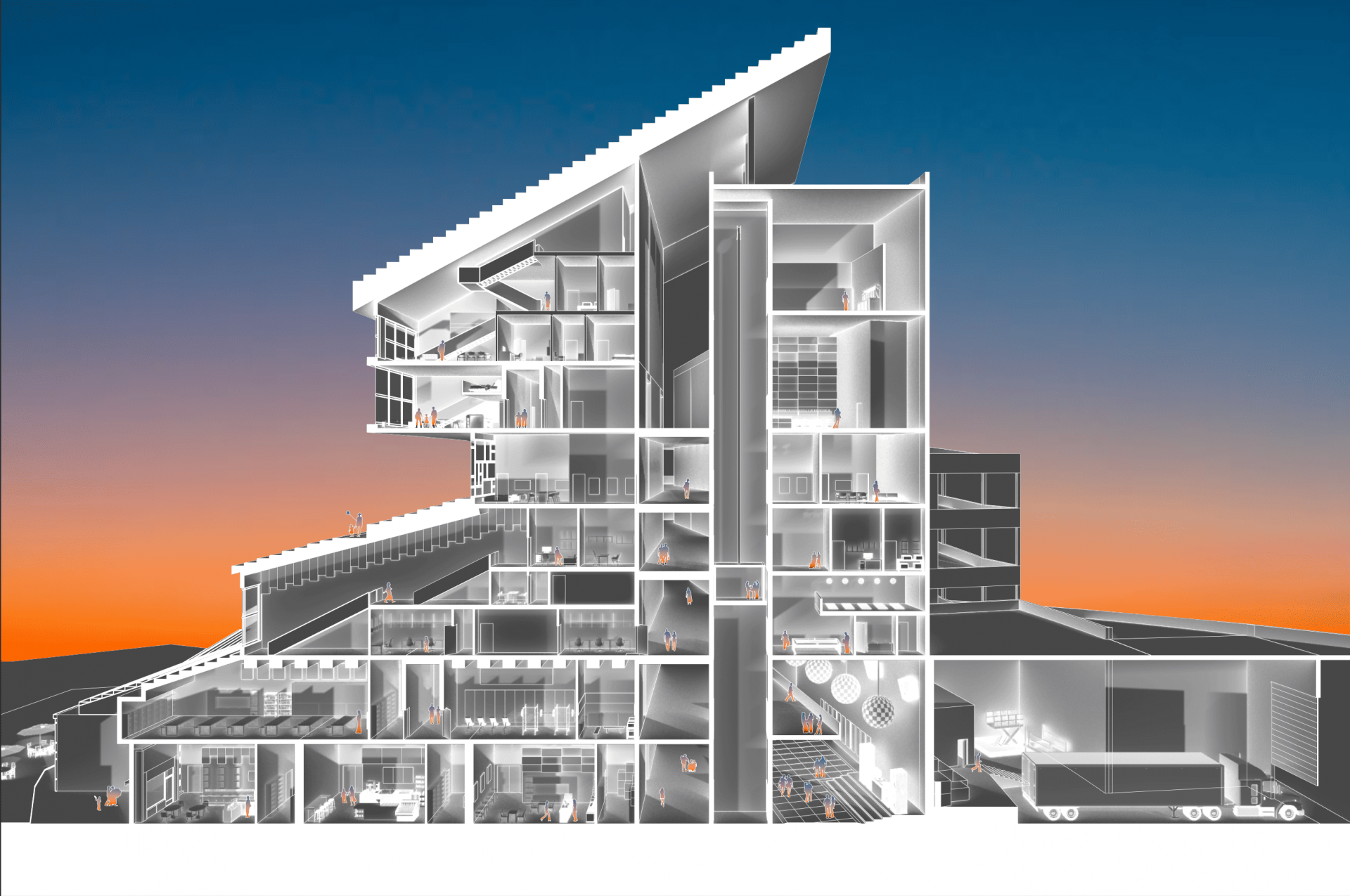
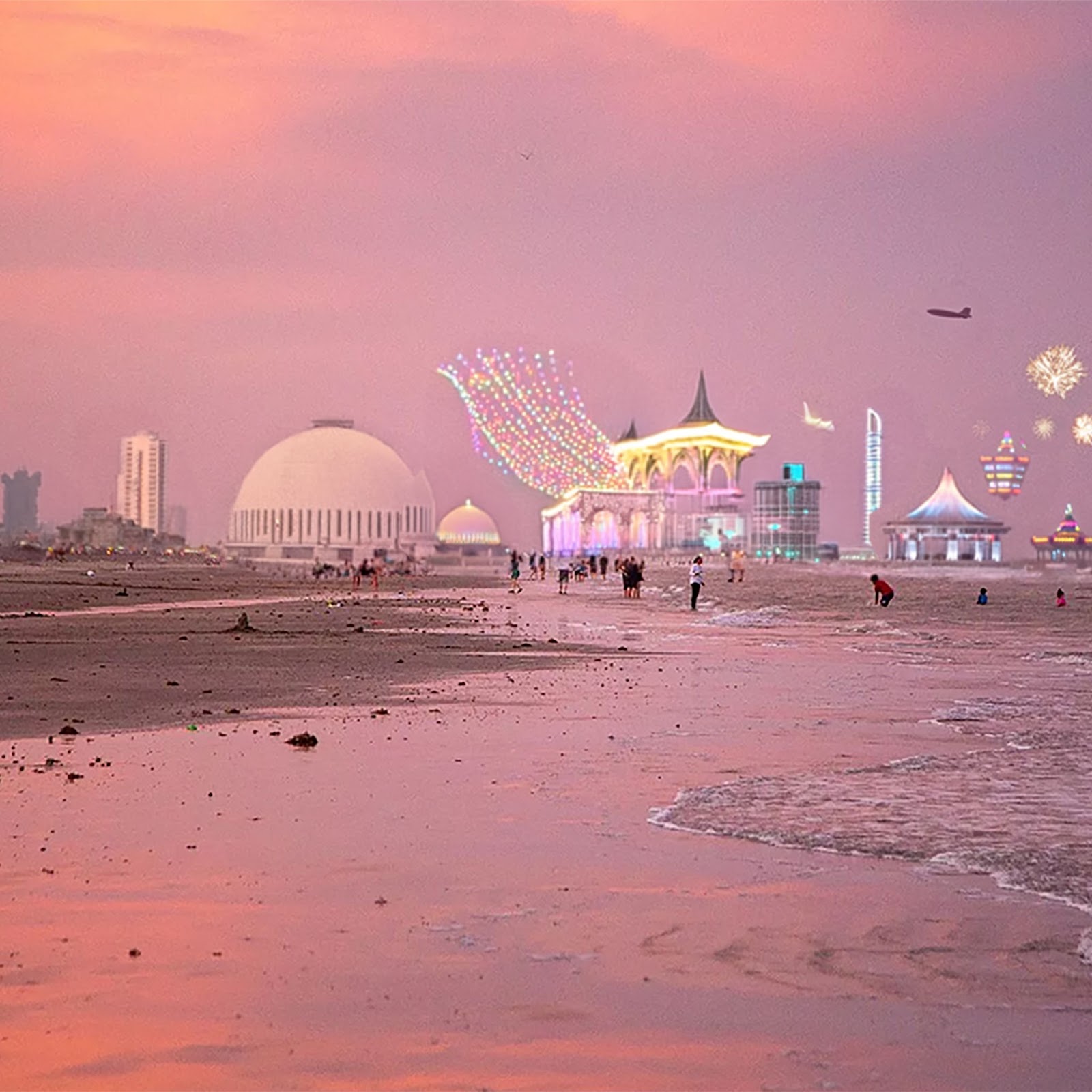
A century in the future, the burgeoning spectacle of global society’s implosion culminates in a symptomatic death bloom: a celebration of life too late in the form of the 2125 World Expo. Located in the port-city made paradise of Corpus Christi, Texas, this expo reprises the Grand Ring of its century-old, Osakan predecessor. A massive boardwalk of a city in a world going down singing, filled with constructs of virtues turned vices. As time marches on, the manicured grandness of this design will be overcome by auto constructed dwellings, and generations later, shall erode away. Once outgrown, this finite landscape will be used as raw material to craft the instruments of its populace’s withdrawal, and they shall act as agents of their own undoing.
THE PEN IS MIGHTIER
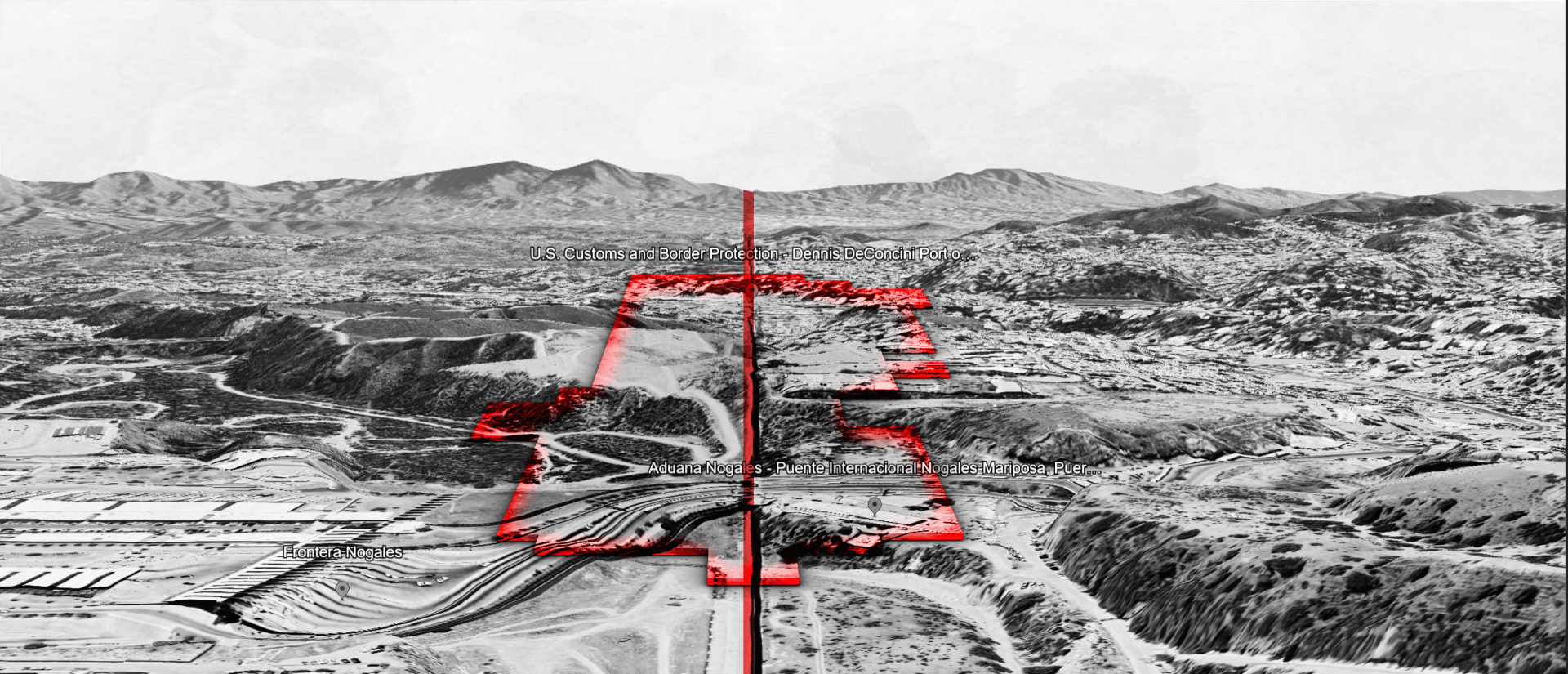
The Pen is Mightier reimagines the U.S.–Mexico border as more than a dividing line, it becomes a dynamic, inhabitable space. Grounded in the legal foundations of the U.S. 1862 map by Frederick von Egloffstein, the project interprets each 250’ x 250’ pixel as part of a 2.5 x 1.5 mile interior border grid. This politically neutral zone operates as a solar-powered “battery,” sustaining Nogales and Sonora. Within it, life unfolds: play, trade, migration, and pause. By occupying the line with human stories and infrastructure, this thesis challenges the rhetoric of division and asks us to envision borders not as ends, but beginnings.
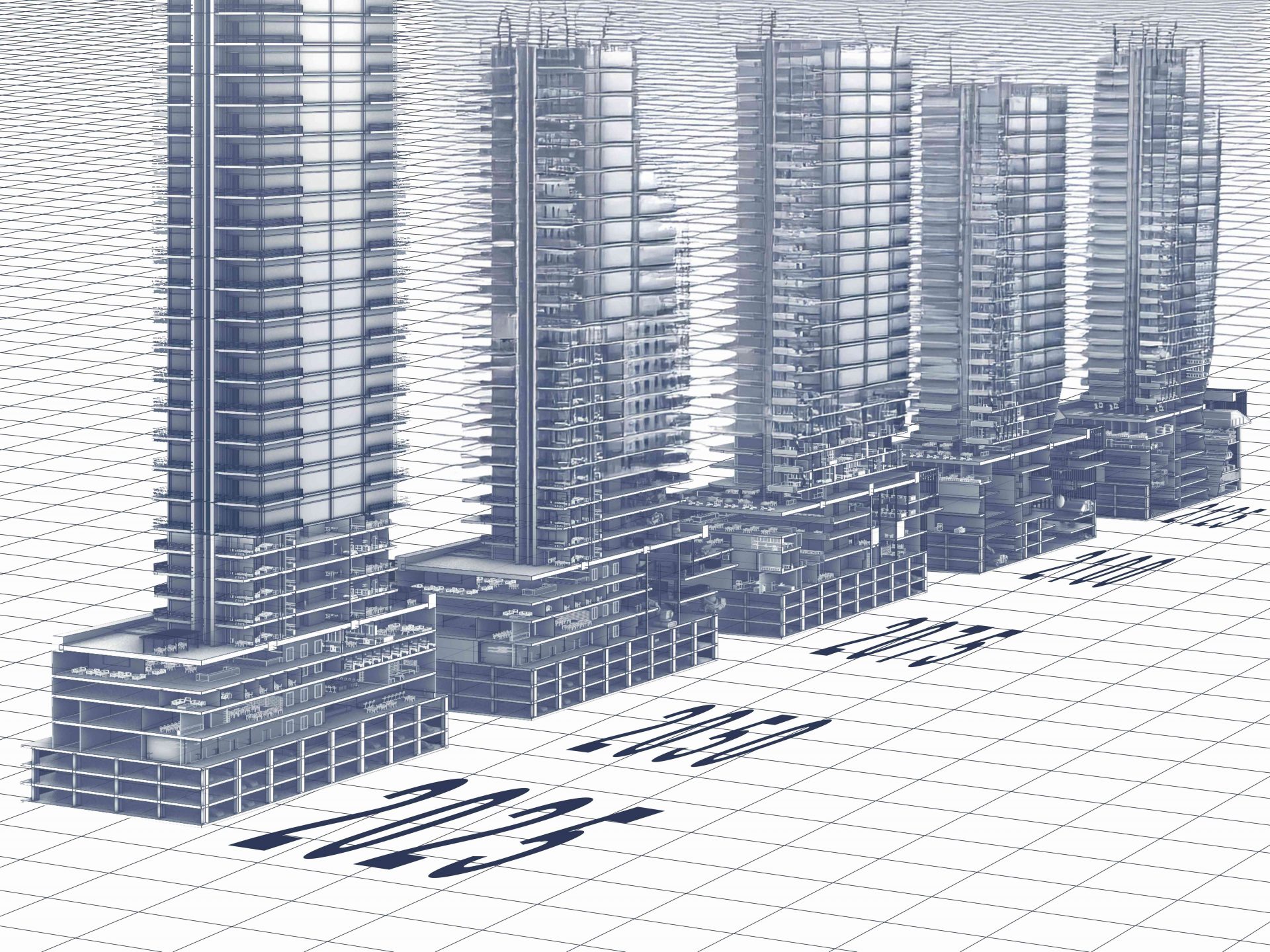
A Highrise of Parks
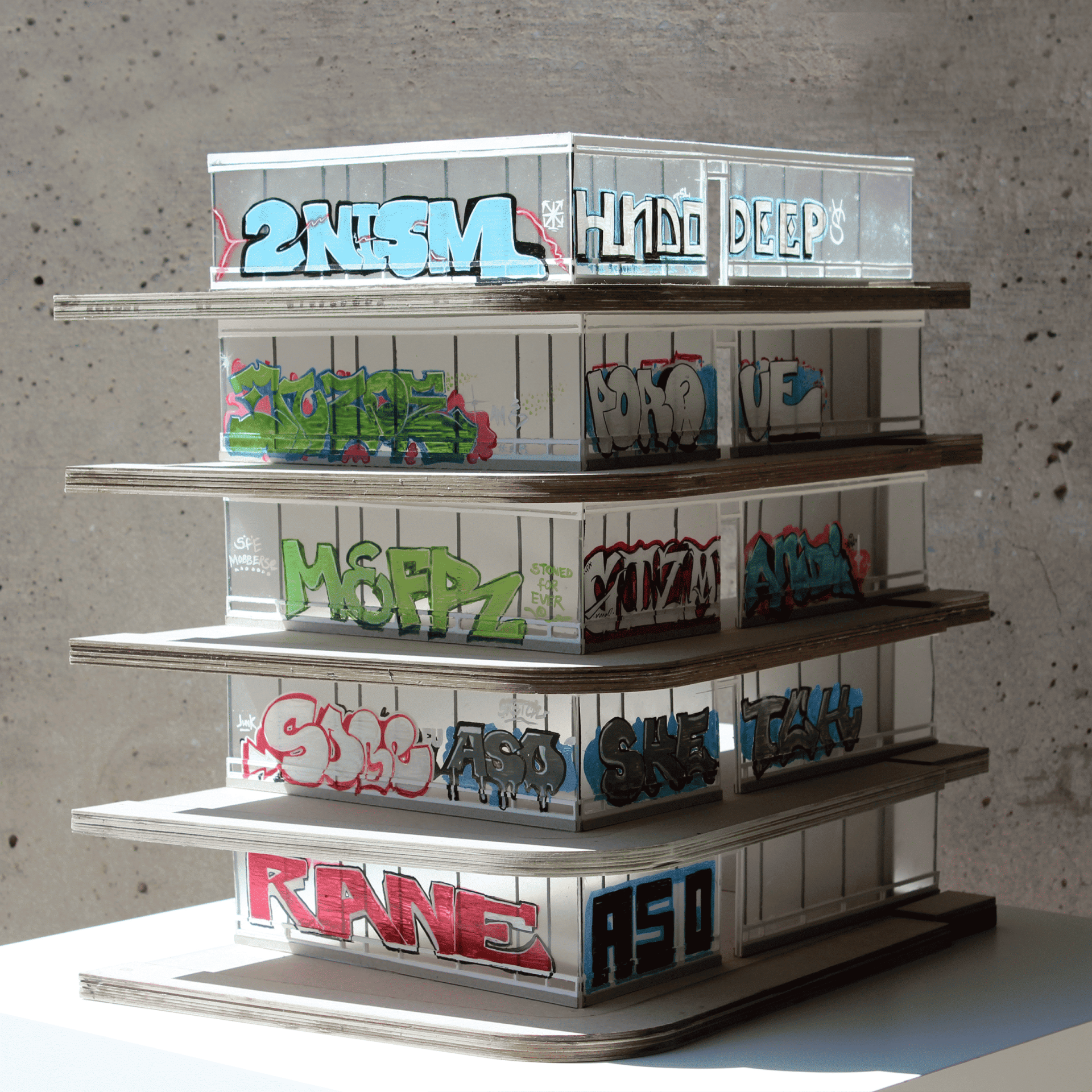
A Highrise of Parks reclaims the abandoned towers of Oceanwide Plaza in Downtown Los Angeles, transforming them into a vertical public park. Instead of building across the city, the park stacks upward—an inversion of the traditional horizontal greenway. A new supporting core is inserted to house both essential back-of-house infrastructure and public programs that enrich the park experience. Each level becomes part of a distinct “world” , shaped by height, light, and view. Once envisioned as a privatized mixed-use complex, the site is reimagined as a civic offering—restoring green space to the public and reintegrating the towers into the fabric of the city.
THE CHILDREN OF THE EARTH AND SUN
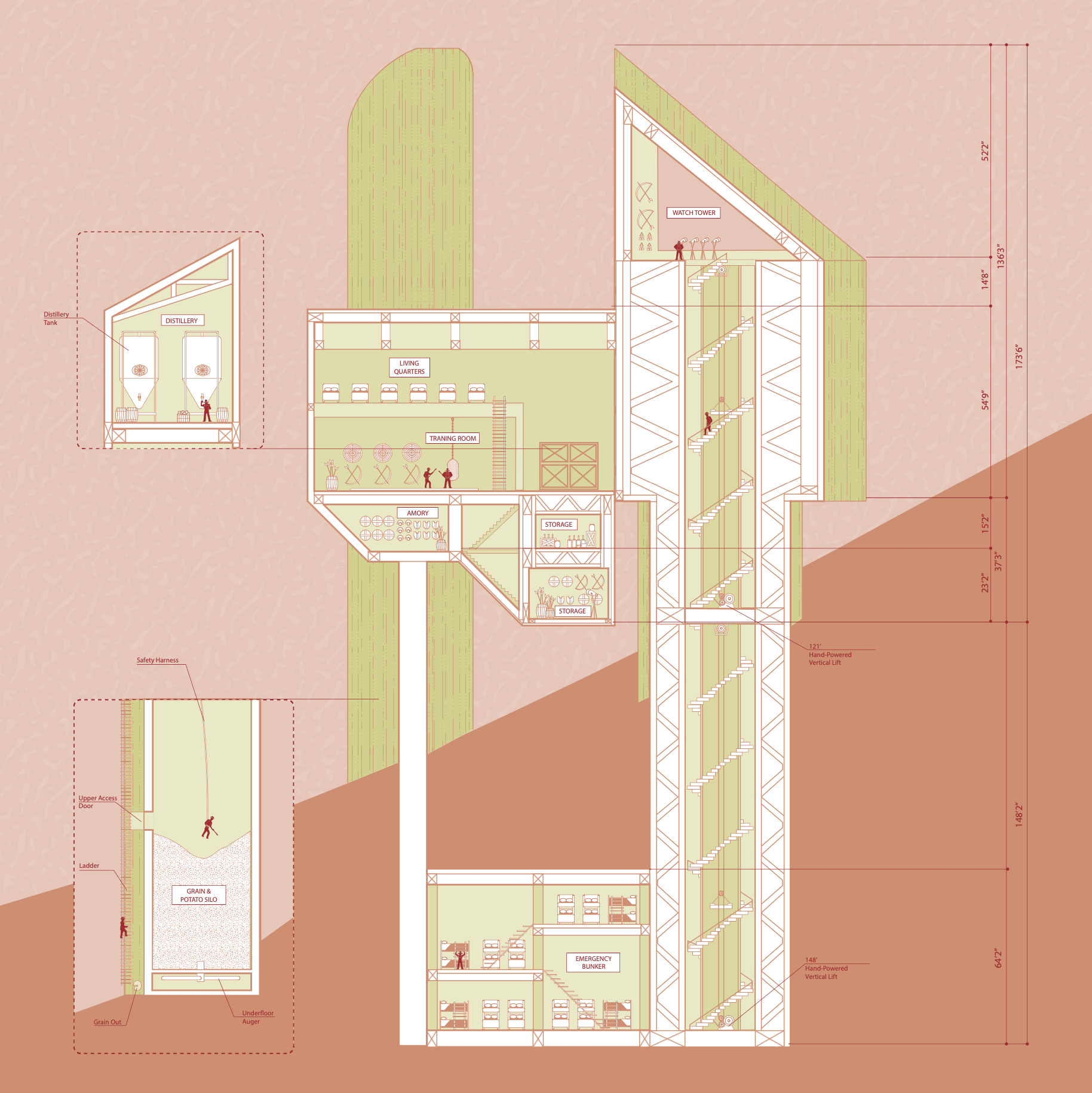
“The Children of the Earth and Sun” is a speculative, regenerative farming community that critiques contemporary sustainability efforts through the lens of ritual and devotion. Set in fire-scarred Paradise, CA, the project reinforces bureaucratic sustainability goals within a hyper disciplined system rooted in closed-loop cycles of food, energy, and governance. Architecture becomes shelter, ceremony, infrastructure, and instrument. Each building, a “child”, maintains a sacred stewardship – harvest, worship, lumber, power, water, cooking, and security – offering a serious and sincere blueprint for a self-sufficient future.
ARCHITECTURE ON WHEELS
Architecture has long privileged the pedestrian, defining a normative body while excluding others. As cities face ecological and social transformation, this thesis asserts: the future is wheeled. Rooted in Donna Haraway’s cyborg theory, it centers users who glide, roll, and carve—extending their bodies through wheels. This vision takes form in a radical DMV-skatepark hybrid under a Los Angeles freeway, where ADA-informed concrete slabs undulate and embed “programmatic boxes” to guide movement like a marble run. Universal design isn’t corrective—it’s the foundation. Architecture must now respond to motion, sensation, and the evolving ways humans inhabit space.
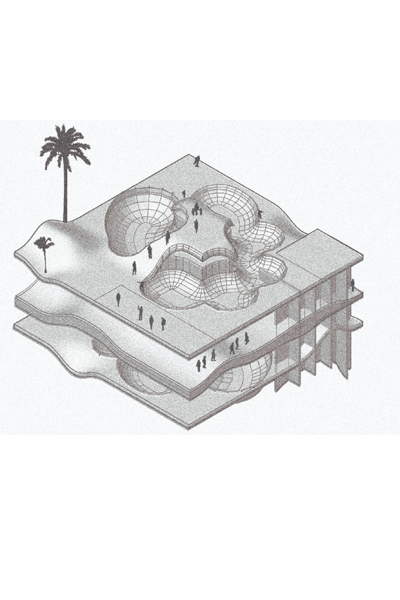
TEXTURE OF THE UNWRITTEN
A building is a combination of planned and unplanned actions; it emerges from both intention and improvisation. This thesis proposes a structure that embrac- es the unplanned and informal dimensions of lived space within the context of formally designed architecture—a space where occupants actively shape their environments through use, modification, adaptation, and layering. In response to Vietnam’s rapid urbanization, it reimagines co-op housing as a resilient, com- munity-driven model that preserves local economies, fosters shared living, and sustains cultural practices within adaptable, open-ended spatial frameworks.
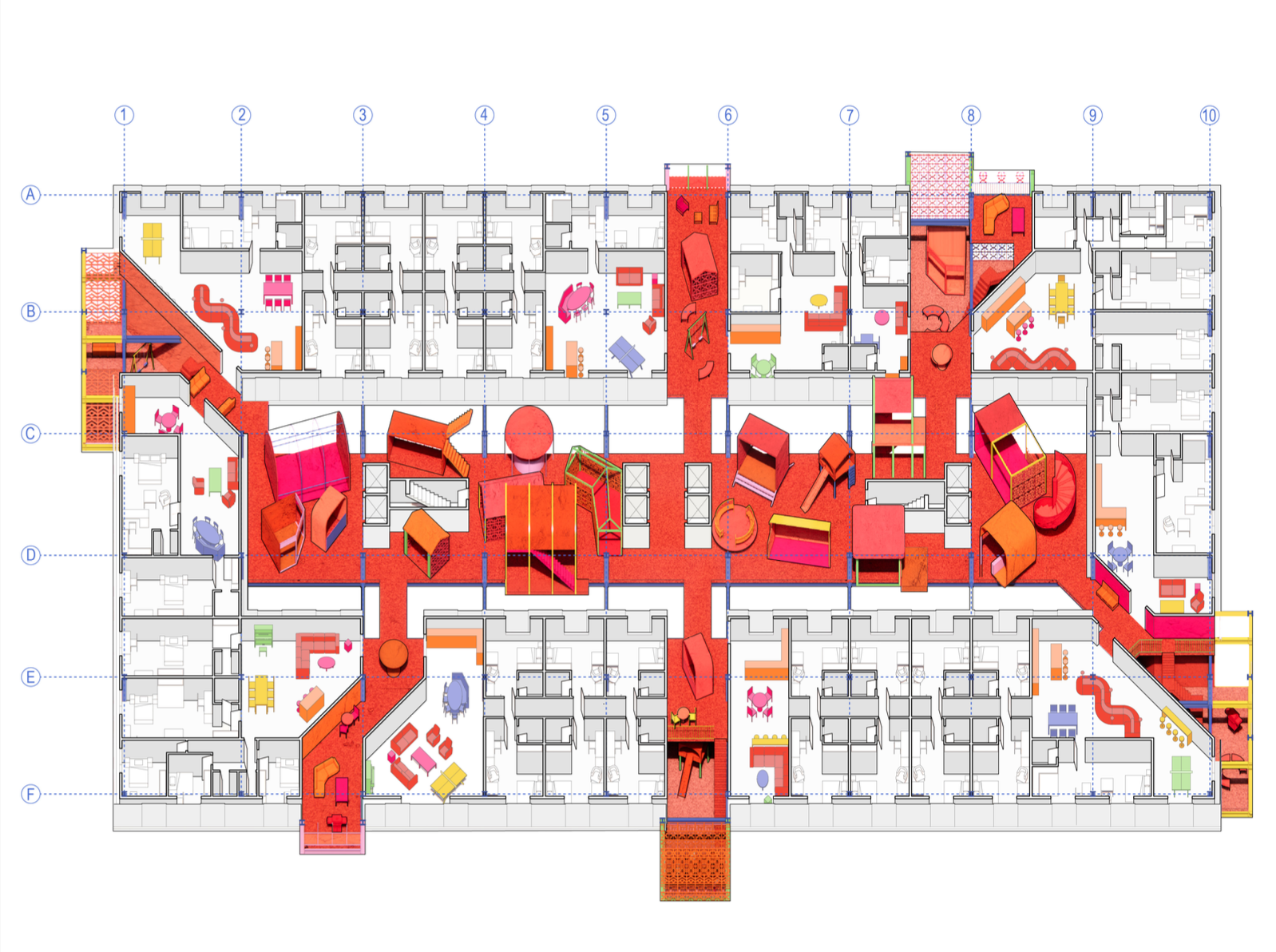
THE CHOREOGRAPHY OF SPACE
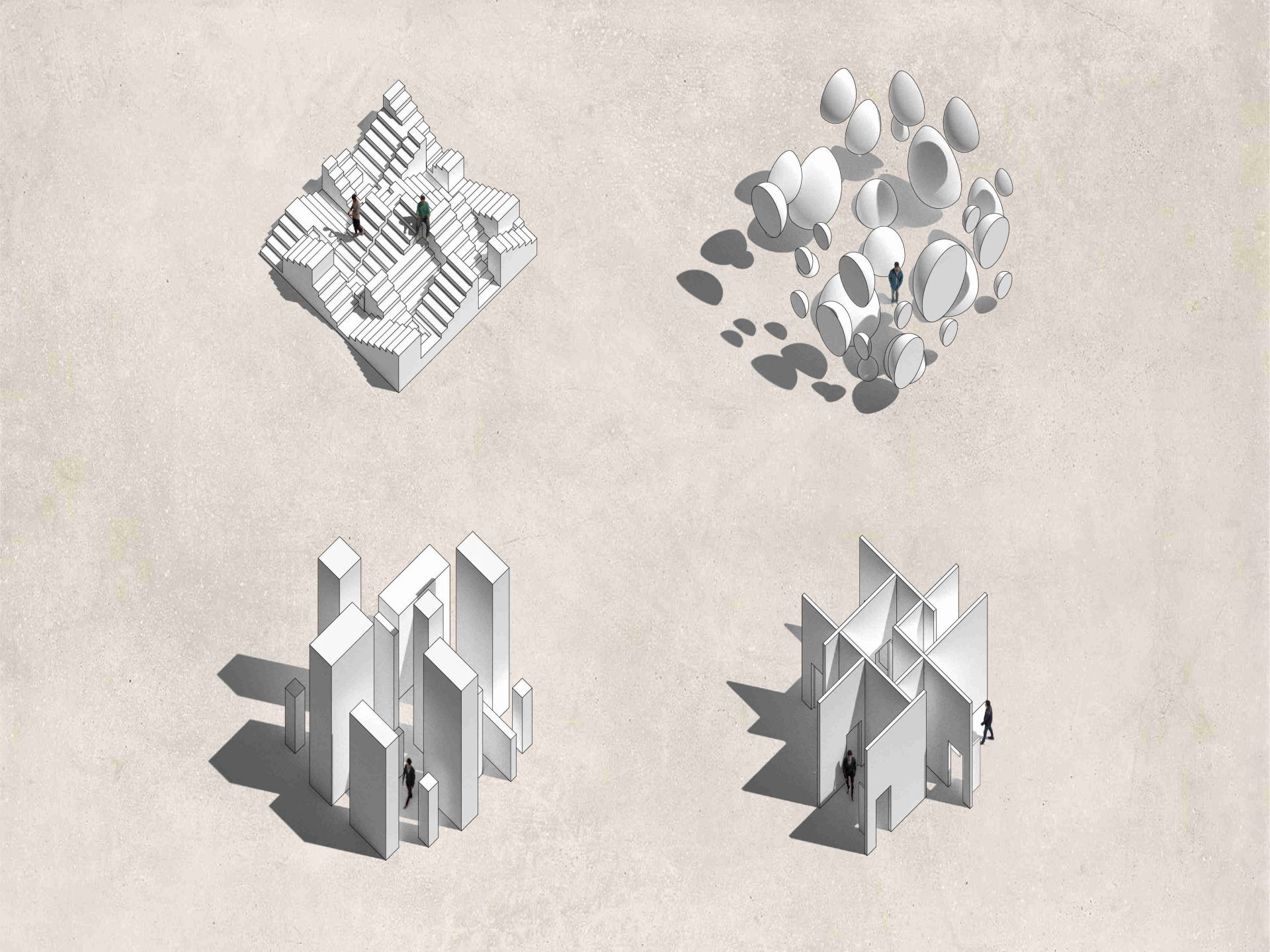
Architecture is choreography. In this project, eight dance environments are assigned to street dance styles and designed to alternate over time. These spaces introduce elements that disrupt norms: angled or curved mirrors, sensory variations, and thematically driven spaces that direct orientations and spotlight moments of expression. As a work of total spatial arrangement, the project weaves together dance, preparation, paperwork, janitorial work, and audience experience into a dynamic sequence. Within the building, four distinct constituents—dancer, viewer, worker, and performer—are intertwined through their interactions with space. Together, they reflect the project’s central question: how can architecture not only host but shape the act of dancing?
A Boulder Hyderabad
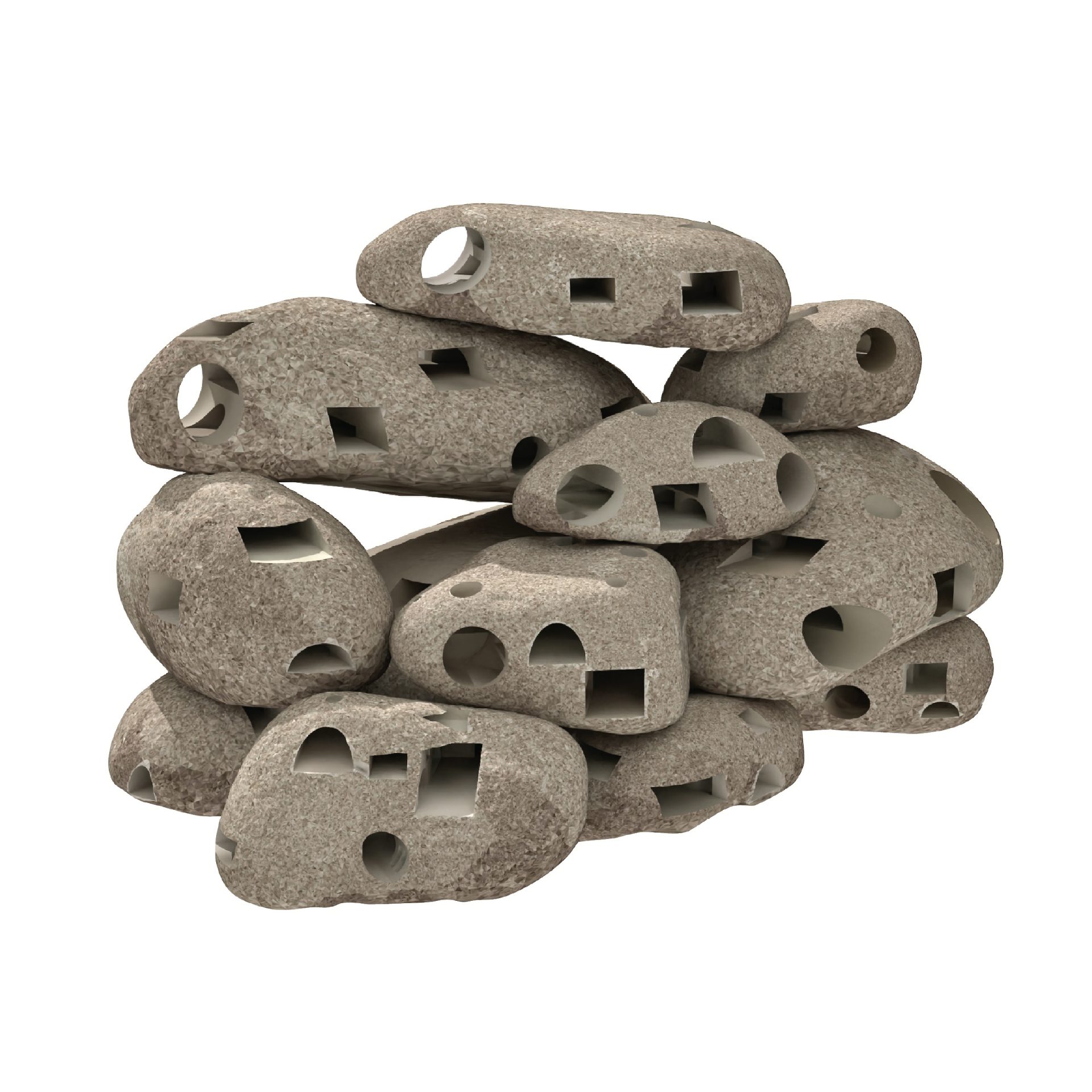
In response to Hyderabad’s increasing reliance on glass and steel in
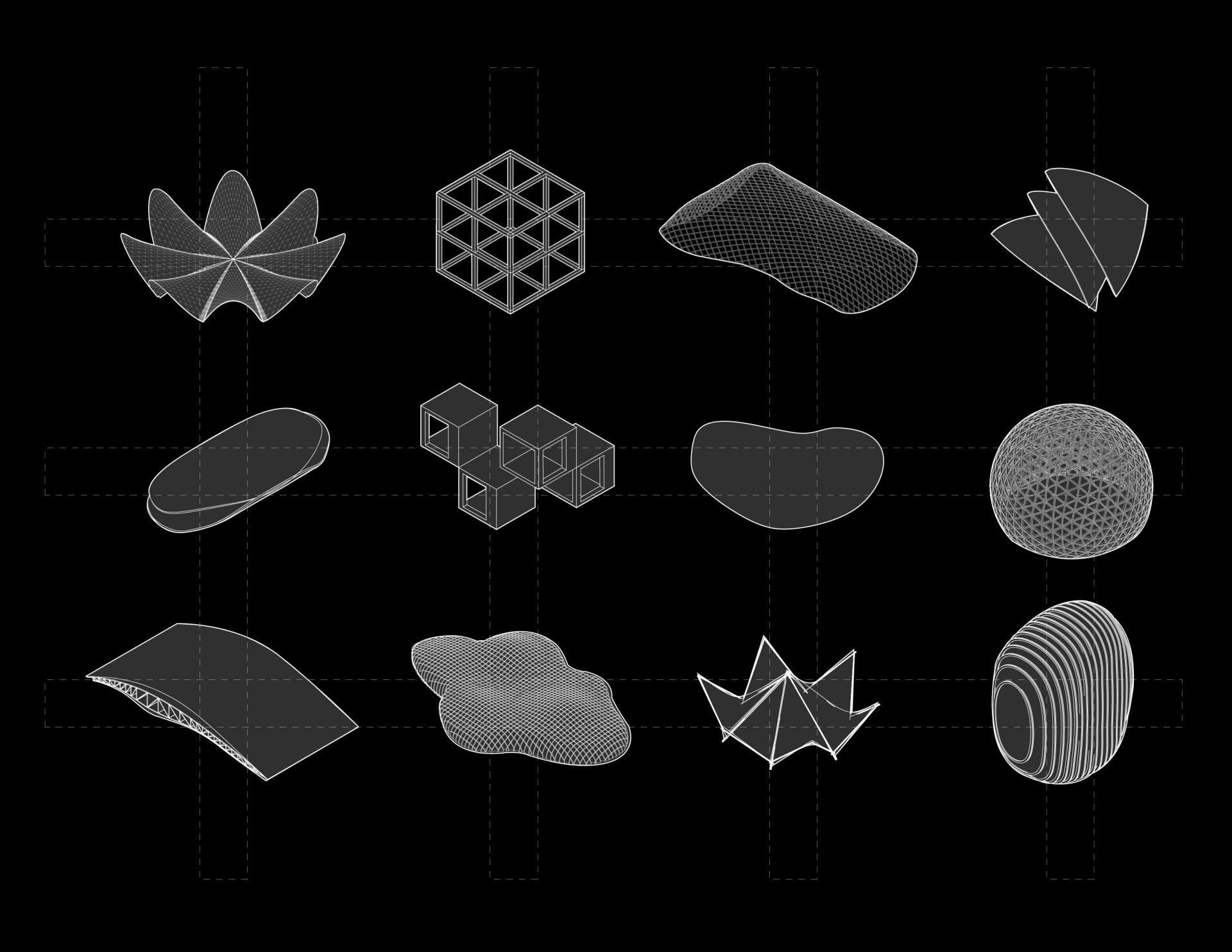
pursuit of global aesthetics, this thesis proposes that the shape and materiality of Modernisation in Hyderabad are Boulders. By embracing the natural abundance of boulders on the Deccan Plateau, it redefines modernisation through the materiality and permanence of rock. Using stereotomic techniques to carve regular, habitable forms
such as cubes, cylinders, and tubes into irregular rock masses, this project develops a new architectural typology that is both locally grounded and forward-looking. It envisions a future where modern spaces are not imposed on the landscape but are revealed from within it, preserving and celebrating Hyderabad’s rapidly vanishing natural terrain.”
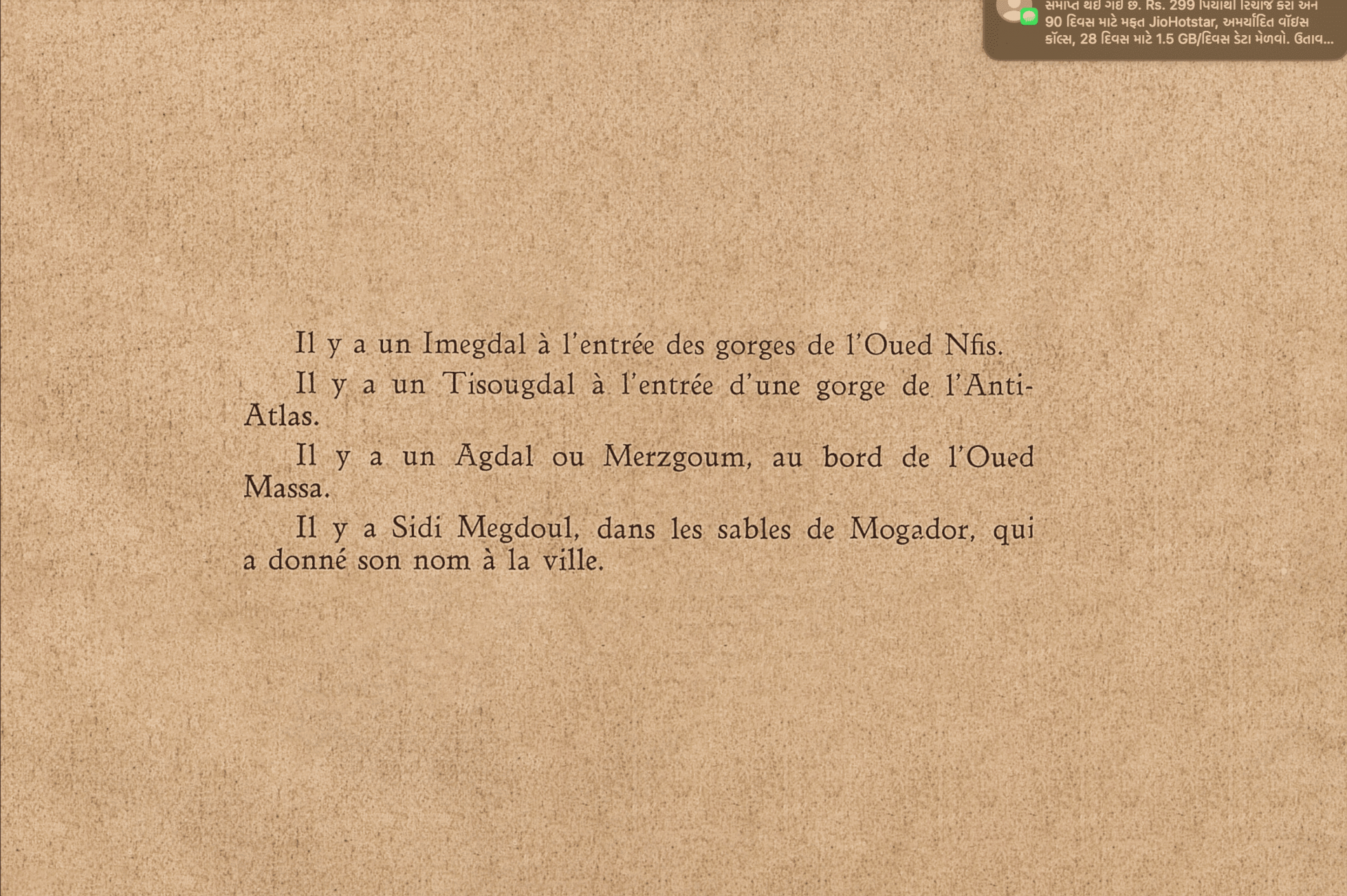
ⴳⴷⵍ ‘gdl’
Aguedal vient d’une racine berbère ‘gdl’ qui signifie garder, protéger, réserver.”
Justinard, L. (May 1936). Les propos du Chleuhs: Aguedal, sagesse, et poésie [Words of the Chleuhs: Aguedal, wisdom, and poetry]. Revue de l’Aguedal, 1.
This thesis explores the erasure and reclamation of Amazigh vernacular architecture—an adaptive, resilient tradition shaped by nomadism, ecological intelligence, and oral transmission. In the aftermath of the 2023 Al Haouz earthquake, which exposed both seismic fragility and the systemic marginalization of Amazigh communities, this project challenges Western, top-down models of reconstruction. It advocates instead for the revival and reimagining of lost indigenous typologies—not as static heritage, but as living, evolving frameworks for cultural continuity, spatial justice, and ecological stewardship. Through design as a political and pedagogical tool, this work repositions architecture as a vehicle for self-determination, resilience, and regenerative futures.
A Regenerative Build
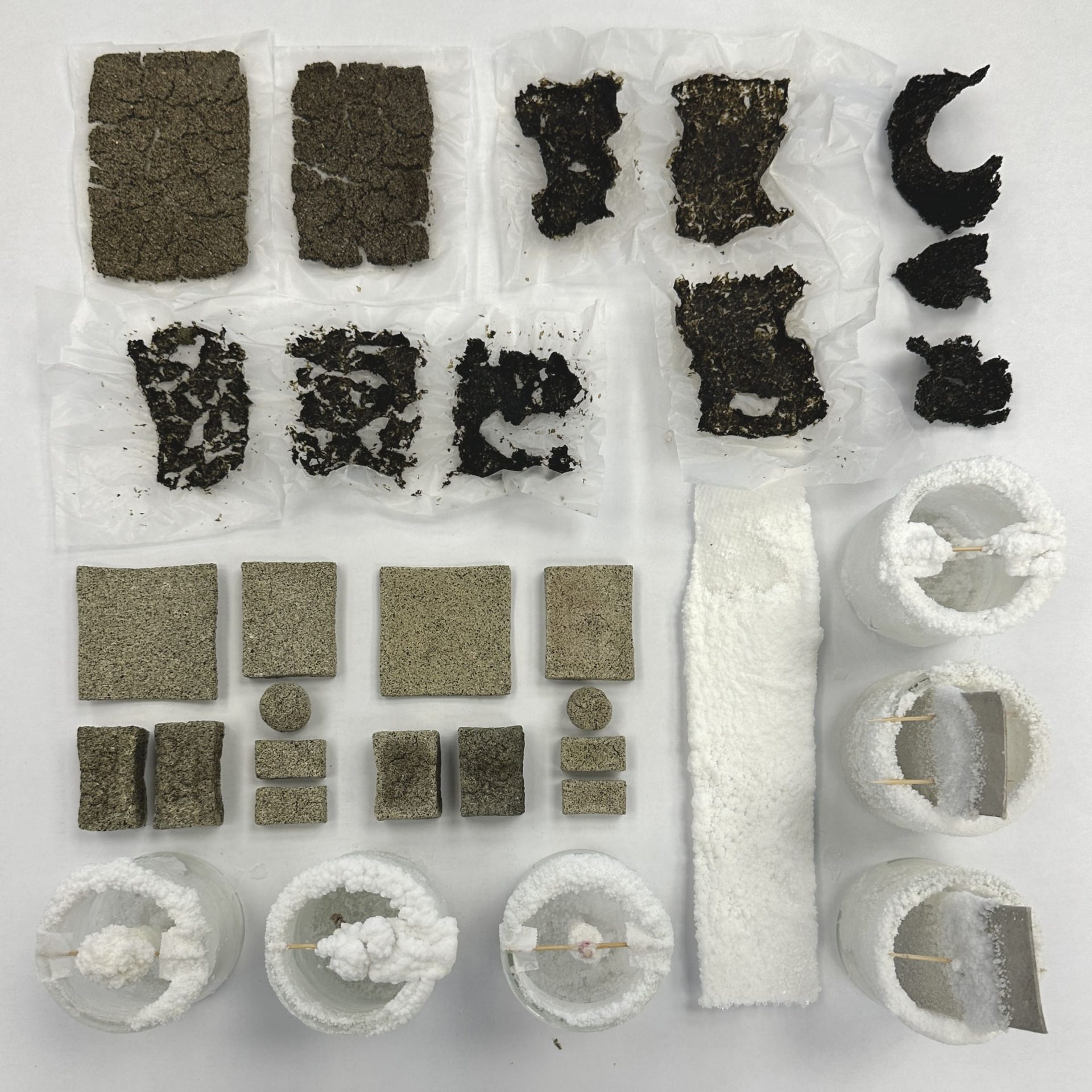
As climate change intensifies, the construction industry continues to be a major contributor to environmental degradation through excessive resource extraction and pollution. This project seeks to challenge traditional methods of material selection by encouraging designers to adopt more sustainable, localized alternatives. Focusing on marine-based resources, the initiative explores how natural processes can offer innovative solutions that occupy minimal land space while reducing ecological impact. These alternative materials not only lessen environmental harm but also open up new aesthetic and functional possibilities in design. By rethinking how we source and use materials, this project promotes a more responsible and regenerative approach.
flux // objects that make space
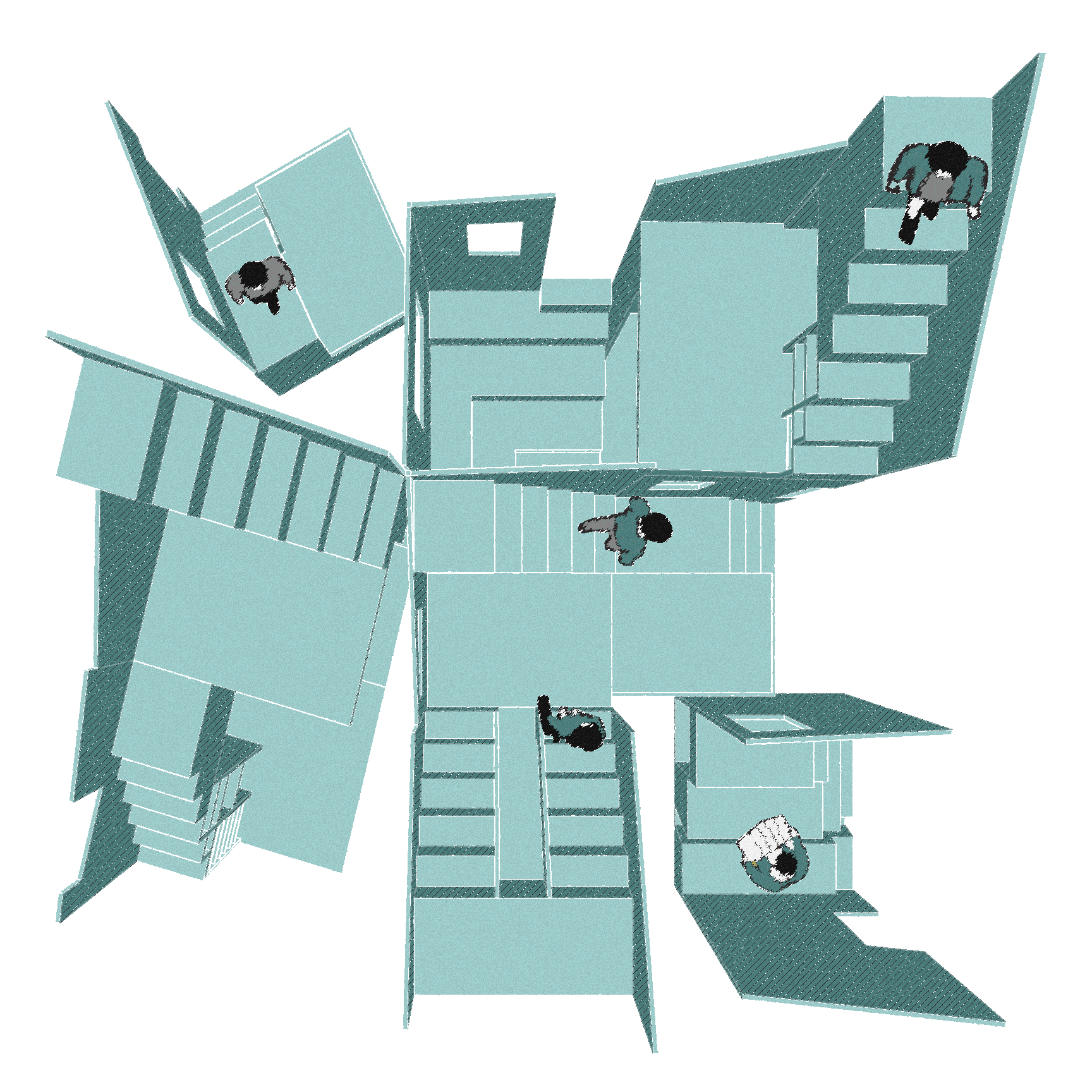
flux begins with the idea that architecture continues through the objects we live with. Personal items don’t just fill space; they shape it, imbue it with meaning, and transform it over time. This project scales that concept up, proposing eight hinge-connected modules that act as spatial generators. Each functions as a stage for daily life—supporting rest, work, storage, and circulation—while remaining flexible and reconfigurable. Designed to inhabit vacant shells like big box stores or theaters, the modules form architecture from the inside out. flux offers an open-ended system where space is built through movement, ritual, and personal expression.
Spatial Fiction:Exploring the narrative potential of architectural representation
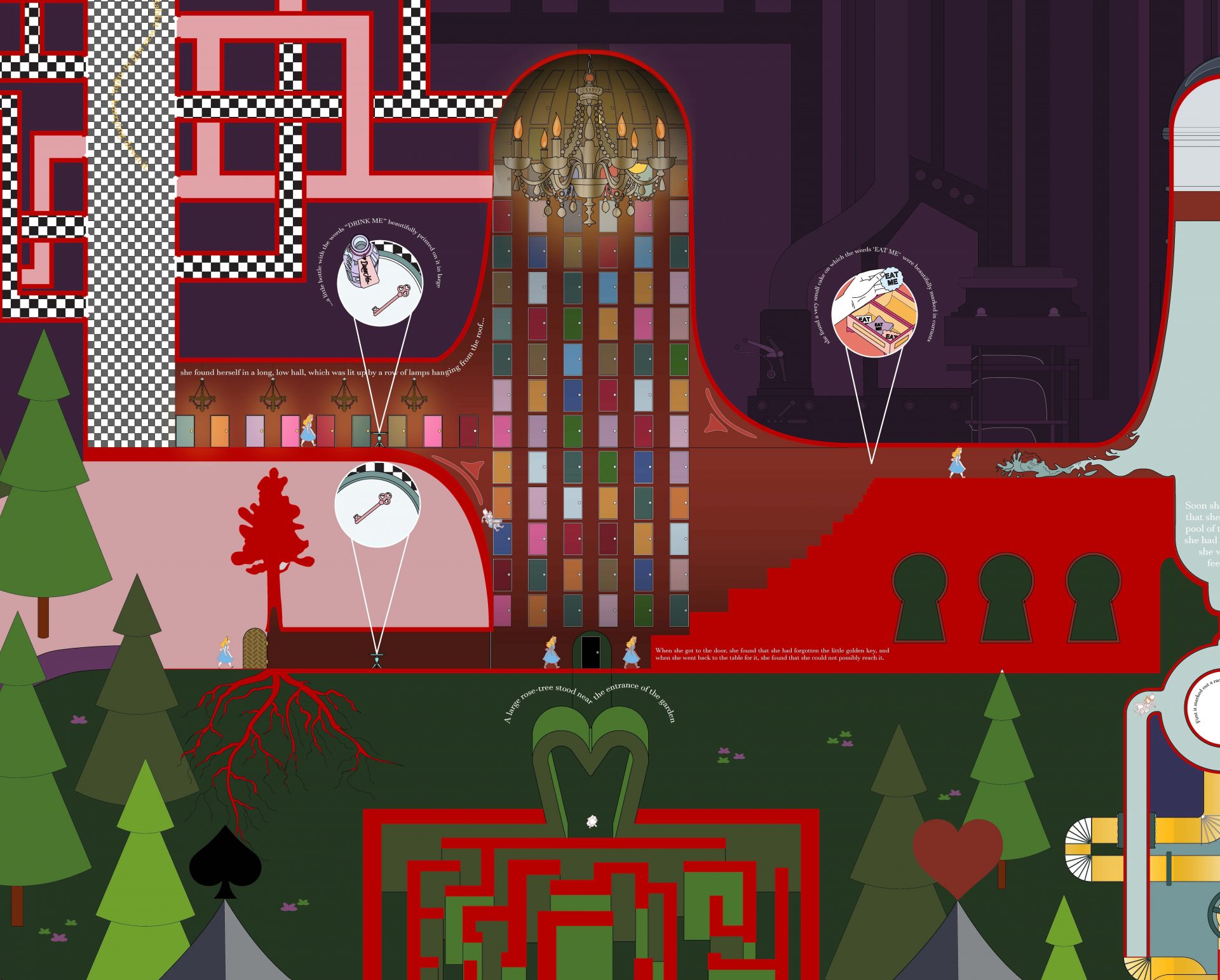
This thesis project explores how standard orthographic drawings, much like literature, communicate stories through visual and pictorial clues. By examining parallels between architectural representation and narrative techniques in literature, film, video games, and comics, the project challenges the notion that architecture is limited in its expressive capacity, demonstrating that drawings themselves can act as narrative devices that engage both practical and emotional storytelling. Using the story of Alice in Wonderland as a narrative framework, the project investigates architectural representation techniques through a series of vignettes, each exploring different levels of control over information given to the audience. These moments reveal how drawings can shape perception, obscure or reveal meaning, and guide interpretation—treating architectural representation not just as a technical tool, but as a visual language of narrative construction.
Living Shells
The world is constantly changing, and yet buildings remain static. As our cultural, social, and environmental landscapes shift, the spaces that we inhabit often stay underused, forgotten, or abandoned.
Core and shell construction offers an adaptable architectural solution: By building the structural/infrastructural framework (cores) and exterior enclosure (shells) the interior is left unfinished for future tenants to customize.
This thesis reimagines core and shell development as more than just a construction method, but as a collection of shells forming a megastructure, designed with spatial and formal qualities allowing for certain infilling of program, specifically commercial, office and residential. These shells are integrated and arranged within a system of cores allowing for the creation of public spaces within the adjacencies in-between the shells. This megastructure of “Living Shells” thus becomes a self-sustaining machine which can adapt and change over time, allowing people to better shape spaces to fit their needs.
ACCELERATE
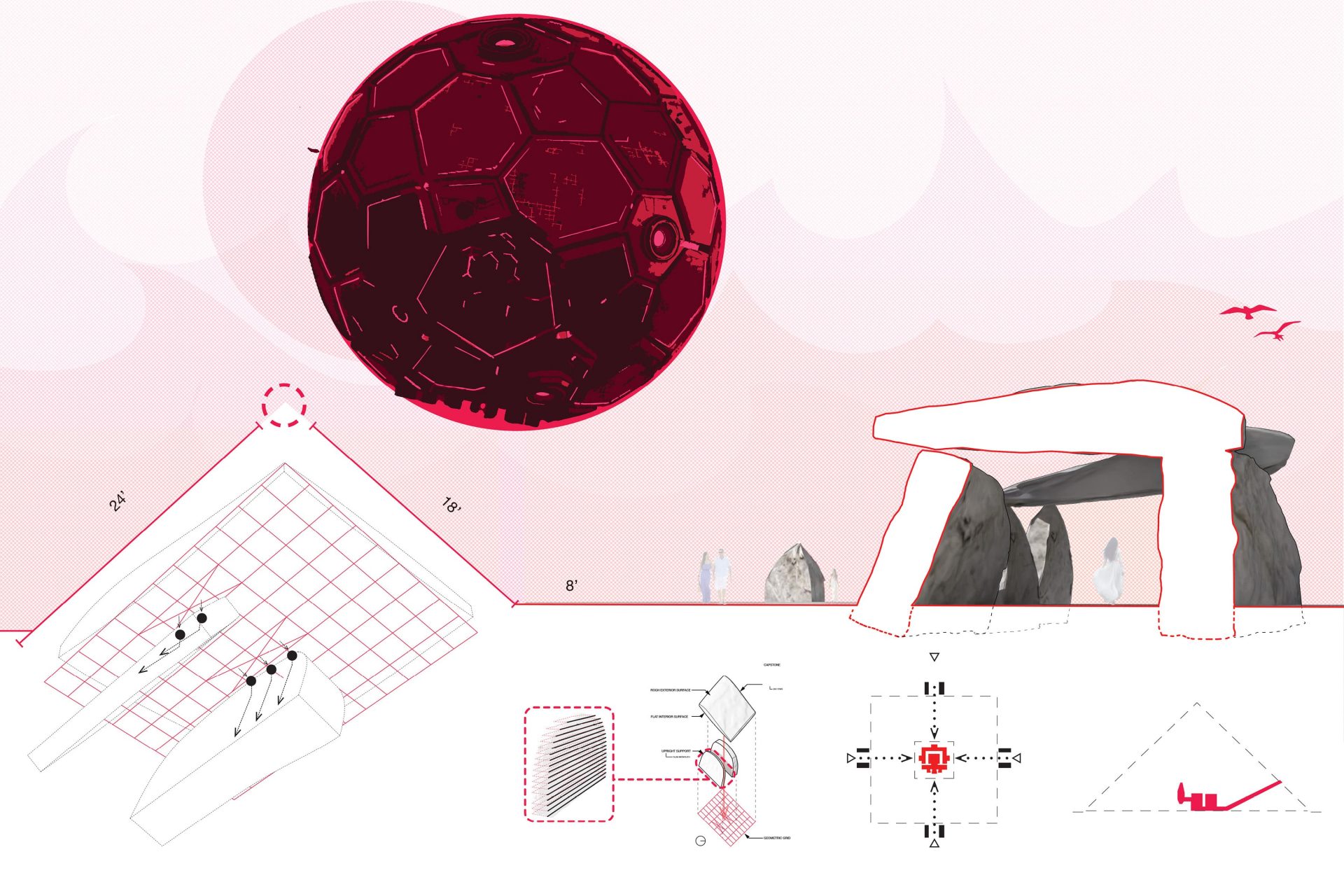
Considering we live in an advanced age of modern technology, we are still drawn to ancient megalithic structures. Humanity maintains an unresolved relationship with these structures and a connection to our past. In a world where technology is heavily integrated into our daily lives, these stone pavilions offer humanity a sanctuary and complete detachment from the Tech-World. Providing a space for imagination, wellness, and retreat.
In the Last Days of the City
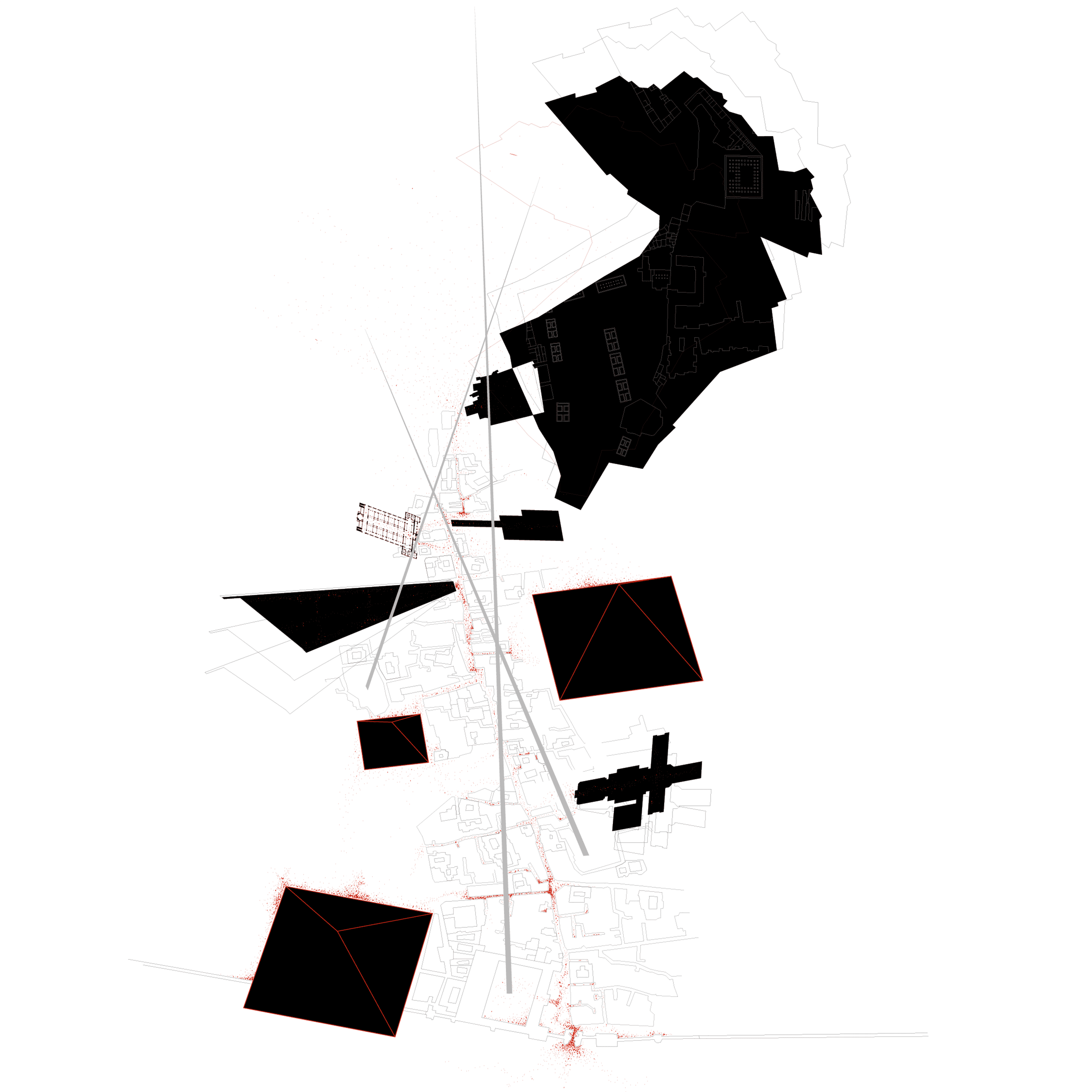
In the Last Days of the City is about how resistance defines architecture — in creation and destruction. Cairo’s political upheavals are understood first, in relation to its volatile urban growth; then through a single instance of building, the naadi on Gezirat el-Warraq.
Cairo is caught in a cyclical loop of regime and resistance. Each revolution begets more dysfunction. In the Last Days of the City asks: How can a limited urbanism be defined within a city on the brink of change? The project offers a novel other within the framework of Cairo’s informal building culture — one that resists precarity, demolition, and forced change — and formulates a space that is familiar, yet foreign. A way of working with Cairo, not in opposition to it.
Through the guise of a naadi (loosely defined as a community center), the case study conceals a midan: communally inhabiting the public square. The naadi on Gezirat el-Warraq is one possibility, on one site. But the project points to possibilities latent across Cairo. A city where the act of design suggests a model of being after its last days.
Shifting Attentions
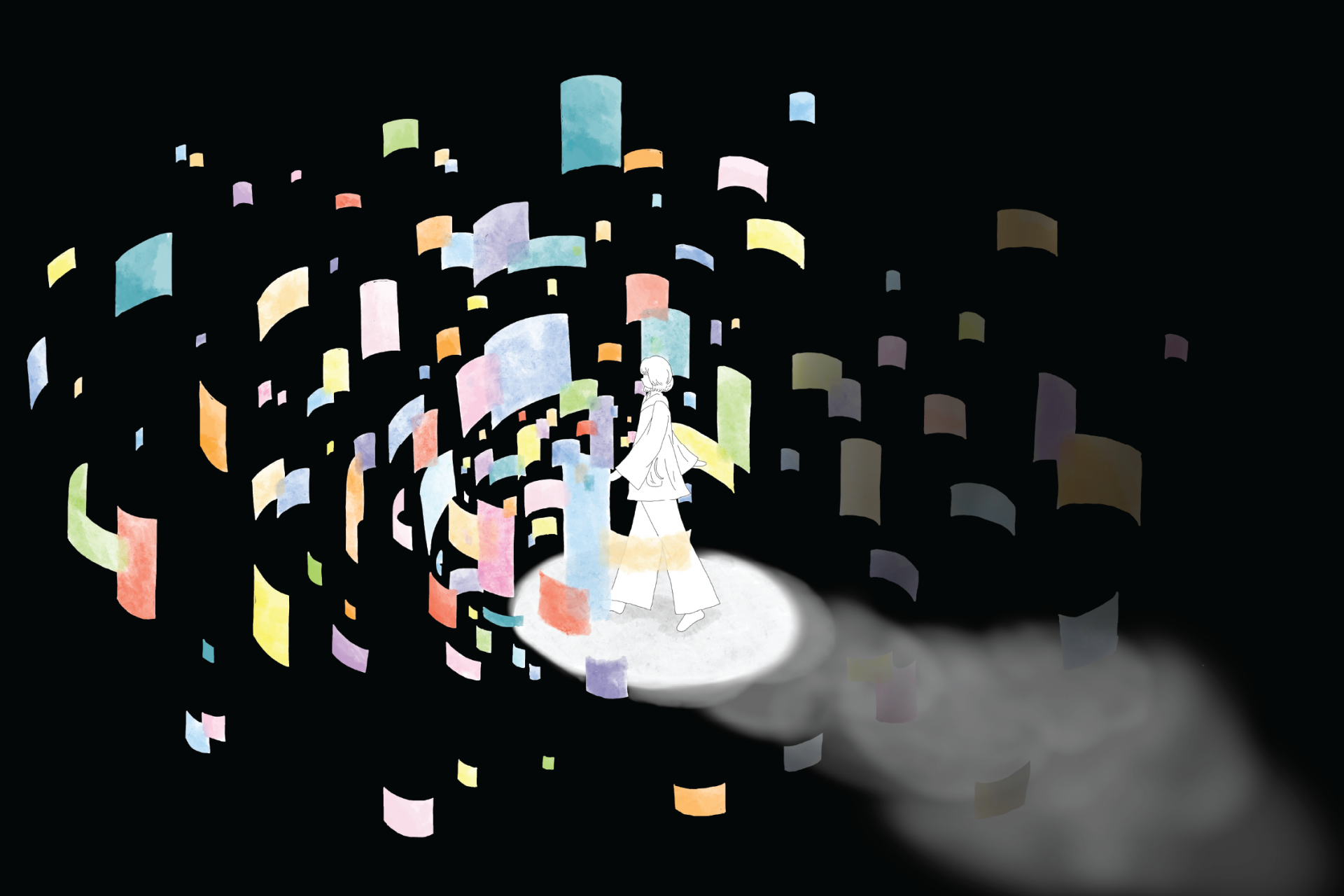
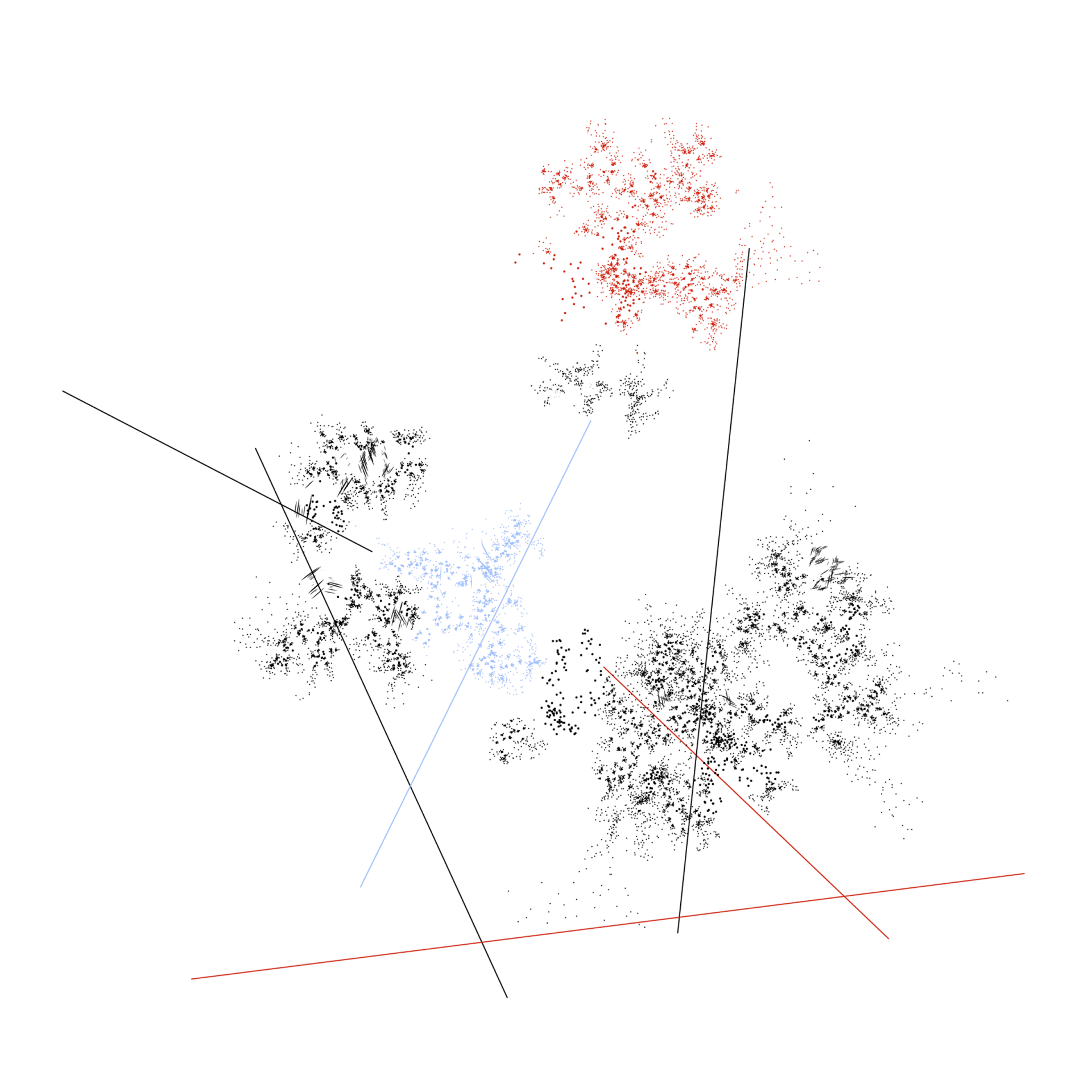
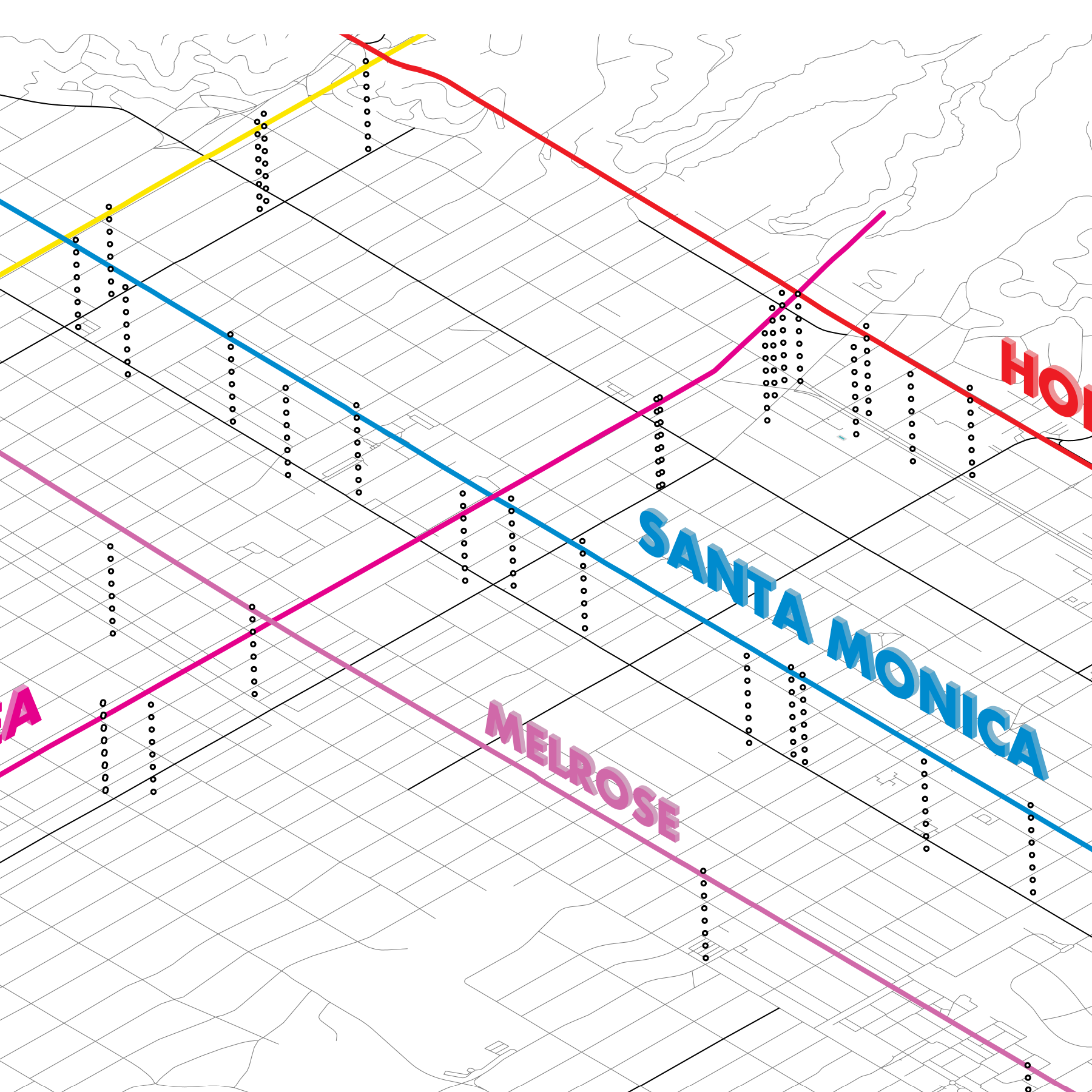
Los Angeles is a city shaped by spectacle—defined by its car-centric infrastructure and an urban language that thrives on instant attention and sensory overload. In a landscape built for speed and surface, the future city dweller—the hopeful pedestrian, the carless student—finds little space to pause, reflect, or simply be.
This thesis proposes a network of sensorial refuges dispersed throughout the city: spaces of retreat embedded within the chaos, architecturally defined by the vernacular materials of Los Angeles—the everyday objects and surfaces that quietly shape its urban fabric.
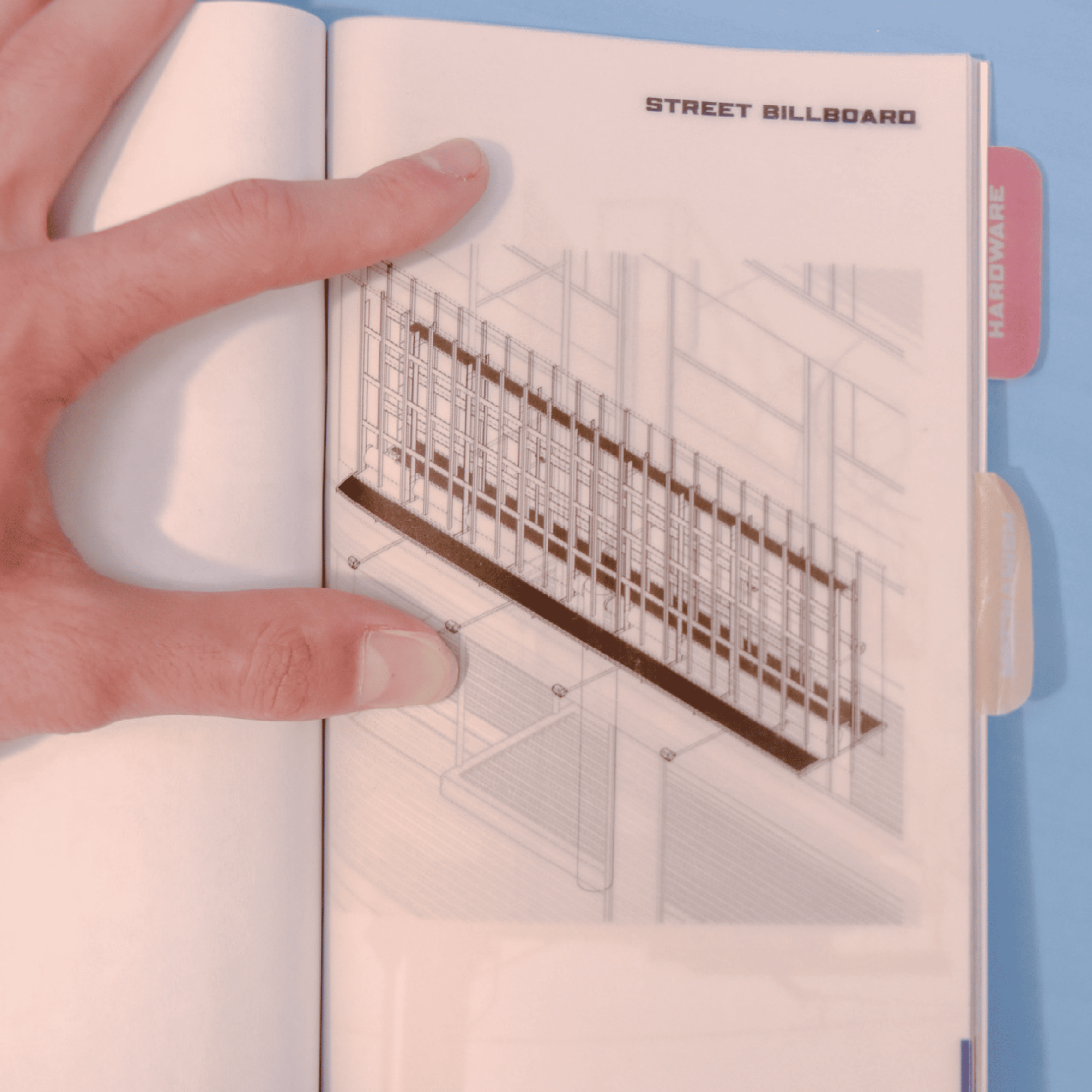
Reimagining the billboard—a symbol of LA’s visual excess—as a new urban beacon, these interventions offer moments of quiet introspection amid the noise. Anchoring this network, a central hub located on Melrose functions as an “urban cloister,” inviting passersby to step out of the overstimulated flow and into a space of calm, attention, and human-scale experience.
Vestigial Structures
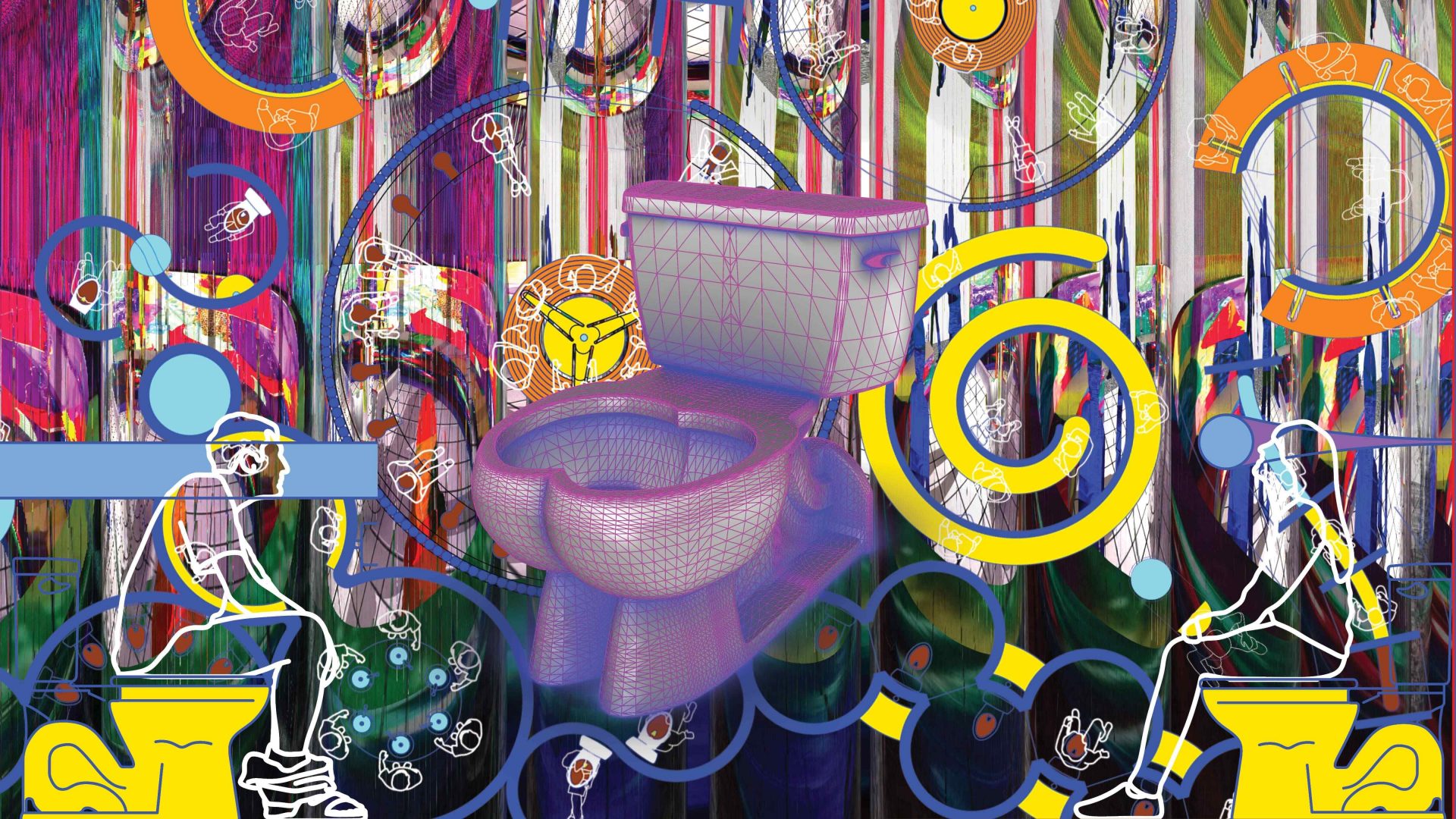
Public bathrooms are not neutral utility—they are relics of social control. Gender-segregated restrooms are vestigial structures of a patriarchal past, encoding binary ideologies into architecture. This project reclaims the bathroom as a biopolitical site of collective care. It proposes a modular, expandable public sanitation system that uses public land, fire hydrants, and sustainable water filtration to center equity, safety, and ecological responsibility. No longer hidden in back rooms, these bathrooms become visible civic statements—spaces of dignity, not division.
Constructed from reflective, permeable, and light-bending materials, the units promote transparency, hygiene, and visibility. Their form is as adaptive as the bodies they serve, offering not just toilets, but drinking water, showers, laundry, and shelter. This is infrastructure as sanctuary—a model for urban public space that transforms exclusion into inclusion, and waste into renewal. In doing so, it dismantles outdated codes and reimagines public bathrooms as sites of urban transformation.
In the Event of Total Loss
Two bodies field the impacts of the built environment’s destruction post-disaster: those who face damage to the structures they occupy, and the policies that govern their status after the event. United in an inverse relationship, insurance companies rely on risky behavior to shape profits while policyholders embrace the moral hazard of establishing themselves in places destined for eventual collapse. Absurdity is inherent to this connection; both the risk-sharing pools of insurance and the near guarantee of eventual natural destruction are paradoxical blankets of comfort. Building upon precedents of kit homes in cities at the epicenter of the inevitable Cascadia earthquake, this project interprets ruin as opportunity to create disaster resilience with a catalog of homes that – rather than evade loss – embrace the absurd irrationality of hazardous environments and homeowner’s policies by developing a design language that projects post-disaster payouts from individual willingness absorb risk.
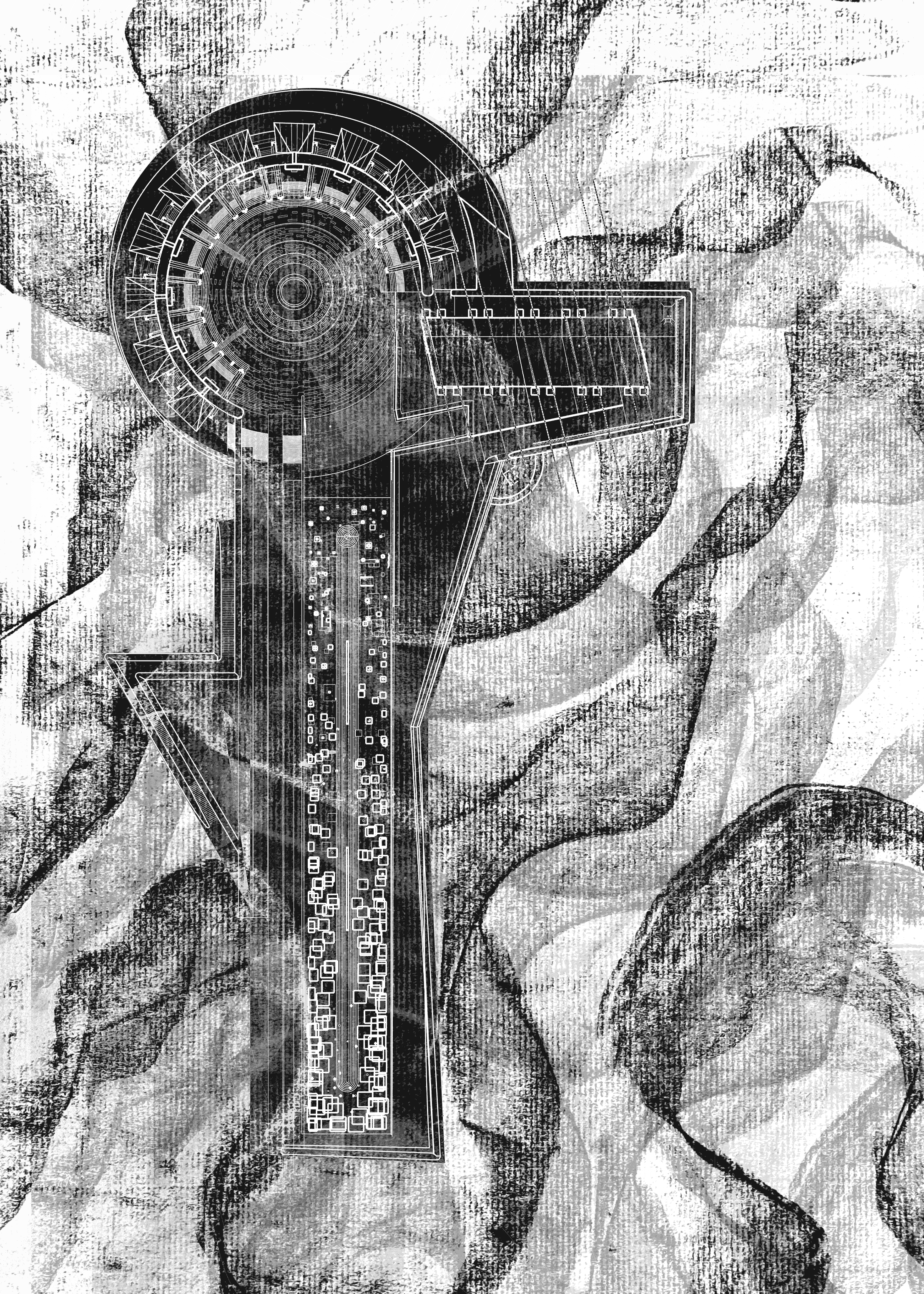
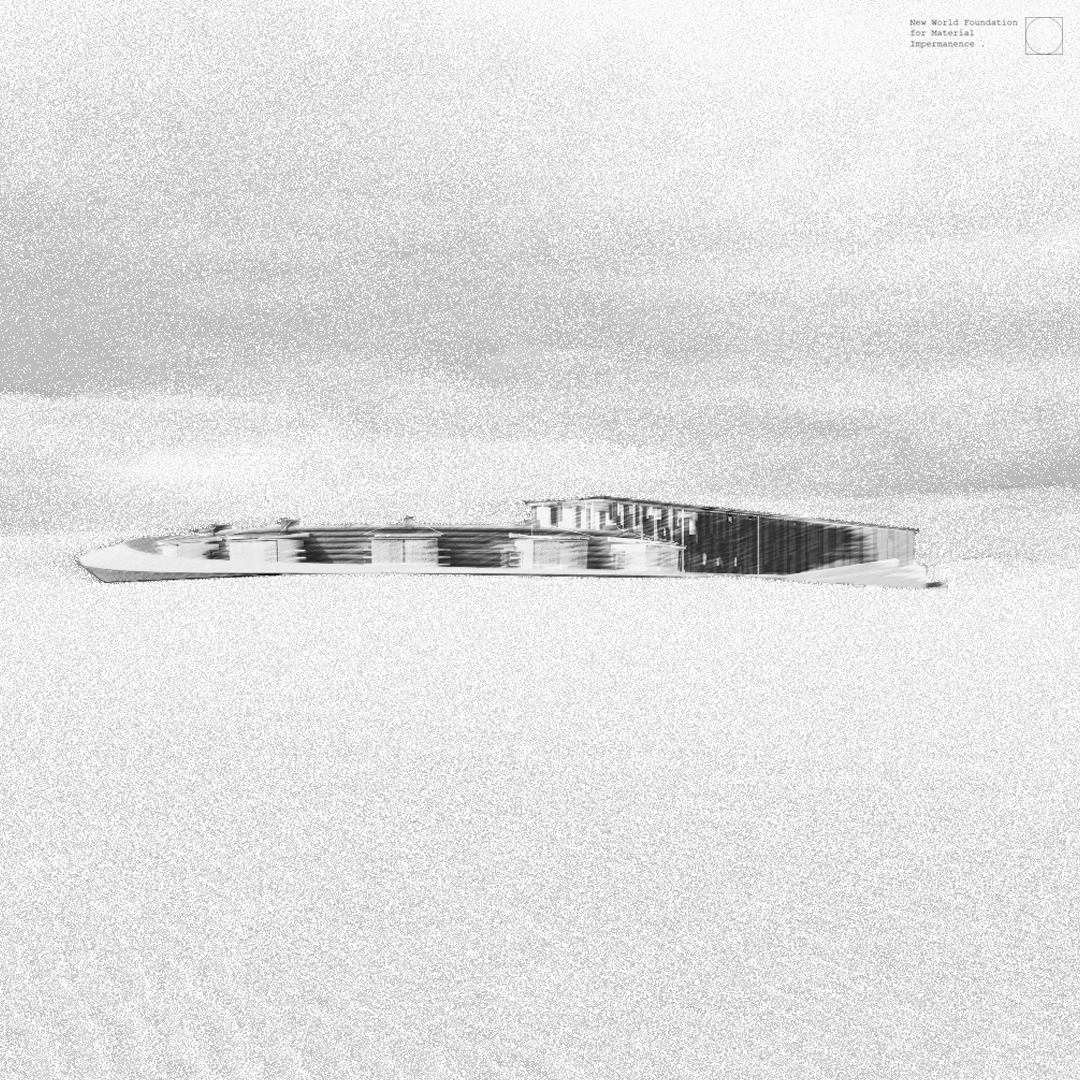
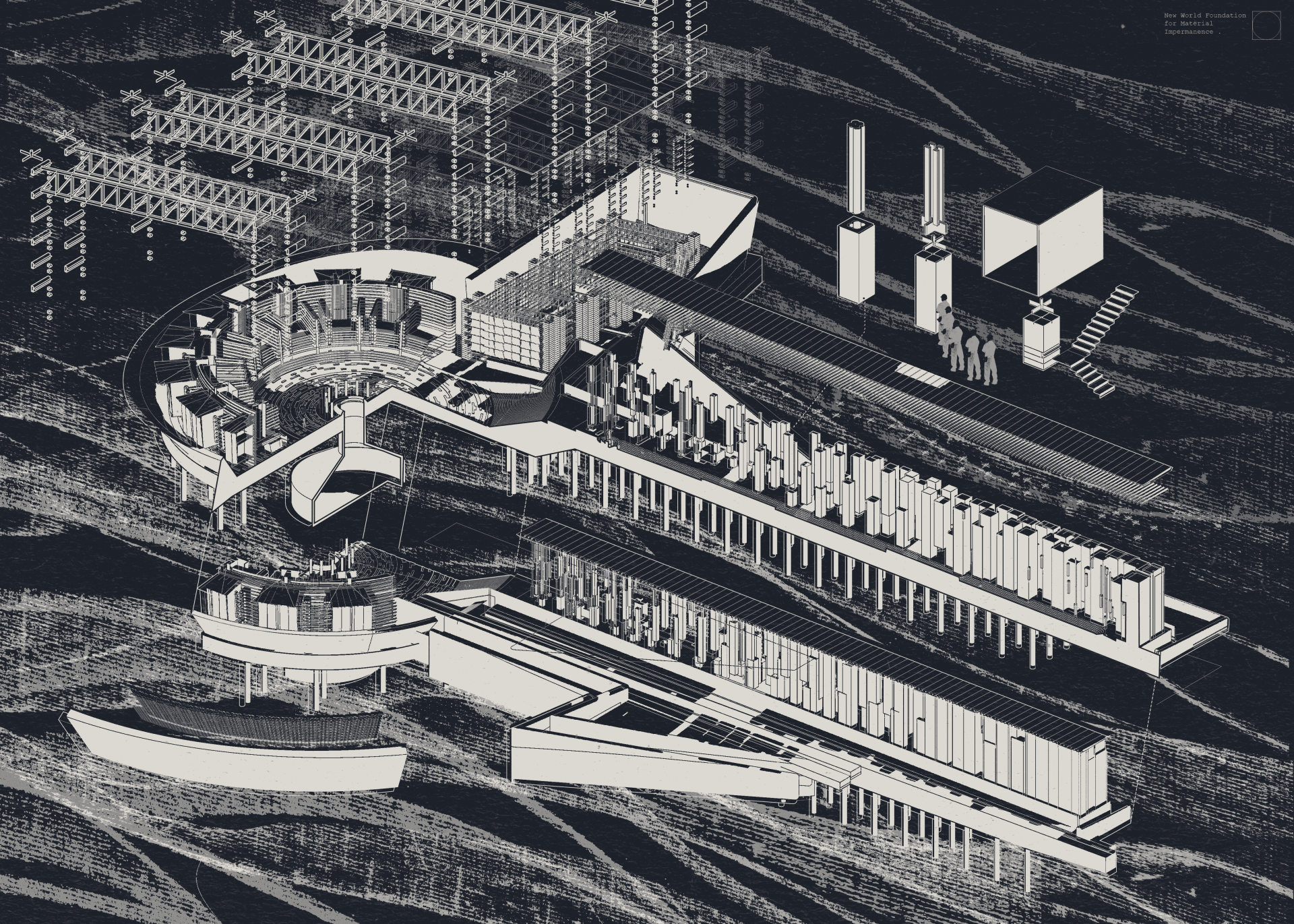
THE NEW WORLD FOUNDATION FOR MATERIAL IMPERMANENCE.
In a world that is perceptually becoming more immaterial, societies paradoxically rely on more material resources to facilitate the mirage of endless consumer goods. The fleeting nature of our experiences, objects, and buildings has left us disillusioned and dependent on economically driven building practices that perpetuate negative material habits. As building waste reaches a critical threshold, new construction must evolve to be intelligently responsive to change rather than resistant to it.
In the year 2482, following bureaucratic collapse and the decentralization of economies, the New World Foundation of Material Impermanence was formed. Their mission statement goes as follows:
“We represent an Ever-New Architecture – a sacred unfolding between the seemingly permanent and ephemeral. Through layering material systems with varying degrees of permanence, we are shifting the conventional linear trajectory—design, construction, and eventual obsolescence—toward a cyclical process of regeneration. The ebbs and flows of the material world manifest as a tectonic logic that anticipates future changes and inevitable obsolescence. Our work transcends mere reflection of exploitative material practices, it represents a meditation on death as a core principle of life. It is our voices, thoughts, and symbolic stones – all waiting to be swallowed by the sands”.
FIELDWORK
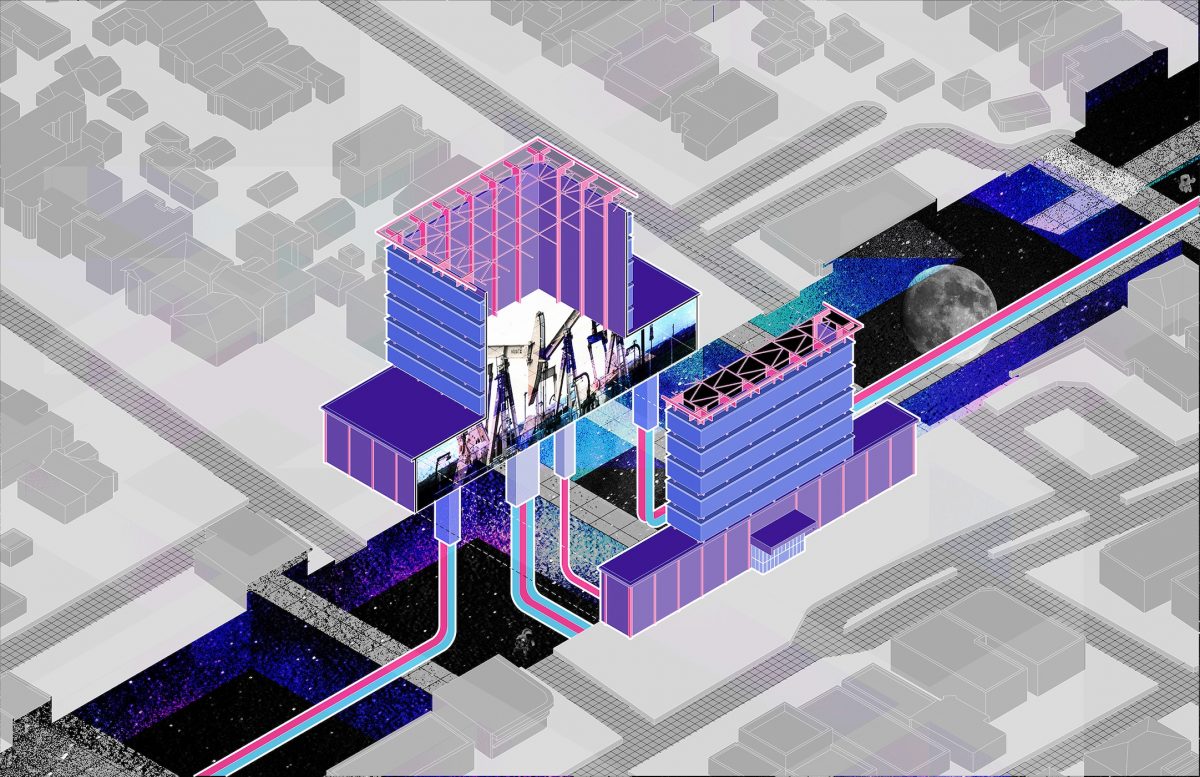
Fieldwork transforms a decommissioned oil extraction site into a campus where architecture becomes an instrument of exposure and inquiry. Ordinary building types—the house, the gas station, the office complex—are manipulated like deconstructed pumpjacks, revealing the hidden systems that power daily comfort and ambition. By dismantling and exaggerating these familiar structures, this experimentive campus becomes a symbolic setting for education: a site of spatial revelation where students engage with the architectures—material and ideological—that sustain daily life, as one draws dark oil from beneath the surface of our society.

INSIDE THE BOX
This project leverages the neutralization of strip malls in order to optimize their expressive and social potential. It repositions the parking lot, typically seen as an accessory, as the central spatial and social catalyst of the strip mall. By exploiting the seemingly bland quality of strip malls—disrupting its generic condition through acts of preserving, recoding, and importing existing elements—this project reconfigures the strip mall as an active and adaptable environment. As urban environments evolve towards more pedestrian-focused spaces and automated transportation, this project demonstrates how such spaces can be transformed to reflect the needs of a more social, human-centric city.
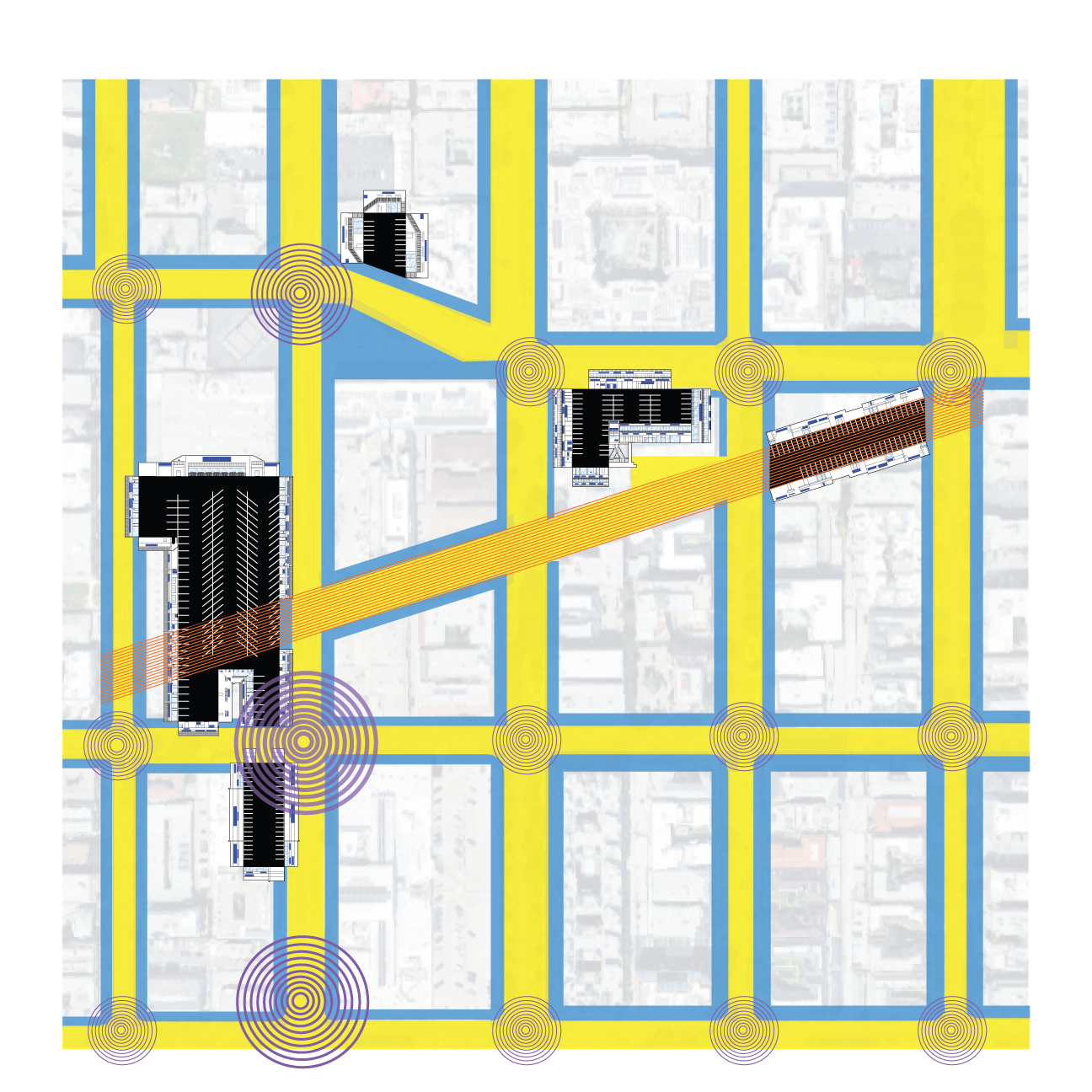
Watts In Color
My design philosophy is deeply rooted in my community, cultural heritage, and Neo-futurism. The unification of architecture, hand signs and street art will celebrate valuable insights into architecture that are often neglected, particularly focusing on South Central Los Angeles. These elements often reflect the flavor of Watts. My thesis Watts In Color is not an absence of intention but a deep commitment to letting architecture emerge naturally from its purpose, place, and process. It prioritizes adaptability, material honesty, and user experience over adherence to a visual or historical movement. A physical embodiment of collective aspiration, a hearth where the abstract ideals of togetherness, purpose, and mutual growth take form. It is less a structure of wall and roof, and more a sanctuary for the shared soul of a neighborhood. A place where knowledge is not just transferred but co-created, where wisdom is found not only in books or lectures, but in laughter, disagreement, rhythm, and silence. The community center challenges the illusion of separateness and so, it is not merely a space to gather, but a space to become.

Ordinary Warehouses, Extraordinary Worlds
This project speculates on how the ordinary architecture of the warehouse, through its scalar drifting and automation is evolving into a new form of urbanism- one where logistics, data, and fulfillment infrastructures radically reorganize the city. At the core of the project is the strategy of radical adjacencies in which ex-urban programs like schools, housing and urban farming are embedded within a mega mat building warehouse. The project explores the dystopian inevitability of warehouse-driven urbanism, questioning whether logistics can remain a passive backdrop or if it has already become the dominant spatial condition of contemporary life.

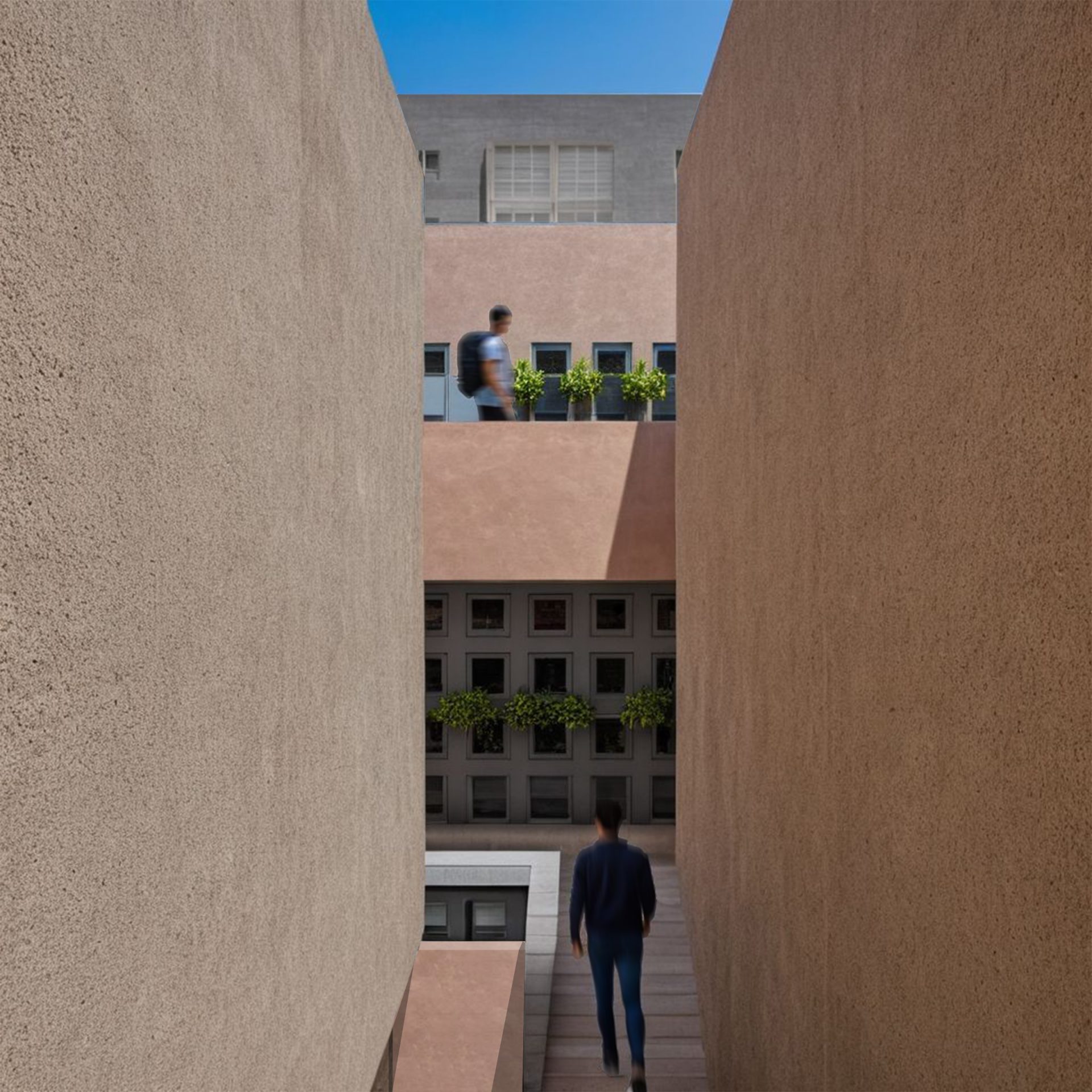
Constructed Ruins
This project reimagines spaces for the dead as urban cultural zones, built from the layered footprints of demolished and existing buildings. Their intersections shape the columbarium, while fragments generate both everyday and memorial spaces. The facade of the living projects generic openings, echoing the structured systems that define daily life. In contrast, the fractured facade of the dead reflects nearby buildings, an uneasy acknowledgment of death shaped by fear and distance. A typical steel stud wall wraps the columbarium, stabilizing its presence through architectural familiarity. The project gives form to memory through the ordinary, allowing the past to surface and evolve.
The Unnerving Ordinary
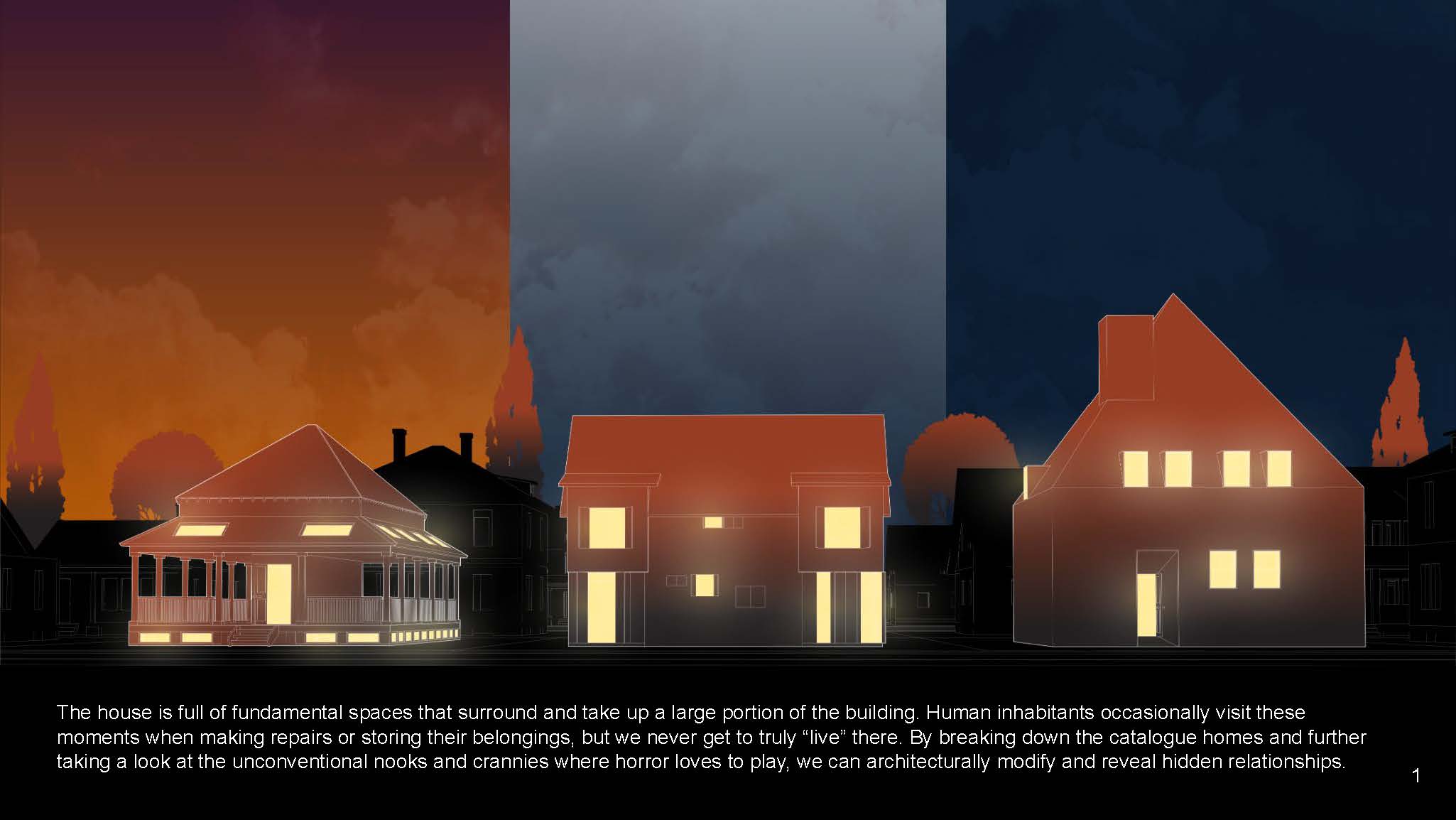
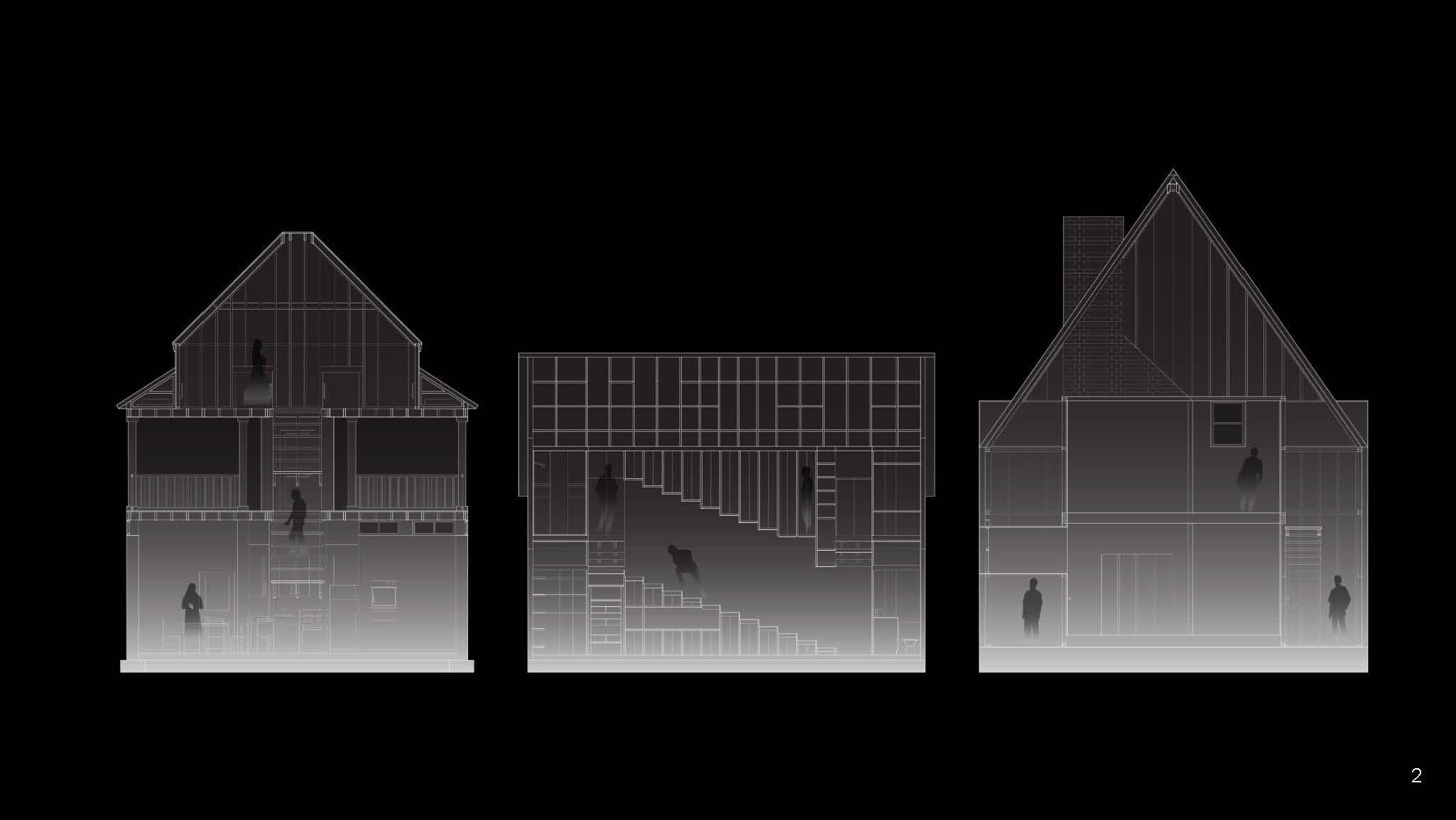
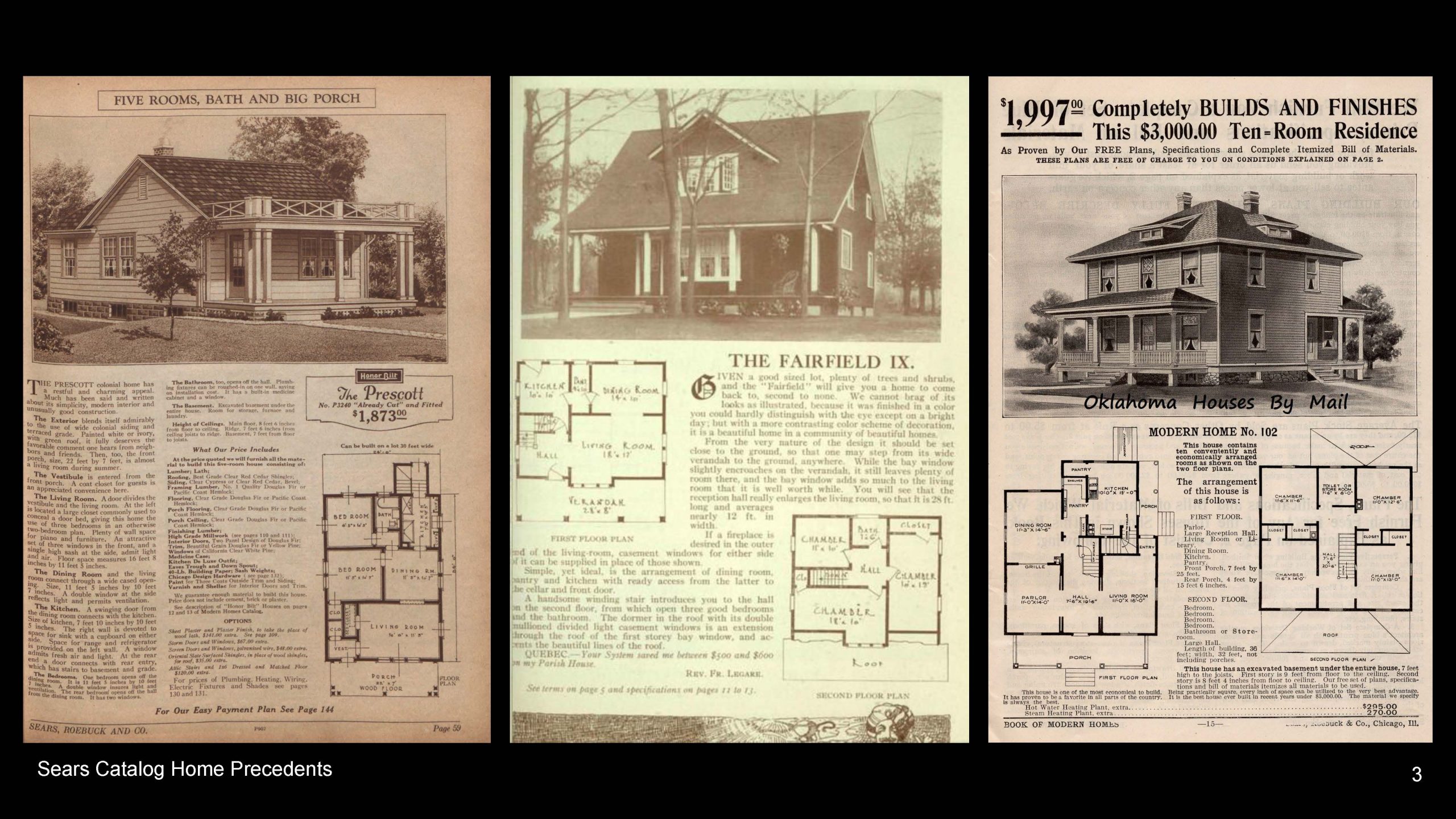
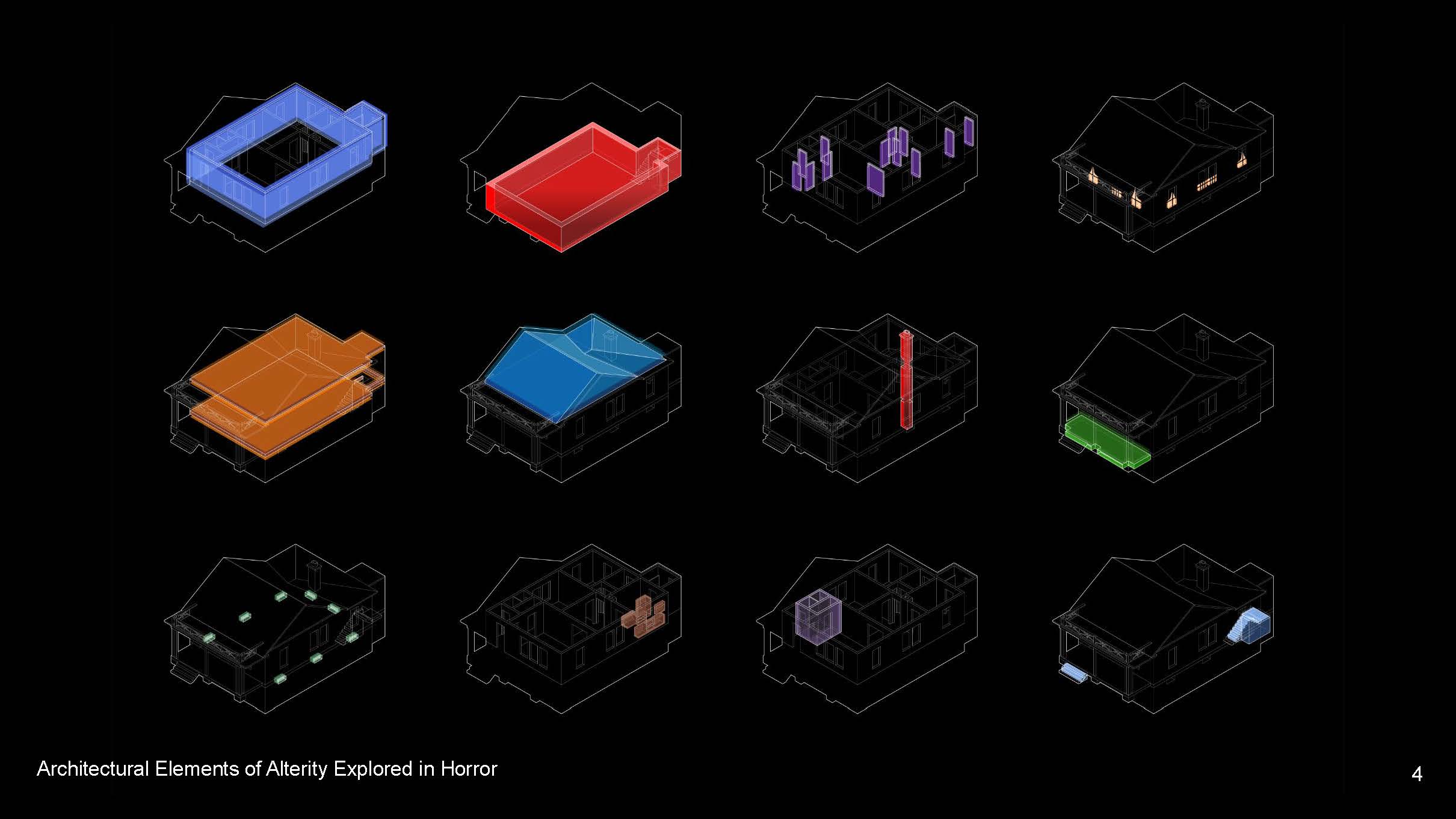
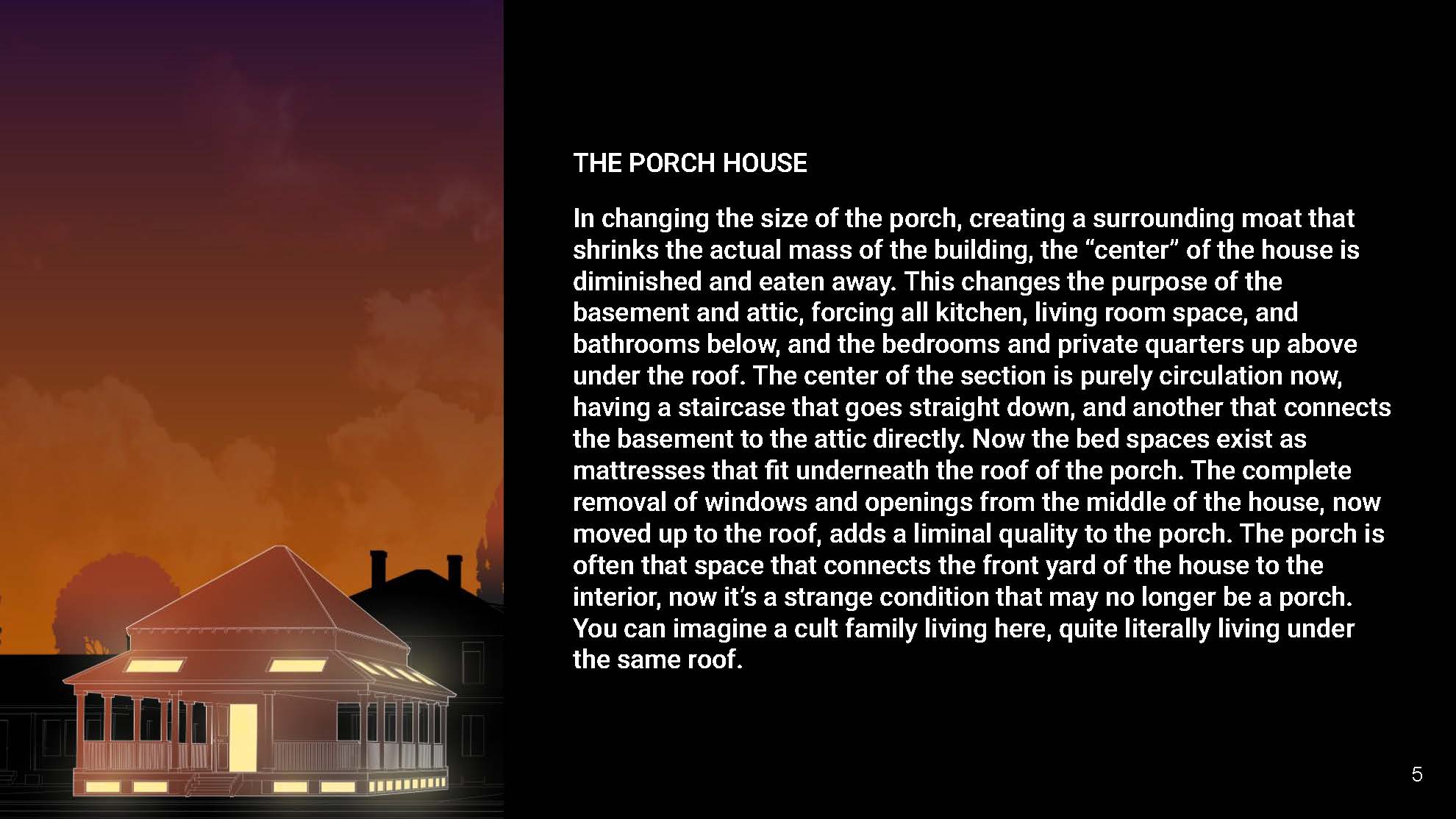
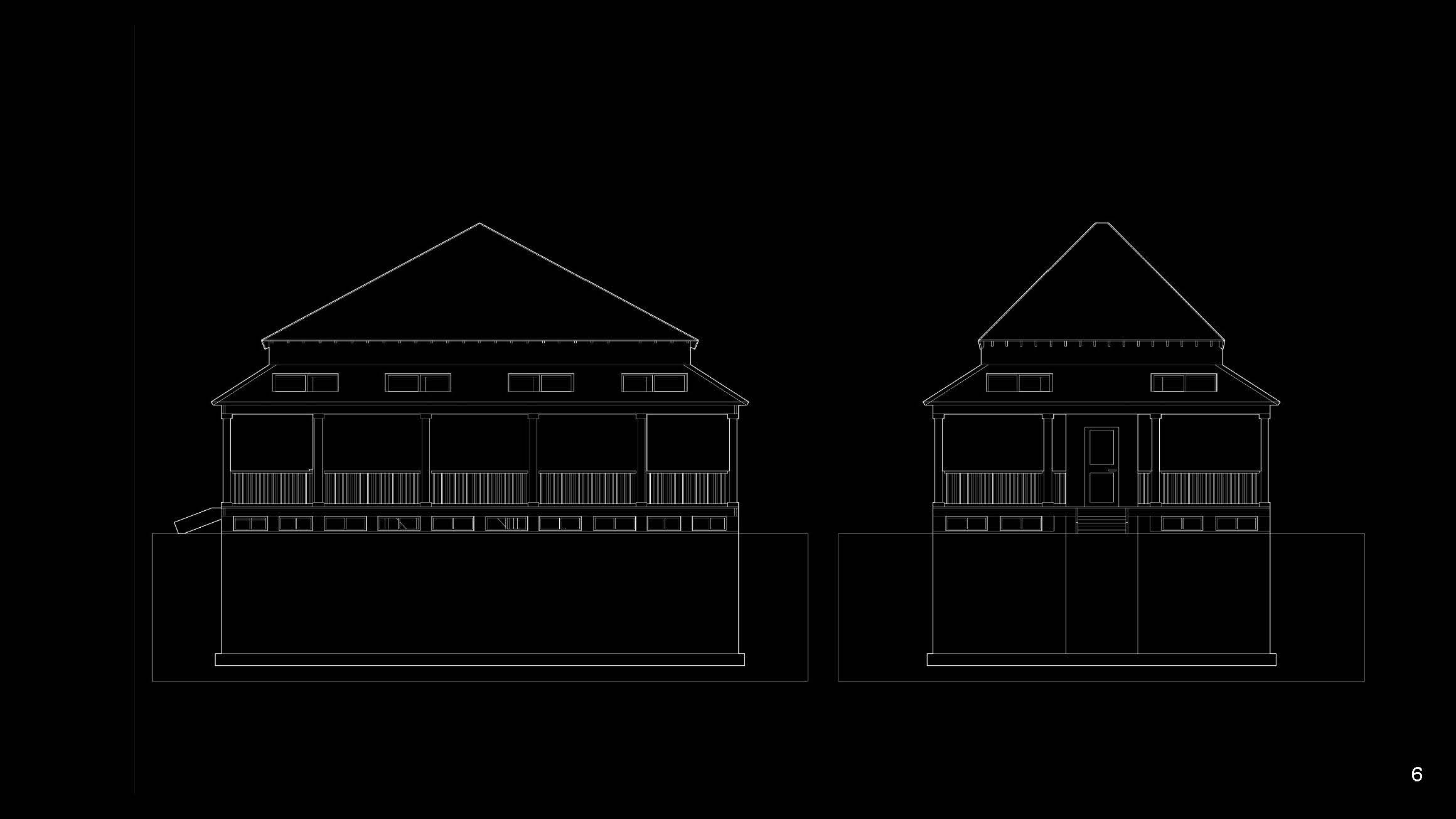
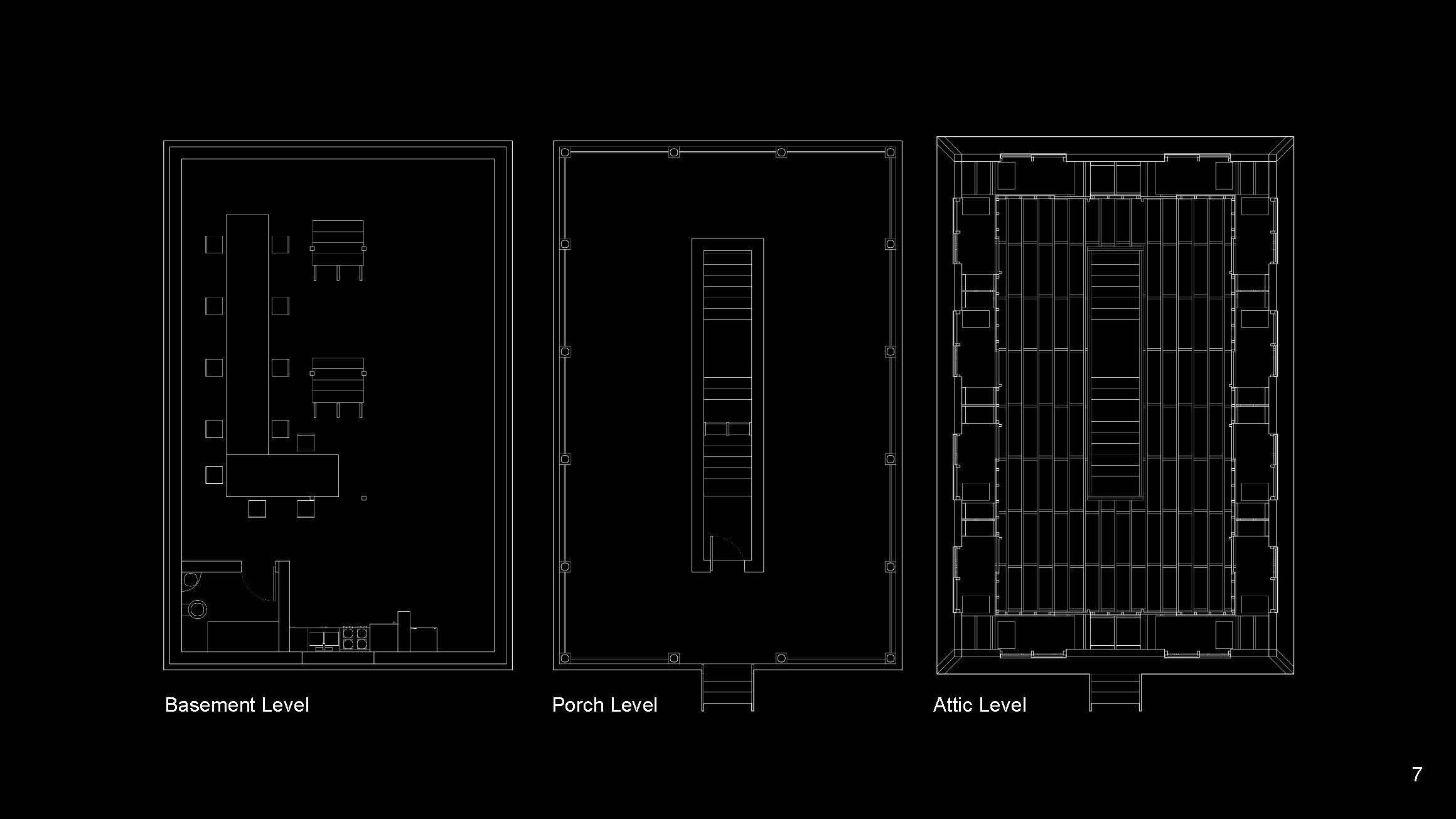
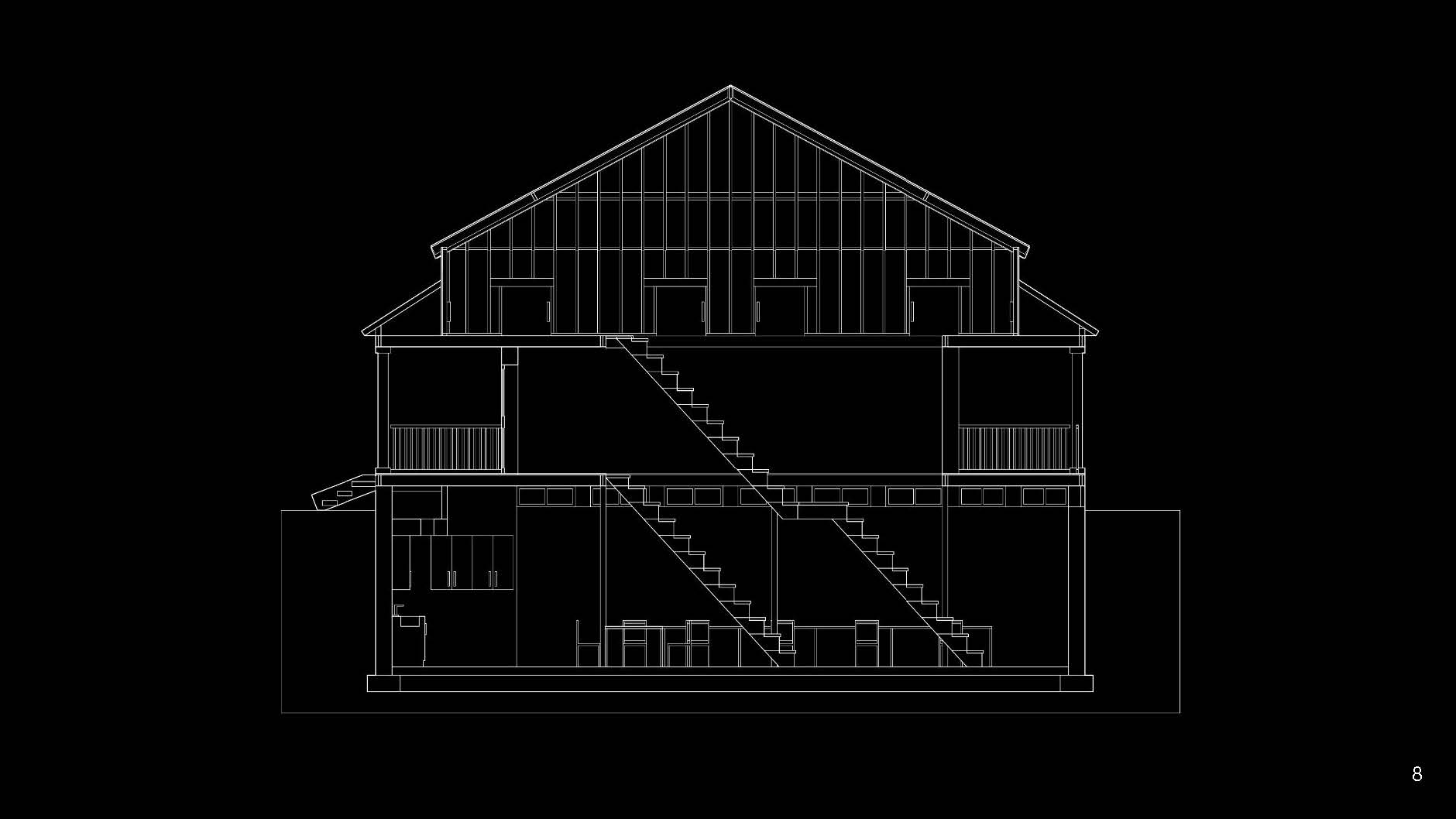
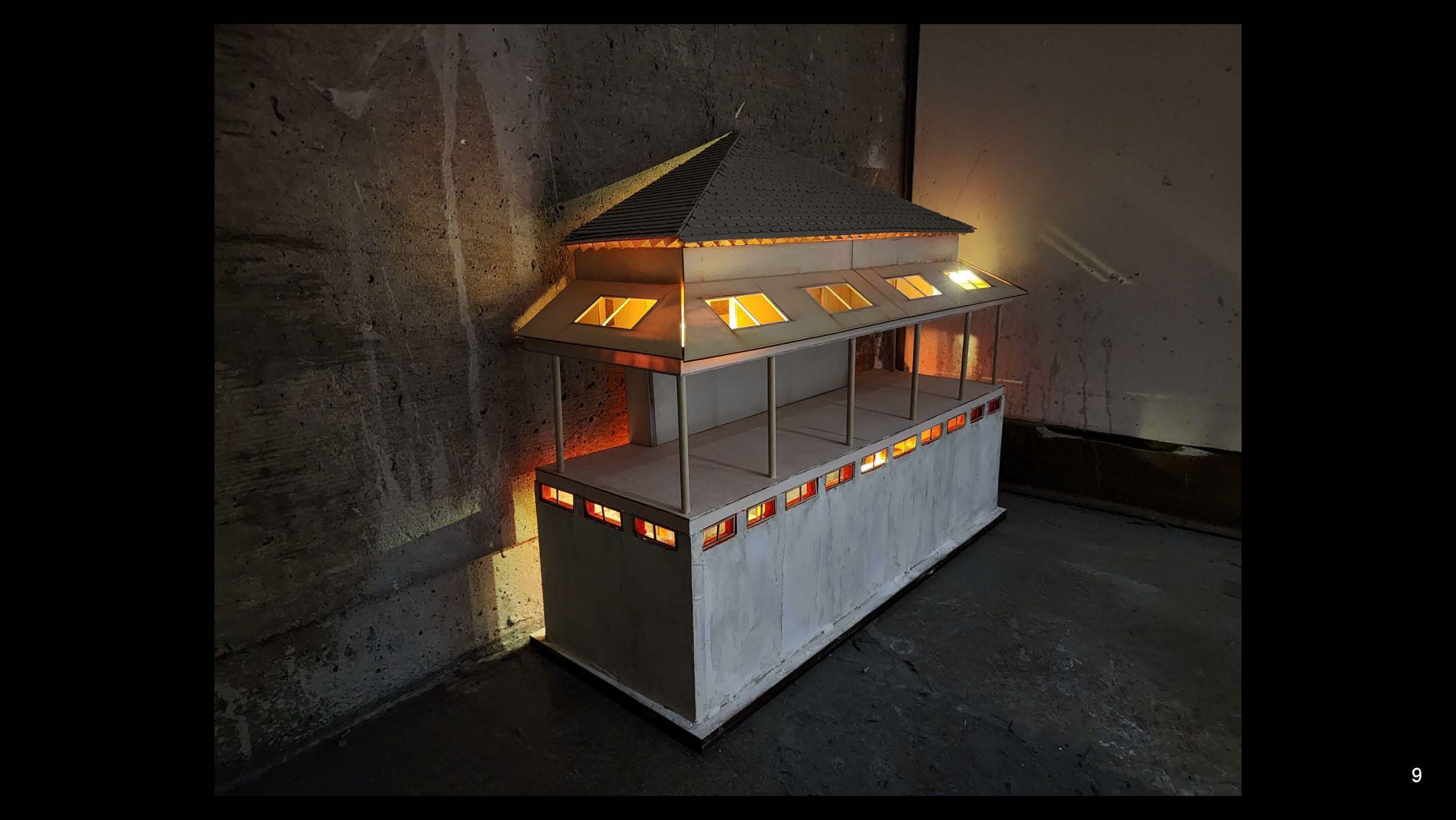
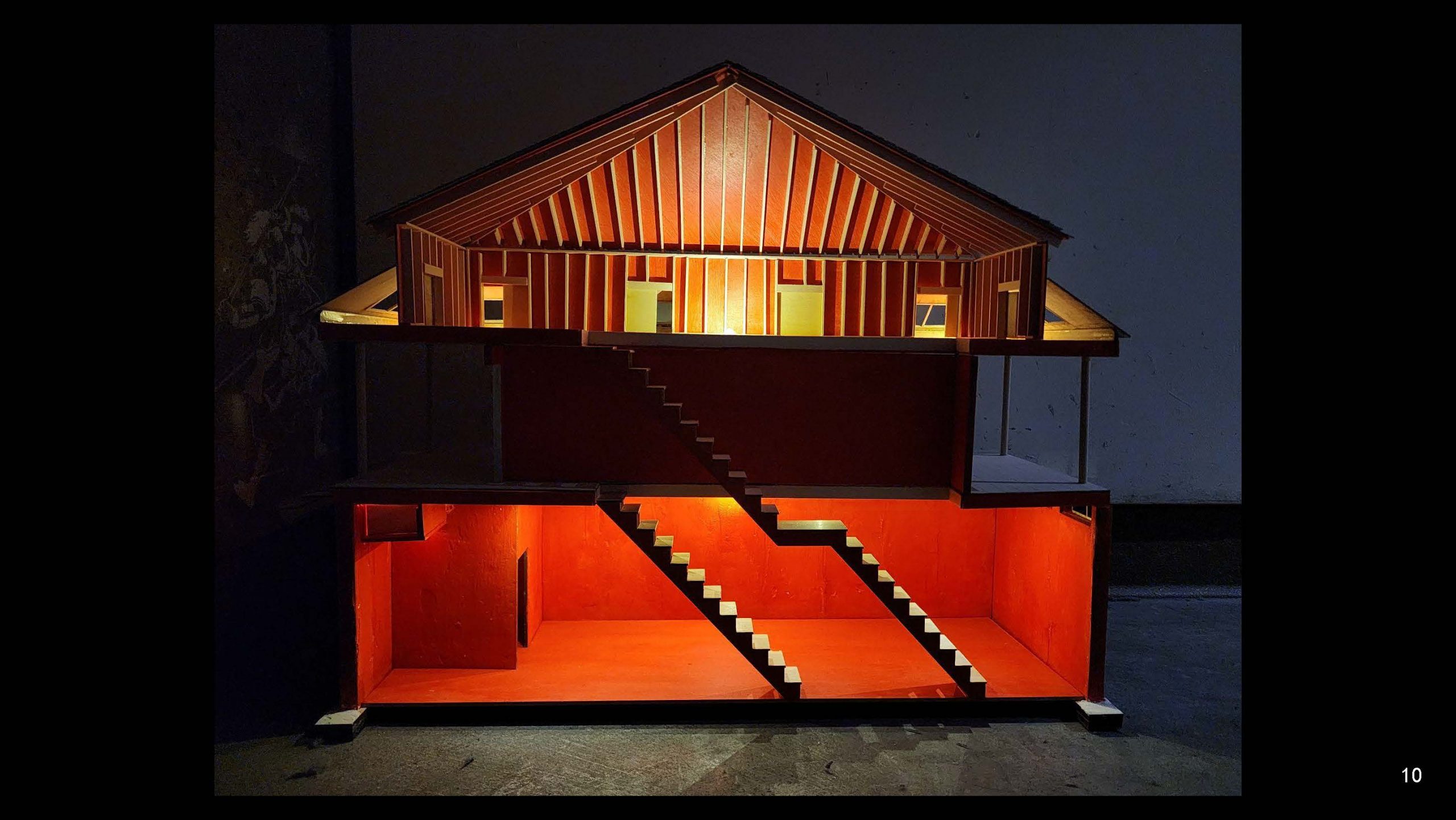
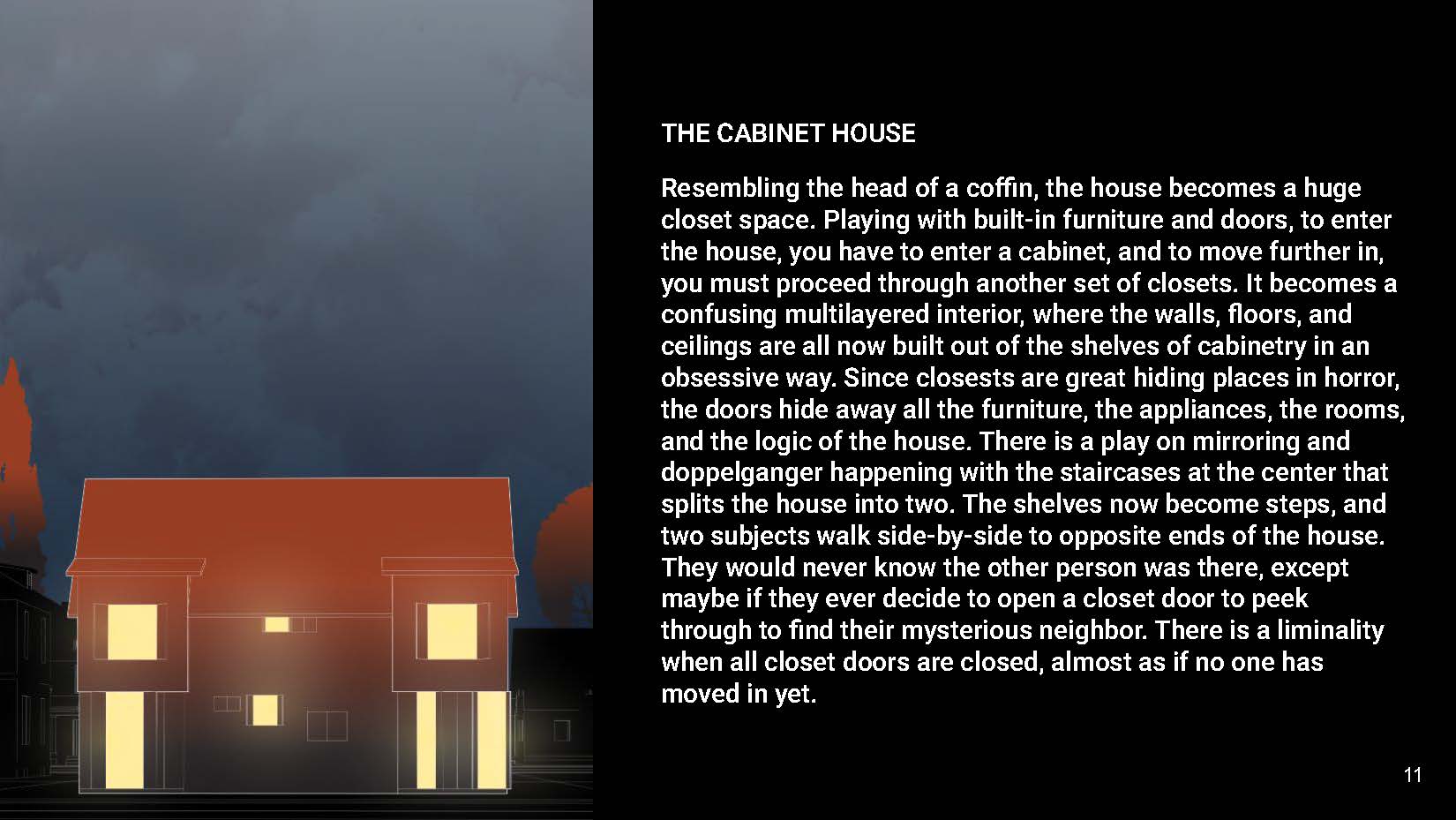
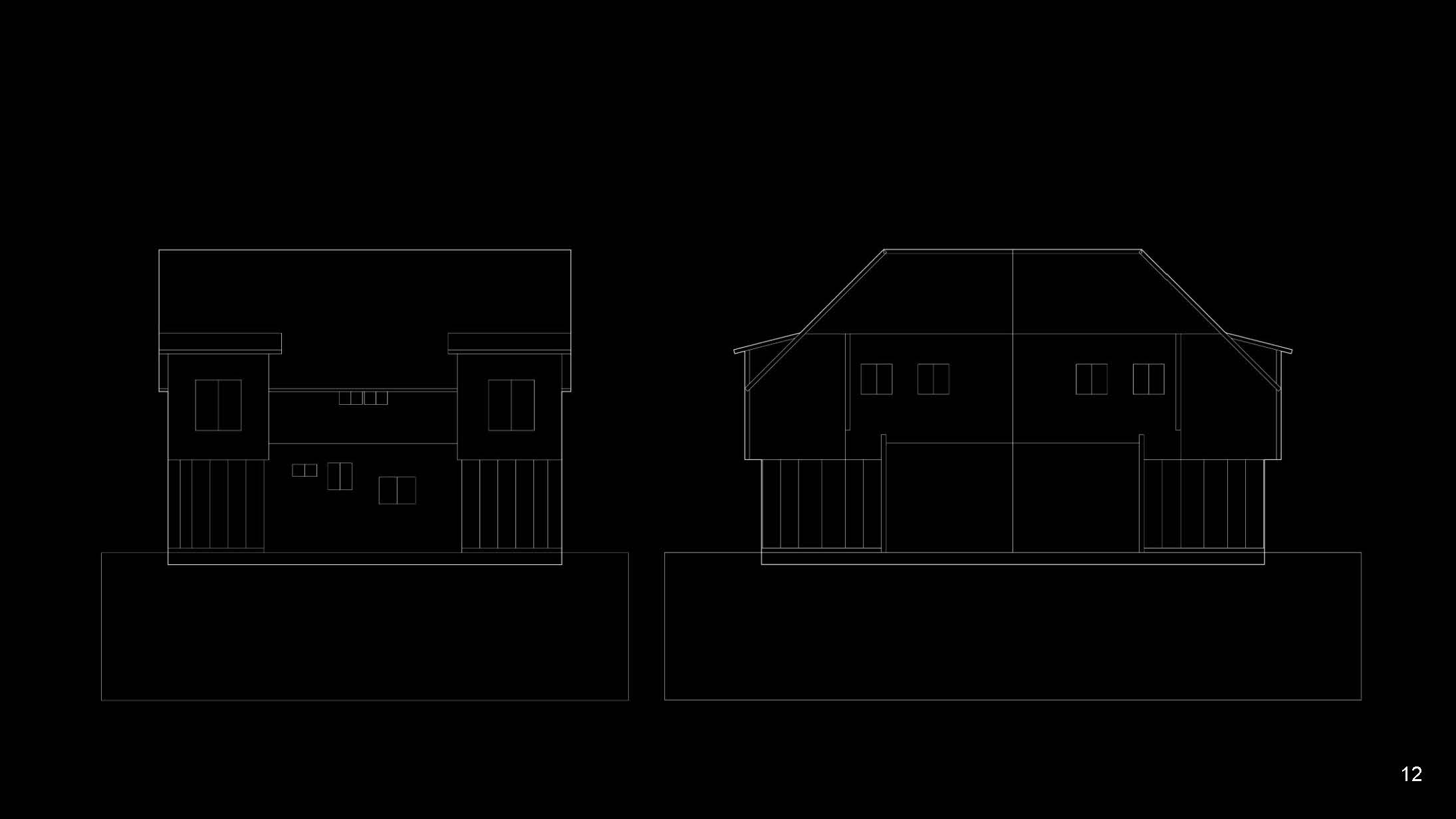
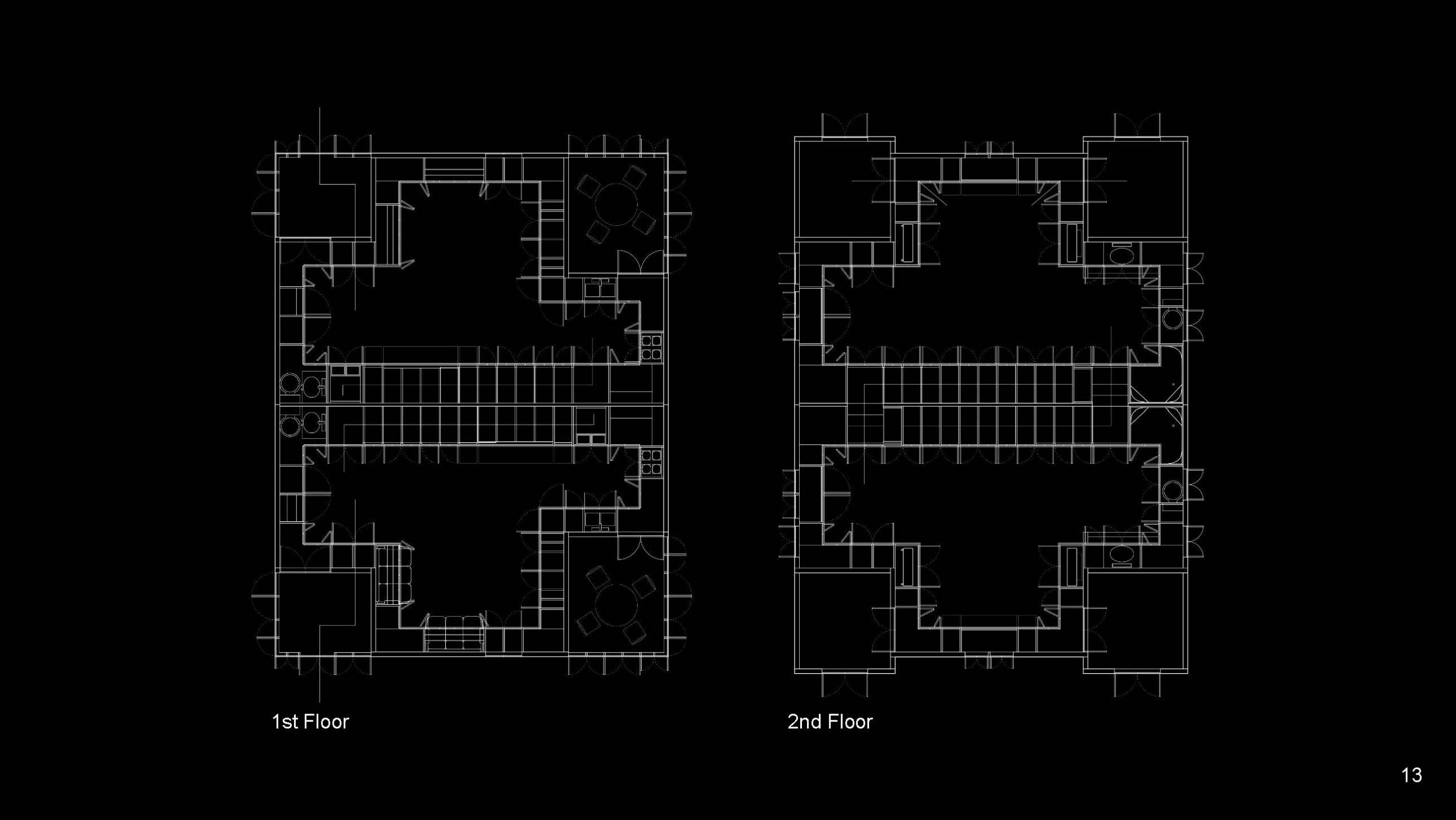
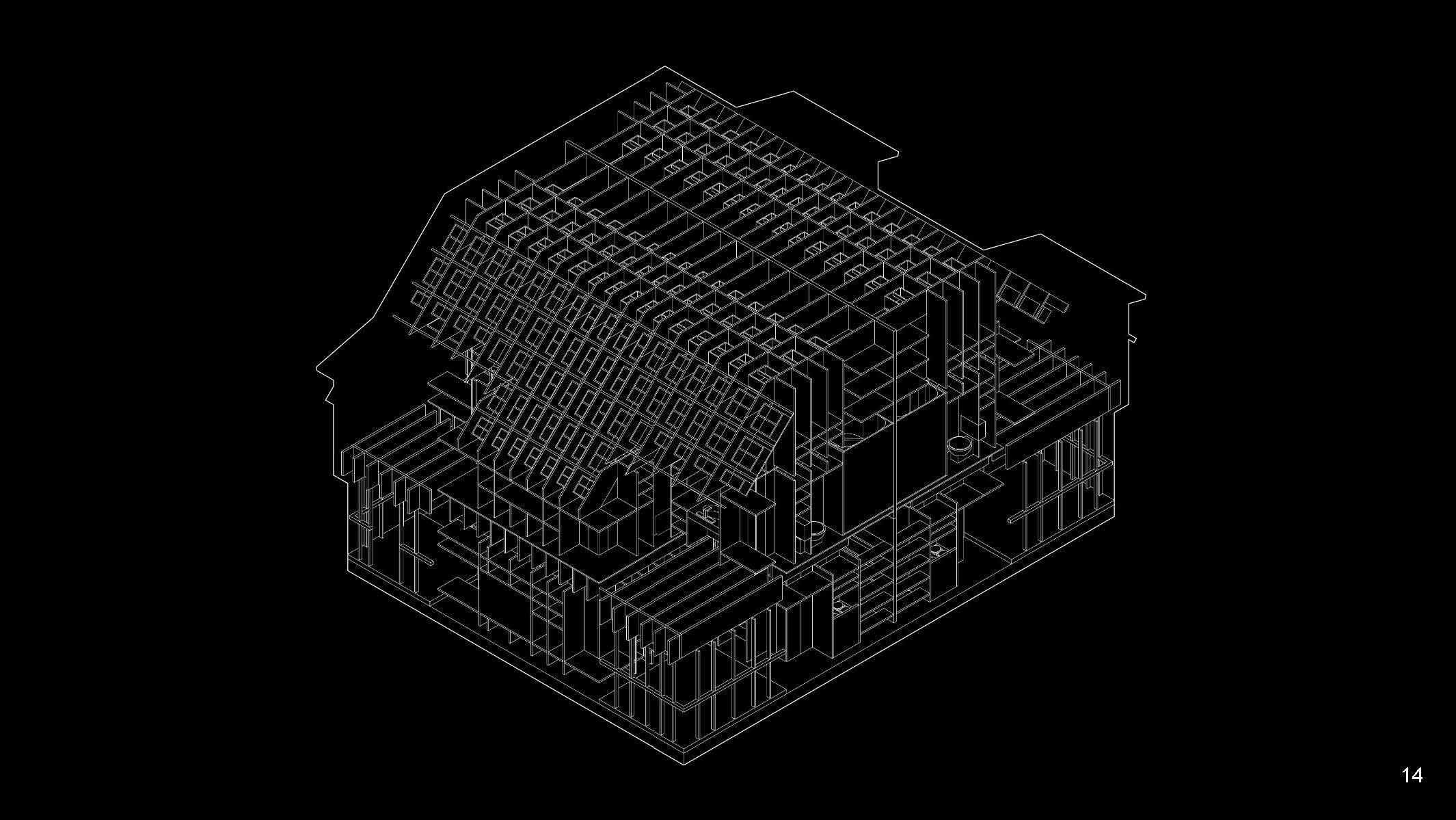
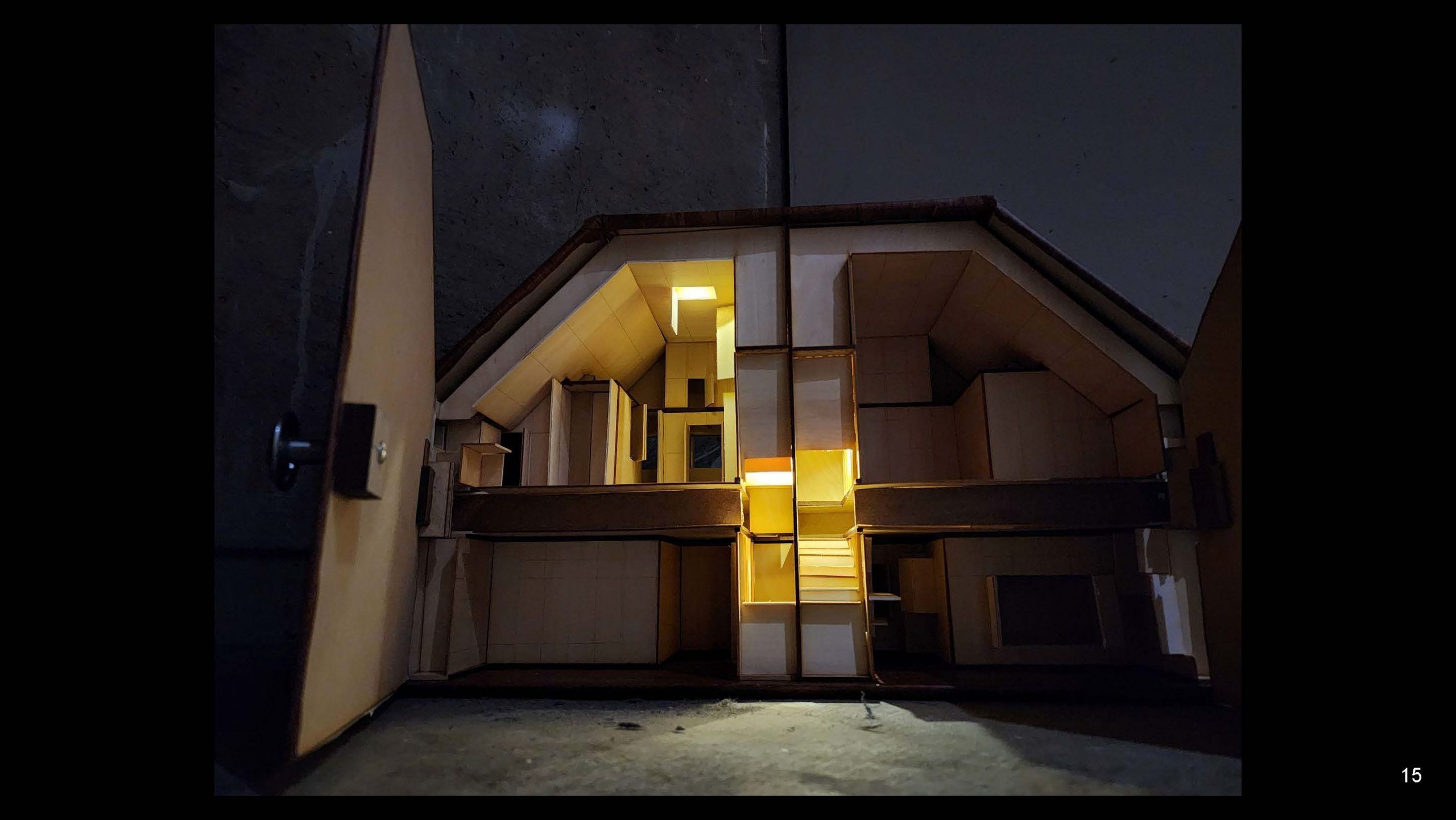
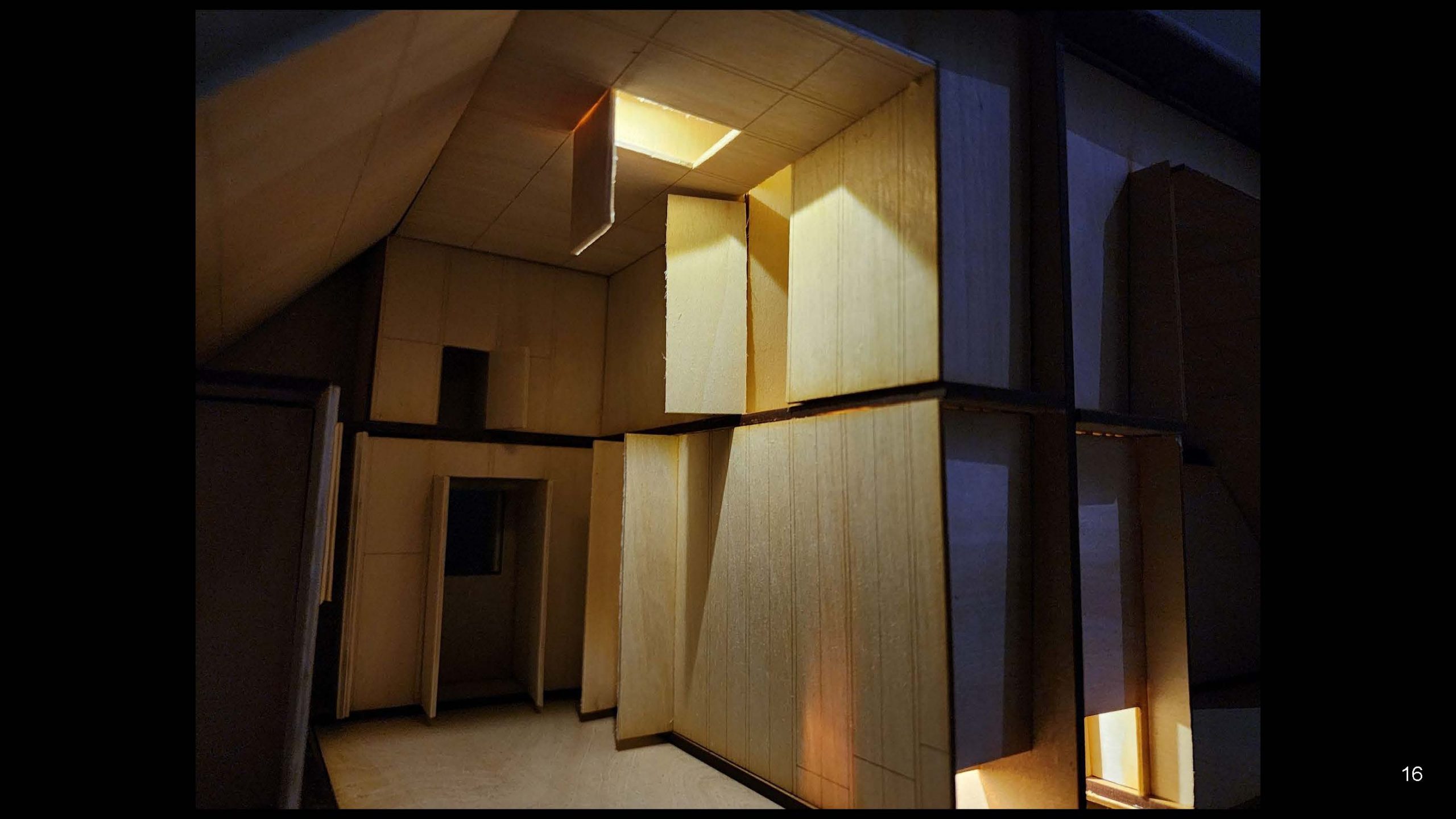
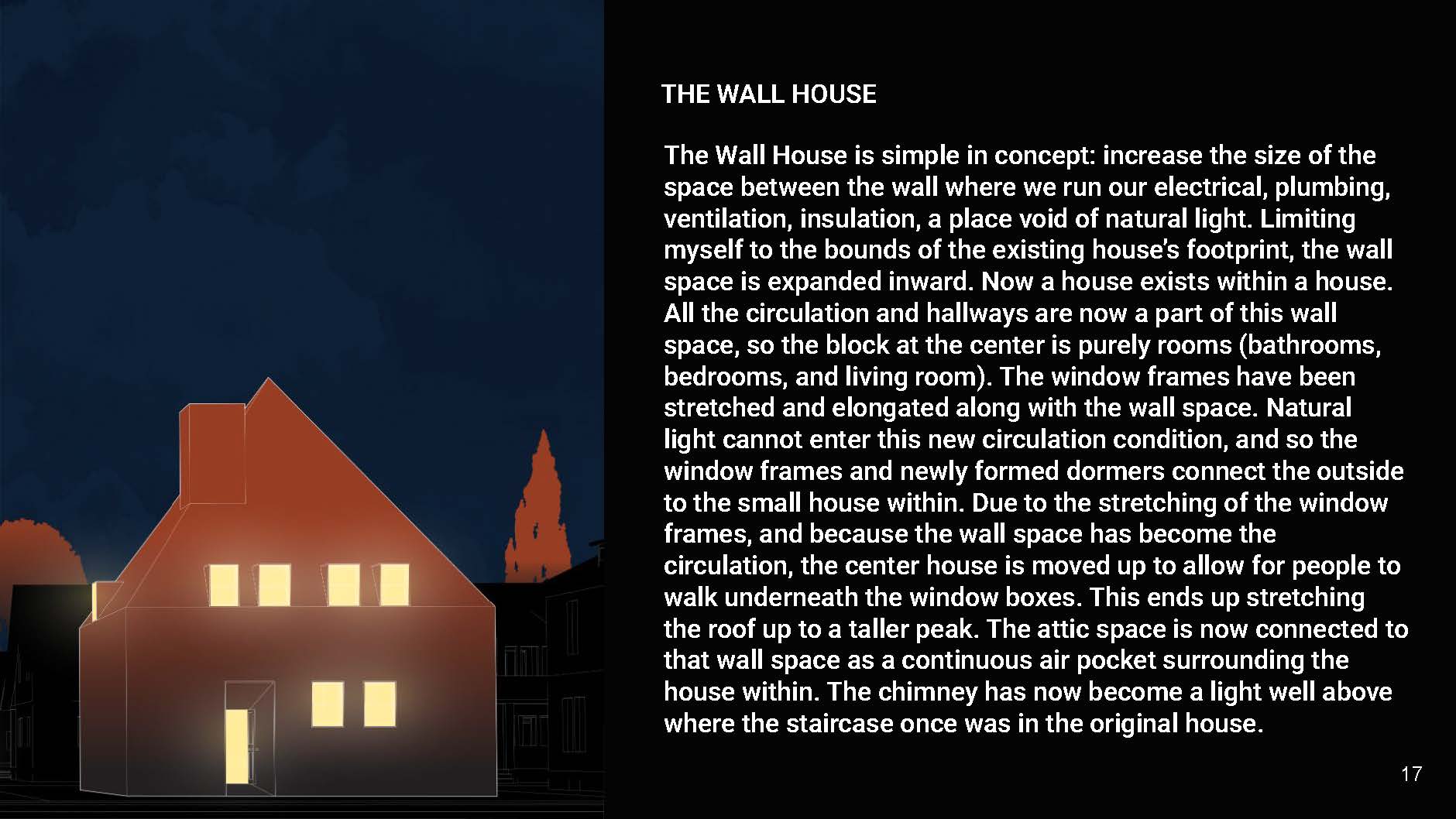
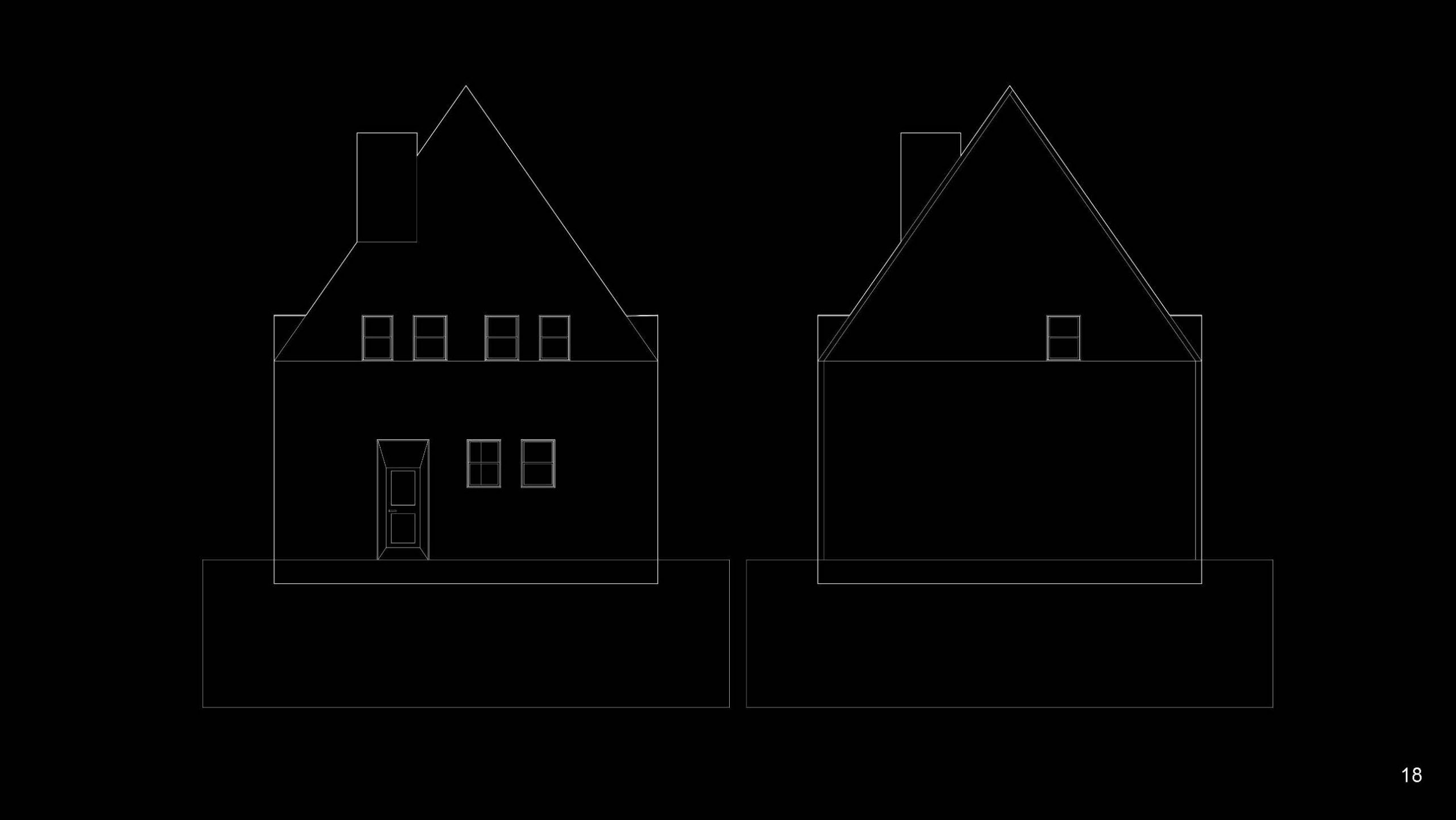
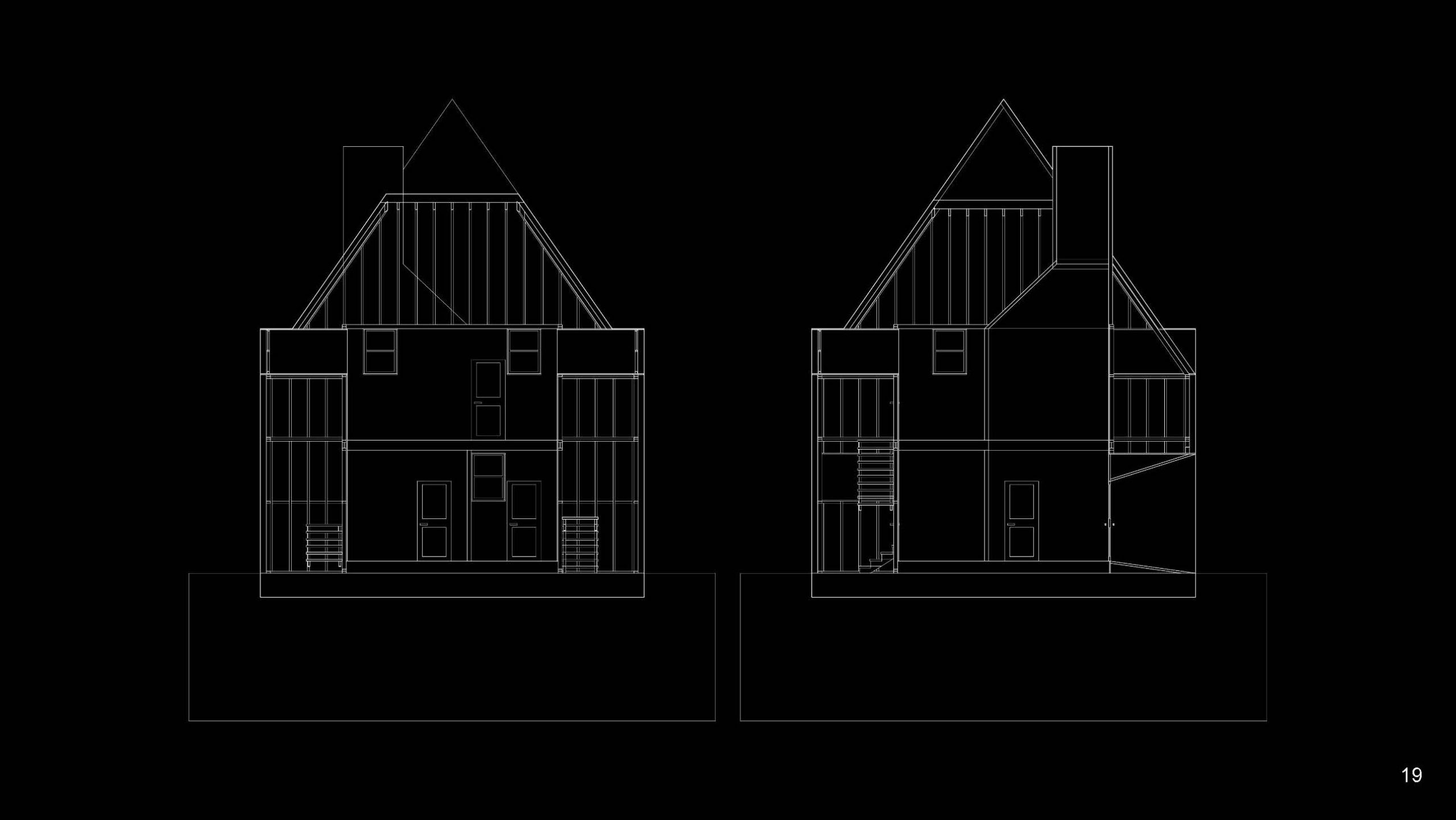
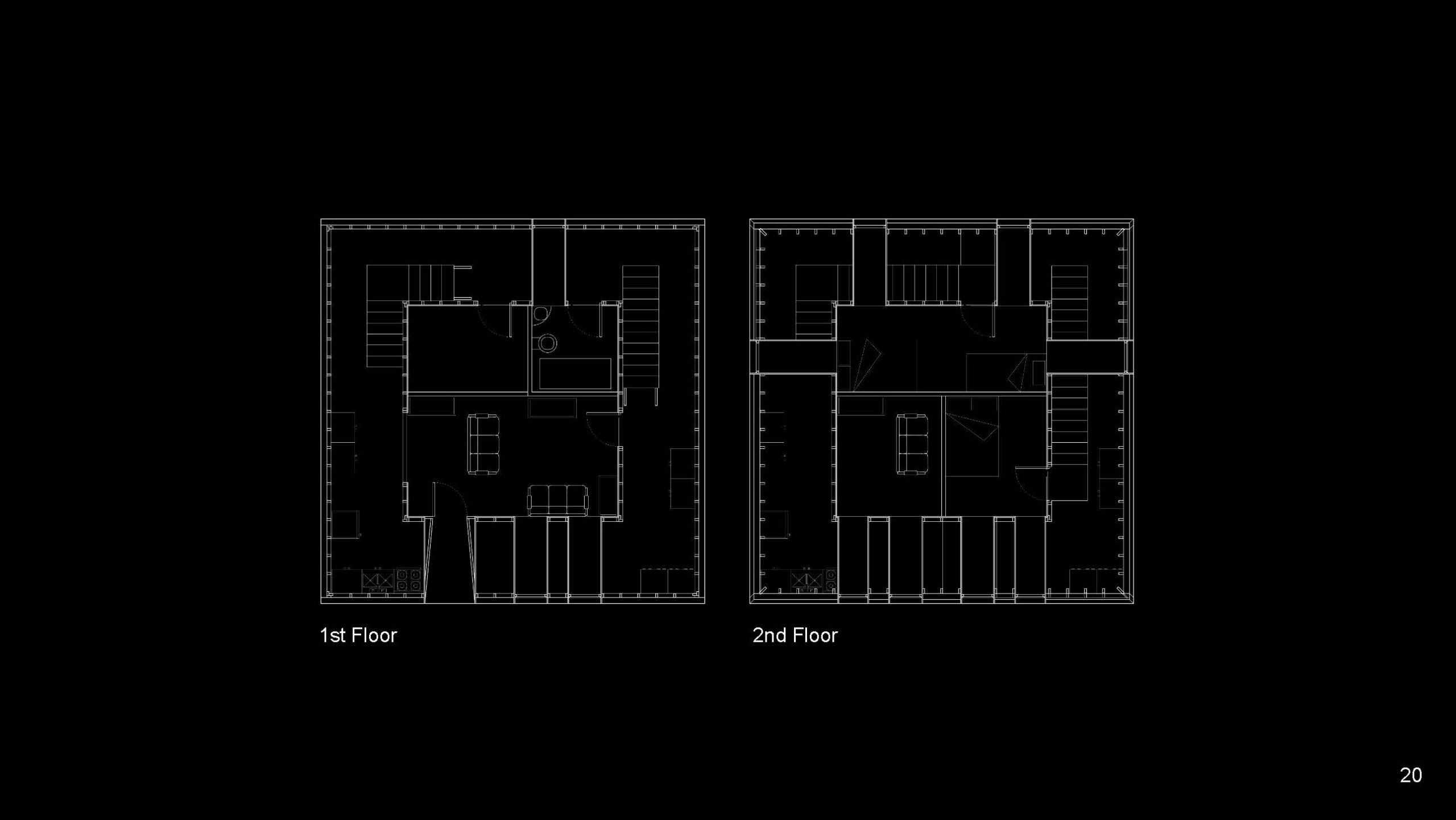
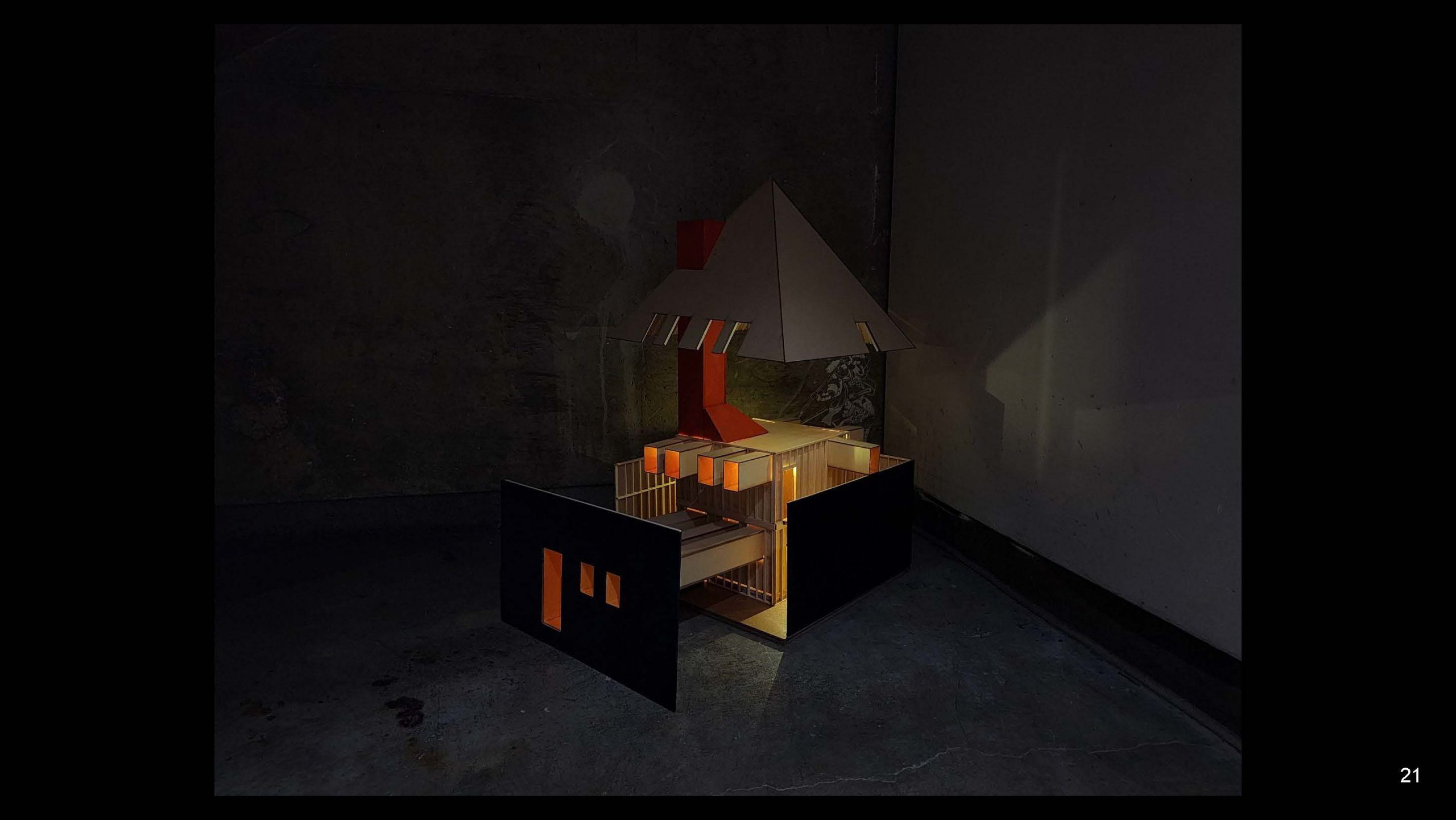
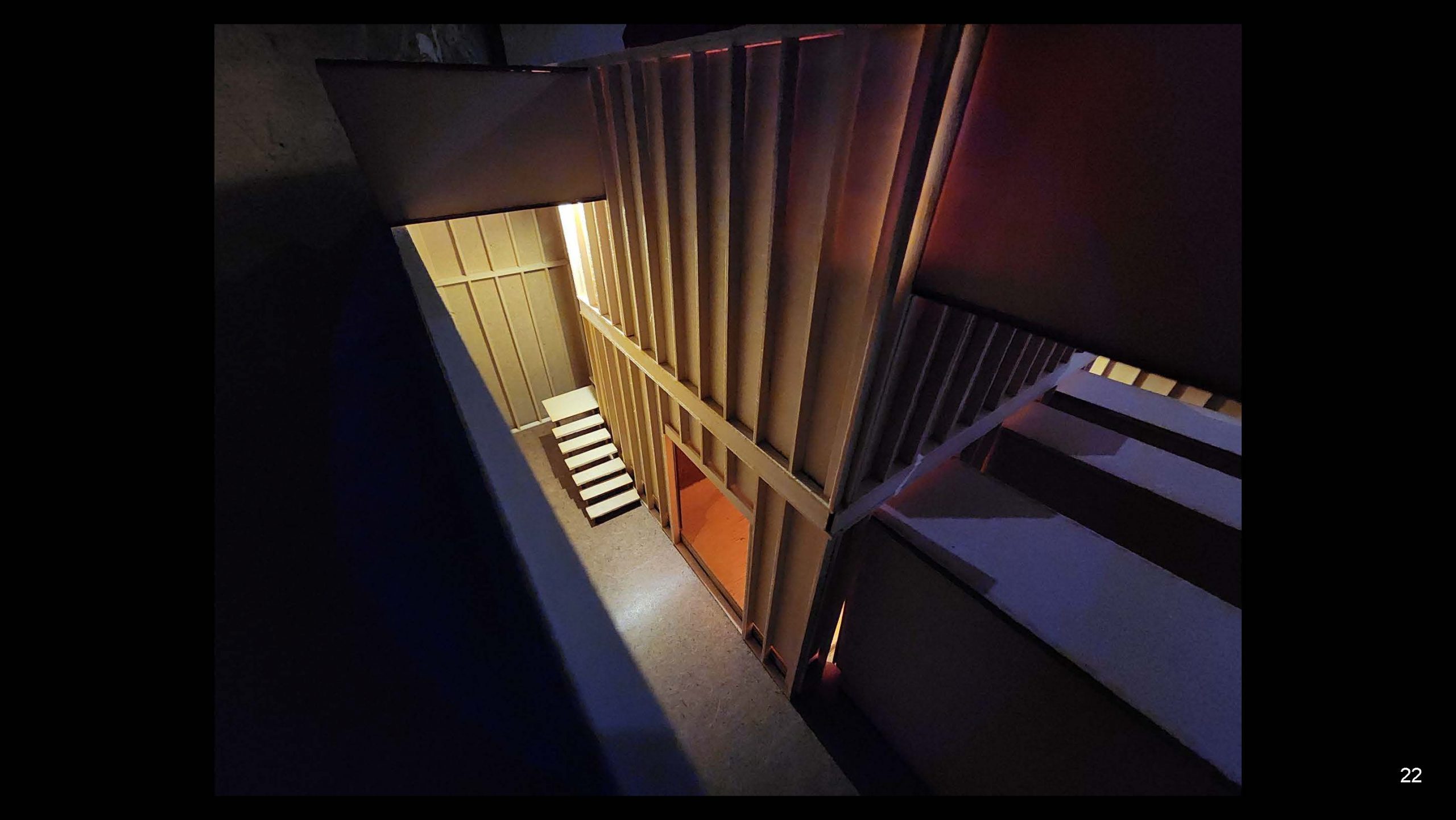
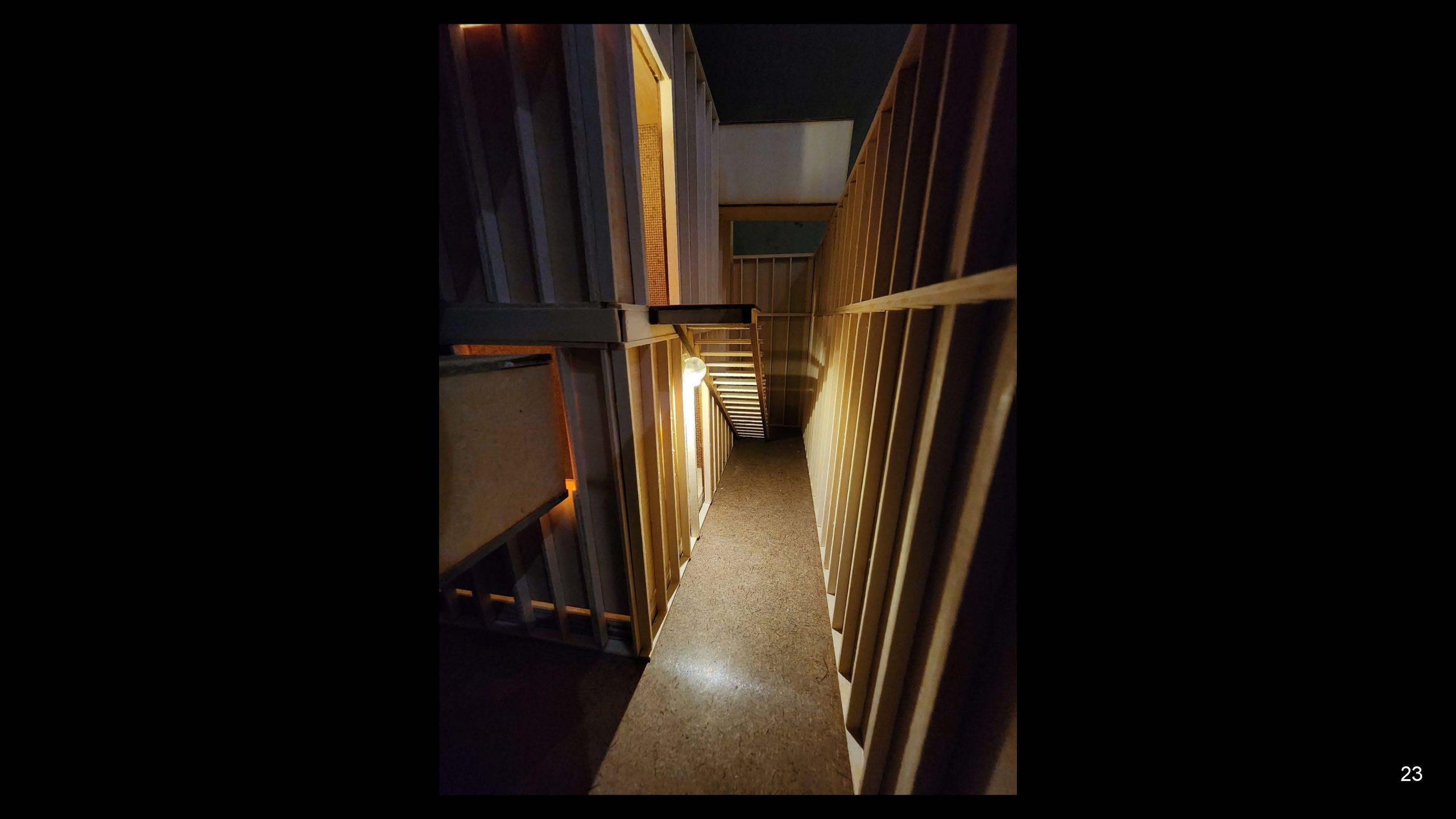
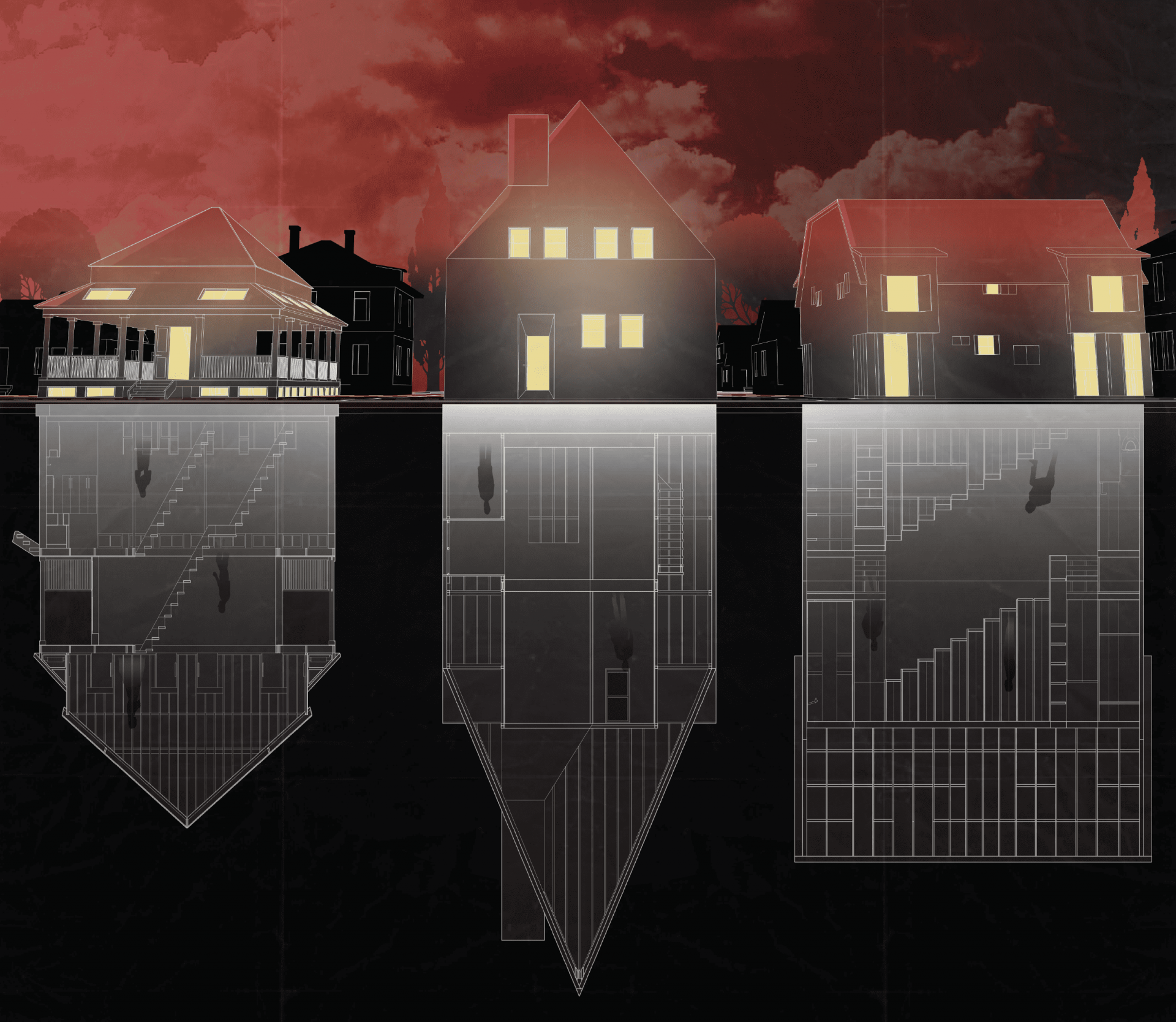
Horror media explores the alterity of those unconventional spaces that inhabit the ordinary house. How can we redesign closets, attics, and spaces between walls to create new types of living conditions that allow us to embrace those moments of the house we rarely visit? This project proposes new ways of exploiting these elements of the ordinary house structure that we are morbidly intrigued by, suggesting that we should consider the potential of these moments through “mutations” derived from the ordinary catalogue home.
The house is full of fundamental spaces that surround and take up a large majority of the building. Human inhabitants occasionally visit these moments when making repairs or storing their belongings, but we never get to truly “live” there. By breaking down the catalogue homes and further taking a look at the unconventional nooks and crannies where horror loves to play, we can architecturally modify and reveal hidden relationships.
REKINDLE
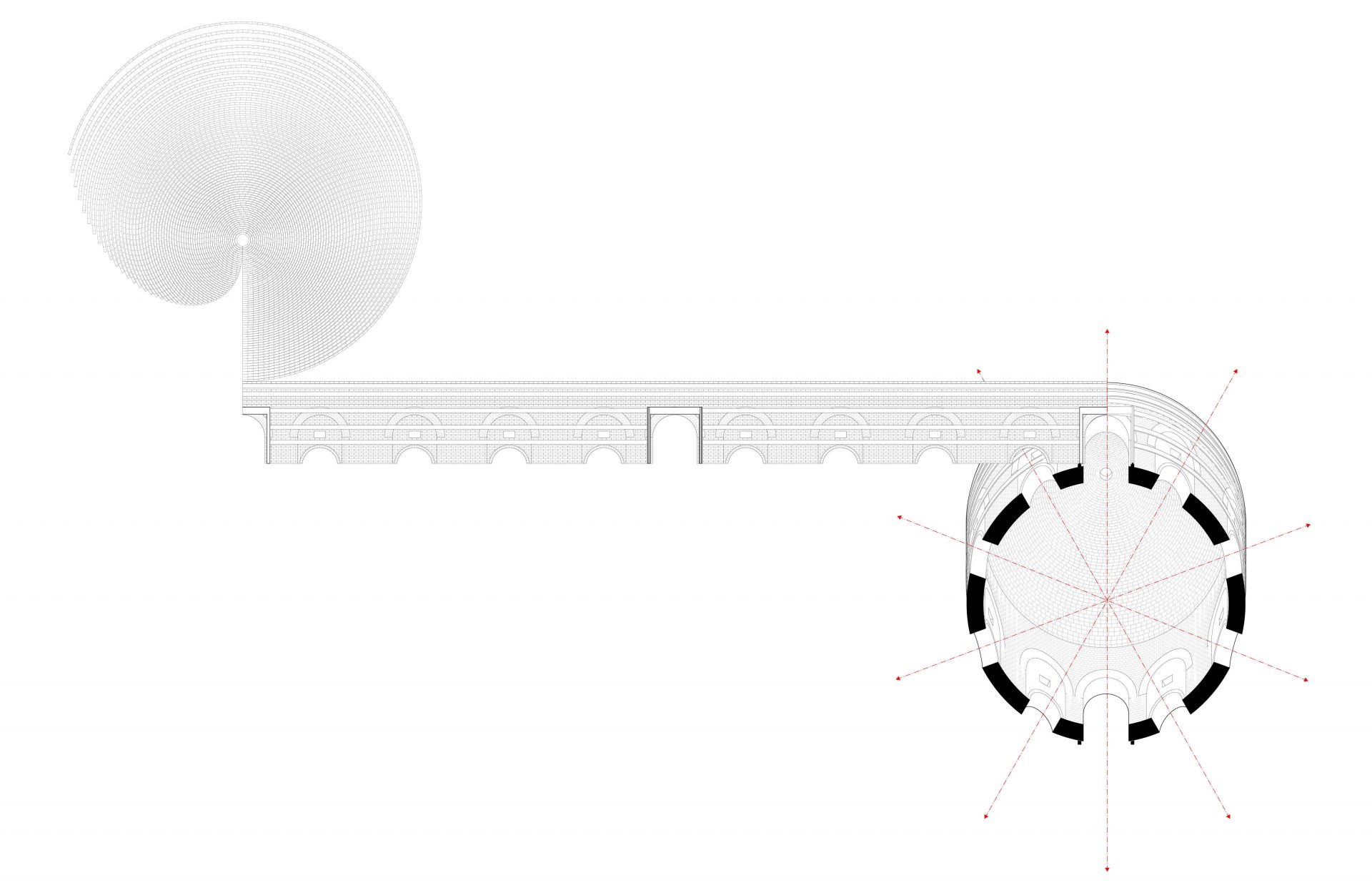
Neglected sites of industrial ordinary often sit as reminders of the historic economic vulnerability of rural communities heavily dependent on material refinement. Beehive kilns are remnants of a past dependent on the firing of greenware bricks for use in structural construction and road pavers. These overlooked artifacts, Currently in a state of decay, hold a history of hyper localization in which small rural operations would produce bricks from local clay to be fired and redistributed from these sites to be used all over the country, often marked with the name of the maker.
Through exhausting forms of architectural analysis Of existing beehive kilns from all over the country we begin to understand how these seemingly repetitive structures have incredible variation in craft at the same time that they meet the practical demands of a convection Kiln system. Through reanimating and shuffling these kilns these subtle inconsistencies are directly compared and begin to form a new space with new intentions that obscure the ordinary nature of the former, inviting closer inspection to an otherwise forgotten history.
Interventions on Suburbia
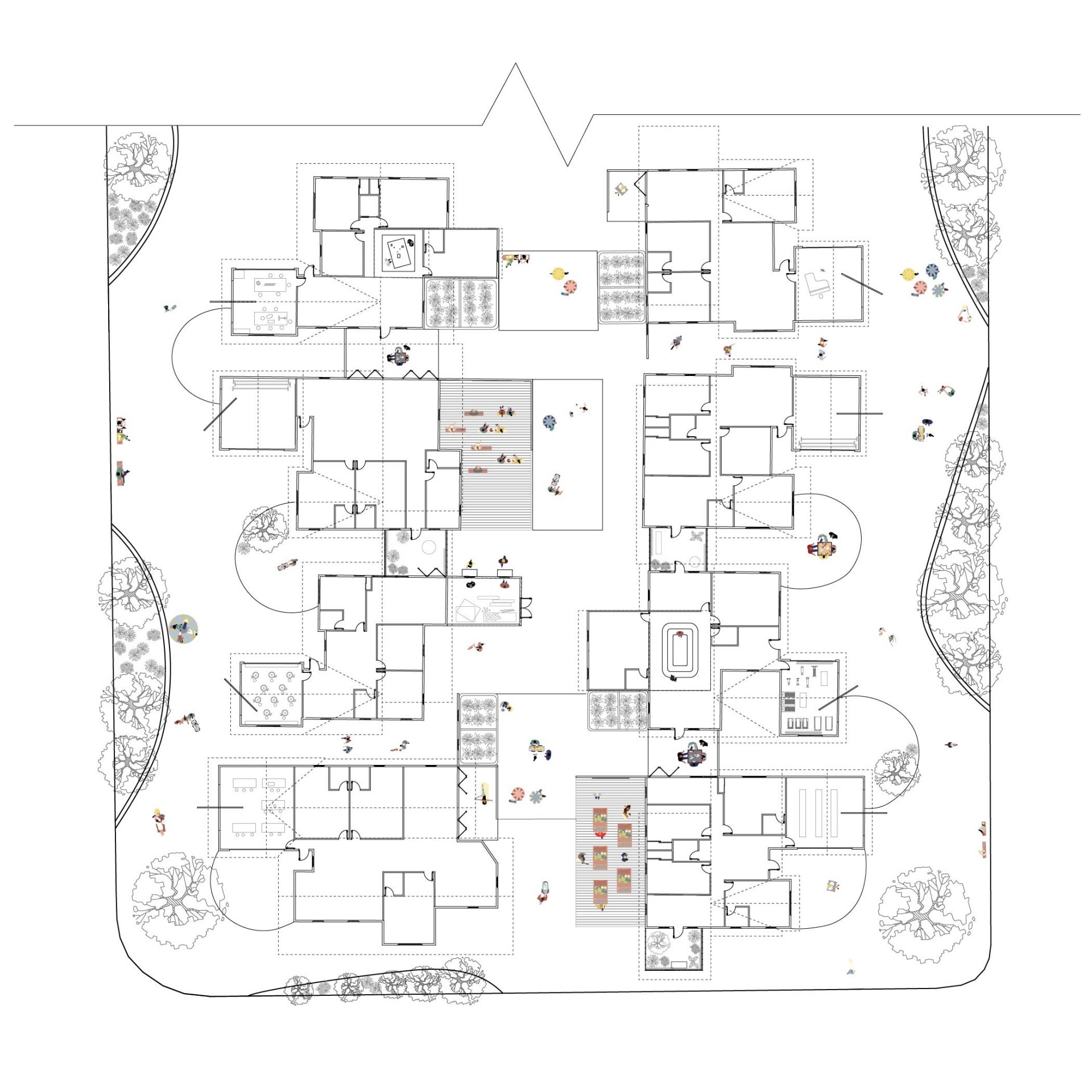
This project speculates on how specific interventions, derived as antitheses to the hallmark traits of a traditional house, might radically engage the ordinary site of the domestic house, disrupting the rigidity, boundaries, and hierarchy of suburban living, opening up new opportunities for residents to take agency in the way the home and block are inhabited as individuals, family units, and a community. The slide intervention–walls and roofs sliding off of their original position–create opportunities for unexpected appendages and the erasure of divisive boundaries like driveways, side yards, and backyards change how we can look and inhabit a block as a continuous space centered around community.
Re-Interpreted: Layers of Illicit Memory
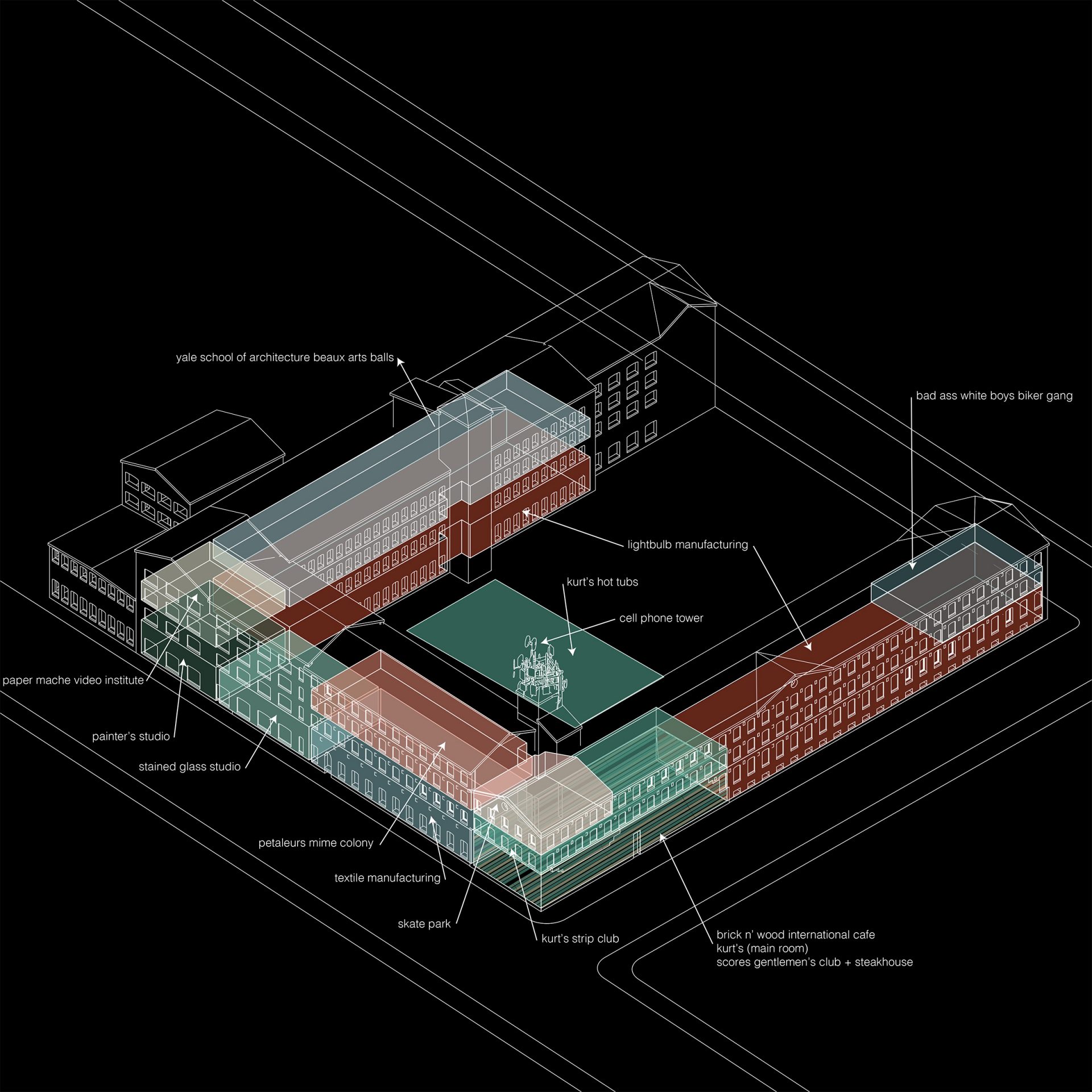
This project reinterprets the abandoned New Haven Clock Company building by translating digital tropes, such as glitches, deep fry, photogrammetry, and collage, into architectural form. Informed by the building’s layered history as both an industrial site and a haven of subculture, this proposal uses these digital distortions to expose, warp, and recompose material traces of the past. Rather than restoring the factory or preserving the ruin, this project embraces historically specific methods of transformation, creating spatial opportunities for the next generation of subculture communities. The result is a hybridized architecture that resists erasure, highlights discontinuity, and defies architectural norms.
Layered Statements
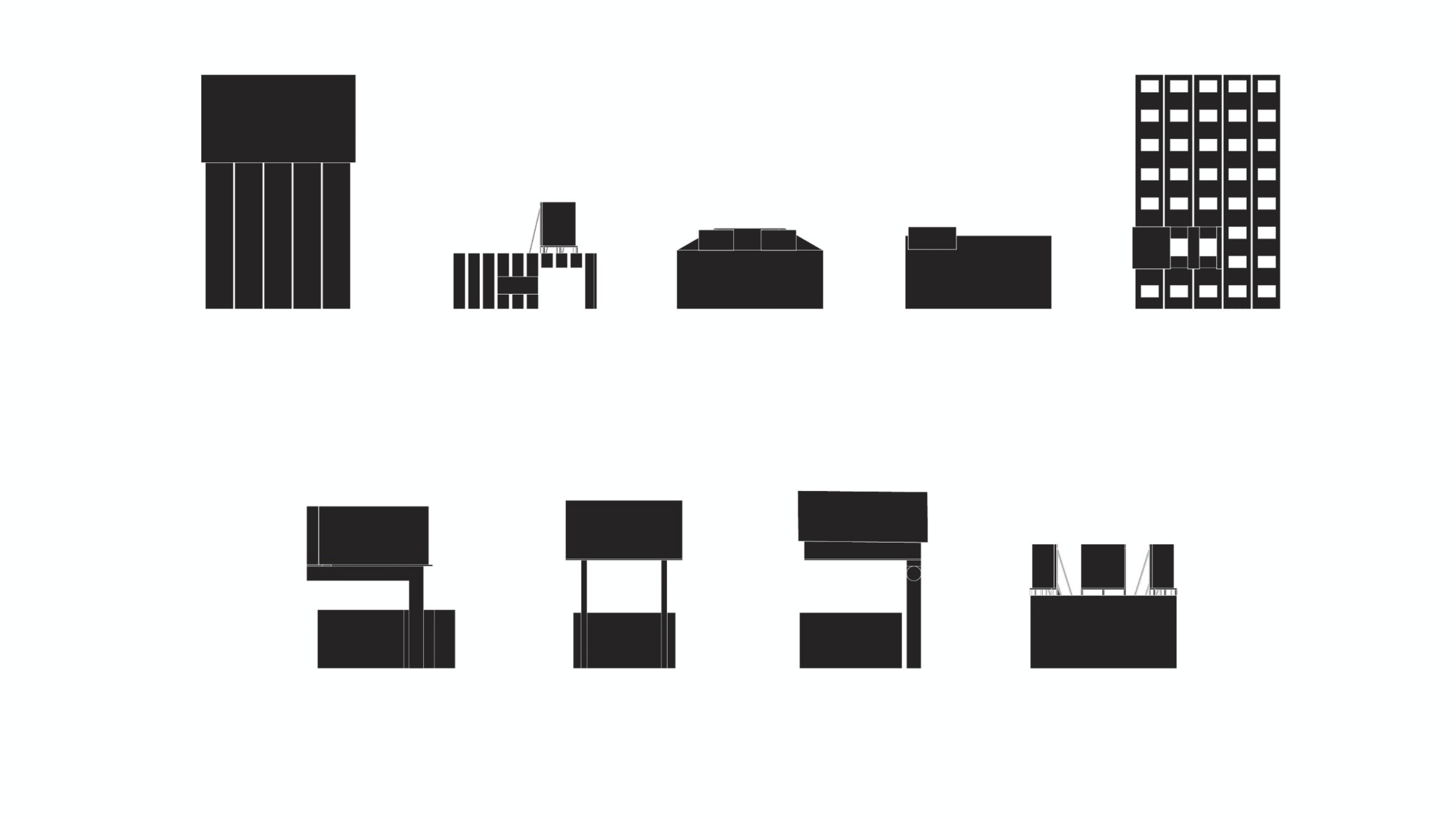
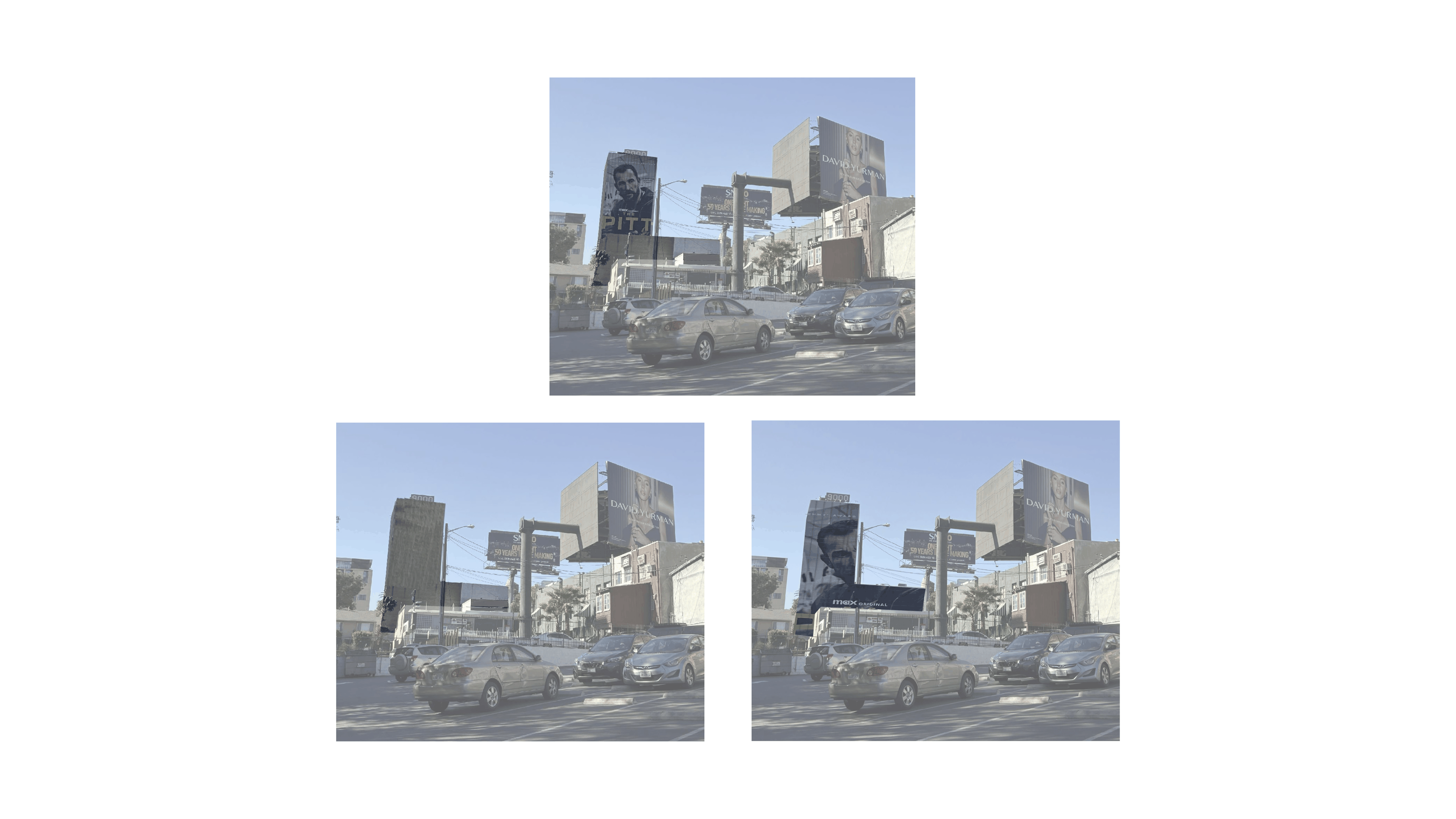
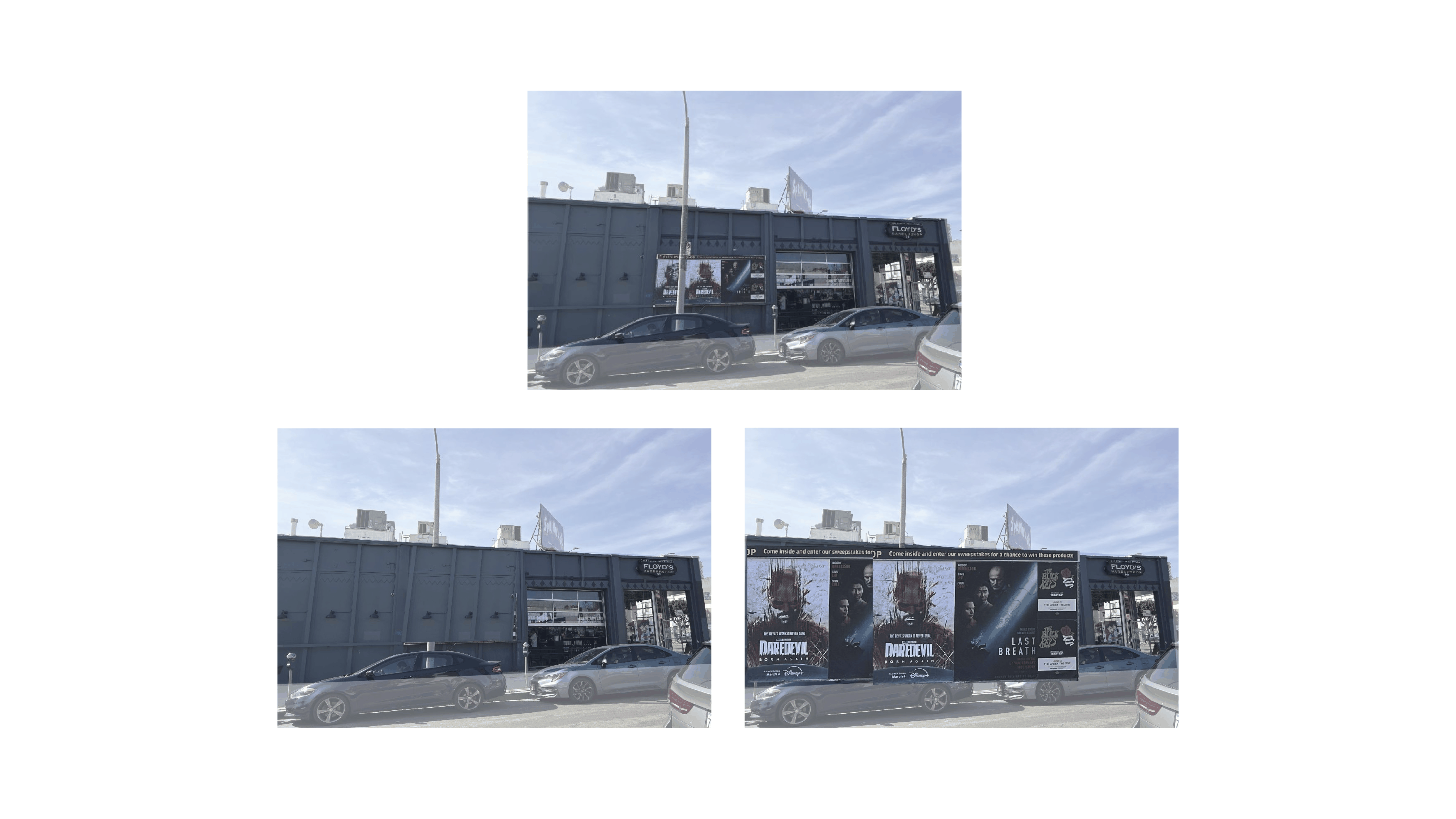
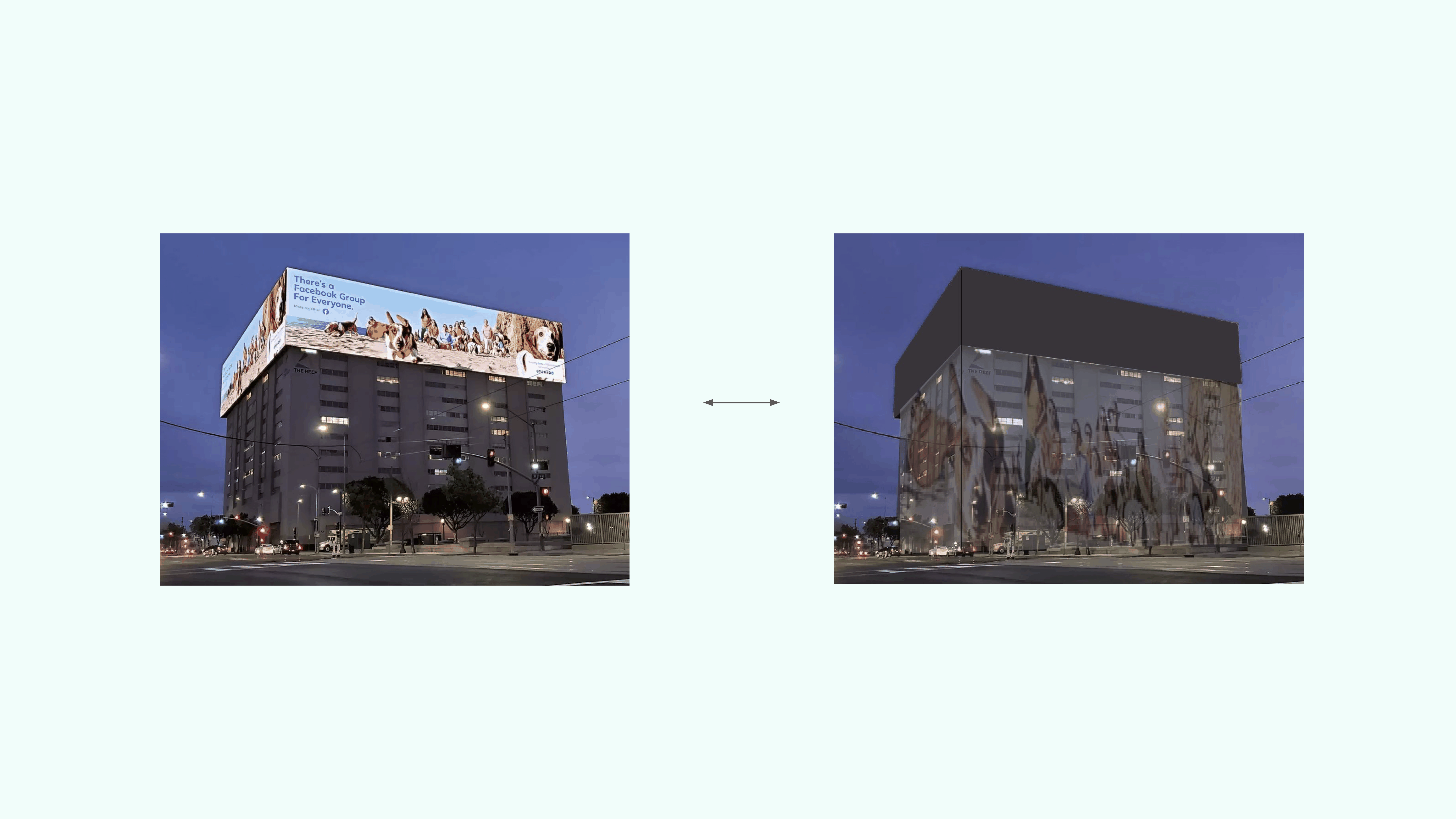
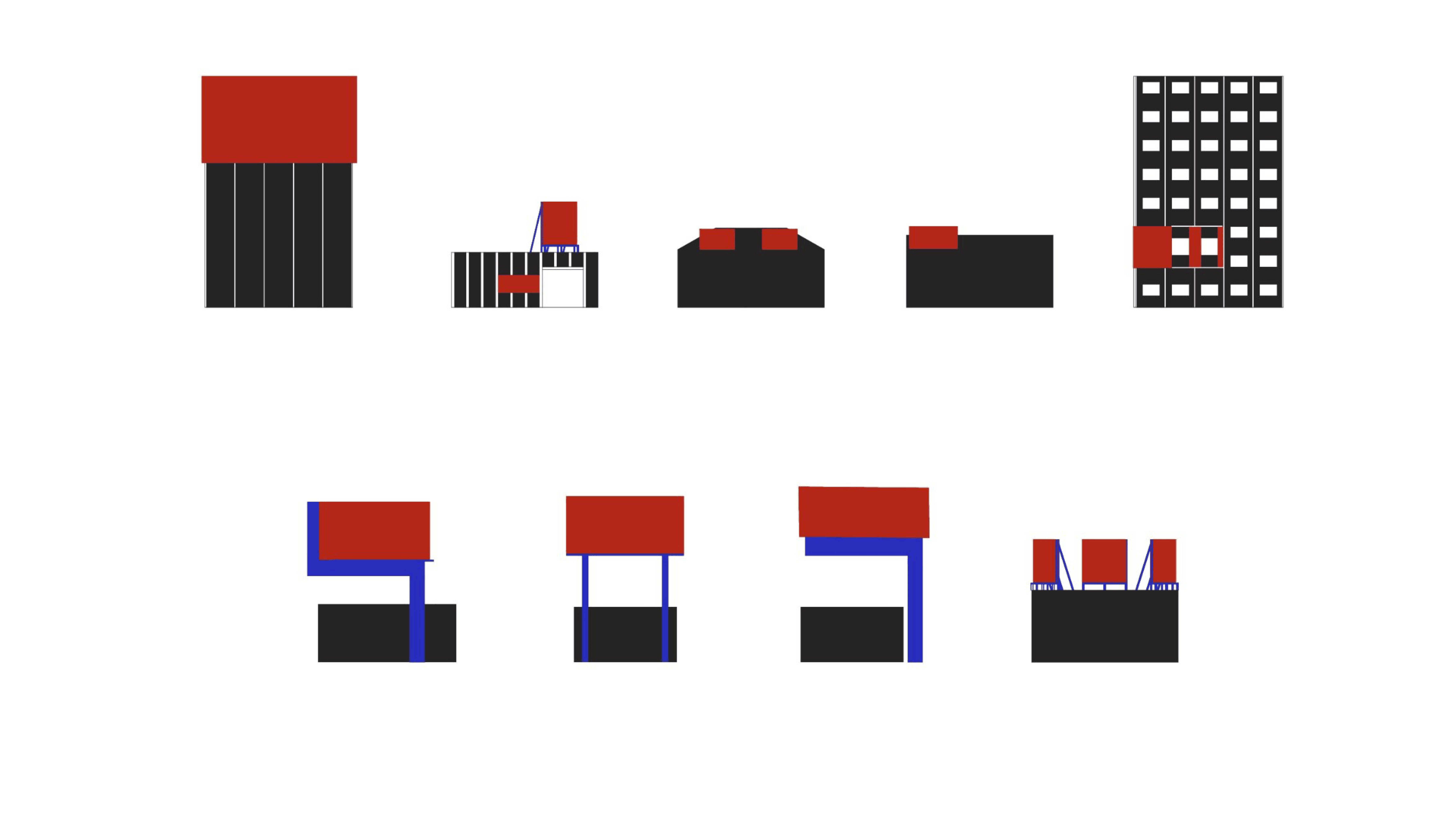
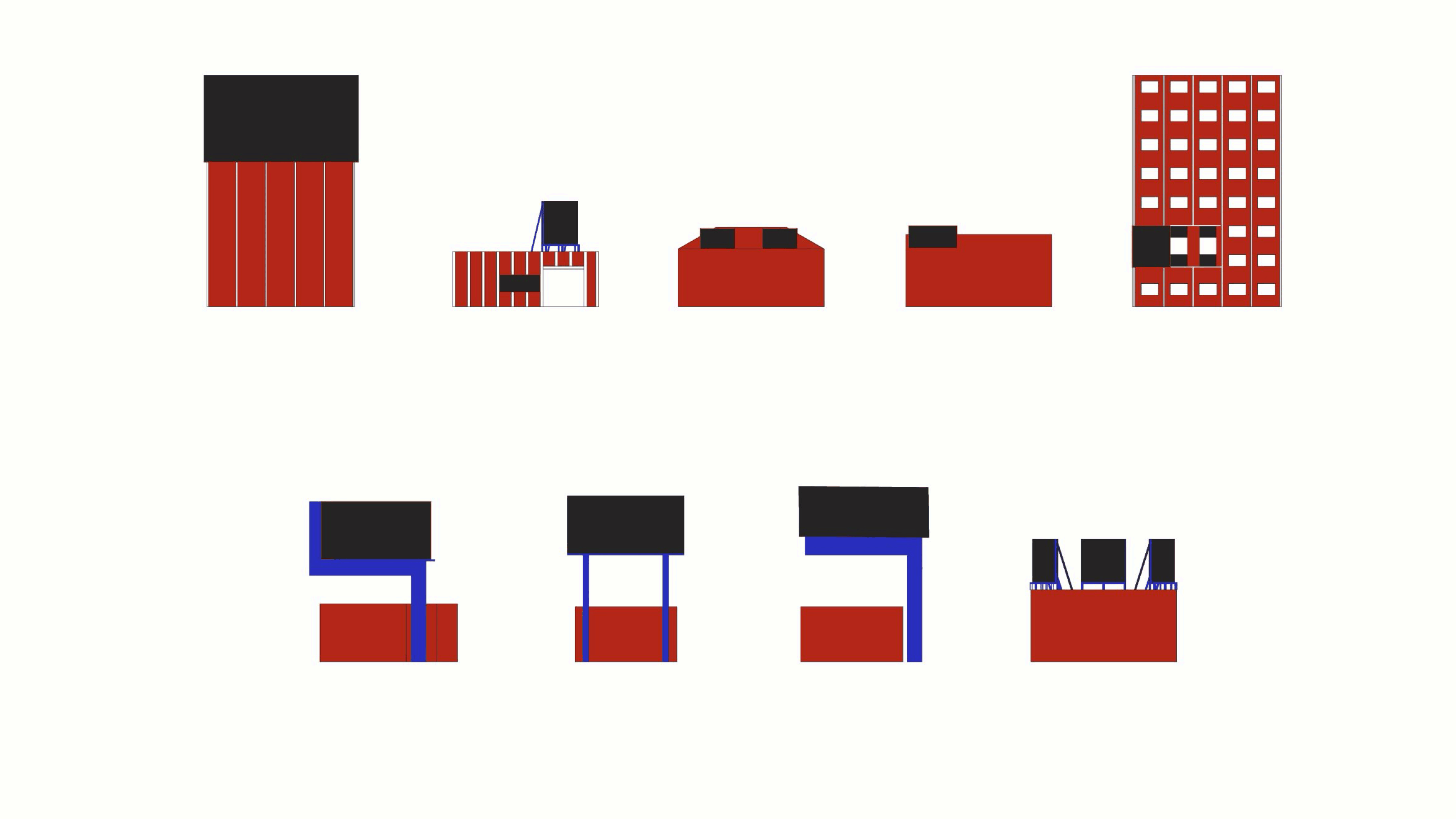
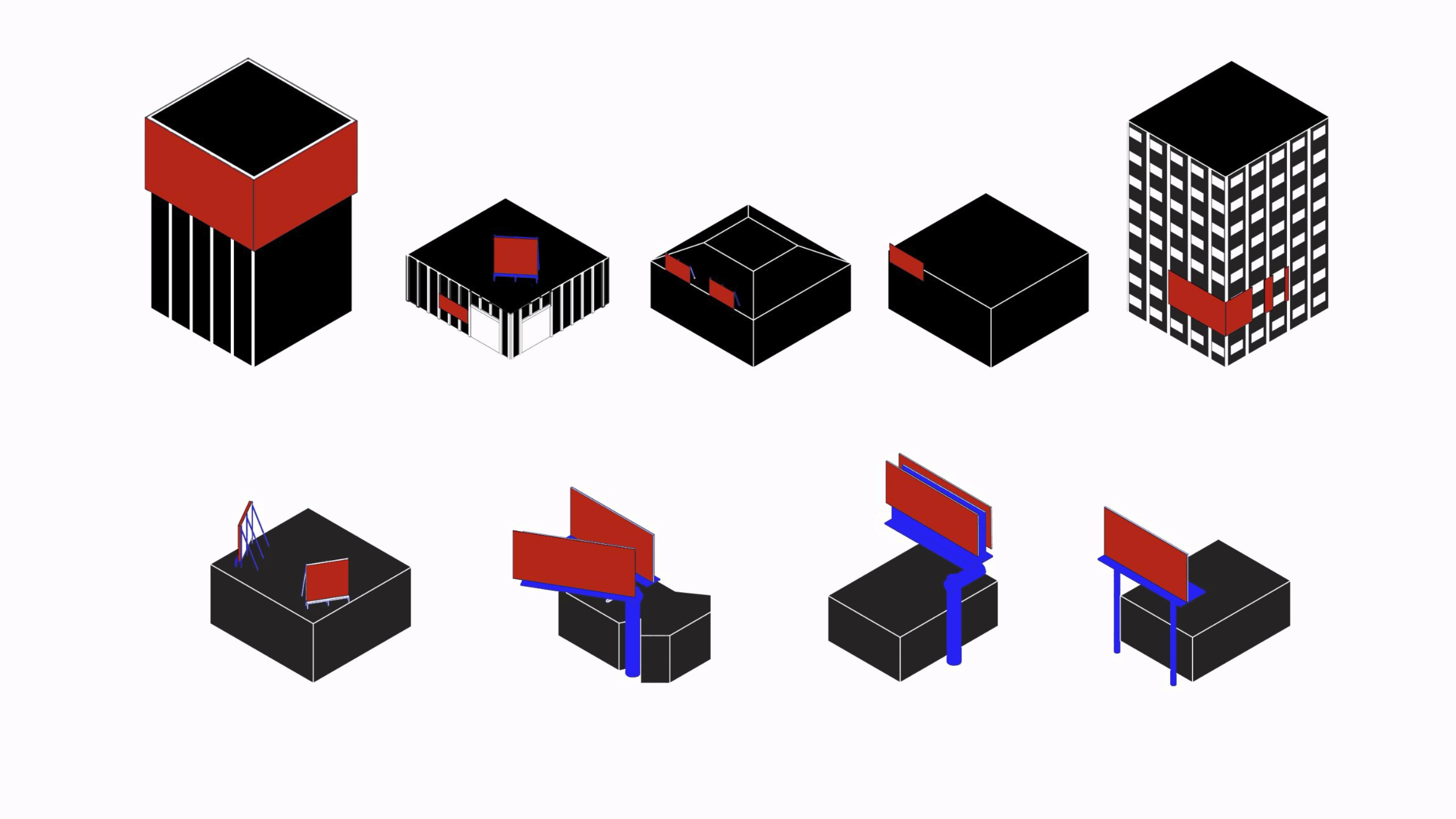
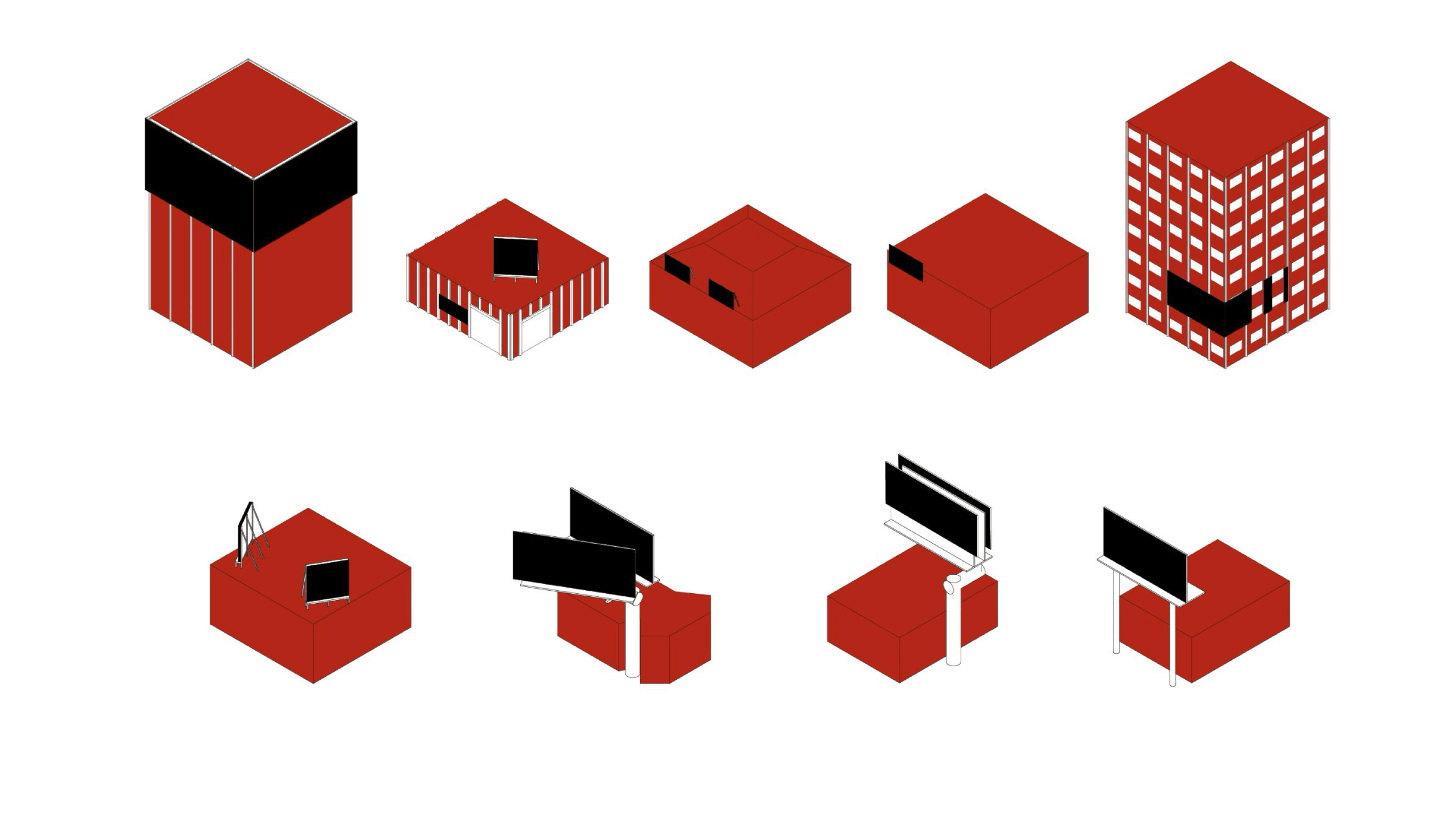
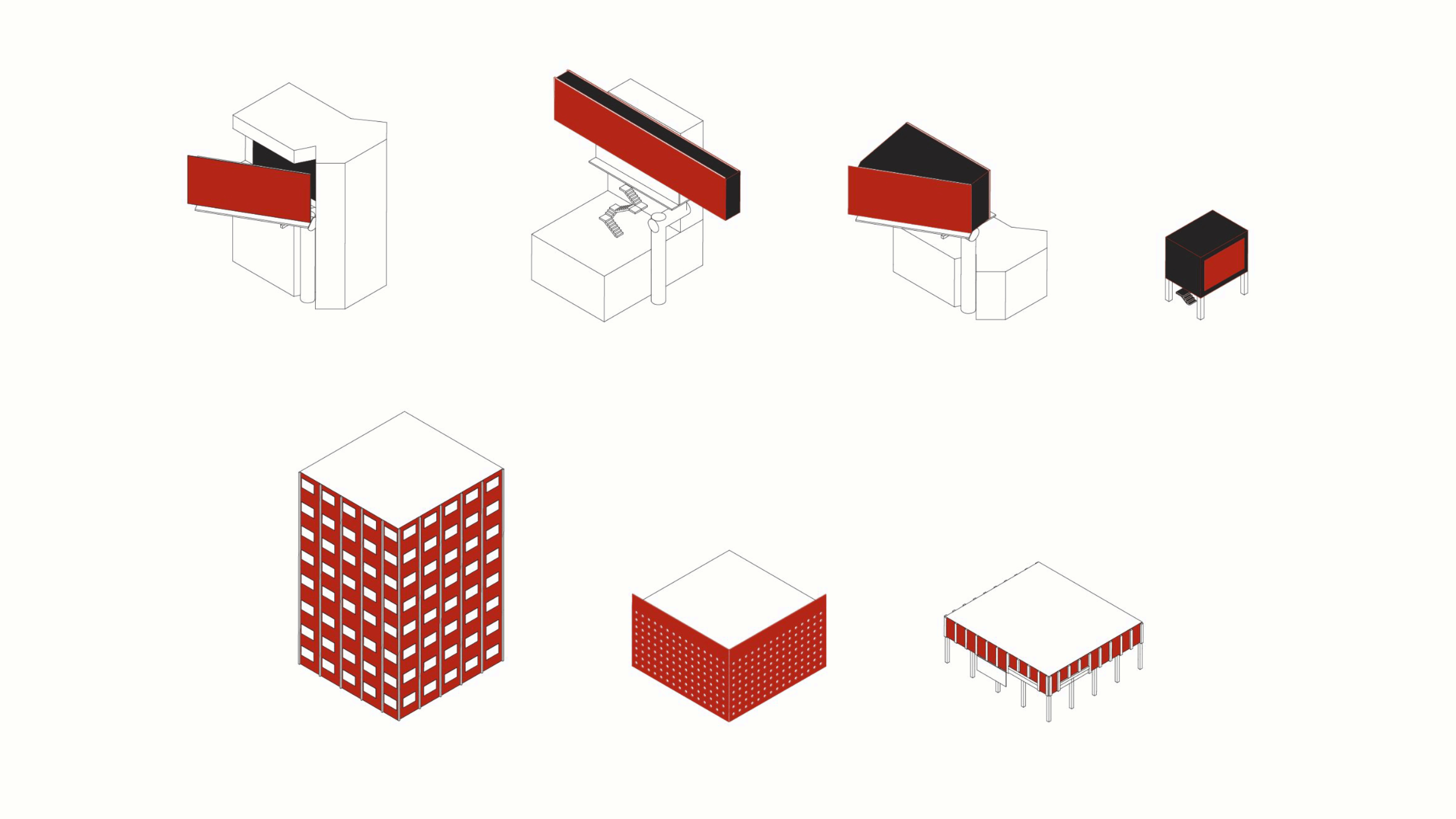
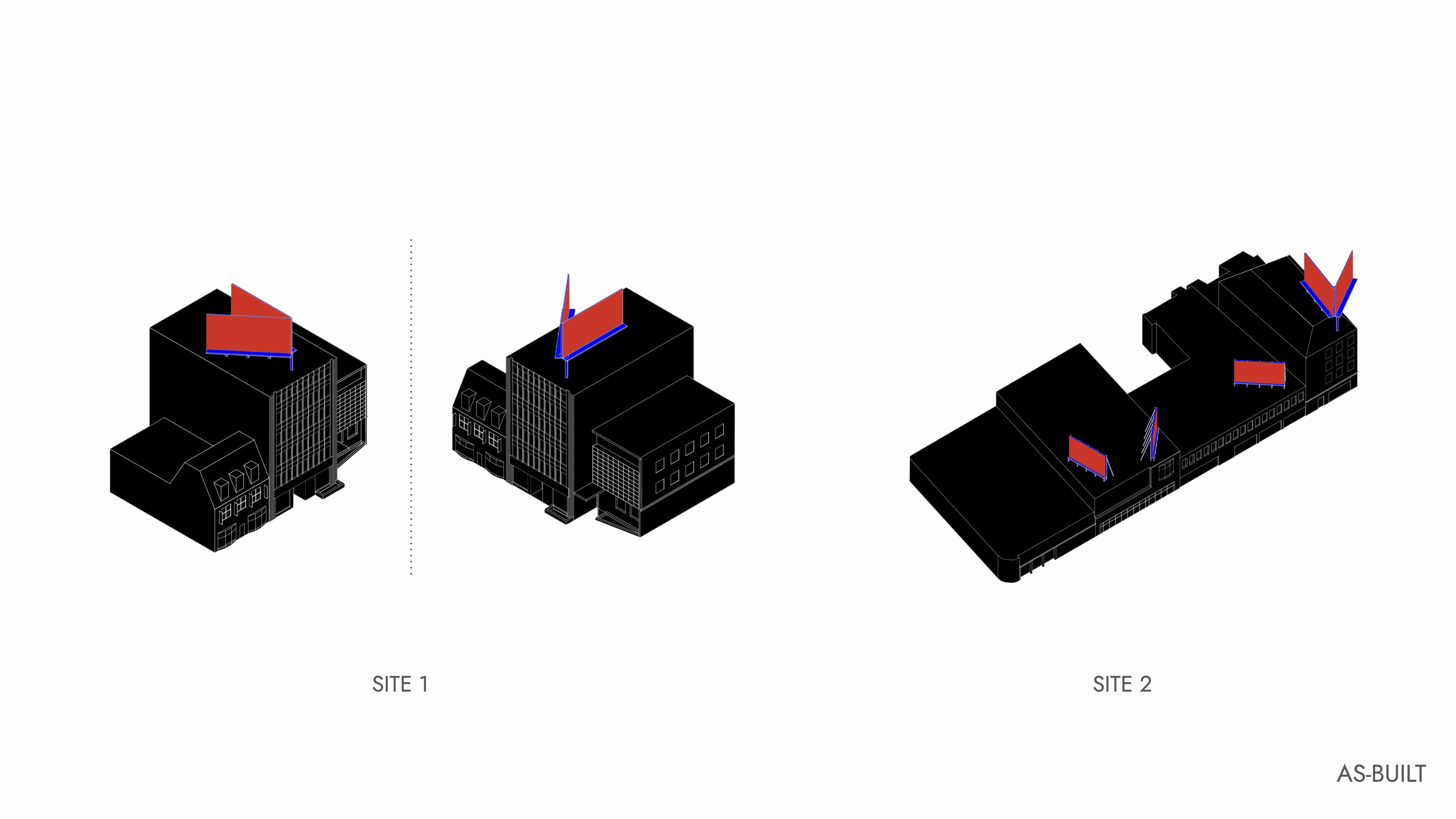
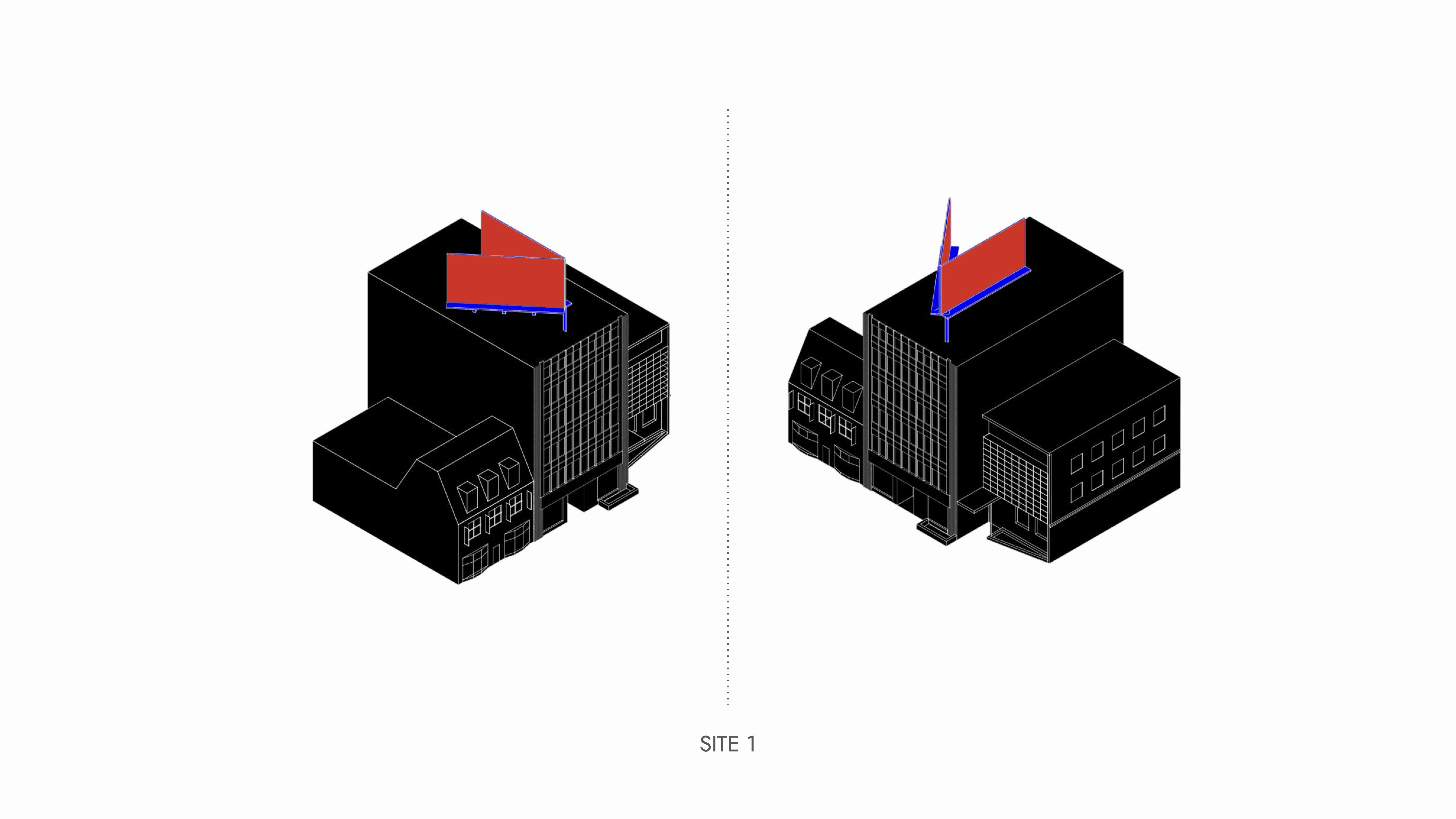
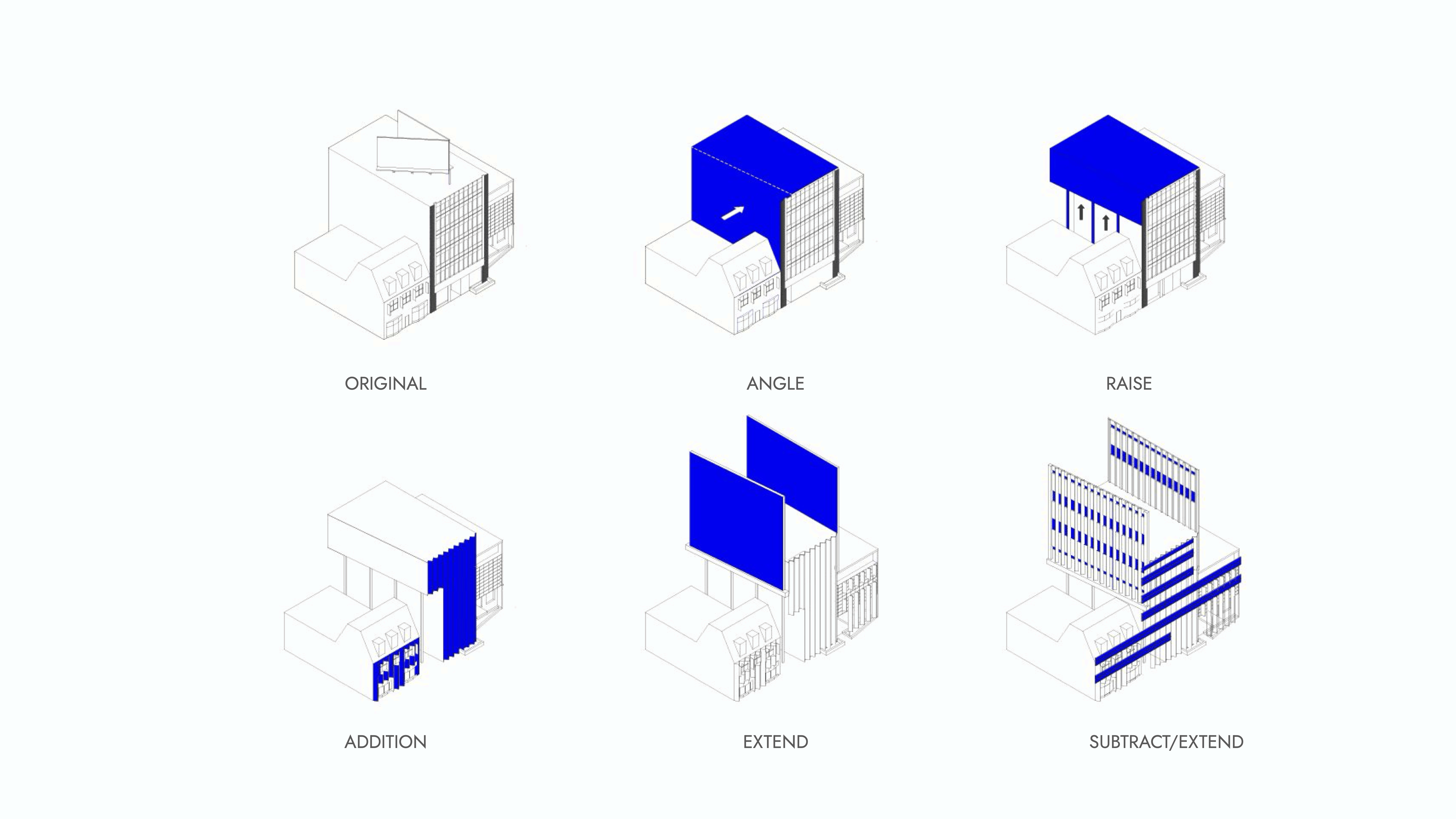
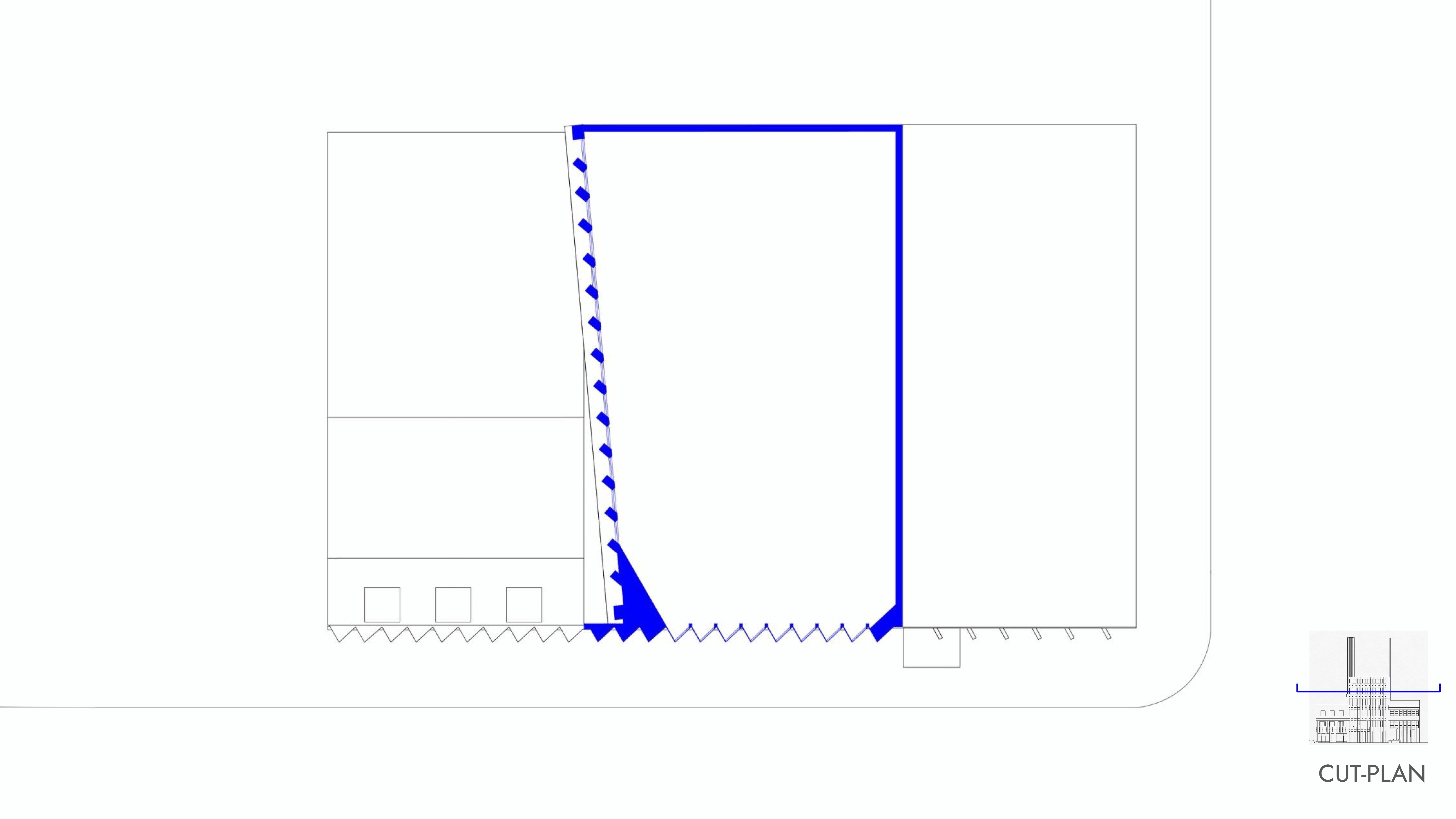
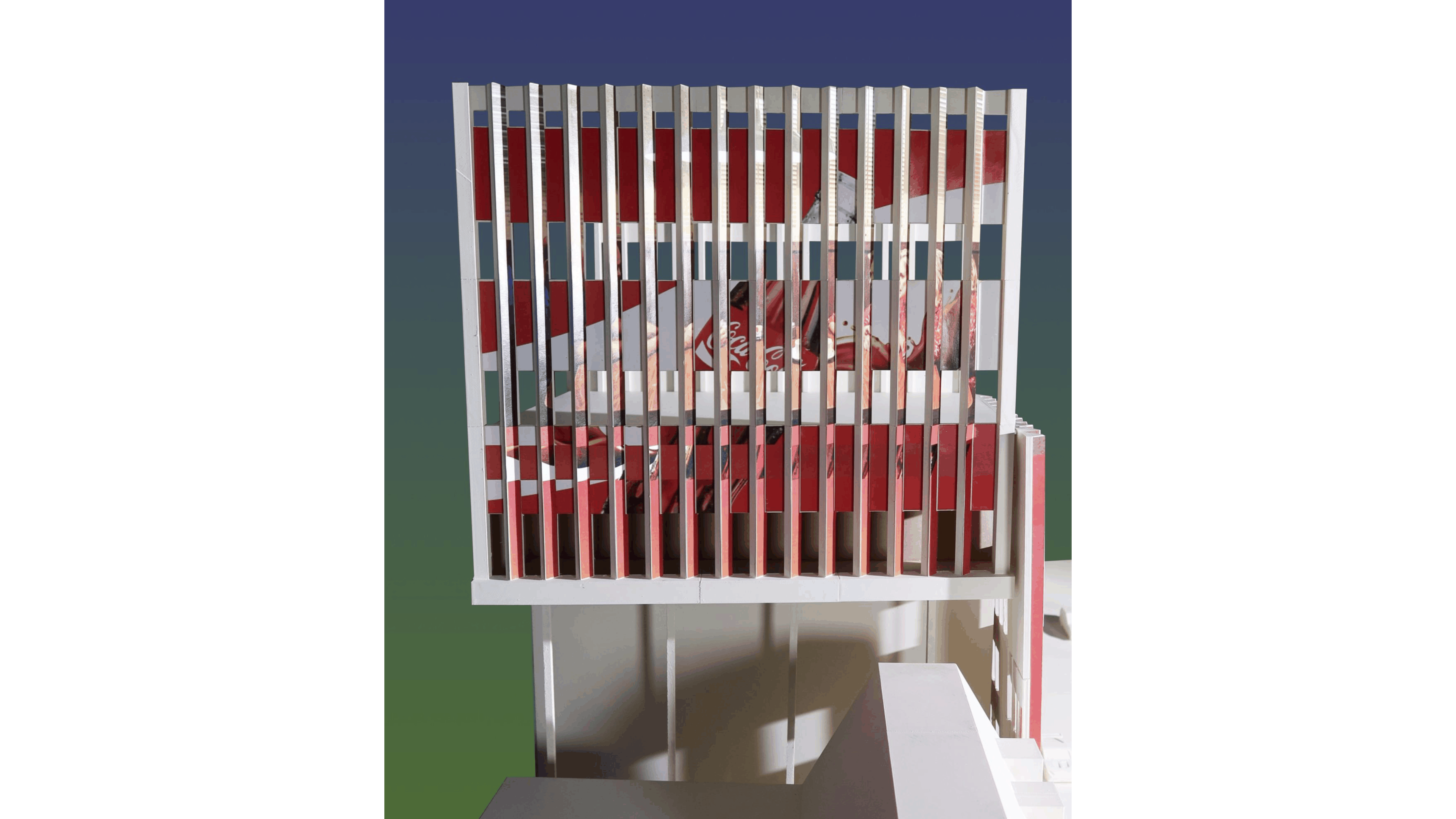
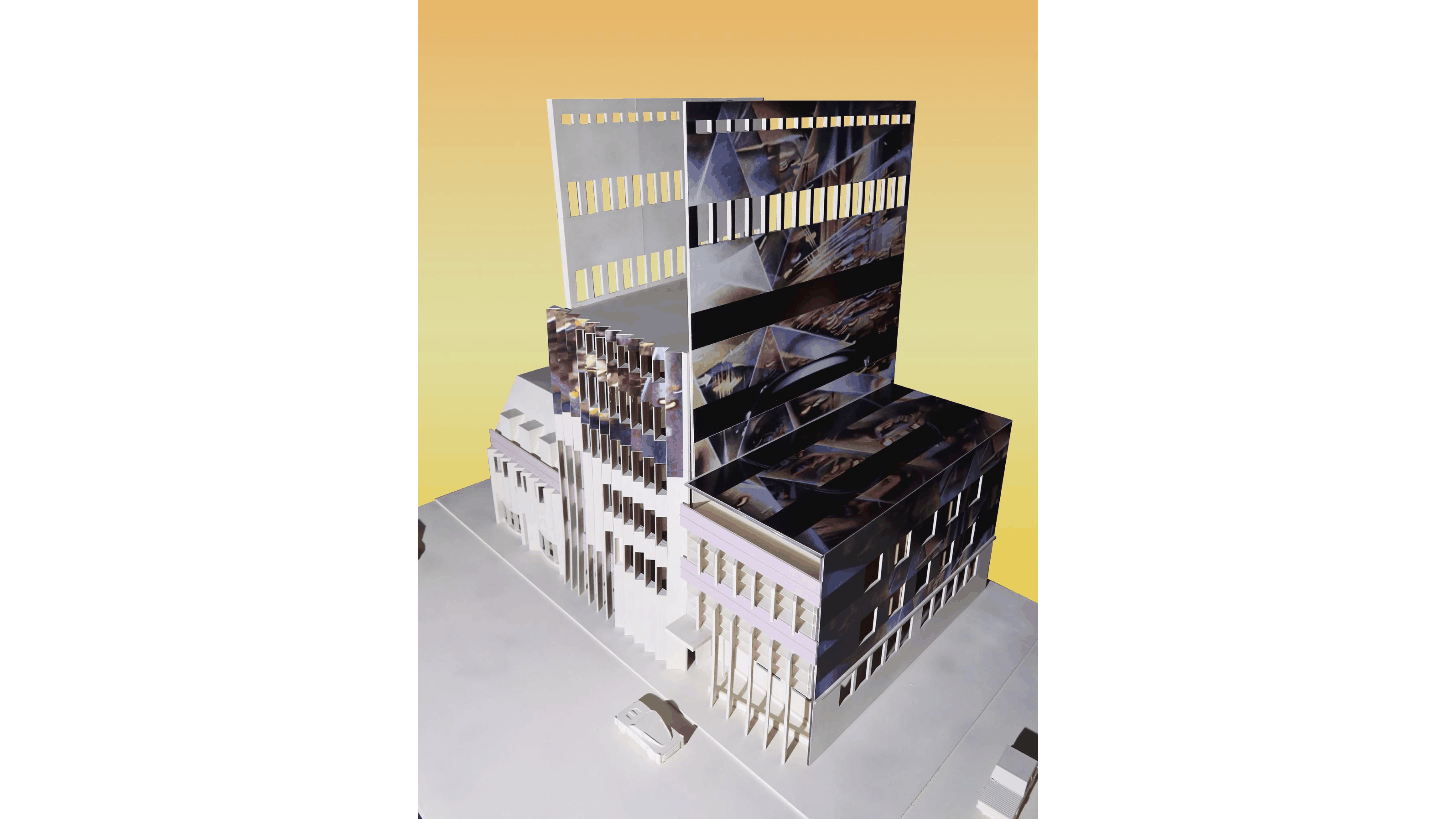
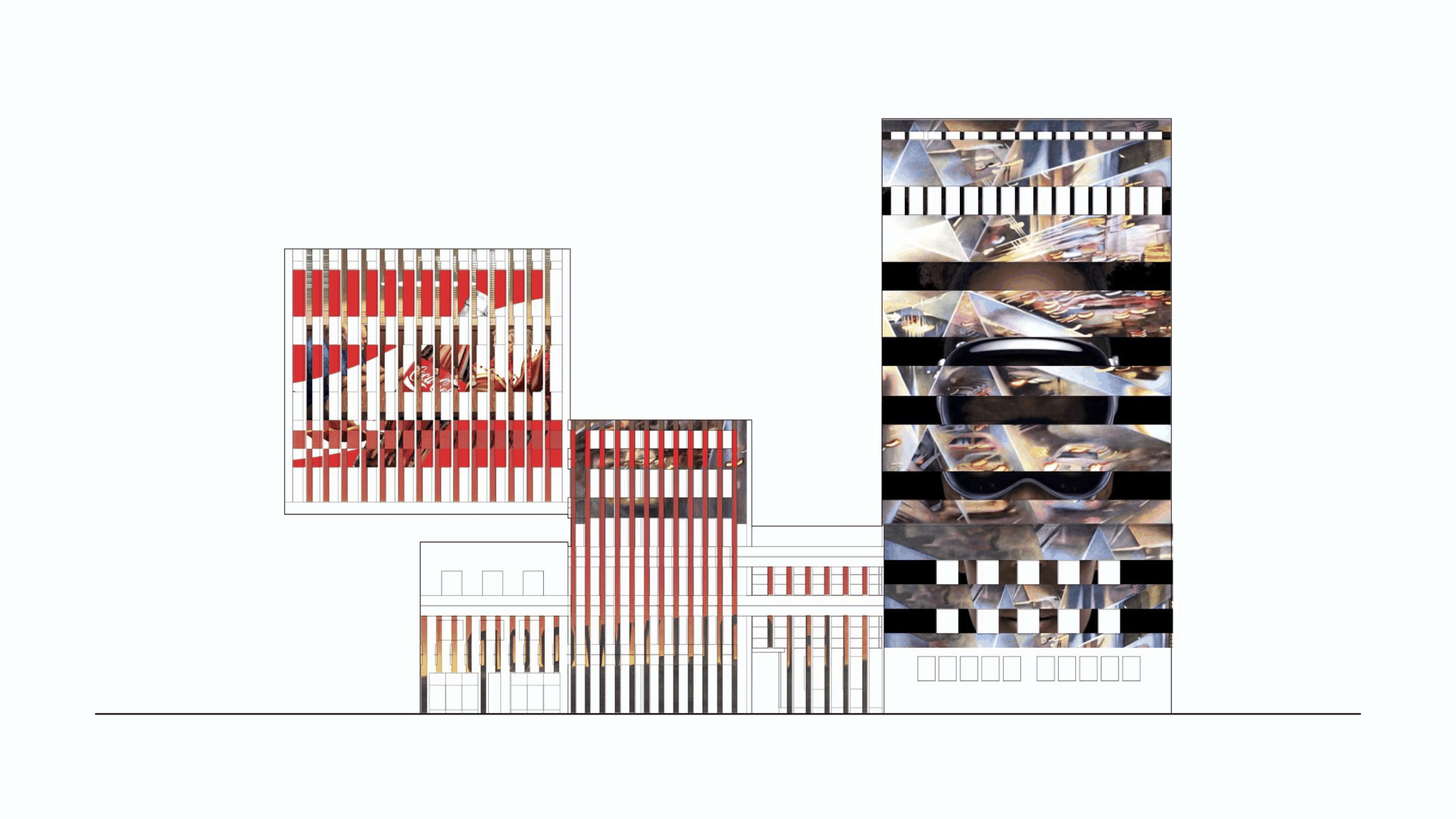
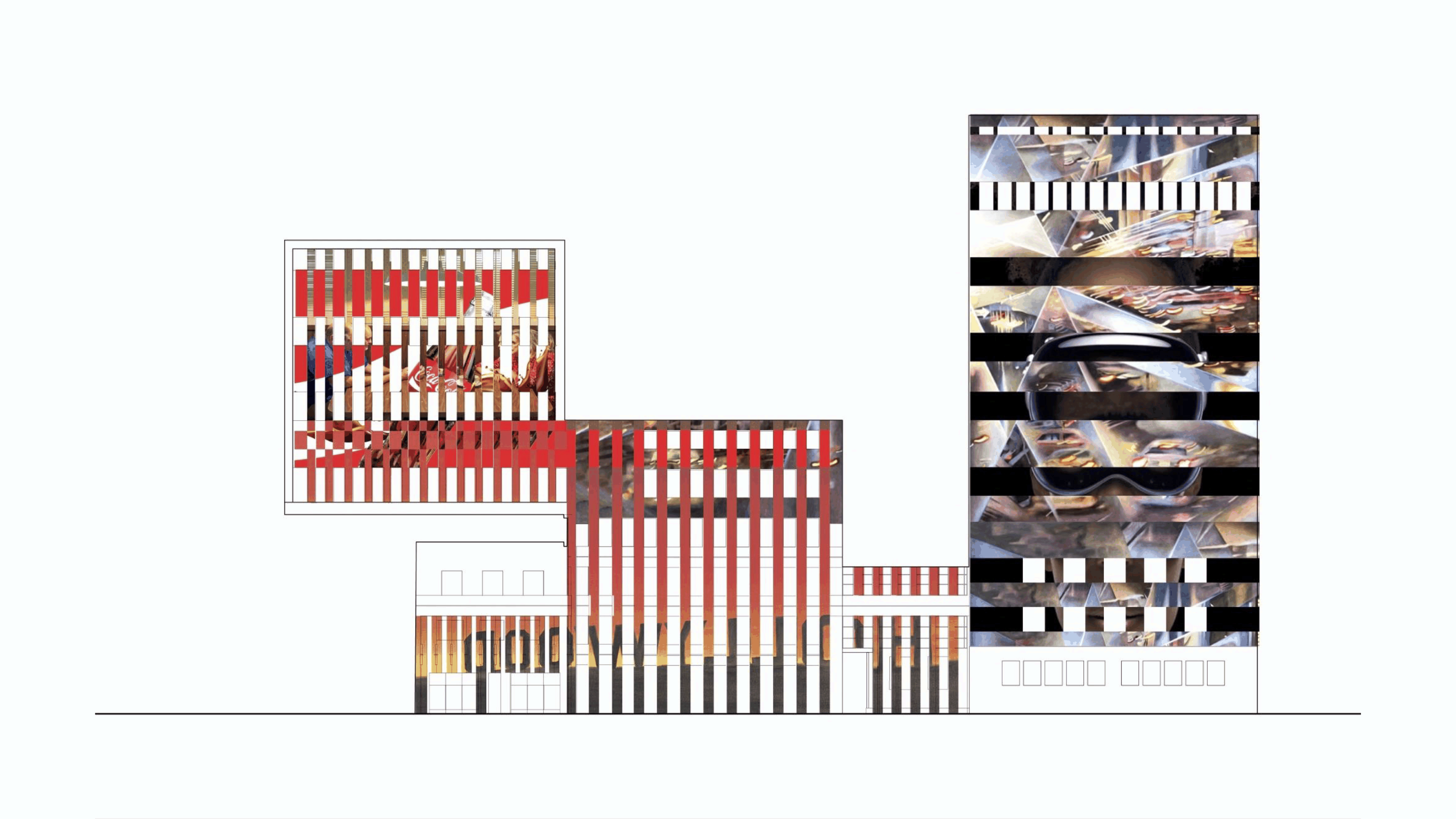
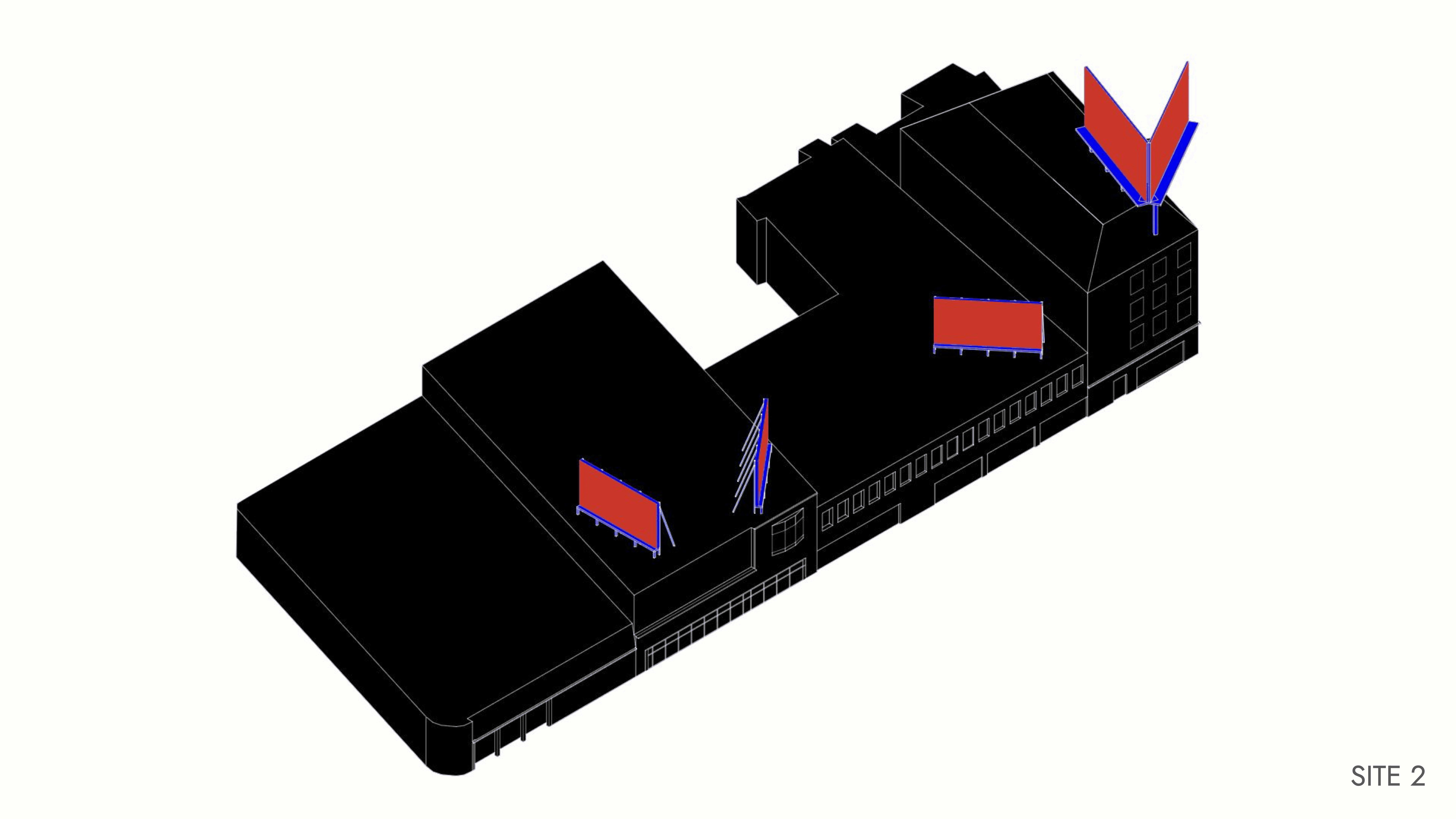
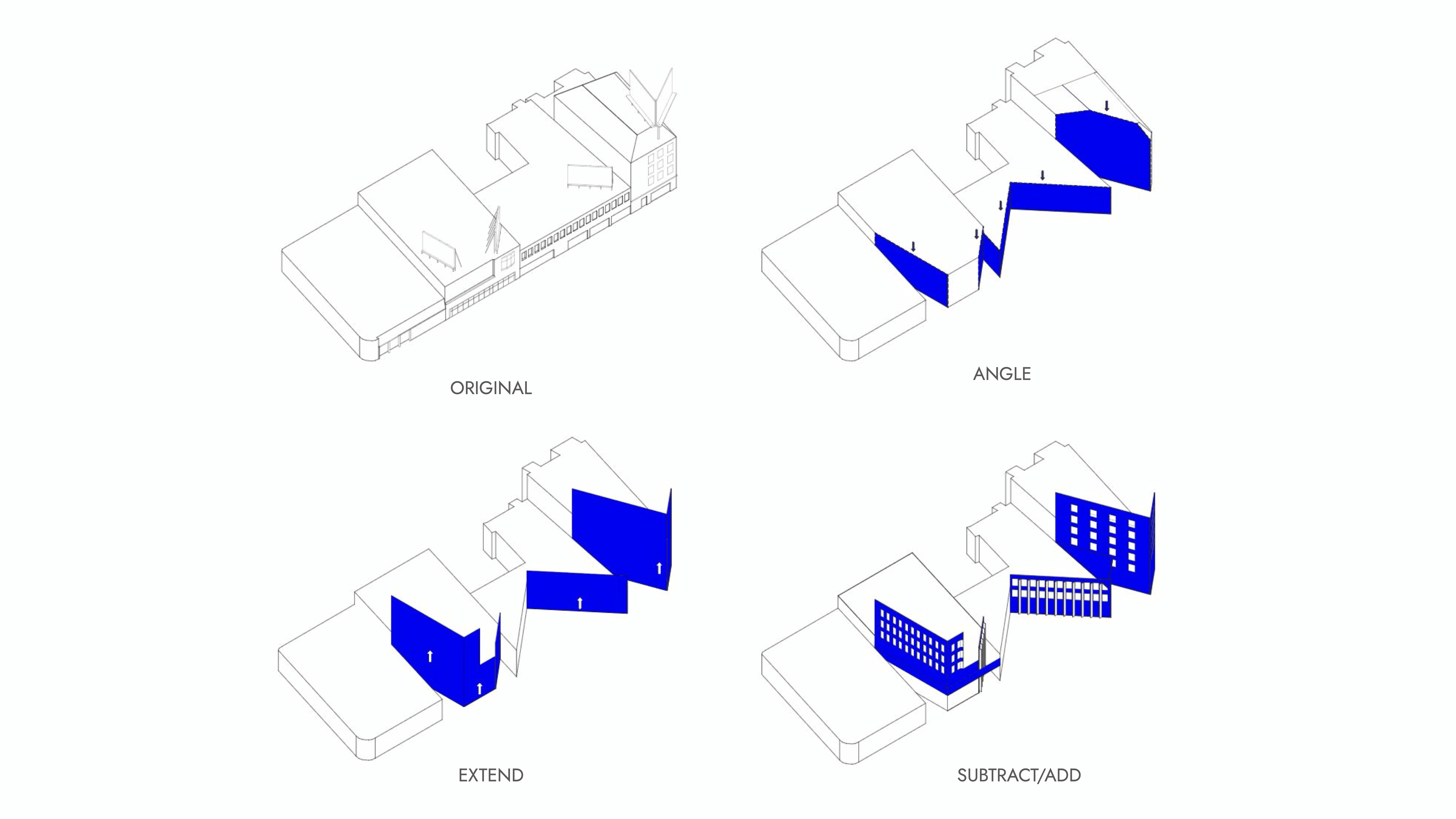
This thesis speculates that the city is not just a collection of buildings but a layered text where architecture, advertising, and media intersect, entangle, and mesh to redefine boundaries. By shaping urban perception and engagement, these elements transform spatial relationships and generate new architectural meanings. Billboards, as symbols of consumerism, prioritize commercial interests and visual saturation. This project challenges that orientation, proposing a new approach where signage and architecture intertwine to foster cultural and urban entanglements beyond commercial intent.
Pixtorian Housing
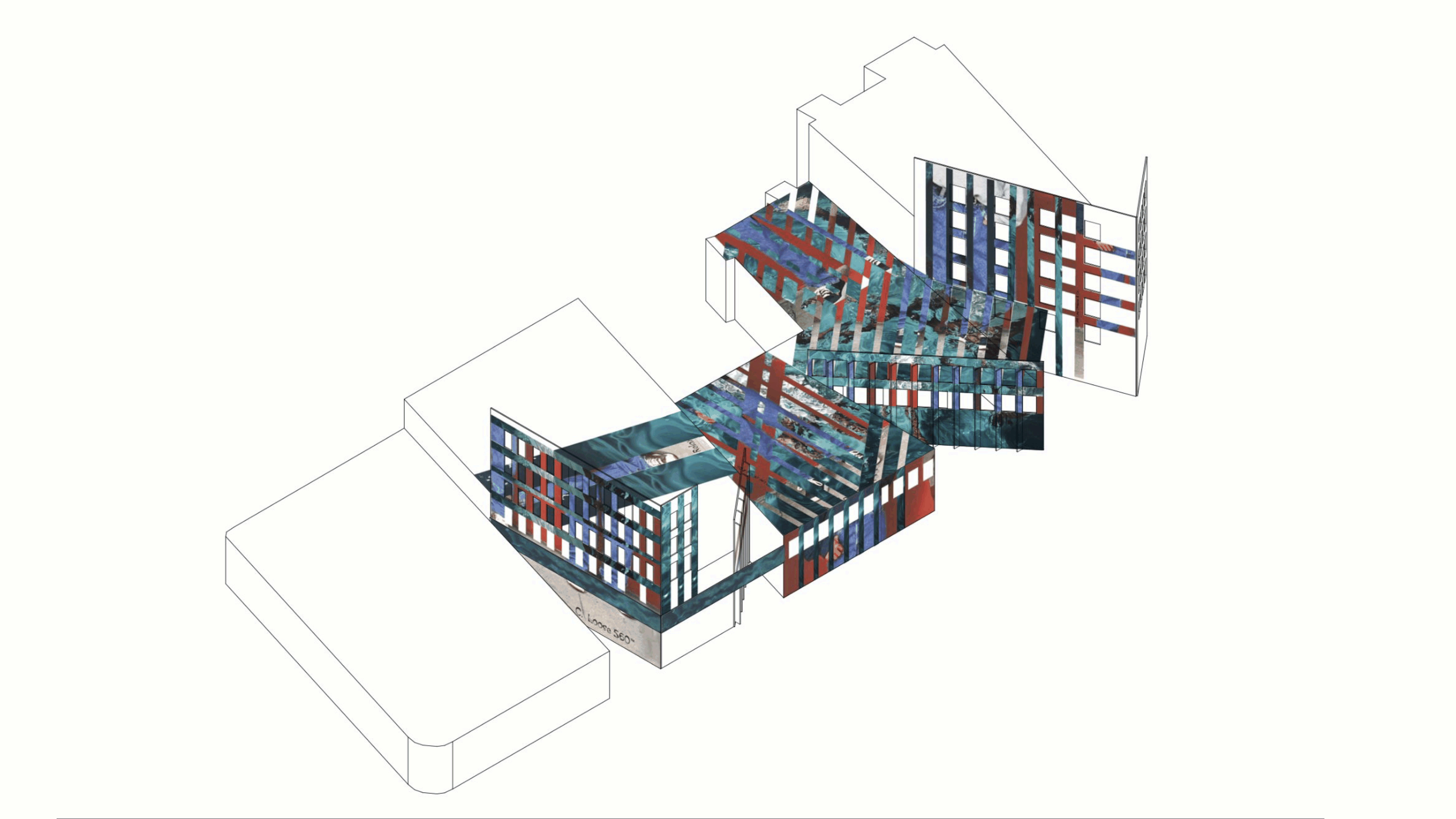
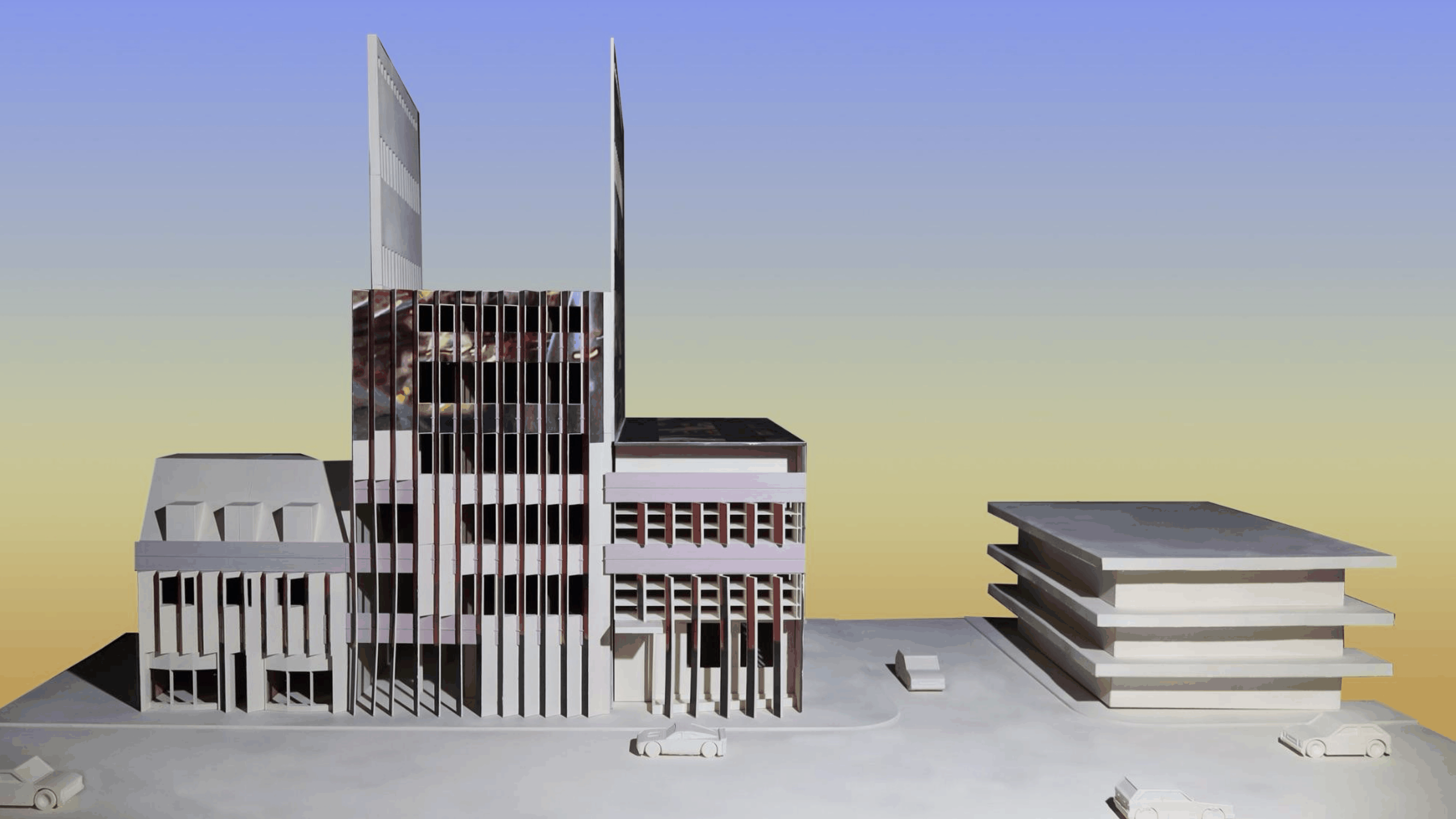
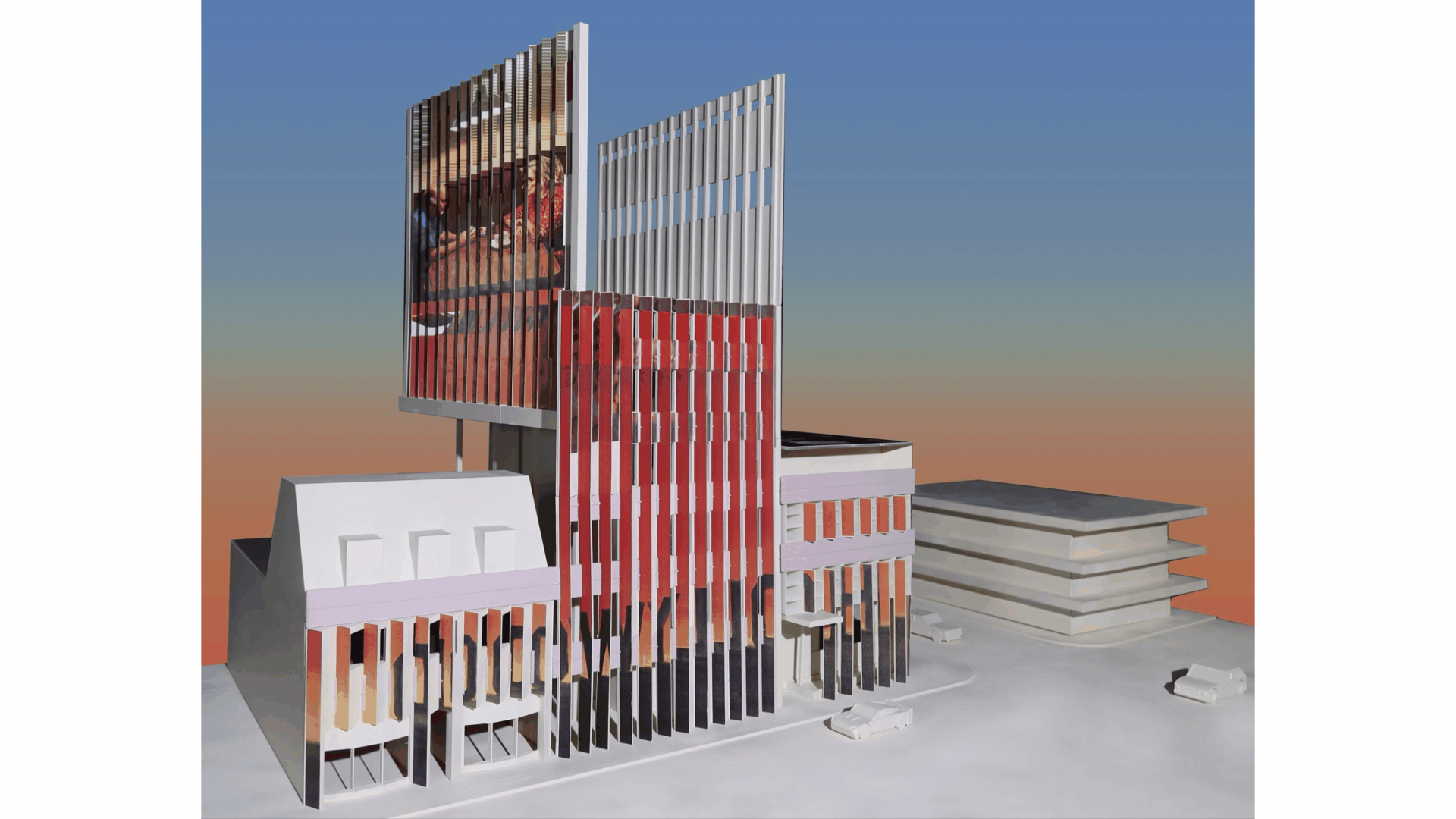
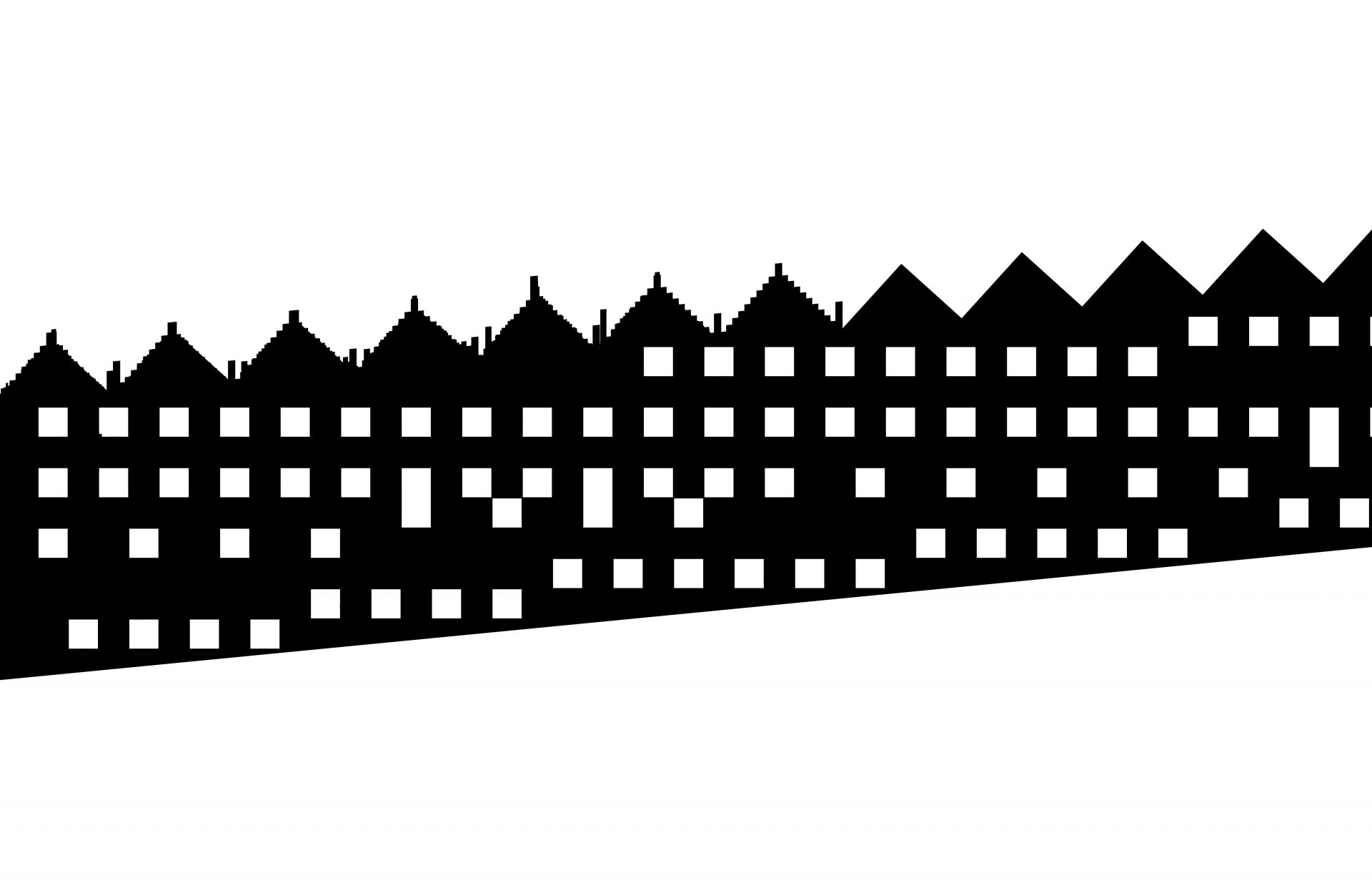
This project explores how forms of visual representation can be speculative and generate design; it investigates how applying abstraction in architecture, in this case, Victorian architecture in San Francisco, can transform ordinary housing into something that challenges our perception of the familiar. Pixtorian Housing digitally processes Victorian architecture through the lense of a video game – pixels, voxels, grids – to create a larger housing project that mixes different forms of living: coliving, cohousing, and family units. Through digital processing, part-to-whole ambiguities, and exploring degrees of resolution, this new form of living within San Francisco redefines the urban fabric.
Sport Clubhouses for Suburban LA
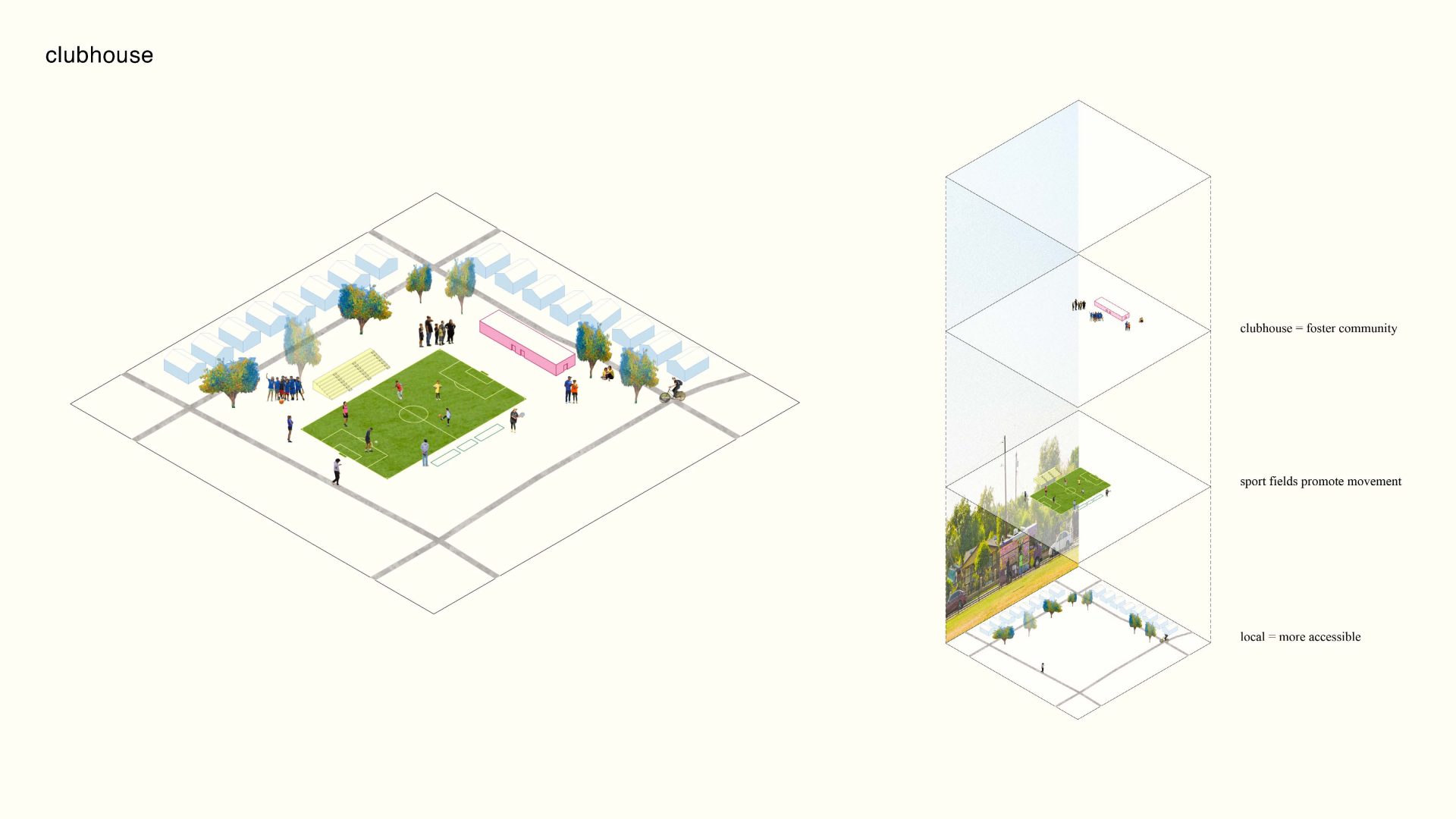
This project explores the transformation of underutilized school fields in Los Angeles County, with a focus on Downey, into sites for neighborhood sports clubhouses. Yoli drew inspiration from her 2024 USC Jon Adams Jerde Traveling Fellowship, during which she studied the urban planning and programmatic elements of successful European clubhouses.
In LA, car-dependent suburban sprawl has exacerbated play inequity and fostered isolation by limiting access to local recreational spaces. By repurposing school fields, this project seeks to localize sports, eliminate cost and travel barriers, and create opportunities for neighbors to connect. Collage techniques, incorporating imagery from Yoli’s photography in Downey, El Monte, Whittier, and Compton, visually represent the communities these clubhouses could serve. Designed with public input, the project reflects Downey’s changing demographics and envisions school-site clubhouses as spaces that foster a sense of belonging and provide accessible places to play.
Between Home & Class: Spatial Agents that Grow, Feed, and Respond
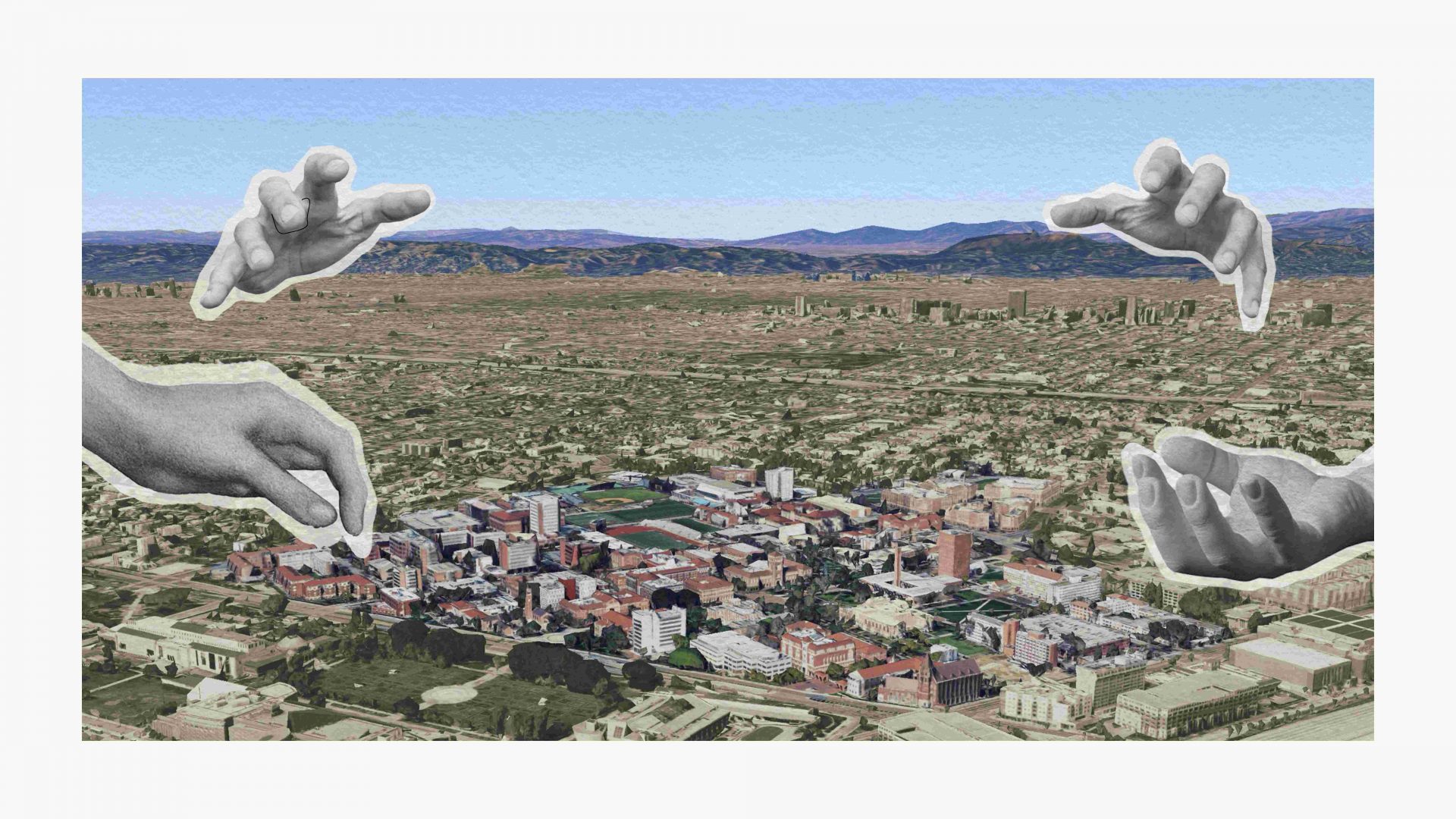
At USC, nearly 10,000 commuter students, almost a fifth of the university population, navigate campus without access to true third spaces—places to pause, rest, eat, or connect between classes. These students move through what Marc Augé calls “non-places,” suspended in transition, academically integrated but infrastructurally excluded. With over 20 percent of students experiencing food insecurity, the absence of lived space intersects with the absence of nourishment. Architecture, in this case, becomes both the problem and the possibility.
This thesis proposes a modular network of spatial agents that grow, feed, and respond to those who engage with them. Each node integrates a vending-based access system, a responsive canopy that cools and glows with collective use, an inverted ceiling garden maintained by a robotic harvesting arm, and a feedback loop where actions like composting, studying, and caregiving translate into meals and shared rewards.
These are not traditional buildings, but civic agents. Designed to reclaim the overlooked edges and in-between moments of campus, the nodes transform architecture into a system of reciprocity. Local vendors and student chefs rotate through compact vending platforms, distributing surplus meals, repurposed ingredients, and seasonal produce, contributing to a campus-scale food recovery system that reduces waste while expanding equitable access to nourishment. The environment grows in response to care. The more students contribute, the more the structure gives back.
While piloted at USC, the system is designed to scale. It can extend to transit stops, public libraries, and food deserts across Los Angeles. By transforming vending into civic infrastructure and embedding food access into the physical fabric of the city, the project reframes nourishment not as a commodity, but as a shared architectural right.
Under the Dome: Repurposing Stadiums into Community Assets
Modern mega-stadiums are built at great expense—often with a combination of public and private funds—yet they frequently yield modest economic returns and lie underutilized for much of the year. Within a few decades, many of these high-profile venues become obsolete or abandoned, leaving behind vast, costly structures and communities burdened by debt.
This thesis focuses on the broader legacy of such stadium projects, arguing that a more sustainable approach is needed to address the long-term consequences of stadium development. Specifically, it explores how displaced communities—like those in Inglewood around SoFi Stadium—might benefit in future decades if stadiums are repurposed for affordable housing once their sporting functions cease.
By converting venues such as SoFi Stadium into community assets, the thesis envisions a model that mitigates gentrification, reclaims underutilized space, and ultimately redresses the social and economic disruption these projects can create.

Urban Refuge: Echoes of Empathy
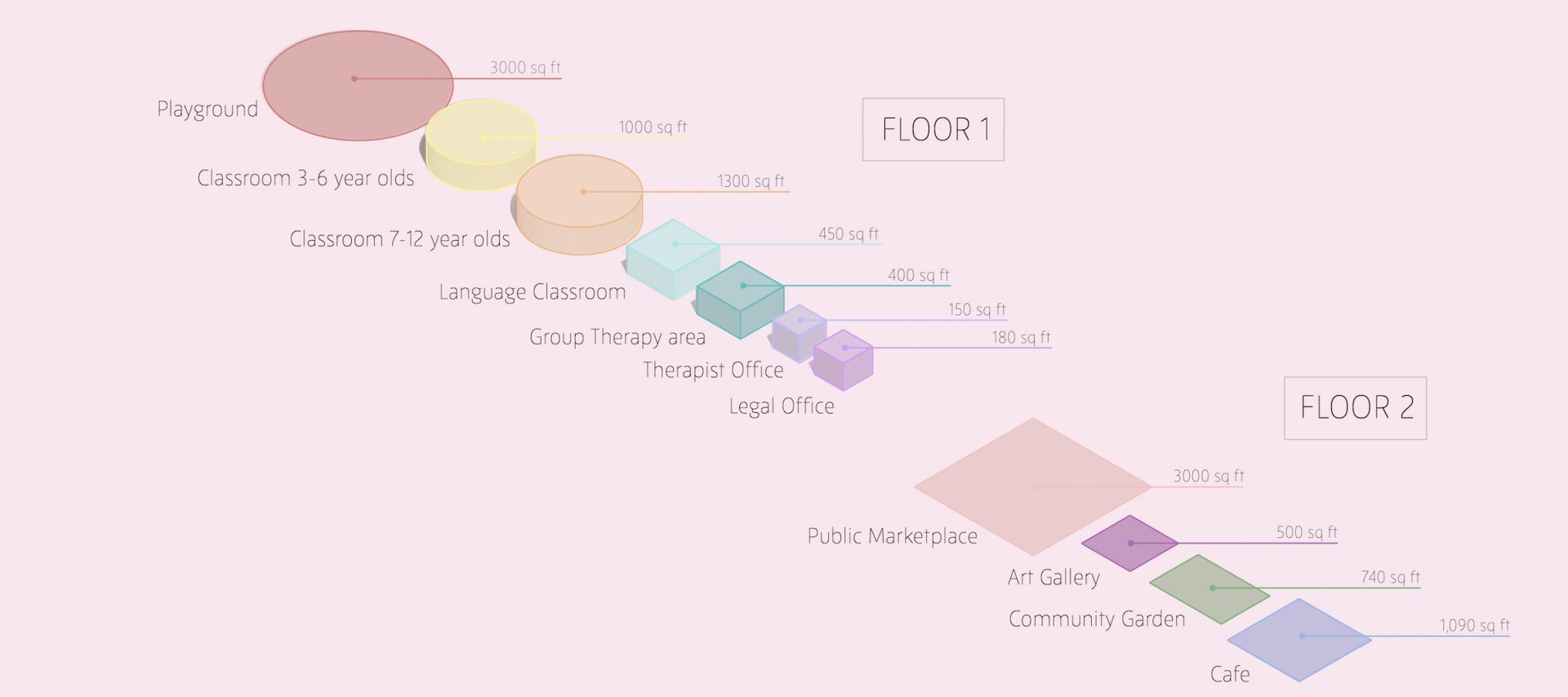
Urban Refuge I Echoes of Empathy explores how architecture can restore a sense of home for external/internal climate refugees through an urban, social, and developmental lens. As global displacement increases due to environmental crises, this project investigates how children—often the most vulnerable—can become leaders in the healing and rebuilding of community. Set in Downtown Los Angeles, the proposal transforms a forgotten amenity deck into a rooftop learning and healing park for displaced children aged 3–12, with adjacent communal spaces where adults can engage, reflect, and relearn empathy. Architecture becomes both a vessel for recovery and a framework for social integration, fostering belonging, equity, and resilience. By embedding play, education, and interaction into the site’s core, the project positions children as catalysts for social change—eliminating bias and nurturing collective healing. Adaptable to other urban contexts, this model proposes a new kind of refuge—one rooted in empathy and designed to echo across generations.
BUS STOP PLUG INS
Growing up in East Los Angeles, I’ve seen firsthand how overlooked public spaces can be and how they can impact daily life, especially the bus stops in the area. Most are just a bench or a pole, offering no shelter, comfort, or connection to the neighborhood. This thesis reimagines these overlooked transit points as architectural interventions that serve more than just transportation needs. By introducing thoughtful design and community-focused programming, bus stops can become welcoming, functional spaces that reflect the identity of the neighborhood and support meaningful social interaction. It’s about transforming a routine moment into an opportunity for connection, dignity, and engagement within the urban fabric.
